
What Is Sande Plywood? Uses, Waterproofing, and Buying Guide

Table of Contents
Sande plywood is a hardwood plywood made with a smooth sande veneer face, often used for cabinets, furniture, shelves, paneling, and interior DIY projects. Standard sande plywood isn’t waterproof, and it’s not the same thing as sanded plywood, though many sande panels are factory sanded.
Best quick answer: choose sande plywood when you want a smooth, light-colored, paint-friendly hardwood panel at a moderate cost; choose another panel when you need premium stain consistency, true outdoor durability, or marine-grade construction.
What Is Sande Plywood?

Quick Definition
Sande plywood is a hardwood plywood panel faced with sande veneer, a pale tropical hardwood surface used for cabinet boxes, furniture, shelving, built-ins, and smooth painted work. If you searched “what is sande plywood,” the key point is simple: “sande” describes the face veneer, while the panel’s strength and moisture behavior depend on the core, glue, grade, and finish.
Species and Trade Names
Sande is often used as a trade name for light-colored tropical hardwood veneer, and many references connect it with Brosimum utile or related Latin American woods. Supplier labeling can vary, so I treat the species name as a clue, not a guarantee; the Wood Database is a useful reference for the wood, but the sheet tag tells you what you’re actually buying.
Appearance and Grain
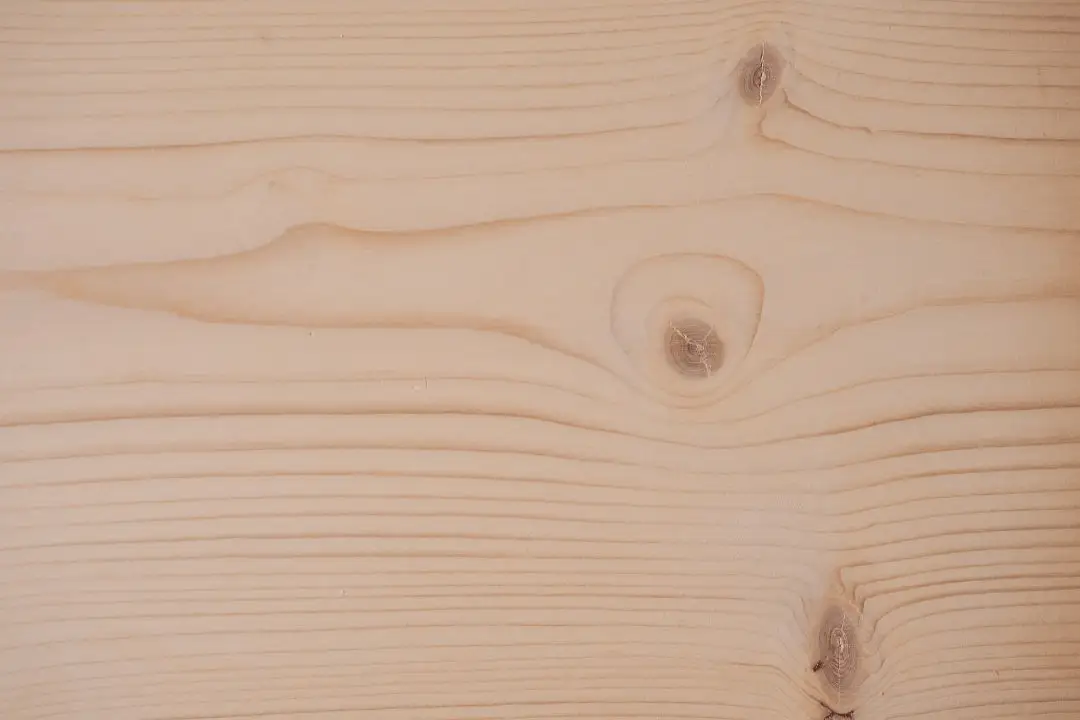
The surface usually looks light tan, cream, or pale yellow-brown with quiet grain and fewer dramatic lines than oak. Freshly cut edges often feel slightly fuzzy under your thumb, while the face feels smooth and dry, almost chalky, before finish; that clean surface is why sande plywood works well under primer and paint.
Workability
Sharp tools matter more with sande plywood than raw force. A fine-tooth blade leaves a cleaner edge, a dull blade tears the pale veneer into whiskers, and heavy sanding can expose the darker core before you notice it; once that happens, stain and clear coat make the mistake stand out.
Common Uses
Common uses include painted cabinets, utility cabinet boxes, closet systems, bookshelves, garage storage, craft benches, wall panels, and furniture parts that will get edge banding. For a wider material overview, compare it with other panels in this guide to types of plywood.
- Cabinet boxes and backs
- Painted furniture panels
- Shelves with front edge support
- Built-ins and closet systems
- Workshop cabinets and jigs
- Interior wall paneling
Sande Plywood vs Sanded Plywood

Key Difference
The key difference is that sande plywood names a veneer type, while sanded plywood names a surface condition. A sheet can be both sande plywood and sanded plywood, but “plywood sanded” on a rack label doesn’t tell you the species, core quality, glue rating, or best use.
Sande Plywood Meaning
Sande plywood means the visible face is made from sande hardwood veneer or sold under that trade name. It’s usually marketed as hardwood plywood, cabinet plywood, or project plywood, but those words don’t replace the need to check face grade, thickness, core type, and exposure rating.
Sanded Plywood Meaning
Sanded plywood means the panel surface has been mechanically smoothed at the factory. It may be pine, fir, birch, sande, or another wood, so beginners often buy a smooth panel for furniture and later find knots, football patches, soft cores, or weak edges that don’t match the project.
Comparison Table
| Feature | Sande Plywood | Sanded Plywood |
|---|---|---|
| Meaning | Wood or veneer trade name | Surface preparation term |
| Material | Usually tropical hardwood veneer | Can be softwood or hardwood |
| Surface | Usually smooth | Smooth by definition |
| Common uses | Cabinets, furniture, shelves, paneling | General projects, furniture, underlayment, sheathing depending on grade |
| Main buying risk | Assuming every sande panel has the same core and glue | Confusing smoothness with cabinet quality |
| Search phrases | sande plywood, what is sande plywood | sanded plywood, plywood sanded |
Buying Confusion
Buying confusion starts when a store sign says “sanded plywood” and the shelf tag says “sande.” If you’re building cabinets, don’t stop at the smooth face; check the edge for voids, lift one corner to judge weight, and sight down the sheet because a cupped panel will fight you during assembly.
Construction, Sizes, and Grades
Face Veneer
The face veneer is the thin visible layer that controls appearance, sanding tolerance, and stain behavior. Many home-center hardwood panels use thin faces, so don’t attack glue marks with 80-grit paper; scrape carefully first, then sand lightly so you don’t burn through the veneer.
Core Types
The core can be veneer, MDF, particleboard, or a combination. Veneer-core sande plywood holds screws better and weighs less, MDF-core stays flatter and paints beautifully, and particleboard-core panels can be budget-friendly but need stronger edge treatment around hinges, fasteners, and moisture-prone seams.
Adhesives and Compliance
Glue rating tells you more about moisture tolerance than the sande face does. Look for interior, exterior, water-resistant, phenolic, soy-based, NAUF, CARB Phase 2, or TSCA Title VI language; the EPA formaldehyde standards explain why composite wood products must meet emissions rules in the United States.
Sheet Sizes
Sheet sizes most often include 4 ft. x 8 ft. full panels, plus 2 ft. x 2 ft., 2 ft. x 4 ft., and 4 ft. x 4 ft. project panels in some stores. A full 4×8 sande plywood sheet is awkward in a small shop; the panel flexes like a sail when you carry it, so bring help or have the store make rough transport cuts.
Nominal and Actual Thickness
Actual thickness is often slightly less than the nominal label. A 1/4 in. panel may measure about 7/32 in., 1/2 sande plywood may measure about 15/32 in., and 3/4 sande plywood often measures about 23/32 in.; odd search terms like 11/32 plywood or 17/32 plywood usually come from these real-world measurement gaps.
Ply Count and Weight
Ply count affects stability, screw holding, and edge appearance, but it doesn’t prove quality by itself. A 1/4 in. hardwood plywood sheet often weighs 20–30 lb, 1/2 in. runs about 40–50 lb, and 3 quarter in plywood can land around 60–75 lb; use this plywood weight guide when planning transport or wall-mounted builds.
Face Grades
Face grades describe how clean the visible surface is, though hardwood plywood labels may differ from construction plywood stamps. Pick the cleanest face for cabinet doors and stained furniture, accept small patches for painted shop cabinets, and use lower-grade backs only where nobody will see them; this plywood grades guide explains the broader grading logic.
Is Sande Plywood Waterproof?
Short Answer
No, standard sande plywood is not waterproof. If you’re asking “is sande plywood waterproof,” the safe answer is that it may handle limited indoor moisture when sealed, but water can still enter through the wood face, exposed edges, screw holes, scratches, and seams.
Waterproof vs Water-Resistant
Water-resistant means the panel can tolerate some moisture exposure with the right glue and finish; waterproof means water exposure won’t cause absorption, swelling, decay, or glue failure. Plywood exposure ratings matter here, and the APA plywood resource gives useful context on panel construction and rated uses.
Moisture Failure Points
Edges fail first because they expose end grain and core layers that drink water faster than the face. I’ve seen a small sink leak turn a neat vanity bottom into a raised, rough ridge that feels like swollen cardboard under your fingertips; sealing the screw holes and plumbing cutouts would have slowed that damage.
- Unsealed edges
- Fastener holes
- Plumbing cutouts
- Surface scratches
- Open seams
- Standing water at the bottom edge
- Repeated wet and dry cycles
Indoor Moisture Uses
Indoor moisture doesn’t automatically rule out sande plywood. Kitchen cabinet boxes, laundry storage, garage shelves, and bathroom vanities can work if you seal faces, edges, drilled holes, toe-kick areas, and sink openings; beginners often seal only the visible face, then wonder why the hidden edge swells.
Outdoor and Marine Use
Outdoor use is where standard sande plywood becomes risky. For boat parts, wet decking, exterior furniture, or repeated rain exposure, use true marine plywood or an exterior-rated panel instead of assuming a smooth hardwood face can survive weather.
Sealing Options
Good sealing improves moisture resistance but doesn’t turn interior plywood into marine plywood. Use primer and paint for protected painted work, polyurethane for indoor furniture, spar urethane for flexible exterior-type finish needs, and epoxy for high-moisture edges, cutouts, and end grain that need a tougher barrier.
| Application | Standard Sande Plywood? | Practical Note |
|---|---|---|
| Dry indoor furniture | Yes | Finish both faces for balance |
| Painted cabinets | Yes | Seal edges before final paint |
| Kitchen cabinet boxes | Usually | Protect sink and dishwasher areas |
| Bathroom vanity | Possible | Seal cutouts and improve ventilation |
| Outdoor furniture | Not ideal | Use exterior-rated plywood and seal fully |
| Boat projects | No | Use marine-grade plywood |
Sande Plywood for Cabinets and Uses
Cabinet Boxes
Cabinet boxes are one of the best uses for sande plywood when the sheet is flat, the core has few voids, and the face is smooth. For face-frame cabinets, 3/4 in. panels give good screw holding, while 1/2 in. can work for lighter backs or partitions with proper support.
Painted Cabinets
Painted cabinets hide the quiet grain and take advantage of sande plywood’s smooth face. The pro workaround is to fill exposed edge plys, prime, sand the primer, then inspect under a raking light; shallow core lines that look invisible raw can show after glossy paint.
Kitchen Cabinets
Kitchen cabinets can use sande plywood well, especially for boxes, shelves, sides, and drawer supports. Around sinks and dishwashers, coat plumbing cutouts and bottom edges before installation because water vapor and small drips usually attack hidden areas long before the front face looks damaged.
Bathroom Vanities
Bathroom vanities need more caution because humidity, splashes, and slow leaks punish raw edges. Use an exterior-rated or moisture-resistant panel if available, seal every cut edge, raise the cabinet off damp floors, and avoid raw plywood behind plumbing escutcheons.
Cabinet Doors
Cabinet doors are less forgiving than boxes because light catches every wave, patch, and color shift. Use sande plywood for flat painted slab doors only if the panel is dead flat; for high-end doors, compare purpose-made cabinet-grade plywood before committing.
Furniture and Shelves
Furniture shelves often need more than thickness. A 3/4 in. sande plywood shelf can still sag across a long span, so add a solid-wood front rail, edge banding, or center divider; the front edge also protects the veneer from dents and gives the shelf a heavier feel.
Paneling and Built-Ins
Built-ins benefit from sande plywood because the face is calmer than construction plywood and easier to paint into a wall-like finish. For tall panels, finish both sides before final install when possible; one-sided finishing can pull a panel into a bow as the coating dries.
Craft and Shop Projects
Shop projects don’t need perfect grain, so sande plywood works for jigs, drill press tables, utility boxes, templates, and painted signs. Keep the smoother face up on work surfaces and seal the edges if glue squeeze-out, wet rags, or finish spills will touch the panel.
Pros, Cons, and Failure Risks
Main Advantages
Main advantages include a smooth paintable surface, moderate cost, easy availability, lighter handling than MDF in many cases, and enough strength for many cabinet and furniture parts. It’s often one of the best budget plywood choices for interior work where appearance matters but premium hardwood veneer isn’t needed.
Main Drawbacks
Main drawbacks include thin veneer, variable species labeling, inconsistent stain absorption, possible core voids, unfinished-looking edges, and weak moisture performance if the panel lacks an exterior rating. The mistake I see most is choosing by face color alone and ignoring the edge, where the real quality often shows.
Veneer Sand-Through
Sand-through happens fast near corners, glue spots, and panel edges. Once the face disappears, the core can look darker, rougher, or striped; hide small spots under primer when painting, but for clear finish work, move that piece to a hidden part instead of trying to stain-match it.
Blotchy Stain
Blotchy stain comes from uneven veneer density, factory sanding variation, and patches that absorb finish differently. Test stain on offcuts, use conditioner, try gel stain for better control, and switch to paint if the panel has visible color bands or repaired areas.
Weak Edges
Weak edges cause chipped corners, poor screw holding, and ugly finish lines. Pre-drill screws near edges, use confirmat-style fasteners where suitable, add hardwood edging on shelves, and use iron-on edge banding when you need a clean cabinet look without milling solid stock.
Warping Risks
Warping risks rise when sheets are stored leaning against a wall, finished on one side only, or installed before they acclimate. Lay panels flat, sticker them if needed, cut large parts oversize first, and give the material time to relax before final trimming.
Delamination Risks
Delamination shows as lifted face veneer, separated plys, bubbles, or hollow clicking sounds when you tap the sheet. Don’t buy panels with open edge layers, and don’t trust finish to repair a glue-line failure; return the sheet or cut around the defect if it’s small and far from load-bearing parts.
Alternatives, Pricing, and Availability
Birch Plywood
Birch plywood is usually more predictable for visible furniture, cabinet parts, and cleaner edges, especially Baltic birch with many thin plies. Sande plywood costs less in many stores and paints well, but birch wins when you want a pale, consistent face under clear finish; see this Baltic birch guide for a closer comparison.
Oak Plywood
Oak plywood makes sense when you want strong open grain, traditional stained furniture, or panels that match oak trim. Sande plywood is quieter and better suited to paint-grade work where bold grain would fight the design.
MDF
MDF paints smoother than most plywood because it has no grain, but it’s heavy, dusty to cut, weak on edges, and poor around water. Sande plywood is usually better for shelves, cabinet boxes, and parts that need screw holding, while MDF suits painted doors, trim panels, and templates kept dry.
Marine Plywood
Marine plywood is the right comparison when moisture risk is serious. It uses higher manufacturing standards and fewer voids than standard interior panels, so don’t substitute ordinary sande plywood for boat work, wet exterior builds, or damp structural parts just because it looks smooth.
Pine and Bamboo Options
Pine plywood, including BC sanded pine plywood, can be cheaper and useful for painted utility builds, but knots and soft grain can telegraph through finishes. Bamboo plywood gives a modern striped edge and hard surface, yet it often costs more and may need specialty suppliers.
Comparison Table
| Material | Best For | Moisture Resistance | Finish Quality | Relative Cost |
|---|---|---|---|---|
| Sande plywood | Cabinets, furniture, painted projects | Low to moderate unless rated and sealed | Good for paint, variable for stain | Moderate |
| Birch plywood | Cabinets, shelves, furniture | Moderate when sealed | Very good | Moderate to high |
| Oak plywood | Stained furniture and panels | Moderate when sealed | Strong visible grain | Higher |
| MDF | Painted indoor furniture and trim | Poor | Excellent for paint | Low to moderate |
| Marine plywood | Boats and wet environments | High when properly sealed | Varies by species | High |
Price Ranges
Price ranges shift by region, thickness, grade, core, and store supply, but 1/4 in. hardwood plywood often falls around $25–$60, 1/2 in. around $40–$80, and 3/4 in. around $50–$100+ per full sheet. Marine plywood often runs about $100–$250+ per full sheet, so check local pricing before building a cut list around a tight budget.
Where to Buy
Where to buy sande plywood depends on your area: home centers stock common 4×8 sande plywood, lumberyards may offer better grades, and cabinet suppliers may have cleaner core options. If you search “sande plywood near me,” call first and ask about thickness, grade, core type, and whether they’ll let you sort sheets.
Small-Project Alternatives
Small project panels are easier to store, ship, and cut than full-size sande plywood sheets. These aren’t full-size sande plywood panels; they’re small-format birch craft boards for laser cutting, CNC work, models, signs, and shop fixtures.

Strong Birch Craft Boards
- Thick Baltic birch for sturdy projects
- B/BB grade for a cleaner surface
- handles laser and CNC cutting well
- great for shelves, models, and shop projects
- more durable than basswood or balsa
 Buy on Amazon

Large Birch Sheets Set
- Big sheets for larger creative builds
- thin Baltic birch cuts smoothly and cleanly
- ideal for laser, CNC, and wood burning
- B/BB grade for dependable quality
- pack of 4 for project flexibility
Buy on Amazon

Heavy Birch Panel
- Thick birch panel for demanding builds
- strong and stable for shelves and fixtures
- cuts well with laser and CNC tools
- B/BB grade offers solid working quality
- large 24 inch by 36 inch sheet for bigger projects
Buy on Amazon
Choose, Sand, and Finish It
Store Inspection Checklist
Inspect sheets before loading them because one bad panel can waste hours in the shop. Sight along the length for bow, run your fingers along the edge for open plys, look for face patches, check corners for crushed layers, and reject sheets that click, bubble, or feel loose at the veneer.
- Check flatness from both long edges
- Look for face cracks, patches, and color shifts
- Inspect edges for voids and delamination
- Measure thickness if joinery must be exact
- Choose matching color if staining
- Bring a cut list to reduce waste
- Ask for clean handling during panel cuts
Label and Rating Checklist
Read the label for nominal thickness, actual thickness, face and back grade, core type, exposure rating, formaldehyde compliance, TSCA Title VI, CARB Phase 2, and NAUF claims if indoor air quality is part of the spec. The CARB composite wood program explains California’s emission rules for composite wood products.
Project-Based Selection
Match the panel to the job instead of buying one sheet for every use. Painted cabinet boxes usually need 3/4 in. smooth-face panels, backs can use 1/4 in. or 1/2 in., wall paneling can be thinner, and bathroom or outdoor work needs better moisture ratings and complete sealing.
| Project | Recommended Sande Plywood Choice |
|---|---|
| Painted cabinet boxes | 3/4 in. smooth-face panel |
| Cabinet backs | 1/4 in. or 1/2 in. depending on design |
| Shelves | 3/4 in. with front edge support |
| Wall paneling | 1/4 in. or 1/2 in. depending on fastening |
| Furniture tops | 3/4 in. with edge banding |
| Bathroom vanity | Moisture-resistant or exterior-rated panel, fully sealed |
| Outdoor use | Exterior-rated plywood or marine plywood instead |
Sanding Plywood Safely
Sanding plywood safely means using light pressure because most sande plywood is already factory sanded. Start around 150 or 180 grit for surface prep, stop at 180 before most paint or stain, use 220 before clear coat or between finish coats, and avoid 60 or 80 grit unless you’re removing a serious defect.
Watch the corners because a random orbital sander can cut through veneer at edges before the center is ready. The safest feel is a light, even glide with fine dust that feels like flour between your fingers, not coarse chips or hot, glazed spots under the sander pad.

Cutting Tips
Clean cuts come from support and blade choice. Use a fine-tooth plywood blade, a track saw or straightedge, painter’s tape over delicate cut lines, and a zero-clearance insert on the table saw; with a circular saw, put the good face down, and with a table saw, put the good face up.
Painting Sande Plywood
Painting sande plywood usually gives the most reliable finish. Sand lightly, vacuum the dust, wipe the surface, prime, sand the primer with 220 grit, then apply two finish coats; shellac-based primer blocks stains, oil-based primer seals aggressively, and quality water-based primer works well for normal indoor projects.
Staining Sande Plywood
Staining sande plywood can work, but it’s less predictable than birch, maple, oak, or walnut veneer. Test scraps, use pre-stain conditioner, apply thin coats, and consider gel stain; if the sheet has patches or uneven color, paint will usually look cleaner and more intentional.
Edge Sealing
Edge sealing is the step beginners skip most often, and it’s the step that keeps cabinets looking good longest. Use iron-on veneer banding, solid-wood edging, wood filler plus sandable primer, or epoxy on high-moisture cutouts; sealed edges feel smoother, paint better, and resist swelling far better than raw plys.
FAQs
What Is Sande Plywood Used For?
Sande plywood is used for general-purpose woodworking, furniture, cabinets, shelving, and interior projects. It offers a smooth surface and good stability, making it a practical choice for projects that need a clean finish.
Is Sande Plywood The Same As Sanded Plywood?
No, sande plywood is not the same as sanded plywood. Sande is a type of wood product made from specific tropical hardwood species, while sanded plywood simply means plywood that has been sanded smooth on one or both sides.
Is Sande Plywood Waterproof?
No, sande plywood is not waterproof. It can handle normal indoor use, but it should be sealed or protected if it will be exposed to moisture, humidity, or occasional water.
Is Sande Plywood Good For Cabinets?
Yes, sande plywood can be good for cabinets, especially for budget-friendly indoor projects. It has a smooth surface that works well for painting or light finishing, though higher-grade plywood may be better for premium cabinetry.
Can You Stain Sande Plywood?
Yes, you can stain sande plywood. The results are usually best when you use a wood conditioner first, since the grain can absorb stain unevenly. A test piece is always a good idea before finishing the full project.
Affiliate Disclosure: Some links in this post are affiliate links. If you make a purchase through these links, we may earn a small commission at no extra cost to you. We only recommend products we genuinely believe in.