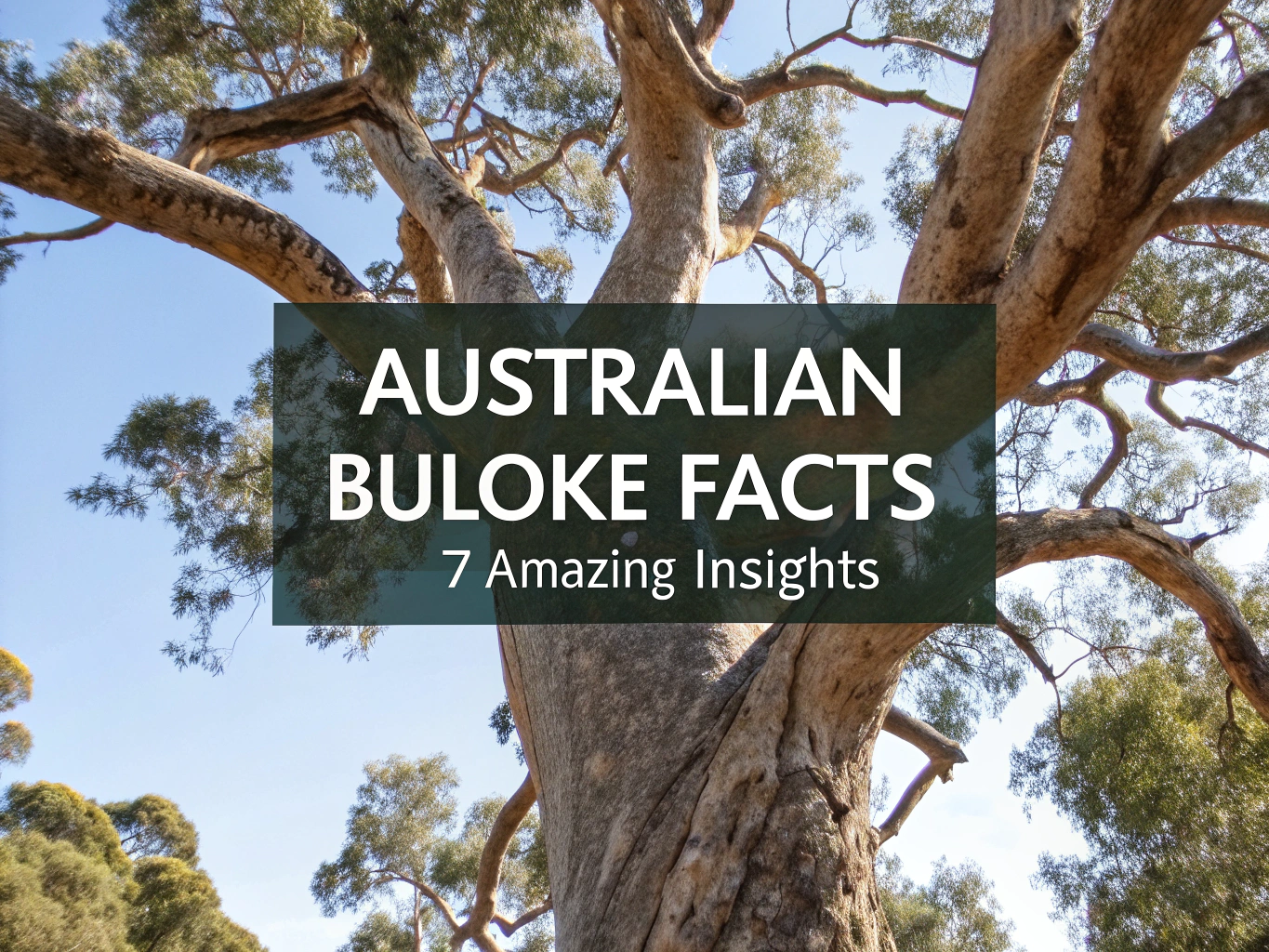

What makes the Australian buloke so hard that it can blunt steel tools? This small tree grows on dry plains and open woodlands. Its timber is known for extreme hardness, tight grain, and a smooth polish. People use the wood for tool handles, inlays, and small furniture. Below are seven clear facts that cover its origins, uses, availability, and value to local wildlife.
Table of Contents
Australian buloke is a native hardwood famous for extreme hardness, rare beauty, and deep ecological value. This guide covers the Australian buloke tree, wood properties, uses, pricing, and ethical sourcing tips.
What Makes Australian Buloke So Special
Scientific Classification and Origins
The Australian Buloke tree is Allocasuarina luehmannii of the family Casuarinaceae, first described in 1900 and reclassified in 1985. You’ll also see names such as bull oak and the Wiradjuri word Ngany, with the Shire of Buloke in Victoria named after this species—see the entry on Allocasuarina luehmannii for background.
Physical Characteristics and Growth
Mature trees reach 5–15 m with 0.3–0.6 m trunks, showing rough dark bark and upright, needle-like branchlets that act as foliage. True leaves are tiny teeth at the joints, flowers are wind-pollinated, growth is slow to moderate, and many trees exceed 100 years with separate male and female plants.
Native Range and Habitat
Australian buloke grows across inland New South Wales, Victoria, South Australia, and the Murray–Darling Basin on sandy, loamy, clay, and even slightly saline soils. It tolerates drought and varied pH, similar to hardy Australian hardwoods like eucalyptus wood, and thrives in open woodlands.
The World’s Hardest Wood: Australian Buloke Properties
Exceptional Hardness Rating
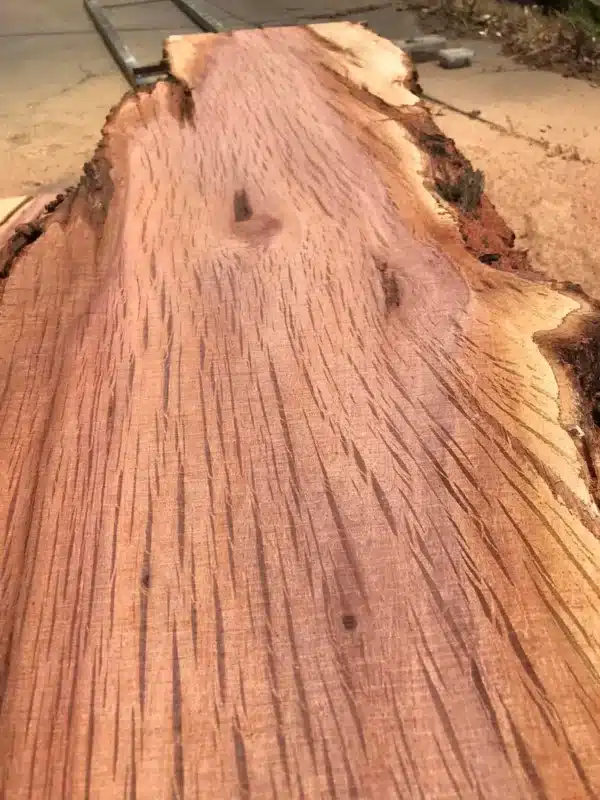
Australian buloke wood posts a Janka hardness near 16,740 N (3,760 lbf), placing it at the top tier for tested hardwoods. Expect heavy tool wear and slow machining; carbide cutters and fresh abrasives save time—see the data on wood-database.com for reference values.
| Property | Metric | Imperial / Notes |
|---|---|---|
| Janka hardness | 16,740 N | 3,760 lbf |
| Avg. dried weight | 1,085 kg/m³ | 69.9 lb/ft³ |
| Specific gravity | 0.86–1.09 | Extremely dense |
| Modulus of rupture | 130 MPa | 18,850 psi |
| Crushing strength | 70 MPa | 10,150 psi |
Wood Density and Strength
This timber often sinks in water and resists indentation because of high density and strength. Predrill and use high-quality fasteners, keep feed rates steady to limit heat, and plan longer sanding steps to reach a glass-like finish.
Grain Quality and Workability
The wood has a tight, fine grain that allows crisp detail, sharp edges, and a brilliant polish for inlays, pens, and knife scales. Work slowly, wax plane soles, and wipe on oil or shellac before a hard topcoat to highlight the figure

Australian Buloke Hardwood — Ultra-Dense Native Timber
- Extremely hard and wear-resistant for heavy-duty uses
- Tight, fine grain yields smooth finishes and sharp detail
- Ideal for tool handles, inlays, and small furniture components
- Naturally durable for long-lasting projects
- Takes a high polish for premium decorative pieces
 Buy on Amazon
Traditional and Modern Uses
Indigenous Cultural Applications
Wiradjuri communities shaped boomerangs, clubs, and durable tools from buloke, using resinous sap as an adhesive and lure. These practices highlight the wood’s toughness and the tree’s value in food gathering, signaling deep cultural continuity.
Contemporary Woodworking Projects
Modern makers favor small items—pens, inlays, tool handles, instrument parts—where fine grain and high polish shine. Use sharp carbide, slow speeds, and a burn-free finish schedule to get clean results.
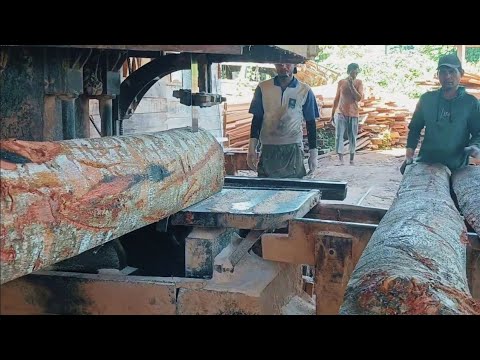
Watch this short video to see how ultra-dense hardwood behaves under cutting and finishing; note tool choice and workholding tips.
Tool Making and Furniture
Buloke excels for chisels and file handles that need shock resistance and grip, and it suits accent furniture parts that call for high wear resistance. For outdoor pieces, compare durability classes with our guide to the best wood for outdoor furniture before choosing a species.
Conservation Status and Environmental Threats
Endangered Woodland Communities
Buloke woodland communities are listed as endangered across much of Victoria and require careful site management. See the regional guide from Wimmera CMA for conservation actions and species notes (Flora and Fauna Guide for Buloke Woodlands) for details.
Habitat Loss Factors
Major pressures reduce regeneration and fragment remaining stands.
- Historic land clearing for crops and pastures
- Overgrazing by livestock and browsing pressure
- Herbicide drift impacting seedlings
- Soil compaction from machinery and trampling
- Fire regime shifts reducing seedling recruitment
Wildlife Dependency
Seeds feed the endangered southeastern red-tailed black cockatoo, and rough bark shelters bats and invertebrates. Protecting remnant trees and planting clusters creates food and nesting support across working farmscapes.
Unique Botanical Features
Modified Stem Structure
Green “needles” are actually segmented branchlets with tiny scale teeth, not true leaves. This form reduces water loss and suits hot, dry regions where efficiency matters for survival.
Cone Production
Despite the cone-like look, buloke is a flowering plant that bears small woody cones 5–12 mm long on female trees. Cone shape aids seed protection and timed release after optimal conditions.
Dioecious Nature
Male and female flowers grow on separate trees, so mixed plantings are needed for seed set. For habitat projects, plant groups of both sexes to build a self-sustaining population.
Australian Buloke Wood Pricing and Availability
Market Value Factors
Australian buloke wood price trends high because supply is small, growth is slow, and machining is costly. In 2026, expect pricing by small blanks or short boards, with premium rates for defect-free, straight-grain stock.
Where to Source Ethically
Prioritize salvaged windfall, reclaimed agricultural trees, or documented native-harvest channels, and ask for origin and permits. Buy only what you’ll use, and favor small pieces for turning or inlay if you can’t verify large-scale provenance.
Here are vetted options that suit small projects and practice pieces before tackling premium buloke blanks.
Australian Buloke Hardwood — Ultra-Dense Native Timber
- Extremely hard and wear-resistant for heavy-duty uses
- Tight, fine grain yields smooth finishes and sharp detail
- Ideal for tool handles, inlays, and small furniture components
- Naturally durable for long-lasting projects
- Takes a high polish for premium decorative pieces
Buy on Amazon

Ironwood Burl Ball Turning Blank (5-1/8 x 1-3/4 x 1-1/4)
- Dense, stable hardwood ideal for carving and turning
- Striking burl pattern adds decorative character
- Perfect size for small turnings and craft projects
- Minimal prep required—easy to sand and finish
- Natural material takes polish for a refined look
Buy on Amazon
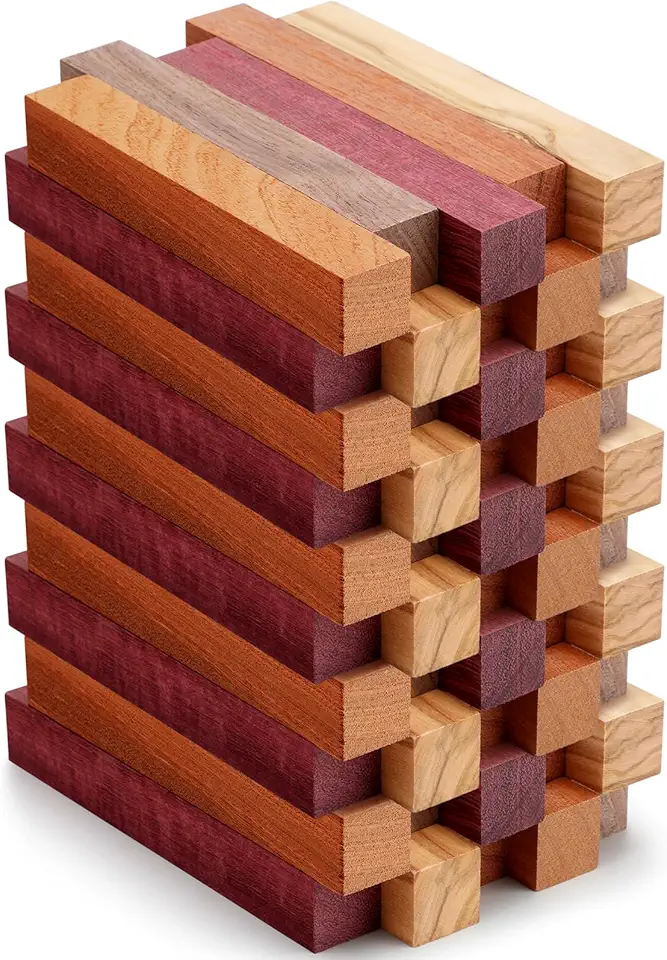
10-Pack Exotic Pen Blanks — Mixed Hardwood Set (5 x 3/4 in)
- Assortment of species for unique grain and color combos
- Pre-cut standardized blanks ready for pen turning
- Smooth sanding surface for easy finishing
- Ideal for pens, small gifts, and custom projects
- Durable hardwoods resist warping and hold detail
Buy on Amazon
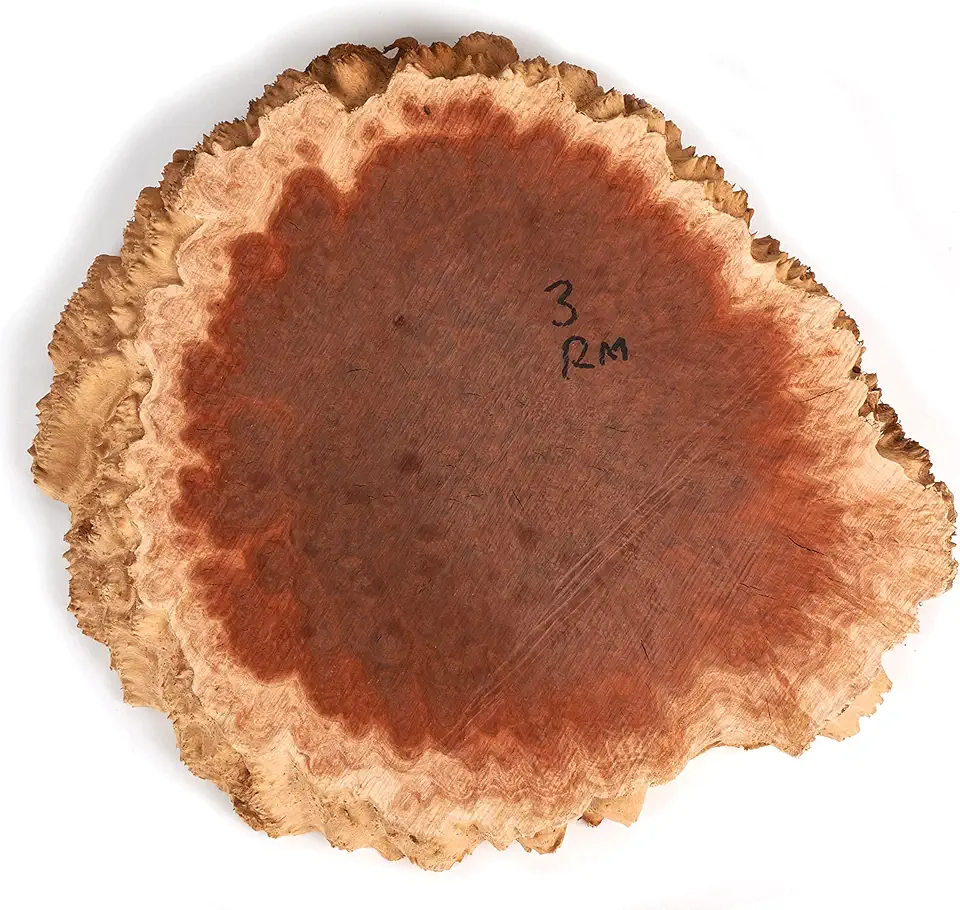
Red Mallee Burl Slab — Single 2–4 kg Piece
- Showcase-quality burl figure perfect for live-edge projects and art
- Large single-piece slab reduces seams and joins
- Rich Australian tones and dramatic grain patterns
- Versatile for turning, furniture accents, or carving
- Excellent candidate for stabilization and fine finishing
Buy on Amazon
Alternative Hardwood Options
If australian buloke wood for sale is scarce or beyond budget, try dense substitutes with strong wear resistance. Look at acacia wood, myrtle wood, or explore our picks of the most expensive wood for premium projects and gift pieces.
Ecological Importance and Wildlife Support
Red-Tailed Black Cockatoo Habitat
In Victoria’s Wimmera region, female cones and seeds are a key food for the endangered southeastern red-tailed black cockatoo. For habitat projects and seed sourcing zones, see the regional Buloke Woodlands guide from Wimmera CMA and plan mixed-age plantings.
Buloke Woodland Ecosystems
Buloke stands support understorey grasses, herbs, and shrubs, while rough bark shelters insects and microbats. As a Casuarinaceae member, buloke often partners with nitrogen-fixing actinobacteria, improving soils for native flora.
Climate Resilience
Drought tolerance and deep rooting help stabilise farmland margins and reduce wind erosion. Plant buloke in rows or patches with local provenance seed to boost survival and long-term resilience.
FAQs
What Are The Uses Of Australian Buloke Wood?
Australian Buloke Is A Very Dense, Durable Hardwood Used For Heavy-Duty And Specialty Applications. Common Uses Include Tool Handles, Fenceposts, Turning (Bowls And Small Objects), Decorative Inlays, High-Wear Furniture Components, And Other Items Where Hardness And Wear Resistance Matter. It’s Also Valued For Small-Scale Joinery And Timbercraft Where A Distinctive Grain And Longevity Are Desired.
How Strong Is Australian Buloke Compared To Other Woods?
Australian Buloke Is Among The Hardest And Densest Native Australian Hardwoods, Offering Very High Hardness, Compression, And Wear Resistance Compared With Many Common Timbers. It Is Generally Stronger And More Wear-Resistant Than Typical Furniture Woods, Making It Exceptional For Tough, Load-Bearing, Or High-Wear Uses. That Said, Its Density Can Make It Difficult To Work With And Can Blunt Tools Faster Than Softer Species.
Can You Use Australian Buloke For Flooring?
Yes—Buloke Can Be Used For Flooring Due To Its Exceptional Hardness And Wear Resistance, But It Comes With Trade-Offs. It Is Hard To Mill, Can Be Expensive And Difficult To Nail Or Screw, And May Require Specialist Tools And Installers. Because Of These Challenges, It Is Often Best Used For Feature Areas Or Small High-traffic Zones Rather Than Large-Scale Flooring Projects. Consider Engineered Panels Or Prefinished Options If Available, And Always Use Experienced Installers.
Is Australian Buloke An Endangered Species?
Australian Buloke (Allocasuarina Luehmannii) Is Not Widely Listed As Globally Endangered, But Local Populations Have Declined In Some Areas Because Of Land Clearing, Grazing, And Habitat Fragmentation. Conservation Status Can Vary Regionally, So It’s Important To Check Local Listings And Avoid Harvesting From Threatened Stands. When Buying Buloke Timber, Prefer Reclaimed, Salvaged, Or Responsibly Sourced Material To Reduce Pressure On Natural Populations.
Where Can I Find Australian Buloke In Nature?
Australian Buloke Is Native To Parts Of Southeastern Australia, Commonly Occurring In Woodlands And Mallee Country Across Regions Of Victoria, South Australia And New South Wales. It Often Grows On Heavy Or Clay Soils And In Open Woodland Remnants. If You’re Looking To See It In The Wild, Check Regional Vegetation Reserves, Woodland Remnants, Or Local National Parks, And Consult Local Landcare Or Conservation Groups For Locations And Guidance.