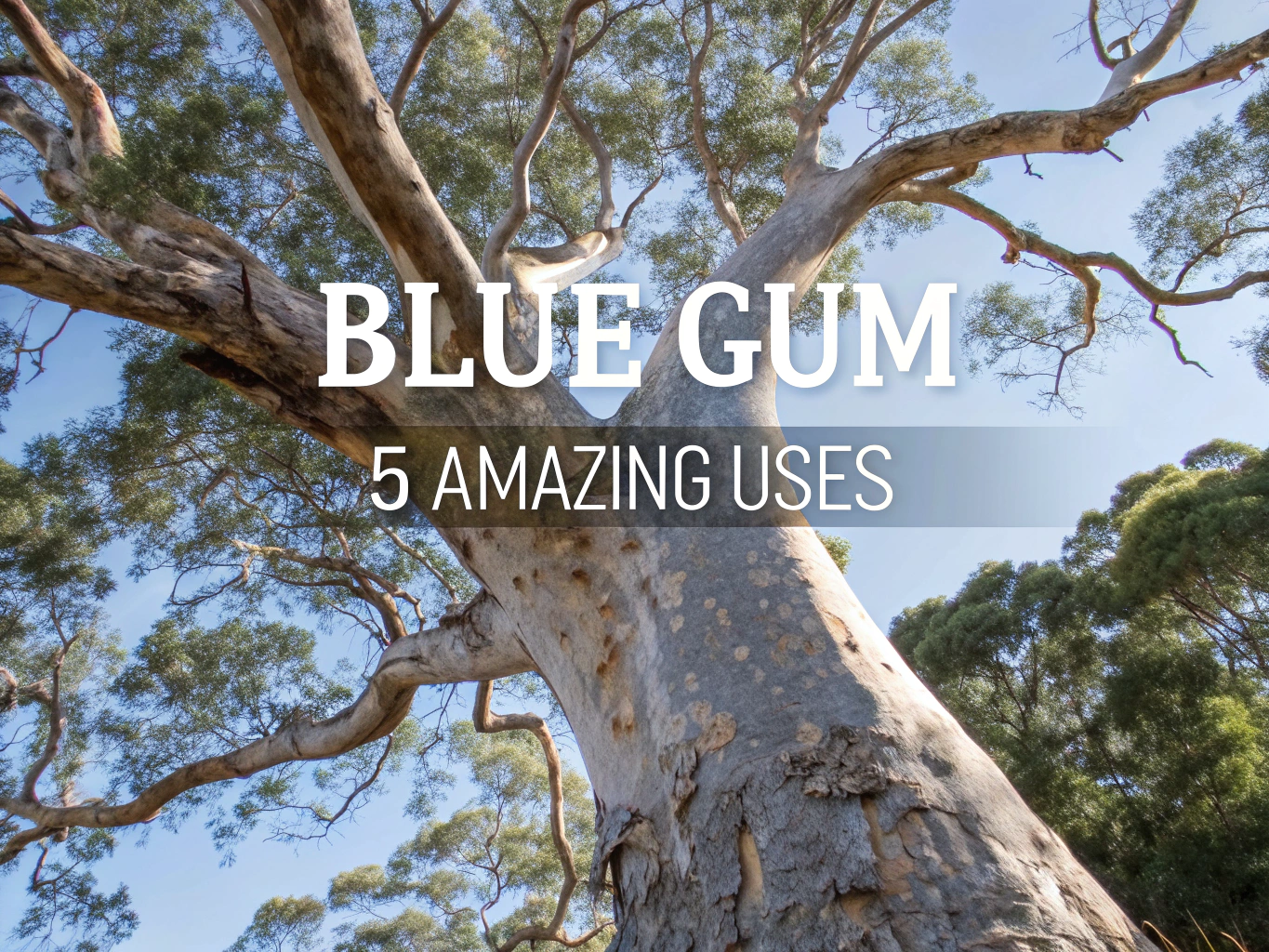

Could something called blue gum help your skin, breath, and the soil near your home? From the blue gum tree (a type of eucalyptus) to playful blue bubble gum, this plant and its products have a range of simple uses. In the sections that follow, you’ll find five clear ways people use blue gum for health, beauty, oral care, ecology, and fun. Read on to learn quick tips and safe uses.
Table of Contents
Blue gum covers two topics: the eucalyptus species used for wellness and ecology, and the playful blue bubble gum found at parties. This guide explains both in simple steps with practical tips for safe use.
Blue Gum Medicinal and Therapeutic Applications
Respiratory Health Benefits
Blue gum eucalyptus helps clear stuffy airways and ease coughing from colds, sinus pressure, and bronchitis. Evidence notes 1,8-cineole supports easier breathing and calmer airways (Aromatic Medicine School: Eucalyptus benefits).
- Steam bowl: add 3–5 drops of eucalyptus oil to hot water, tent with a towel, breathe for 5–7 minutes.
- Shower method: place 2–3 drops on the wall away from direct spray; inhale the scented steam.
- Chest rub: dilute 2% (12 drops per 1 oz carrier oil) and apply to chest and upper back.
- Diffuser: run 4–6 drops for 20–30 minutes in a well-ventilated room.
Essential Oil Compounds and Properties
The main active, eucalyptol (1,8‑cineole), shows anti-inflammatory and antimicrobial activity, while alpha-pinene and limonene add decongestant effects. Leaves also contain antioxidants that fight oxidative stress (Healthline on eucalyptus leaves).
| Compound | Primary Actions | Common Uses |
|---|---|---|
| 1,8-Cineole (Eucalyptol) | Anti-inflammatory; expectorant; antimicrobial | Steam inhalation; chest rubs; inhalers |
| Alpha-Pinene | Bronchodilatory; antimicrobial | Breathing support blends |
| Limonene | Antioxidant; surface purifying | Air-freshening and cleaning |
| Flavonoids (leaf) | Antioxidant; tissue protection | Herbal teas (leaves only) |
Common Medicinal Products
You’ll find blue gum in chest balms, cough drops, inhalers, lozenges, and rubs that support clear breathing. Use oils topically or by inhalation only; don’t swallow the oil (Dr. Axe: Eucalyptus oil uses & benefits).

Blue Gum for Skincare and Cosmetic Uses
Anti-Inflammatory Skin Benefits
Properly diluted eucalyptus blue gum may calm redness and flare-ups while supporting skin clarity. Its purifying scent also offers a fresh, clean feel in daily routines (OCH Vegan: Eucalyptus Blue Gum).
Acne and Eczema Treatment
For acne-prone skin, use a 0.5%–1% dilution in a gentle carrier (e.g., jojoba) as a spot treatment. For eczema, keep dilutions low (0.5%), patch-test first, and pair with barrier creams to support the skin’s moisture layer.
Aromatherapy and Wellness
A few drops in a diffuser can boost a refreshing atmosphere for focus or post-workout recovery. Many users combine eucalyptus with lavender or lemon for a clean, spa-like blend (MONQ: Blue Gum Eucalyptus).

Dental and Oral Health Applications
Natural Antiseptic Properties
Toothpastes and rinses use blue gum for its antibacterial action on oral biofilms. This supports routine brushing and flossing to keep gums healthy.
Breath Freshening Benefits
A light eucalyptus rinse can help reduce odor-causing compounds after meals. Look for alcohol-free formulas to avoid dry mouth at night.
A clean oral routine with gentle plant actives can support fresher breath day and night.
Traditional herbal practice
Plaque Prevention
Regular use of eucalyptus-containing products may help reduce plaque buildup along the gumline. Pair plant-based rinses with proper brushing angles for lasting results.
Blue Gum Environmental and Ecological Benefits
Water Management and Drainage
Blue gum trees drink a lot of water and can help dry soggy ground in managed projects. Plantations may also supply eucalyptus wood for boards and panels that see regular use.
Erosion Control Applications
Deep roots stabilize loose soils, acting as windbreaks on farms and buffer rows near slopes. Choose spacing that limits water stress on neighboring plants.
Habitat Restoration Uses
In some regions, managed groves provide cover and nectar for birds and pollinators. Check local guidance before planting wide stands, and consider blending with natives used in best wood for outdoor furniture projects to diversify land use.
Blue Bubble Gum Products and Novelty Items
Popular Blue Gum Varieties
Here are fun blue bubble gum picks for 2026 parties and events. Each item brings bright color and shareable packs.
Browse these popular blue bubble gum choices with bold flavor and party-ready formats below.
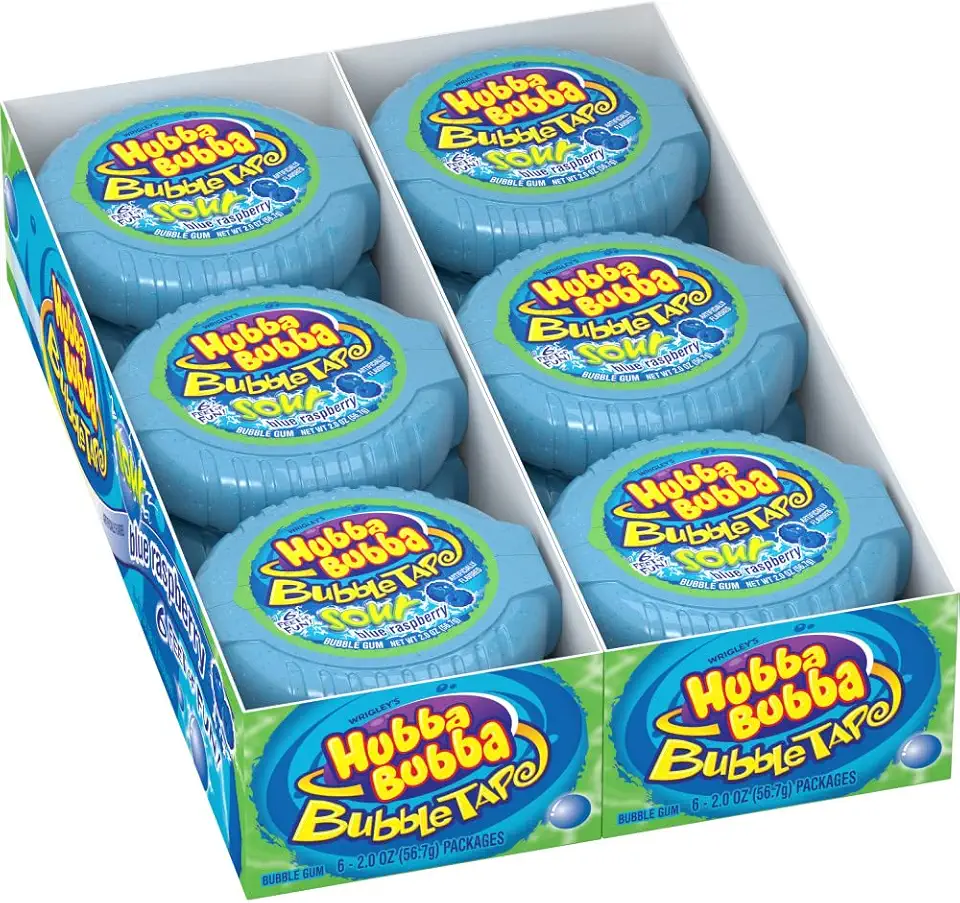
Hubba Bubba Blue Raspberry Tape — 12-Pack (2 oz each)
- Nostalgic blue raspberry flavor kids and adults love
- fun tape format that's easy to tear and chew
- soft, stretchable gum perfect for making bubbles
- individually packaged rolls for sharing or vending
- great for parties, classrooms, and concessions
 Buy on Amazon

Big League Chew Rally Blue Raspberry — 12-Pack
- Bold blue raspberry taste with a sweet, tangy punch
- shredded pouch format for that classic baseball vibe
- great for teams, concessions, and game-day snacking
- kid-friendly and fun to share at parties
- portable bags for easy distribution and storage
Buy on Amazon

Dubble Bubble It's a Boy Blue Gum Cigars — Pack of 36
- Playful blue gum cigars ideal for baby showers and gender reveals
- individually wrapped for hygienic party favors
- peanut-free and gluten-free for safer sharing
- bright blue color adds festive decoration to tables
- classic bubble gum flavor kids and guests enjoy
Buy on Amazon
Party and Celebration Uses
Use blue gum for themed tables, candy bars, and sports nights, or for baby shower favors. Mix tape, shredded pouches, and “cigars” to offer varied textures for guests.
Blue Gum Tea and Traditional Uses
Herbal Tea Benefits
Eucalyptus leaf tea provides gentle aroma and warmth with antioxidant support for daily wellness. Adults can sip after meals for a fresh, clean finish.
Natural Insect Repellent
Crushed leaves may help repel mosquitoes on patios and campsites. Place sachets near doors or rub a leaf on fabric; avoid direct skin contact if you have sensitive skin.
Traditional Preparation Methods
Make a simple eucalyptus leaf tea with clear steps for consistent flavor and safety. Use only leaves; never use the essential oil internally.
- Rinse 1–2 teaspoons dried leaves (or 3–4 fresh leaves).
- Pour 8 oz freshly boiled water over the leaves.
- Cover and steep 6–8 minutes.
- Strain; sweeten with honey if desired.
- Limit to 1–2 cups per day for adults.
Blue Gum Oil Production and Extraction
Steam Distillation Process
Producers distill fresh leaves and twigs with steam to release volatile aromatics. The vapor condenses, oil separates from water, and the result is stored in dark glass to preserve potency.
Quality and Potency Factors
Look for species name Eucalyptus globulus, GC/MS testing, and clear batch dates. Harvest timing, leaf age, and storage all affect the cineole level that drives many benefits.
Safety Guidelines and Usage Precautions
Proper Application Methods
Use low dilutions on skin and keep sessions short with good airflow. Follow age-appropriate guidance and patch-test before wider application.
- Topical: 0.5%–2% for adults; keep under 0.5% for sensitive skin.
- Inhalation: diffuse 20–30 minutes, then take a break.
- Kids: avoid on faces; consult a professional for ages under 6.
- Pregnancy: use minimal amounts; seek personalized advice.
Toxicity Warnings
Never ingest eucalyptus essential oil; it can be toxic, especially for children and pets. Store oils locked away and label blends to prevent mix-ups.
Dosage Recommendations
For adults, common topical use is 1% for daily care and up to 2% for short-term relief on small areas. Diffuser use often stays at 4–6 drops per session with a rest period between runs.
FAQs
What Are The Uses Of Blue Gum Trees?
Blue gum trees are used for timber, pulp and paper, fuelwood and biomass, windbreaks, erosion control and reforestation. They’re also planted as ornamentals and for honey production, and their fast growth makes them useful in commercial plantations and carbon sequestration projects.
How Do I Care For A Blue Gum Eucalyptus Plant?
Plant blue gum in full sun with well-drained soil, water regularly while establishing, and reduce watering once mature as they tolerate drought. Prune to shape and control height, feed lightly with a balanced fertilizer in spring if growth is poor, and monitor for pests and diseases. Protect young plants from frost and strong winds.
Are Blue Gum Trees Invasive?
Blue gums can be invasive in some climates because they grow quickly, produce many seeds, and may resprout from stumps or roots. Their invasiveness depends on local conditions and management; check regional guidelines before planting and remove seedlings promptly to prevent spread.
What Are The Benefits Of Blue Gum Essential Oil?
Blue gum essential oil (eucalyptus oil) is valued for its refreshing scent and respiratory benefits: it can help clear congestion, has antiseptic and anti-inflammatory properties, and is used in aromatherapy, topical rubs (diluted), and household cleaners. Use with caution around young children, pets, and people with sensitivities.
How Fast Do Blue Gum Trees Grow?
Blue gum eucalyptus are fast growers, often adding 1–3 meters (3–10 feet) per year in favorable conditions; in plantations they can reach harvestable size within a decade. Ultimate height varies by species and site, with mature trees commonly reaching 30–55 meters over several decades.