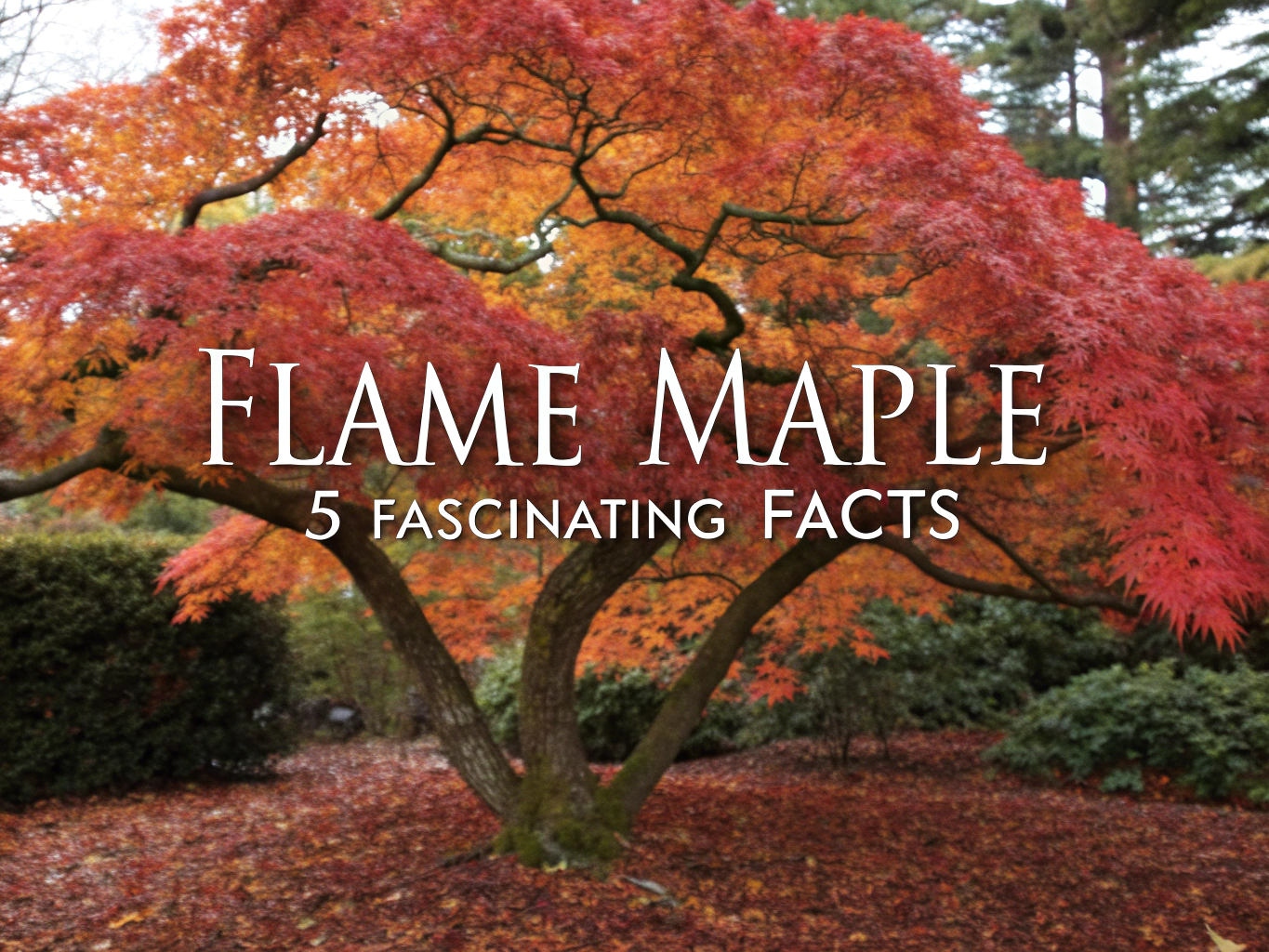

Have you ever noticed a maple top on a guitar that looks like it is striped with light? That pattern is called flame maple. It comes from how the wood grows. In this post I explain the science behind the grain, why luthiers pick it for guitars, which autumn flame maple and amur flame maple types show bright fall color, and what to look for when buying or planting a flame maple tree.
Table of Contents
Flame maple blends art and science: a maple wood figure with rippling stripes prized by woodworkers, luthiers, and collectors. You’ll learn what creates the look, how makers use it, and how “flame” also names ornamental trees with vivid fall color.
What Is Flame Maple?
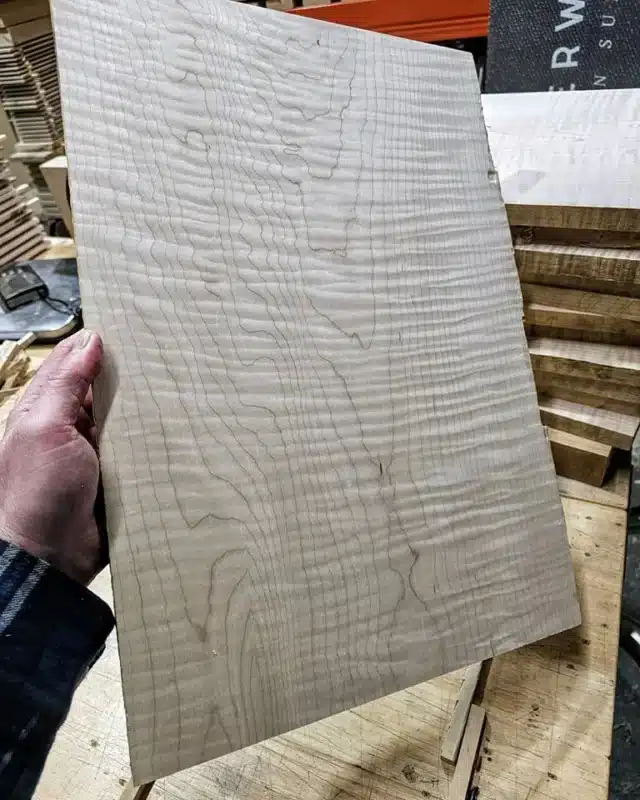
The term flame maple describes maple lumber that shows wavy, flame-like stripes across the grain, giving a 3D chatoyance on finished surfaces. Woodworkers often choose it for premium furniture, turning blanks, and acoustic or electric instruments, while plain maple wood remains the go-to for everyday parts.
Several maple species can show this figure, with hard maple and silver maple producing highly sought tonewood. The phrase “flame maple tree” can also refer to ornamental cultivars grown for fall color, such as amur flame maple and autumn flame maple; the context signals wood figure vs. landscape plants, which helps buyers pick the right product or plant type. Clemson HGIC maple overview offers species basics that help with both wood and yard choices.
1. The Science Behind Flame Maple’s Distinctive Grain
Irregular Growth Patterns Create the Effect
Undulating fiber orientation inside the tree causes the curly stripes you see on planed boards. Light reflects at different angles off these waves, so quarter-sawn and flat-sawn cuts reveal the “flame” with striking depth once you sand, dye, and finish the surface.
| Cut style | How flame shows |
|---|---|
| Quarter-sawn | Strong, tight stripes with clear 3D shimmer; popular for instrument backs and necks. |
| Flat-sawn | Broader, flowing bands; great for tops, panels, and large surfaces. |
| Rift-sawn | Subtler figure; useful when you want stability with a milder visual effect. |
Rarity and Collectibility Factors
Only a small fraction of maple logs show consistent flame, so mills sort and upcharge the best figure. Grade often tracks with stripe uniformity, contrast, board width, and defect-free length, which helps buyers match budget with visual impact.
Finishing choices magnify the look. Water or alcohol dyes, light “sandback” techniques, and clear topcoats can boost chatoyance without muddying the grain; scrap tests help you pick color depth before you commit to the final pieces.
Alternative Names and Terminology
Flame maple is also called curly maple, tiger maple, or fiddleback (from violin backs). Related figures include quilted maple with pillowy swirls and birdseye maple with tiny eyes; each needs different layout choices for the best grain reveal.
2. Premium Wood for Musical Instruments
Guitar and Violin Applications
Luthiers use flame maple for electric guitar tops, violin and viola backs, necks, and headplates due to its stable, dense nature and dramatic look. Tops highlight the visual figure, while backs and necks benefit from stiffness and a bright, articulate voice that records well.
Luthier Preferences and Properties
Builders value straight, tight flame that runs across the piece, clean endgrain, and moisture content near shop norms for predictable stability. For necks, many prefer quartered stock for stiffness; for tops, broad flat-sawn panels can show wider, bolder stripes.

Good figure adds visual drama while well-prepared stock keeps the neck lively, stable, and fun to play.
Traditional luthier saying
Roasted and Treated Options
Roasted flame maple (heat-treated) reduces bound moisture, deepens color, and can increase dimensional stability. Bleached veneers create a lighter canvas for transparent tints, while clear or tinted finishes protect the figure and keep the grain lively.
Here are practical picks for builders who want consistent results and standout looks from flame maple.
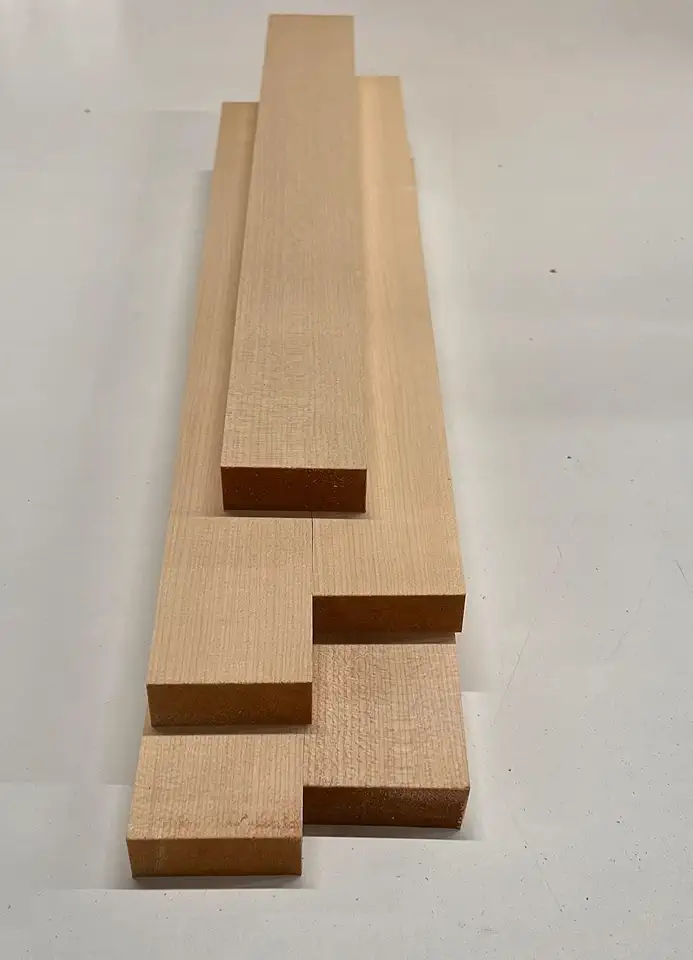
Flame Hard Maple Lumber Pack (5)
- Five uniform 3/4"
- x 2"
- x 16"
- boards ready for projects
- hard maple offers excellent durability and wear resistance
- smooth surfaced and straight-grained for cutting boards or inlays
- kiln-dried to reduce warping and movement
- ideal for small woodworking, decorative trim, and DIY crafts
 Buy on Amazon
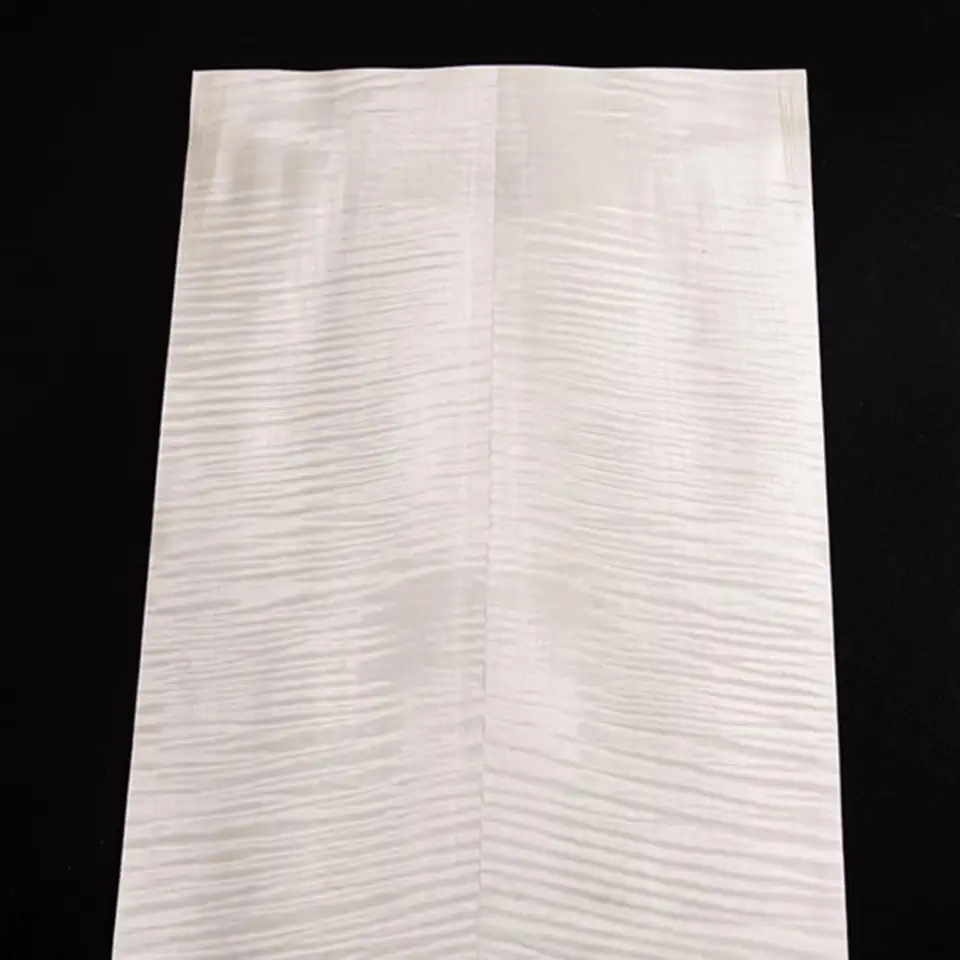
Bleached Flame Maple Guitar Veneer 20 x 13.7 in
- 0.5mm thin veneer made for guitar tops and overlays
- striking bleached flame figure enhances visual appeal
- easy to bend, glue, and sand for luthiery work
- lightweight surface that won’t add bulk to instruments
- perfect for custom builds, repairs, and decorative accents
Buy on Amazon

Roasted Flame Maple 22-Fret Guitar Neck (25.5 in)
- Roasted maple offers enhanced stability and attractive flame figure
- 22 frets and 25.5-inch scale for versatile playability
- gloss finish and bone nut for smooth feel and bright tone
- pre-shaped profile for comfortable hand positioning
- ideal as a direct replacement or upgrade neck
Buy on Amazon

Flame Maple ST-Style Neck — 21 Fret, Modern C
- Modern C profile for comfortable all-day playing
- 21 frets for classic Strat-style feel
- clear lacquer finish protects and highlights the flame maple grain
- precision frets and smooth fingerboard for easy bending and fretting
- designed to fit ST-style bolt-on guitars with minimal modification
Buy on Amazon
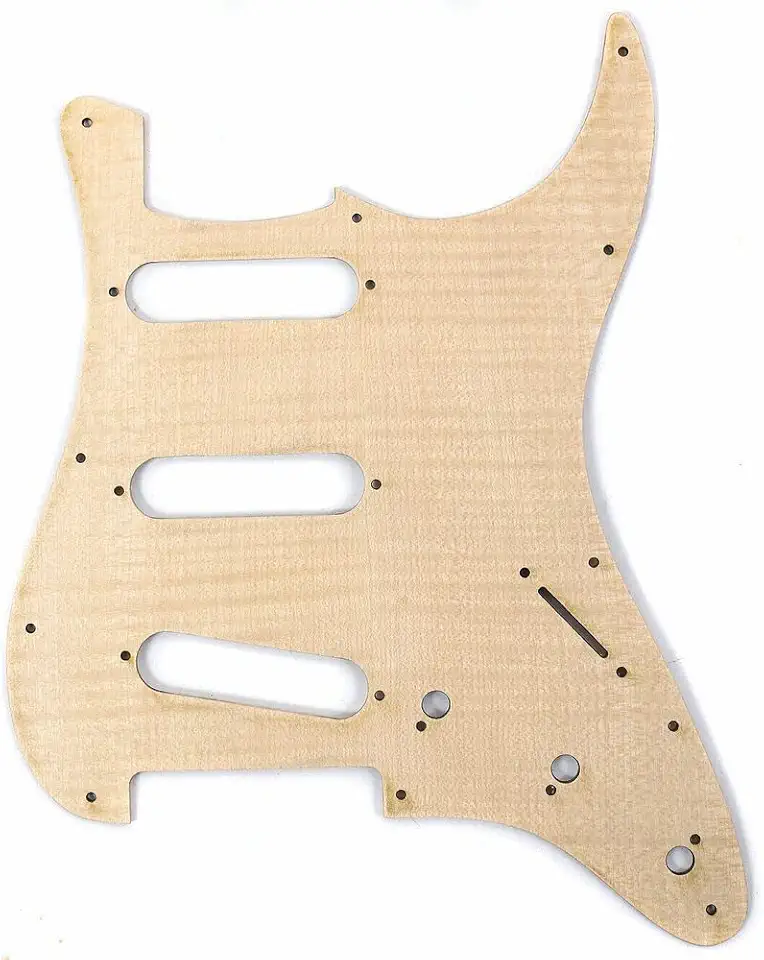
Flame Maple Strat-Style Pickguard (SSS)
- Premium flame maple veneer adds natural, eye-catching aesthetics
- pre-cut for SSS pickup configuration and Strat routing
- enhances guitar appearance without altering tone significantly
- stable thickness to resist warping over time
- easy to install with standard screw-hole alignment
Buy on Amazon
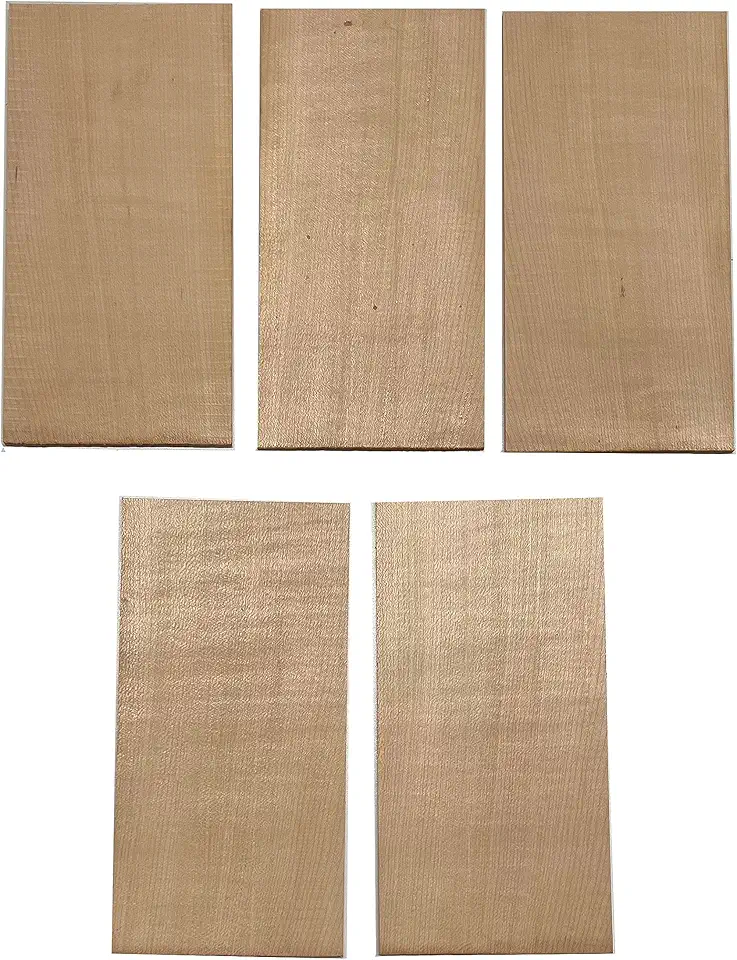
Flame Curly Maple Headplate Blank 180 x 90 x 4 mm
- Pre-cut headplate blank sized for most guitar headstocks
- vivid curly flame figure for a premium look
- 4mm thickness ideal for overlaying and shaping
- easy to sand, carve, and glue to headstock faces
- perfect for luthiers making acoustic and electric guitars
Buy on Amazon
3. Spectacular Fall Color Cultivars
Amur Flame Maple Characteristics
Amur flame maple (Acer ginnala ‘Flame’), sometimes called “flame amur maple,” grows as a large shrub or small tree about 15–20 feet tall with a rounded crown. It offers reliable red-to-orange fall color, tolerates pruning into multi-stem forms, and fits small yards that need a vivid autumn accent.
Autumn Flame Maple Features
The cultivar autumn flame maple (Acer rubrum ‘Autumn Flame’) grows to roughly 40–60 feet with a 25–35 foot spread and colors early in the season. For species-level traits like growth rate and range, see the USDA FEIS profile for red maple.
Landscaping Applications
Pick sites that match mature size, light, and soil, and plan for root space before planting a flame maple cultivar. In small spaces, amur flame maple works as a hedge or specimen; in parks or big yards, autumn flame maple brings dependable shade and color.
- Space trees for airflow to reduce leaf issues and keep the canopy vivid.
- Prune after leaf drop to set strong structure on multi-stem forms.
- Mulch 2–3 inches deep, keeping mulch off the trunk flare.
- Water new trees during the first two growing seasons for steady root growth.
- Check local lists before planting amur flame maple in regions with invasive concerns.
4. Growth Habits and Distribution
Size and Form Variations
Flame maple trees used in landscapes vary in size and form: amur flame maple often grows as a multi-stem shrub/small tree, while autumn flame maple matures as a full-sized shade tree. Compare options with this quick guide to types of maple trees before you order stock.
Hardiness and Adaptability
Both cultivars adapt to a range of soils, from loams to clays, and handle typical urban conditions with the right care. Red maple cultivars appreciate consistent moisture, while amur flame maple tolerates modest drought once established.
Seed Production and Spread
Amur flame maple can produce thousands of winged seeds each year, letting plants spread along edges and open woods. Several states flag it for invasive risk; see the MDA amur maple page for noxious weed status and management tips that limit unwanted spread.
5. Ecological Impact and Woodworking Value
Structural Properties vs Visual Appeal
Flame figure changes the look, not the strength; mechanical properties match the base species and grade you’d expect. For turning blanks or accent panels that showcase bold figure, a kiln-dried billet delivers reliable stock

Woodcraft Flame Maple Billet 2-1/4 x 7 x 22 in
- One-piece flame maple billet ideal for turning, carving, or laminates
- bold flame figure for striking finished pieces
- sizeable dimensions for instrument blanks or furniture accents
- kiln-dried and stable for consistent workability
- ready to mill, sand, and finish to taste
Buy on Amazon
Wildlife Habitat Considerations
Landscape maples can provide cover and nesting structure for birds, while spring flowers support early pollinators. Prune in winter to limit sap bleed and keep fruit set modest where seed spread might create volunteers.
Invasive Species Concerns
Amur flame maple has naturalized in parts of North America since the 19th century and can form dense thickets without regular management. Check regional guidance before planting; the Minnesota DNR page outlines impacts and control steps that keep sites balanced.
FAQs
What Is Flame Maple Used For In Guitar Making?
Flame maple Is Commonly Used For Guitar Tops, Neck Caps, And Veneers Because Of Its Striking Visual Figure. Luthiers Use It On Solid-Body Tops, Archtops, And Acoustic Guitars To Add A Decorative, Reflective Surface While Also Contributing A Clear, Bright Tone And Good Sustain. It’s Often Paired With A Deeper Body Wood To Balance Aesthetics And Sound.
How Do You Identify Flame Maple Wood?
Flame Maple Shows Distinct Wavy, Vertical Stripes That Change Appearance As You Move The Angle Of View—A Chatoyant Or “Flaming” Effect. The Figure Is Most Obvious In Quarter-Sawn Boards And Appears As Repeating Ribbon-Like Lines Rather Than The Blotches Of Quilted Maple Or The Tiny Dots Of Birdseye Maple. Inspecting The Grain At Different Angles Under Good Light Makes Identification Easy.
Is Flame Maple A Good Tonewood?
Yes. Flame Maple Is Considered A Good Tonewood For Its Bright, Clear Character And Strong Attack, Which Can Add Definition And Sustain To A Guitar’s Sound. That Said, The Overall Tone Also Depends On Body Construction, Other Woods, Hardware, And Electronics, So Flame Maple’s Contribution Is Part Of A Larger Tonal Picture.
What Causes The Flame Pattern In Maple Wood?
The Flame Pattern Is Caused By Irregularities In The Wood’s Grain—Wavy Or Undulating Fibers That Reflect Light Differently As The Viewing Angle Changes. These Figures Result From Growth Conditions, Genetic Factors, And How The Tree Fibers Developed Under Stress. The Visual Effect Comes From The Orientation Of The Fibers, Not From Surface Staining.
How Does Flame Maple Differ From Other Types Of Maple?
Flame Maple Is Defined By Ribbon-Like, Wavy Stripes, While Other Figured Maples Have Different Patterns—Quilted Maple Shows Rounded, Bubble-Like Patches, Birdseye Maple Has Small Pinpoints, And Plain Maple Lacks Prominent Figure. Flame Maple Is Often More Sought-After For Aesthetics And Can Command A Higher Price, Though Tonally Many Maple Varieties Share Similar Bright Characteristics.