What Is Rubberwood? Real Wood, Furniture Uses, Pros, Cons, and Care

Table of Contents
Rubberwood is real wood from the rubber tree, Hevea brasiliensis, and it’s a genuine hardwood used in furniture, cutting boards, desktops, butcher block tops, and workbenches. It offers good indoor value, but it needs proper drying, treatment, sealing, and care because it isn’t naturally waterproof or rot-resistant.
What Is Rubberwood?
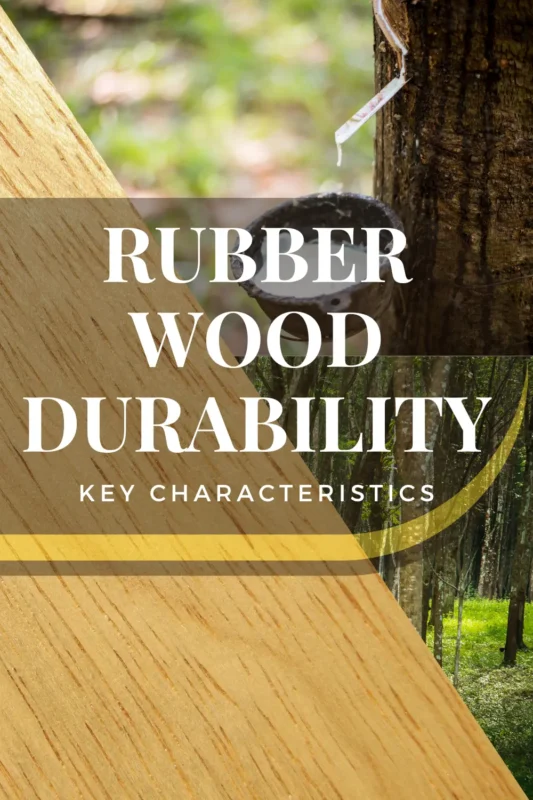
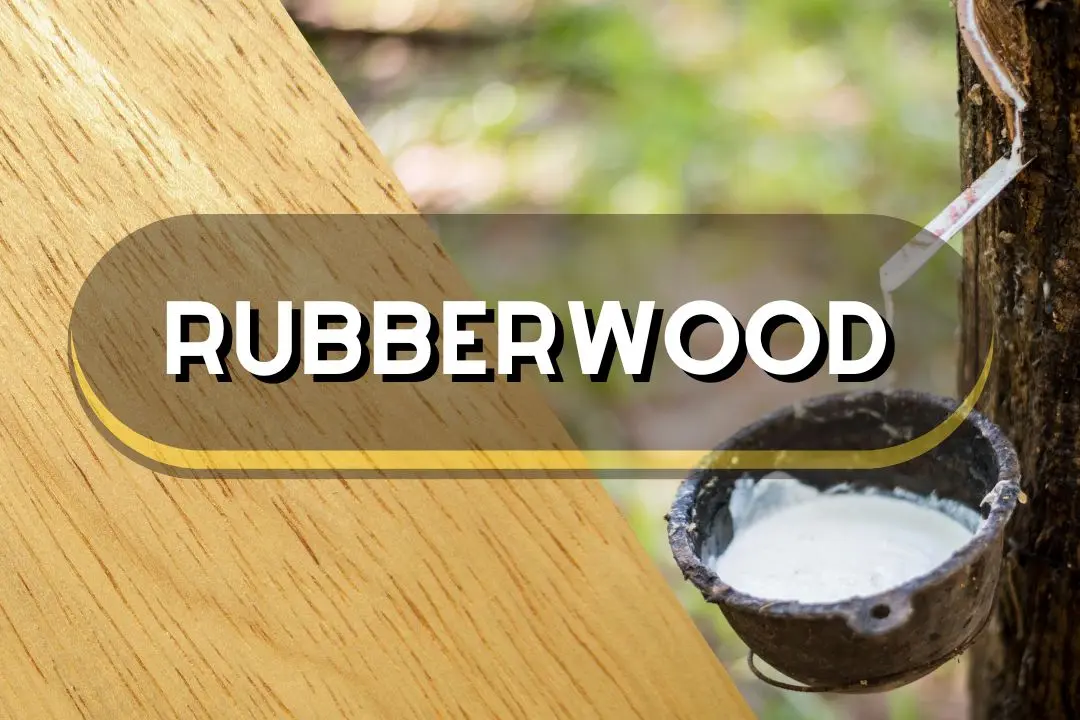
Rubberwood is timber harvested from the rubber tree after its latex yield drops. The wood has a pale cream to light tan color, a medium texture, and a clean look that works well in modern, farmhouse, and Scandinavian-style furniture.
Real Wood Answer
Yes, rubberwood is real wood. It isn’t rubber, plastic, MDF, or particleboard; it’s hardwood lumber cut from the trunk of the rubber tree, then sawn, dried, treated, glued into panels when needed, and finished like other furniture woods.
Solid rubberwood furniture contains actual rubberwood boards or laminated rubberwood panels. A product labeled “rubberwood veneer” may only have a thin decorative layer over MDF, plywood, or particleboard, so check the material line before buying.
Hevea Brasiliensis

Hevea brasiliensis, also called the Pará rubber tree, is the botanical source of rubberwood and natural latex. Botanical databases such as Plants of the World Online identify it as a tropical tree species widely cultivated outside its native South American range.
Rubber tree wood usually comes from plantations in Thailand, Malaysia, Indonesia, Vietnam, India, Sri Lanka, and nearby tropical regions. The supply is tied to latex farming, which is why rubberwood often appears in affordable solid wood furniture lines.
Rubber Tree Lifecycle
Latex comes first in the rubber tree lifecycle. Growers tap the bark for many years, and once latex production falls below a profitable level, often around a 25 to 30 year plantation cycle, the tree can be harvested for lumber and replaced with a younger tree.
This lifecycle is the reason rubberwood is often marketed as resource-efficient. Instead of burning or discarding older plantation trees, mills can turn them into furniture panels, cutting boards, worktops, and interior components.
This short video gives helpful visual context for how rubberwood is discussed as a furniture and household material.
Rubberwood vs Latex
Rubberwood and latex come from the same tree, but they aren’t the same material. Latex is the milky sap tapped from the bark; rubberwood is the dried lumber from the trunk after the tree’s latex-producing life declines.
Latex-sensitive buyers should know that finished rubberwood furniture is sealed, dried wood, not liquid latex. Still, people with severe latex sensitivity may prefer to verify manufacturer details before sanding unfinished rubberwood or using poorly sealed products where fine dust can feel dry and powdery on the hands.
Rubberwood Properties and Durability
Rubberwood durability is best described as moderate: strong enough for many indoor furniture pieces, but not as dent-resistant as hard maple or oak. Data published by The Wood Database lists rubberwood at about 960 lbf Janka hardness and roughly 37 lb/ft³ dried weight.
Parawood Hardness
Parawood hardness is the same as rubberwood hardness because parawood is another common trade name for the same wood. At about 960 lbf on the Janka scale, it sits above many softwoods like pine but below red oak and hard maple.
That number matters on tabletops, bed frames, desks, and dining chairs. Rubberwood can handle normal daily contact, but dropped tools, pet claws, metal chair buckles, and dragging ceramic planters can leave pale dents or shiny scratches in the finish.
Density and Strength
Rubberwood density is about 595 kg/m³, making it a mid-weight hardwood. It feels more substantial than pine when you lift a tabletop, yet it doesn’t have the heavy, dense feel of maple, hickory, or tropical exterior woods.
| Property | Typical Rubberwood Value | Practical Meaning |
|---|---|---|
| Janka hardness | About 960 lbf | Good for indoor furniture, less dent-resistant than oak or maple |
| Dried weight | About 37 lb/ft³ | Moderate weight with a solid feel |
| Modulus of rupture | About 9,580 psi | Suitable for tables, chairs, panels, and desks |
| Elastic modulus | About 1.31 million psi | Stiff enough for many work surfaces when properly supported |
| Crushing strength | About 4,350 psi | Useful for legs, frames, and load-bearing furniture parts |
Support spacing still matters more than species name on large desktops. A thin rubberwood panel can flex if legs sit too far apart, while a thicker laminated top with proper bracing feels firm under the elbows and gives a dull, solid knock when tapped.
Grain and Appearance
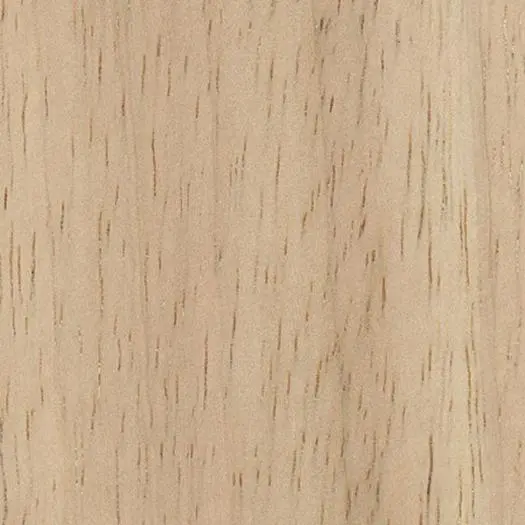
Rubberwood grain is usually straight to slightly interlocked, with a medium to coarse texture. The color ranges from pale cream to light tan or yellowish brown, so it takes stains, paints, and clear finishes without fighting strong natural figure.
Freshly sanded rubberwood feels smooth but slightly open-pored under the fingertips, especially before finish. Light stain can look even, but darker stain may highlight glue lines in finger-jointed or butcher block-style panels.
Workability
Rubberwood machines, sands, glues, and finishes well, which explains its popularity in mass-produced furniture. Sharp blades leave cleaner edges, while dull cutters can fuzz the grain and create tiny torn fibers that show up after staining.
Pre-drilling helps near edges, corners, and hardware holes. Beginners often drive screws too hard into rubberwood chair rails or desktop undersides, which can split the edge or create a raised pucker around the fastener.
Moisture Movement
Rubberwood moves with humidity like other real wood. Its approximate shrinkage values are 2.3% radial, 5.1% tangential, and 7.6% volumetric, so sealing all faces and edges reduces cupping, warping, and uneven swelling.
Moisture mistakes cause many early failures. An unfinished rubberwood desktop in a humid garage can cup slightly by morning, and a cutting board left wet in the sink can develop a sour damp smell, raised grain, dark staining, or mold at glue lines.
Rubberwood Furniture and Uses
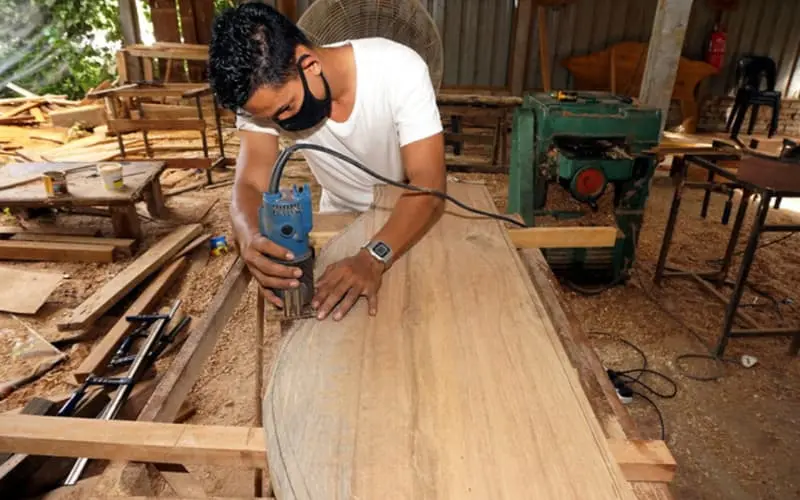
Rubberwood furniture works best indoors, where moisture, sunlight, and temperature swings stay controlled. It’s common in dining sets, bedroom furniture, desks, kitchen carts, side tables, chairs, and compact storage pieces.
Indoor Furniture
Indoor rubberwood performs well when the wood is kiln-dried, treated, built with sound joinery, and sealed with a protective finish. For a deeper furniture-specific breakdown, see our guide to rubberwood furniture.
- Use rubberwood for dining chairs, tables, dressers, nightstands, shelves, desks, and side tables.
- Avoid placing it against damp exterior walls, wet floors, or unvented bathrooms.
- Check for corner blocks, stretchers, bolts, and proper bracing on chairs and tables.
- Choose sealed finishes for homes with children, pets, or frequent spills.
Bedroom Furniture
Bedroom furniture is one of rubberwood’s better uses because bedrooms usually have lower moisture exposure than kitchens or bathrooms. Bed frames, dressers, and nightstands made from solid rubberwood can feel sturdy, especially when rails use bolts and center supports instead of small screws only.
A common mistake is judging a bed frame by the word “rubberwood” alone. Check slat thickness, center legs, rail brackets, and whether the headboard is solid rubberwood, veneer, or a composite panel with a rubberwood-colored finish.
Dining Tables
Rubberwood dining tables are popular because they give buyers a real wood surface without the higher cost of white oak, walnut, or hard maple. The surface handles plates, laptops, homework, and family meals well when the finish is thick enough to resist water rings.
Use coasters under cold glasses and wipe spills fast. Thin factory lacquer can turn cloudy where wet cups sit, and hot pans can leave dull marks, so placemats and trivets save more repairs than any cleaner.
Kitchen Boards
Rubberwood cutting boards and serving boards work for everyday slicing, bread, cheese, fruit, and light prep when made for food contact. They should be hand-washed, dried upright, and conditioned with food-safe mineral oil or board conditioner when the surface starts looking dry.
Do not soak rubberwood boards or run them through a dishwasher. Heat and water can break down glue lines, raise grain, and leave the board feeling rough, almost like fine sandpaper after it dries.
Butcher Block Tops
Rubberwood butcher block tops are often laminated from strips or finger-jointed pieces. They make practical desks, counters, craft tables, and utility tops, but kitchen use near sinks demands careful sealing on every face, edge, and cutout.
End grain exposure around sink holes, screw holes, or trimmed edges needs extra finish. Leaving those edges raw lets water wick into the panel, where swelling may show as raised seams or small ridges under the palm.
Desktops and Workbenches
Rubberwood desktops feel warm under the wrists and give a quieter, less hollow sound than many MDF tops. For workbenches, thickness, frame support, and finish type matter as much as the wood species.
Protective mats help under vises, metal tools, monitor arms, and clamps. Clamp pressure can bruise the edge, and over-tightened hardware can crush fibers around holes if the top has no backing plate.
Uses Needing Caution
Use caution with outdoor benches, bathroom vanities, laundry room storage, sink-adjacent counters, damp basements, and high-abuse commercial tables. Rubberwood lacks strong natural rot resistance, so untreated or poorly sealed pieces can stain, swell, or decay in wet settings.
Birdcage use deserves extra care too. If someone searches for a durable rubberwood birdcage or perch, the safer path is to verify pet-safe finishes, chew safety, and moisture cleaning requirements with the maker rather than assuming furniture-grade finish is animal-safe.
Rubberwood Pros and Cons

Rubberwood pros include real hardwood construction, good indoor workability, smooth finishing, and a resource-efficient plantation story. Its main downsides are moisture sensitivity, low natural decay resistance, possible insect vulnerability if untreated, and quality variation between solid, veneer, and composite builds.
Main Benefits
The main benefits are value and versatility. Rubberwood is often less expensive than walnut, teak, cherry, white oak, and hard maple, while still giving buyers a real hardwood option for indoor furniture and panels.
It finishes cleanly because the light color accepts stain, paint, lacquer, and polyurethane well. If you’re comparing it with other hardwoods, our types of hardwood guide gives more species context.
Key Disadvantages
Rubberwood disadvantages start with water and decay resistance. The wood isn’t a natural outdoor performer, and untreated stock can be vulnerable to fungal staining, borers, and mold if processing, drying, or storage is poor.
Quality varies by construction. Solid rubberwood, finger-jointed rubberwood, laminated rubberwood, rubberwood veneer, and “rubberwood finish” furniture are very different products, so the label alone doesn’t prove strength or repairability.
Moisture and Waterproofing
Rubberwood is not waterproof. It can survive normal indoor spills with a sound finish, but standing water, wet towels, plant pots, dishwasher steam, and sink splashes can damage the wood or finish over time.
Seal all sides, not only the top. Beginners often finish the visible face of a desktop or counter and leave the underside raw, which lets one side absorb humidity faster and may pull the panel into a shallow cup.
Treatment and Preservation
Treatment matters because fresh rubberwood can be attractive to fungi and insects before it’s properly processed. Manufacturers may use kiln drying, borate treatment, pressure treatment, or other preservation steps depending on region and product category.
Ask about treatment for unfinished boards, imported panels, children’s furniture, and high-humidity uses. A smooth finish can hide weak preservation history, so check manufacturer documentation rather than trusting color, weight, or smell alone.
Dents and Scratches
Dents happen because rubberwood is moderately hard, not ultra-hard. It resists daily use better than many softwoods, but dropped mugs, chair impacts, tool edges, and grit under décor can mark the surface.
The workaround is simple: use felt pads, desk mats, cutting mats, placemats, and touch-up kits. On solid rubberwood, small scratches can often be sanded and refinished; on veneer, deep sanding can cut through the thin face layer.
Rubberwood vs Other Materials
Rubberwood compares well against many budget furniture materials, but it doesn’t beat every hardwood in wear resistance. It usually offers a stronger, more repairable choice than MDF or particleboard while costing less than premium hardwoods.
Oak and Maple
Rubberwood vs oak is mostly a trade-off between value and wear resistance. Rubberwood is about 960 lbf Janka, red oak is about 1,290 lbf, and hard maple is about 1,450 lbf, so oak and maple resist dents better on high-wear tops.
Choose rubberwood for budget-conscious dining tables, desks, and bedroom furniture. Choose white oak wood or maple wood for heirloom tables, floors, and surfaces that face heavy impact.
Pine and Bamboo
Rubberwood beats pine for many furniture surfaces because common pine dents more easily; eastern white pine is about 380 lbf Janka. Pine still works for rustic furniture, painted pieces, and light-duty shelving where dents add character rather than frustration.
Bamboo varies more than many buyers expect because it’s a grass-based laminated material, not tree lumber. A bamboo desktop can feel very hard or fairly average depending on strip orientation, adhesive quality, density, and finish thickness.
Bamboo Bed Frames
Bamboo vs rubberwood bed frame comparisons should focus on structure, not labels. Look at rail thickness, slat spacing, center supports, bolts, brackets, finish, and warranty because either material can fail if the frame is underbuilt.
Rubberwood frames often have a warmer traditional grain, while bamboo can look cleaner and more linear. For squeak control, tight hardware and good rail joinery matter more than whether the listing says bamboo or rubberwood.
MDF and Particleboard
Solid rubberwood is usually stronger, more natural-looking, and easier to repair than MDF or particleboard. MDF paints smoothly, but it swells badly when water reaches exposed edges, screw holes, or damaged veneer seams.
Particleboard furniture is often cheaper, lighter, and more vulnerable to edge crumbling. If you move often, solid rubberwood usually survives reassembly better because screws and bolts have more real wood fiber to hold.
Chipboard vs Rubberwood
Chipboard vs rubberwood is usually an easy call for durability: rubberwood wins when it’s solid or laminated real wood. Chipboard is made from wood chips or particles bonded with resin, so it can sag, swell, or crumble at damaged edges.
Use chipboard only where budget matters most and moisture risk is low, such as temporary shelving or low-cost painted furniture. Use rubberwood for tables, chairs, desktops, and furniture that needs better screw holding and refinishing potential.
Solid, Veneer, Finger-Jointed
Construction terms change the real value of rubberwood furniture. Solid rubberwood uses boards or panels; finger-jointed rubberwood uses shorter pieces joined end-to-end; veneer uses a thin rubberwood face over another core.
Finger-jointed panels are common and can be stable, but glue lines may show under stain. Veneer can look good, yet it cannot be deeply sanded, so it’s less forgiving when scratches, burns, or water rings appear.
Sustainability, Safety, and Certifications
Sustainable rubberwood can be a resource-efficient choice when it comes from well-managed plantations and uses compliant adhesives, finishes, and treatment methods. Global rubber production is concentrated in Asia, with Thailand, Indonesia, and Vietnam playing major roles according to FAOSTAT crop data.
Plantation Sourcing
Plantation sourcing is rubberwood’s strongest environmental argument. The tree is first grown for latex, then the wood is used after latex yield drops, which can reduce waste compared with cutting slow-growing tropical hardwoods solely for lumber.
The claim depends on replanting, land management, transport distance, chemical treatment, and factory practices. Rubberwood isn’t automatically eco-friendly; certified, traceable stock carries more weight than vague green wording.
Adhesives and Formaldehyde
Adhesives matter in laminated rubberwood, finger-jointed panels, butcher block tops, and furniture that mixes rubberwood with MDF or particleboard. The wood itself is rarely the main indoor air concern; glue, lacquer, stain, composite cores, and low-quality finishes deserve more attention.
For indoor furniture, look for CARB Phase 2, TSCA Title VI, E0, E1, or GREENGUARD where relevant. The EPA formaldehyde standards explain U.S. rules for composite wood products.
Latex Sensitivity
Latex sensitivity causes confusion because rubberwood comes from the latex-producing tree. Finished rubberwood is dried lumber, but severe allergy households may still prefer sealed products and may want to avoid sanding unfinished wood without proper dust control.
Dust exposure is the higher-risk moment in practical use. Fine sanding dust clings to skin and has a dry, chalky feel, so wear a respirator, vacuum with filtration, and wipe surfaces before bringing refinished pieces back indoors.
Food-Safe Finishes
Food-safe finish is required for rubberwood cutting boards, serving boards, and prep surfaces. Mineral oil, board conditioner, and approved food-contact coatings are common, but decorative trays may not be rated for chopping or raw food prep.
Check the label before using any rubberwood piece with food. A glossy decorative finish can flake under knife work, while a true cutting board finish should be washable, maintainable, and safe for repeated contact.
Responsible Labels
Responsible labels include FSC, PEFC, CARB Phase 2, TSCA Title VI, E0/E1 formaldehyde ratings, and GREENGUARD for some indoor products. Certification bodies such as FSC help buyers identify wood linked to more accountable forest or plantation management.
Large panels deserve closer checking than small solid items because more glue lines and surface area can mean more finish and adhesive exposure. This matters most in bedrooms, children’s rooms, and tight homes with limited ventilation.
How to Care for Rubberwood
Rubberwood care is simple: keep it clean, dry, sealed, and protected from heat, standing water, and harsh cleaners. Most damage I see on rubberwood starts as small finish failure, then turns into swelling, staining, or raised grain after repeated moisture exposure.
Furniture Care
Dust furniture with a soft cloth and clean sticky spots with a barely damp cloth plus mild soap. Dry the surface right away; the cloth should feel cool and lightly damp, not wet enough to leave beads or streaks.
Avoid harsh cleaners such as bleach, ammonia, abrasive powders, and aggressive degreasers. Use coasters, felt pads, placemats, and trivets, and keep rubberwood away from long direct sun exposure and heat vents that can dry the finish unevenly.
Cutting Board Care
Wash by hand with mild soap, rinse quickly, and dry upright. Never soak rubberwood cutting boards, and don’t place them in a dishwasher because heat and moisture can open seams and leave the surface rough.
Oil dry boards with food-safe mineral oil or board conditioner when the surface looks pale or thirsty. For broader species comparisons, our cutting board wood guide covers how board hardness, grain, and maintenance affect kitchen use.
Desktop Care
Seal unfinished desktops before mounting legs or hardware. Coat the top, bottom, edges, and any drilled holes so humidity doesn’t enter one side faster than the other.
Use desk mats under keyboards, monitor arms, lamps, and writing zones. Rubberwood feels pleasant under the forearm, but repeated mouse movement, grit, and metal stand feet can polish or scratch the finish over time.
Workbench Care
Workbench tops need finish matched to the job. A film finish sheds glue and oil better, while an oil finish is easier to renew after dents, clamp marks, and cuts.
Use sacrificial boards under drilling, pounding, soldering, or sharp tools. Rubberwood can serve well in a garage bench, but repeated point impacts will bruise the surface unless you spread the load.
Repair and Refinishing
Solid rubberwood can often be sanded and refinished after scratches, water rings, or worn finish. Start lightly, test in a hidden spot, and stop if you see a veneer layer, color change, or glue pattern that suggests a thin surface.
Veneer repairs need a gentler approach: touch-up markers, burn-in sticks, wax filler, or spot finish repairs. Deep sanding can cut through the veneer and expose MDF or particleboard below.
Practical Notes From Real-World Use
Rubberwood performs best when the product is built like real wood, not treated like plastic-coated furniture. The pieces that last tend to have sealed bottoms, clean glue lines, snug hardware, proper bracing, and no raw end grain near wet areas.
The fastest warning sign is a raised seam you can feel with a fingernail after a spill. Wipe it dry, stop moisture exposure, and recoat before the ridge grows; waiting often turns a small finish repair into a sanding and refinishing job.
Beginner workarounds make a big difference: pre-drill screw holes, use washers under mounting plates, seal fresh cuts the same day, and let unfinished panels acclimate indoors before installation. Rubberwood panels that arrive cold or damp can shift after they warm up in a heated room.
Buying Checklist and Product Examples
Buy rubberwood after checking construction, finish, thickness, load rating, certifications, and intended use. Product examples make sense only after you know whether you need a finished desk top, an unfinished butcher block-style panel, a kitchen board, or compact furniture.
Construction and Finish
Read material descriptions closely. Look for solid rubberwood, solid Hevea wood, laminated rubberwood, finger-jointed rubberwood, or rubberwood butcher block, and be careful with rubberwood veneer, MDF core, particleboard core, or vague “rubberwood finish” wording.
Check the finish before use. Furniture should have sealed surfaces; cutting boards need food-safe finishes; unfinished desktops, counters, and worktops need sealing before assembly or daily use.
Thickness and Load Rating
Thickness controls flex on large panels. Desktop and workbench tops around 1.2 to 1.5 inches or thicker usually feel sturdier, but support spacing, frame strength, and mounting hardware still decide how the surface behaves under load.
Load ratings should match the job. A laptop desk, sewing table, garage bench, and power-tool workbench place very different stress on the top, legs, crossbars, and fasteners.
Certifications and Compliance
Check compliance labels on indoor furniture, children’s furniture, bedroom pieces, and large laminated panels. FSC, PEFC, CARB Phase 2, TSCA Title VI, E0/E1, and GREENGUARD claims help separate documented products from vague marketing.
Kitchen products need food-contact clarity. If the listing calls a board decorative, serving-only, or display use, don’t assume it’s suitable for raw meat, heavy chopping, or frequent wet cleaning.
Desktops and Workbenches
Rubberwood desktops and workbenches are a good fit for offices, craft rooms, garages, and utility spaces when the top is thick enough, sealed well, and supported by a stable frame.
These examples show common rubberwood desktop, butcher block-style, and workbench uses.

Solid Rubberwood Desk Top
- Pre-finished surface saves setup time
- 1.2 inch thick build feels sturdy and dependable
- rubberwood construction offers natural durability and warmth
- versatile fit for desks, counters, and workstations
- smooth top is ready for everyday use and easy styling
 Buy on Amazon

Heavy Duty Butcher Block Top
- Large 60 by 30 inch surface gives you plenty of room
- 1.5 inch thick solid wood build adds strength
- unfinished top is ideal for custom DIY projects
- works well for desks, workbenches, and counters
- durable Hevea wood offers long-lasting value
Buy on Amazon

Loaded 48 inch Workbench
- Heavy duty frame supports up to 2000 lbs
- adjustable height helps you work more comfortably
- rubberwood top offers a strong and reliable surface
- built-in power strip and LED light boost convenience
- storage shelf and pegboard keep tools organized
Buy on Amazon

60 inch Heavy Duty Workbench
- Spacious 60 inch top gives you more room to build
- supports up to 2000 lbs for tough jobs
- adjustable height improves working comfort
- storage shelf, pegboard, and power strip add function
- LED lighting helps brighten your workspace
Buy on Amazon

Durable Garage Workbench Top
- Heavy duty rubberwood stands up to demanding projects
- scratch resistant surface helps preserve the finish
- made for garage and workshop use
- solid top offers dependable support for tools and materials
- ideal upgrade for a custom workbench setup
Buy on Amazon
For outdoor work, don’t assume rubberwood is the right wood just because it feels solid. If the bench or table will face rain, see our guide to the best outdoor wood before choosing a material.
Kitchen Boards and Serving Pieces
Rubberwood kitchen boards, stove covers, and trays suit serving, light prep, and extra counter space when they’re made and finished for the task. Hand wash only, dry fast, and renew food-safe oil when the surface starts to look dry.
These examples show common rubberwood kitchen board, serving, and tray formats.

Rubberwood Stove Cover Board
- Covers your cooktop for extra usable space
- fits both gas and electric stoves
- built-in handles make lifting easy
- juice groove helps catch spills and drips
- natural wood finish adds a warm kitchen look
Buy on Amazon

Compact Rubberwood Serving Board
- Handy size for quick prep and serving
- built-in handle makes carrying simple
- great for bread, cheese, fruit, and meats
- smooth wood surface looks great on any table
- compact design stores easily in tight spaces
Buy on Amazon
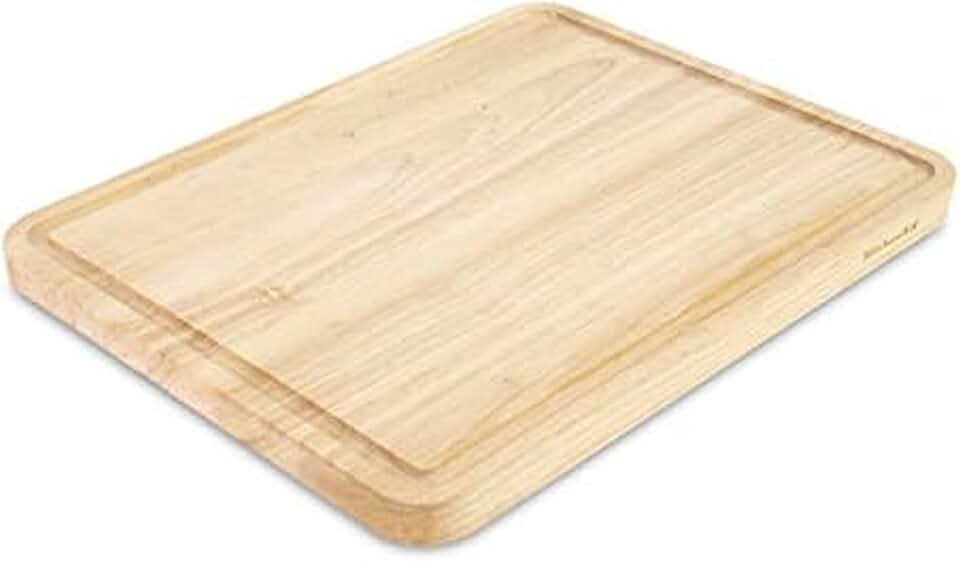
KitchenAid Classic Cutting Board
- Reversible design gives you more usable prep space
- perimeter trench helps catch juices and reduce mess
- compact 11 inch by 14 inch size suits everyday slicing
- natural rubberwood brings durability and style
- easy to move, store, and serve from
Buy on Amazon

Foldable Bed Tray Table
- Foldable legs make setup and storage simple
- great for breakfast, snacks, reading, or laptop use
- minimalist style adds a clean Scandinavian touch
- sturdy wood tray feels elegant and practical
- versatile design works in bed, on the couch, or as a serving tray
Buy on Amazon
Small Furniture Example
Small rubberwood furniture is often a smart use of the material because compact tables and accent pieces face less structural stress than large dining tables or beds. A side table can show the warm grain, carry lamps or drinks, and fit tight corners without demanding premium hardwood pricing.
This compact example fits the common indoor accent-table use case.

Mini Rubberwood Side Table
- Compact size fits easily beside sofas and beds
- solid wood build adds stability and charm
- works well as a drink table or small accent table
- round pedestal design saves space in tight corners
- warm brown finish blends with many interiors
Buy on Amazon
Final buying rule: choose rubberwood for indoor value, real wood feel, and moderate durability, but avoid untreated or poorly sealed pieces in wet, outdoor, or high-impact settings. The best rubberwood products clearly state construction, finish, thickness, care instructions, and compliance details.
FAQs
Is Rubberwood Real Wood?
Yes, rubberwood is real wood because it comes from the rubber tree trunk. It is harvested after the tree stops producing enough latex, so the wood is repurposed instead of wasted. This makes it a genuine hardwood material used in furniture and home products.
Is Rubberwood Good For Furniture?
Yes, rubberwood is good for furniture, especially indoor pieces like tables, chairs, and cabinets. It is fairly strong, easy to work with, and takes stains and finishes well. For best results, it should be kept in a dry environment and properly sealed.
What Are The Disadvantages Of Rubberwood?
The main disadvantages of rubberwood are that it is not naturally weather-resistant and can absorb moisture if left unsealed. It is also more prone to dents and scratches than harder woods. That makes it better for indoor use than for outdoor furniture.
Is Rubberwood Waterproof?
No, rubberwood is not waterproof. It can resist moisture only when it is properly sealed or finished, but water can still damage it over time. If you use rubberwood furniture, wipe up spills quickly and avoid long exposure to humidity.
Is Parawood The Same As Rubberwood?
Yes, parawood is another name for rubberwood. The term is often used in furniture markets and stores to make the wood sound more familiar or premium. Both names refer to wood from the rubber tree, usually Hevea brasiliensis.
Affiliate Disclosure: Some links in this post are affiliate links. If you make a purchase through these links, we may earn a small commission at no extra cost to you. We only recommend products we genuinely believe in.