
Cocobolo Wood: Tree, Uses, Safety, Legality, and Buying Guide

Table of Contents
Cocobolo is a dense, oily tropical hardwood, most often from Dalbergia retusa, valued for red-orange heartwood, dark streaks, high polish, and natural durability. This guide explains what cocobolo wood is, where the cocobolo tree grows, how the wood works in real projects, and what buyers need to check before paying for desks, blanks, guitars, or knife scales.
What Is Cocobolo Wood?
Cocobolo wood is a true rosewood from the Dalbergia genus, best known for its dense feel, oily surface, orange-red color, and black striping. In the hand, a freshly sanded piece can feel almost waxy and cool, with a faint spicy wood smell that becomes stronger when cut or turned.
Cocobolo Definition
What is cocobolo wood? It’s a high-density tropical hardwood used for small luxury work such as guitar parts, knife handles, pens, inlays, boxes, and decorative accents. It isn’t a practical building lumber like oak or pine because it’s heavy, costly, regulated, and usually sold in small pieces rather than wide boards.
Dalbergia Retusa
Dalbergia retusa is the main species sold as cocobolo, though trade names can get messy in older stock and marketplace listings. The species belongs to the Fabaceae family, and reference databases such as Plants of the World Online place it within the broader rosewood group that includes several valuable and regulated timbers.
True Rosewood Status
Cocobolo is rosewood because it comes from the Dalbergia genus, not because it looks like any reddish decorative wood. This matters for legality and identification, since sellers sometimes use vague names like “Mexican rosewood” or “Central American rosewood” for different species.
Heartwood and Sapwood
Heartwood carries value in cocobolo; the sapwood is pale, less dramatic, and usually separated sharply from the darker core. When sorting boards, the best pieces show saturated orange, red-brown, purple-brown, and black lines with little pale sapwood interrupting the face.
Why Cocobolo Is Valued
Cocobolo earns attention because it combines beauty, hardness, natural oils, rot resistance, and a glassy polish. The trade-off is real: those same oils can weaken glue joints, slow some finishes, clog abrasives, and trigger allergic reactions in sensitive woodworkers.
Cocobolo Tree and Properties
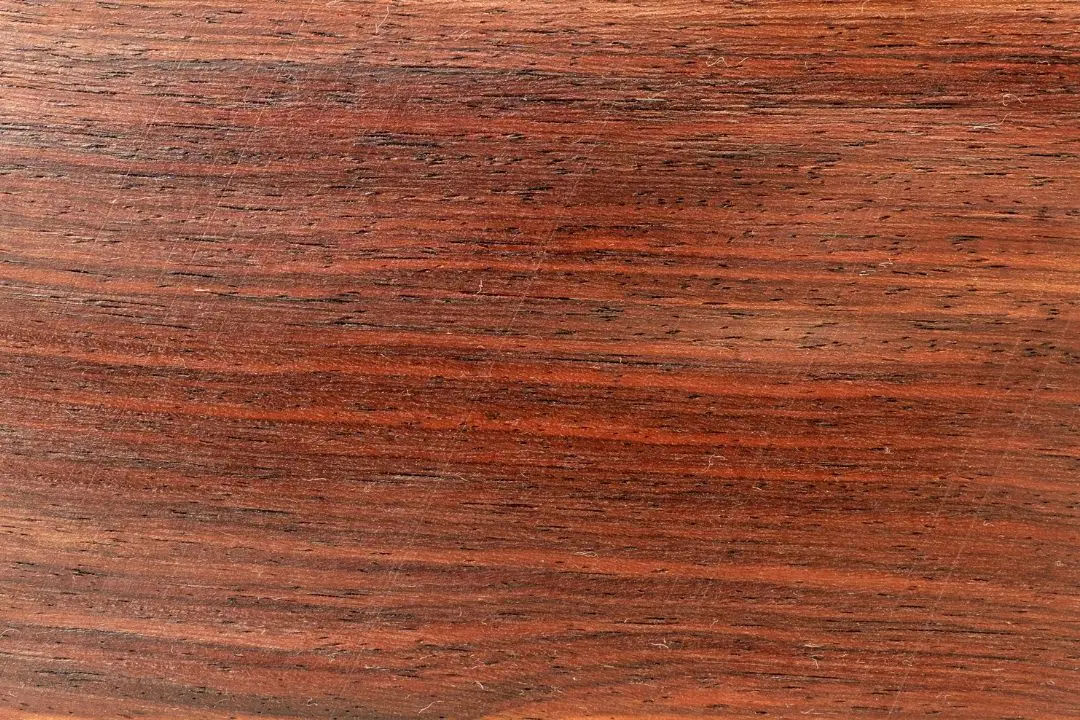
The cocobolo tree is a relatively small tropical hardwood tree compared with many commercial timber species, so large, clear lumber is scarce. Most usable material comes from colorful heartwood in logs that may be narrow, irregular, or partly defective.
Cocobolo Tree Range
Cocobolo grows naturally in parts of Mexico, Guatemala, Belize, Honduras, Nicaragua, Costa Rica, and Panama. The tree is often cited at roughly 45–60 ft tall with trunks around 1.5–2 ft in diameter, which explains why wide cocobolo slabs are unusual.
Central American Origins
Central American hardwood supply varies by country, harvest history, documentation, and export controls. That’s why two similar-looking boards can carry very different risk profiles: one may have clear paperwork, while another may be impossible to verify after several resales.
Color and Grain
Cocobolo grain ranges from straight to interlocked, wavy, or irregular, with fine-to-medium texture and bold dark streaks. Fresh surfaces can look wet before finish touches them, and under shop lights the polished edge often flashes orange, burgundy, and coffee-brown in one pass.
Aging and Oxidation
Color darkens with air, UV exposure, and finish choice, so a bright orange blank may become deeper red-brown after months on a desk or guitar. Beginners often over-sand trying to “bring back” the fresh color, but controlled scraping and UV-limiting finishes work better for slowing the shift.
Technical Data Table
Technical figures help explain why cocobolo feels heavy, cuts slowly, and survives hard use. These values align with widely cited wood property references such as The Wood Database, though individual boards vary by moisture, tree, and cut.
| Property | Cocobolo Wood Figure |
|---|---|
| Scientific name | Dalbergia retusa |
| Average dried weight | 68 lb/ft³ / 1,095 kg/m³ |
| Specific gravity | Approximately 0.89–1.10 |
| Janka hardness | Approximately 2,960 lbf |
| Modulus of rupture | Approximately 22,700 psi / 156.6 MPa |
| Elastic modulus | Approximately 2,712,000 psi / 18.70 GPa |
| Crushing strength | Approximately 10,310 psi / 71.1 MPa |
| Radial shrinkage | Approximately 2.7% |
| Tangential shrinkage | Approximately 4.3% |
| Volumetric shrinkage | Approximately 7.0% |
| T/R ratio | Approximately 1.6 |
| Durability | Very durable; resistant to decay |
Hardness and Density
Janka hardness near 2,960 lbf makes cocobolo harder than white oak, hard maple, cherry, black walnut, and many mahoganies. If you compare it with other hardwood species on the bench, the weight difference is obvious before the first cut.
Durability and Stability
Natural oils help cocobolo resist moisture and decay, which makes it appealing for handles and decorative objects that get frequent contact. Still, oily doesn’t mean waterproof; end grain can still check, and poorly dried blanks can crack after turning if moisture was trapped inside.
Pros and Cons
- Pros: striking color, high density, excellent polish, strong wear resistance, good decay resistance, and high value in small parts.
- Cons: high cost, CITES controls, dust sensitivity, difficult gluing, faster tool wear, limited board sizes, and sourcing concerns.
- Best workaround: use cocobolo where its look and density matter most, then choose easier woods for large structural parts.
Legality and Sustainability
Cocobolo legality depends on species, country, product form, shipment route, and documentation. It’s not automatically illegal to own, but international trade in cocobolo and many other Dalbergia woods is controlled.
CITES Appendix II
CITES Appendix II controls trade in species that need monitoring so commerce doesn’t push them closer to extinction. The official CITES Appendices list Dalbergia controls, and buyers should confirm current rules before importing or exporting raw wood, parts, or finished goods.
Endangered Status
Conservation pressure comes from overharvesting, habitat loss, and high demand for decorative timber. Ethical buying means treating cocobolo as a sensitive material, not just another exotic board with a pretty face.
Legal Ownership Nuance
Domestic ownership may be different from international trade. A pen blank bought from a local supplier may be simple to own, while shipping the same material across a border can trigger permit, invoice, species, and country-of-origin questions.
Import and Export Rules
Import rules can involve CITES permits, customs declarations, the Lacey Act in the United States, and country-specific controls. A common beginner mistake is buying “old stock” online with no proof, then discovering the seller can’t provide enough documentation for shipment.
Musical Instrument Rules
Instrument rules can differ from raw lumber rules, especially for finished musical instruments, small parts, and personal travel. Luthiers and touring musicians still need records because customs officers care about species names, not tonewood folklore.
Supplier Documentation
Ask suppliers for the scientific name, country of origin, harvest status, chain-of-custody notes, moisture content, and CITES paperwork when needed. If a listing says only “rosewood blank” or “cocobolo-style,” treat it as unverified until the seller proves more.
Sustainable Cocobolo Buying
Sustainable buying favors documented stock, reclaimed material, pre-convention wood with proof, and suppliers who show the exact piece. Suspiciously cheap cocobolo usually costs more later through legal risk, poor drying, hidden cracks, or misleading species claims.
Allergies and Workshop Safety

Cocobolo dust can irritate skin, eyes, nose, throat, and lungs, and reactions may worsen after repeated exposure. The fine orange-brown dust from sanding feels dry and peppery in the nose, and it can cling to cuffs, aprons, and tool rests long after the work stops.
Cocobolo Dust Risks
Dust exposure peaks during sanding, turning, routing, and power carving. OSHA treats wood dust as a workplace hazard category, and its wood dust guidance supports using dust control rather than relying on a paper mask after the shop is already cloudy.
Skin and Eye Irritation
Skin reactions can include rash, itching, redness, contact dermatitis, and burning around wrists or forearms. Safety glasses matter because cocobolo sanding powder can make eyes feel gritty and hot within minutes.
Respiratory Sensitization
Respiratory sensitization is the risk that catches many hobbyists off guard because the first project may seem fine and the third may cause coughing or asthma-like tightness. Stop work if symptoms appear, clean the shop with extraction, and don’t blow dust into the air with compressed air.
Sanding and Turning Safety
Lathe sanding throws fine dust directly toward the face, especially with pen blanks and knife handles. Keep the speed moderate, use sharp abrasives, support extraction near the work, and sand through grits without pressing so hard that heat loads the pores with dust and oil.
PPE and Dust Collection
- Wear a respirator with a proper fit, especially during sanding or turning.
- Use dust extraction at the source, not only a ceiling filter.
- Protect your eyes with sealed glasses or a face shield for lathe work.
- Wear gloves when handling rough stock if your skin reacts.
- Wash work clothes separately if dust has built up on sleeves or aprons.
Food-Contact Caution
Food-contact projects deserve caution because cocobolo contains strong extractives and can sensitize users. I avoid it for cutting boards, spoons, and serving pieces; safer woods and verified food-contact finishes remove a risk that the dramatic color doesn’t justify.
Working With Cocobolo Wood
Working cocobolo rewards sharp tools and punishes shortcuts. It cuts cleanly when supported, but dull edges can burn the surface, glaze the oils, and leave a smell like scorched resin around the blade.
Cutting and Machining
Sharp carbide tools are useful for turning, routing, and milling cocobolo because the density wears edges faster than walnut or cherry. Use steady feed pressure, back up exit cuts, and pre-drill screws so the wood doesn’t split around fasteners.
Tool Wear and Burning
Burn marks happen when the blade rubs instead of cuts, especially on thin strips, end grain, or interlocked grain. A fresh blade, slower feed, and light cleanup pass save more material than trying to sand away blackened areas later.
Gluing Oily Wood
Gluing cocobolo fails when natural oils block adhesive from wetting the fibers. Prepare fresh bonding faces just before glue-up, avoid polished glue surfaces, clamp evenly, and test on scraps from the same board because oily woods don’t all behave the same.
Epoxy vs PVA
Epoxy often wins over ordinary PVA for cocobolo because it tolerates oily surfaces better and fills tiny gaps in knife scales or segmented turning. Some makers wipe with acetone before gluing, but that’s only a short window, not a magic fix.
Sanding and Polishing
Sanding cocobolo works best with clean abrasives, light pressure, and dust extraction. The surface can polish almost like stone; by 600–1000 grit on a pen blank, it starts to reflect light before any finish is applied.
Finishing Cocobolo
Finishing options include wax, shellac, lacquer, CA glue for pens, and compatible film finishes. Some oil finishes cure slowly on cocobolo, so don’t trap tacky oil under wax; wait, test, and use thin coats.
Common Failure Cases
Real-world failures include knife scales popping loose from weak glue prep, pen blanks cracking from trapped moisture, finishes staying tacky, and international orders stalling over missing CITES paperwork. The professional workaround is boring but effective: verify the wood, dry it properly, test the glue, control dust, and document the source.

Cocobolo Uses and Projects
Cocobolo uses favor small, high-value objects where color, density, and polish matter more than board size. It appears in guitars, bridge pins, knife scales, pens, inlays, chess pieces, walking canes, tool handles, and luxury desk accents.
Musical Instruments
Cocobolo guitar parts include acoustic backs and sides, bridge pins, headplates, binding, rosettes, and ukulele parts. Tone claims vary by builder and design, so focus on verified species, stable stock, and legal documentation before chasing rosewood-like sound.

Cocobolo Guitar Bridge Pins
- Vintage style upgrade for acoustic guitars
- Slotted design helps secure strings
- Green abalone dot adds a premium touch
- Cocobolo wood brings rich natural beauty
- Ideal for replacement or custom builds
 Buy on Amazon
Knife Handles
Cocobolo knife scales feel dense, smooth, and warm after polishing, which makes them popular for fixed blades, folding knives, and luxury tools. Rough grinding creates fine airborne dust, so shape close with sharp tools, then sand with extraction rather than leaning hard into a belt sander.
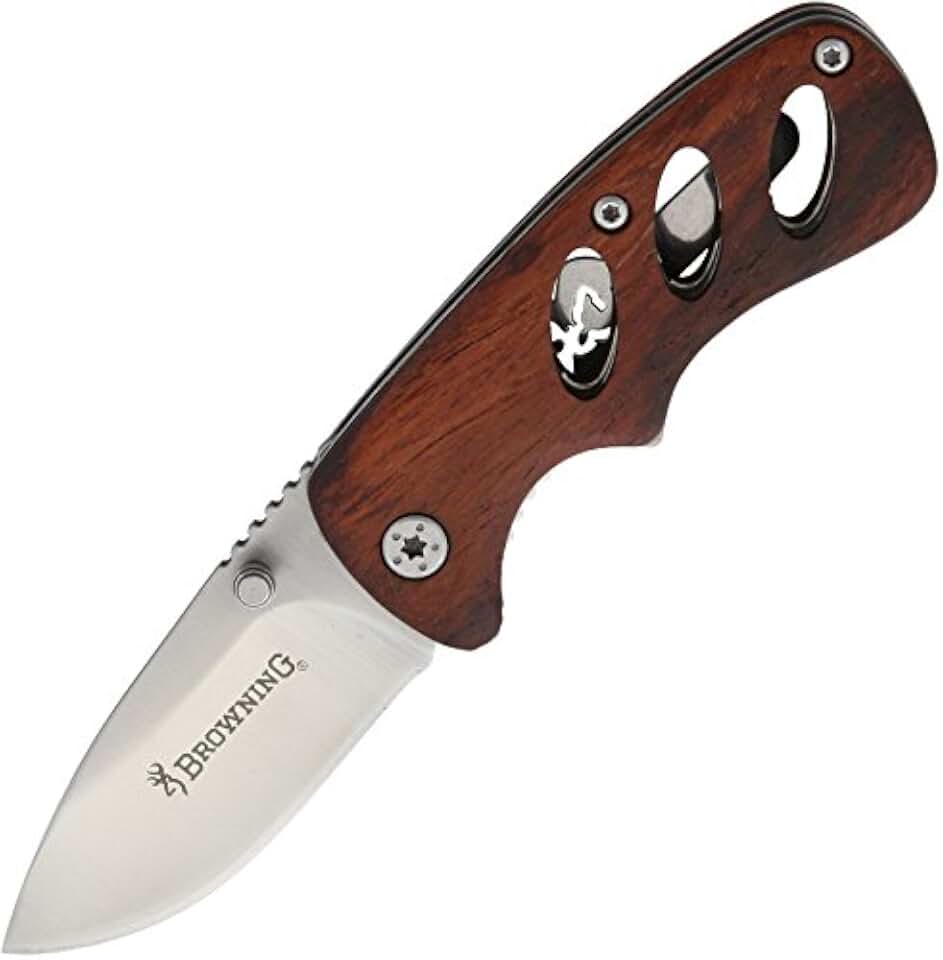
Compact Cocobolo Knife Scale
- Perfect size for small knife handle builds
- Cocobolo offers striking color and grain
- Dense hardwood feels premium and durable
- Great for custom linerlock projects
- Easy to shape and finish
Buy on Amazon
Woodturning and Pens
Cocobolo pen blanks are one of the easiest ways to use the wood without buying expensive boards. On the lathe, it cuts crisp beads and coves, but the sanding dust is the main hazard and the blank can heat quickly if tools are dull.

Cocobolo Pen Blanks Set
- Rich cocobolo color and grain
- Sized for pen turning projects
- Smooth hardwood works beautifully on the lathe
- Great for custom gifts and crafts
- Includes five matching blanks
Buy on Amazon
Inlays and Accents
Inlay strips make sense because cocobolo gives strong contrast in small dimensions. It pairs well with darker woods like ebony wood, warmer woods like walnut, and brighter exotics, but glue testing matters because thin oily strips can lift at the edges.
Luxury Decorative Objects
Decorative objects include boxes, jewelry, walking canes, chess pieces, handles, collector grips where legal, and polished display items. The weight gives a premium hand-feel, but it can make larger objects awkward if the design doesn’t account for balance.
Cocobolo Desks and Furniture
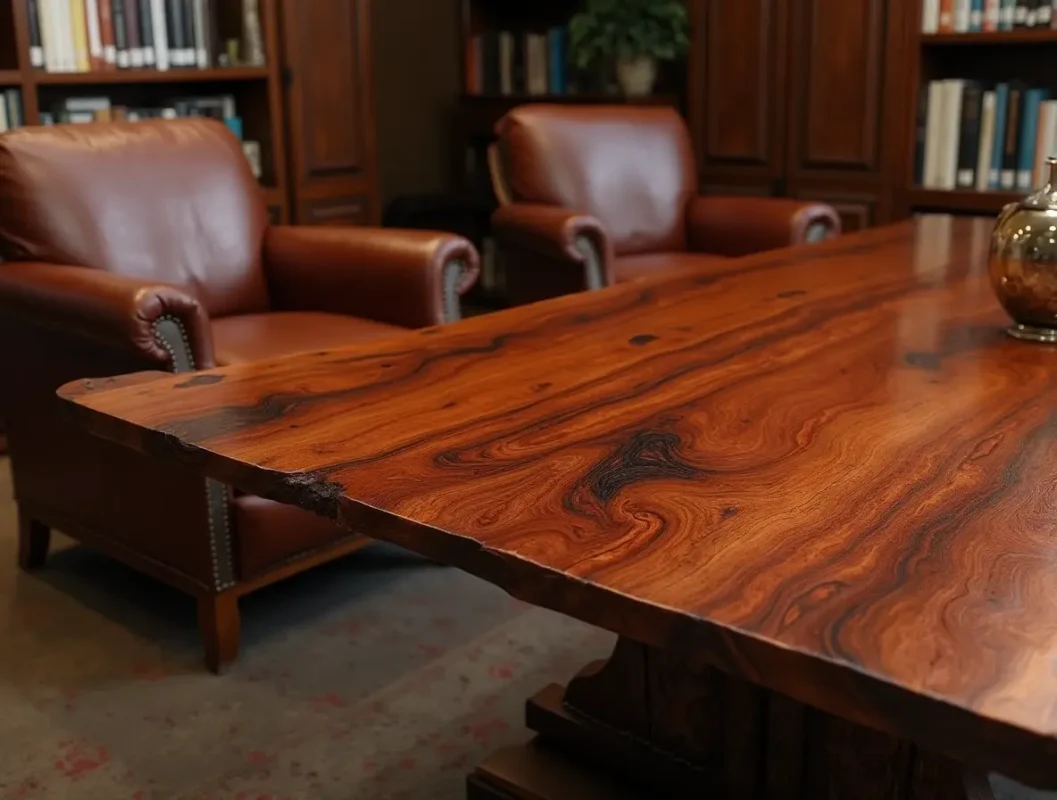
Cocobolo desks are searched heavily because the wood looks luxurious, but full solid-cocobolo desks are rare, costly, heavy, and hard to document. Many pieces marketed as a cocobolo desk use veneer, accents, stained substitutes, or fictional inspiration rather than solid Dalbergia retusa.
Cocobolo Desk Reality
A real desk made mostly from cocobolo would require unusually large, legally documented boards or veneer stock. More practical designs use cocobolo as a writing surface veneer, drawer pulls, edge banding, inlay, or drawer fronts over a stable substrate.
Better Call Saul Desk

The Better Call Saul desk searches usually refer to the dramatic cocobolo-style desk associated with Jimmy McGill’s office image. If you want that look, commission the color, gloss, and dark striping rather than assuming a furniture maker can source wide legal cocobolo boards on demand.
Cocobolo Desk Cost
Cocobolo desk cost depends on whether the piece is solid wood, veneer, accent-built, reclaimed, or simply stained to look similar. Solid cocobolo pushes cost up through material waste, tool wear, weight, documentation, and the difficulty of finding matched boards.
Desk for Sale Checks
- Ask for species: the listing should say Dalbergia retusa, not only “coco bolo desk” or “rosewood desk.”
- Request construction details: solid wood, veneer, engineered core, stained substitute, or cocobolo accents.
- Check documentation: origin, chain of custody, and CITES paperwork if shipping across borders.
- Confirm photos: the seller should show the exact desk, not a sample grain image.
- Inspect movement design: wide tropical hardwood panels need room to move or they can crack.
Cocobolo Schreibtisch Searches
Cocobolo Schreibtisch queries usually come from buyers looking for a German-language cocobolo desk or price reference. The same checks apply: verify species, construction, paperwork, dimensions, and whether the seller can legally ship the item to your country.
Cocobolo Tables

Cocobolo tables are more believable as accent or veneer pieces than as full solid slabs. If you need a practical dining table, compare cocobolo’s look with durable furniture woods in our woods for furniture guide before committing to a rare regulated material.
Furniture Limitations
Furniture limitations include weight, board width, sourcing, allergy risk during fabrication, glue challenges, and finish compatibility. For large furniture, woods such as walnut, mahogany, sapele, and teak usually make more sense, while cocobolo shines as trim, handles, pulls, and show panels.
Price, Buying, and Identification
Cocobolo price varies by format, figure, size, dryness, legality, and seller reputation. A small pen blank, a matched knife-scale pair, a guitar set, and a wide board shouldn’t be compared by price alone because each carries different waste, risk, and documentation value.
Why Cocobolo Is Expensive
Cocobolo is expensive because it has a limited natural range, slow supply, high demand, export controls, small board sizes, and a strong preference for vivid heartwood. It belongs in the same buying conversation as other high-value woods covered in our most expensive wood guide.
Lumber and Board Pricing
Cocobolo lumber is often priced by board foot when available, but that number hides the real cost drivers: defects, sapwood, figure, moisture, legality, and yield. A narrow, clear, documented board can be more useful than a larger board with cracks, checks, or vague origin claims.
Blanks, Scales, and Blocks
Small blanks are the safest entry point for most makers because they limit waste and legal exposure. Pen blanks, turning blocks, and knife scales also let you inspect color and grain before building a whole project around the material.
Guitar Sets and Parts
Guitar sets need straight grain, stable drying, matching color, and documentation if the instrument may travel or ship internationally. For tonewood comparisons, cocobolo sits near true rosewoods such as Brazilian rosewood, but it has its own density, color, and workability profile.
Real Cocobolo Identification
Real cocobolo is usually identified by a mix of color, density, oily feel, dark streaks, fine texture, and supplier documentation. Visual ID alone can mislead you, especially after finish, photo filters, or oxidation darken the piece.
Lookalike Woods
Lookalike woods include Honduran rosewood, kingwood, bocote, ziricote, granadillo, and pau ferro. Compare cocobolo with documented species such as bocote wood or pau ferro before paying a premium for an uncertain blank.
Cocobolo Alternatives
Good alternatives depend on the project: walnut for furniture, bocote for bold figure, pau ferro for a dense rosewood-like feel, ebony for dark contrast, koa for warm color, and purpleheart for a striking accent. Cocobolo is special, but it isn’t always the smartest wood for the job.
Buyer Checklist
- Confirm the species as Dalbergia retusa.
- Ask for origin and legal harvest details.
- Check CITES needs before international shipping.
- Verify dimensions, moisture content, and whether photos show the exact piece.
- Avoid vague listings such as “rosewood,” “cocobolo-style,” or “coco bolo” with no proof.
- Choose project-sized stock: pen blanks for pens, scales for knives, blocks for turning, and veneer or accents for desks.
- Plan for safety with dust extraction, respirator use, gloves, and eye protection.
Final takeaway: cocobolo is one of the most beautiful and demanding exotic hardwoods: dense, oily, colorful, regulated, allergy-prone, and best used where small pieces deliver high visual impact. Buy it with documentation, work it with sharp tools and dust control, and save it for projects where its dramatic heartwood truly matters.
FAQs
What Is Cocobolo Wood?
Cocobolo wood is a dense, oily hardwood from Central America that is prized for its rich colors and striking grain patterns. It is often used for furniture, knife handles, musical instruments, and decorative items because it polishes beautifully and lasts a long time.
Why Is Cocobolo So Expensive?
Cocobolo is expensive because it is rare, difficult to harvest, and highly sought after for its beauty and durability. Its density also makes it harder to work with, which adds to the cost of milling and crafting finished pieces.
Is Cocobolo Wood Illegal To Buy?
Cocobolo wood is not always illegal to buy, but it is protected in some regions and may be subject to trade restrictions or documentation requirements. Before purchasing, check local laws and make sure the wood comes from a legal, responsibly sourced supplier.
Is Cocobolo Wood Toxic?
Yes, cocobolo wood can be toxic to some people, especially when the dust comes into contact with skin or is inhaled. It may cause allergic reactions, so wearing a mask, gloves, and using good dust collection is recommended when cutting or sanding it.
How Much Does A Cocobolo Desk Cost?
A cocobolo desk can cost anywhere from a few thousand dollars to well over ten thousand dollars, depending on size, design, and craftsmanship. Custom-made desks with premium slabs, special finishes, or intricate details usually cost the most.
Affiliate Disclosure: Some links in this post are affiliate links. If you make a purchase through these links, we may earn a small commission at no extra cost to you. We only recommend products we genuinely believe in.