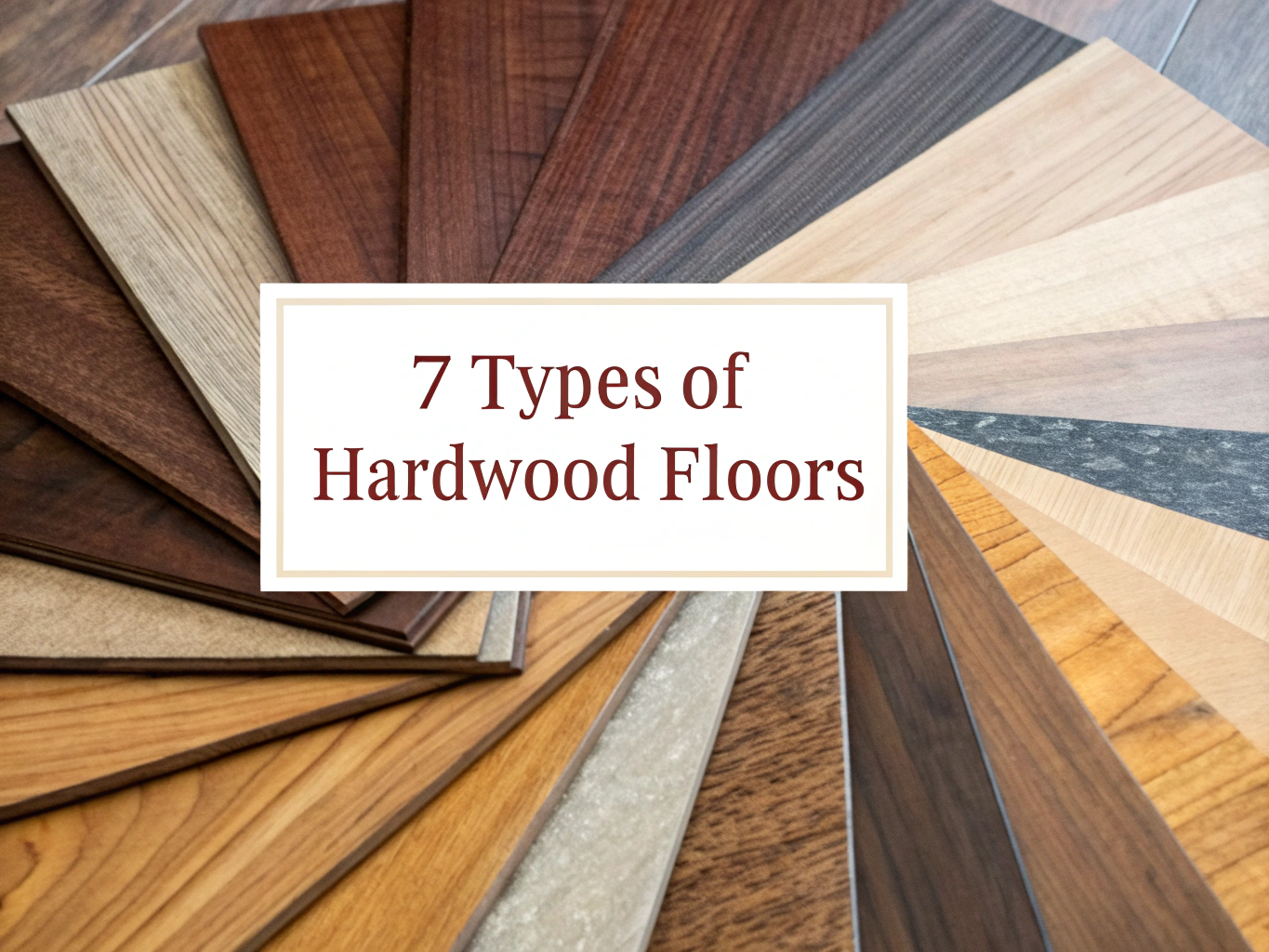

Think all hardwood floors look the same? The different types of hardwood vary in color, grain, and toughness. This post looks at seven common choices and shows simple ways to tell them apart. You’ll get clear tips to pick the right floor for your rooms.
Table of Contents
Choosing between the many types of hardwood can feel tricky, but a clear plan makes it simple. This guide compares species, styles, finishes, and care so you can pick floors you’ll love and quickly answer “what type of hardwood floor do I have?”
You’ll see how the main types of hardwood floors differ by hardness, grain, color change, and finish, then match them to your room, traffic, and style. We’ll also cover popular wide planks, natural finishes, and quick ID tips for existing floors.
What Makes Different Types of Hardwood Unique
Species affect durability, grain, and color in big ways, while format (width/length), grade, and finish shape the final look. Current preferences favor wide planks, low-sheen finishes, and warm tones, with buyers valuing authenticity and craftsmanship (Havwoods 2025 styles).
Durability and Janka Hardness Ratings
The Janka scale measures how dent-resistant a wood is; higher numbers handle traffic and pets better. Use this table to compare common hardwood flooring types of wood and plan protection for busy rooms.
| Species | Approx. Janka (lbf) | Best Use |
|---|---|---|
| Hickory | 1820 | High-traffic family spaces |
| Maple (Hard) | 1450 | Kitchens, hallways |
| White Oak | 1360 | Most rooms; great all-rounder |
| Ash | 1320 | Active homes needing light look |
| Red Oak | 1290 | Classic choice; versatile |
| Walnut (American Black) | 1010 | Living rooms, bedrooms |
| Cherry | 950 | Formal spaces, low-wear areas |
| Brazilian Cherry | ~2350 | Premium, very hard installations |
Grain Patterns and Visual Appeal
Grain drives visual movement and texture: oak shows strong rays and cathedrals, maple reads smooth and minimal, walnut swirls with drama. Choose straighter grain for calm spaces or bolder grain to make a feature.
Color Variations and Aging Characteristics
Some woods shift tone with light: cherry deepens to rich reds, maple can amber slightly, walnut can mellow lighter. Plan rugs and UV-protective finishes if you want to slow color change.
1. Oak Hardwood Flooring
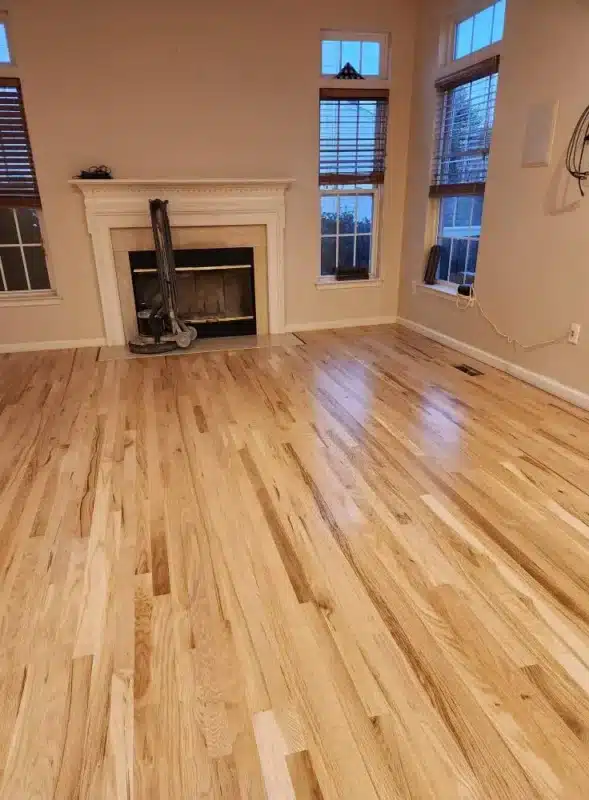
Oak hardwood flooring stays popular for its balance of hardness, stainability, and grain. It’s easy to source in many widths and grades, including trending wide planks.
Red Oak vs White Oak
Red Oak shows warmer, pinkish undertones with an open grain, while white oak wood leans golden-tan with finer grain and better moisture resistance. Both accept stains well, with White Oak often chosen for natural oils and smoked looks.
Durability and Versatility
White Oak sits around 1360 Janka and Red Oak about 1290, making both reliable for most rooms. Add felt pads, entry mats, and a matte finish to extend life in busy areas.
Staining and Finishing Options
Oak takes reactive stains, hardwax oils, and waterborne finishes with predictable results. Test color on offcuts, and use a sealer before dark stains to limit grain contrast if you want a smoother tone.
2. Maple Hardwood Floors
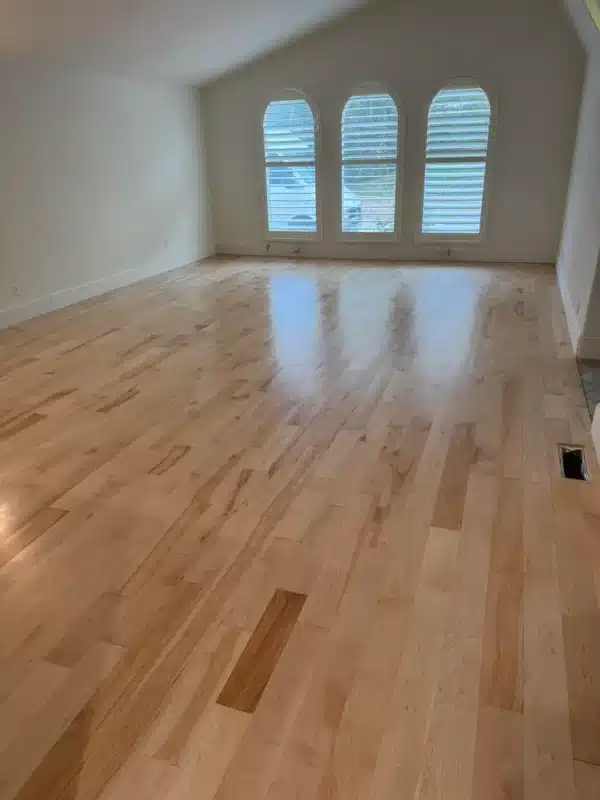
Maple offers a light, creamy canvas with minimal grain for modern spaces. It suits bright, airy interior palettes with sleek lines.
Light Color and Smooth Grain
Hard maple’s smooth grain reads clean and contemporary, pairing well with minimalist cabinetry. Learn more about species traits in this quick guide to maple wood.
High-Traffic Performance
At ~1450 Janka, maple handles busy areas, though it can show dents because its tight grain highlights impacts. Use area rugs on main walk paths and pick a low-sheen finish to hide marks.
Contemporary Design Appeal
Neutral, pale flooring makes rooms feel larger, working with black fixtures, white walls, and natural stone. Keep stains light or choose a clear waterborne finish to maintain clarity.
3. Walnut Hardwood Flooring
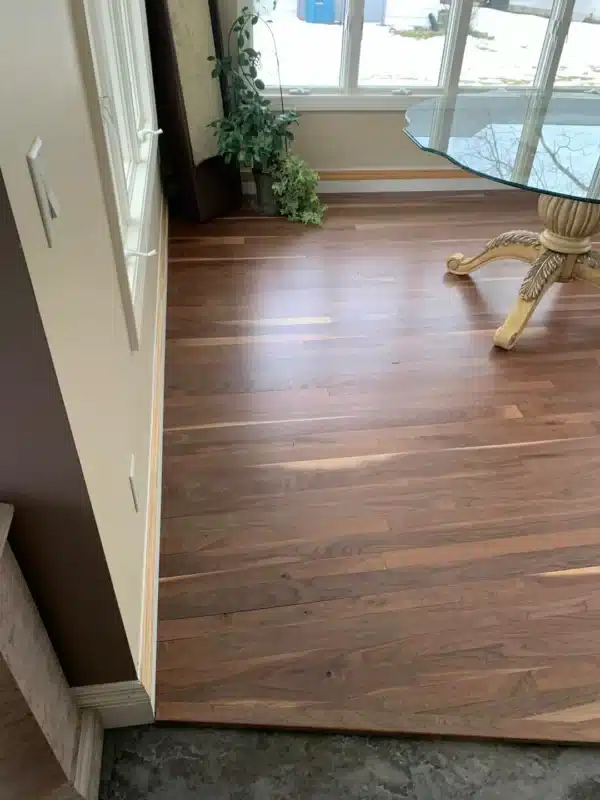
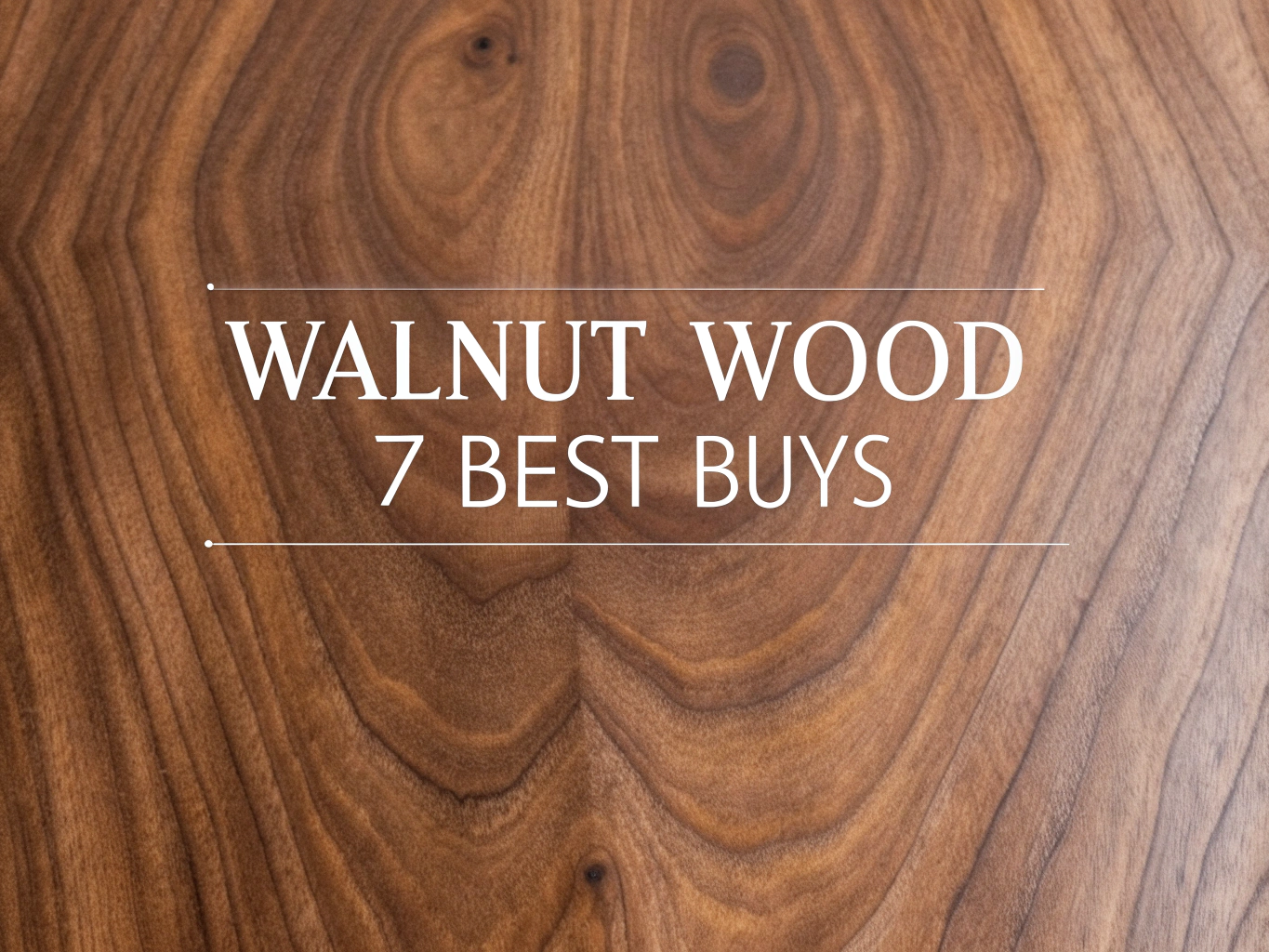
Walnut brings deep, chocolate tones and elegant variation that instantly warms a room. Its softer rating suits living rooms, bedrooms, and studies more than rough entryways.
Rich Dark Chocolate Tones
American Black Walnut offers naturally warm browns with purple or cocoa notes. Use lighter walls and textiles to balance the depth and keep the space bright.
Luxury Applications and Statement Rooms
Walnut shines in formal dining rooms, feature stairs, and custom inlays where contrast matters. For open plans, mix walnut accents with oak or maple floors to control maintenance needs.
Grain Patterns and Characteristics
Expect flowing, ribbon-like grain and occasional sapwood for striking color variation. Compare species details for black walnut before you settle on width and grade.
For small builds, samples like these can help you test finishes and cuts on common types of hardwood.

Barrington Hardwood 15-Piece Domestic Pack
- Assorted walnut, maple, and cherry boards for versatile projects
- Standard 3/4 x 2 x 24 inch pieces ready to use
- Uniform quality and straight grain for clean cuts
- Ideal for turning, inlays, small furniture, and repairs
- Pre-cut sizes save preparation time
 Buy on Amazon

Mixed Hardwood Assortment — Clear Boards
- Large box of clear, defect-free hardwood boards
- Mixed species offer varied color and grain options
- No knots or end checks for smoother machining
- Perfect for hobby projects, cabinetry, and small builds
- Pre-selected pieces reduce waste and prep work
Buy on Amazon

Exotic Wood Zone 15-Pack Domestic Mix
- Contains five walnut, five maple, and five cherry boards
- Standard 3/4 x 2 x 24 inch sizing for crafts and repairs
- Consistent thickness and straight edges for easy glue-ups
- Great for carving, turning, and DIY woodworking
- Excellent value for sampling common hardwoods
Buy on Amazon
4. Cherry and Other Premium Woods
Cherry, hickory, and ash each bring distinct strengths, from glowing reds to rugged hardness to light, airy tones. Pick based on traffic level and the color story you want over time.
Cherry’s Color Evolution Over Time
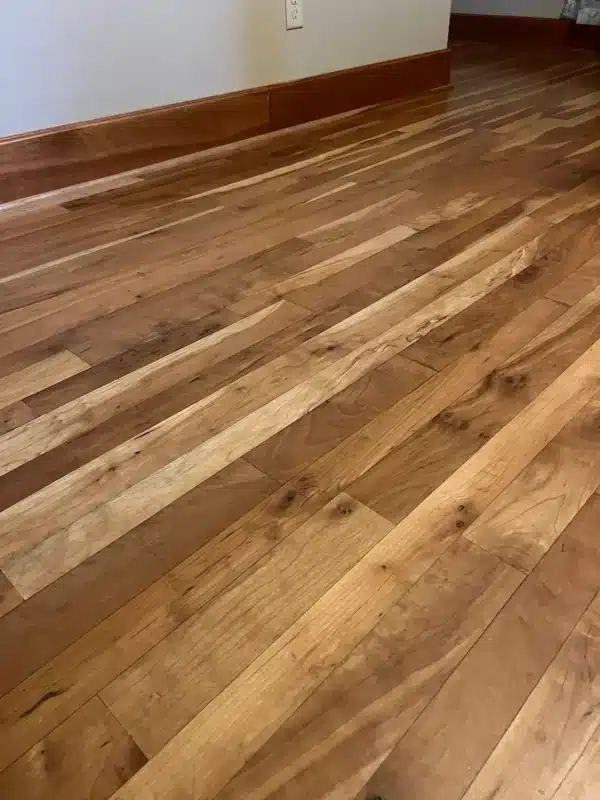
Cherry starts pinkish to light red, then deepens with light, reaching a luscious burgundy. Use UV mats during the first months so exposed and covered areas shift more evenly.
Hickory for Maximum Durability
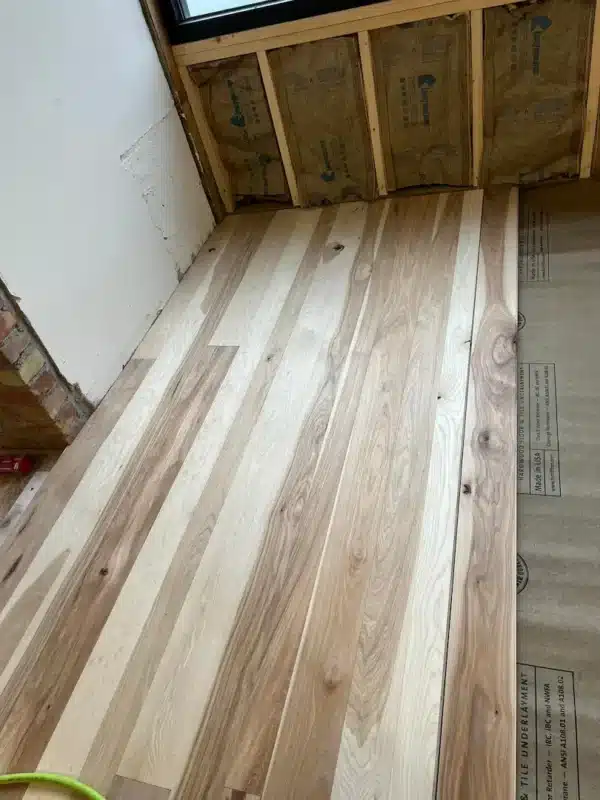
With a Janka near 1820, hickory is tough and resilient for families and pets. Expect strong contrast from cream sapwood to dark heartwood; choose a character grade if you love rustic energy.
Ash for Light, Bright Interiors
Ash offers pale blondes and bold straight grain that hides scratches nicely. It’s a smart pick when you want a sunlit look without going as hard as hickory.
5. Exotic Hardwood Options
Exotics like Brazilian Cherry, Tigerwood, Mahogany, and Teak bring dramatic grain and very high density. They suit luxury spaces where bold color is the goal.
Brazilian Cherry and Tigerwood
Brazilian Cherry can exceed 2000 Janka, while Tigerwood adds striped contrast that reads architectural. Use simple furniture and soft rugs to let the floor lead the design.
Sustainability Considerations
Check sourcing and certifications for exotics and confirm responsible forestry before buying (SVB Wood Floors 2025 trends). If supply is tight, consider durable domestics with stained finishes to mimic exotic hues.
Luxury Installation Applications
Patterned layouts—herringbone, chevron, and borders—turn exotics into features. Keep sheens low so rich color and grain stay front and center.
Popular Hardwood Floor Styles and Finishes
Trends in 2025 favor wide planks, handcrafted textures, matte oils, and warm tones. These choices celebrate natural variation and timeless appeal (Wide plank 2025 trends).
“Wide boards and natural, low-sheen finishes create calm, cohesive spaces while highlighting real wood character.”
Design trade insights
Wide Plank Trends in 2025
Planks from 5 to 10+ inches reduce seams and show more grain. They’re great for open plans; use longer lengths to prevent a patchy look.
Handcrafted Textures and Surfaces
Wire-brushed and hand-scraped hardwood add depth while hiding small scratches. Specify sample boards to gauge texture under your room’s lighting before placing the order.
Natural and Raw Finish Options
Matte oils and waterbornes keep color honest with a soft glow, not a plastic shine. Choose UV-cured prefinished planks for quicker installs and consistent factory protection.
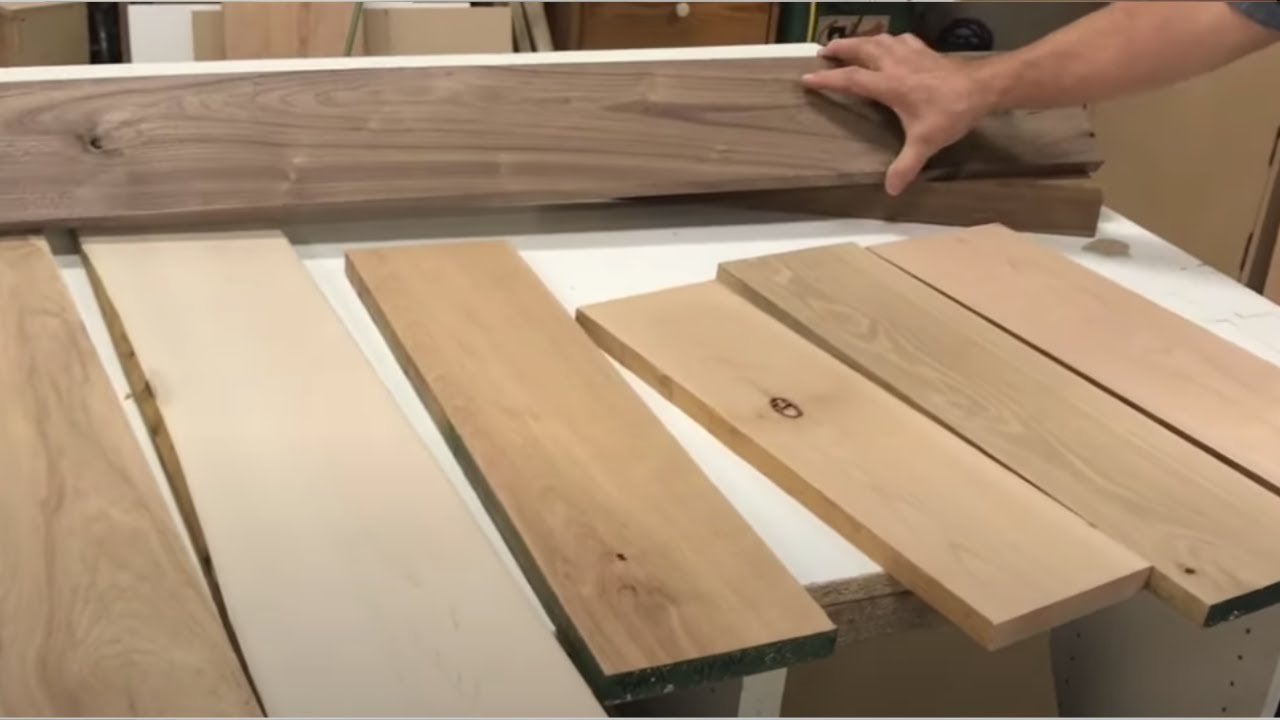
Warm Color Tone Preferences
Expect golden ambers and earthy browns to lead over cool grays. Pair with neutral walls and textured textiles for a cozy, modern aesthetic.
How to Identify Your Hardwood Floor Type
To answer “what type of hardwood floor do I have,” start with grain, pores, and color, then confirm with hardness clues and finish feel. Use natural light and a magnifier to spot defining traits before any refinishing work.
Visual Examination Techniques
Check board width, end grain, and open vs closed pores to shortlist species. Note any wire-brushing or hand-scraping that might hint at recent finishing trends.
- Oak: open pores, visible rays/cathedrals; common in many older homes.
- Maple: tight pores, smooth grain; impacts show as light dents.
- Walnut: dark chocolate heartwood with light sapwood edges.
- Cherry: pink-red cast that darkens with light exposure.
- Hickory: strong color contrast and variegated pattern.
- Ash: bold, straight grain with pale, blonde tones.
Grain Pattern Recognition
Look for medullary rays (oak), bird’s-eye or curly figure (some maples), or long, straight pores (ash). A field guide helps with side-by-side comparisons

Pocket Wood ID Kit
- Easy-to-use reference for 100+ wood species
- Clear color photos and grain close-ups for quick ID
- Portable wallet-sized format for fieldwork
- Includes identification tips and wood characteristics
- Great for woodworkers, hobbyists, and students
Buy on Amazon
Age and Patina Indicators
Compare exposed areas to spots under rugs or vents to see patina change; cherry darkens, walnut lightens, and maple may amber. This timeline clue often narrows your ID to two or three likely species.
Hardwood Floor Care and Maintenance Guide
Routine care protects all types of hardwood floors by preventing grit from acting like sandpaper. Match cleaners to your finish and place floor mats at exterior doors.
Cleaning Methods for All Wood Types
Dry mop daily, vacuum weekly with a soft head, and damp mop sparingly using a wood-safe cleaner. Skip steam and soak; water can swell fibers and haze finishes.
Protective Finishes and Restorers
Waterborne urethanes, hardwax oils, and penetrating oils each offer different looks and repair paths. For light refreshes, use a restorer compatible with your finish type and test in a closet.
Long-Term Preservation Tips
Add felt pads, keep shoes clean, and control humidity between 35–55% to reduce gaps and cupping. Recoat before wear-through to avoid full sanding and keep color even.
These products help with cleaning and touch-ups on everyday types of hardwood.
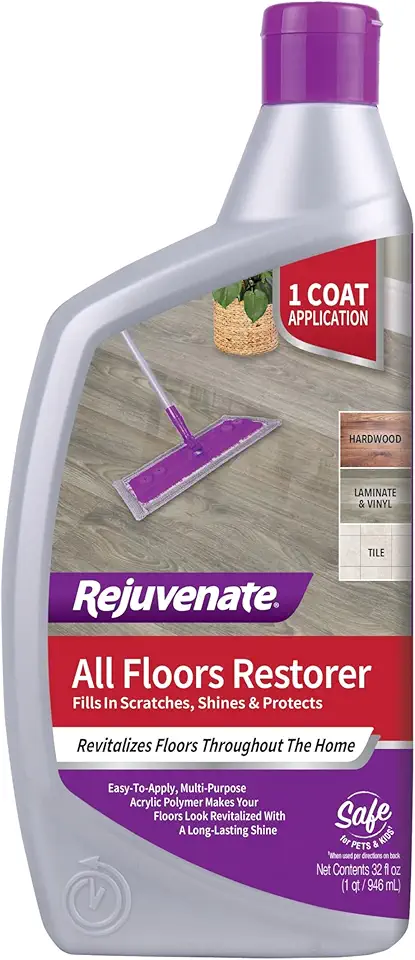
Rejuvenate All-Floor Restorer 32 oz
- Restores shine and helps fill light scratches on many floor types
- Safe for hardwood, laminate, vinyl, and tile surfaces
- Leaves a protective, easy-to-clean finish
- Quick-application formula for fast touch-ups
- Extends floor life and improves overall appearance
Buy on Amazon

Weiman Wood Floor Polish & Restorer 32 oz
- Adds natural-looking shine suited for high-traffic hardwood floors
- Helps minimize fine scratches and scuffs with a polishing action
- Leaves a protective layer that resists wear and spills
- Easy mop-on application with quick drying time
- Formulated to enhance wood color without dulling finish
Buy on Amazon

EZ SPARES Microfiber Mop Pads (3-Pack)
- Three reusable microfiber pads designed for hardwood and tile
- Hands-free washable pads save money and reduce waste
- Highly absorbent construction traps dirt, dust, and spills
- Compatible with X-Type EZ SPARES mop for quick replacement
- Durable for repeated machine washing and long-term use
Buy on Amazon
Want more species research? Explore mahogany wood, teak wood, and acacia wood to compare exotic and domestic choices side by side and find the right fit for your project.
FAQs
What Are The Different Types Of Hardwood Flooring?
Hardwood Flooring Comes In Solid Planks And Engineered Boards, And Is Available In Many Species Such As Oak, Maple, Hickory, Walnut, Cherry And Exotic Woods Like Teak Or Brazilian Cherry. Options Also Include Prefinished Or Site-Finished Surfaces And Different Widths And Textures; Choose Based On Room Use, Subfloor Type, Moisture Levels And The Look You Want.
Which Is The Most Durable Hardwood?
Durability Depends On Species And Finish; Some Of The Hardest Woods By Janka Rating Include Hickory, Mesquite And Brazilian Cherry. That Said, Proper Finish, Installation And Maintenance Often Matter More Than Raw Hardness, So Selecting A Dense Species And A High-Quality Finish Is Key For High-Traffic Areas.
How Does Oak Compare To Maple For Furniture?
Oak Has A Pronounced Grain And Strong Durability, Making It Great For Traditional Or Rustic Furniture And For Taking Stains Well. Maple Has A Finer, Tighter Grain With A Lighter Color And Smooth Surface, Which Suits Modern Or Painted Pieces; It Can Be Slightly Harder And More Dent-Resistant. Choose Oak For Visible Grain And Warmth, Maple For A Cleaner, Contemporary Look.
What Are The Benefits Of Using Hardwood For Construction?
Hardwood Provides Strength, Longevity And Repairability—It Can Be Sanded And Refinished Multiple Times—While Adding Natural Insulation, Aesthetic Warmth And Property Value. It’s Versatile For Flooring, Millwork And Certain Structural Uses, Though Cost, Moisture Management And Appropriate Species Selection Should Be Considered.
Are Exotic Hardwoods Better Than Domestic Ones?
Exotic Hardwoods Offer Unique Colors, High Hardness And Distinctive Grains, But They Can Be More Expensive, Harder To Work With And Raise Sustainability Concerns. Domestic Species Often Provide Excellent Performance, Lower Cost And Easier Sourcing. The Best Choice Depends On Performance Needs, Budget And Certified Sourcing (Such As FSC), Not Origin Alone.