

Want quick shade and a lively yard? The water oak tree (Quercus nigra) grows fast and provides fast shade within a few years. Its glossy water oak tree leaves feed birds and caterpillars. It tolerates wet soils and is common in water oak tree florida yards. It needs little care once established.
Table of Contents
The water oak tree (Quercus nigra) delivers quick shade, lively foliage, and strong habitat value across the Southeast. This guide covers benefits, identification, and care so you can plant and manage a healthy, long-lived water oak tree.
What Is a Water Oak Tree?
Botanical Characteristics
Water oak (Quercus nigra), sometimes called possum oak, is a medium-sized deciduous to semi-evergreen tree that reaches 50–80 feet tall with a 50–70-foot spread and grows well in USDA zones 6–10A, especially in humid regions like Florida. For a detailed profile on size, habit, and performance, see the UF/IFAS tree fact sheet.
Native Range and Habitat
This oak is native across the Southeastern United States from New Jersey to Florida and west to Texas, often populating floodplains, creek edges, and lowlands with steady soil moisture. It adapts to compacted or variable soils, which makes it handy for yards and street-side plantings where you need a tough, fast-growing shade tree.
Water Oak Tree Leaves and Appearance
Water oak tree leaves are spatula-shaped to three-lobed and bluish-green, with a glossy surface that adds visual pop through the warm months. In warm climates the tree can hold green foliage late into fall, giving a semi-evergreen look and brief yellow tones before leaf drop, which many Florida homeowners appreciate.
1. Rapid Growth for Quick Shade
Fast Growth Rate Benefits
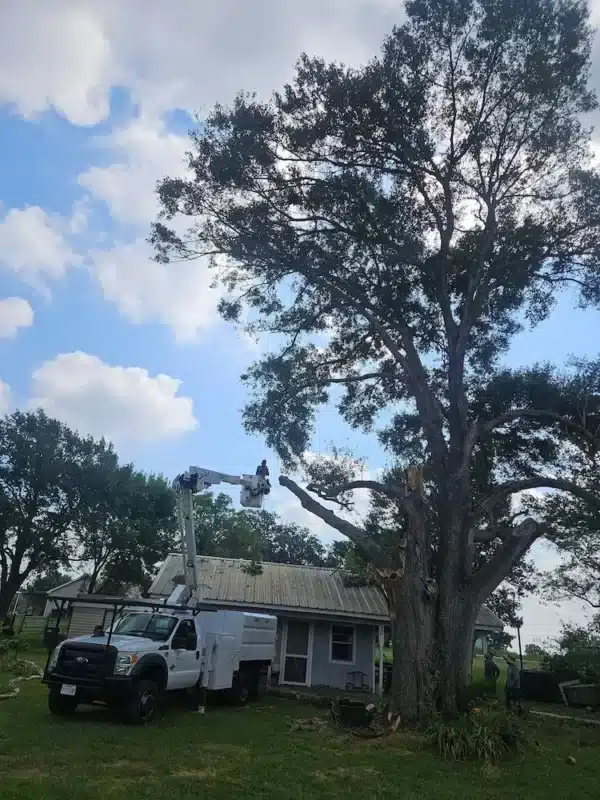
Water oak can add up to about 24 inches per year under good conditions, which puts it among the quickest oaks for establishing shade fast. That vigorous pace helps cool patios and facades sooner, cutting heat load near buildings and delivering quick comfort in hot summers—key for a fast-growing shade tree in the South; see practical care notes from Gardening Know How.
Immediate Landscape Impact
A broad, open canopy spreads light shade across lawns, driveways, and play areas, which helps soil retain moisture and keeps hardscape cooler. Position a water oak quercus nigra on the southwest side of a home in warm zones like water oak tree florida regions to reduce late-day heat on windows and walls.
2. Wildlife Habitat and Biodiversity Support
Food Source for Native Animals
Abundant acorns feed squirrels, deer, turkeys, quail, and ducks, while twigs and young shoots offer winter browse for deer. This steady nutrition supports local food webs and draws wildlife to your yard, adding life and motion beneath your oak canopy.
Nesting and Shelter Opportunities
As water oaks age, cavities form that are valuable for woodpeckers, small owls, and cavity-nesting songbirds. Even broken limbs can become habitat features, so strategic pruning that preserves sound hollows can boost bird habitat while keeping structure safe.
Supporting Insect Diversity
Oaks support hundreds of moth and butterfly species, including larvae that rely on oak foliage, which then feed backyard birds. For a broad look at oak-led biodiversity benefits, see this Gardenia overview on oaks and use water oak tree leaves as a living wildlife resource.
3. Soil and Water Management Benefits
Erosion Control
Water oak roots knit into banks and low-lying ground, reducing washouts after storms and helping hold valuable topsoil. Plant rows on contours or near runoff paths to slow water, trap sediment, and protect nearby landscapes.
Soil Enrichment Through Leaf Drop
A mature water oak can drop huge volumes of leaves that break down into dark, moisture-holding humus. Put that annual leaf fall to work as free mulch that feeds soil organisms and boosts fertility.
- Rake leaves into 2–3 inch mulch rings under the dripline.
- Compost excess leaves and return finished compost each spring.
- Leave a thin layer under shrubs to support soil life.
- Keep mulch a few inches away from the trunk to prevent rot.
Water Conservation and Filtration
The spreading canopy reduces evaporation from soil, while roots intercept and filter runoff that would carry pollutants. Planting near swales or drainage lines helps slow water, supports infiltration, and improves local water quality.
4. Climate Control and Outdoor Comfort
Natural Cooling Effects
Shade from a mature water oak can lower ground temperatures and reduce heat radiating off hardscape. Cooler yards feel better under summer sun, which boosts outdoor use and cuts irrigation needs in hot months.
Temperature Regulation
Planting on the west or southwest side of buildings softens late-day heat and can reduce cooling costs. In open parks or playgrounds, a cluster of water oaks creates a breeze-friendly microclimate with less glare and more comfort.
5. Low Maintenance and Adaptability
Soil Tolerance
Water oak handles sandy, loamy, or compacted soils if moisture is available, which suits streetscapes and new subdivisions. In wetter pockets, the tree still performs well and keeps growing where many species would struggle.
Urban Environment Suitability
This species tolerates air pollution and variable drainage, so it works along boulevards or near parking lots. Use it as a quick canopy builder for buffers, with room to spread and with regular formative pruning for structure.
Care Requirements and Considerations
Provide deep watering during the first two growing seasons, then water during long dry spells. Prune young trees to one central leader and wide branch angles, since water oak wood can be weak if early structure is ignored.
Water Oak vs Other Popular Oaks
Growth Rate Comparison
Water oak grows fast, often outpacing live and white oak in the first decade, which is perfect for quick shade. If you’re weighing choices, see how traits stack up below and skim our quick guide on red oak vs white oak for wood-focused context that mirrors tree differences in hardness and longevity at maturity.
| Feature | Water Oak (Q. nigra) | Live Oak (Q. virginiana) | White Oak (Q. alba) |
|---|---|---|---|
| Growth Rate | Fast (to ~24″/yr) | Moderate | Slow–Moderate |
| Lifespan | ~30–50 years | 100–200+ years | 200–300+ years |
| Canopy | Open, broad | Dense, spreading | Broad, rounded |
| Best Sites | Quick shade, wet spots | Parks, coastal yards | Large landscapes |
Lifespan and Durability
Live and white oaks outlast water oak by generations and carry stronger wood, which matters in storm belts and high-traffic areas. If longevity is your top goal, consider white oak and read more about white oak wood to see why this species ranks high for strength.
Best Use Cases
Pick water oak for fast shade, wildlife support, and reclamation or buffer plantings, especially in moist ground. Choose live oak for signature street trees, and white oak for legacy plantings where structure and longevity matter.
Here are popular oak options to compare and plant with confidence for shade, habitat, and long-term value in your yard or project.

Water Oak Trio — Fast-Growing Shade Trees
- Three healthy Quercus nigra saplings ready to plant
- Rapid early growth creates shade quickly
- Tolerant of wet soils and adaptable to many landscapes
- Attractive glossy foliage and open crown for year-round interest
- Low maintenance once established and supports local wildlife
 Buy on Amazon

Live Oak Seedling — 2 ft, 1 gal
- Evergreen canopy delivers year-round shade
- Long-lived, sturdy branches ideal for large yards
- Produces acorns that attract wildlife
- Nursery-grown in a 1-gallon pot for easy transplanting
- Drought tolerant and low maintenance once established
Buy on Amazon

White Oak Trio (Quercus alba) — Native Shade Trees
- Three native white oak saplings ready for planting
- Long-lived hardwood with durable structure
- Excellent choice for large landscapes and restoration projects
- Beautiful lobed leaves with notable fall color
- Supports wildlife and improves soil health over time
Buy on Amazon
For leaf detail, hardiness, and ID photos across regions, check this academic profile from NC State Extension and compare traits to your site.
Planting and Care Tips
Site Selection and Soil Preparation
Pick a spot with full sun and moist, acidic soil; add compost if soil is thin or sandy to improve water-holding. A wide planting hole (2–3x rootball width) with firmed backfill sets roots for quick spread and steady growth.
Water deeply after planting and mulch a 3–4 foot circle to stabilize moisture. For region-by-region habitat notes that can guide siting, see the species map and notes at bplant.org before you place your tree.
Pruning and Maintenance
In years 1–5, train one central leader and remove tight branch angles to reduce future breakage. Make small, clean cuts in late winter, keeping final pruning heights above walkways and drive lanes for safe clearance.
Stakes can help in windy sites for the first season; remove them once roots anchor well. If you want context on grain stability for oak lumber that mirrors good branch structure, skim quarter-sawn oak and apply the same idea of balanced structure to young trees.
Common Issues and Solutions
Expect heavy leaf and acorn drop; plan beds and hardscape where cleanup is easy and stains won’t matter. Watch for borers and root rot in stressed trees; improve drainage, avoid overwatering, and prune out damaged limbs to keep health on track.
In hurricane or ice-prone zones, prioritize early structural pruning and avoid topping, which weakens wood. If you need more storm resilience or fewer acorns, consider live oak or white oak as alternatives that offer higher durability.
FAQs
What Are The Characteristics Of A Water Oak Tree?
Water oak is a medium to large deciduous oak native to wet bottomlands; it has variable, often spatulate leaves with shallow lobes, glossy dark green foliage that may turn yellowish in fall, small acorns on short stalks, flaky or scaly bark, and a tendency toward low-branching, spreading form with a shallow root system adapted to moist soils.
How Fast Do Water Oak Trees Grow?
Water oaks are relatively fast growers, typically adding about 1.5–3 feet (0.5–1 meter) per year under favorable conditions; they can reach mature heights of 40–60 feet within a few decades, though growth will slow as the tree ages.
Are Water Oak Trees Good For Backyard Planting?
They Can Be Good For Backyards If You Have Enough Space; Water Oaks Provide Fast Shade And Wildlife Habitat And Tolerate Wet Or Poor Soils, But They Produce Messy Acorns, Have Somewhat Weak Wood That Can Drop Limbs, And Often Have Shorter Lifespans In Urban Settings, So Avoid Planting Too Close To Structures, Driveways, Or Pools.
How Do I Care For A Water Oak Tree?
Plant Water Oaks In Full Sun To Partial Shade In Moist, Well-Drained Soil; Water Regularly During The First 2–3 Years To Establish Roots, Apply Mulch To Retain Moisture And Protect The Trunk, Prune Selectively To Remove Dead Or Crossing Branches And To Develop A Strong Structure, Avoid Excessive Fertilization, And Monitor For Pests Or Diseases; Provide Supplemental Water During Extended Droughts.
What Is The Lifespan Of A Water Oak Tree?
In Natural Conditions Water Oaks Often Live Around 60–100 Years, But In Urban Or High-Stress Sites Their Lifespan Is Frequently Shorter (Often 40–60 Years); Proper Siting, Good Cultural Care, And Timely Pruning Can Help Extend A Tree’s Healthy Life.