
White Oak Wood Guide: Properties, Uses, Flooring, Veneer, and Stain

Table of Contents
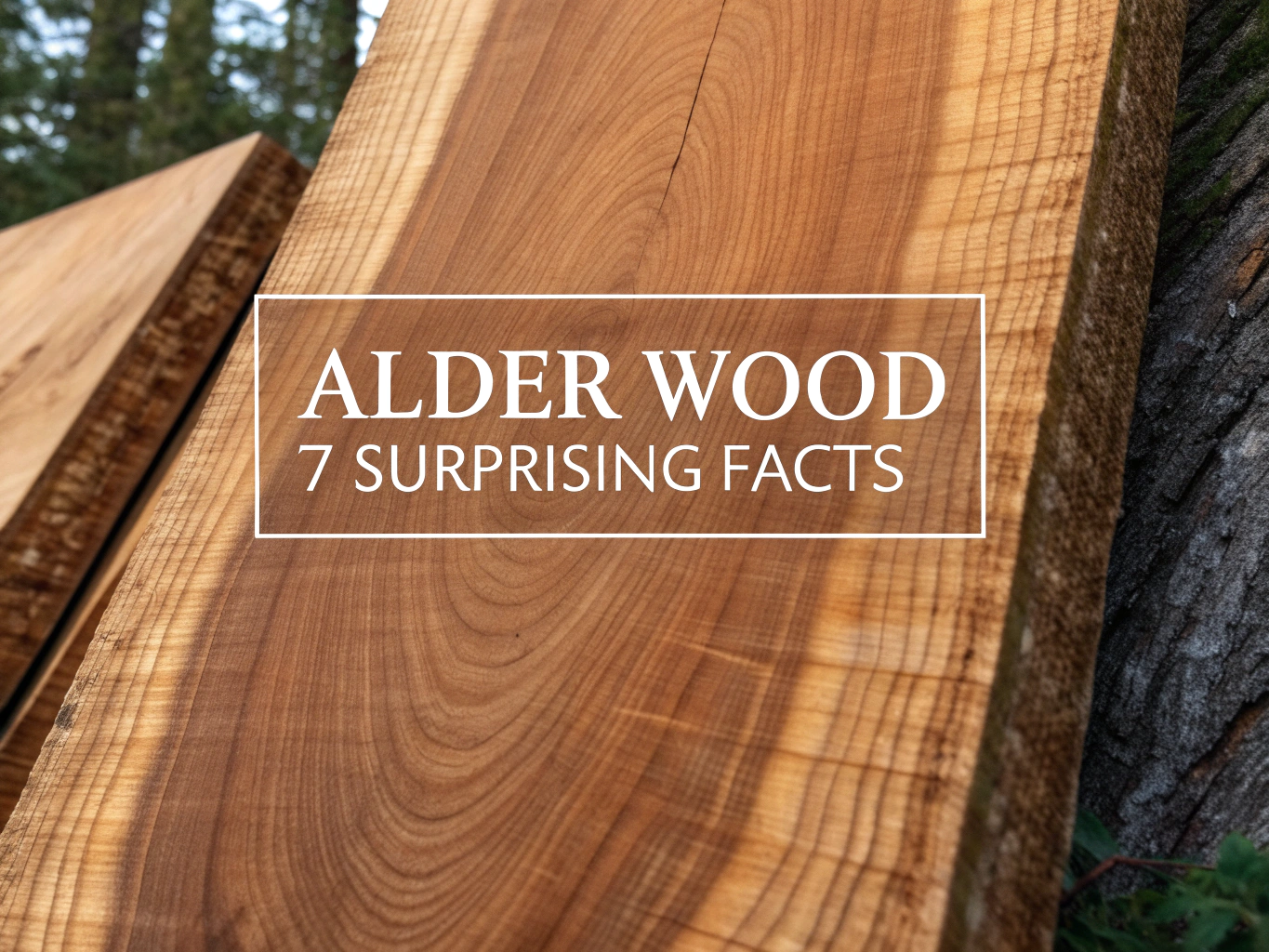
White oak wood is a dense, durable hardwood from the white oak group, most often American white oak, or Quercus alba. It’s used for flooring, furniture, cabinets, veneer, barrels, planks, and outdoor projects because it balances strength, attractive grain, and better moisture resistance than red oak.
This guide explains how white oak looks, moves, stains, and performs in real projects, including the mistakes that cause cupping, black tannin stains, veneer bubbles, and flooring gaps.
What Is White Oak Wood?
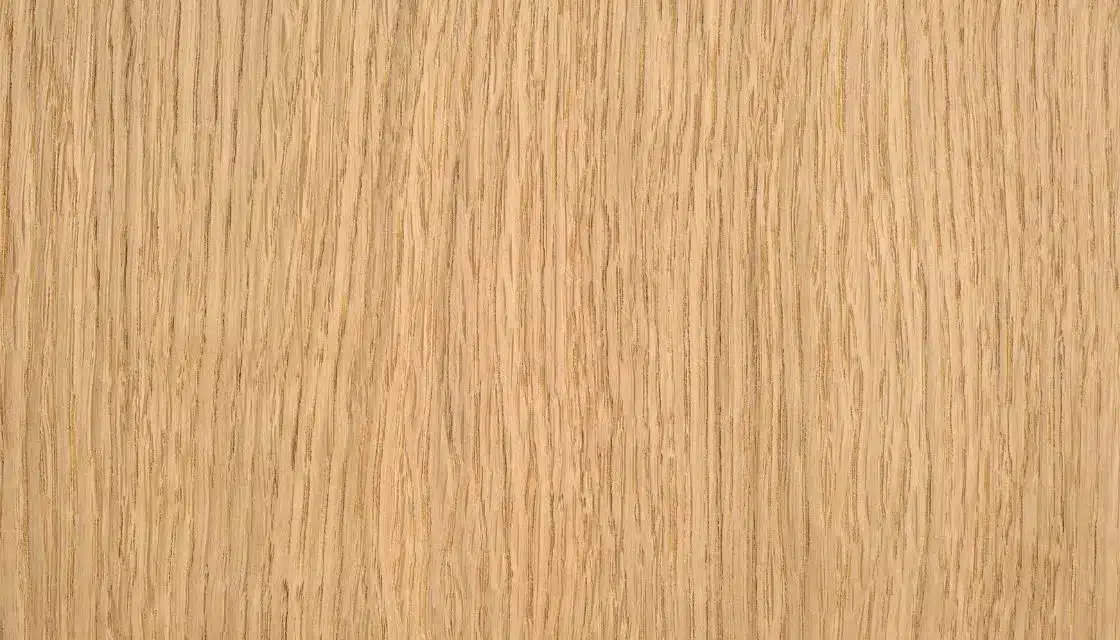
Definition and Species, Including American White Oak
American white oak usually refers to Quercus alba, though lumber yards may group several white oak species together when selling white oak lumber. The USDA PLANTS profile lists Quercus alba as a native North American oak, and that species is the classic source for white oak hardwood used in flooring, furniture, cooperage, and millwork.
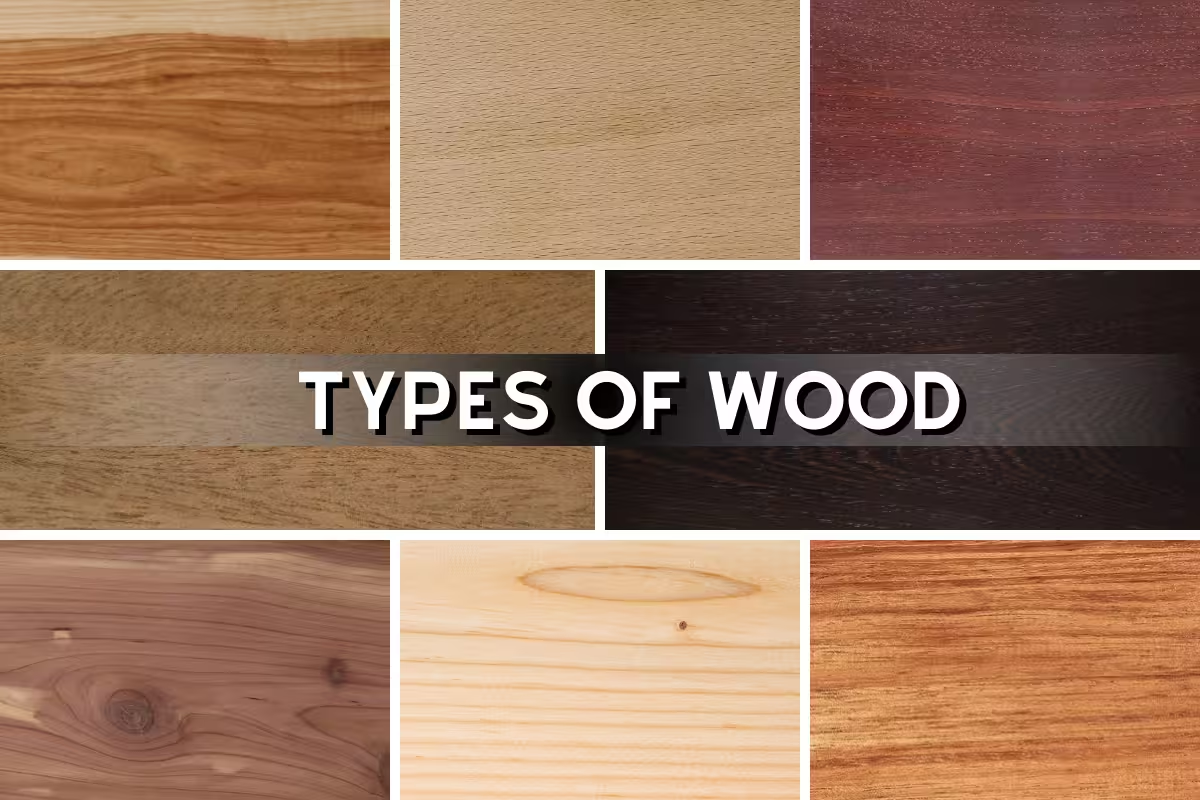
White oak heartwood usually ranges from light tan to medium brown with beige, olive, golden, or gray-brown undertones. The sapwood is paler, often cream to nearly white, and it has lower decay resistance, so I avoid relying on sapwood for exterior parts, wet-area trim, or pieces where end grain will stay exposed.
Heartwood, Sapwood, Tyloses, and Pores
Tyloses block pores in much of the heartwood, which helps white oak resist liquid movement better than red oak. That pore structure explains why white oak can hold whiskey or wine in barrels, but it doesn’t make the wood waterproof; standing water can still swell flooring, blacken the surface, and enter through end grain, checks, fastener holes, or open joints.
Common white oak uses include flooring, stair treads, furniture, bookshelves, cabinets, veneer, wall panels, doors, barrels, boat parts, outdoor furniture, and cooking wood. If you’re comparing hardwood families before choosing a material, our guide to types of hardwood gives useful context.
Properties, Appearance, and Cuts

Properties Table
White oak properties make it a strong choice for wear surfaces, but the same density that gives it durability also makes it heavy, slower to machine, and less forgiving when moisture content is ignored. The values below align with commonly cited data from the USDA Wood Handbook and field measurements used in lumber and flooring work.
| Property | White Oak Wood Data | Practical Meaning |
|---|---|---|
| Species | Quercus alba / white oak group | Confirm species when ordering “oak” lumber |
| Wood type | Hardwood, ring-porous | Visible growth rings and open earlywood texture |
| Janka hardness | About 1,350 lbf | Good dent resistance for flooring and furniture |
| Average dried weight | About 47 lb/ft³ / 755 kg/m³ | Heavy boards feel solid but can be harder to handle |
| Specific gravity | About 0.60 basic / 0.68 at 12% moisture | Strong fastener holding and dense machining feel |
| Radial shrinkage | About 5.6% | Quartered faces move less across width |
| Tangential shrinkage | About 10.5% | Plain sawn wide boards can cup more readily |
| Volumetric shrinkage | About 16.3% | Drying quality matters for planks and flooring |
| Durability | Heartwood moderately to very durable | Good outdoors only with smart detailing |
| Color | Light tan to medium brown | Neutral look with beige, olive, or gray-brown tones |
| Common uses | Flooring, furniture, cabinets, veneer, barrels, boatbuilding | Works across structural, decorative, and wear applications |
Hardness and density show up immediately in the shop: white oak boards feel cool, heavy, and slightly waxy under the palm after planing, and the shavings have a dry, spicy oak smell. Sharp carbide tooling helps because dull knives burn the latewood, leave washboard texture, and make stain absorb unevenly.
Strength values support uses like stair treads, chair frames, table bases, and loaded bookshelves. For the best wood for bookshelves, white oak is a strong pick because long shelves resist dents well, but deep spans still need thicker stock, front edging, or hidden steel support to avoid sag.
Shrinkage and stability are the hidden issues behind most white oak failures. Plain sawn white oak wood planks can cup, crown, gap, or check if they leave the kiln too wet, acclimate in a damp garage, or get installed over a subfloor that hasn’t been tested with a moisture meter.
Moisture and decay resistance comes mainly from heartwood and pore blockage, not magic. White oak can rot where water sits in joints, under planters, against concrete, or at unsealed end grain, so outdoor work needs drainage gaps, sloped surfaces, sealed ends, and finishes that get renewed before they crack.
Workability is good with the right setup. I pre-drill near board ends, take lighter router passes on edges, and sand with firm backing pads because white oak’s hard latewood can stand proud while softer earlywood drops away under sloppy sanding.
Natural Color, Grain, Ray Fleck, and Cut Styles
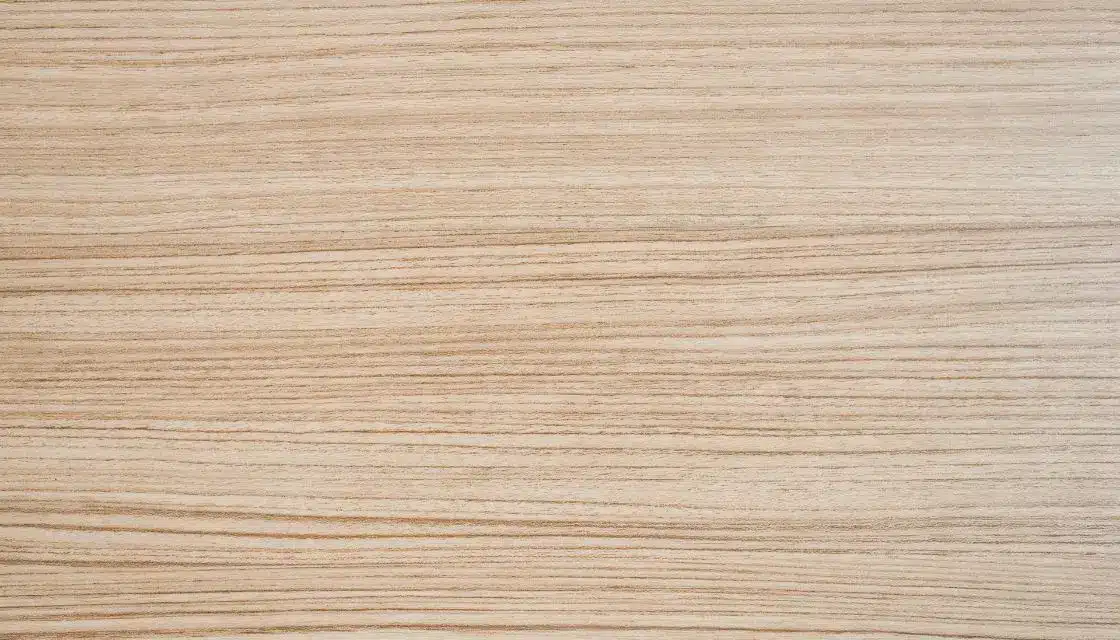
White oak grain changes a lot by cut style. Plain sawn boards show cathedral grain, quarter sawn boards show ray fleck, and rift sawn boards show straight, quiet lines; our visual guide to wood grain pattern helps explain why the same tree can produce very different faces.
| Cut Style | Appearance | Stability | Best Uses | Cost Pattern |
|---|---|---|---|---|
| Plain sawn | Cathedral grain and wider pattern variation | More visible seasonal movement | Rustic floors, furniture panels, shelves | Usually lowest |
| Quarter sawn | Strong ray fleck and straighter vertical lines | More stable across width | Mission furniture, premium flooring, panels | Higher |
| Rift sawn | Tight, straight, linear grain with less fleck | Good stability and consistency | Modern cabinets, stairs, clean floors | Often premium |
Ray fleck can look like pale ribbons flashing across quarter sawn faces, especially after oil or shellac hits the surface. If you want that classic Arts and Crafts look, compare our notes on quarter sawn oak; if you want cleaner vertical grain, see rift cut white oak.
White Oak Uses
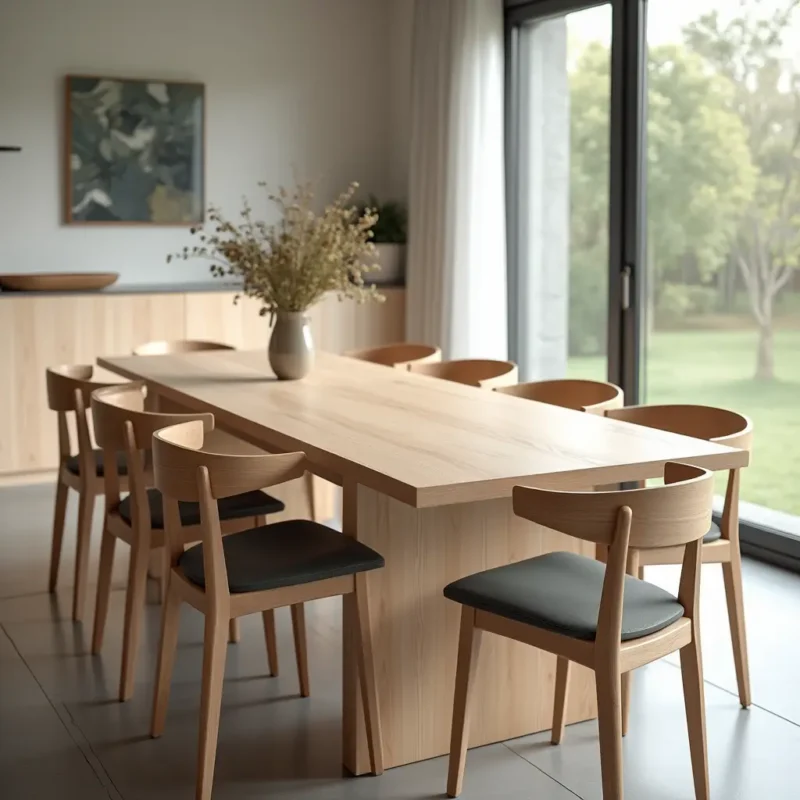
White oak uses span heavy-wear surfaces and refined decorative work. It’s common in white oak wood flooring, dining tables, chairs, bookshelves, built-ins, kitchen cabinets, bathroom vanities, wall paneling, veneer panels, stair parts, cooperage, boats, and outdoor furniture.
- Flooring: Durable, neutral, and easy to match with modern or traditional interiors.
- Furniture and bookshelves: Strong enough for tables, chairs, shelving, benches, and beds.
- Cabinets and millwork: Rift sawn faces create clean vertical grain for doors, drawer fronts, and trim.
- Veneer and panels: Gives large surfaces the look of solid white oak with less movement.
- Barrels and cooperage: Tyloses help make white oak suitable for liquid-holding vessels.
- Boatbuilding and outdoors: Heartwood works well where drainage and finish maintenance are planned.
- Cooking and smoking wood: Clean, untreated, kiln-dried white oak gives steady heat and medium oak smoke.
Cooking wood safety deserves a firm warning: never cook with white oak scraps that are painted, stained, glued, pressure-treated, moldy, or coated with finish. Clean oak splits smell warm and nutty when they catch, while treated scraps can give off sharp chemical odors and unsafe smoke.
For pizza ovens, grills, and smokers, use cooking-grade white oak rather than shop offcuts.

White Oak Pizza Wood
- Kiln dried white oak for fast, steady burning
- mini split logs sized for pizza ovens and grills
- great for Ooni, Gozney, Solo Stove, and more
- clean hardwood flavor for cooking, smoking, and searing
- packed in a generous box with plenty of splits
 Buy on Amazon

Oak Cooking Wood Splits
- USDA certified kiln dried white oak for safe cooking use
- 8 inch mini splits light easily and burn consistently
- ideal for pizza ovens, grilling, and smoking
- seasoned to help reduce excess moisture and smoke
- generous 25 to 30 pound box for multiple cooks
Buy on Amazon

Mini Pizza Oven Oak
- Six inch white oak logs made for portable pizza ovens
- USA made and sustainably milled for peace of mind
- clean burning hardwood helps deliver hot, even heat
- perfect for pizza nights, grilling, and roasting
- lightweight box with about 12 to 14 pounds of wood
Buy on Amazon
White Oak vs Red Oak
White oak vs red oak comes down to color, pore structure, moisture resistance, price, and the look you want. White oak is usually slightly harder and more moisture resistant, while red oak is often easier to find and costs less.
Appearance differences are easiest to see in fresh boards or unfinished flooring samples. White oak tends to show tan, beige, olive, and gray-brown notes, while red oak often shows pink, salmon, or reddish undertones; our full red oak vs white oak guide goes deeper into identification.
| Feature | White Oak | Red Oak |
|---|---|---|
| Janka hardness | About 1,350 lbf | About 1,290 lbf |
| Color | Tan, beige, brown, olive, gray-brown | Pink, salmon, reddish-brown |
| Pores | More closed from tyloses | More open and porous |
| Moisture resistance | Better for barrels, boats, and damp-prone uses | Lower; mostly interior use |
| Flooring | Excellent for solid and engineered floors | Excellent for interior floors |
| Exterior use | Suitable with proper finish and detailing | Usually not preferred outdoors |
| Cost and availability | Often higher, especially rift or quarter sawn | Often lower and widely available |
Best uses depend on exposure and design. I choose white oak for kitchens, wide plank floors, rift sawn cabinet faces, barrels, and exterior details; I choose red oak for budget-conscious interior floors, trim, and furniture where pinker color isn’t a problem.
White Oak Wood Flooring

White oak wood flooring is popular because it combines a 1,350 lbf Janka rating, neutral color, strong resale appeal, and better moisture resistance than red oak. It works in living rooms, kitchens, bedrooms, hallways, dining rooms, offices, and stairs when moisture control is handled correctly.

Solid White Oak Flooring vs Engineered White Oak Flooring
Solid white oak flooring is usually 3/4 inch thick and made from one piece of wood. It can be sanded many times, but it moves more with humidity, so wide plank solid floors need careful acclimation, subfloor checks, and stable indoor humidity.
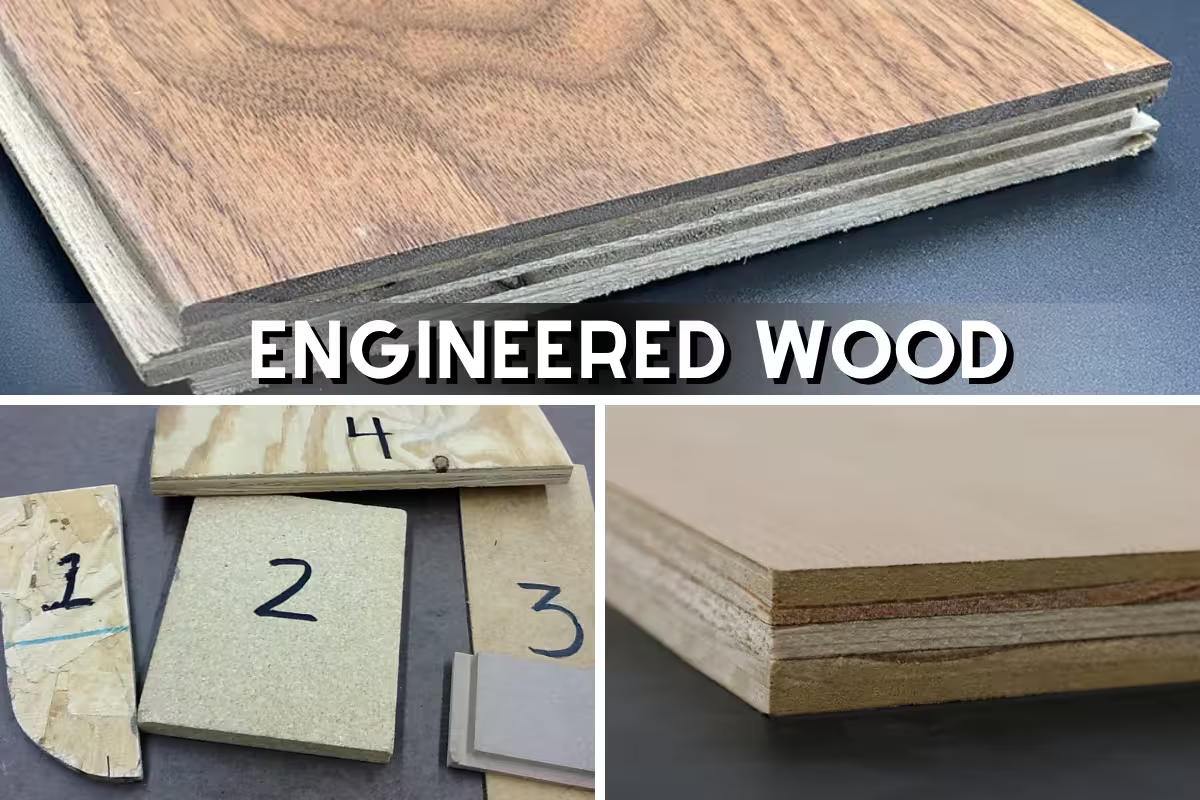
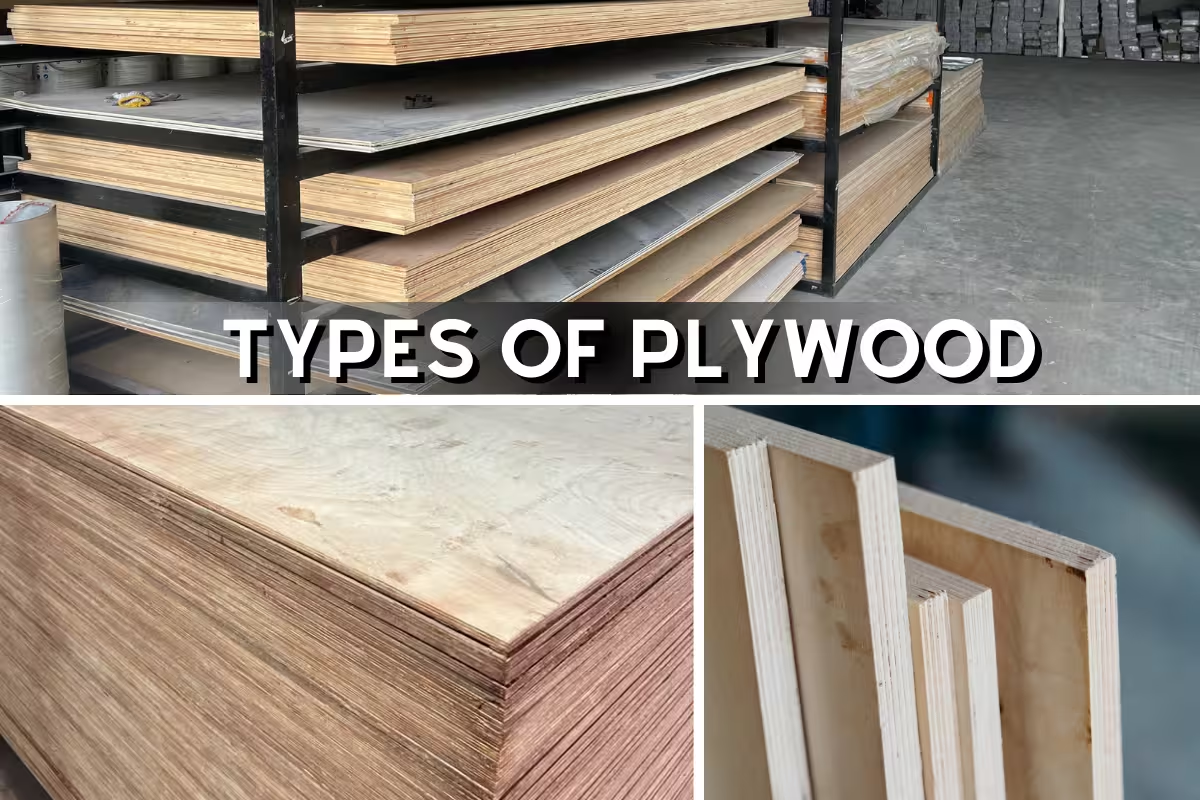
White oak engineered wood flooring uses a real white oak wear layer over plywood, HDF, or a multi-ply core. It is more dimensionally stable than solid white oak, but it is not immune to moisture damage, and cheap products with thin veneers can delaminate, check, or lose refinish potential fast.
| Floor Type | Construction | Common Thickness | Installation | Refinish Potential | Material Cost Range |
|---|---|---|---|---|---|
| Solid white oak | One piece of white oak | Usually 3/4 inch | Nail-down or staple-down | Multiple refinishes | About $6–$15+ per sq ft |
| Engineered white oak | White oak wear layer over core | Often 3/8 to 3/4 inch | Glue, float, or nail by product | Depends on wear layer | About $4–$12+ per sq ft |
Prefinished, Site-Finished, Moisture, and Cost
Prefinished flooring installs faster and often has tough UV-cured coatings, but micro-beveled edges can collect fine grit. Site-finished flooring gives a flatter, more seamless surface and custom white oak wood stain choices, but sanding dust, odor, dry time, and curing time affect the house for days.
Moisture checks matter more than the carton label. The NWFA technical guidelines are a useful reference for moisture testing, acclimation, and installation planning; in practice, wide plank flooring often needs a tighter moisture match to the subfloor than narrow strip flooring.
Wide plank risks include seasonal gapping in dry winters, cupping over damp crawl spaces, and edge crush if expansion space is blocked. For 5-inch and wider floors, I’d rather use high-quality engineered white oak over concrete or radiant heat than force solid planks into a risky setting.
Flooring cost ranges often run about $4–$12+ per square foot for engineered materials, $6–$15+ per square foot for solid materials, and $8–$20+ per square foot installed. Add 5%–10% waste for normal layouts and 10%–15%+ for diagonal, herringbone, chevron, or heavy color selection; see our dedicated white oak flooring guide for more flooring-specific details.
Veneer, Planks, and Buying Guide

White oak wood veneer and white oak wood planks solve different problems. Veneer gives large panels a real oak face with less movement, while planks and boards give structure, thickness, and edges that can be shaped, joined, and refinished deeply.
White Oak Wood Veneer: Cuts, Backing, Use Cases, and Risks
Veneer cut types include plain sliced, quarter cut, rift cut, and rotary cut. Plain sliced veneer shows cathedral grain, quarter cut veneer shows ray fleck, rift cut veneer gives straight modern lines, and rotary cut veneer creates wide sheets with a broader, less furniture-grade pattern.
Backing types include raw veneer, paper-backed veneer, wood-backed veneer, phenolic-backed veneer, and PSA peel-and-stick veneer. Raw veneer bends beautifully in the hand but punishes poor glue technique; paper-backed and phenolic-backed sheets are easier on cabinet refacing jobs because they bridge small handling flaws better.
Common veneer uses include cabinet doors, refacing, furniture surfaces, wall panels, plywood faces, architectural millwork, edge banding, door skins, speaker cabinets, and built-ins. The beginner mistake is sanding through veneer at corners; the workaround is to ease edges lightly before finishing and sand with a block instead of a loose fingertip.
Veneer failure risks include bubbles, splits, substrate telegraphing, glue bleed-through, heat release, and delamination. Let veneer, adhesive, and substrate acclimate together, flatten the substrate first, use even pressure, and avoid contact cement on large work where veneer creep could show later.
White Oak Wood Planks: Board Feet, Grades, and Buying Checklist
White oak wood planks may be sold as rough-sawn lumber, S2S, S3S, S4S boards, live-edge slabs, flooring blanks, stair stock, or surfaced craft boards. If you’re buying project boards, our guide to oak boards explains lumber formats in more detail.
Board foot formula: thickness in inches × width in inches × length in feet ÷ 12. A 1-inch thick, 8-inch wide, 8-foot long board equals 1 × 8 × 8 ÷ 12, or 5.33 board feet.
Lumber thicknesses include 4/4, 5/4 white oak, 6/4, 8/4, and thicker turning or slab stock. The label 4/4 refers to rough thickness, so a 4/4 board often finishes near 3/4 inch after surfacing, while 5/4 stock gives more room for flattening and heavier shelves.
Grades and surfacing affect yield more than beginners expect. FAS and Select suit long clear furniture parts, while No. 1 Common and No. 2 Common can be smart buys for rustic builds, short rails, cutting boards, cabinet accents, and character-grade flooring.
- Confirm species: Ask if it is true white oak, not generic oak or red oak.
- Check moisture: Ask if it is kiln dried and what moisture content was measured.
- Pick the cut: Plain sawn costs less; rift and quarter sawn cost more but give cleaner grain or better stability.
- Inspect defects: Look for checks, knots, wane, sticker stain, end splits, and twist.
- Clarify pricing: Ask if the price is by board foot, square foot, linear foot, bundle, or piece.
- Match the grade: Don’t pay FAS prices for rustic parts that can use Common grade well.
- Ask sourcing questions: Look for FSC, PEFC, domestic sourcing details, or legal harvest documentation.
Price drivers include grade, width, length, cut, thickness, drying, surfacing, region, and demand from flooring, cabinetry, and cooperage. Rough white oak may commonly fall around $8–$15+ per board foot, while rift sawn or quarter sawn retail stock can run $12–$25+ per board foot, with premium wide or clear boards above those ranges.
Sustainability certifications help buyers support documented forestry, especially as demand for white oak flooring, cabinets, barrels, and veneer stays high. The FSC certification system is one option to ask about, and PEFC or transparent local sourcing may also help reduce uncertainty.
Small project supplies are useful when you need test boards, repair stock, turning blanks, or filler without buying a full lumberyard bundle.

White Oak Craft Board
- Solid white oak with a clean natural grain
- ideal for crafts, scroll saw work, and laser engraving
- unfinished surface is easy to sand, cut, and finish
- compact size works well for small projects and prototypes
- a versatile hardwood choice for makers and hobbyists
Buy on Amazon
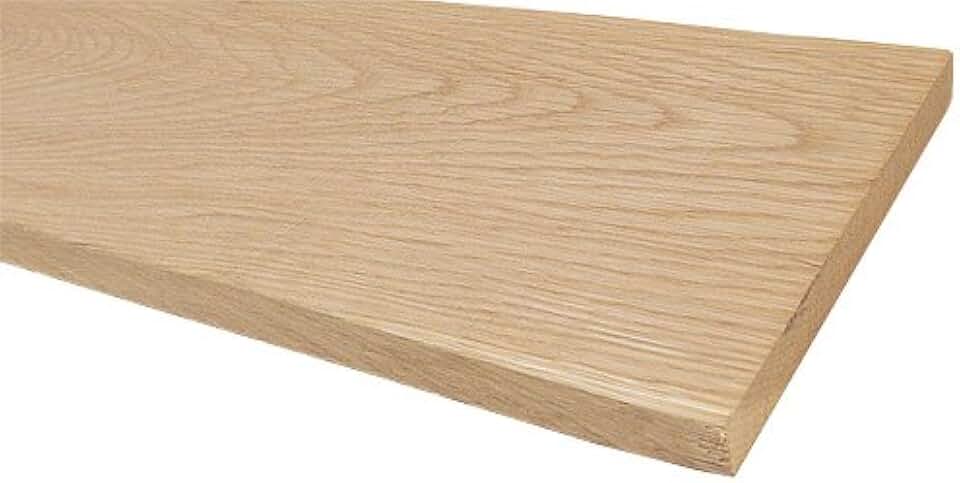
White Oak Cutting Board Set
- Six solid white oak boards in a handy pack
- great for cutting boards, charcuterie boards, and small builds
- straight grain and smooth surface for clean results
- sturdy hardwood offers excellent durability
- ready for glue-up, sanding, and finishing
Buy on Amazon

White Oak Board Pair
- Two solid white oak boards for woodworking projects
- smooth 3 quarter inch by 6 inch by 12 inch stock
- great for shelves, small furniture, and custom builds
- durable hardwood with a timeless grain pattern
- easy to cut, sand, and finish your way
Buy on Amazon

Quarter Sawn Oak Boards
- Quarter sawn white oak for a refined, stable look
- two boards sized 3 quarter inch by 4 inch by 48 inch
- striking grain adds character to fine woodworking projects
- ideal for furniture parts, trim, and cabinetry
- strong hardwood that machines and finishes beautifully
Buy on Amazon

Slim White Oak Boards
- Four narrow white oak boards for versatile shop use
- each board measures 3 quarter inch by 2 inch by 48 inch
- great for edging, accents, frames, and trim
- durable hardwood with a clean natural appearance
- ready for cutting, joining, and finishing
Buy on Amazon

White Oak Turning Blanks
- Four white oak blanks sized for turning and shaping
- sturdy 2 inch by 2 inch by 36 inch stock
- ideal for spindles, tool handles, and custom turned pieces
- straight hardwood grain supports precise machining
- a reliable choice for lathe projects and crafts
Buy on Amazon

White Oak Wood Filler
- Stainable and tintable filler for seamless repairs
- works on wood grain, dents, gaps, and surface flaws
- sands smooth for a clean finished look
- non toxic and USA made for safer use
- zero waste formula helps you use every bit
Buy on Amazon
White Oak Wood Stain and Finishing
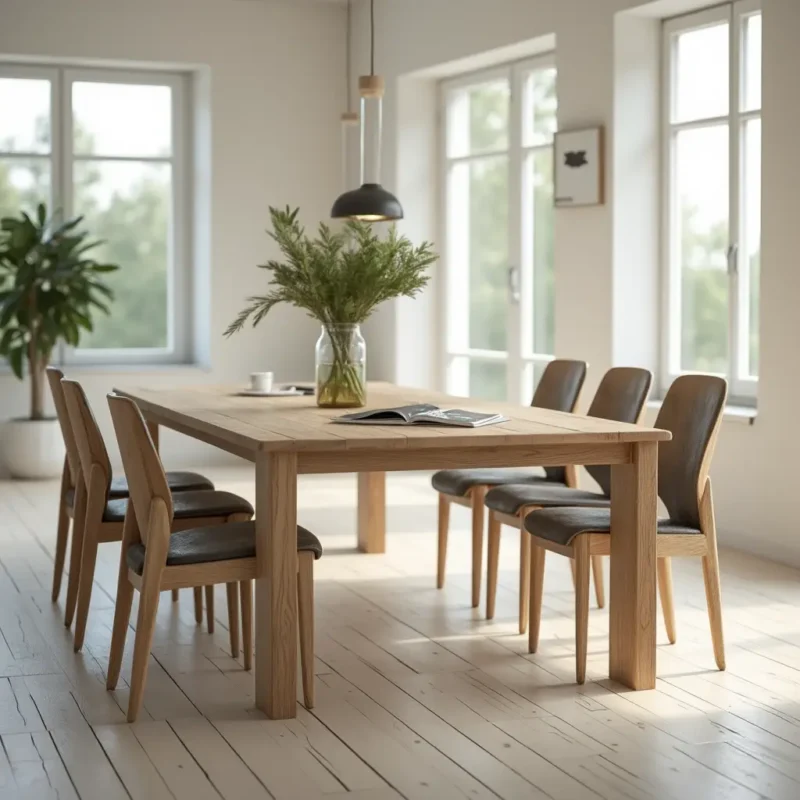
White oak wood stain usually performs well because the grain is visible and the wood has enough porosity to take color. The final shade still depends on cut style, sanding grit, wood batch, tannin level, water popping, and finish chemistry.
Popular White Oak Stain Colors and Natural Finish
Natural white oak keeps the wood light, calm, and neutral, especially with water-based polyurethane, hardwax oil, or a pale oil finish. Color names can be misleading, so compare stain samples under the room’s real lighting before coating a full floor or cabinet run; our colors of wood guide can help with undertone choices.
Popular stain colors include warm honey, light brown, medium brown, dark brown, weathered gray, smoked oak, fumed oak, black, and near-black. Gray and weathered finishes are the trickiest because white oak’s olive-brown undertones can turn muddy if the stain system isn’t tested on the same batch of boards.
Dark and fumed looks work well on quarter sawn white oak because ray fleck gains depth and contrast. Traditional fuming uses ammonia reacting with tannins, but it requires strict safety controls, sealed test containers, and ventilation; for many projects, a stain or dye system is safer and more predictable.
Finish Options, Sanding Guidance, and Tannin Risks
Finish options include water-based polyurethane for a clearer look, oil-based polyurethane for amber warmth, hardwax oil for spot repair, penetrating oil for furniture, and grain filler for smoother tabletops. Hardwax oil feels silky and close to the wood under the hand, but it needs maintenance and won’t hide dents like a thicker film finish.
Sanding guidance for furniture often runs 120, 150, then 180 grit, sometimes 220 depending on the finish. Over-sanding can burnish dense latewood and reduce stain absorption, while uneven sanding leaves stripes that only appear after the first wipe of stain darkens the pores.
Tannin stain risks are real with white oak. Iron fasteners, steel wool fragments, wet metal dust, or contaminated water can create blue-black marks, so I keep steel wool away from white oak, vacuum before finishing, and test cleaners on offcuts before touching the final surface.
Common Problems and Maintenance
Common white oak problems usually come from moisture imbalance, metal contamination, rushed sanding, weak veneer prep, or outdoor detailing that traps water. Most failures are preventable if you measure moisture, test finishes, seal vulnerable end grain, and match the product to the room or exposure.
Cupping, Gapping, Black Stains, and Blotchy Stain
Cupping and gapping show up most often in white oak wood flooring and wide white oak wood planks. Cupping points to higher moisture on the underside, while seasonal gapping often points to dry indoor air; the fix starts with moisture readings, not sanding the floor flat too soon.
Black tannin stains form when white oak tannins react with iron and water. If a dark mark appears under a wet metal can, nail head, or steel wool smear, don’t keep scrubbing blindly; identify the source, let the wood dry, then test oxalic acid or a tannin-stain treatment on a hidden spot.
Blotchy stain often comes from mixed cuts, different board batches, uneven water popping, or sanding one area finer than another. The professional workaround is simple but rarely skipped on good jobs: make stain samples from actual offcuts, label the sanding sequence, and finish every board under the same method.
Veneer Delamination, Outdoor Checking, and Practical Notes From Real-World Use
Veneer delamination usually traces back to poor substrate prep, the wrong adhesive, weak pressure, or moisture swings between the veneer and core. A flat MDF or plywood substrate, balanced panel construction, and even clamping pressure reduce bubbles far better than adding more glue.
Outdoor checking happens when sun and rain stress the surface faster than the core can move. White oak heartwood can handle weather better than many hardwoods, but ground contact, unsealed end grain, flat surfaces that hold puddles, and neglected finish will still lead to cracks, dark streaks, and decay.
Moisture prevention is easier than repair: raise outdoor parts off the ground, slope horizontal surfaces, leave drainage gaps, seal end grain, use compatible fasteners, and renew finish before it flakes. Indoors, keep spills from sitting on flooring, use mats near sinks, and maintain stable humidity instead of chasing every seasonal gap with filler.
Repair and filler work best when the filler matches the final stained color, not the raw board. I test filler after stain and topcoat because many “oak” fillers dry too orange against white oak’s beige-gray tone, and a bad fill line stands out more than a small honest pore.
Practical lesson: white oak rewards patience. The best results come from buying the right cut, checking moisture with a meter, milling after acclimation, saving offcuts for stain tests, and treating “water resistant” as a helpful trait rather than permission to ignore water.
FAQs
Is White Oak A Good Wood?
Yes, white oak is a very good wood for many projects. It is strong, durable, and has a classic grain that looks great in furniture, cabinets, and trim. It’s also a popular choice when you want a hardwood that balances beauty and everyday performance.
Is White Oak Wood Expensive?
Yes, white oak is usually more expensive than softwoods and some lower-cost hardwoods. Its price reflects its durability, versatility, and high demand in flooring and furniture. For many buyers, the long lifespan makes it worth the extra cost.
Is White Oak Waterproof?
No, white oak is not waterproof. However, it is more water-resistant than many other woods because of its closed grain structure. With a proper finish, it performs well in areas where occasional moisture is expected.
Is White Oak Good For Flooring?
Yes, white oak is an excellent choice for flooring. It is hard, stable, and holds up well to daily foot traffic. It also resists wear nicely and gives floors a warm, timeless look.
Does White Oak Stain Well?
Yes, white oak stains very well. Its even grain helps it absorb stain consistently, which makes it easier to achieve a rich, attractive finish. It works especially well if you want a natural look or a darker tone.
Affiliate Disclosure: Some links in this post are affiliate links. If you make a purchase through these links, we may earn a small commission at no extra cost to you. We only recommend products we genuinely believe in.