
Did you know black walnuts have a stronger, earthier flavor and much darker wood than the common English walnut? Many people call all nuts “walnuts” and expect the same taste. They actually differ in tree type, shell hardness, and how people use them. This post lays out the 5 key differences so you can pick the right walnut for baking, snacking, or woodworking.
Table of Contents
The black walnut vs walnut debate covers flavor, nutrition, wood uses, and price in simple terms so you can pick the right nut for recipes or projects with confidence. You’ll see how english walnut vs black walnut compares side-by-side with clear facts and examples.
Origin and Cultivation Differences
Wild vs Orchard-Grown Production
Black walnuts grow largely in the wild across the Midwest and East-Central US, while “walnut” in stores usually means English walnut grown in global orchards (California leads supply). Wild collection adds labor and limits volume for black walnuts, which affects price and year-to-year availability (Learn about Black Walnuts).
Historical Background and Uses
Early American cooks prized black walnuts for bold flavor, with records of expedition teams baking nut breads for energy and sustenance. The shells are so tough they’ve been used as an abrasive in industrial cleaning, including projects like restoring famous monuments and scrubbing Navy vessels.
Physical Appearance: Tree, Nut, and Wood
Tree and Nut Characteristics
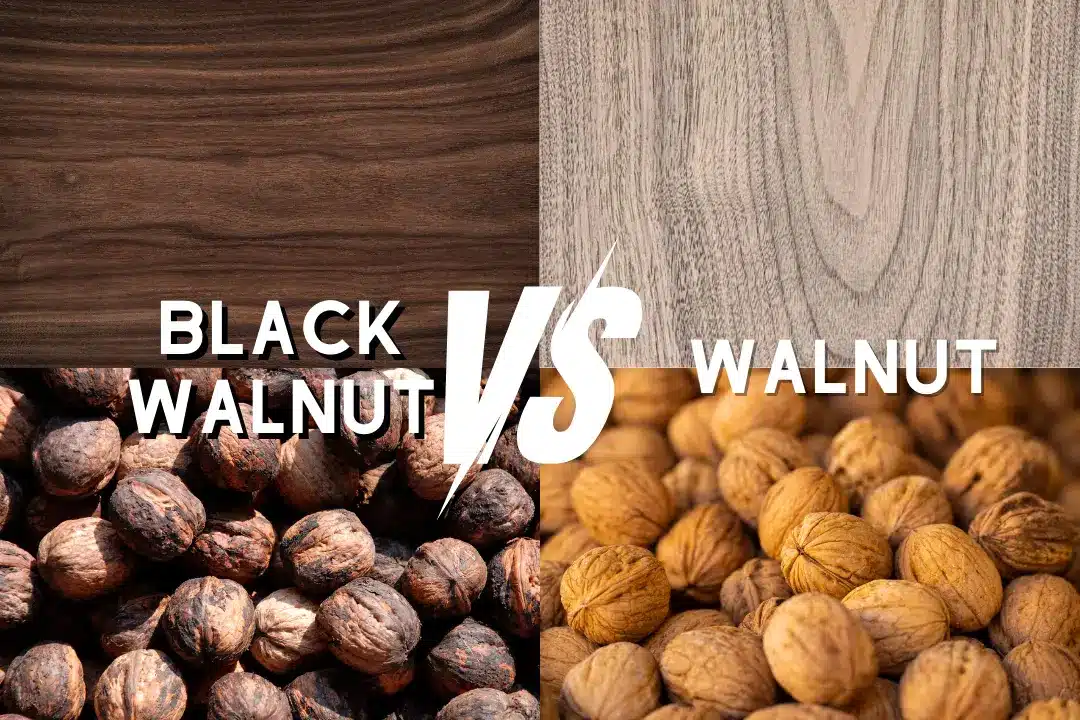
Black walnut fruit has a bright green husk that stains hands, plus a thick, deeply ridged shell that resists common nutcrackers; English walnuts have thinner, smoother shells that crack with far less force (Bag-A-Nut: Difference Between Black and English Walnuts). These shell traits shape processing time, kitchen prep, and snack-time convenience.
Wood Properties and Applications
Black walnut wood is known for rich chocolate-brown heartwood, good stability, and impact resistance; it’s a favorite for furniture, tables, and gunstock-scale projects (black walnut wood). English walnut wood is lighter and often shows more color variation; for cost-efficiency in cabinetry or panels, many makers use a walnut veneer to achieve a classic look with less solid lumber.
Flavor Profile Comparison
Black Walnut Taste
Black walnuts deliver a bold, earthy, slightly tangy taste that many describe as “wild” and deeply nutty. Use a smaller amount than you would with English walnuts, because the flavor in walnut vs black walnut recipes can dominate cakes, ice creams, and savory dishes (Black Walnuts vs. English Walnuts).
English Walnut Flavor
English walnuts taste mild, buttery, and slightly sweet, which blends well in cookies, pestos, granola, and salads. Toast them lightly to boost aroma and bring out a rounder, more balanced profile.
Culinary Applications
Match flavor to the dish: use black walnuts for standout treats and English walnuts for everyday cooking where texture and gentle flavor fit more meals. For easy shopping, premium kernels such as Hammons help you test black walnut vs walnut recipes without shelling at home
- Black walnuts: ice cream mix-ins, brownie swirls, blue-cheese salads, coffee cakes, bourbon pralines.
- English walnuts: banana bread, pesto, baklava, oatmeal toppings, yogurt parfaits, snack blends.

Nutritional Analysis: Black Walnut vs Walnut
Protein and Macronutrient Content
Black walnuts lead on protein per 1/4 cup, while English walnuts lean higher in total fat and polyunsaturated fats. Pick black walnuts for extra satiety in snacks, and use English walnuts for classic omega-6/omega-3-rich recipes.
| Nutrient (per 1/4 cup) | Black Walnut | English Walnut |
|---|---|---|
| Protein (g) | 6.8 | ~57% less than black walnut |
| Total Fat (g) | Lower | Higher |
| Monounsaturated Fat | Higher | Lower |
| Polyunsaturated Fat | Lower | Higher |
| Calories | Slightly lower | Slightly higher |
| Carbohydrates/Sugars | Lower | Higher |
Mineral and Vitamin Differences
Black walnuts typically show more phosphorus, magnesium, potassium, and iron per serving, giving a strong mineral boost. English walnuts still contribute key micronutrients, but their main nutrition spotlight sits with healthy fats.
Antioxidant Capacity Comparison
Research tests report English walnuts can show about 10× higher antioxidant capacity than black walnuts, which favors “walnut” for cardio-protective snack routines (NutritionFacts: Black vs. English Walnuts). Choose based on your goal: protein/minerals (black walnut) vs antioxidant punch (walnut).
Health Benefits and Supplement Uses
Below are well-rated black walnut foods and tinctures you can consider for recipe use or traditional herbal needs.

Supreme Black Walnut Tincture (2 fl oz)
- Concentrated black walnut hull extract to support digestive health
- Dropper bottle for easy, accurate dosing
- Approximately 59 servings per 2 fl oz bottle for long use
- Alcohol-based tincture for faster absorption
- Supports traditional gut cleansing and wellness protocols
 Buy on Amazon

Triple-Action Black Walnut & Wormwood Drops (Berry)
- Combines black walnut and wormwood for digestive support
- Triple-target formula enhanced with clove, oregano, and pau d'arco
- Precise herbal drops for controlled dosing
- Berry flavor makes intake more pleasant
- Formulated to promote natural digestive balance
Buy on Amazon

Hammons Fancy Large Black Walnuts (24 oz)
- Wild-harvested large black walnuts with bold flavor and texture
- High-protein, nutrient-dense snack suitable for keto diets
- Great for baking, cooking, and adding crunch to recipes
- Non-GMO and gluten-free pantry staple
- Generous 24 oz bag for regular use and sharing
Buy on Amazon
Traditional Herbal Applications
Herbalists use black walnut hulls for topical washes, teas, and tinctures linked to digestive and intestinal support. People with nut allergies or on medications should speak with a healthcare professional before using concentrated extracts.
Digestive Health Support
Both black walnut kernels and hull preparations appear in gut-focused routines; whole nuts add fiber and minerals, while tinctures offer compact dosing. Start small, track tolerance, and focus on short cycles rather than constant daily use.
Cost and Availability Factors
Price Differences
Black walnuts usually cost more per pound because foraging, hulling, and cracking take extra work. English walnuts benefit from scale in orchards and processing lines, which brings prices down for everyday snacking (Black Walnuts vs. English Walnuts).
Market Accessibility
Most supermarkets stock English walnuts year-round; black walnuts appear in regional grocers, specialty stores, and direct-from-harvester shops. Online ordering helps bridge gaps if your local stores don’t carry black walnut kernels.
Sustainability Considerations
Wild collection of black walnuts can reward landowners and maintain mixed-forest habitats. Orchard-grown English walnuts support stable supply chains, water management programs, and byproduct uses for shells and husks.
Complete Comparison Summary
Here are additional black walnut hull options if you prefer DIY teas, powders, or sugar-free tinctures.
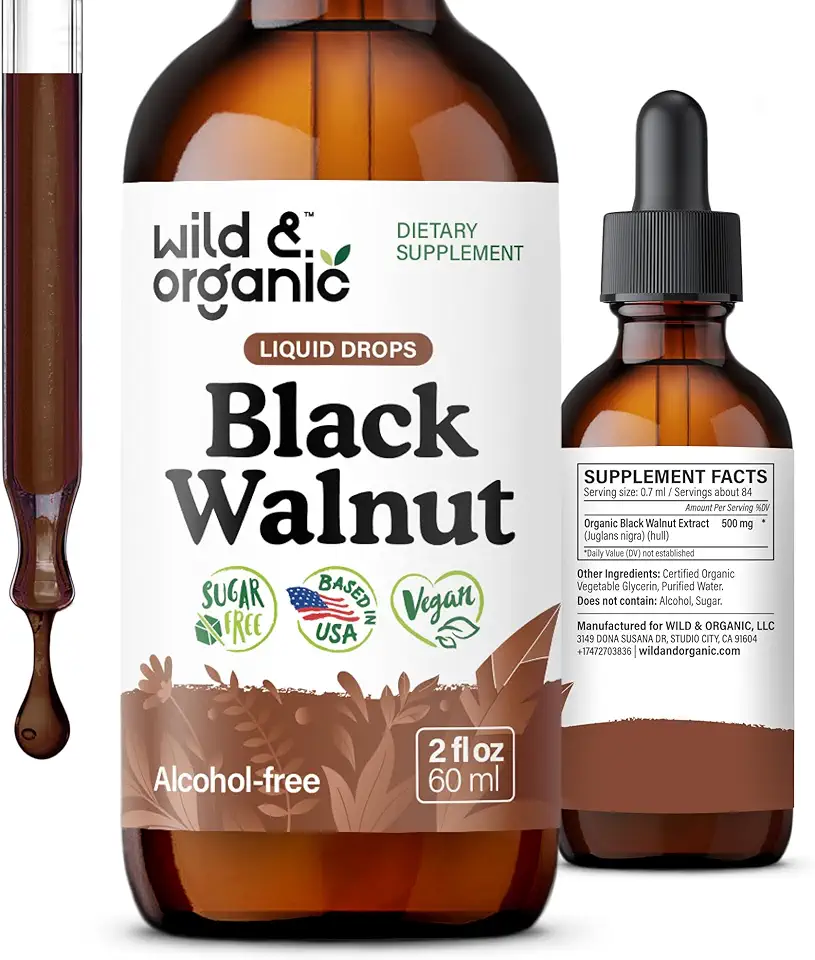
Wild & Organic Black Walnut Tincture — Alcohol & Sugar-Free
- Organic black walnut hull extract crafted for gentle digestive detox support
- Alcohol- and sugar-free vegan formula for clean herbal use
- Easy-to-use dropper for precise dosing
- Pure, plant-based ingredients without fillers
- Designed to support gut wellness and daily routines
Buy on Amazon
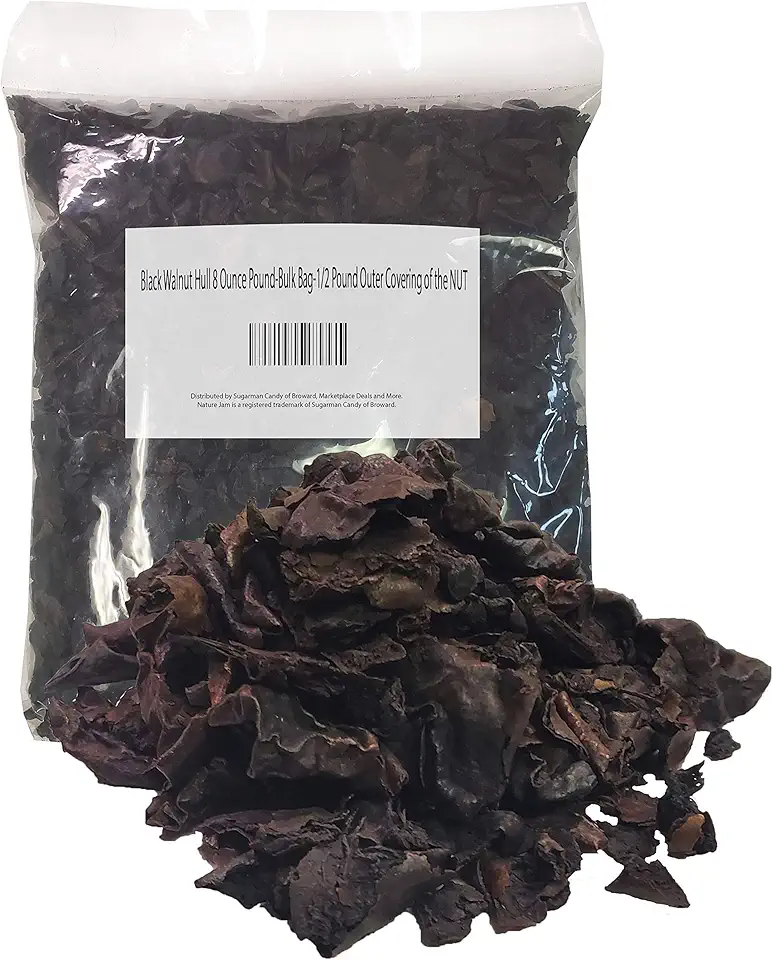
Bulk Black Walnut Hulls — 8 oz
- Economical 8 oz bulk pack of black walnut hulls for herbal projects
- Versatile for teas, tinctures, topicals, and crafts
- Coarse hull pieces suitable for simmering and infusions
- Great option for DIY herbalists and small-batch use
- Simple packaging for easy storage and handling
Buy on Amazon

Starwest Organic Black Walnut Hull Powder (4 oz)
- Finely ground organic black walnut hull powder ideal for teas and capsules
- USDA Organic and certified kosher quality assurance
- Traditional support for digestion and herbal use
- Easy to mix into recipes, smoothies, or supplements
- 4 oz pouch perfect for trial and regular use
Buy on Amazon
Side-by-Side Feature Comparison
| Feature | Black Walnut | Walnut (English) |
|---|---|---|
| Flavor | Bold, earthy, tangy | Mild, buttery, sweet |
| Shell | Very hard, deep grooves | Thin, easy to crack |
| Nutrition Focus | Higher protein, more minerals | Much higher antioxidant capacity |
| Culinary Fit | Specialty desserts, strong-flavor salads | Everyday baking, snacks, sauces |
| Supply | Wild-harvested, regional | Orchard-grown, global |
| Price | Usually higher | Usually lower |
Best Uses for Each Type
Pick black walnut when a recipe needs a strong nut accent, like black walnut ice cream, chocolate bark, or sharp-cheese salads. Choose English walnut for flexible baking, weekday snacking, pesto, and granola where gentle flavor plays well with other ingredients.
For kitchens and workshops alike, english walnut vs black walnut comes down to taste, nutrition goals, and project demands. Use the comparisons above to match flavor, price, and performance to your exact needs.
FAQs
What Are The Differences Between Black Walnuts And English Walnuts?
Black walnuts (Juglans nigra) and English walnuts (Juglans regia) differ in flavor, shell hardness, kernel size, and common uses. Black walnuts have a bold, earthy, and slightly bitter flavor with very hard, deeply grooved shells and smaller, denser kernels; English walnuts are milder, creamier, easier to crack, and more commonly used in baking and snacking.
Are Black Walnuts Healthier Than Regular Walnuts?
Both types are nutritious, rich in healthy fats, protein, fiber, vitamins, and minerals. English walnuts tend to be higher in omega-3 ALA, while black walnuts can have a slightly different mineral and antioxidant profile; neither is categorically “healthier,” so choose based on flavor and include a variety of nuts in your diet for balanced nutrition.
Can I Substitute Black Walnuts For Regular Walnuts In Recipes?
You can substitute black walnuts for English walnuts, but expect a stronger, more bitter flavor and firmer texture. Use a bit less, chop them finer or toast them to mellow the taste, and test in small batches for delicate desserts where the assertive flavor may overpower other ingredients.
How Do I Identify Black Walnuts From Regular Walnuts?
Identify them by the shell, kernel, and taste: black walnut hulls are thick and dark, shells are very hard and rough, and kernels are darker and more irregular. English walnuts have thinner, smoother shells, lighter-colored kernels, and a milder taste. Tree and leaf characteristics and harvest season can also help distinguish them.
Which Walnut Is Better For Baking: Black Or Regular?
For most baking, English walnuts are preferred because their mild, buttery flavor and lighter color blend well in cakes, cookies, and pastries. Black walnuts are excellent when you want a pronounced, earthy walnut flavor—great in brownies, quick breads, or savory recipes—but they can overpower delicate desserts.