

Araucaria Norfolk usually refers to Araucaria heterophylla, the Norfolk Island pine, a tropical conifer grown indoors for its soft foliage and symmetrical branch tiers. Successful Norfolk Island pine care depends on bright light, evenly moist yet aerated soil, humidity near 50% or higher, and protection from cold drafts.
Table of Contents
Araucaria Norfolk Identity and Growth
The Norfolk Island pine is not a true pine. Its botanical structure, tropical needs, and changing foliage distinguish it from members of Pinus.
Botanical Identity
The accepted name is Araucaria heterophylla, in the Araucariaceae family. Norfolk pine, star pine, house pine, and living Christmas tree are common names. The Kew Plants of the World Online recognizes Norfolk Island as its native range.
Its “pine” label describes the tree-like appearance rather than botanical ancestry. True pines belong to Pinaceae, while this species belongs to an ancient Southern Hemisphere conifer family. Readers comparing conifer timber can see how actual pine fits within common soft wood types.
Native Coastal Habitat
Norfolk Island has a mild maritime climate with bright light, humid air, ocean-moderated temperatures, and freely draining ground. Those conditions explain why an indoor plant dislikes dark rooms, parched heated air, stagnant soil, and sudden cold.
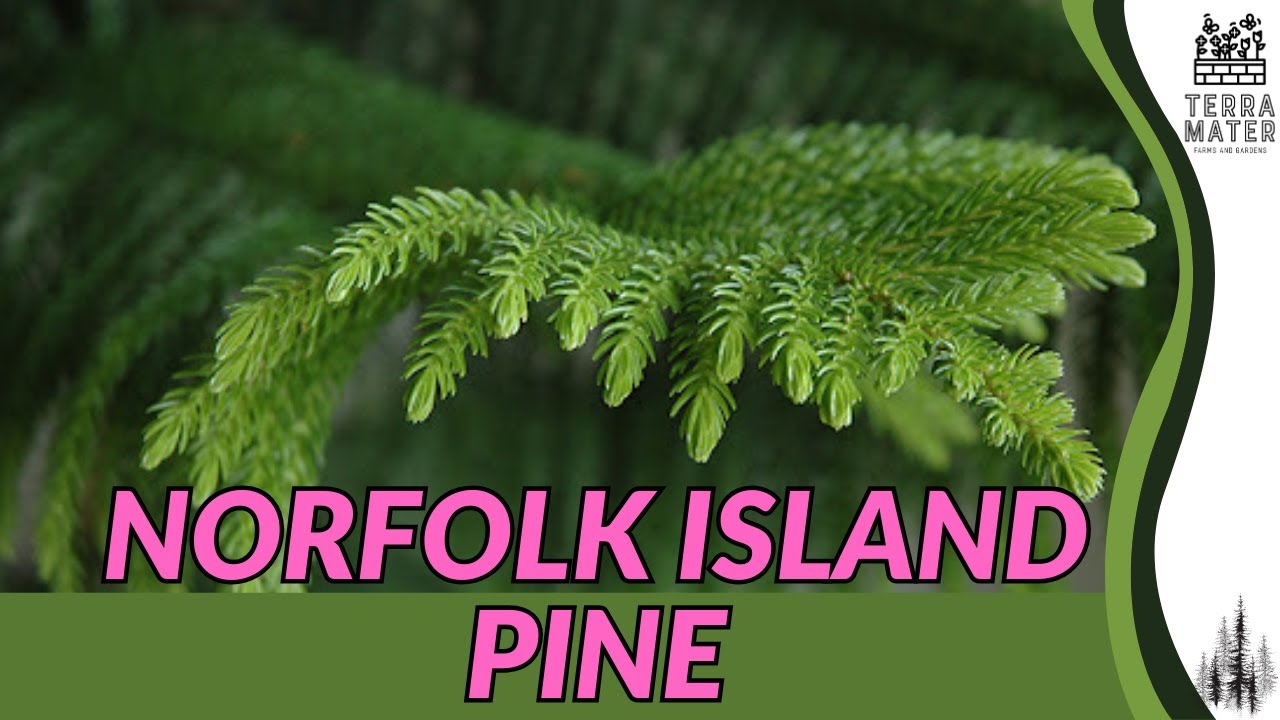
Foliage and Growth Habit. Young plants carry soft, narrow leaves along evenly spaced branch whorls. Running a hand lightly beneath healthy juvenile foliage feels springy and brush-like rather than sharply prickly. Mature outdoor growth develops tougher, overlapping, scale-like leaves.
Indoor and Outdoor Size. Indoor specimens commonly reach 3–8 feet, limited by light, root space, and ceiling height. Outdoor trees in a suitable climate can reach roughly 165–215 feet, so the compact plant sold in a four-inch pot isn’t a dwarf variety.
Multiple Seedlings Explained. Several stems emerging from retail soil usually indicate a cluster of individual seedlings. Growers use clusters to create a fuller display, but the intertwined roots make later separation risky. One plant may wilt after separation while another recovers, so leaving an established group intact is often safer.
Norfolk Island Pine Quick Care
Place a Norfolk Island pine in bright indirect light, water after the upper 1–2 inches begin to dry, and keep the pot free from standing water. Aim for 60–75°F, moderate humidity, and a loose acidic potting mix.
Quick-Care Table
| Care factor | Practical target |
|---|---|
| Light | Bright indirect light with gentle morning sun |
| Water | Water when the upper 1–2 inches start drying |
| Humidity | About 50% or higher when practical |
| Temperature | 60–75°F or 16–24°C |
| Cold limit | Avoid prolonged exposure at or below 50°F or 10°C |
| Soil | Loose, slightly acidic, moisture-retentive mix |
| Fertilizer | Quarter- to half-strength balanced feed in active growth |
| Repotting | Every 2–4 years when roots or drainage show a need |
| Pruning | Remove dead wood; never routinely top the leader |
| Outdoor use | Permanent planting in frost-free climates |
Critical Moisture Balance
The roots need moisture and oxygen at the same time. A completely dry root ball can kill lower branch tiers, while saturated soil displaces air and encourages root decay. “Keep moist” means consistent monitoring, not leaving water in the saucer.
Seasonal Care Checklist. Change care according to light, temperature, and plant activity rather than dates alone.
- Spring: Resume diluted feeding after new growth appears and repot only if needed.
- Summer: Check moisture more frequently and shelter outdoor pots from harsh midday sun.
- Autumn: Inspect for pests before bringing the plant inside and move it to brighter winter light.
- Winter: Reduce watering frequency, stop routine feeding, and keep branches away from heating vents.
Practical Notes From Real-World Use. A lifted pot provides useful feedback: a dry root ball feels surprisingly light and may sound hollow when tapped, while a saturated pot stays heavy and cool for days. Combining that weight check with a wooden skewer gives a more reliable result than touching the surface.
Essential Indoor Care Requirements
Indoor Araucaria heterophylla needs strong filtered light, measured watering, moderate humidity, and stable warmth. Poor light slows water use, which means light and watering problems frequently occur together.
Light and Rotation
Set the plant close to an east, south, or west window, adjusting for glass heat and local sun strength. Gentle morning sun supports compact growth. Use a sheer curtain where afternoon rays make the foliage feel warm or cause pale, bleached patches.
Give the pot a quarter turn every one or two weeks to reduce one-sided growth. Rotation won’t correct a dim room; widely spaced tiers, a persistent window-facing lean, and slow-drying soil all point to inadequate light.
Supplemental Grow Lights
A full-spectrum grow light can run for 10–14 hours daily. Start at the lamp maker’s recommended distance, then watch the upper foliage. Bleaching suggests excess intensity or heat, while stretching and leaning indicate too little usable light.
Moisture Testing. Push a finger or unfinished wooden skewer 1–2 inches into the mix. Water once that layer has begun to dry but the deeper soil still feels faintly cool. A skewer that emerges dark and wet means the pot can wait.
Watering Method. Pour slowly across the entire surface until water exits every drainage hole. Wait several minutes, then empty the saucer or cachepot. Small sips create dry pockets and encourage shallow roots, particularly when old peat has pulled away from the pot wall.
Water Quality. Hard-water minerals, water-softener sodium, and fertilizer residues can produce pale crusts and brown tips. If correct watering doesn’t stop new tip burn, try rainwater, distilled water, or filtered water and flush the soil with clean water every few months.
Humidity Requirements. Aim for roughly 50% relative humidity or more, measured with a digital hygrometer. A room humidifier works better than misting or a pebble tray. Misting offers only a brief rise and may leave spotted foliage in still air.
Temperature and Drafts. Keep the plant near 60–75°F and away from radiators, fireplaces, exterior doors, and air-conditioning vents. Prolonged temperatures near or below 50°F can cause drooping and branch damage. Foliage touching cold winter glass may brown on that side alone.
Soil, Feeding, and Repotting
Use an airy, slightly acidic mix in a stable pot with open drainage. Repot only after root density, compacted soil, poor drainage, or instability shows that the current container no longer works.
Potting Mix and Acidity
A practical mix combines two parts quality indoor potting soil with one part fine pine bark and one part perlite or pumice. A small amount of coir or peat adds moisture retention. The finished mix should feel springy and crumbly, not smear into a dense paste when squeezed.
Avoid outdoor garden soil in containers. It compacts around fine roots, drains unevenly, and can bring pests indoors. Slight acidity suits Araucaria, but routine pH adjustment isn’t needed when a fresh commercial houseplant mix drains correctly.
Pots and Drainage
Every growing pot needs at least one unobstructed drainage hole. Select a replacement only 1–2 inches wider than the root ball. A much larger pot surrounds the roots with unused wet soil and raises the chance of rot.
Decorative Container Risks. Holiday foil, sealed basket liners, and cachepots commonly hide standing water. Lift the nursery pot after each watering and drain the outer container. Don’t rely on gravel beneath a pot without holes; gravel doesn’t create drainage.
Fertilizing Schedule. Feed monthly in spring and summer at one-quarter to one-half the label rate. Pause when winter growth slows. Never feed severely dry, newly rotted, or waterlogged roots because fertilizer increases osmotic stress rather than repairing them.
Fertilizer Salt Problems. White crust around the rim, repeated tip browning, and a sharp mineral smell after watering suggest residue buildup. Flush the mix thoroughly before applying more food. Yellow foliage in wet soil calls for a root inspection, not an extra dose.
Repotting Timing. A normal interval is two to four years. Act sooner if water channels around a shrunken root ball, drainage stays slow despite clear holes, the tree repeatedly tips, or roots form a dense circling mass. One visible root isn’t proof that repotting is needed.
Repotting Procedure. Lightly water the day before, slide out the cohesive root ball, and trim only soft, dark, foul-smelling roots. Set the trunk at its former depth, backfill without crushing the mix, water thoroughly, and delay feeding until active growth returns.
Pruning, Propagation, and Outdoor Growing
Protect the upright leader, prune only damaged growth, and use seed for the most predictable propagation. Permanent outdoor planting suits frost-free climates with enough space for a very tall tree.
Central Leader Protection
Don’t cut the main growing tip to control height. Araucaria doesn’t respond like a hedge or broadleaf shrub. Topping can permanently spoil its tiered symmetry and produce weak, irregular replacement shoots.
Dead Branch Removal. Cut a fully dead branch close to its origin without gouging the trunk. Brown foliage won’t turn green, and a bare lower tier rarely regrows. Leave partly green branches in place while correcting the care problem.
Correcting a Lean
Increase light from above, rotate gradually, and inspect the root ball for looseness. Use a soft tie and stake only if the trunk can’t support itself. Pulling a pronounced lean upright in one movement can tear roots or crease the flexible trunk.
Outdoor Climate and Zones. Year-round outdoor growth is most reliable in USDA Zones 10–11, subject to local cold duration and exposure. The USDA Plant Hardiness Zone Map provides a starting point, but it doesn’t account for wind, salt spray, or short cold pockets around buildings.
Site and Mature Scale. Choose free-draining ground with sun or bright partial sun and ample clearance from roofs, foundations, and utility lines. A tree potentially exceeding 150 feet needs long-term space that its small nursery form doesn’t reveal.
Coastal and Storm Risks. Established trees tolerate maritime exposure, yet salt deposits can burn container foliage and drying wind strips moisture quickly. Tall landscape trees can shed branches during severe storms. Place movable pots out of high wind and seek an arborist’s assessment for mature trees near buildings.
Seed Propagation. Sow fresh seed in sterile, free-draining medium and keep it warm, humid, and evenly moist. Germination can be uneven because stored conifer seed loses viability. Bright light helps seedlings form close, symmetrical tiers; saturated mix can trigger damping-off.

Norfolk Island Pine Seeds
- Five Araucaria heterophylla seeds
- Grow a Norfolk pine from seed
- Ideal for patient plant growers
- A rewarding propagation project
- Great for rare conifer collections
 Buy on Amazon
Cutting Limitations. A side-branch cutting may continue growing horizontally instead of forming an upright tree. A terminal shoot preserves the correct form more reliably, but removing it damages the parent’s leader. Seed remains the practical choice for most home propagation.
Diagnosing Common Norfolk Pine Problems
Diagnose a struggling Norfolk pine by checking soil moisture first, followed by drainage, light, temperature, salts, and pests. Drought and root rot can both cause drooping or brown foliage, so watering without inspection can worsen the damage.
Troubleshooting Table
| Symptom | Likely causes | First checks and response |
|---|---|---|
| Crispy tips | Dry air, irregular moisture, salts | Measure humidity, test the root ball, review water quality |
| Yellow branches | Wet roots, poor light, excess fertilizer | Check cachepot, drainage, roots, and window distance |
| Lower tiers dying | Severe drought, low light, root failure | Review moisture history and inspect roots |
| Drooping in dry soil | Underwatering | Rehydrate the full root ball slowly |
| Drooping in wet soil | Root stress or rot | Stop automatic watering and inspect roots |
| Fine webbing | Spider mites | Inspect foliage undersides and branch joints |
| White cottony clusters | Mealybugs | Inspect stems, joints, and the central trunk |
| One-sided growth | Directional light | Increase overhead light and rotate gradually |
Brown Tips
Brown tips often result from low humidity, interrupted watering, accumulated salts, damaged roots, or temperature shocks. The dead section feels dry and papery between the fingers. Correct the cause before trimming, then remove only brown tissue with clean scissors.
Dying Lower Branches. One old branch may decline naturally, but quick loss across several tiers signals drought, low light, or root failure. Once a lower branch is fully dead, it usually won’t return. Protect the remaining tiers rather than cutting healthy growth to rebalance the shape.
Yellow Foliage. Yellow branches combined with wet, cool soil often indicate oxygen-starved roots. Check for a sour odor, standing cachepot water, and dark roots. If the soil is merely dry and loose, rehydrate evenly rather than flooding it repeatedly.
Drooping and Leaning. Drooping can follow severe dryness, root rot, cold exposure, or an abrupt move. A lean usually develops from one-sided light. Test the soil before watering and check whether the trunk feels loose at its base.
Spider Mites. Fine webbing, pale speckles, and a dusty cast indicate mites, especially in warm dry rooms. Isolate the plant, rinse branch undersides, and repeat a product labeled for indoor ornamental plants according to its directions. One treatment commonly misses eggs.
Mealybugs and Scale. Mealybugs form white cotton-like deposits, while scale resembles fixed tan or brown bumps. Inspect branch joints and the trunk. Remove visible insects, repeat treatment over several weeks, and keep the plant isolated until fresh growth remains clean.
Root Rot. Persistently wet soil, collapsing yellow branches, a sour smell, and soft brown-black roots point to decay. Trim affected roots, clean the container, and repot in aerated mix. Softness spreading into the trunk base may be irreversible.
Norfolk Island Pine Safety
Keep Norfolk Island pine away from pets and prevent children from chewing its foliage. Use lightweight decorations and cool LED lights if the plant serves as a living Christmas tree.
Cats and Dogs
The ASPCA Norfolk Island pine profile lists the plant as toxic to cats and dogs, with vomiting and depression reported after ingestion. Contact a veterinarian or animal poison service if a pet chews the plant.
Children and Skin
The foliage and sap can cause physical skin irritation in sensitive people. Wear gloves during pruning and repotting, wash exposed skin, and keep fertilizer-treated soil away from young children. A reaction after contact calls for medical guidance.
Holiday Decoration Safety. Heavy ornaments pull down flexible branch tiers and may leave permanent bends. Avoid hot incandescent bulbs, paint, glitter sprays, flocking, and artificial snow. Keep electrical cords clear of drainage water and use only cool-running LED lights.
Buying an Araucaria Norfolk Plant
Choose an Araucaria Norfolk plant with an intact leader, flexible green foliage, functional drainage, and no visible pests. Compare total plant height, pot diameter, seedling count, shipping terms, and decorative container rather than price alone.
Plant Inspection Checklist
- Look for an upright, undamaged central leader.
- Check branch joints for webbing, scale bumps, or cottony deposits.
- Feel for flexible green foliage rather than brittle gray-green tips.
- Smell the soil; reject pots with a sour or stagnant odor.
- Confirm that the nursery pot has working drainage holes.
- Look beneath foil or inside the cachepot for standing water.
- Identify whether the pot contains one specimen or several seedlings.
- Avoid painted, glittered, or heavily flocked foliage.
Sizes, Prices, and Shipping
Small plants in four-inch pots often sell for about $10–$30 before shipping. Plants in six- to ten-inch containers commonly fall near $25–$80, while large decorative or bonsai-style clusters can exceed $100.
Online prices often include specialized packaging and live-plant freight. Check whether a listed dimension means pot width or total height. Winter deliveries can suffer cold damage that appears as limp, darkened foliage several days after the box arrives.
Live Plant Options. A four-inch plant suits a shelf or bright windowsill, but it still needs drainage and room to grow. Unpack it at once, remove decorative wrapping, test the soil, and quarantine it from other houseplants for about two weeks.

Live Norfolk Island Pine
- Live Araucaria heterophylla houseplant
- Compact 4-inch pot size
- Evergreen foliage for indoor spaces
- Classic miniature tree appearance
- Suitable for Norfolk pine care enthusiasts
Buy on Amazon

Indoor Norfolk Island Pine
- Live Araucaria heterophylla plant
- Made for indoor growing
- Available in 4-inch to 8-inch pot sizes
- Evergreen living room accent
- Popular natural Christmas tree alternative
Buy on Amazon
Bonsai-Style Clusters. A Norfolk pine “bonsai forest” is commonly a grouped decorative planting rather than a traditionally miniaturized woody bonsai. The trees retain their natural growth potential, so bright light, root monitoring, and future space remain necessary.
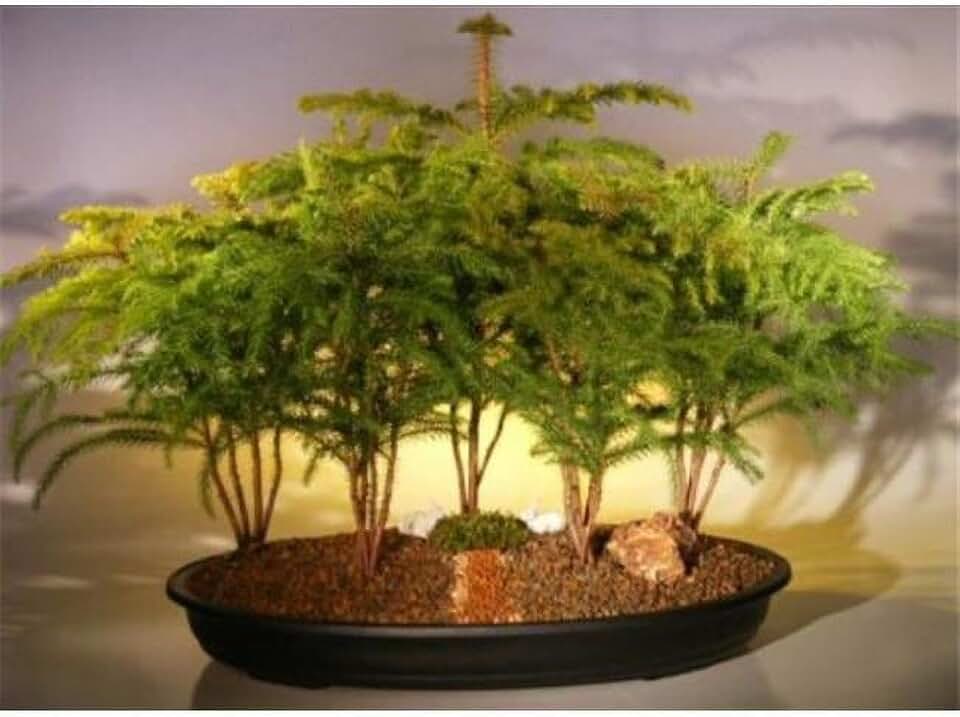
Norfolk Pine Bonsai Forest
- Five-cluster Araucaria bonsai planting
- Norfolk Island pine forest style
- Established decorative tree display
- Large 20 by 18 by 12 inch size
- Striking focal point for collectors
Buy on Amazon
FAQs
Is Araucaria The Same As Norfolk Island Pine?
No, Araucaria is a plant genus, while Norfolk Island pine is one species within it. Its botanical name is Araucaria heterophylla, and it is commonly sold as a houseplant or holiday tree. Other Araucaria species look similar but may have different sizes, needle shapes, and outdoor growing needs.
How Often Should A Norfolk Island Pine Be Watered?
Water a Norfolk Island pine when the top inch of soil feels dry. Keep the potting mix lightly moist but never soggy, as standing water can damage the roots. Water less often in winter and more during warm, bright conditions. Always empty the saucer after watering.
Why Is My Norfolk Island Pine Turning Brown?
A Norfolk Island pine usually turns brown because of dry air, inconsistent watering, or poor root conditions. Brown tips often develop indoors when humidity is low or the soil dries out too much. Check for soggy soil, cold drafts, pests, and harsh direct sun. Trim only fully brown branches with clean scissors.
Can You Cut The Top Off A Norfolk Island Pine?
No, you should not cut the top off a Norfolk Island pine. The central leader controls the tree’s upright shape, and removing it can cause permanent deformity or stop normal growth. If it becomes too tall indoors, move it to a taller space or replace it. Prune only dead lower branches.
Is Norfolk Island Pine Toxic To Cats And Dogs?
Yes, Norfolk Island pine is considered toxic to cats and dogs if eaten. Chewing the needles or branches may cause mouth irritation, drooling, vomiting, diarrhea, or stomach upset. Keep the plant out of reach and contact a veterinarian if your pet eats a significant amount or shows symptoms.
Affiliate Disclosure: Some links in this post are affiliate links. If you make a purchase through these links, we may earn a small commission at no extra cost to you. We only recommend products we genuinely believe in.