
Table of Contents
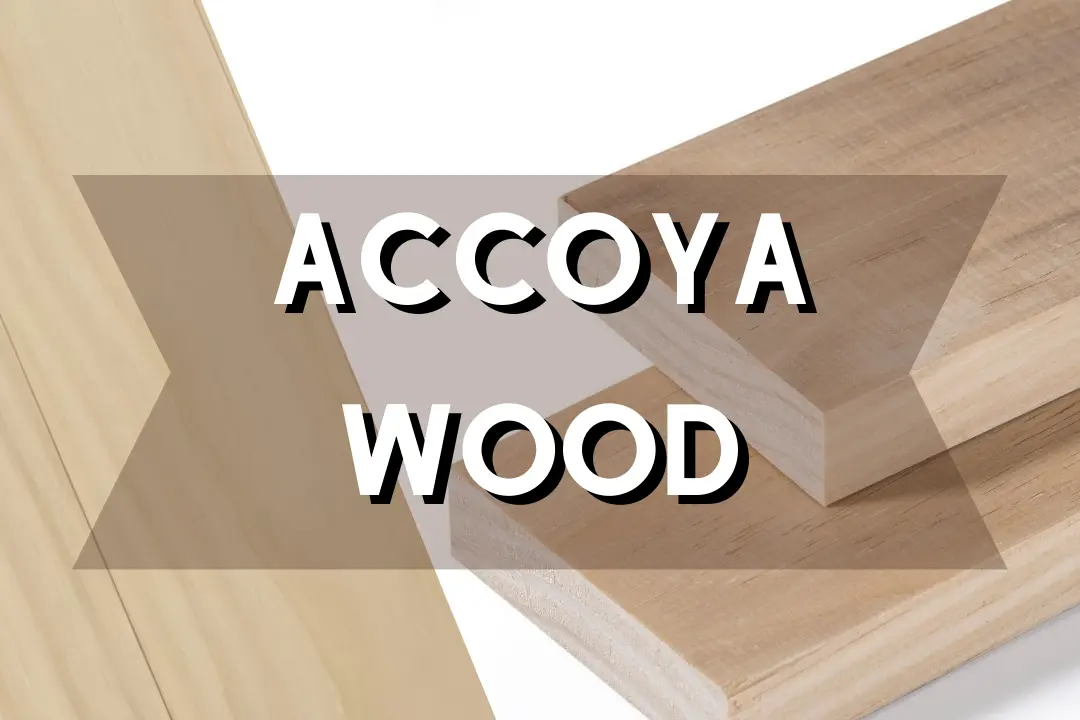
Accoya wood is radiata pine that’s been acetylated (modified through the full thickness) to absorb far less water, so it stays stable and resists rot for decades. People use it for exterior siding, decking, and joinery because it moves less, holds paint longer, and comes with long warranties that change the cost math over time.
What Is Accoya Wood?
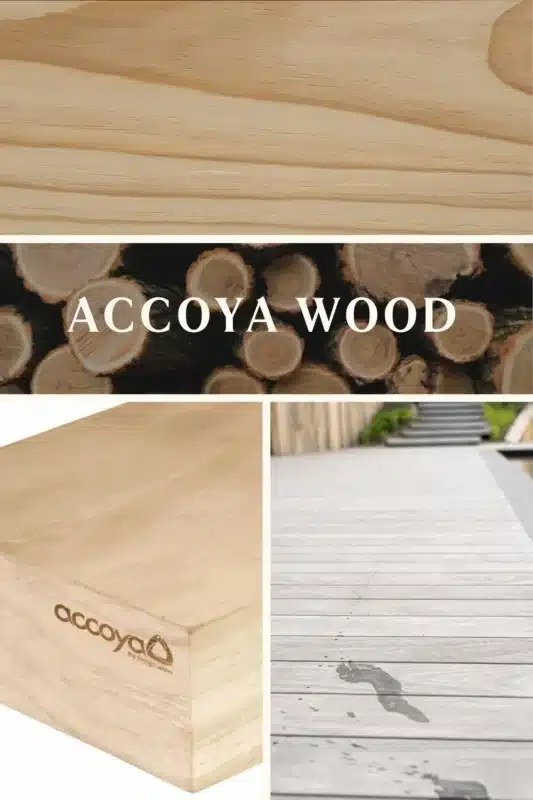
Not a species
When someone asks what is Accoya wood, the key point is that it’s a modified wood, not a botanical species. You’re still working with real solid timber (not a laminate), but its cell chemistry gets changed so the board behaves more like a premium tropical hardwood outdoors—without being one.
This matters on site because you can plane, route, sand, and fasten it like pine, yet it won’t swell and cup the way standard softwood does after the first wet season. That “same tools, different outcome” gap is why beginners misjudge it and skip expansion details in design.
Radiata pine source
Accoya starts as radiata pine (Pinus radiata), chosen because it’s fast-growing, consistent, and machines cleanly. If you want a quick primer on the base timber itself, see this internal guide to Pinus radiata.
In the shop, radiata’s softness is real—you’ll feel the cutter bite smoothly and you’ll smell that familiar pine resin note in fresh shavings—but Accoya’s modification changes how it reacts to moisture, which is the main driver of exterior failure. The trade-off is that you still need smart detailing because no wood likes trapped water at joints.
FSC-certified forests
Accoya feedstock is commonly sourced from FSC-certified managed forests, which is one reason architects spec it on low-impact builds. If you’re comparing third-party summaries, What is Accoya timber? is a solid overview from a joinery supplier.
Certification doesn’t magically prevent every supply-chain issue, so I still verify paperwork per batch when a project needs it for credits. A common beginner mistake is assuming “FSC” equals “maintenance-free”—it doesn’t; it just addresses responsible sourcing, not finish choices or water detailing.
How Accoya Acetylation Works
Acetic anhydride process
Accoya is made by soaking timber in acetic anhydride, a vinegar-related chemical used to acetylate the wood. You’ll sometimes catch a sharp, vinegar-like tang around freshly treated stock or offcuts in enclosed spaces, which is normal and fades as pieces air out.
The practical “why” is simple: the treatment changes the way wood bonds with water, which is what fungi and rot rely on. Unlike many preservative systems, acetylation isn’t a surface coat that can get breached at a fastener hole; the modification runs through the board thickness.
Hydroxyl to acetyl change
Wood contains hydroxyl groups that love water; acetylation converts many of those into acetyl groups that don’t attract moisture the same way. That shift reduces the “sponge effect” that causes swelling after rain and shrinkage during dry spells.
This is also why coatings last longer on Accoya: substrates that move less don’t tear paint films at edges and joints. A frequent mistake is blaming the coating brand when peeling starts; the real root cause is often joint design, trapped water, or skipping end-grain sealing.
Full-depth modification
Accoya is full-depth modified, which means you can cut it, profile it, and drill it without “cutting through” the protection. That’s a big difference from many treated timbers where the weakest points are exposed end grain and re-cut edges.
Edge case: if you laminate Accoya to other species, the movement mismatch can still shear glue lines or crack coatings at the boundary. In mixed-material builds, I keep like-for-like assemblies or add mechanical isolation where movement can’t be matched.
Water absorption reduction
The modification can cut water absorption dramatically (often cited up to about 75%), which limits swelling and reduces fungal risk. Less moisture cycling also means fewer raised grain surprises when a humid week hits right after installation.
A real-world limit still applies: Accoya isn’t a waterproof plastic, so standing water at a butt joint will stain, grow biofilm, or freeze-thaw damage coatings. I design for drainage and airflow first; the wood’s chemistry is a safety net, not a replacement for good detailing.
Durability, Stability, and Warranty
Rot resistance basics
Rot needs oxygen, warmth, and available moisture in the wood; Accoya’s lowered moisture uptake makes that last ingredient harder to sustain. In practice, boards stay lighter in the hand after rain than standard softwood because they’re not “loaded” with water.
Beginners often assume rot resistance means you can ignore clearances, but ground contact details still matter for staining, fastener corrosion, and grime buildup. I keep airflow gaps, avoid soil splash zones, and choose fasteners that won’t react with tannins from nearby materials.
BRE test results
Long-term field testing is where Accoya stands out, with reports of 60+ years above-ground performance cited in industry summaries referencing BRE work. One accessible overview is in The benefits of Accoya wood, which compiles durability and practical joinery implications.
Those results assume sane design and maintenance; coatings still weather, and shaded north faces can grow algae faster than sunny elevations. I plan clean-down access because the first slippery film you feel under a shoe is usually biology on the surface, not wood failure.
50-year above-ground warranty
Accoya is widely sold with a 50-year above-ground warranty, which changes how I specify it on cladding and windows where replacement is disruptive. The big catch is that warranty language still expects correct installation, correct detailing, and compatible coatings.
A common mistake is thinking warranty equals “no movement at all.” You’ll still see tiny seasonal shifts—just far less—so I keep sensible gaps at trim junctions and I don’t pin wide boards so hard that fasteners restrain natural movement.
25-year in-ground warranty
The often-quoted in-ground/freshwater warranty is 25 years, which is unusual for wood used in posts, edging, or near-water builds. It’s still smart to separate wood from soil where you can, because mud abrasion and constant grit can wear finishes and round over crisp edges.
Edge case: saltwater exposure adds metal corrosion and crystal abrasion into the mix, so hardware selection becomes the weak link. I step up to marine-grade stainless and isolate dissimilar metals, otherwise fasteners fail long before the timber does.
Performance Benefits in Real Builds
Dimensional stability
The day-to-day win is dimensional stability: miters stay tighter, shadow gaps stay consistent, and wide cladding runs don’t telegraph ripples after a storm. When you run your palm over a finished board months later, you feel fewer raised edges and less “washboarding” at joints.
That said, installation moisture still matters; I acclimate boards and avoid trapping a wet back face behind an airtight membrane without a ventilated cavity. If you want a comparison point, this internal explainer on thermally modified wood helps clarify why different modification methods behave differently.
Paint and coating lifespan
Accoya’s stability means paint films and stains typically last longer because the substrate isn’t constantly pulling coatings apart. In real builds, the biggest improvement shows up at end grain, top edges, and miters—places that normally crack first on moving woods.
A beginner trap is coating only the exposed face and skipping backs and edges on cladding. I prime all sides where access allows, then treat cut ends immediately, because unsealed end grain can still wick water and create localized coating failure.
Thermal efficiency gain
Accoya is often described as roughly 40% more thermally efficient than many hardwoods, which can help with window and door performance where cold bridging and condensation risk show up fast. In practice, warmer interior timber surfaces feel less clammy to the touch on winter mornings.
Thermal gains won’t fix poor glazing design or bad weatherstripping, so I treat this as an assist, not a cure. If you’re building high-performance joinery, more sealing pressure can also stress hardware, so I balance compression with hardware ratings.
Strength and security
For windows and doors, Accoya’s strength and stability help locks stay aligned and keep seals working, which is a quiet security benefit. If you’ve ever had a door that scrapes and then stops latching after a wet month, that’s moisture movement changing geometry.
One trade-off: Accoya still isn’t as dense as ipe or teak, so it can dent if you smack it with a ladder or drop tools. For hardness comparisons, I cross-check species on this internal wood hardness scale guide before choosing it for high-abuse edges.
Sustainability and Environmental Impact
27-year harvest cycle
Radiata pine can be harvested on about a 27-year cycle in managed plantations, which is much faster than many slow-grown hardwoods. That faster loop is one reason Accoya gets specified as a hardwood alternative on projects trying to reduce pressure on old-growth forests.
Speed alone doesn’t guarantee low impact, so I still look for documented sourcing and transport realities. Long shipping routes can erode benefits, so local availability sometimes decides whether Accoya is the right sustainability call for a job.
Carbon neutral lifecycle
Accoya is marketed around a low-carbon profile, with claims of carbon neutral or better over its lifecycle tied to longevity and stored carbon. For a plain-language statement on environmental positioning, see Accoya: a new way of thinking about wood.
Longevity is the real lever: replacing cladding once can be more wasteful than choosing a pricier material that stays in service for decades. The mistake I see is “green by brochure” selection without budgeting for correct installation and maintenance; premature failure isn’t sustainable.
Recyclable and reusable
Because it’s still solid wood, Accoya can be reused, re-machined, or repurposed at end of life in ways plastic boards can’t match. In salvage scenarios, the best boards often clean up with a light plane pass and a fresh finish, leaving that crisp pine scent again in the shavings.
Painted boards may carry legacy coatings, so treat dust control seriously during sanding and follow local disposal rules. I use good extraction and a respirator because fine wood dust and old coatings are a real health risk when you’re prepping reclaimed pieces.
No biocides profile
Accoya’s durability doesn’t rely on added biocides in the way many pressure-treated woods do, because the wood chemistry is modified instead. That’s useful on projects where people worry about chemical leaching around gardens, play areas, or freshwater edges.
Don’t confuse “no biocides” with “no maintenance.” Mildew and algae can still grow on the surface film in damp shade, so I plan periodic gentle washing and pick finishes that won’t turn sticky or soft in constant humidity.
Where Accoya Wood Is Used
Accoya wood siding
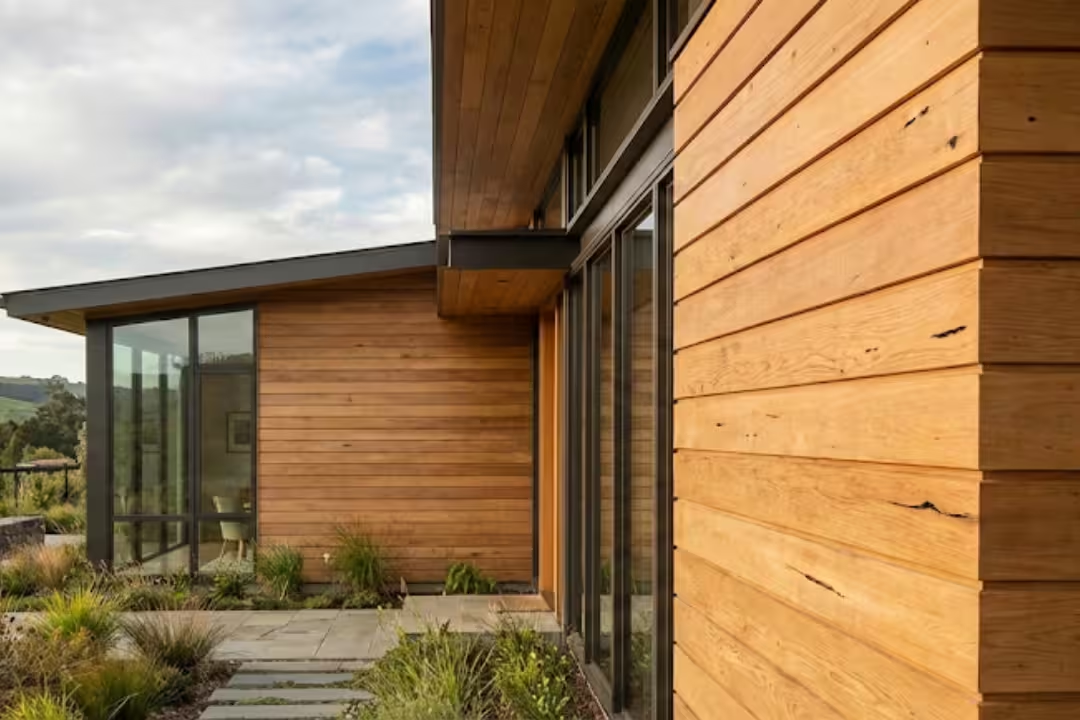
Accoya wood siding works well for cladding because boards stay flatter, so shadow lines look intentional instead of wavy. On rainy elevations, I still use a ventilated rainscreen gap and insect mesh, because moisture management behind cladding decides whether any facade stays clean.
A common beginner mistake is tight butt joints with no allowance for drainage; water sits there and dirt stains the seams. I either use a small designed gap with a backer detail or a scarf/rebated joint that sheds water, then prime cut ends before installation.
Accoya wood decking
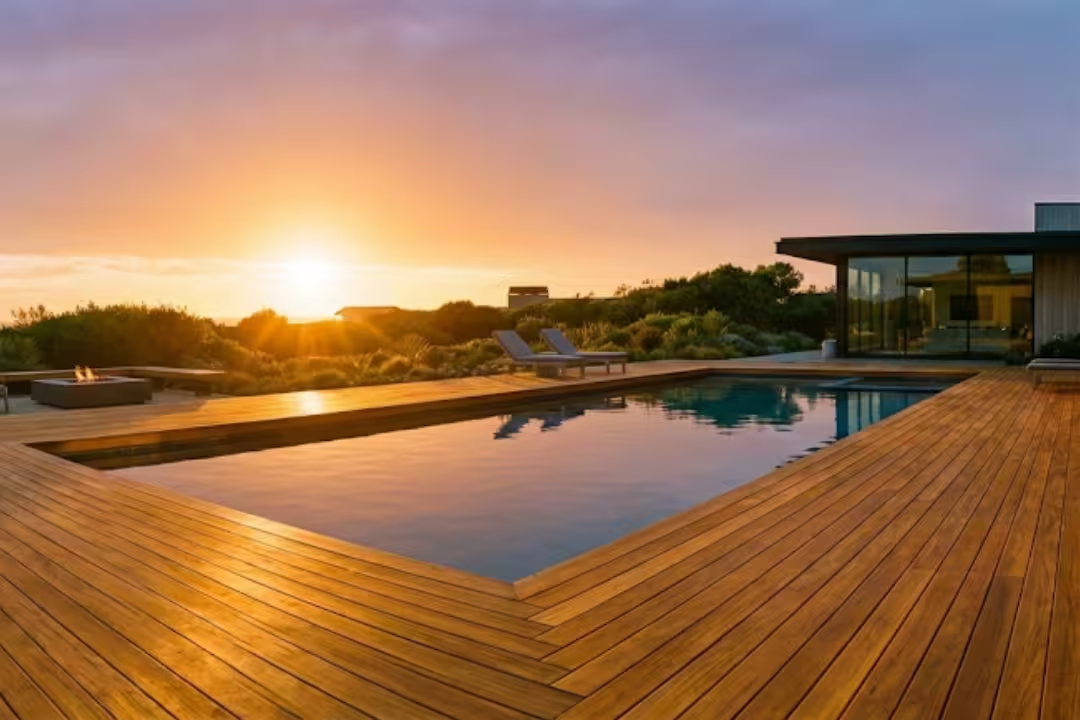
Accoya wood decking is popular where people want a barefoot-friendly surface without the splintery feel some softwoods get after repeated wet-dry cycling. On a hot day the boards feel warm but not scorching like some composites, and you’ll notice less cupping at the edges after a hard rain.
Decking failures usually come from layout mistakes: poor ventilation under the deck, joists that hold water, or fasteners that back out. I keep consistent board spacing, use stainless screws, and avoid trapping leaves at edges, because decomposing leaf mulch stays wet and stains boards.
- Keep a ventilated gap under the deck surface so framing can dry.
- Use stainless or rated coated fasteners to avoid black streaks.
- Pre-drill near ends to prevent splitting on narrow profiles.
- Plan drainage at thresholds so runoff doesn’t soak the first board.
Windows and doors
Accoya shines in windows and doors because stability keeps seals and hardware in alignment over seasons. If you’re comparing joinery claims, why you need Accoya windows explains why stable timber helps performance when paired with modern glazing.
One overlooked detail is end-grain exposure at glazing rebates and sill horns; those spots see standing water and UV. I flood-prime concealed end grain, then use a compatible microporous system so the film doesn’t blister when sun hits a damp morning surface.
Harsh-weather projects
For harsh weather—coastal wind, driving rain, freeze-thaw—Accoya’s low movement reduces the number of “open and close” cycles that tear coatings and open joints. That’s why you’ll see it on exposed facades, public boardwalks, and wet urban environments where maintenance access is limited.
Salt spray adds its own penalty: gritty deposits hold moisture and abrade finishes. I schedule rinses and specify hardware like the structure depends on it, because it often does—fastener corrosion can ruin a deck long before the boards wear out.
Accoya Wood Price and Value
Typical price ranges
Accoya wood price usually lands in a premium band, commonly quoted around $8–$15 per linear foot for certain siding/decking profiles depending on size, grade, and region. For a view into how retailers present Accoya stock, rexlumber.com/lumber/accoya/ shows typical product categories and availability patterns.
Those numbers move with thickness and width, and wide clear boards tend to cost more because fewer pieces make the grade. Shipping can also swing totals hard; long lengths cost more to move and can arrive with damaged corners if packaging is weak, so I inspect bundles immediately.
What affects cost
The cost drivers are modification, certification, yield (clear vs knotty), profile complexity, and local supply. Custom milled cladding profiles can look fantastic, but they increase lead time and can force you into a single supplier for replacements.
A beginner mistake is comparing Accoya only against cheap treated pine per board foot instead of comparing full systems: fasteners, coatings, labor to repaint, and replacement cycles. For material comparisons on outdoor builds, this internal guide to best wood for outdoor furniture helps frame durability choices in plain terms.
Long-term cost of ownership
Accoya often wins on ownership cost when replacement is expensive or disruptive: high facades, complex window walls, or decks over waterproofing where teardown is painful. Longer coating intervals also reduce labor spikes, which is where many exterior budgets quietly bleed.
| Decision factor | What I look at in real projects |
|---|---|
| Upfront cost | Board price, shipping, waste rate on profiles and lengths |
| Maintenance cycle | Access difficulty, coating type, exposure (sun/shade, coastal) |
| Failure consequences | Water ingress risk, client disruption, scaffolding or lift rental |
| Alternatives | How it stacks against western red cedar, or dense hardwoods like ipe wood for the same detail |
Maintenance and Finishing for Accoya
Coating strategy
A good coating strategy starts with deciding your goal: natural weathering, a penetrating stain, or an opaque paint system. Accoya can be left to silver off, but you’ll still want regular cleaning; the slick, slightly soapy feel of early algae growth is a clue you need a wash before it darkens.
Big mistake: rushing straight to topcoat without moisture checks after rain or after storage under plastic. Trapped moisture under fresh paint can blister in sun, so I let boards equalize, prime promptly, and keep stickered airflow in the stack.
Microporous finishes
Microporous finishes are a strong match because they let small amounts of vapor pass without letting liquid water soak in easily, reducing blistering risk. They also flex a bit, which helps at sharp corners where films are thinnest and most likely to crack.
Watch compatibility: some film-formers don’t like certain primers, and tannin-blockers meant for cedar can behave differently on modified pine. I do a small test panel with the full system—primer + mid + top—then check adhesion after a couple wet-dry days.
Cut ends and joints
Most exterior problems start at cut ends and joints, not in the field of the board. I seal end grain right after cutting, pre-finish hard-to-reach areas (like behind corner trims), and avoid details that create water traps at horizontal edges.
For exterior priming, I like water-based low-VOC products that bite into fibers without making the surface gummy.
Practical Notes From Real-World Use
The biggest surprise for many crews is how ordinary Accoya feels while you’re machining it—smooth passes, clean routing—right up until you handle it in wet weather and realize it hasn’t puffed up like standard pine. That can lead to a mistake: people get overconfident and skip water-shedding details, then blame the material when joints stain.
Storage issues cause more headaches than the wood itself: tight-wrapped bundles left in sun can sweat, then you open them to a sharp odor and damp faces that won’t take primer well. I cut straps, add stickers for airflow, and keep packs under a roof with open sides, because “dry to the touch” can still mean the core is holding moisture.
Fastener choices can also go wrong in subtle ways: mixed metals and the wrong coatings leave black streaks that look like rot but are really metal staining. My workaround is simple—stick to stainless in exposed exterior work, pre-drill near ends, and use consistent driver bits so heads seat clean without chewing up the surface fibers.
Finish failures I’ve seen usually trace back to one of two things: unsealed end grain or coating installed onto a damp board. If you want longer repaint cycles, the unglamorous steps—end sealing, back-priming where possible, clean drainage paths—beat any “miracle” topcoat.
Accoya’s durability shows up fastest when the design also sheds water and lets assemblies dry; chemistry can’t compensate for trapped moisture.
Field notes from exterior cladding and decking installs
FAQs
What Is Accoya Wood Made From?
Accoya Is Made From Sustainably Sourced Softwood That Has Been Modified Through A Process Called Acetylation.
Acetylation Replaces Hydroxyl Groups In The Wood With Acetyl Groups, Making It More Dimensionally Stable And Less Attractive To Decay Microorganisms, Resulting In A High-Performance Timber With Improved Durability And Environmental Credentials Compared To Untreated Softwoods.
Is Accoya Wood Really Rot Proof And How Long Does It Last?
Accoya Is Highly Resistant To Rot And Decay, But Not Absolutely ‘Rot-Proof’.
Under Typical Exterior Conditions It Often Reaches Service Lives Of 50+ Years With Proper Design And Maintenance, And Laboratory Data Supports Class 1 Durability; Actual Lifespan Depends On Installation, Ventilation, And Local Climate.
How Much Does Accoya Wood Cost For Siding Or Decking?
Accoya Typically Costs More Per Board Foot Than Untreated Softwoods And Comparable Or Slightly Less Than Some Tropical Hardwoods.
Material Prices Vary Widely By Region, Profile, And Supplier—Expect Roughly 20–60% Higher Costs Than Standard Pine For Siding Or Decking, But Many Owners Find The Upfront Premium Offset By Lower Maintenance And Longer Service Life.
Does Accoya Wood Need To Be Sealed Or Painted?
Accoya Does Not Strictly Require Sealing Or Painting To Maintain Its Durability, But A Finish Is Recommended For Color Retention And Surface Protection.
Left Untreated It Will Weather To A Stable Silver Grey; Applying Paint, Stain, Or Oil Preserves The Original Tone, Eases Cleaning, And Typically Extends The Time Between Maintenance Compared With Untreated Wood.
Is Accoya Wood Worth It Compared To Cedar Or Hardwood Decking?
Accoya Offers A Strong Value Proposition Versus Cedar And Many Tropical Hardwoods Due To Its Stability And Long Service Life.
It Often Outperforms Cedar In Durability And Dimensional Stability, Avoids Some Environmental Concerns Associated With Exotic Hardwoods, And Is A Good Choice If You Prioritize Low Maintenance, Long-Term Performance, And Sustainable Sourcing.