Manzanita Wood Guide: Uses, Aquarium Safety, Hardness, and Buying Tips

Table of Contents
Manzanita wood is a dense, hard branch wood from Arctostaphylos shrubs and small trees, prized for red-orange bark, twisted shapes, and long service in aquariums, terrariums, and decor. Use only untreated, chemical-free pieces, because craft coatings, pesticides, and roadside contamination can make attractive branches unsafe.
Quick answer: manzanita is aquarium-safe when clean and untreated, but it may float, release light tannins, grow temporary white biofilm, or lose its red color underwater. The best results come from matching the piece to the use: sandblasted for wet setups, bark-on for dry display, and thick branches for animal climbing.
What Is Manzanita Wood?

Manzanita wood comes from plants in the Arctostaphylos genus, a group known for hard stems, smooth red bark, small apple-like berries, and naturally sculptural branching. People also search for it as madera de manzanita, madera manzanita, or manzanita baum, but the buying question stays the same: is the wood natural, dry, and safe for its planned use?
Arctostaphylos Origin
Arctostaphylos includes many evergreen shrubs and small trees native mainly to western North America, with strong ties to chaparral and dry woodland habitats. The USDA PLANTS database lists Arctostaphylos as a recognized plant group, and botanical treatments commonly count more than 100 species and subspecies depending on classification; see the USDA PLANTS profile for the genus-level reference.
Common mistake: beginners treat every twisted red branch as manzanita. Madrone, some ornamental branches, and dyed craft stems can look similar in photos, so compare bark texture, branch form, and seller details; our guide to the manzanita tree gives helpful plant context before you buy.
Red Bark Appearance
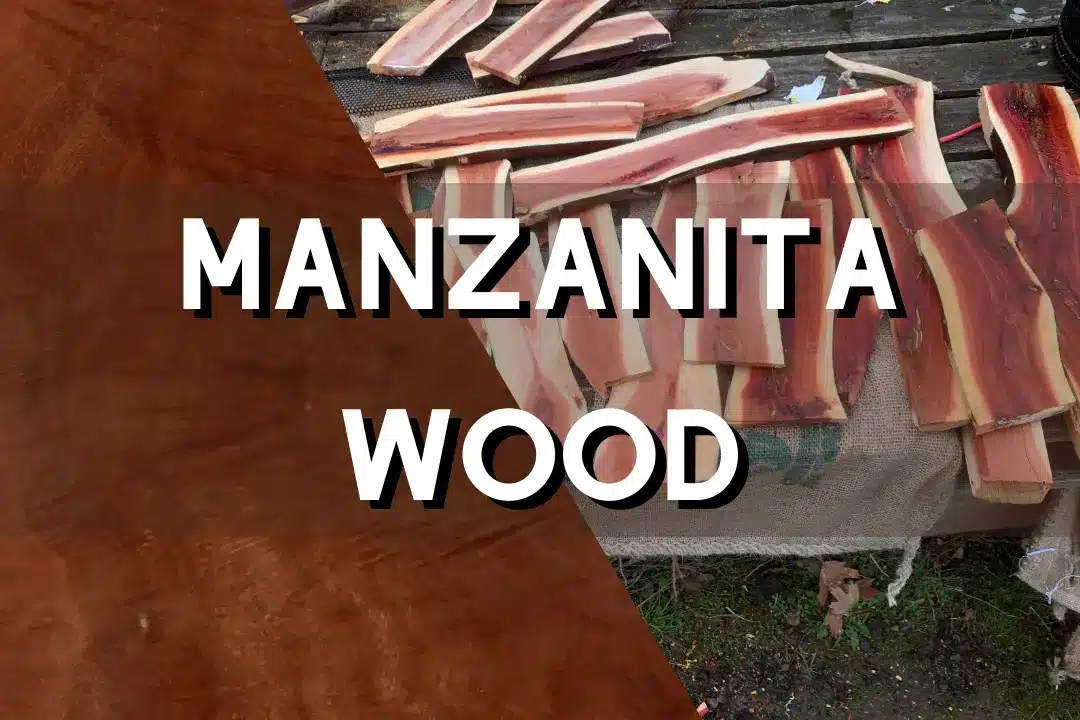
Red bark is the feature most people notice first. A fresh bark-on branch can feel cool and almost polished under your fingertips, with cinnamon, orange, mahogany, or burgundy tones that catch warm room light better than pale driftwood.
Sandblasted manzanita looks very different because blasting removes bark and surface film, leaving tan, beige, cream, or gray wood. In aquariums and reptile enclosures, that cleaner surface makes inspection easier and reduces loose bark, but it won’t deliver the bright red branch look seen in many decorative centerpiece photos.
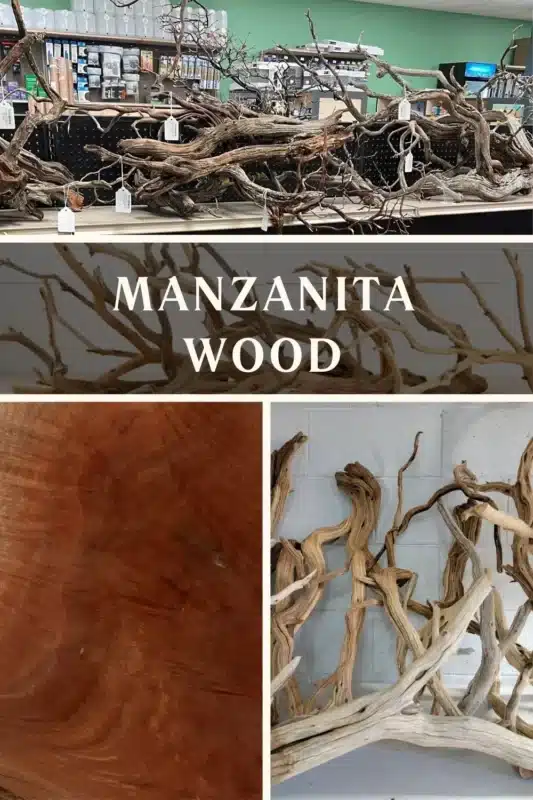
- Branch shape: forked, twisted, smooth, and often tree-like rather than chunky.
- Common sold forms: manzanita branches, manzanita driftwood, sandblasted manzanita, bark-on decorative branches, and aquarium manzanita wood.
- Best visual pieces: branches with several forks, a stable base, and enough negative space for plants, air plants, fish, or reptiles to move around.
- Buyer warning: “natural branch decor” can mean dyed, sealed, or preserved event wood, so read the treatment notes before using it with animals or aquariums.
How Hard Is Manzanita Wood?

Manzanita is hard, dense, and slow to break down compared with many lightweight decorative woods. It behaves like a durable hardwood in aquariums and terrariums, but it doesn’t have one universal Janka rating across every Arctostaphylos species.
Practical Hardness
Practical hardness shows up the moment you cut or sand it: the saw bite feels slow, the dust smells dry and earthy, and thin branch tips resist crushing more than cholla or grapevine. That density helps manzanita driftwood last for years underwater, though tiny twigs, bark, and cracked tips still wear faster than thicker branch sections.
Beginner mistake: people assume hard wood can’t have weak points. A branch may be dense overall yet still have hidden cracks near forks, so flex it gently, tap suspicious sections, and trim needle-like ends before placing it where fish fins, shrimp antennae, or reptile bellies will rub.
Janka Rating Limits
Janka numbers work best for commercial lumber species tested under repeatable conditions, not mixed shrub branches sold as decor or driftwood. The USDA Forest Products Laboratory explains hardness testing in the Wood Handbook, but manzanita pieces vary by species, age, moisture, drying method, and whether you’re measuring branch wood, trunk wood, or root-like deadwood.
Durability underwater is the better buying metric for most users. Manzanita lasts longer than porous cholla, often releases less dark color than Malaysian driftwood, and gives a finer branch silhouette than mopani, but it may float longer because dry pieces can trap air deep inside the wood.
| Wood Type | Practical Feel and Use | Trade-Offs |
|---|---|---|
| Manzanita | Hard, smooth, branchy, long-lasting in freshwater setups | May float, red bark may peel, exact hardness varies |
| Mopani | Very dense, chunky, often sinks faster | Can release strong tannins and looks heavier in layouts |
| Cholla | Hollow, porous, shrimp-friendly grazing surface | Breaks down faster and lacks structural strength |
| Spider Wood | Highly branched and dramatic for aquascapes | Often grows heavy biofilm early and can soften faster |
| Malaysian Driftwood | Dark, dense, usually sinks readily | Often stains water more than manzanita |
For more context on hardness testing and why dense woods vary so much, compare this with our wood hardness scale.
Manzanita Wood Aquarium Safety

Untreated manzanita wood is widely used in freshwater aquariums after rinsing, scrubbing, and soaking. Safety depends on source and treatment, not just the species name, because paint, stain, floral dye, pesticides, or unknown roadside residue can harm fish and invertebrates.
Aquarium-Safe Conditions
Aquarium-safe wood should be natural, dry, chemical-free, and free of soft rot or oily smells. I reject pieces that feel spongy at the cut end, leave sticky residue on my hands, or release a sour compost odor after soaking, because those signs point to decay or contamination rather than normal driftwood tannins.
Fish and shrimp usually benefit from manzanita’s surface area because biofilm, mosses, Anubias, Java fern, and Bucephalandra attach well to the smooth branches. For delicate bettas and long-fin fish, sand the hard points first; one sharp fork can tear fins in a tight tank where the fish patrols the same route every day.
Sinking and Floating
Floating is normal with very dry manzanita. Small pieces may sink in several days to two weeks, while large manzanita branches can take two to four weeks or longer, so plan the hardscape before livestock are waiting in a bucket.
Tannins and color usually show as yellow, amber, tea, or light brown water. Tannins aren’t automatically bad, and many soft-water fish tolerate them well, but tanks with very low KH can show more pH movement; the University of Florida IFAS guide on aquarium water quality explains why pH and buffering matter in managed aquariums.
White biofilm often appears during the first days or weeks underwater. It looks like translucent jelly or wet cotton on the branch, feels slick when brushed, and usually fades after shrimp, snails, bacteria, and water changes consume the easy organic compounds.
How to Prepare Manzanita Wood
Preparation removes risk before the wood reaches fish, reptiles, amphibians, or display surfaces. The core process is inspect, rinse, scrub, boil when practical, soak, and anchor if the branch still floats.
Inspect Before Use
Inspect first under bright light and run your thumb along every fork. Look for paint specks, waxy shine, glue blobs, glitter, floral foam dust, soft punky patches, insect tunnels with fresh powder, and bark that lifts in wet flakes.
- Confirm the branch is untreated, pesticide-free, and not collected from roadsides or sprayed landscapes.
- Rinse with plain water, then scrub with a stiff aquarium-safe brush.
- Never use soap, detergent, bleach residue, furniture polish, scented cleaner, or household disinfectant.
- Boil small pieces for 30–60 minutes; boil larger pieces for 1–2 hours only if they fit safely.
- Soak in a bucket or tub, changing water daily or every few days until floating and tannin release improve.
- Anchor stubborn pieces with slate, stone, stainless steel screws, fishing line, zip ties, aquarium-safe silicone, or cyanoacrylate gel where suitable.
- For terrariums, dry the branch fully after cleaning so trapped moisture doesn’t create mold in a low-airflow enclosure.
Boil If Possible
Boiling helps remove loose dirt, reduce tannins, kill many hitchhikers, and speed waterlogging. Don’t force a large branch into a dangerous pot setup; a cracked glass lid, tipping pot, or steam burn is a worse problem than waiting another week with the wood weighted in a storage tub.
Unsafe materials include painted branches, stained centerpiece wood, dyed floral stems, varnished decor, preserved craft branches, cedar, pine, fir, fresh sap-filled wood, and any branch with an oily chemical smell. For reptile branches, stability matters as much as cleanliness, because a rolling perch can injure toes, ribs, or jaw tissue during a fall.
How to Keep Manzanita Wood Red

Bright red manzanita is easiest to preserve in dry indoor decor and hardest to preserve underwater. Sunlight, water, oxidation, abrasion, bark exfoliation, and sealers all change the color, so permanent red bark is not a realistic aquarium goal.
Why Color Changes
Color changes because the red surface is mainly bark and outer tissue, not a permanent dye running through every part of the branch. Direct sun fades it, water darkens it, scrubbing dulls it, and natural exfoliation lets curled bark sheets lift away like thin dry paper.
Dry decor care is simple: keep bark-on branches out of direct sun, dust with a soft cloth, avoid soaking, and test any clear coat on a hidden spot first. UV-resistant clear acrylic or matte polyurethane may help non-animal decor, but clear finishes can deepen red into brown and should not be used in aquariums.
Aquarium Color Reality
Underwater manzanita usually shifts from red or orange into dark brown, muted reddish-brown, or tan-brown. If you want a clean wet setup, choose sandblasted manzanita; if you want red bark for a wedding centerpiece or air plant display, keep it dry and away from harsh cleaning.
Terrarium color sits between those extremes. Dry desert-style enclosures preserve red better than humid vivariums, but poor ventilation can darken the branch and feed surface growth; for color comparisons across species, see our guide to the colors of wood.
Bark-on expectations should stay realistic. Bark-on manzanita gives the best initial red appearance, yet it also sheds more debris, peels more underwater, and needs gentler handling than sandblasted pieces.
Best Uses for Manzanita Wood
Manzanita works best where branch shape matters: aquascapes, shrimp tanks, betta layouts, reptile climbing routes, vivariums, air plant mounts, home displays, and wedding centerpieces. Its smooth forks create height and movement without needing a carved or artificial look.
Aquarium Hardscape
Aquarium hardscape benefits from manzanita’s fine branch spread, especially in planted tanks where moss, Java fern, Anubias, and Bucephalandra need attachment points. In shrimp tanks, early biofilm can become a grazing zone; in betta tanks, trim branch tips and leave open turning space near the surface.
Layout workaround: build the wood-and-rock structure outside the tank first, then lift it in as one stable unit. This avoids the common beginner problem of chasing a floating branch around cloudy water while substrate, plants, and fish all get disturbed.
Reptile Terrariums
Reptile terrariums need thicker, stable pieces that match the animal’s weight and grip. Geckos, bearded dragons, snakes, frogs, arboreal lizards, tarantulas, and some invertebrates can use manzanita for climbing, basking, perching, hiding structure, or habitat enrichment when the branch cannot roll or collapse.
Decor uses favor bark-on red branches for home displays, air plant mounts, floral arrangements, jewelry trees, and wedding centerpieces. If you’re decorating with manzanita branches for an event, keep any glittered, painted, sealed, or floral-treated pieces far away from aquariums and animal habitats afterward.
Buying Manzanita Wood
Buy manzanita wood by use case, not by the prettiest photo. The right piece must be untreated, correctly sized, safely shaped, legally sourced, and described clearly enough that you know whether you’re buying the exact branch shown or an assorted piece.
Untreated Checklist
Untreated wood is the main filter for aquariums and animal enclosures. Ask for plain, natural, chemical-free manzanita, and avoid listings that mention stain, dye, paint, scent, lacquer, floral preservation, craft finish, glitter, or “decorative coating.”
- Size and shape: measure tank length, height, lid clearance, enclosure depth, and the animal’s climbing weight before buying.
- Bark-on vs sandblasted: choose bark-on for red dry decor and sandblasted for cleaner aquarium or reptile use.
- Exact vs assorted: exact-piece listings cost more but reduce layout surprises.
- Branch tips: fine forks look elegant, but they may need trimming or sanding.
- Seller clarity: look for aquarium-safe, terrarium-safe, untreated, dried, cleaned, or sandblasted notes.
- Legal sourcing: avoid collecting from parks, preserves, sprayed roadsides, or private land without permission.
Why it costs more than plain sticks comes down to scarcity, shape, processing, and shipping volume. Small pieces often run about $10–$30, medium aquarium or terrarium branches often sit around $20–$60, large decorative branches often reach $50–$150+, and oversized sculptural pieces can exceed that because carriers price bulky boxes by dimensional weight.
Legal sourcing matters because many manzanita habitats are sensitive, and collection rules vary by land manager. For public-land material, permits may apply; the Bureau of Land Management explains forest product permits through its forest product permits page.
Wood comparison note: if you like reddish bark and dense branch wood, compare manzanita with madrone wood, which has related visual appeal but different common uses and sourcing patterns.
Relevant Manzanita Options
These options show common manzanita forms for terrariums, aquascapes, display pieces, and natural decor.

Desert Driftwood Accent
- Natural manzanita wood for terrariums and reptile habitats
- clean, sandblasted look with a unique branch shape
- great for climbing, basking, and hiding spots
- adds a realistic desert-inspired touch
- suitable for home decor and display setups
 Buy on Amazon
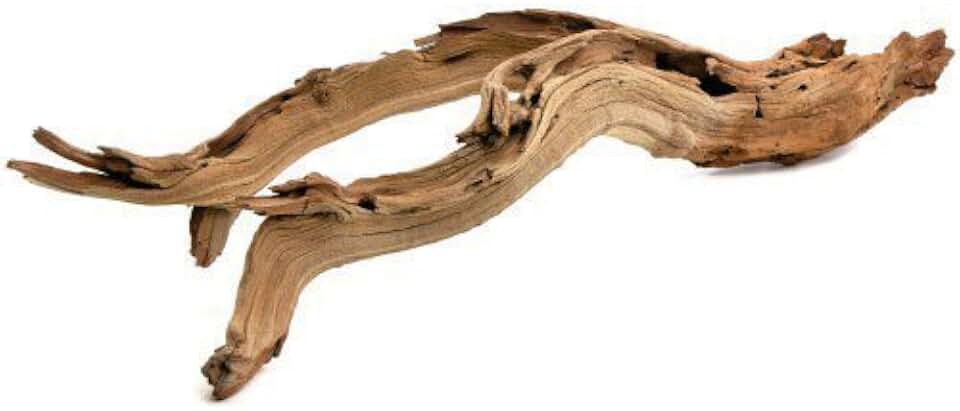
Tall Manzanita Branch
- Longer driftwood piece for bigger terrariums and displays
- natural manzanita finish with an organic shape
- ideal for climbing and habitat enrichment
- works well in reptile enclosures and desert themes
- adds height and visual interest
Buy on Amazon

Natural Wood Standout
- Medium manzanita wood for flexible habitat styling
- naturally shaped piece with an authentic look
- great for reptiles, amphibians, and aquariums
- helps create climbing and resting areas
- adds a rugged, earthy accent
Buy on Amazon
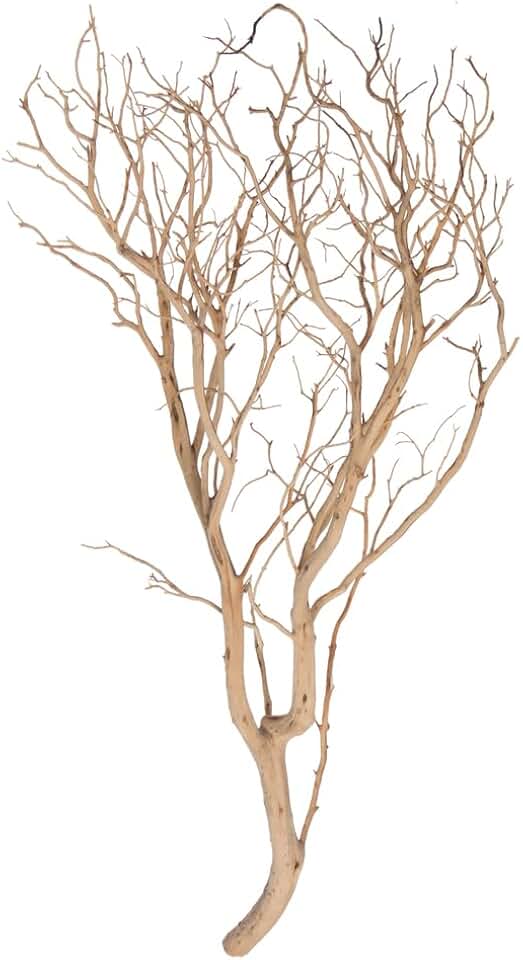
Elegant Manzanita Tree
- Tall sandblasted manzanita with a refined natural look
- dried wood suited for decorative displays
- makes a striking centerpiece in interiors or habitats
- sturdy form with artistic branching
- easy way to add organic style
Buy on Amazon

Aquarium Driftwood Piece
- Natural driftwood sized for small to medium tanks
- lightweight piece that fits aquascapes and terrariums
- helps create hiding spots and texture
- ideal for planted layouts and reptile decor
- brings a realistic wooded look
Buy on Amazon
Common Problems and Fixes
Most manzanita problems are predictable: floating, brown water, white biofilm, peeling bark, fading color, sharp tips, and bad smells. The fix is usually preparation, patience, or rejection of unsafe wood before it reaches the tank or enclosure.
Practical Notes From Real-World Use: the best-looking branch is often the hardest one to place because fine forks snag plants, touch glass, or trap air. I dry-fit branches on a towel first; the wood makes a faint hollow knock when rolled, and that sound often tells me which side will fight the layout before I ever fill the tank.
| Problem | Likely Cause | Fix |
|---|---|---|
| Wood keeps floating | Dry wood holds trapped air | Soak for days to weeks, boil small pieces, or anchor to slate or stone |
| Water turns brown | Tannins leach into the water | Pre-soak, boil, change water, or run activated carbon |
| White biofilm appears | Microbes feed on surface organics | Brush, siphon, add appropriate cleanup crew, and wait |
| Bark peels off | Manzanita bark naturally exfoliates and loosens in water | Remove loose bark first or choose sandblasted manzanita |
| Red color fades | UV, water, oxidation, and abrasion change the bark | Keep dry decor out of sun and accept underwater darkening |
| Sharp branch tips | Natural forks end in hard points | Trim, sand, or rotate tips away from animal traffic |
| Rotten or bad smells | Soft decay, contamination, or dirty collection source | Discard the piece instead of trying to rescue it |
Rotten or Bad Smells
Bad smells are the one problem I don’t try to out-soak. Normal wet wood smells earthy, but sour, sewage-like, fuel-like, perfume-like, or chemical odors mean the branch may be rotten or contaminated, and the safest workaround is to replace it.
Bark peeling is different from rot. Loose red flakes can be normal on bark-on manzanita, so remove what lifts easily, rinse again, and use sandblasted pieces if debris will bother you in an aquarium filter or small shrimp tank.
Myths vs Facts
Myth: manzanita always sinks right away. Fact: some pieces sink quickly, but very dry or large pieces can float for weeks and need soaking, boiling, or anchoring.
Myth: manzanita stays bright red underwater. Fact: red bark usually darkens, dulls, peels, or turns brown, so choose dry decor if color is the main reason you want it.
Myth: all decorative manzanita is aquarium safe. Fact: centerpiece branches may be dyed, sealed, scented, painted, or preserved, which makes them poor choices for aquariums and animal habitats.
Myth: white biofilm means the wood is unsafe. Fact: biofilm is common on new aquarium driftwood and often fades with brushing, water changes, shrimp, snails, and time.
FAQs
Is Manzanita Wood Safe For Aquariums?
Yes, manzanita wood is generally safe for aquariums. It is a dense, inert hardwood that is commonly used in freshwater tanks for aquascaping and fish shelter. Always clean and soak it well before use to remove dust and help it settle properly.
How Long Does Manzanita Wood Take To Sink?
Manzanita wood usually takes several days to a few weeks to sink, depending on its size and dryness. Thicker pieces often need longer soaking or temporary weighting. If it still floats, continue soaking until it becomes waterlogged enough to stay down.
Does Manzanita Wood Release Tannins?
Yes, manzanita wood can release some tannins into the water. The tint is usually lighter than with many other aquarium woods, but it may still cause a slight tea color. Regular water changes and pre-soaking can help reduce this effect.
How Hard Is Manzanita Wood?
Manzanita wood is very hard and dense compared with many other types of driftwood. That hardness makes it durable and slow to break down in an aquarium. It also helps the wood hold its shape for a long time.
How Do You Keep Manzanita Wood Red?
To keep manzanita wood looking red, keep it dry and out of constant direct water exposure when not in the aquarium. In a tank, the color will naturally deepen and darken over time. Gentle cleaning and avoiding harsh chemicals can help preserve its natural appearance longer.
Affiliate Disclosure: Some links in this post are affiliate links. If you make a purchase through these links, we may earn a small commission at no extra cost to you. We only recommend products we genuinely believe in.