
Table of Contents
A manzanita tree is an evergreen shrub or small tree in the genus Arctostaphylos, known for smooth red bark, twisting branches, leathery leaves, urn-shaped flowers, and small apple-like berries. Most types grow in dry western habitats, where drainage, sun, and low summer water matter more than rich soil.
This guide covers care, types, wood, manzanita driftwood, legal sourcing, and common beginner mistakes, with practical notes for gardens, aquariums, reptile setups, and branch decor.
What Is a Manzanita Tree?
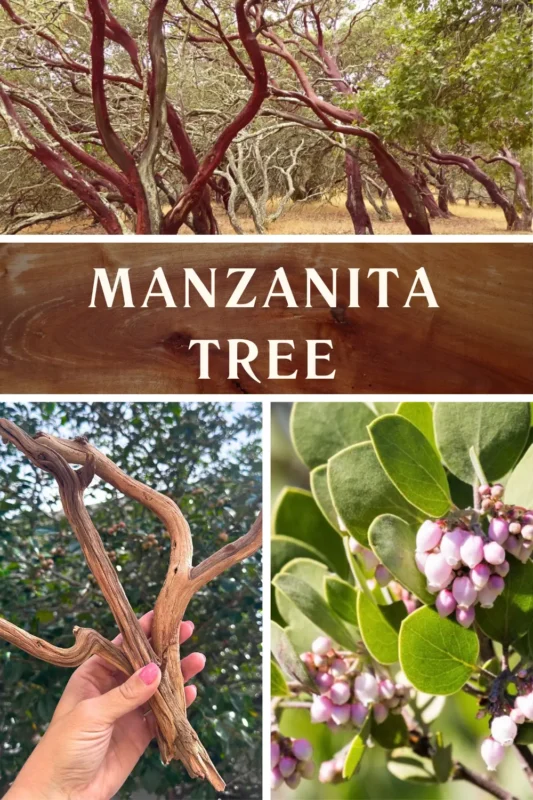
A manzanita tree is best described as a woody evergreen manzanita shrub or small tree, depending on the species and site. The scientific group, Arctostaphylos, sits in the heath family, Ericaceae, and includes many plants native to western North America; the USDA PLANTS database lists Arctostaphylos as a recognized genus across North America.
Quick Facts Table
Use this quick reference before buying or planting, because manzanitas vary from flat groundcovers to tree-like forms with sculptural trunks.
| Feature | Manzanita Tree Facts |
|---|---|
| Botanical name | Arctostaphylos species and cultivars |
| Plant type | Evergreen shrub, groundcover, or small tree |
| Typical height | Under 1 foot for bearberry types; 3–10 feet for many shrubs; 10–20 feet for tree-like forms |
| Best light | Full sun to light shade, based on climate |
| Best soil | Well-drained rocky, sandy, gravelly, or native soil |
| Water needs | Moderate during establishment, low after roots settle |
| Flowers | White, pink, or rose urn-shaped blooms, often winter to early spring |
| Fruit | Small red or brown “little apple” berries |
| Main uses | Native gardens, drought-tolerant planting, wildlife cover, branches, manzanita wood, manzanita driftwood |
Tree or Shrub
Manzanita can be a tree or shrub, but many species are naturally multi-stemmed rather than single-trunk shade trees. Gardeners often say “manzanita tree” because older plants form woody stems, open canopies, and smooth red limbs that look like miniature trees.
Arctostaphylos Basics
The genus Arctostaphylos includes roughly 100-plus species and subspecies, with many concentrated in California. Some are common chaparral plants, while others grow in tight local ranges and need protection from careless collecting or site disturbance.
Bark, Flowers, Leaves

Manzanita bark feels cool, slick, and hard under the fingers, with a polished red, copper, burgundy, or mahogany surface that can peel in thin sheets. The evergreen leaves feel leathery, and the small urn-shaped flowers often hang in tight clusters when many other native plants are still quiet.
Manzanita Berries
The name manzanita means “little apple” in Spanish, referring to the small apple-like fruits. Birds and mammals eat the berries, and people have used some species in traditional drinks or meals, but safe use depends on correct identification and clean, legal collection.
Native Range and Manzanita Types

Manzanitas grow mainly in western North America, with California holding the richest diversity of species. Many occur in chaparral, coastal scrub, oak woodland edges, pine margins, rocky slopes, and dry ridges; Calflora shows how many Arctostaphylos records cluster across California habitats.
Western Native Range
The native range includes California, Oregon, Washington, Nevada, Arizona, Baja California, and parts of Mexico, with species adapted to local rainfall, elevation, fog, heat, and soil chemistry. A California manzanita that thrives near coastal fog may sulk in a hot inland yard, while a mountain species may hate warm, humid lowland conditions.
Chaparral Habitat
Chaparral habitat favors tough evergreen plants that can handle dry summers, thin soils, wind, and periodic fire. Manzanita leaves are thick and waxy because water conservation matters more than fast, lush growth in these sites.
Common Manzanita
Common manzanita, Arctostaphylos manzanita, can become a large shrub or small tree around 6–20 feet tall in favorable sites. It’s the classic red-bark evergreen many people picture, with pale flowers, broad leaves, and strong presence in foothill and chaparral plantings.
Bigberry Manzanita
Bigberry manzanita, Arctostaphylos glauca, is one of the larger forms and can reach 10–20 feet where roots get air and summer water stays low. The berries are larger than those on many manzanitas, and the branching can look beautifully entangled with age.
Bearberry Groundcover
Bearberry, Arctostaphylos uva-ursi, is the low groundcover relative often called kinnikinnick. It may stay only a few inches to about 1 foot tall, making it useful where someone wants a dwarf manzanita look rather than a small tree.
Greenleaf Manzanita
Greenleaf manzanita, Arctostaphylos patula, grows across mountain regions and handles colder conditions better than many coastal California types. Its glossy green leaves, pinkish flowers, and dense branching make it useful where a tougher high-elevation shrub fits the site.
Dwarf Manzanita Forms
Dwarf manzanita forms work well near paths, boulders, and dry slopes where a full-size plant would crowd the space. Beginners often buy a “cute” small plant without checking mature spread, then face a pruning problem five years later.
Size and Growth Rate
Manzanita growth is slow to moderate, and pushing it with fertilizer or constant water rarely gives better results. Groundcovers may stay under 1 foot, compact shrubs often reach 2–5 feet, medium shrubs reach 5–10 feet, and tree-like forms can reach 10–20 feet or more.
Manzanita Tree Care
Manzanita tree care starts with matching the plant to the site: full sun, sharp drainage, lean soil, and restrained summer irrigation. The Calscape manzanita listings are useful for checking species ranges, mature sizes, and garden traits before planting.
Sunlight Needs
Most manzanitas want full sun for dense growth, strong bloom, and clean branch structure. In hot inland sites, light afternoon shade can prevent scorched leaves, but deep shade leads to lanky growth and fewer flowers.
Best Soil
The best soil is well drained, often rocky, sandy, gravelly, decomposed granite, or native slope soil. Rich amended planting holes can act like wet bowls in clay, so a broad mound or raised berm works better than a deep pocket of compost.
Watering Rules
Water young plants deeply but rarely through the first dry season, then reduce irrigation as roots spread. The common beginner mistake is treating manzanita like a lawn-edge shrub; wet summer soil can trigger root rot and sudden collapse.
Fertilizer and Mulch
Skip heavy fertilizer because lean growth is sturdier and more drought-ready. Keep bark mulch away from the crown, use gravel or coarse mulch where it fits, and avoid a damp ring against the trunk that smells sour after watering.
Planting Tips
Plant manzanita slightly high in the hole, with the root crown at or just above grade. If the root ball is tight, loosen only the outermost circling roots with care; tearing the root mass apart can set the plant back badly.
Transplant Sensitivity
Manzanitas are root-sensitive plants, so small nursery stock often establishes better than large, root-bound specimens. Once planted, don’t move them casually; an established manzanita can decline after root disturbance that a tougher ornamental shrub would shrug off.
Practical Notes From Real-World Use
The plants that settle fastest are often smaller containers planted before hot weather, watered with a slow basin soak, then left to dry between rounds. A healthy young manzanita leaf feels firm and slightly waxy; a stressed, overwatered one often looks dull, yellows unevenly, and drops leaves before the owner sees obvious rot.
Pruning and Growing Problems
Most manzanita problems come from too much water, poor drainage, severe pruning, or planting the wrong type for the climate. Prevention works better than rescue because root rot and crown damage are hard to reverse once the canopy starts dying back.
Light Pruning
Prune manzanita lightly and dry, mainly to remove dead wood, improve airflow, reveal red bark, or keep branches off paths. Avoid topping, shearing, and deep cuts into old leafless wood, because many plants won’t push strong new growth from bare stems.
Overwatering Damage
Overwatering damage shows as yellow leaves, wilting despite wet soil, blackened roots, or branch dieback that seems to appear overnight. The workaround is boring but effective: move irrigation emitters away from the crown, water less often, and let the upper soil dry before the next soak.
Root Rot
Root rot, including Phytophthora-type problems, is more likely in compacted clay, low spots, and summer-wet beds. If drainage is questionable, plant on a slope or mound from the start rather than trying to fix a drowning plant later.
Leaf Gall Aphids
Leaf gall aphids can cause red, swollen, distorted leaves on some manzanitas. These galls look alarming, but they’re often cosmetic; avoid broad insecticides that kill beneficial insects and prune only badly distorted tips if airflow is poor.
Fungal Leaf Spots
Fungal spots increase when foliage stays damp, plants are crowded, or sprinklers hit the canopy. Switch to drip irrigation, thin small interior twigs during dry weather, and clear fallen infected leaves instead of spraying first.
Branch Dieback
Branch dieback can follow root stress, drought shock, disease, sun scorch, or pruning wounds. Cut dead branches back to healthy wood in dry weather, sterilize tools between suspect cuts, and look for the root cause before removing more canopy.
Deer Browsing
Deer resistance varies by species, season, and local pressure. Young plants need cages in many foothill sites because tender new tips are easier to browse than mature leathery leaves.
Landscaping, Wildlife, and Fire
Manzanita works best in low-water landscaping where its red bark, evergreen structure, flowers, berries, and wildlife value can stand out without summer irrigation stress. It’s fire-adapted, not fireproof, so placement and maintenance matter in fire-prone areas; review CAL FIRE defensible space guidance for local safety planning.
Drought-Tolerant Gardens
In a drought-tolerant garden, manzanita pairs well with other western natives that prefer similar dry-summer conditions. It looks clean beside gravel, boulders, native grasses, and gray-green foliage that makes the red bark stand out.
- Ceanothus for spring bloom and blue flower contrast
- Salvia for aromatic foliage and pollinator activity
- Toyon for berries and taller evergreen structure
- California fuchsia for late-season hummingbird flowers
- Buckwheat for dry slopes and seed heads
- Deergrass for movement and texture
Native Plant Pairings
Pair manzanita with plants that share similar water needs; mixing it with thirsty perennials creates a hidden conflict below ground. If a bed includes irrigation-loving plants, separate the hydrozones so the manzanita crown stays dry in summer.
Slope Planting
Slope planting suits many manzanitas because water drains away from the crown and roots get oxygen. On steep sites, use temporary drip during establishment, then back it off rather than leaving frequent irrigation on autopilot.
Ornamental Focal Point
A mature plant can become a living sculpture, especially after careful thinning exposes the mahogany limbs. The best effect comes from restraint: remove small crossing twigs, then stop before the plant looks stripped.
Pollinators and Birds
Winter flowers feed native bees and hummingbirds at a time when nectar can be scarce. Birds use the dense branches for cover and may eat the berries later, so avoid pesticide drift near flowering plants.
Fire-Adapted, Not Fireproof
Manzanita is fire-adapted, not fireproof; some species resprout after fire, while others return from seed after heat, smoke, or scarification cues. In defensible-space areas, remove dead twigs, rake heavy litter, and space plants so dry fuel doesn’t form a continuous ladder.
Manzanita Wood and Driftwood
Manzanita wood is dense, hard, smooth, and naturally branchy, which makes it popular for aquariums, reptile enclosures, bird perches, terrariums, centerpieces, and decorative displays. Its density and irregular form also make it very different from straight lumber species; compare broader traits in our guide to wood density.
Manzanita Wood Uses

Manzanita branches are valued because they’re hard, curved, and naturally sculptural. Dry pieces feel surprisingly heavy for their size, and drilling them can smell faintly dusty and sweet while the bit fights the dense grain; for deeper wood-specific details, see our full manzanita wood guide.
Bird and Reptile Uses
For birds and reptiles, clean cured wood matters more than a perfect shape. Avoid pieces with pesticide exposure, rot, mold, oily residue, flaking paint, or sharp broken ends, and use varied branch diameters so birds can exercise their feet naturally.
Aquarium Driftwood Safety
Manzanita driftwood is widely used in freshwater aquariums because it’s hard, attractive, and less prone to falling apart than soft rotten wood. Proper curing matters: unknown roadside branches can carry fuel residue, herbicides, or salts that don’t belong in a tank.
Tannins and Biofilm
Tannins can tint aquarium water amber, especially during the first weeks. A temporary white biofilm can feel slimy and look unpleasant, but shrimp and some fish often graze it; water changes, activated carbon, and patience clear most early staining.
Soaking and Boiling
Rinse, scrub, and soak driftwood for days to weeks, changing the water until debris and heavy staining slow down. Boil small pieces if practical, but don’t force oversized branches into unsafe setups; weighing or anchoring them works until they sink.
Driftwood Alternatives
Artificial branch decor can be a beginner-friendly alternative because it won’t float, shed tannins, or grow natural biofilm. It’s a decor substitute, not real manzanita driftwood, but it can work in tanks where stability and easy cleaning come first.

Natural Look Aquarium Branch
- Realistic branch style adds depth and interest to tanks
- weighted base helps keep it securely in place
- safe decorative accent for freshwater or saltwater setups
- brown finish blends naturally with aquatic environments
- creates a stylish focal point without clutter
 Buy on Amazon
Buying and Choosing Manzanita
Buying a manzanita tree starts with climate match, mature size, and drainage, not flower color alone. A healthy small plant from a knowledgeable native plant nursery often beats a larger specimen that has circled roots and transplant stress.
Live Plant Selection
Choose live plants with firm leaves, clean stems, no sour soil smell, and roots that hold the mix without forming a tight woody knot. If the pot surface is mossy and constantly wet, check carefully for weak roots before buying.
Climate Match
Climate match controls long-term success. Coastal types may dislike inland heat, mountain types may struggle in warm lowlands, and some California manzanita cultivars need the dry-summer rhythm they evolved with.
Mature Size
Check mature size before planting near walkways, windows, walls, or driveways. A plant sold in a one-gallon pot can become a 10-foot branching shrub, while a dwarf tree selection may stay compact with little pruning.
Nursery Pricing
Nursery pricing changes with container size, cultivar rarity, propagation difficulty, and regional supply. Smaller containers cost less and often establish faster; larger plants cost more and can carry more root stress into the planting hole.
Driftwood Pricing
Driftwood pricing differs from live plant pricing because sellers grade by branch shape, size, curing, cleaning, and aquarium suitability. Highly branched pieces cost more because they create instant structure in aquascapes, terrariums, and display work.
Shipping Limits
Shipping limits can apply to live plants, rare species, and plant material crossing state lines. Dried decorative pieces may ship more easily, but buyers should still confirm that wood is legally sourced and free from chemical treatment.
Branch Decor and Legal Sourcing
Some manzanitas are common, while others are rare or protected, so cutting plants or collecting branches without permission can harm slow-growing native populations and may break local rules. The CNPS Rare Plant Inventory helps show why some California native plants need extra care.
Protected Manzanita Species
Protected species may occur in parks, preserves, public land, restricted habitat, or private land covered by local ordinances. Never assume a dead-looking branch is free to take; some areas ban removal of plant material because it supports wildlife and soil health.
Collecting Wood Legally
Legal collecting requires clear permission from the landowner or managing agency. A professional workaround is to buy from sellers who document orchard, garden, permitted salvage, or managed-source material rather than vague “wild harvested” claims.
Ethical Sourcing
Ethical sourcing protects slow-growing plants and keeps rare local genetics in place. Avoid fresh-cut wild stems for quick decor; cured, salvaged, faux, or nursery-grown branch options reduce pressure on native stands.
Decorative Branch Uses
Decorative manzanita branches work for table displays, ornament trees, floral installations, escort card holders, terrariums, and sculptural home accents. Real branches have a natural unevenness that catches light beautifully, while painted faux versions give a uniform white, gold, or silver finish.
Wedding Centerpieces
Wedding centerpieces often use manzanita-style branch forms because they add height without blocking every sightline. Weights, wide bases, and low-profile florals prevent the common mistake of top-heavy branches wobbling when guests brush the table.
These branch centerpiece options suit event styling when reusable, uniform decor is easier than sourcing real manzanita branches.
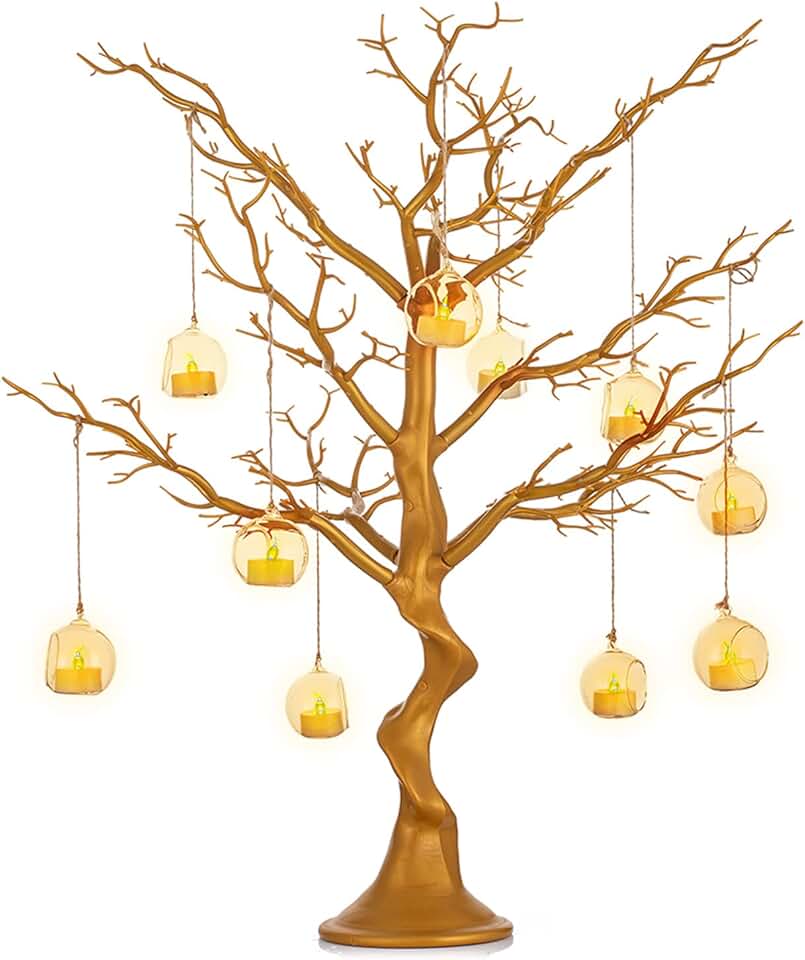
Classic Manzanita Centerpiece
- Tall branch design adds elegant height to tables
- versatile look works for weddings, birthdays, and events
- easy to style with ornaments, flowers, or lights
- creates a polished centerpiece without much effort
- reusable decorative piece for many occasions
Buy on Amazon
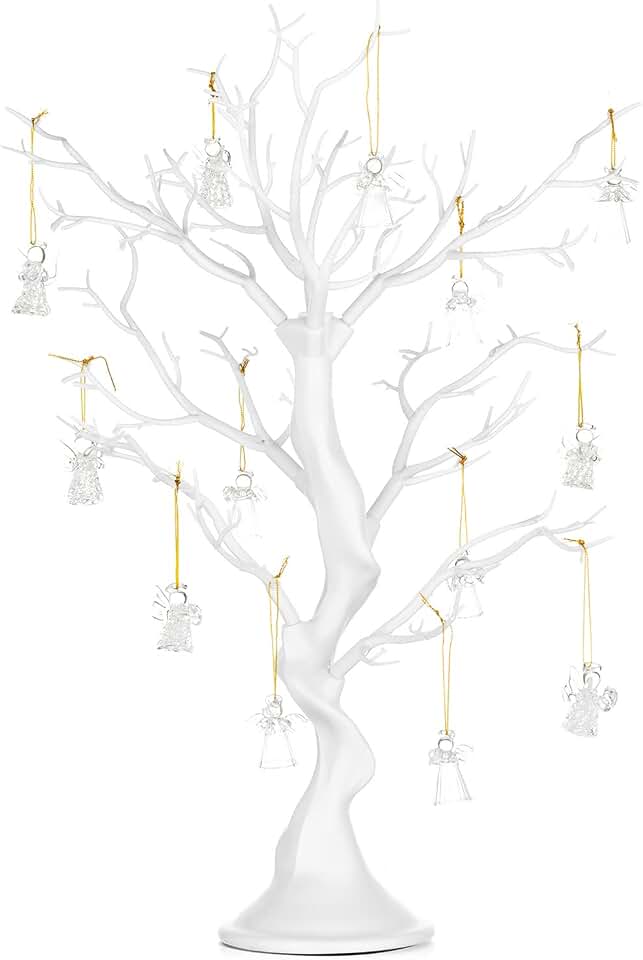
Elegant White Branch Centerpiece
- Tall white manzanita style design for instant table charm
- lightweight base makes setup simple and stable
- ideal for weddings, parties, and seasonal decor
- reusable piece for multiple events and displays
- works well with ornaments, lights, or florals
Buy on Amazon

Golden Branch Centerpiece
- Warm gold finish adds a luxe decorative touch
- compact size works well for tabletops and displays
- ideal for weddings, Christmas, and celebrations
- branch style lets you personalize with ornaments or lights
- reusable accent for elegant event styling
Buy on Amazon

Silver Beaded Tree Decor
- Metallic silver finish brings a modern elegant look
- included acrylic bead chains add extra sparkle
- great for receptions, parties, and home displays
- tall branch shape makes centerpieces feel upscale
- versatile decor piece for seasonal or special event styling
Buy on Amazon
FAQs
Is Manzanita A Tree Or A Bush?
Manzanita can be either a shrub or a small tree, depending on the species and how it grows. Many types stay bushy and low, while others develop a single trunk and tree-like shape.
How Big Does A Manzanita Tree Get?
A manzanita tree usually grows from about 6 to 20 feet tall, though some species can get larger in ideal conditions. Growth depends on the variety, climate, and soil, so mature size can vary a lot.
Are Manzanita Trees Protected In California?
Some manzanita plants are protected or regulated in California, especially in areas with local conservation rules or endangered species concerns. Always check state and local regulations before cutting, removing, or transplanting any native plant.
Can You Eat Manzanita Berries?
Yes, manzanita berries are edible when ripe, and they have been traditionally used for food and drinks. They are best eaten in moderation, and you should avoid any plant you cannot identify with confidence.
Is Manzanita Wood Safe For Aquariums?
Manzanita wood is generally safe for aquariums and is a popular choice for aquascaping. It is dense, sinks well, and usually releases very little tannin compared with other woods, though it should still be cleaned and soaked before use.
Affiliate Disclosure: Some links in this post are affiliate links. If you make a purchase through these links, we may earn a small commission at no extra cost to you. We only recommend products we genuinely believe in.