

Did you know a single black alder can add nitrogen to poor soil and grow well in wet spots? This modest tree offers useful roles you can try at home. From soil repair and wetland work to timber, natural dyes, and herbal extracts, each use is practical and easy to apply. Below I’ll show five ways to use alnus glutinosa and why people turn to this tree for so many projects.
Table of Contents
Black alder (Alnus glutinosa) is a fast-growing tree with big value for soil health, restoration projects, woodcraft, and even natural dyes. This guide explains the black alder tree, practical planting tips, wood uses, wellness notes, and creative ideas you can put to work today.
What Is Black Alder and Why Should You Care?
Botanical Profile of Alnus Glutinosa
The alnus glutinosa black alder is a deciduous tree that reaches about 25 m (82 ft) tall with a 10 m (32 ft) spread, bearing rounded leaves, catkins, and small woody cones. It thrives in moist soils and forms root nodules that feed nitrogen back into the ground, a trait well-documented by resources like Plants For A Future.
Native Range and Growing Characteristics
Its native range includes much of Europe, western Asia, and parts of North Africa, and it also grows in many temperate regions worldwide. Growth is fast in youth (often over 1 m per year) and the tree tolerates acidic, wet, or low-nutrient sites; see the U.S. record for distribution via USGS NAS Fact Sheet.
- Spacing: 2–3 m for hedges; 4–6 m for stand-alone trees.
- Water: Keep evenly moist the first two seasons; mulch to reduce stress.
- Soil: pH 5.0–7.5 works; thrives in clays, loams, and riparian edges.
- Sun: Full sun to light shade; best growth in open light.
- Companions: Works as a nurse tree for hardwoods like oak and elm.
Fast-Growing Pioneer Species Benefits
Black alder alnus glutinosa acts as a pioneer species, stabilizing disturbed ground and improving soils for later plantings. Research shows alders speed up nutrient cycling and can boost biomass production on poor sites; see the academic review hosted at PMC (NIH) for evidence on nitrogen inputs and site recovery.
“Alder stands can increase nitrogen availability and jump-start soil recovery on degraded land.”
Peer‑reviewed review (PMC10535473)
1. Ecosystem Restoration and Soil Improvement
Nitrogen Fixation for Better Soil
Black alder roots partner with Frankia bacteria to fix nitrogen, which raises soil fertility for neighboring plants. Use it as a nurse tree in mixed plantings; many projects report doubled growth of adjacent hardwoods once alder establishes and starts shedding leaf litter.
Mining Reclamation Projects
On compacted or acidic spoil heaps, the black alder tree roots break up soil, add organic matter, and create shade that reduces evaporation. Plant in dense rows, then interplant target species in year two to take advantage of the improved microclimate and nutrient cycling.
Wetland and Riparian Restoration
Along streams, lakes, and marsh edges, black alder stabilizes banks with fibrous roots and tolerates periodic flooding. Space trees 3–5 m apart along contours, use live stakes or bareroot whips, and combine with willow, dogwood, or sedges to enhance erosion control.

For quick sourcing, here are seed options that suit gardens, hedges, and large restoration sites.

50 Black Alder (Alnus glutinosa) Seeds
- Pack of 50 viable black alder seeds — ideal for hedging, windbreaks, and wildlife projects
 Buy on Amazon

Alnus glutinosa Tree Seeds — 4 g
- 4 grams of seeds for reforestation and bioengineering projects
- easy to sow and establish
Buy on Amazon

Alnus glutinosa Seeds — 1 oz (≈25,000)
- Bulk (25,000 seeds) for large scale restoration and erosion control
- versatile soil tolerance
Buy on Amazon

Alnus glutinosa Seeds — 10 Pack
- Set of 10 packs, great for gardens, hedgerows, or community planting
- quick to establish
Buy on Amazon
2. Versatile Wood Applications
Underwater Construction and Marine Uses
Black alder wood performs well underwater, where decay slows and service life increases. Use it for piles, small bridge supports, sluice gates, and boat parts; keep it submerged in service to maintain durability in wet applications.
Furniture and Cabinetry Projects
For interior work, alder machines cleanly, accepts stains evenly, and glues without fuss, which suits cabinetry, veneer, and plywood. Compare it with other options using this guide to types of wood for furniture to match budget, hardness, and finish goals.
| Property | What it means for projects | Typical uses |
|---|---|---|
| Fine, even grain | Smooth surfaces with minimal tear-out | Cabinet doors, drawer fronts |
| Moderate density | Easy machining and hand tool work | Furniture frames, turned parts |
| Uniform staining | Consistent color without blotching | Stained casework, veneer faces |
| Stable when submerged | Good performance under water | Piles, sluices, small boats |
Retail and technical sources list alder for furniture, veneer, plywood, and charcoal; see Exotic Wood Zone for a concise materials overview you can compare with construction wood choices in framing or joinery.
Charcoal Production and Specialty Items
Alder yields clean charcoal prized for traditional gunpowder and for food smoking, along with clogs and turned household goods. For outdoor builds, compare alder’s indoor bias with the best wood for outdoor furniture to pick species with stronger weather resistance.
3. Traditional Medicinal Properties
Historical Herbal Remedies
Historic texts mention bark and leaves for fever, sore throat, bleeding, swelling, and rheumatic pain. Evidence remains limited and modern guidance treats these as traditional uses rather than proven therapies; see the overview at WebMD: Black Alder for safety notes.
Topical Applications for Skin
Herbalists use cooled decoctions or compresses from bark for minor cuts, burns, and inflamed skin. Patch-test first, keep preparations clean, and stop use if you notice irritation or allergy signs.
Modern Gemmotherapy Extracts
Some practitioners use gemmotherapy from alder buds in wellness routines; discuss with a clinician if you take meds or have conditions, and keep dosage within label directions for safety. Many readers start with a professionally made tincture to control strength and dosing

UNDA Black Alder Gemmo Therapy 4.5 fl oz
- Concentrated gemmotherapy extract from black alder buds
- Supports natural detox and circulation
- Liquid dropper format for easy dosing
- Suitable for daily wellness routines
- Made using traditional herbal extraction methods
Buy on Amazon
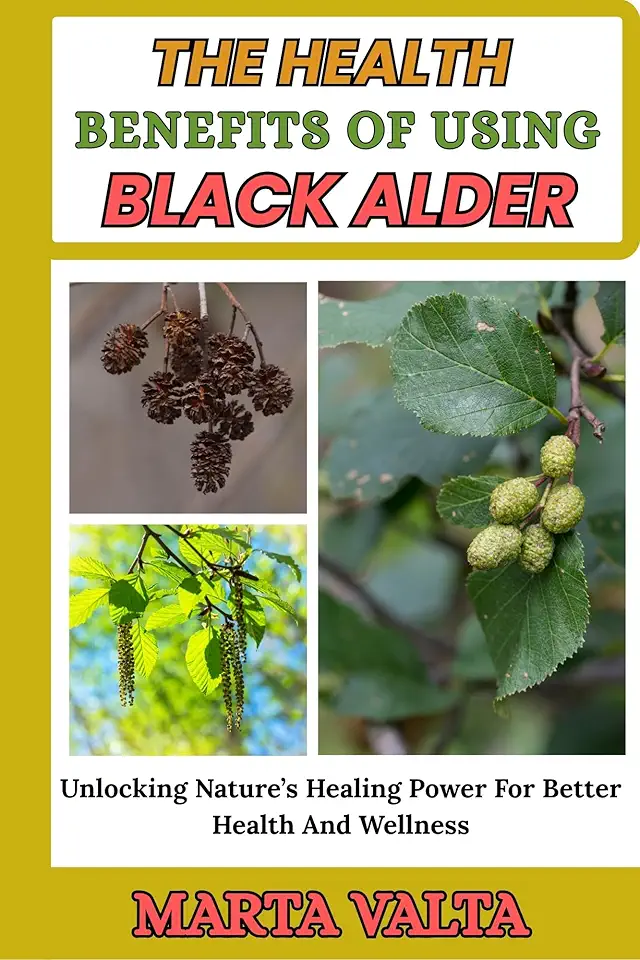
The Health Benefits of Black Alder
- Explains traditional and modern uses of black alder for wellness
- Practical remedies and application tips for home use
- Summarizes herbal science and safety considerations
- Easy-to-follow guidance for integrating alder into routines
- Useful for herbalists and curious readers alike
Buy on Amazon
4. Natural Dyes and Leather Tanning
Bark Tannin for Leather Processing
Alder bark carries roughly 16–20% tannin, handy for small-batch leather work yielding brown to fawn shades. Keep baths warm (60–70°C), stir often, and test scraps first so you nail the color before treating full hides.
Color Variations from Different Parts
Use bark and twigs for warm browns, catkins for green, fresh wood for pinkish-fawn, and spring shoots for yellow/cinnamon tones. Add iron sulfate to bark dye to shift toward deeper black for textiles or leather work.
Eco-Friendly Dyeing Methods
Work with rainwater or soft water, pre-mordant with alum for plant fibers, and simmer dyestuff 45–60 minutes before straining. Keep a dye journal with grams of material, fabric weight, temperature, and time so you can repeat good results.
5. Sustainable Landscaping Solutions
Hedgerows and Windbreaks
Plant 2–3 rows in a staggered grid for a windbreak that establishes fast and knits soil with roots. Clip annually after leaf drop for hedge lines, or let the front row grow tall while the back row stays clipped for density.
Wildlife Habitat Creation
Catkins feed pollinators, cones feed birds, and dense branches shelter small mammals. Mix alder with willow, hawthorn, and elm wood plantings to create layered habitat across seasons.
Poor Soil Tolerance Benefits
Use black alder to lift poor soils by adding leaf litter and nitrogen over time, then underplant fruit trees or timber species. If your site stays wet, coppice alder on a 5–7 year cycle to produce poles and keep vigor high.
Creative and Specialty Black Alder Uses
Interior Design and Paint Colors
Sherwin Williams black alder evokes the deep, earthy tone of aged alder wood and works for accent walls, cabinetry, or doors. Sample it with warm whites and matte brass, and compare against mid-toned stains used on alder casework or poplar wood millwork to balance contrast.
For sauna projects or statement entries, a door with a dark alder frame look can tie the palette together instantly

Tinted Glass Sauna Door — Black Alder Frame 24x73 Left
- Prehung tinted glass door with black alder-style frame for a finished look
- Tempered glass offering privacy and heat resistance
- Left-hanging configuration ready for installation
- Fits standard 24x73 openings for easy replacement
- Built for sauna environments with durable construction
Buy on Amazon
Crafting and Paper Arts
Use alder motifs for cards, scrapbooks, and mixed media; pair with nature papers and warm inks for cohesive sets. Precision steel dies deliver crisp cuts and repeatable results for batch projects
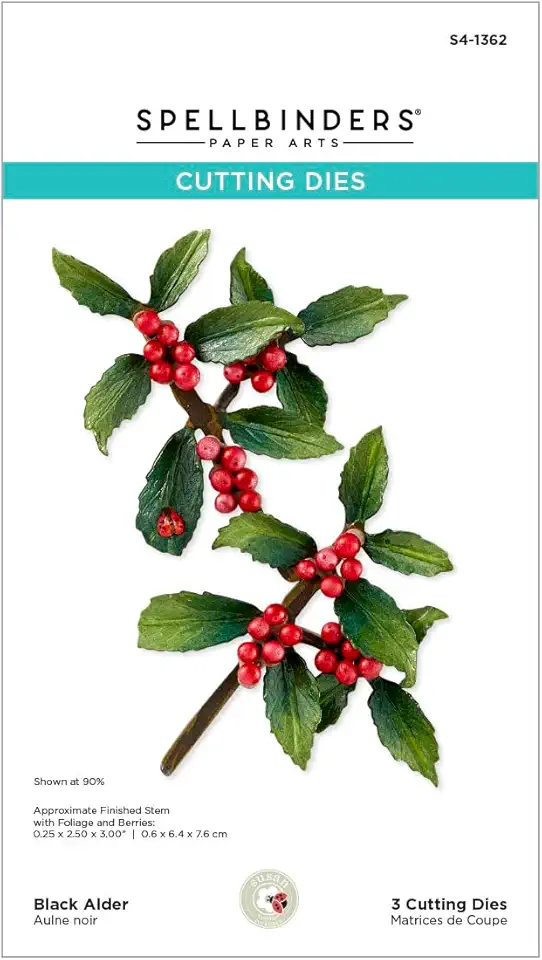
Spellbinders Black Alder Etched Dies
- Intricate alder-themed designs for paper crafting
- Precision-etched steel for clean die cuts
- Works with most mainstream die-cut machines
- Perfect for cards, scrapbooks, and mixed media projects
- Durable pieces for repeated use
Buy on Amazon
Literary and Cultural References
Writers often tap alder’s links to wetlands and resilience for symbolism in fiction and poetry. If you enjoy lore-influenced stories, this sequel keeps the thematic thread going for fans and new readers alike

Broken Chains (Black Alder Series #2)
- Gripping sequel that continues the Black Alder storyline
- Deep character development and emotional stakes
- Fast-paced plot with unexpected twists
- Blends dark themes with compelling worldbuilding
- Ideal for fans of the series and new readers alike
Buy on Amazon
Long-Term Environmental Benefits
Climate Adaptation Support
Black alder copes with flooding and waterlogged soils, which helps stabilize banks as rainfall patterns shift. Use it to protect culverts, ditches, and low fields while you establish deeper-rooted hardwoods for future canopy.
Biodiversity Enhancement
Catkins feed early pollinators, and the tree supports insects and birds that plug gaps in local food webs. Combine with mixed hedgerows and native understory plants to add structure and year-round forage.
Sustainable Forestry Practices
Use alder in short-rotation coppice for biomass and poles, or as a nurse in broadleaf reforestation to reduce fertilizer needs. Rotate harvests on 5–10 year cycles and thin early to raise quality stems for veneer or joinery; compare with poplar basics if you’re planning mixed-species woodlots.
FAQs
What Are The Uses Of Black Alder Trees?
Black alder Is Valued For Stabilizing Riverbanks And Wet Soils, Improving Soil Fertility Through Nitrogen-Fixing Root Nodules, Providing Lightweight Timber Used In Carpentry And Smoking Food, And Creating Habitat For Wildlife. It’s Also Commonly Used For Coppicing, Erosion Control, Windbreaks, And Reclaiming Poor Or Waterlogged Ground.
How Can I Identify A Black Alder Tree?
Look For Glossy, Rounded Serrated Leaves And Sticky Young Shoots, Along With Long Catkins In Spring. Mature Trees Have Smooth Dark Grey Bark And Small Persistent Woody Cone-Like Fruits. They Are Often Found Growing Near Water Or In Damp Soils.
Are Black Alder Trees Invasive?
In Their Native Range They Are Not Usually Considered Invasive, But In Some Non-Native Areas They Can Naturalize And Spread Along Watercourses And Disturbed Wet Sites. It’s Worth Checking Local Guidelines Before Planting, As They May Outcompete Native Wetland Species In Certain Regions.
What Type Of Soil Does Black Alder Grow Best In?
Black Alder Thrives In Damp, Poorly Drained Soils Such As Riverbanks, Marshes, And Waterlogged Sites. Thanks To Their Nitrogen-Fixing Ability They Also Tolerate Acidic Or Nutrient-Poor Soils, But They Don’t Perform Well In Very Dry, Exposed Upland Conditions.
How Fast Does Black Alder Grow?
Black Alder Is A Fast-Growing Tree, Often Adding Around 30–60 Cm (1–2 Feet) Of Height Per Year Under Good Conditions. They Can Reach Maturity In Roughly 15–25 Years, Though Their Typical Lifespan Is Shorter Than Many Hardwoods, Often Around 50–100 Years Depending On Site And Management.