

Table of Contents
Koa wood is a Hawaiian hardwood from the Acacia koa tree, prized for golden-brown color, curly figure, and use in guitars, ukuleles, rings, jewelry, furniture, and traditional Hawaiian objects. If you’re asking what is koa wood, the short answer is this: it’s real Hawaiian Acacia koa, not generic acacia furniture wood.
This guide explains where koa comes from, why it costs more, how it performs in woodworking and instruments, and how to buy real koa without confusing it with stained acacia, veneer, or unclear “Hawaiian-style” products.
What Is Koa Wood?
Acacia koa definition
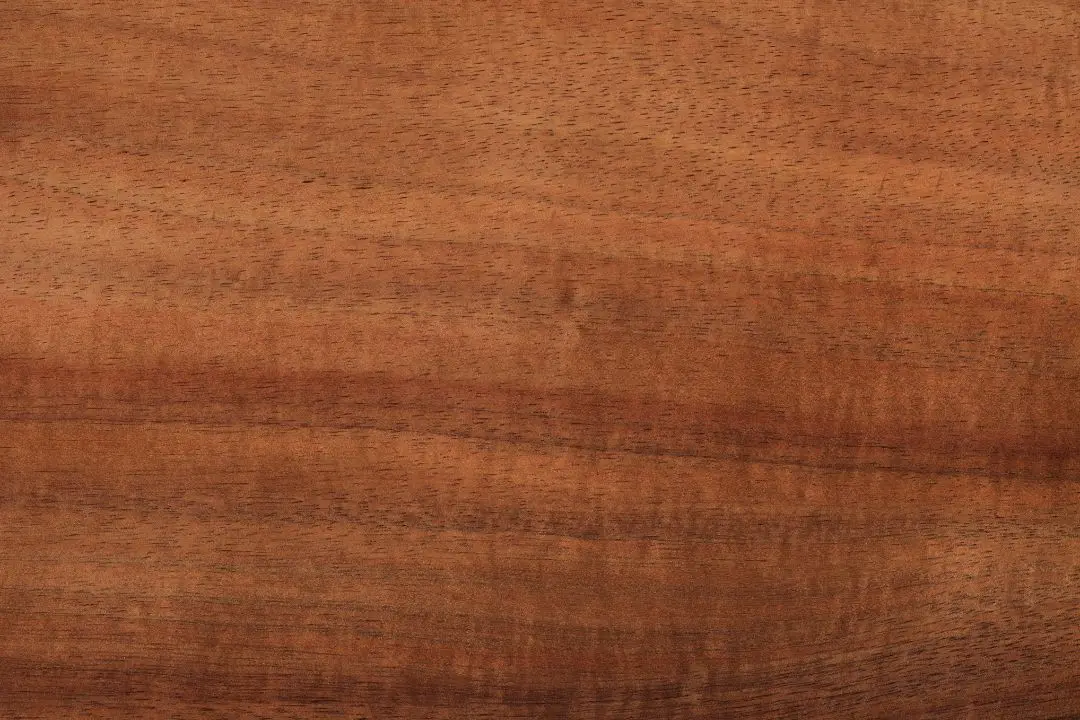
Acacia koa is the scientific name for koa, a tree species native to Hawaii and part of the Fabaceae family. In wood terms, koa usually means the heartwood from this tree: a medium-density hardwood with warm color, lively grain, and a surface that can flash like watered silk when light moves across figured boards.
Real koa should be identified as Hawaiian koa or Acacia koa. A product labeled only as “acacia” may come from many other species grown in Asia, Africa, Australia, or plantations outside Hawaii, so all koa is acacia, but most commercial acacia isn’t koa.
Hawaiian hardwood basics
Hawaiian koa wood is valued because it combines beauty, cultural identity, and practical performance. It machines well with sharp tools, takes a clear finish cleanly, and works for instruments, furniture, bowls, knife handles, jewelry, veneer, and small craft blanks.
The trade-off is supply. Koa grows naturally only in Hawaii, and wide, clear, highly figured boards are much harder to source than small blanks or thin inlays, which is why a koa ring can be accessible while a solid koa table or guitar can cost far more.
Koa wood meaning
Koa meaning is often tied to strength, courage, heritage, and Hawaiian identity. That meaning comes from long use in canoes, paddles, bowls, surfboards, and objects connected with skill, status, and everyday island life.
Use care with symbolism claims when buying gifts. A seller can honestly say koa has Hawaiian cultural significance, but vague listings that use island language without naming Acacia koa or Hawaiian origin deserve a closer look.
The Koa Wood Tree
Acacia koa basics
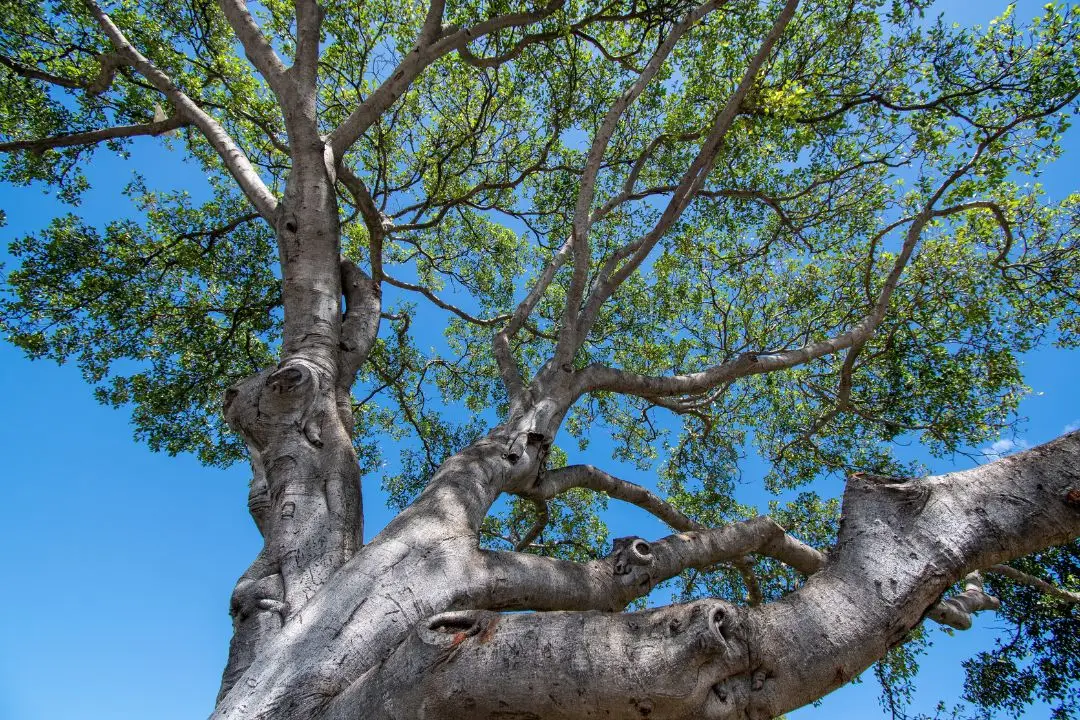
The koa wood tree, Acacia koa, is endemic to Hawaii and plays both ecological and cultural roles. The U.S. Forest Service describes koa as a native Hawaiian tree that can reach large forest-forming size and regenerate well after disturbance when browsing pressure and invasive plants are controlled.
Mature koa often grows 50–80 feet tall, with trunks that may reach 3–5 feet across in older trees. Mature foliage looks unusual because koa develops sickle-shaped phyllodes, which are flattened leaf stems that replace the compound leaves seen on seedlings.
Hawaiian island origins
True koa comes from the Hawaiian Islands, with commercial and restoration-linked supply often associated with the Big Island, Maui, Kauai, and Oahu. The Big Island is especially known for koa because of remaining forest areas, ranchland restoration, and private land management programs.
Origin matters more with koa than with common cabinet woods because Hawaiian identity is part of the value. For broader hardwood context, compare koa with other premium species in our guide to types of hardwood.
Native forest ecology
Koa forests help protect watersheds, support native bird habitat, and add nitrogen to soil because koa belongs to the legume family. In restoration plantings, young koa can grow fast, but cattle, pigs, invasive grasses, insects, disease pressure, and drought can reduce survival.
- Look for sellers that name Acacia koa rather than only “Hawaiian-style wood.”
- Prefer clear origin details for lumber, guitar sets, and higher-value jewelry.
- Ask whether the wood came from salvaged, dead, storm-fallen, managed, or restoration-grown sources.
- Be cautious with vague “black koa” claims, since very dark koa may be natural dark heartwood, stained wood, or another species.
Responsible koa sourcing
Responsible koa often comes from private land, salvaged logs, dead or dying trees, storm-fallen material, managed forests, or reforestation-linked sources. Koa isn’t something to treat as a simple luxury label; it’s tied to native Hawaiian forest health and long-term supply.
Practical notes from buying and working with koa are simple: a seller who can explain the source usually has cleaner material, better drying records, and fewer surprises. When a blank arrives, real koa feels warm and crisp under a fingernail, and fresh sanding dust has a dry, faintly sweet hardwood smell rather than the sharp chemical smell you get from stained mystery wood.
Koa Wood Appearance and Properties
Color and figured koa
Koa color ranges from honey brown and golden brown to reddish brown, chocolate brown, and dark-streaked “black koa” boards. Sapwood is lighter, while heartwood carries the stronger color and depth that buyers expect in guitars, boxes, bowls, and Hawaii wood art.
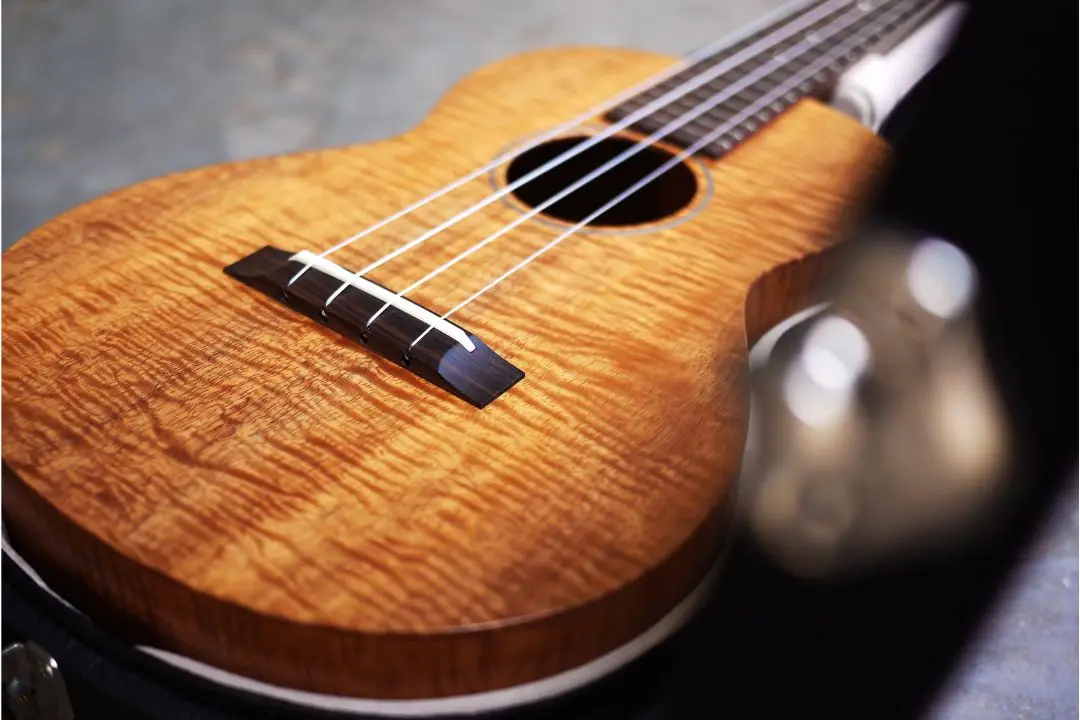
Figured koa gets its value from grain movement. When light hits curly koa at an angle, the stripes can flip from dark to bright, almost like satin ribbon turning in your hand; that shimmer is called chatoyance.
Curly, flame, quilted
Curly koa shows tight repeating stripes across the board, flame koa has longer vertical movement, and quilted koa has a softer pillow-like figure. Curly figure raises price most when it’s strong, even, bookmatched, and free of cracks, knots, twist, or pale sapwood.
Beginner mistake: choosing the wildest figure for a first woodworking project. Highly figured koa can tear out under a planer or router, so use sharp cutters, shallow passes, climb-cut risky edges with control, and save figured offcuts for finish tests.
Janka hardness
Koa hardness is about 1,170 lbf on the Janka scale, which makes it harder than many softwoods but softer than very dense tropical hardwoods. That balance suits instruments, furniture, and decorative objects because the wood isn’t brutally hard on tools, yet it still feels solid in the hand.
| Property | Typical koa value | What it means in use |
|---|---|---|
| Average dried weight | 38 lb/ft³ / 610 kg/m³ | Medium weight; comfortable for instruments and jewelry |
| Janka hardness | 1,170 lbf / 5,180 N | Moderately hard; dents less than softwoods but still needs care |
| Specific gravity | 0.55 basic / 0.61 at 12% moisture | Good strength-to-weight feel |
| Radial shrinkage | 5.5% | Stable when dried well |
| Tangential shrinkage | 6.2% | Balanced movement compared with many woods |
| T/R ratio | 1.1 | Low distortion risk when grain and drying are sound |
These figures align with common reference data from The Wood Database, including average dried weight, hardness, shrinkage, and strength values. The useful takeaway is that koa behaves like a premium medium-density hardwood, not like ironwood or soft pine.
Density and stability
Koa stability is good when the wood is properly dried and acclimated before machining. Its shrinkage numbers are fairly balanced, so flat panels, guitar sets, and turning blanks can behave well if the grain is sound and the moisture content matches the shop or home.
Common mistake: cutting a fresh blank the day it arrives. Let koa acclimate, especially if it shipped from a humid location to a dry room, because sudden moisture change can open small checks at the end grain or make thin guitar pieces cup.
Workability and finish
Koa workability is one reason makers like it. It turns cleanly, sands to a silky surface, and takes oil, shellac, lacquer, polyurethane, and modern instrument finishes, but curly or interlocked grain punishes dull blades with fuzzy tear-out.
Clear finishes usually look best because stain can muddy the natural color and flatten the shimmer. On small pieces, I sand through fine grits, wipe with mineral spirits to preview the figure, then choose a finish that protects without making the wood look plastic.
Price, Rarity, and Sustainability
Why koa costs more
Koa costs more because it grows naturally only in Hawaii, supply is limited, shipping adds cost, and high-grade figure is uncommon. Guitar makers, ukulele builders, furniture shops, jewelers, turners, and collectors all compete for the best curly boards.
Price pressure rises fast with size. A small koa inlay can use a sliver of wood, but a solid koa acoustic guitar back or wide tabletop needs large, dry, stable, attractive material with fewer defects.
Figure and grading
Koa grading usually reflects curl strength, color, width, defects, drying quality, and intended use. Terms like AAAA or master-grade can be useful, but they’re seller-defined, so photos, measurements, and return terms matter more than the grade label alone.
Instrument-grade koa needs more than attractive grain. It should be dry, stable, bookmatched when needed, cut well, and free from hidden checks that can buzz, crack, or telegraph through thin guitar plates.
Pricing hierarchy
Koa pricing follows a rough hierarchy: small plain craft blanks cost least, then plain lumber, curly blanks, wide boards, bookmatched guitar sets, master-grade curly koa, finished guitars, and luxury furniture. The jump from plain to curly can be bigger than the jump between many species.
Cheap koa isn’t always fake, but it may be veneer, a tiny inlay, craft-grade material, sapwood-heavy stock, or generic acacia with a warm stain. Read the description before assuming a low price means a solid block of Hawaiian koa.
Rare or endangered?
Koa is rare in commercial woodworking because its natural range is limited to Hawaii and premium figured boards are uncommon. That doesn’t mean every koa product is banned or illegal; it means buyers need to care about origin, harvest context, and seller transparency.
Conservation context matters because native koa forests have been reduced by clearing, grazing, invasive species, and disease pressure. The University of Hawaii notes koa’s value in native forests, restoration, and Hawaiian wood use, which is why sourcing claims should be specific.
Ethical sourcing signals
Ethical koa listings usually name Hawaiian origin, Acacia koa, harvest type, and whether the wood is salvaged, reclaimed, restoration-grown, or from managed private land. Vague listings that rely on island imagery but hide species and origin are risky.
Best workaround for buyers is to ask one direct question: “Is this Acacia koa from Hawaii, and can you describe the source?” Serious sellers answer cleanly; weak sellers shift back to words like exotic, tropical, or acacia without proof.
Common Koa Wood Uses
Traditional Hawaiian uses
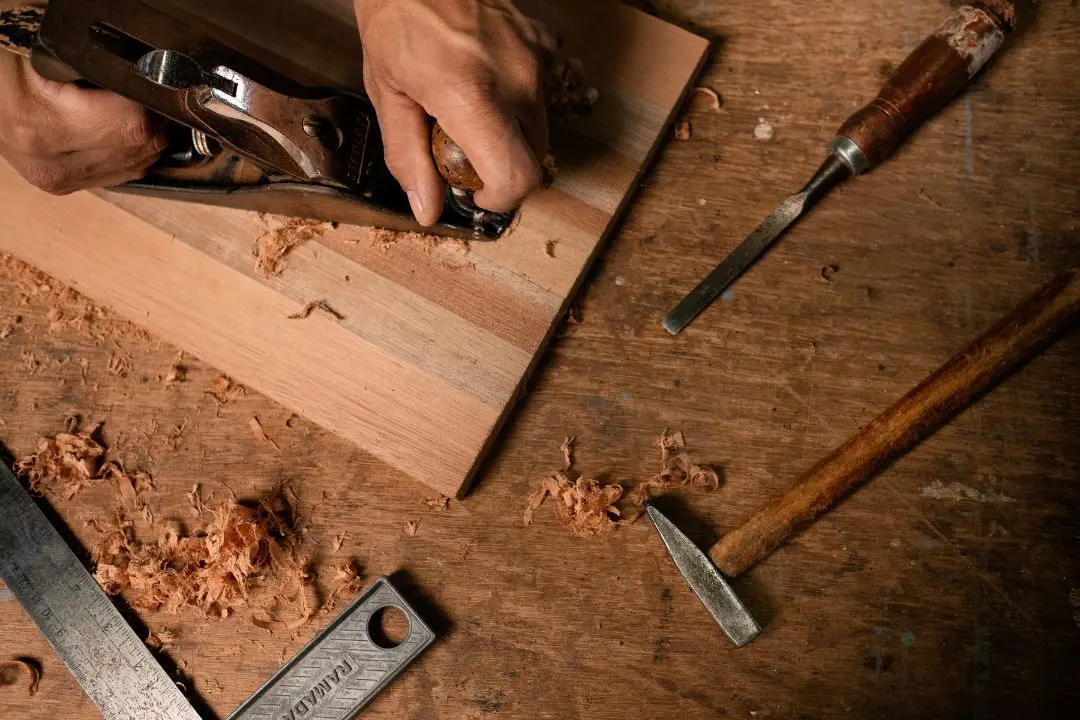
Traditional koa uses include waʻa canoes, paddles, surfboards, calabash bowls, weapons, furniture, and carved objects. The wood’s size, strength, beauty, and local availability made it one of Hawaii’s most recognized materials.
Cultural respect matters when buying koa gifts. A fish hook necklace or carved bowl can be beautiful, but buyers should prefer makers who describe materials and design inspiration with care rather than turning Hawaiian heritage into a vague sales phrase.
Furniture and home goods
Koa furniture is used for tables, cabinets, chairs, boxes, bowls, panels, and veneer. In a room, finished koa has a warm amber glow that shifts with the light, making even a small box or drawer pull feel more alive than flat brown hardwood.
Water exposure is the weak point. Koa can serve in cutting boards or serving pieces if sealed and cared for, but repeated soaking, dishwashers, and harsh cleaners can dull the finish, raise grain, and create dark water marks.
Woodworking blanks
Koa blanks are popular for pens, knife handles, bottle stoppers, small bowls, headplates, inlays, jewelry, boxes, and ukulele parts. Small blanks are easier to source than wide boards, and they let makers enjoy real Hawaiian koa without paying for furniture-scale lumber.
Check dimensions closely before buying. A blank that looks large in photos may be sized for a guitar headplate, pen, or small turning, and curly figure can hide checks until you square the piece on a saw.
These koa blanks are relevant for small woodworking, turning, and luthier accent projects.

Koa Wood Blank Piece
- Premium Hawaiian koa wood for custom projects
- sized for headplates and fine woodworking
- rich grain adds a refined natural finish
- easy to shape, sand, and polish
- ideal for builders, makers, and luthiers
 Buy on Amazon

Koa Turning Blank
- Solid Hawaiian koa wood for turning projects
- compact size works well for small creations
- attractive grain brings each piece to life
- suitable for pens, handles, and accents
- great for hobbyists and woodturners
Buy on Amazon
Koa Wood Guitars and Ukuleles
Koa guitar tone
Koa guitar tone is often clear, focused, midrange-rich, and bright when new, then warmer and more resonant as the top loosens with playing. Many players hear koa between mahogany’s woody warmth, maple’s clean attack, and rosewood’s overtone depth.
That change is easiest to notice on solid koa tops. A new koa top can feel tight under a heavy pick, while a well-played one often responds faster and gives a rounder bloom on fingerpicked notes.

Tops vs backs
Koa backs and sides add visual drama and a focused tonal character, often paired with spruce, cedar, or koa tops. A koa top has a bigger influence on attack and projection, while koa back and sides shape color, sustain, and reflection.
Laminate koa is different from solid koa. A guitar with koa veneer may look beautiful and resist climate swings better, but it won’t respond like a solid koa soundboard or solid back and sides.
Best playing styles
Koa guitars often reward fingerstyle, light to medium strumming, recording, and players who want note separation without a harsh edge. Aggressive strummers may prefer spruce-topped guitars if they need maximum headroom and projection.
Ukuleles are where koa feels most iconic. Brands and builders such as Kamaka, KoAloha, Kanileʻa, Martin, Taylor, and independent luthiers all use koa because it connects Hawaiian origin with a crisp, singing sound.
Koa vs spruce
Koa vs spruce is a top-wood decision. Spruce usually gives stronger projection, wider dynamic range, and a familiar acoustic snap, while koa gives a more controlled response, striking looks, and a tone that can mellow as the instrument is played.
Compared with mahogany, koa often looks flashier and starts brighter. If you like warm midrange guitars, our mahogany wood guide gives a useful reference point before choosing koa.
Humidity care
Koa guitar care depends on stable humidity. Many acoustic guitars are kept around 45–55% relative humidity to reduce cracks, sharp fret ends, bridge lifting, and top movement; Martin Guitar gives similar humidity guidance for acoustic instrument care.
Beginner mistake: hanging a koa guitar on a sunny wall or leaving it in a hot car. The finish can feel sticky, the top can move, and the wood can shrink so quickly that a hairline crack appears before the player notices anything wrong.
Koa Wood Rings and Jewelry

Ring types
Koa wood rings come as solid wood bands, koa inlay rings, tungsten koa rings, titanium koa rings, ceramic rings, resin-protected bands, and mixed-material designs with abalone, maple, shell, or carbon fiber. Inlay rings are the safest daily-wear choice for most people.
Solid koa rings feel feather-light and warm against the skin, with no cold metal bite in the morning. The trade-off is impact and moisture resistance, since a solid wood band can dent, crack, swell, or lose finish if worn through rough work.
Durability and meaning
Koa ring meaning often centers on strength, courage, heritage, and connection to Hawaii. That makes koa popular for wedding bands and anniversary gifts, especially when the buyer wants something warmer and more natural than plain metal.
Durability depends on construction. Tungsten and titanium protect koa better than a plain wood band, but they bring sizing limits because many tungsten and titanium rings can’t be resized like gold.
Koa ring care
Koa ring care is mostly about avoiding water and chemicals. Remove koa rings before swimming, showering, dishwashing, cleaning, lifting rough materials, or using solvents, bleach, sunscreen, and alcohol-heavy sanitizers.
Clean gently with a soft dry cloth or a barely damp cloth, then dry right away. Don’t scrub the inlay with abrasive pads, because once the finish is scratched, moisture can creep into the seam and darken the wood.
These koa rings show common solid, titanium, and tungsten inlay styles for daily wear and gifting.

Natural Koa Ring Charm
- Warm Hawaiian koa wood with a smooth natural look
- lightweight comfort for everyday wear
- simple style for weddings or anniversaries
- includes a wooden ring box for gifting
- a unique choice for nature-inspired couples
Buy on Amazon

Titanium Koa Ring
- Durable titanium built for daily wear
- koa and maple inlay adds natural character
- smooth comfort fit feels easy on the hand
- bold mixed-metal style suits many looks
- ideal for weddings and special occasions
Buy on Amazon

Koa Inlay Tungsten Ring
- Strong tungsten build with lasting shine
- koa wood inlay adds natural warmth
- abalone blue center creates a striking look
- comfort fit design for easy daily wear
- versatile style for weddings or gift giving
Buy on Amazon
Bracelets and necklaces
Koa jewelry includes bead bracelets, pendants, earrings, fish hook necklaces, and mixed-material pieces with shell, bone, sterling silver, leather cord, tungsten, titanium, or abalone. Koa works well here because it’s lightweight, warm, and visually rich even in small pieces.
Fish hook necklaces are often associated with strength, safe travel, good fortune, ocean connection, and Hawaiian heritage. Check that the product description names real koa or Acacia koa, because many “Hawaiian-style” accessories use other woods.
These accessories show common koa bracelet and fish hook necklace styles with lightweight island character.

Koa Bead Bracelet
- Handmade from Hawaiian koa wood beads
- stretchy fit for easy everyday wear
- lightweight feel with natural comfort
- simple island style that pairs well with anything
- a thoughtful gift with authentic charm
Buy on Amazon

Koa Bead Stretch Bracelet
- Handmade bracelet with larger koa wood beads
- elastic band makes it easy to slip on
- natural wood texture gives a bold island look
- lightweight comfort for all-day wear
- a distinctive accessory with Hawaiian character
Buy on Amazon

Koa Fish Hook Necklace
- Hand carved Hawaiian fish hook design
- koa wood brings a warm natural finish
- lightweight necklace is comfortable to wear
- meaningful island symbol with cultural appeal
- a unique Maui-made gift for him or her
Buy on Amazon
Buying, Comparing, and Caring
Real koa checklist
Real koa wood should be listed as Hawaiian koa or Acacia koa, with origin details that make sense for the product. Visual signs include golden to reddish-brown heartwood, wavy or curly grain, natural color variation, and shimmer that changes with light rather than flat stain color.
- Species name says Acacia koa.
- Origin says Hawaii, not just “tropical acacia.”
- Seller discloses solid wood, veneer, laminate, or inlay.
- Photos show grain from multiple angles.
- High-value lumber or guitar sets include drying and defect details.
- Very cheap “koa” is checked for veneer, stain, or generic acacia.
Koa vs acacia
Koa vs acacia is mostly a species and origin issue. Koa wood is a Hawaiian acacia species, while most commercial acacia wood comes from other species and regions, often for furniture, bowls, flooring, and cutting boards.
Do not assume acacia means koa. If a listing doesn’t say Hawaiian koa or Acacia koa, treat it as generic acacia unless the seller can prove otherwise.
Koa vs mahogany, maple
Koa vs mahogany often comes down to figure, origin, and tone. Mahogany is widely used, warm, woody, and midrange-focused, while koa can look more dramatic and may start brighter before warming with play.
Koa vs maple is a clarity and feel comparison. Maple is often harder, paler, and very clear-sounding in guitars, while koa brings warmer color, Hawaiian identity, and a more tropical visual character.
Koa vs rosewood, walnut
Koa vs rosewood matters most in guitars. Rosewood is known for deep bass and complex overtones; koa is usually more focused and midrange-balanced, while rosewood trade can involve tighter regulatory checks in many contexts.
Koa vs walnut is also about supply and appearance. Walnut is darker, more common in North America, and excellent for furniture and guitars; see our black walnut wood guide for comparison, or our rosewood guide for another tonewood reference.
Buying checklist
Before buying koa lumber or blanks, check species, origin, dimensions, moisture condition, grade, figure, defects, and whether the item is solid wood or veneer. For guitar wood, ask whether it’s instrument-grade, bookmatched, dry, and stable enough for thin plates.
Before buying koa guitars, confirm solid koa versus laminate koa, top wood, back and side construction, bracing, humidity condition, and return policy. A solid koa guitar is different from a guitar with koa veneer or laminate construction.
Before buying koa rings, check solid koa versus inlay, metal type, protective finish, comfort fit, water-resistance claims, warranty, and resizing limits. Tungsten and titanium are strong daily-wear choices, but accurate sizing matters because resizing is often not practical.
Field experience insight: the best koa purchases usually have boring documentation and exciting grain, not the reverse. When the description is clear, the photos show end grain and face grain, and the seller answers questions directly, the project goes smoother and the finished piece feels worth the premium.
Care basics
Koa wood care starts with stable moisture, gentle cleaning, and finish protection. Keep koa away from prolonged direct sun, soaking water, dishwashers, harsh cleaners, solvents, and sharp humidity swings.
Furniture care is simple: use coasters, wipe spills fast, dust with a soft cloth, and refinish only in a way that matches the existing finish. Oil-finished koa and lacquered koa need different repair methods, so don’t mix products blindly.
Guitar care means case storage, stable humidity, and avoiding hot cars, dry rooms, and direct heating vents. If fret ends feel sharp or the top sinks, the guitar is telling you the room is too dry.
Jewelry care means removing koa rings and bracelets before water, chemicals, and impact-heavy work. For blanks and lumber, store pieces flat, allow acclimation, seal end grain on larger stock if checking is likely, and wear dust protection when sanding any hardwood.
FAQs
What Is Koa Wood?
Koa wood is a beautiful hardwood native to Hawaii, known for its rich color, striking grain, and warm tone. It is commonly used for furniture, guitars, bowls, and decorative items because of its unique look and quality.
Why Is Koa Wood So Expensive?
Koa wood is expensive because it is rare, highly valued, and difficult to source in large usable pieces. Its limited availability, slow growth, and strong demand for premium woodworking make it one of the most prized woods available.
Is Koa Wood Only Found In Hawaii?
Koa wood is naturally found in Hawaii, where the koa tree is native. While the tree may be grown in other tropical regions, true Hawaiian koa wood comes from trees that grow in the Hawaiian Islands.
Is Koa Wood Good For Guitars?
Yes, koa wood is excellent for guitars because it offers beautiful appearance and a clear, balanced tone. Many players also love how koa can produce a warmer sound that improves as the instrument ages.
Are Koa Wood Rings Durable?
Koa wood rings can be durable, especially when they are properly sealed and cared for. However, like all wood jewelry, they are best kept away from excess water, hard impacts, and rough daily wear to help them last longer.
Affiliate Disclosure: Some links in this post are affiliate links. If you make a purchase through these links, we may earn a small commission at no extra cost to you. We only recommend products we genuinely believe in.





Please call me 808 743 6555
I own Koa4sale