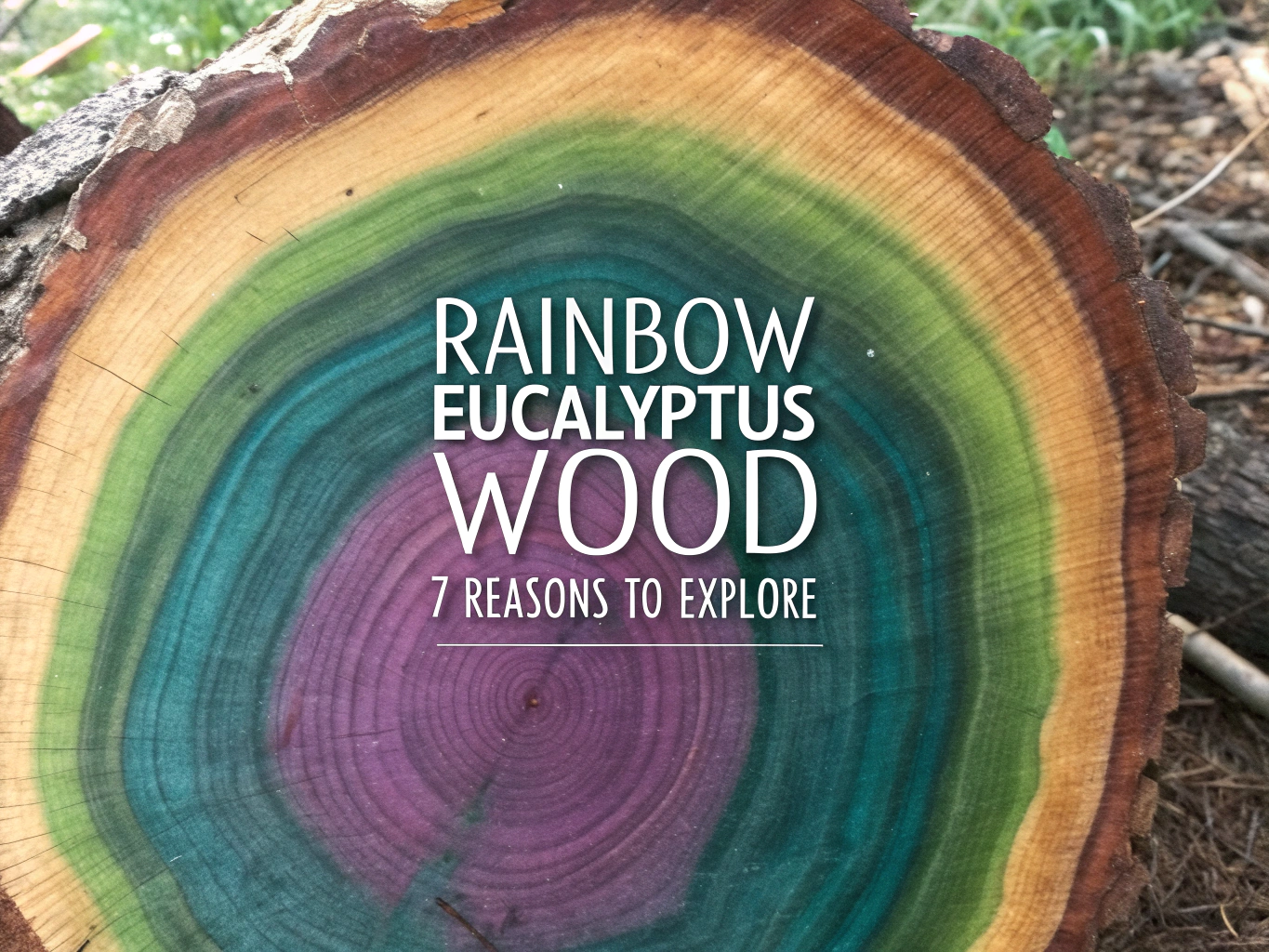

Have you ever seen a tree that looks like it has painted bark? The rainbow eucalyptus wood comes from the eucalyptus rainbow tree, which peels its outer layer to reveal bright, shifting colors. That bark makes the tree a showpiece, but the wood itself also offers useful grain and good workability. Read on to learn seven clear reasons to consider this wood and how it compares with blue gum eucalyptus.
Table of Contents
Rainbow eucalyptus wood captivates with color-splashed bark and practical uses for indoor projects. This guide covers its color effect, growth, wood traits, uses, ecology, and how to grow it at home.
Unmatched Visual Appeal and Colorful Bark
The Rainbow Effect Phenomenon
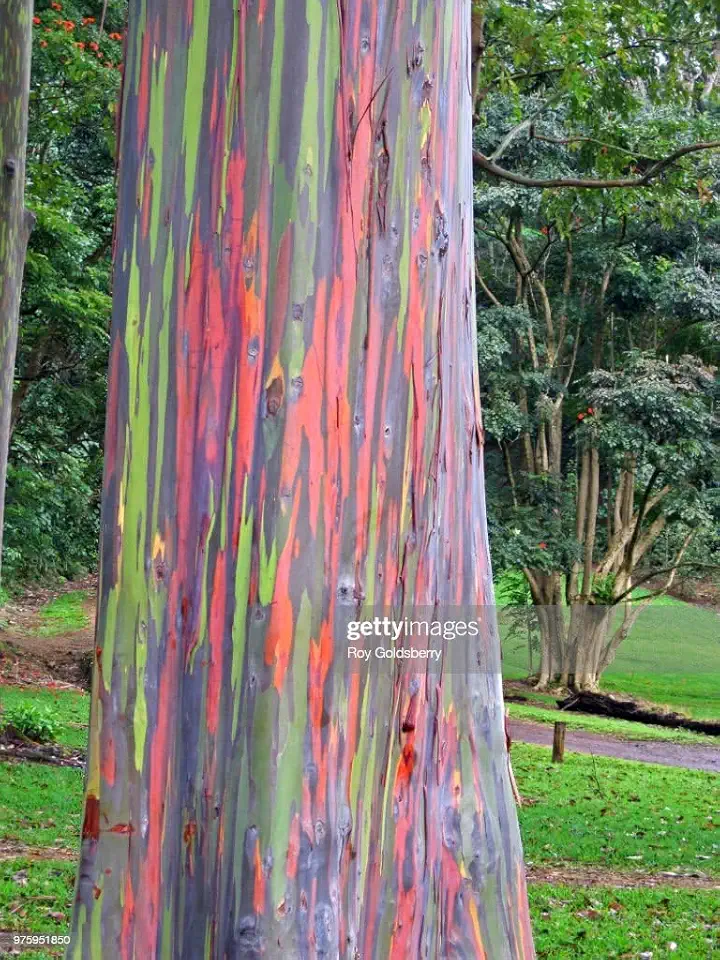
The bark peels in thin patches, revealing bright green inner bark that shifts to blue, purple, orange, red, and maroon as it ages and oxidizes, creating the rainbow effect unique to Eucalyptus deglupta; see the Eucalyptus deglupta profile at Gardenia for photos and range notes.

Botanical Background
The tree’s scientific name is Eucalyptus deglupta, and it’s also called the eucalyptus rainbow tree, Mindanao gum, or rainbow gum. Native to the Philippines, Papua New Guinea, and parts of Indonesia, it thrives in humid, warm climates.
How It Differs from Blue Gum Eucalyptus
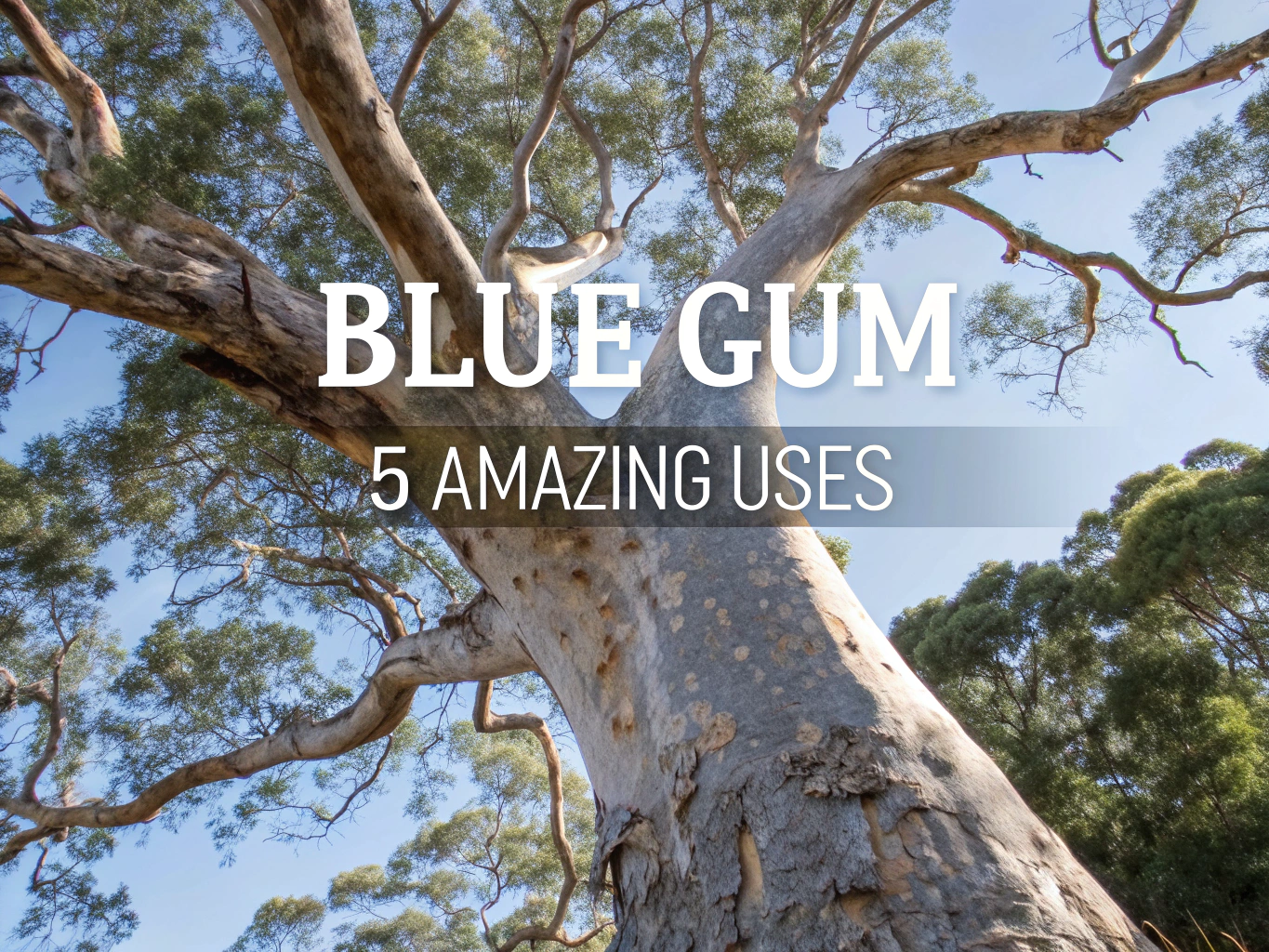
Blue gum eucalyptus (Eucalyptus globulus) lacks the color show, sporting gray to blue-gray bark that flakes off in sheets, while rainbow eucalyptus displays streaks that change shade as bark ages.
| Feature | Rainbow Eucalyptus | Blue Gum Eucalyptus |
|---|---|---|
| Botanical Name | Eucalyptus deglupta | Eucalyptus globulus |
| Bark Appearance | Multicolored streaks; shifting hues | Gray/blue-gray; peeling |
| Native Range | SE Asia, Philippines, PNG | Australia |
| Typical Height | Up to 246 ft (75 m) | Up to 200 ft (61 m) |
| Wood Use | Decorative, furniture, crafts | Timber, pulp, oil |
| Climate | Tropical, subtropical | Mediterranean, temperate |
Impressive Size and Growth Characteristics

Height and Diameter Potential
In native rainforests, mature trees reach 60–75 m (197–246 ft) with diameters up to about 6 ft, forming grand trunks with buttressed roots; see the species overview at OneEarth.
Fast Growth Requirements
Fast growth depends on steady warmth, deep moisture, and rich soil with good drainage.
- Full sun: 6–8 hours daily for color and trunk vigor.
- Soil: loam or sandy loam; pH 6.0–7.0; avoid waterlogging.
- Water: consistent irrigation in dry months; mulch 2–3 in to hold moisture.
- Fertilizer: light NPK during active growth; don’t overfeed nitrogen.
- Humidity: thrives in high humidity; misting helps young plants.
- Pruning: remove weak or crossing branches to shape a single, straight leader.
- Weed-free ring: keep a 2–3 ft radius clear to reduce root competition.
Climate and Space Considerations
These trees suit USDA zones 10–11 and don’t tolerate frost, so coastal or lowland tropical sites are best. Give roots room; plant at least 20–30 ft from buildings and utilities to avoid conflicts with large, stabilizing roots.
Wood Properties and Characteristics
Grain Pattern and Color
Heartwood ranges from light to medium red, with pale yellow-brown sapwood; interlocked grain and a medium-to-coarse texture add natural luster. Quartersawn boards can show ribbon-stripe figure; see the species page at Wood Database for visual references.
Workability and Durability
Most tools cut it cleanly, though interlocked grain can tear on quartersawn faces—use sharp, high-angle planes and back up cuts near end grain. It’s non-durable outdoors and has poor insect resistance, so compare with eucalyptus wood alternatives if you need exterior performance.
Suitability for Different Applications
Indoors, it works well for furniture, interior paneling, small turnings, and low-traffic flooring; prefinish samples to test stain and topcoat on the wood’s interlocked grain. Hobbyists often start with craft blanks or offcuts for handles, inlay, and décor projects.
Rainbow Eucalyptus Wood — 16 oz
- 16-ounce package of genuine rainbow eucalyptus wood for crafts and decor
- Attractive multicolored grain adds visual interest to projects
- Versatile for woodworking, displays, and DIY accents
- Ready-to-use pieces for hobbyists and artisans
- Natural material that complements rustic and tropical styles
 Buy on Amazon
Versatile Applications for Woodworkers
Furniture and Interior Projects
Use stable, well-dried stock for casework, table aprons, and accent panels, reserving the most figured boards for drawer fronts and rails. For flooring, pick thicker wear layers and hard topcoats, then keep installation away from wet entryways.
Crafts and Decorative Items
Turners can produce bowls, pens, and handles; a sharp bowl gouge limits tearout on curly areas. Small boxes and picture frames showcase the ribbon stripe; use clear varnishes to highlight the wood’s warmth.
Commercial Uses
In regions where it’s abundant, large trees are processed for pulp, while select logs go to interior millwork and decorative veneer. Sawmills may mix this species with other eucalypts in shipments, so verify labeling if color and grain are critical.
Ecological and Environmental Benefits
Keystone Species Role
Mature stands stabilize slopes, reduce erosion, and protect watersheds—functions that give these trees a practical, keystone role in humid forests; see a field note on habitat and rainfall from Kona Cloud Forest.
Wildlife Habitat Support
Canopies shelter birds and insects, while bark fissures and branch crotches offer nesting spots. Leaf litter builds soil organic matter that supports invertebrates and small mammals along stream edges.
Natural Pest Control Properties
Leaves contain aromatic compounds that help deter mosquitoes and some plant pests, giving gardeners a mild, natural repellent effect without heavy chemicals. Use trimmings around seating areas, but don’t rely on them as the sole control method in high-pressure zones.
Cultivation as an Ornamental Tree
Growing Conditions and Care
Plant in full sun with regular water and fertile, well-drained soil, then mulch to keep roots cool and moist. Stake young trees for a straight leader and reduce lower branches gradually to reveal the colorful trunk.
Geographic Suitability
Public plantings thrive in Hawaii and similar climates that offer year-round warmth and humidity; see a brief photo tour at Hawaii Hideaways. Gardeners in cool areas can grow saplings in greenhouses for winter protection.
Starting from Seeds
Sow fresh seed on the surface of sterile mix, keep warm (75–85°F), and maintain high humidity until germination. Pot up when the first true leaves form, then harden off carefully to avoid sun scorch on young bark.
Here are two popular seed options for hobby growers who want a striking specimen.

Rainbow Eucalyptus Seeds (50 Pack)
- Fifty seeds to start a striking, multicolored eucalyptus tree
- Produces distinctive bark with vibrant, rainbow-like hues
- Ideal for gardeners in warm climates or greenhouse growing
- Great for landscaping projects and ornamental planting
- Long-term specimen tree that adds shade and visual interest
Buy on Amazon
Rainbow Eucalyptus Seeds (25 Pack)
- Twenty-five seeds to grow a vibrant, multicolored eucalyptus tree
- Great for gardeners aiming for unique, ornamental specimens
- Best started indoors or in warm climates with greenhouse care
- Provides long-term landscape interest with striking bark colors
- Perfect for collectors and specialty plant enthusiasts
Buy on Amazon
Medicinal and Aromatic Properties
Traditional Healing Uses
Folk remedies use leaves for minor wounds and cough relief, reflecting the genus’s well-known antiseptic traits. Don’t ingest homemade preparations, and talk with a healthcare professional before any use.
Essential Oil Benefits
Steam-distilled oil is prized for a clean scent with calming, soothing qualities in topical balms and diffusers. Patch-test skin products and keep oils away from pets and children.
Aromatherapy Applications
Diffusers, bath salts, and room sprays use light doses to freshen air and support a relaxed mood. Combine with citrus or mint notes for balanced blends in living spaces.
Decorative and Artistic Inspirations
Home Décor Applications
Accent walls, picture frames, and small shelves showcase the wood’s color play, pairing nicely with white or charcoal interiors. Use matte finishes for a soft glow or gloss for a gallery-style highlight.
Artistic Motifs and Designs
Designers often echo the bark’s vertical streaks in prints, textiles, and wall art. Wood inlay projects can alternate sapwood and heartwood for subtle contrast on keepsake boxes.
Color-rich bark turns a garden path or entryway into an instant focal point.
Garden design maxim
Collectible Items
Giftable items—night lights, trivets, figurines, and small arches—bring a hint of this tree’s rainbow charm to shelves and desks. Choose solid build quality and stable finishes for long-lasting color.
Here are a few décor picks inspired by rainbow eucalyptus bark patterns.

Rainbow Eucalyptus Night Light
- Soft ambient LED glow perfect for bedrooms and nurseries
- Artful wood landscape creates a warm, natural focal point
- Energy-efficient illumination with low heat output
- Compact design fits bedside tables and shelves
- Makes a cozy, decorative gift for any room
Buy on Amazon
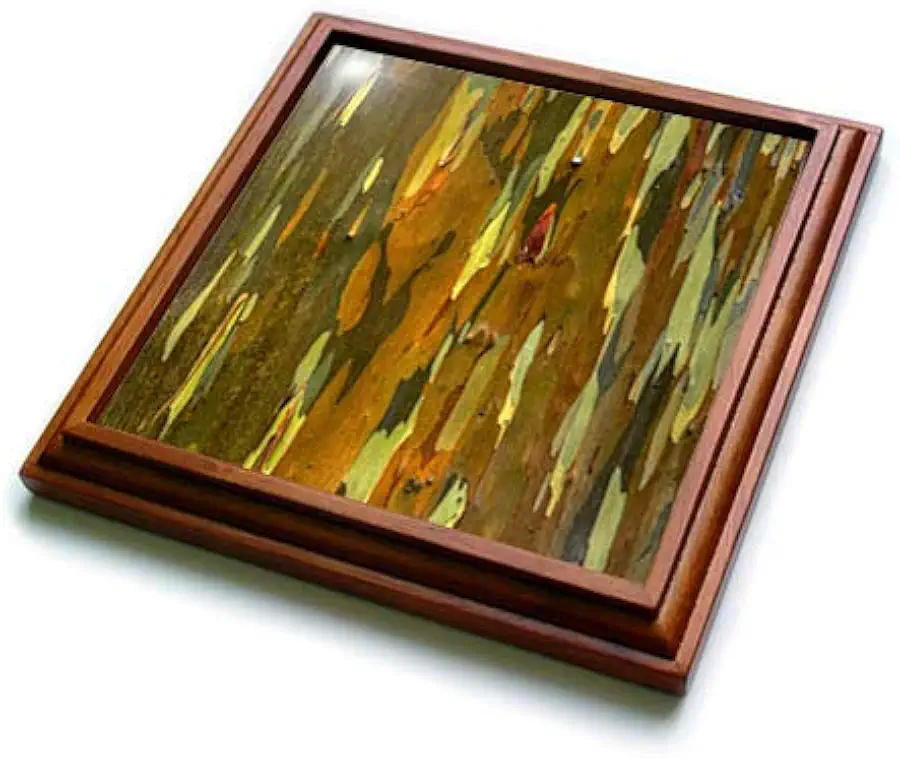
Rainbow Eucalyptus Trivet with Ceramic Tile
- Heat-resistant ceramic center protects tables and countertops
- Features eye-catching Rainbow Eucalyptus bark artwork inspired by Oahu
- Sturdy 8x8 frame with a 6x6 decorative tile insert
- Easy to wipe clean after mealtime use
- Functional and decorative accent for any kitchen or dining room
Buy on Amazon

Rainbow Striped Eucalyptus Cat Figurine
- Handcrafted wooden cat with charming rainbow stripes
- Compact desk or shelf ornament that brightens any space
- Made from eucalyptus wood for a smooth, natural finish
- Lightweight and durable for long-lasting display
- Sweet gift for collectors, kids, or animal lovers
Buy on Amazon
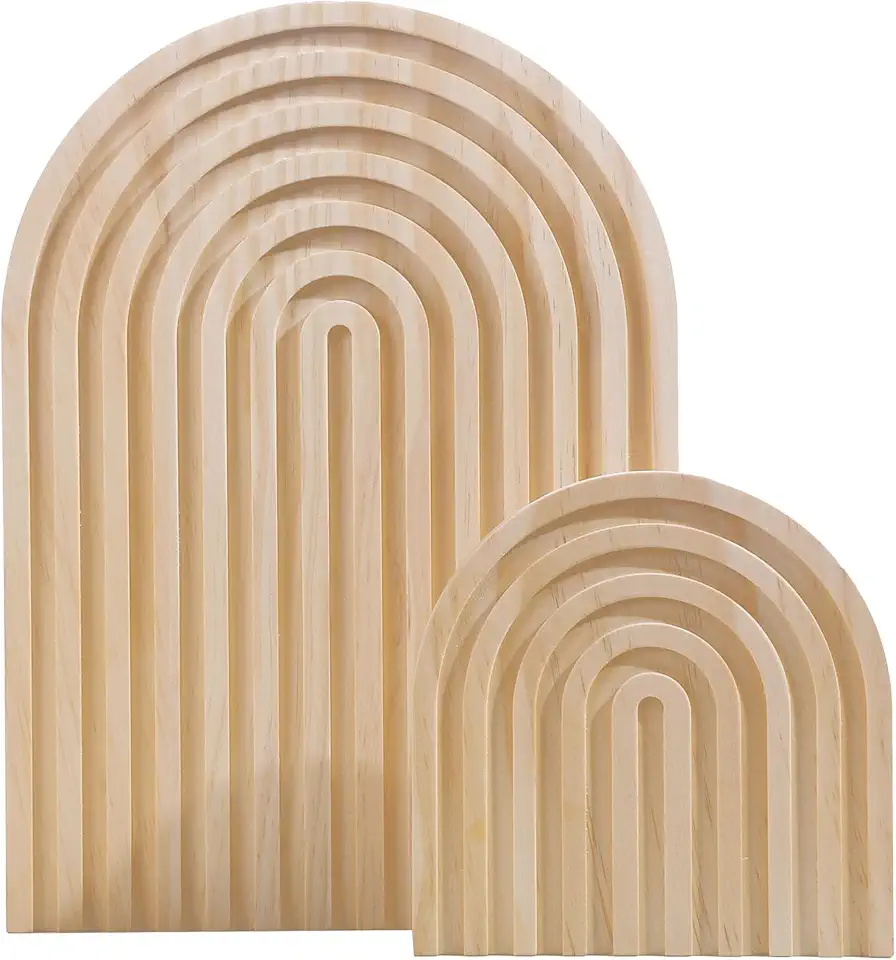
2-Piece Wooden Rainbow Arch Décor
- Two complementary arches designed for boho shelf styling
- Versatile use as mini serving boards or decorative displays
- Hand-finished wood with playful rainbow tones
- Space-saving sizes ideal for mantels, desks, and entryways
- Great gift for new homes, nurseries, or artists
Buy on Amazon
FAQs
What Is Rainbow Eucalyptus Wood Used For?
Rainbow eucalyptus wood Is Mainly Used For Decorative And Interior Woodworking Because Of Its Attractive Grain And Color. Common Uses Include Custom Furniture, Cabinetry, Veneers, Turned Items, Bowls, Musical Instruments, And Craft Pieces; It Is Also Used For Plywood And Pulp In Regions Where It’S Grown. Because The Bark—Not The Heartwood—Gives The Tree Its Color, The Wood Is Chosen For Aesthetic Projects Rather Than Structural Applications.
Is Rainbow Eucalyptus Wood Durable?
Rainbow eucalyptus Is Moderately Durable But Not Highly Rot-Resistant. Its Strength And Stability Vary By Growth Conditions; Untreated It Can Be Susceptible To Moisture And Insect Attack, So It’S Better Suited For Indoor Applications Or For Outdoor Use Only When Properly Dried, Sealed, And Maintained.
How Do You Care For Rainbow Eucalyptus Wood?
Care Involves Keeping It Dry, Avoiding Prolonged Exposure To Sunlight And Moisture, And Finishing With A Penetrating Oil, Varnish, Or Polyurethane To Stabilize And Protect The Surface. Clean Gently With A Soft Cloth And Mild Soap, Repair Scratches With Appropriate Fillers Or Touch-Up Finishes, And Reapply Protective Coatings Periodically If Used In High-Traffic Or Outdoor Settings.
Where Can I Buy Rainbow Eucalyptus Wood?
You Can Find Rainbow Eucalyptus At Specialty Exotic Hardwood Suppliers, Local Lumberyards That Carry Tropical Species, Custom Sawmills, And Online Marketplaces That Sell Exotic Veneers And Boards. For Small Quantities Or Craft Pieces Check Etsy, eBay, Or Woodworker Forums; For Larger Or Certified Supplies Contact Reputable Exotic-Wood Dealers And Ask About Availability And Lead Times.
Is Rainbow Eucalyptus Wood Sustainable?
Sustainability Depends On The Source And How It’S Harvested. Rainbow Eucalyptus Is Often Grown In Plantations For Pulp And Timber, Which Can Be Sustainable If Managed Responsibly. Look For Products With Third-Party Certification Like FSC, Ask Suppliers About Sourcing Practices, And Prefer Plantation-Grown Or Reclaimed Material Over Wild-Harvested Wood To Reduce Environmental Impact.