

A single red alder can raise soil nitrogen by up to 200% in the right spot. That gives nearby plants a fast start. The wood is light, easy to shape, and favoured for cabinets and instruments. Read on to learn seven clear ways to use red alder, from soil care to smoking fish and simple craft projects.
Table of Contents
Red alder (Alnus rubra) is a fast-growing tree with big ecological and practical benefits, from soil repair to fine woodworking. This guide shows how the red alder tree boosts nitrogen, supports wildlife, and delivers reliable red alder wood for furniture, smoking, and crafts.
What Makes Red Alder Special
Botanical Profile
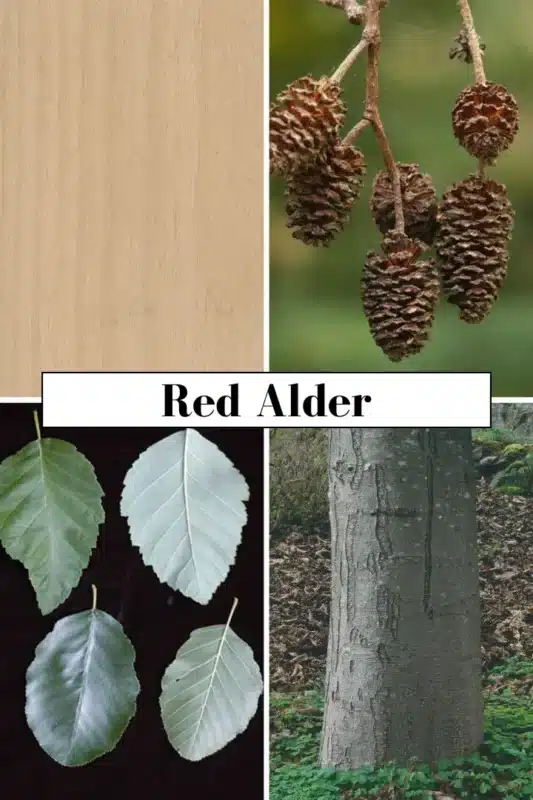
The species red alder Alnus rubra is a deciduous hardwood native to the Pacific Northwest, reaching 70–120 feet with smooth gray bark and serrated oval leaves. Spring catkins feed birds and insects, and the tree’s light canopy lets in sun that fuels rich undergrowth (USDA Plant Guide).
Rapid Growth Characteristics
Young seedlings often put on up to three feet per year, forming dense stands that shade weeds and cover bare ground fast. This quick growth helps with early-stage reforestation and short-rotation biomass goals where speed and soil recovery matter.
Natural Habitat
Red alder thrives on moist soils near rivers, streams, and wetlands, and it tolerates periodic flooding once established. Leaves and seeds add organic matter that supports fungi, insects, and birds through late seasons.
1. Soil Enhancement Through Nitrogen Fixation
200% Nitrogen Increase
With root nodules hosting Frankia bacteria, red alder can raise soil nitrogen by up to 200%, improving fertility for decades. Foresters use mixed plantings with alder to jump-start poor soils and reduce synthetic fertilizer needs (Alder: a weed or just the tree we need?).
Forest Health Benefits
Higher nitrogen boosts leaf area, litter quality, and microbial activity, which supports faster cycles of nutrients. Young alder stands can remove nearly twice the CO2 of conifers in their first 30 years, giving projects a strong early climate benefit.
Supporting Plant Communities
Neighboring plants respond with better growth, especially berries, grasses, and later-successional conifers that follow alder. Stands act like a living soil builder, setting up the next generation of trees and understory species.
2. Premium Woodworking and Furniture Material
Cabinetry Applications
Red alder wood machines cleanly, accepts stain evenly, and holds profiles well, which makes it a favorite for cabinet doors, face frames, and panels. Many shops pick alder as a cost-effective alternative in projects listed under types of wood for furniture.
Musical Instruments
Builders use red alder for electric guitar bodies thanks to moderate weight and balanced tone. Its stability and consistent grain make finishing straightforward for clear coats and custom colors.
Craft Projects
Turners and carvers like the fine, uniform texture that sands to a silky surface. Hobby makers get reliable results with engraving, pyrography, and small boxes using red alder wood (Red alder tree guide).
| Property | Practical impact for woodworkers |
|---|---|
| Straight, even grain | Predictable machining and clean edges on joinery |
| Uniform color | Consistent stain and dye results across panels |
| Moderate weight | Easier handling for cabinets and instruments |
| Stable after drying | Reduced warping and fewer finish issues |
| Fine texture | Smooth sanding, crisp engraving, neat pyrography |
3. Culinary Smoking Excellence
Perfect for Fish
Coastal cooks pair alder with salmon for a clean, traditional flavor that lets the fish shine. Many heritage notes point to alder for seafood and light poultry dishes (Alder – wild foods and medicines).
Mild Sweet Flavor
The smoke is mellow and slightly sweet, adding depth without bitterness. You get a golden color and subtle aroma that complements brines and herb rubs.
Clean Burn Properties
Kiln-dried alder chips light fast and produce steady smoke with low sap and minimal ash. Use chips for quick cooks and chunks for long sessions on kettles, offsets, and electric smokers.
Explore proven options for a flavorful burn in grills and smokers.
Watch this short video if you want a quick visual primer on gentle wood-smoke technique and timing with delicate proteins.
4. Traditional Medicine and Healing
Indigenous Remedies
Tribal knowledge records alder bark and leaves used for headaches, fevers, sore throats, and mouth ulcers, along with poultices for skin issues. These uses appear across Pacific Northwest ethnobotany sources and field notes (Alder medicinal uses).
Antimicrobial Properties
The bark’s astringent compounds help dry minor infections and reduce inflammation. Traditional teas and rinses are cited for cold symptoms and sore gums.
Topical Applications
Simple poultices from fresh leaves or bark infusions are used on cuts, boils, and acne for localized care. Always consult a qualified practitioner before using wild plant remedies.
5. Erosion Control and Habitat Restoration
Slope Stabilization
Fast root development and dense leaf litter help anchor disturbed slopes after fire, grading, or slides. Plant red alder in rows across contours, then interplant long-lived conifers as the site recovers.
Wildlife Support
Leafy cover shelters birds and small mammals, and seeds feed finches and siskins through winter. Beavers use young stems, while deer and elk browse twigs in early spring.
Riparian Restoration
Alder buffers streambanks, shades water, and drops organic material that fuels aquatic food webs. Pair it with cottonwoods like black cottonwood for resilient riparian layers.
- Disturbed slopes needing quick cover and soil nitrogen
- Streambanks where shade and leaf inputs aid fish habitat
- Urban edges seeking fast greening and pollinator support
- Post-harvest sites prepping for later conifer rotation
6. Landscaping and Propagation
Rapid Establishment
Plant bare-root or container stock in fall or early spring for quick takeoff and strong roots. Space trees to match site goals: closer for screens, wider for future canopy spread.
Soil Adaptability
Red alder grows in sandy, loamy, and even clay soils, preferring moist, well-drained sites with sun to partial shade. In mixed plantings with maple trees, it improves soil for longer-lived companions.
Seed Starting
Store seed cool and dry, then cold-stratify 30–60 days to boost germination. Sow shallow on a sterile mix, keep evenly moist, and pot up seedlings once they show sturdy roots.
7. Crafts and Traditional Applications
Natural Decorations
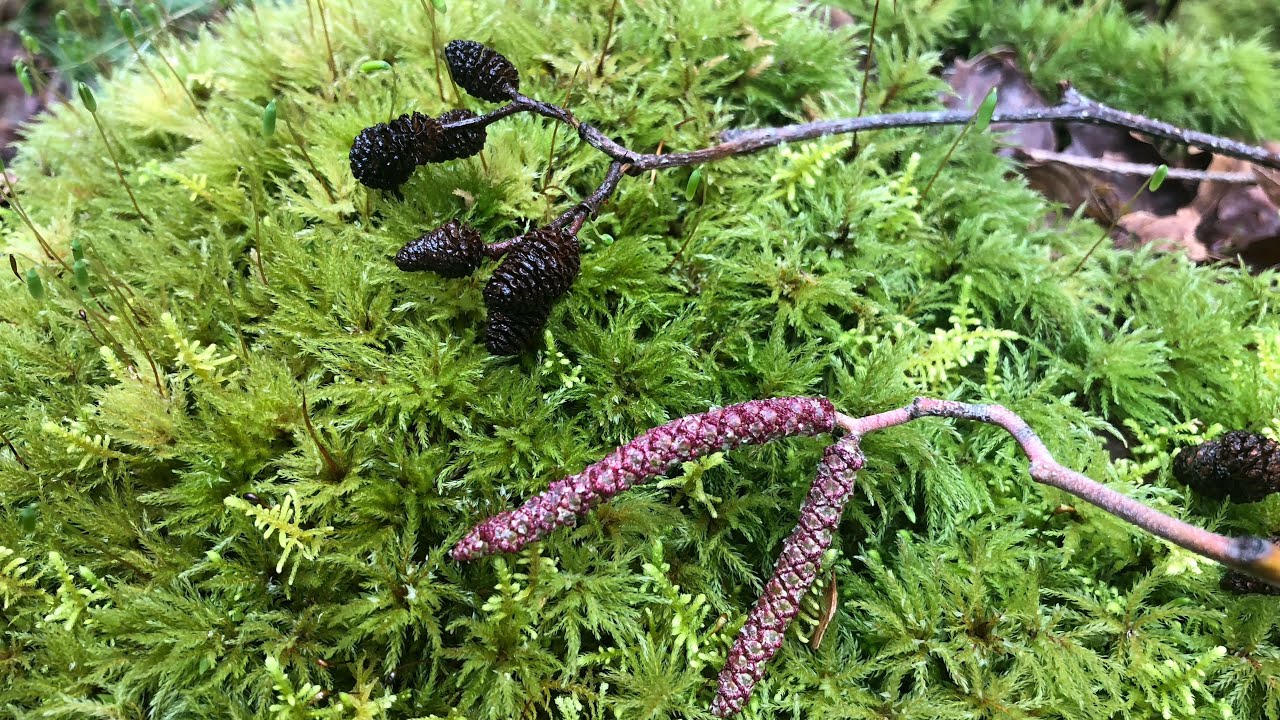
Cones, branchlets, and bark strips add rustic texture to wreaths, table settings, and floral work, and they glue or wire easily. For ready-made accents, try mini cones that suit garlands and centerpieces
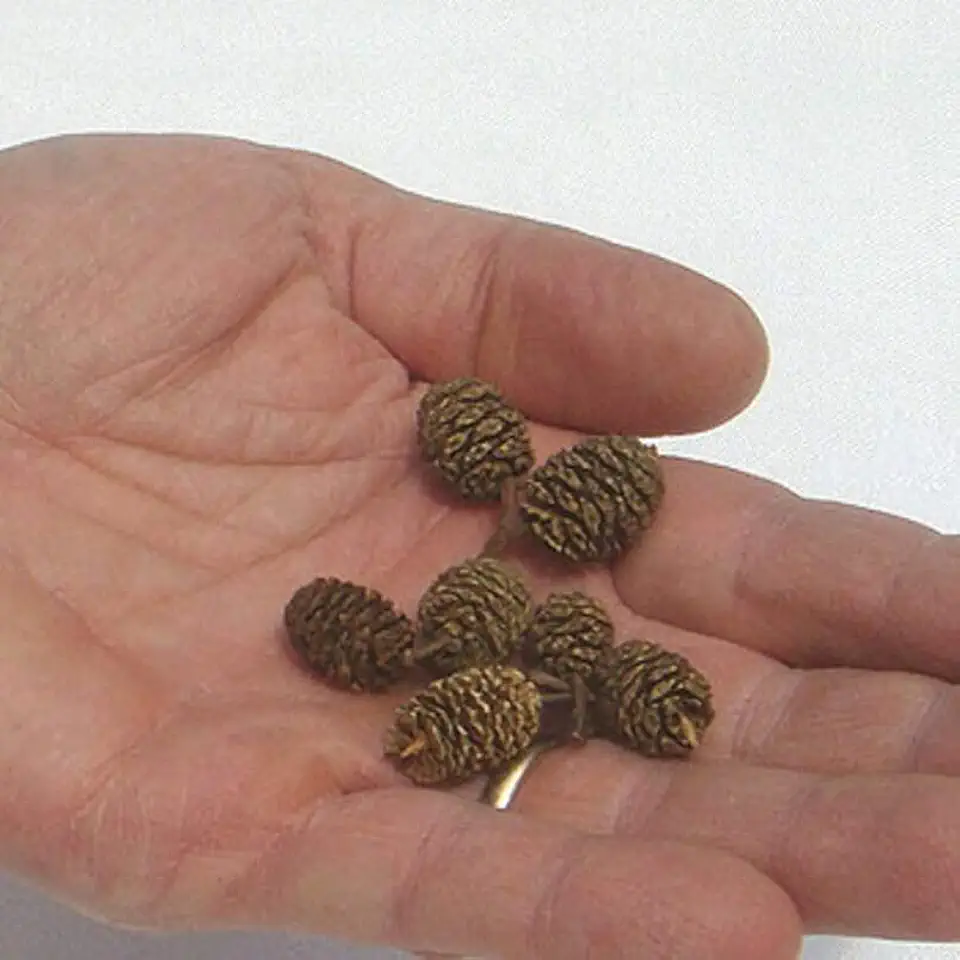
Mini Red Alder Pine Cones — 20 Pack
- Twenty tiny natural pine cones perfect for seasonal décor
- Ready-to-use vase filler or table centerpiece accents
- Lightweight and easy to glue or string for craft projects
- Adds a rustic, organic touch to wreaths and arrangements
- Reusable and versatile for year-round decorating
 Buy on Amazon
Native American Uses
Communities used alder for baskets, masks, utensils, and even emergency food from the inner bark, showcasing practical know-how. For modern crafts, alder pairs well with poplar wood in mixed-media projects.
Natural Dye Production
Bark and buds yield red to orange dyes on wool and cotton, with color shifts based on mordant and pH. Test small batches to dial in the shade you want before scaling up.
FAQs
What Are The Uses Of Red Alder Wood?
Red alder is prized for furniture, cabinetry, interior trim, veneer and millwork because it machines and finishes well. It’s also used for turned objects, doors and sometimes musical instruments, and in the Pacific Northwest it’s popular for smoking fish. Additionally, alder can serve as pulpwood, charcoal, and locally as firewood.
Is Red Alder A Hardwood Or Softwood?
Botanically, red alder is a hardwood (an angiosperm), but it is relatively soft and light compared with many other hardwoods. Its fine, even texture and lower density make it easy to work, sand and finish, though it isn’t as hard-wearing as species like oak or maple.
How Fast Do Red Alder Trees Grow?
Red alder is a fast-growing pioneer species; on good sites it can put on 2–5 feet of growth per year. Trees often reach merchantable size within 20–40 years and can attain significant height (dozens of meters) within a few decades under favorable conditions.
What Does Red Alder Wood Look Like?
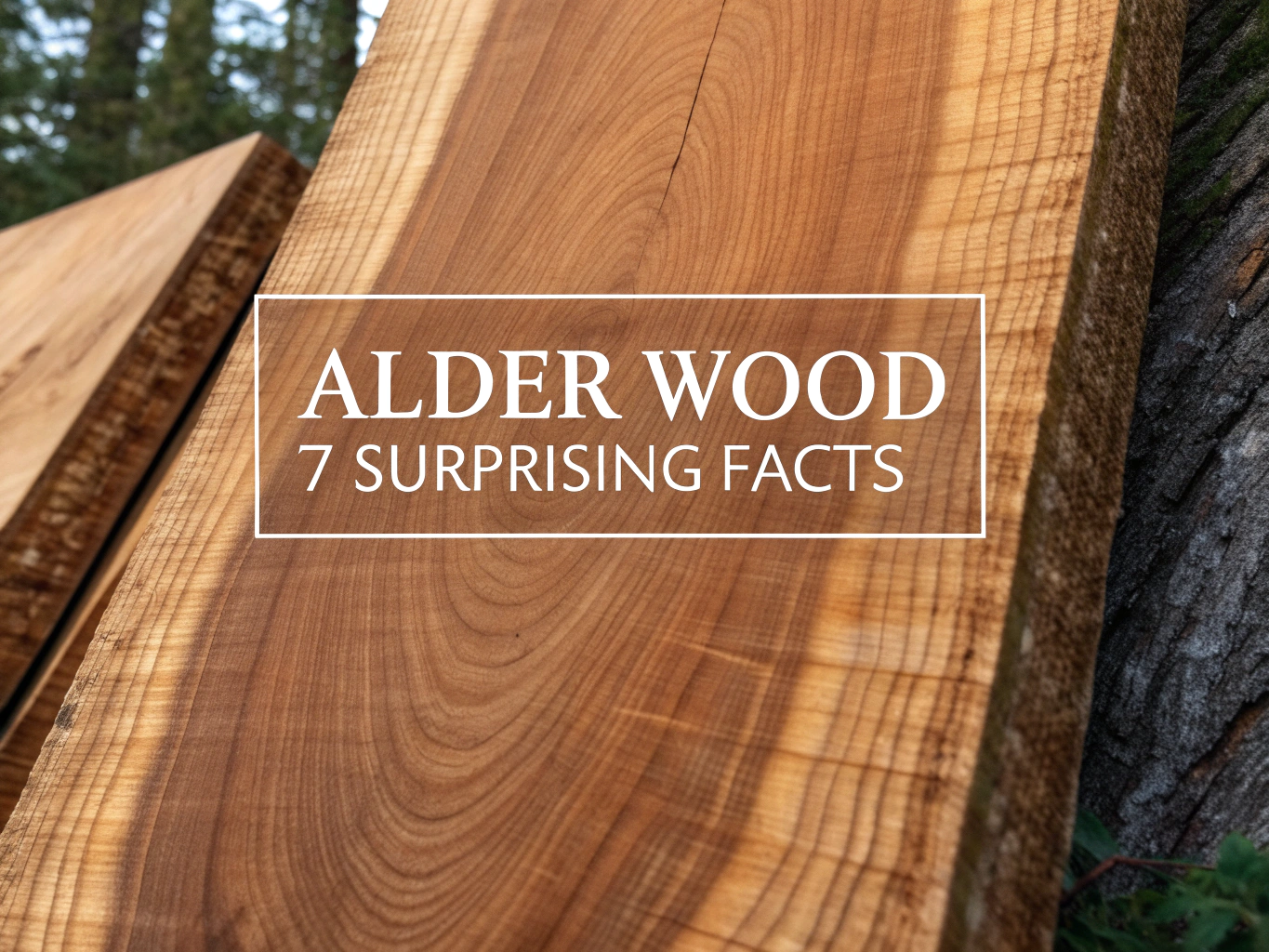
Red alder heartwood ranges from light brown to reddish-brown with a warm, slightly pink cast, while the sapwood is paler. The grain is usually straight with a fine, uniform texture and occasional knots or gum pockets, producing a smooth surface that accepts stains and clear finishes well.
Can You Burn Red Alder Wood In A Fireplace?
Yes, you can burn red alder in a fireplace if it’s well seasoned. It lights easily and gives a steady, pleasant-smelling flame with moderate heat, but because it’s less dense than many hardwoods it burns faster and produces fewer long-lasting coals; avoid burning green wood to prevent excessive smoke and creosote.