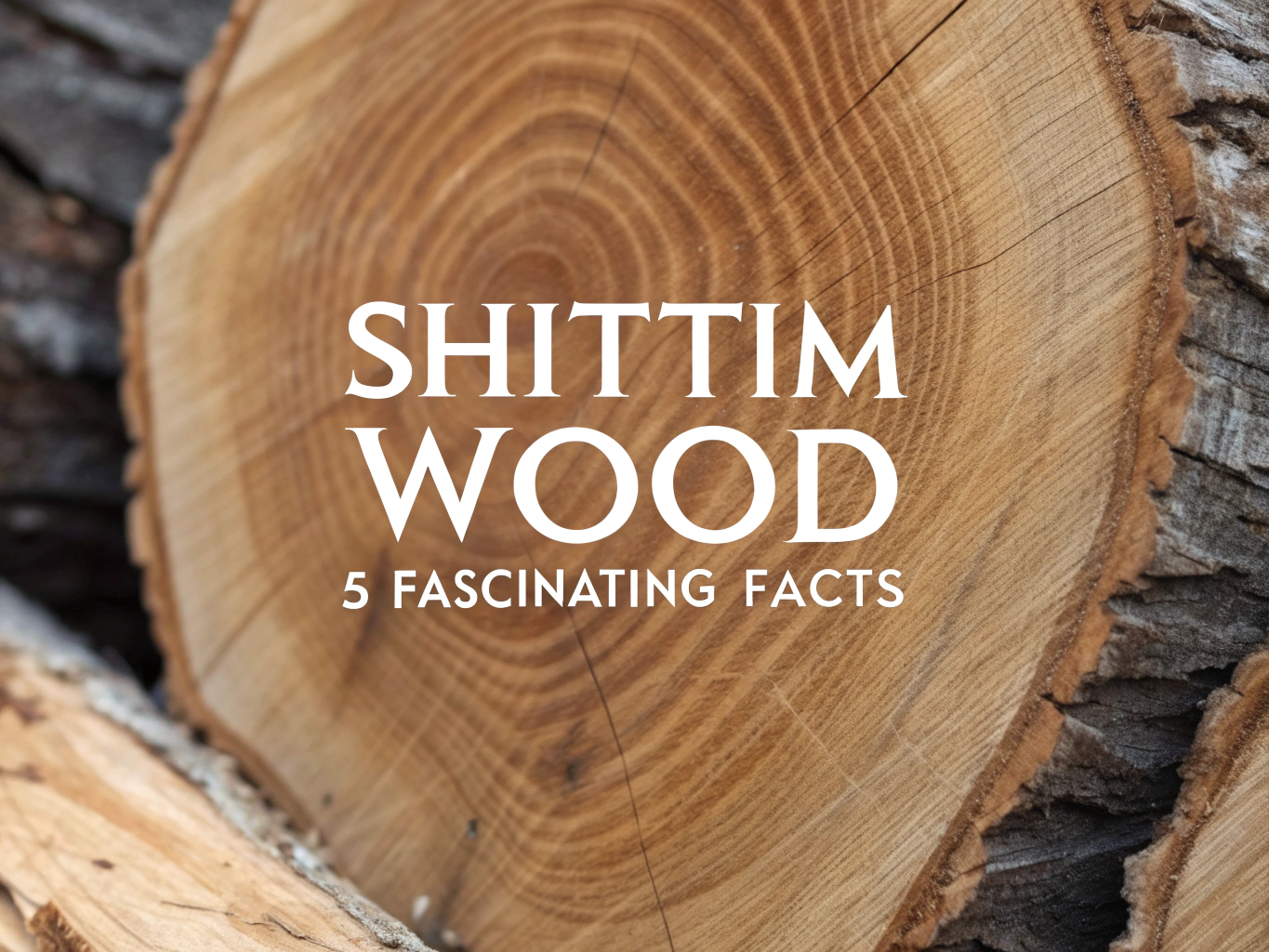

Did you know the wood used for the Ark and tabernacle is called shittim wood? It appears in the Bible as the material for sacred furniture. Many experts identify it as a type of acacia. The wood is known for its strong grain and lasting nature. Read on for five clear facts about its history, properties, and modern uses.
Table of Contents
Shittim wood refers to the ancient acacia used in sacred construction, prized for its strength, beauty, and spiritual meaning. This guide explains what it is, why it mattered in Scripture, and how modern makers use it for furniture, carving, and decor.
What Is Shittim Wood?
Ancient Origins and Etymology
The term comes from the Hebrew word shittah, used for hardy acacia trees in Sinai and the Levant. Many references point to acacias such as Vachellia seyal and Acacia nilotica, both valued for durable timber in arid regions Biblestudytools dictionary.
Modern Botanical Classification
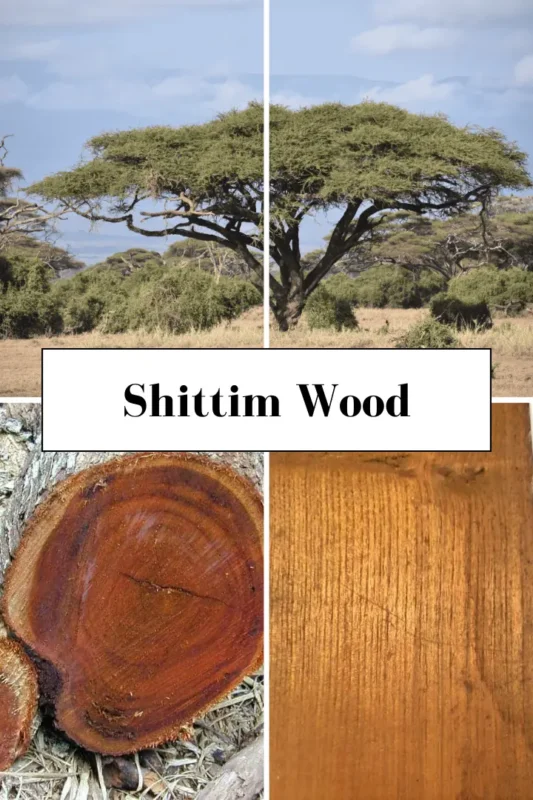
Most scholars identify shittim with desert acacias, especially Vachellia seyal (Red Acacia) and Acacia nilotica. For practical buying and woodworking, you’ll usually see it sold under the broader name acacia wood, which shares the same hard, fine grain profile.
Key Physical Characteristics
Typical stock shows a fine, even texture with high density and good dimensional stability. Color ranges from pale yellow to reddish-brown, and seasoned boards resist decay and insects better than many common timbers.
Biblical Significance of Shittim Wood
The Ark of the Covenant
Exodus specifies shittim wood for the Ark, then overlaid it with pure gold—a pairing of resilient timber and precious metal that signaled holiness. This choice highlighted durability, reverence, and divine purpose Exodus 25:10.
“And they shall make an ark of shittim wood…”
Exodus 25:10
Sacred Tabernacle Furnishings
The Tabernacle’s table, altar, and carrying poles were built from shittim, then finished for worship use. Craftsmen valued its strength in long members and its clean machining for ornate details.

Theological Symbolism
Believers often see shittim as a sign of incorruptibility and God’s protection because the wood endures harsh settings. Its use in holy objects also speaks to offering our best workmanship to God.
Shittim Wood Characteristics and Properties
Durability and Resistance
Acacia’s natural oils and density give strong rot resistance and good performance against insects. Dry, well-finished stock holds up in arid climates and in interior pieces with long service life.
Grain Pattern and Texture
You’ll see a tight, close-grained pattern that planes and sands to a high sheen. Turners like its crisp detail on small lathe projects and its low tear-out with sharp tools.
Color and Appearance
Boards range from light straw to reddish-brown with occasional darker streaks. With oil or wax, the figure pops and shows a warm, golden luster.
Botanical Features
Desert acacias often have thorny branches, umbrella-like crowns, and can exude edible gum arabic. Mature trees may reach about 17 m tall with trunks near 60 cm thick, typical of Vachellia seyal in its range PFAF: Vachellia seyal.
| Property | Details |
|---|---|
| Typical color | Pale yellow to reddish-brown |
| Texture | Fine, close-grained, dense |
| Decay resistance | High in dry conditions |
| Common height | Up to ~17 m (about 56 ft) |
| Trunk diameter | Up to ~60 cm (about 2 ft) |
| Notable feature | Thorns; gum arabic exudate |
Ancient and Modern Uses
Sacred Construction Applications
Shittim served in frames, altars, tables, and the Ark because it was strong, workable, and stable once seasoned. Craftsmen could cut mortises, pegs, and decorative edges with clean results suitable for sacred settings Wisdomlib overview.
Contemporary Woodworking Projects
Modern makers use acacia for tables, cutting boards, turned pens, jewelry boxes, and accent panels. For tool setup, use sharp carbide or HSS and aim for light passes to limit burnishing; see this practical guide to acacia woodworking for project tips.
- Mill stock with a shallow cut to keep surfaces flat and tear-out low.
- Pre-drill fastener holes; the dense grain holds screws very securely.
- Finish with drying oils or hardwax; avoid thick film builds that can look plasticky.
- Use color-matched fillers; acacia’s contrast can highlight gaps if left open.
Medicinal and Traditional Uses
Gum from these trees, often sold as gum arabic, appears in syrups, candies, and herbal remedies in many cultures. Wood and bark have seen folk use for a range of ailments across North Africa and the Middle East.
Cultural Significance and Symbolism
Desert Resilience Symbol
Acacia thrives where heat, wind, and poor soils test most species, so it often symbolizes resilience. That image still guides art and teaching that connect daily endurance with spiritual steadiness.
Biblical Place Names
Locations like the “Valley of Shittim” reflect how common these trees were near ancient Israelite routes and camps. Readers can survey references and context via the topical index on BibleHub: Shittim, which maps the term across multiple verses.
Prophetic References
Prophets used familiar tree imagery to point to renewal and blessing. Shittim becomes a signpost in sermons about hope, justice, and the future restoration.
Shittim Wood For Sale and Products
Where to Find Authentic Wood
You’ll often find material listed as acacia rather than “shittim,” which aligns with modern naming. Look for reputable sellers who disclose species, origin, and moisture content.
- Specialty lumberyards with exotic or desert hardwood sections.
- Online turning suppliers offering small blanks and knife scales.
- Faith-based retailers selling devotional items made from acacia.
- Local makers who can confirm provenance and offer offcuts.
Woodworking Supplies and Blanks
Turners prefer dry, defect-free blanks for pens and small bowls because the wood cuts cleanly and polishes well. Buyers should check for straight grain and uniform density to reduce tool chatter.
The items below are popular with hobbyists and collectors who want shittim-themed pieces or practical blanks for small projects.

Bethlehem Shittim Pen Blanks
- Dense, stable hardwood ideal for smooth lathe turning
- Rich, attractive grain that polishes to a high shine
- Consistent sizing for easy mounting and repeatable results
- Sands and finishes cleanly for professional-looking pens
- Small-batch, responsibly sourced blanks for quality projects
 Buy on Amazon

Ark Angel Cherub Statue
- Handcrafted shittim wood replica with detailed carving
- Sculpted wings and gold-tone finish for elegant display
- Compact, sturdy base suited for indoor decor or props
- Adds a spiritual or classical touch to shelves and mantels
- Excellent gift for collectors and themed displays
Buy on Amazon
Religious and Spiritual Items
Gift shops often stock small plaques, crosses, and replicas that echo the Tabernacle era. Look for pieces that state species and finish type so you can care for the wood’s warm tone over time.
Shittim Wood Furniture and Home Applications
Historical Furniture Uses
Ancient Israel set this timber apart for sacred service, so daily furniture use was limited. The qualities that served the Tabernacle—stability, hardness, and workability—translate well to modern home goods.
Modern Acacia Wood Products
Today, acacia appears in cutting boards, benches, coffee tables, and wall shelves where strength and color shine. If you want a different look with similar durability, compare with the sissoo tree for a darker, classic style.
Care and Maintenance
Keep indoor humidity stable to reduce movement, and wipe spills quickly. For food-contact items, refresh with mineral oil or conditioning wax to protect the wood’s finish and color.
Unique Gifts and Collectibles
Themed Merchandise
Playful items that reference shittim make light-hearted gifts for woodworkers and history fans. These picks suit coffee stations, shop benches, and study desks where conversation starts fast.
Biblical History Enthusiasts
Collectors enjoy items that nod to the Ark, the Tabernacle, and desert acacias. Pair a mug or beanie with a short booklet on shittim to create a meaningful, personal gift set.
Browse these fun, shittim-themed items for fans, makers, and small study groups.
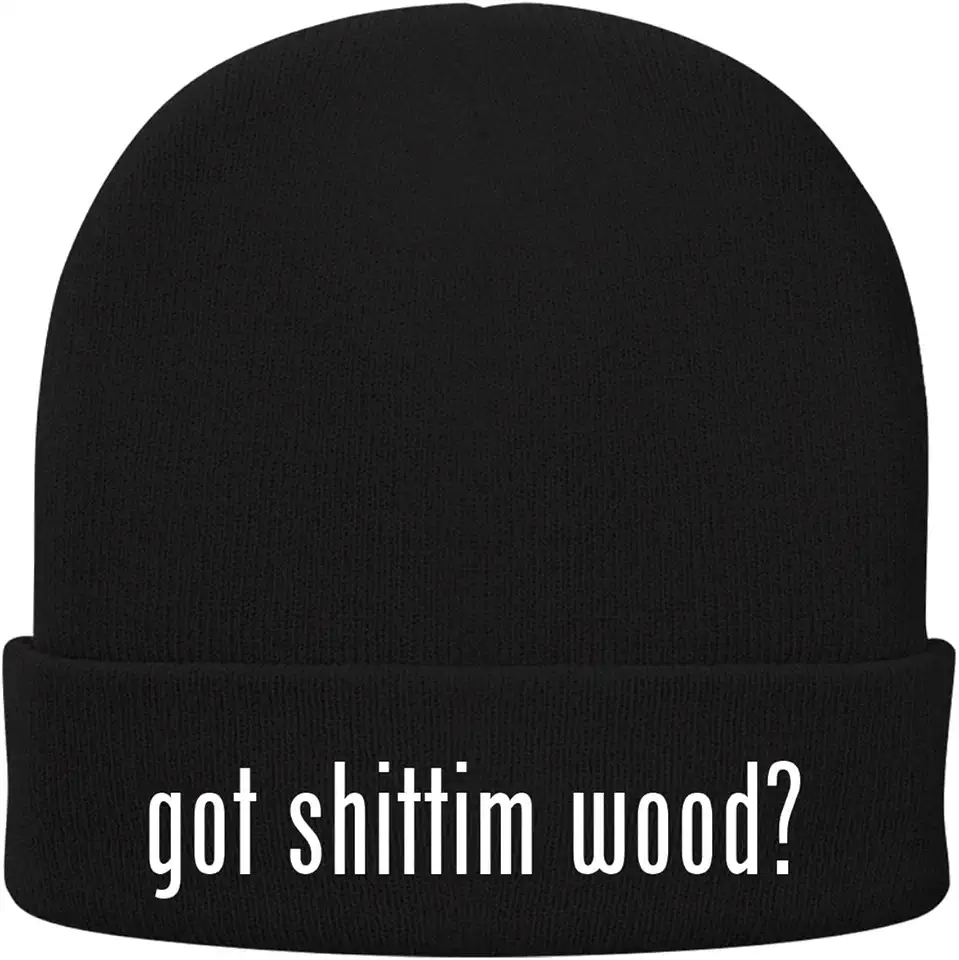
got Shittim Wood? Beanie
- Soft, comfortable knit for all-day wear
- Stretchy one-size-fits-most design
- Subtle printed slogan for casual, playful style
- Breathable fabric suitable for year-round use
- Machine washable for simple care and maintenance
Buy on Amazon

got shittim wood? 12oz Latte Mug
- 12 ounce capacity perfect for lattes and cappuccinos
- Ceramic construction retains heat for longer enjoyment
- Comfortable handle for steady, easy sipping
- Dishwasher and microwave safe for convenience
- Vibrant printed design that resists fading
Buy on Amazon

got shittim wood? 15oz Mug
- Generous 15 ounce capacity for larger drinks
- Durable ceramic keeps beverages warm
- Clean white finish showcases the design
- Microwave and dishwasher safe for everyday use
- Great gift or statement mug for fans
Buy on Amazon
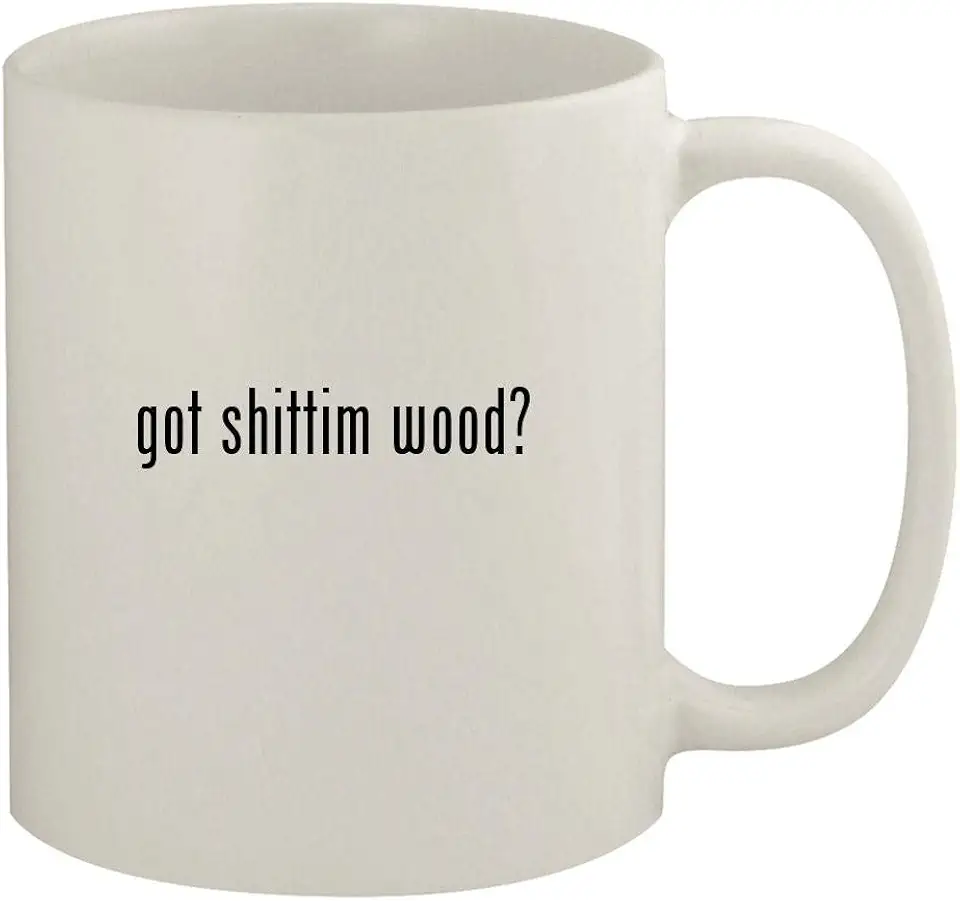
got shittim wood? 11oz Mug
- Classic 11 ounce size ideal for coffee or tea
- Sturdy ceramic construction for daily use
- Ergonomic handle for comfortable grip
- Safe for microwave and dishwasher cleaning
- Simple, bold design makes a fun conversation piece
Buy on Amazon

got shittim wood? 17oz Mug
- Extra-large 17 ounce capacity for big servings
- Ceramic body retains warmth between sips
- Ergonomic handle provides stable grip
- Microwave and dishwasher safe for easy care
- Bold printed message perfect for gifting or personal use
Buy on Amazon
FAQs
What Is Shittim Wood And Where Is It Mentioned In The Bible?
Shittim wood Refers To The Timber Commonly Identified With Ancient Acacia Trees (Hebrew: Shittim Or Shittah). The Bible Mentions It As The Material Used For Constructing Sacred Furnishings And Structures, Including Parts Of The Tabernacle, The Ark Of The Covenant, Altars, And Various Pieces Of Temple Furniture; References Appear In Exodus, Numbers, And 1 Kings. Scholars Generally Associate Shittim With Durable Acacia Species Native To The Sinai And Arabian Regions.
How Was Shittim Wood Used In Ancient Times?
In Ancient Times Shittim Wood Was Valued For Building Religious And Durable Objects: It Was Used To Make The Panels, Frames, And Poles Of The Tabernacle, The Ark Of The Covenant, Altars, And Other Ritual Furnishings. Because Of Its Strength And Resistance To Decay, It Was Also Employed For Everyday Items Like Furniture, Tools, And Occasionally For Construction Elements Needing Long-Lasting Timber.
Is Shittim Wood Still Used Today And For What Purposes?
Today The Exact Biblical ‘Shittim’ Species Is Not Commonly Traded Under That Name, But Related Acacia Woods Are Widely Used. Modern Uses Include Furniture, Flooring, Veneer, Cabinetry, Turnery, And Decorative Objects. In Some Regions Acacia Is Also Used For Fencing, Charcoal, And Traditional Crafts. Reproductions Of Biblical Items And Religious Artifacts May Specifically Seek Out Acacia Timber To Match Historical Descriptions.
What Are The Properties And Benefits Of Shittim Wood?
Shittim/Acacia Wood Is Known For Its Density, Hardness, And Natural Durability, Making It Resistant To Rot And Insect Damage Compared With Softer Woods. It Typically Has A Fine, Attractive Grain That Polishes Well, Provides Good Load-Bearing Strength, And Holds Fasteners Securely. These Properties Make It Suitable For Long-Lasting Furniture, Structural Elements, And Items That Require A Stable, Wear-Resistant Surface.
How Can I Identify Shittim Wood?
Identifying Shittim Wood Involves Looking For Clues: Acacia Timbers Are Often Medium To Dark Golden-Brown With A Fine To Interlocked Grain And A Heavy, Dense Feel. Freshly Cut Surfaces May Reveal A Distinct Grain Pattern And A Mild Woody Scent. Because Many Woods Look Similar When Finished, Accurate Identification May Require Comparing Botanical Features (Leaves, Pods) If Available, Consulting A Knowledgeable Supplier, Or Using Microscopic Or Chemical Testing For Definitive Results.