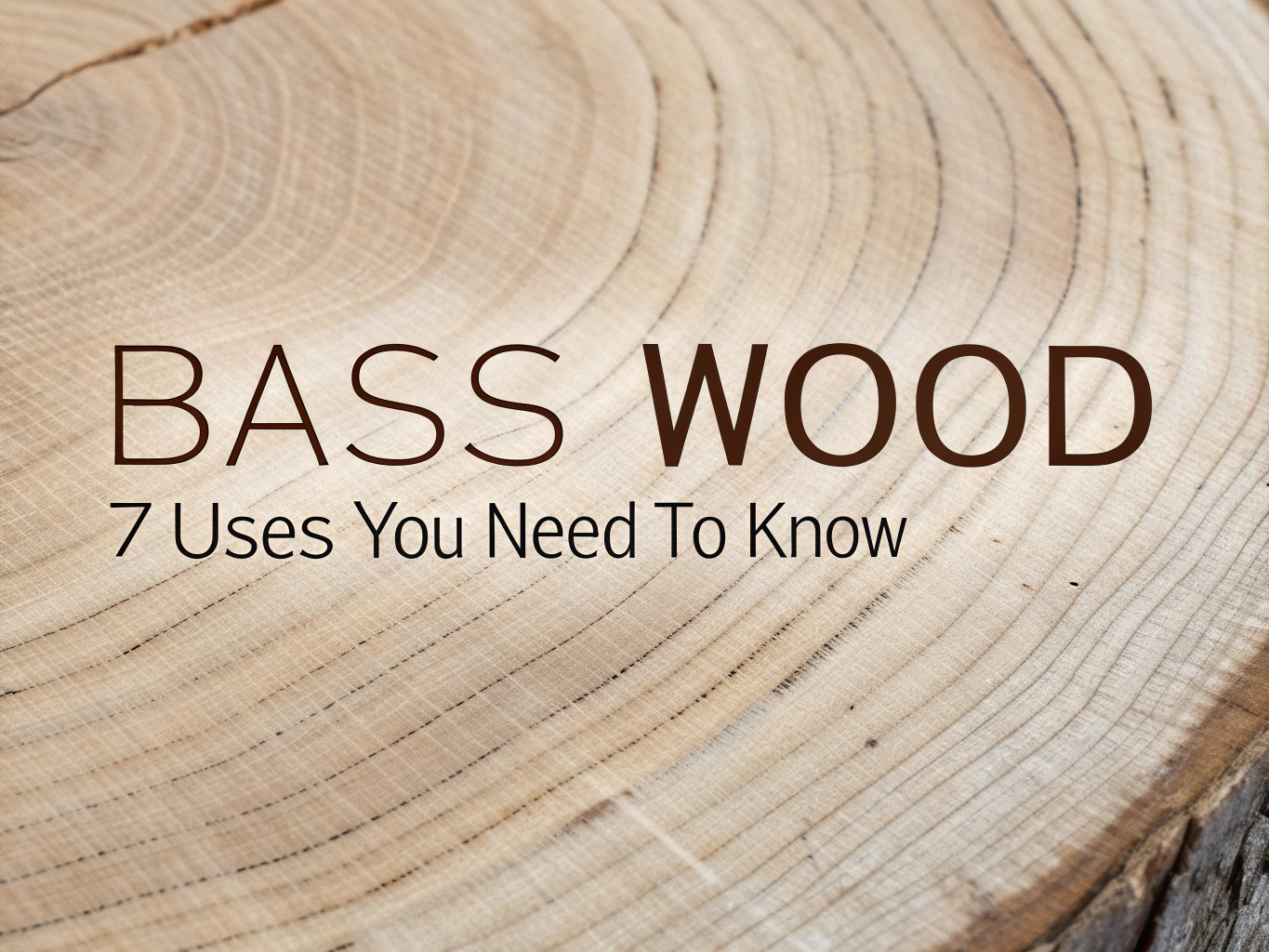

Did you know bass wood is one of the lightest common hardwoods and is prized for its soft, even grain? It carves cleanly, sands smooth, and takes paint well. This post lists seven useful ways to use bass wood, explains key traits, and shows where to buy quality material. Use these simple tips to pick the right form and size for your next project.
Table of Contents
Bass wood is a light, soft hardwood prized for easy carving, clean machining, and smooth finishes. If you’ve asked “what is basswood?”, this guide covers properties, common uses, and where to find bass wood for sale.
What Is Bass Wood?
Physical Characteristics
Basswood (Tilia americana) is pale cream to light tan, with a fine, even texture and subtle grain that hides tool marks. It’s lightweight and soft, which lets tools glide and leaves crisp detail; see the University of Florida’s profile of American basswood for botany and range American Basswood — IFAS UF.
Grain is generally straight with minimal figure, so paint and stain go on evenly. The wood is neutral in odor and taste, which helps for craft, utensil, or display work where a clean finish matters.
Working Properties
Hand tools carve basswood easily, and it sands fast without clogging paper. It glues, nails, and screws well, and it dries with little warp, so parts stay stable after finishing.
Machines (saws, routers, and lathes) leave clean edges at modest feed rates, which helps beginners get pro results. Steam bending isn’t great with this species, so choose other woods for tight curves or high-stress parts; for a quick hardness context, compare stability to is poplar a hardwood.
Availability and Cost
Supply is steady across North America, and pricing sits in a budget-friendly tier for craft and hobby work. You’ll see bass wood for sale as sheets, blocks, and dimensional boards online and in craft stores.
| Form | Common sizes | Typical uses | Relative cost |
|---|---|---|---|
| Sheets | 1/16–1/4 in, 12×12 in | Models, laser cutting, veneers | Low |
| Blocks | 1x1x4 to 2x2x12 in | Whittling, relief carving, figurines | Low–Moderate |
| Boards | 4/4–8/4 thickness | Cabinet parts, millwork, panels | Moderate |
| Veneer | 0.5–1 mm | Plywood faces, inlay, crafts | Low |
1. Carving and Whittling
Hand Carving Benefits
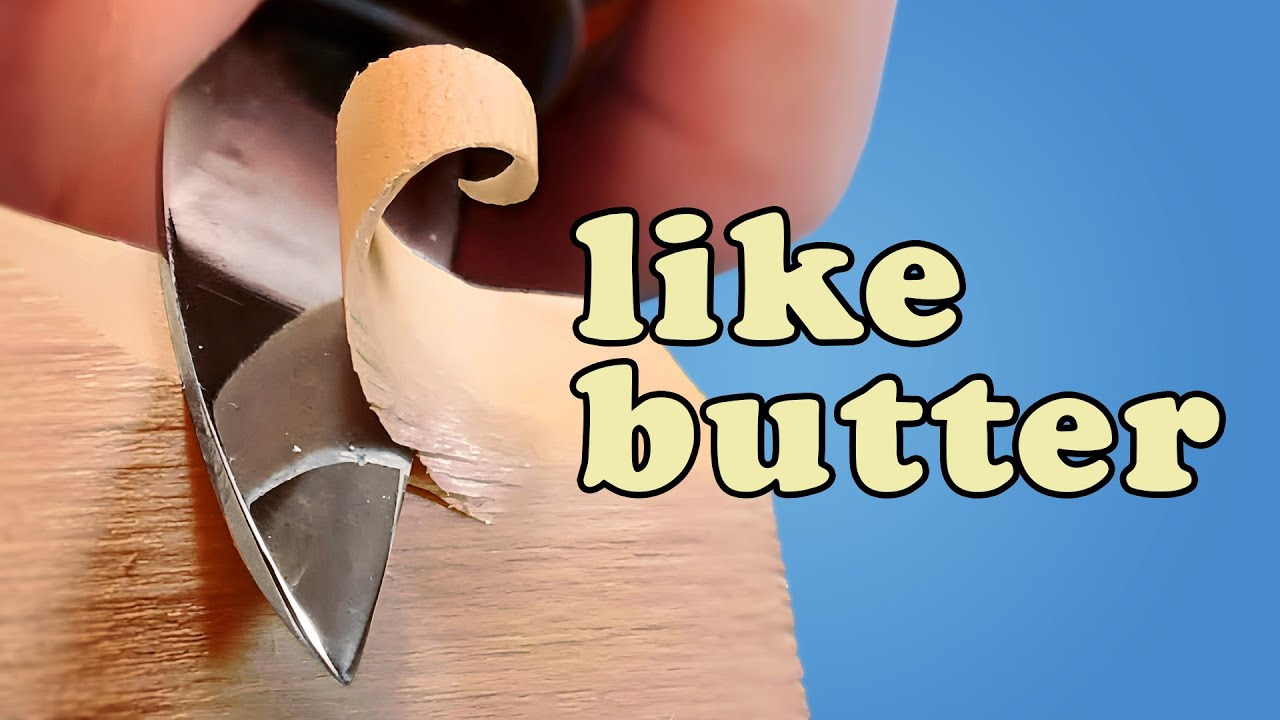
Basswood’s softness lets knives and gouges slice smoothly, so beginners learn faster and experts cut finer lines. Chips release cleanly across and with the grain, which keeps delicate features intact; a concise reference is the basswood profile at woodassistant.com.
- Use sharp tools and a low angle for clean, shiny cuts.
- Moisten tough spots lightly to reduce fuzz and tear-out.
- Skew the blade when slicing end grain to avoid compressing fibers.
- Seal early with thin shellac or sanding sealer to harden fine details.
Professional Applications
Pro carvers rely on basswood for relief panels, figurines, masks, and decoys because it accepts precise undercuts and crisp texture. For repeatable work, rough on a bandsaw, refine with hand tools, then seal, sand to 400 grit, and finish with acrylics or oil colors.
Recommended picks below cover thin sheets and block kits for fast starts.
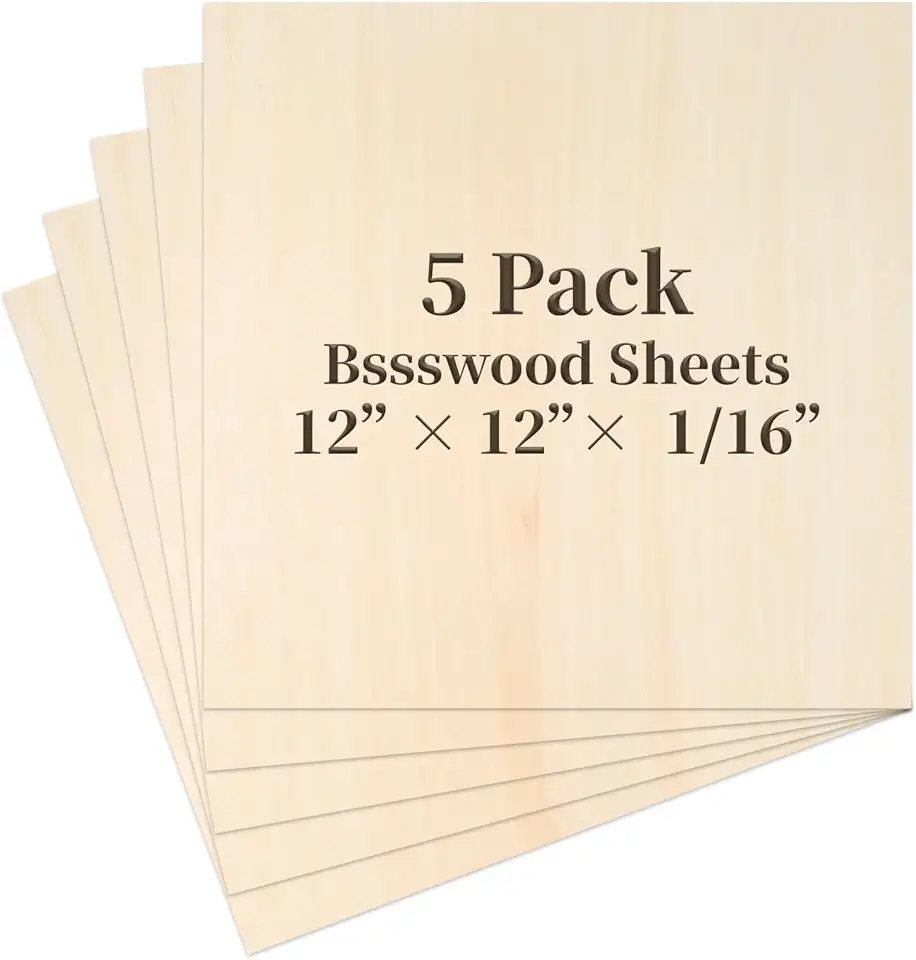
5-Pack 1/16in Basswood Sheets (12x12)
- Thin 1/16in sheets perfect for fine details and scale models
- smooth finish that takes paint, ink, and varnish well
 Buy on Amazon

22-Pack Basswood Carving Blocks — 3 Sizes
- Includes three sizes to suit different carving projects and skill levels
- soft, easy-to-carve basswood
Buy on Amazon

BeaverCraft 16-Pack Basswood Blocks — Beginner Kit
- Soft, easy-to-whittle basswood ideal for beginners and practice
- pre-cut blocks sized for quick projects
Buy on Amazon

BeaverCraft 18-Pack Basswood Carving Blocks — 2 Sizes
- Includes two block sizes for varied carving projects and techniques
- soft, fine-grain basswood that carves smoothly
Buy on Amazon
2. Model Building and Miniatures
Architectural Models
Basswood sheets cut clean edges, score neatly, and glue reliably, which helps with repeatable parts in scale builds. For ultra-light structures, compare with balsa wood, then mix species where strength-to-weight is critical.
Laser Cutting Applications
3mm sheets work well on diode and CO₂ lasers because the pale color burns predictably and the grain stays uniform. Mask with transfer tape for clean edges, then sand lightly before paint or stain for crisp finishes.
- Test passes: start low power, increase gradually for through-cuts.
- Reduce scorching: raise air assist and use fresh masking.
- Keep flat: weight corners to prevent slight cupping during long cuts.
- Finish fast: seal same day to prevent moisture pickup.
Dollhouse Construction
Mini furniture benefits from basswood’s smooth face and easy edge rounding, which speeds sanding and paint work. Use 1/16–1/8 in panels for doors and trim, and keep grain direction consistent to avoid warping in thin parts.
Bulk packs below fit laser cutters and hand tools for consistent results in series builds.

24-Pack 3mm Basswood Sheets (12x12)
- Smooth, sand-ready surface for painting and finishing
- consistent 3mm thickness ideal for laser cutting
Buy on Amazon

48-Pack 3mm Basswood Sheets (12x12)
- Generous 48-sheet supply for long-term crafting
- works great with laser cutters and hand tools
Buy on Amazon

36-Pack 3mm Basswood Sheets (12x12)
- Bulk 36-pack keeps you stocked for projects
- consistent 3mm thickness suited for laser cutting
Buy on Amazon

30-Pack 3mm Basswood Sheets (12x12)
- Thirty sheets give plenty for series of projects
- reliable 3mm thickness for consistent laser and hand cuts
Buy on Amazon
3. Musical Instruments
Guitar Bodies
Electric bodies made from basswood are light, balanced, and easy to rout for pickups and cavities. Builders value its stable blank and neutral tone profile; for species specs, see HardwoodInfo: Basswood.
Wind Instruments
Recorders and parts use basswood for consistent walls and smooth bores that finish quickly. Seal with thin oil or varnish, polish the labium carefully, and ream gradually to maintain clean tone.
4. Furniture and Millwork
Plywood and Veneer
Veneer faces and core plies in basswood are easy to press and trim, giving flat panels with light color ready for paint or stain. Use for drawer bottoms, cabinet backs, and painted furniture where weight matters.
Window Blinds
Venetian slats benefit from low weight, smooth surfaces, and uniform color. Seal both faces and edges to resist humidity, and pick straight-grained stock for consistent slat stiffness.
Cabinet Components
Face frames, drawer parts, and applied trim machine fast in basswood and accept paint without heavy grain filling. For painted boxes, compare strength and cost with poplar wood to match your target weight and budget.
5. Specialized Woodworking
Pattern Making
Foundry patterns often use basswood because it’s dimensionally steady after sealing and easy to repair. Add shellac or epoxy sealer, back up fragile edges with fillets, and label surfaces clearly for repeat casting.
Wood Turning
Turned bowls and ornaments cut smoothly with sharp tools and light cuts. Sand through the grits quickly, burnish, then use wiping varnish or lacquer to add hardness and keep details crisp.
Fine Moulding
Delicate profiles route cleanly, which helps for picture frames and interior trim that will be painted. If you need stronger but still light stock, compare with paulownia wood before choosing cutters and finishes.
6. Industrial Applications
Paper Production
Pulpwood from basswood processes easily and yields clean fibers suited for paper and fiberboard. For context across species and uses, see this overview from the Wood Science Research Institute different types of wood & their uses.
Food-Safe Items
Neutral odor and taste make basswood handy for utensil handles, display trays, and storage dividers. Seal with food-contact finishes where needed, and keep edges eased for comfortable handling.
7. Traditional and Ecological Uses
Herbal Applications
Linden flowers are brewed as soothing tea and feed pollinators that make fragrant honey. For folk uses and tea notes, see this practical guide Medicine & Magic of the Basswood Tree.
Wildlife Benefits
Blooms and fruits support bees, birds, and small mammals through spring and early summer. Planting basswood near diverse species improves forage windows and habitat value.
Fiber Production
Bast fibers from the inner bark twist into cordage, mats, and woven goods. Peel during the right season, rett gently, and dry fully before storage to keep fibers strong.
Bass Wood for Sale: Where to Buy
Online Sources
Search phrases like “bass wood for sale,” “where to buy basswood,” and “basswood blocks” return sheet packs, carving kits, and boards. Compare listings by thickness, grain, and dryness, then pick bundles sized to your tools and project scale.
Local Retailers
Craft stores usually stock thin sheets and small blocks, while hardwood dealers carry thicker boards and veneer. Bring calipers to verify thickness, and select straight-grain stock for carving or laser work.
Product Formats
Common formats include 3mm sheets for lasers, 1/16 in sheets for models, and block assortments for carving. If you’re new, mixed-size packs offer flexibility while you develop favorite dimensions; see two convenient options below.

19-Pack Basswood Carving Block Set — Mixed Sizes
- Varied block sizes give flexibility for small and medium carving projects
- pre-cut, unfinished blocks
Buy on Amazon

12-Pack Basswood Blocks 4x1x1 in — Carving Kit
- Uniform 4x1x1 inch blocks perfect for single-piece carvings
- unfinished surface ready for finishing
Buy on Amazon
Related reads for material choices: compare ultra-light balsa woodworking or explore species like black cottonwood for regional projects.
FAQs
What Is Basswood Used For?
Basswood Is Valued For Carving, Model Making, And Millwork Because It’s Lightweight, Stable, And Has A Fine, Even Grain. It’s Commonly Used For Hand Carvings, Musical Instrument Bodies And Soundboards, Wooden Utensils, Veneers, Plywood, And Interior Furniture And Trim.
Is Basswood Good For Carving?
Yes. Basswood Is One Of The Most Popular Woods For Carving Because It Is Soft, Has A Fine, Uniform Grain, And Cuts Cleanly With Minimal Tearout, Making It Ideal For Beginners And For Detailed Relief And Whittling Projects. It’s Best For Interior Pieces Because It Has Low Natural Decay Resistance.
How Can You Identify Basswood?
Look For A Light, Creamy Color With A Straight, Fine Grain And A Very Soft, Lightweight Feel. Fresh Basswood Has A Mild, Sweet Scent; Growth Rings Are Subtle And The Wood Lacks Strong Figure. For Living Trees, Heart-Shaped Leaves And Smooth, Pale Bark Help Confirm Identification.
What Are The Characteristics Of Basswood?
Basswood Is Lightweight And Soft With A Fine, Even Texture And Straight Grain. It Machines Easily, Glues And Finishes Well, And Holds Detail Nicely For Carving. It Has Low Density And Modest Strength, Low Shrinkage Rates, And Limited Natural Rot Resistance, So It’s Best Suited For Indoor Use.
Is Basswood A Hardwood Or Softwood?
Basswood Is Botanically A Hardwood (It Comes From A Broadleaf Angiosperm), Even Though It Is Physically Soft And Low In Density Compared With Many Other Hardwoods. That Means It’s Classified As Hardwood For Botanical Purposes But Feels More Like A Softwood In Use.