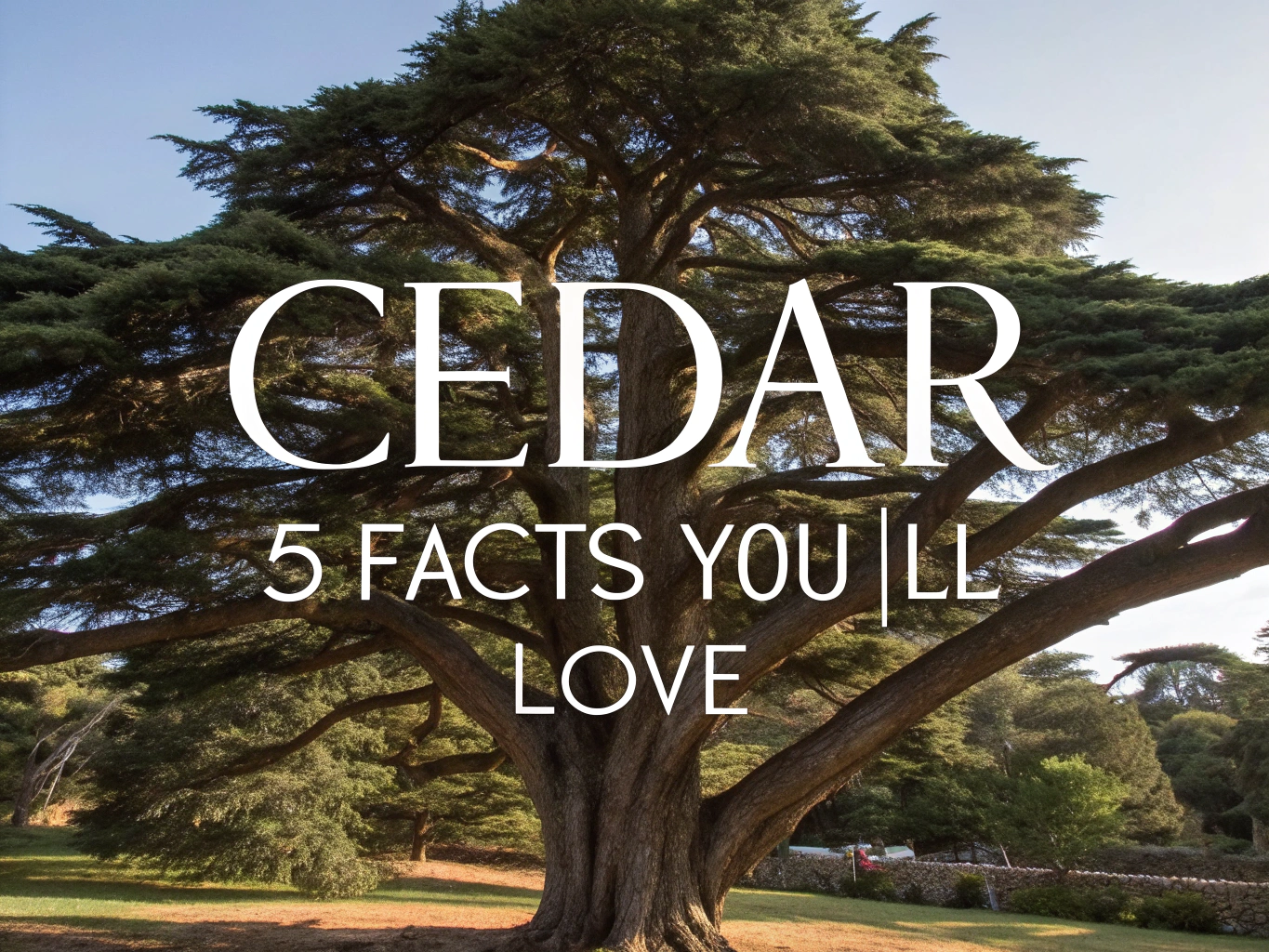

Did you know some cedar of Lebanon trees can live more than 1,000 years? These trees once helped build temples and ships. Their wood is fragrant and their trunks are huge. They are a national symbol and they face growing threats. Read on for five clear facts about the cedar of Lebanon, from how it grows to ways people help it survive.
Table of Contents
The cedar of Lebanon is a monumental evergreen with a story that spans nature, faith, and national identity. This guide explains its key traits, deep history, and practical ways you can support its future.
Natural Majesty of Cedar of Lebanon
Impressive Physical Characteristics
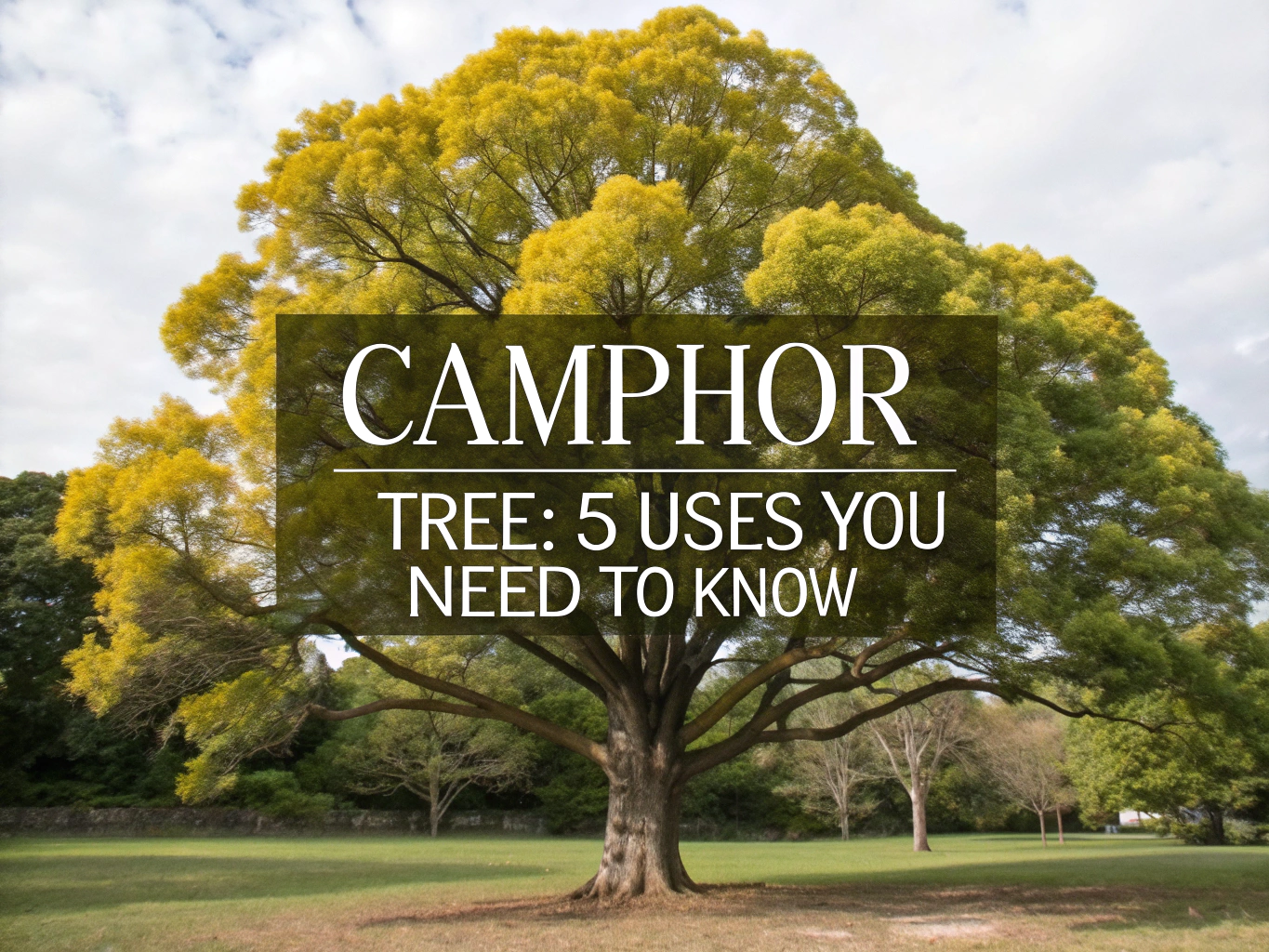
The cedar of Lebanon (Cedrus libani) often reaches 100–130 feet tall with broad, layered crowns and trunk diameters of 5–7 feet. Its wood averages about 32 lbs/ft³ in dry weight and a Janka hardness near 820 lbf, values reported by the Wood Database.
Native Mountain Habitat
Native stands grow on the western slopes of Mount Lebanon at 1,300–3,000 m, where thin, calcareous soils and bright light shape the trees’ flat-topped silhouettes. Old groves favor ridges and terraces that drain well and avoid stagnant moisture, giving the Lebanese cedar room to spread.
Extreme Weather Resistance
These trees handle snow, wind, and summer drought, thanks to deep roots and resin-rich wood. Mature crowns resist storm damage, while cold-tolerant needles keep photosynthesis going through long winters.
Ancient Historical Significance
Biblical and Religious Importance
Texts from the Epic of Gilgamesh to the Old Testament celebrate the Lebanese cedar as noble and enduring; its timbers were famed for King Solomon’s Temple and sacred spaces. For background and images, see the overview at BiblePlaces: Cedar of Lebanon.
“The righteous flourish like the palm tree and grow like a cedar in Lebanon.”
Psalm 92:12
Royal Construction Material
Rulers prized this durable timber for palaces, temples, and city gates, shipping beams along Phoenician trade routes. Its resistance to decay and its aromatic heartwood made it the first choice for long-span roofs and carved doors.
Egyptian Shipbuilding Legacy
Ancient Egypt imported Lebanese cedar for ships and barges that moved stone and grain on the Nile and across the Mediterranean. Light weight for its strength, along with workable grain, made it ideal for hull planks and masts.
National Symbol of Lebanon
Flag and Government Emblems
The cedar tree Lebanon stands at the center of the nation’s flag and official seals, representing steadfast life and renewal. Read more in the entry on Cedrus libani, and show your pride with a durable sticker set
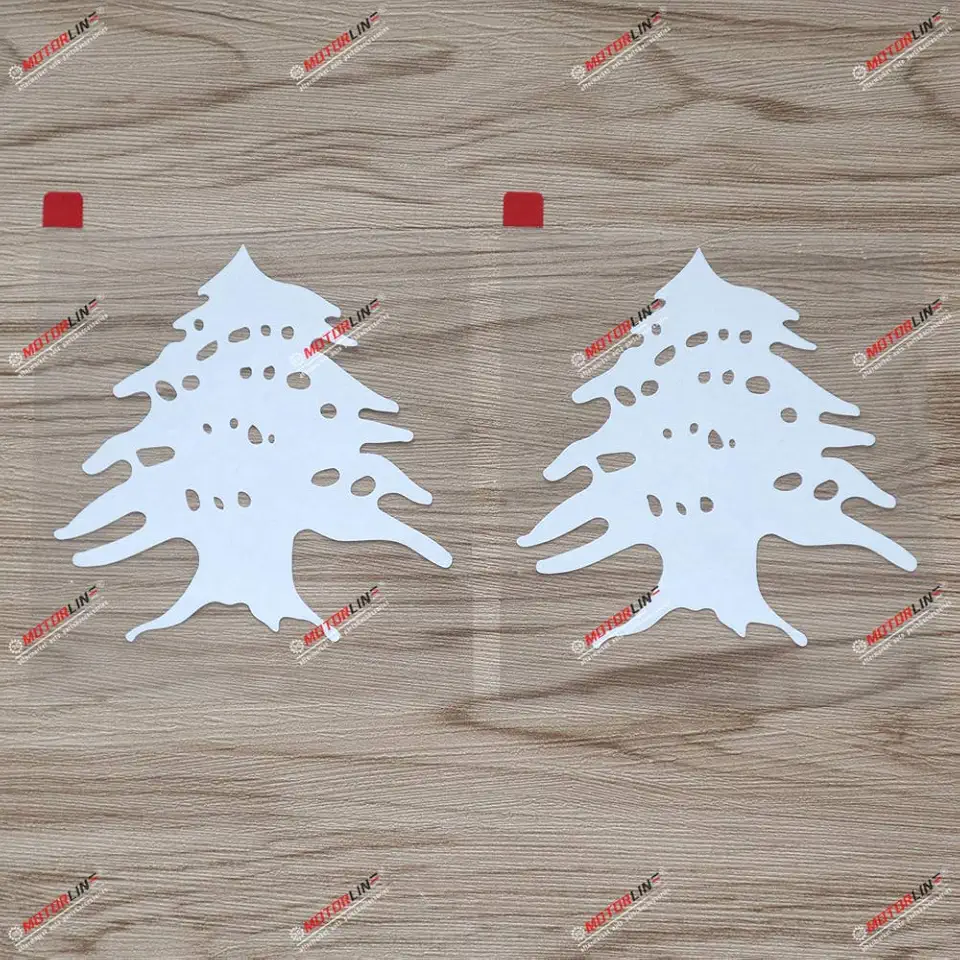
Lebanese Cedar Flag Vinyl Decal — 4-inch (Pack of 2)
- Durable vinyl decals with die-cut no-background design for a clean look
- Weatherproof and UV-resistant for outdoor and vehicle use
- Easy peel-and-stick application on cars, laptops, and windows
- White cedar flag design offers bold visibility and cultural pride
- Includes two 4-inch stickers for multiple placements
 Buy on Amazon
UNESCO World Heritage Status
The “Cedars of God” reserve gained UNESCO listing in 1998, recognizing centuries of protection by local communities. This status highlights both cultural memory and the rare high-altitude forest that still survives.
Cultural Tourism Destination
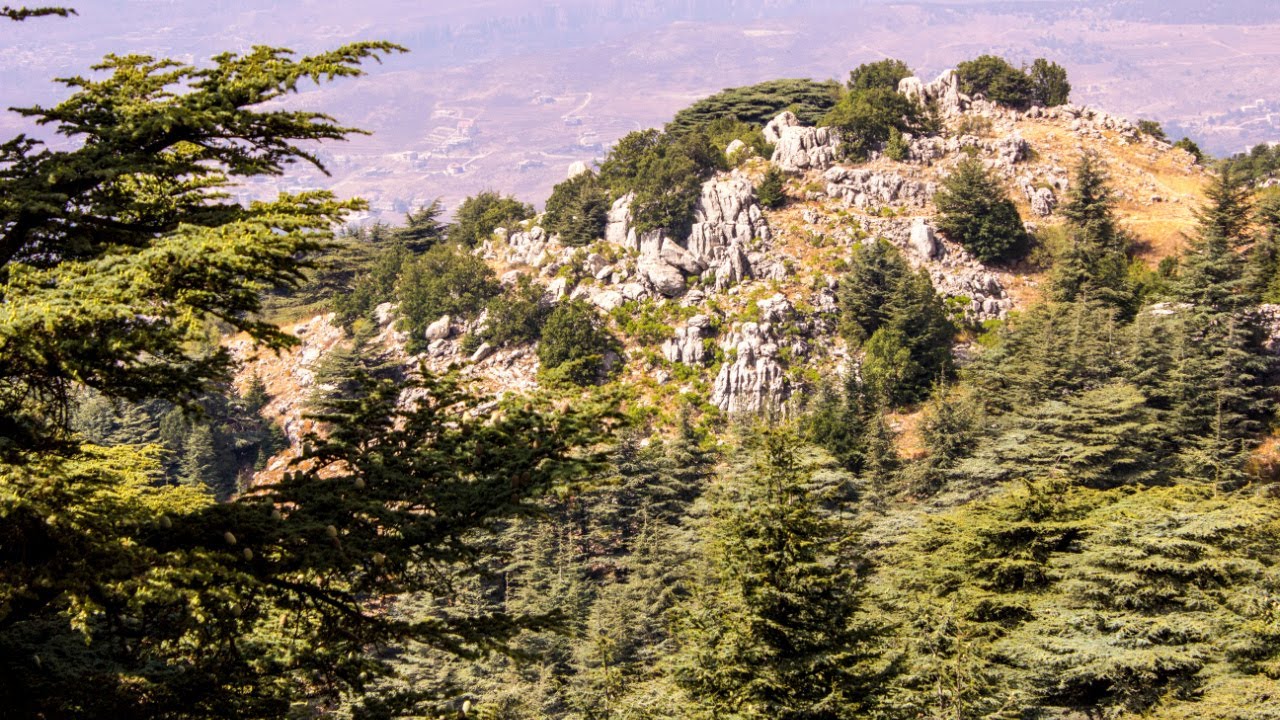
Travelers visit Bsharri and the Esh-Shouf Reserve to walk among ancient trunks and learn how villagers manage heritage groves. Winter brings snowshoe paths under sweeping branches, while summer opens highland trails with wide views.
Conservation Status and Threats
Vulnerable Species Classification
Population fragmentation and a small area of occupancy place Cedrus libani on the IUCN Red List as “Vulnerable,” with remaining forests split into high-altitude pockets. A peer‑reviewed overview appears in iForest (SISef).
Deforestation and Habitat Loss
Historic logging, heavy grazing, and expanding towns reduced once-vast cedar ranges to isolated stands. Large patches persist mainly inside reserves, where young trees can grow without livestock pressure.
- Historic timber extraction removed old-growth seed sources.
- Goat and sheep grazing suppressed natural regeneration.
- Urbanization and road building fragmented habitat corridors.
- Wildfires and pests pose periodic regional risks.
Protected Reserves and Restoration
Esh-Shouf Cedar Reserve holds about one-quarter of Lebanon’s remaining cedars and runs nurseries, fencing, and guided education. Community planting days and school projects help expand buffer zones around legacy groves.
Botanical Features and Growth Cycle
Evergreen Characteristics
Lebanon cedar keeps its needles all year, forming tiered branches with blue-green foliage that captures light even in winter. Young trees handle partial shade, then seek full sun as crowns widen, a pattern described by Yale Naturewalk.
Cone Production and Seeds
Trees set upright cones in cycles of about two years, which release winged seeds that ride mountain winds in spring. Gardeners can grow new stock from stratified seed, then plant in open, draining soil

Lebanon Cedar Tree Seeds (30+ Pack)
- Includes 30+ seeds of Cedrus libani for planting and cultivation
- Perfect for gardeners, collectors, and restoration projects
- Ideal for growing majestic, long-lived trees that suit landscapes and bonsai
- Useful for educational planting projects and heritage tree propagation
- Supplied for hobbyists with basic planting guidance
Buy on Amazon
Family Classification
This species belongs to the Pinaceae family and sits among four primary species in the genus Cedrus. Some catalogs even label it “lebanon cedrus libani,” while related species include the Atlas cedar.
Thousand-Year Lifespan
Veteran specimens often pass 1,000 years, with broad plates of bark and sweeping limbs that signal age and resilience. These elders serve as seed banks and living records of climate and care.
| Feature | Typical Value |
|---|---|
| Mature height | 30–40 m (100–130 ft) |
| Trunk diameter | 1.5–2.1 m (5–7 ft) |
| Altitude range | 1,300–3,000 m |
| Wood density (dry) | ~520 kg/m³ (32 lbs/ft³) |
| Janka hardness | ~820 lbf (3,670 N) |
| Cone cycle | Every 2 years; spring seed release |
| Typical lifespan | >1,000 years |
Traditional Uses and Applications
Religious Anointing Oils
Holy sites have long used cedar-scented oils for prayer and rites, reflecting purity and steadfastness. Modern blends keep that tradition alive with smooth carriers and concentrated fragrance.
Here are well-known options that many congregations use today:
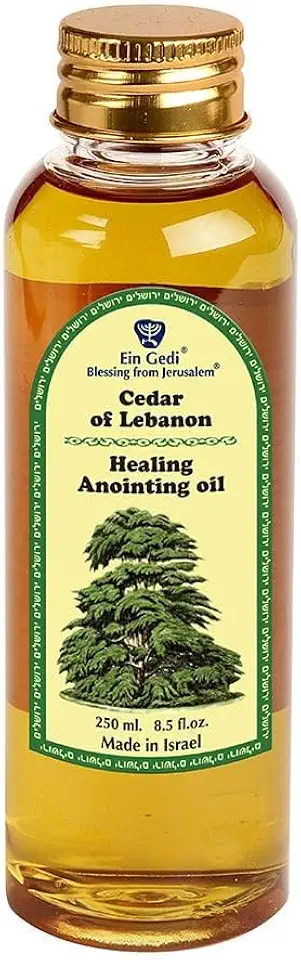
Cedar of Lebanon Anointing Oil (250ml)
- Authentic Holy Land blend made in Jerusalem for traditional anointing
- Rich cedar aroma that supports prayer, meditation, and reflection
- Large 250ml bottle for long-lasting personal or communal use
- Crafted from natural ingredients with a smooth application
- Ideal for blessings, ceremonies, and meaningful gifts
Buy on Amazon

Cedar of Lebanon Blessed Anointing Oil (250ml)
- Blessed anointing oil infused with cedar of Lebanon scent for spiritual use
- Produced in Jerusalem to reflect traditional Holy Land craftsmanship
- Smooth, pleasant aroma suited for prayer, meditation, and blessing ceremonies
- Generous 250ml bottle for frequent personal or shared use
- Makes a meaningful gift for religious milestones and gatherings
Buy on Amazon
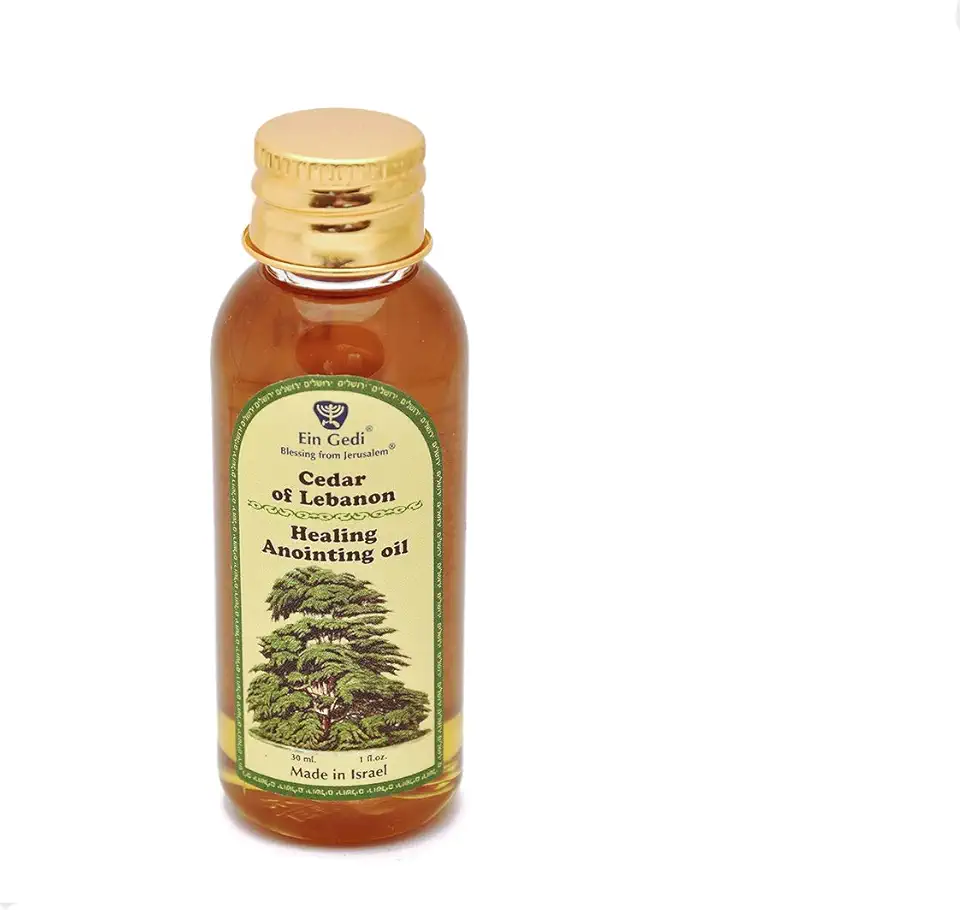
Ein Gedi Cedar Anointing Oil (30ml)
- Compact 30ml size perfect for travel or carrying to services
- Genuine Ein Gedi oil sourced from the Holy Land
- Concentrated cedar scent for focused prayer and meditation
- Easy to apply for personal blessings and rituals
- Thoughtful small gift or keepsake for faith-based occasions
Buy on Amazon

Ein Gedi Cedar Anointing Oil — Gold Collection (12ml)
- Premium 12ml Gold Collection bottle for elegant presentation and gifting
- Made in the Holy Land with traditional cedar of Lebanon blend
- Concentrated formula ideal for personal devotion and small ceremonies
- Compact size perfect for travel, pockets, or keeping at hand
- Beautiful gift-ready packaging for special spiritual occasions
Buy on Amazon
Woodworking and Construction
Builders and artisans turn Lebanese cedar into veneer, cabinetry, chests, boxes, and turned pieces. For sheet goods that match cedar projects, consider cedar plywood, and review species basics here: cedar wood.
Ornamental Landscaping
Parks and estates plant libani cedar for its sweeping tiers and shade, spacing young trees widely to develop broad crowns. In towns with heat and dry summers, deep watering in early years helps roots settle for long life.
From history to horticulture, the cedar of Lebanon—also called Lebanon cedar, Lebanese cedar, and the cedar tree Lebanon—remains a living icon. Many gardeners and collectors preserve it through seed projects, teaching others why these mountainside giants matter.
FAQs
What Are The Main Uses Of Cedar Of Lebanon Wood?
Cedar Of Lebanon Wood Is Valued For Furniture, Interior Joinery, Outdoor Construction And Decorative Veneers Because It’s Durable, Naturally Resistant To Rot And Insects, And Has A Distinctive Aromatic Scent. Historically It Was Used For Shipbuilding, Temples And Palaces; Today It’s Common In Cabinetry, Closets, Chests And Architectural Accents, And Its Oil And Shavings Are Used For Fragrance And Pest-Repellent Purposes.
How Can You Identify A Cedar Of Lebanon Tree?
You Can Identify A Cedar Of Lebanon By Its Broad, Flat-Topped Crown And Horizontal Tiered Branches, Dense Clusters Of Short, Dark-Green Needles On Short Shoots, Thick Grey-Brown Fissured Bark On Mature Trees, And Upright Barrel-Shaped Cones That Sit On Branches. Its Distinctive Silhouette And Large Size Help Differentiate It From Other Conifers.
How Tall Do Cedar Of Lebanon Trees Typically Grow?
Mature Cedar Of Lebanon Trees Typically Reach Between 20 And 40 Meters (65–130 Feet) Tall In Ideal Conditions, Though Some Historic Specimens Have Grown Even Taller. They Are Slow-Growing And Long-Lived, So Height Can Vary With Age, Site Quality And Local Climate, And Cultivars Or Young Landscape Trees Will Be Much Smaller.
Is Cedar Of Lebanon A Good Choice For Landscaping?
Cedar Of Lebanon Can Be An Excellent Specimen Tree For Large Landscapes Because Of Its Majestic Form, Evergreen Foliage And Drought Tolerance Once Established. However, It Needs Plenty Of Space, Well-Drained Soil And Full Sun, And It Grows Slowly — So It’s Not Suited To Small Gardens Or Tight Plantings. Consider Mature Size, Soil Conditions And Local Climate Before Planting.
Are Cedar Of Lebanon Trees Protected Or Endangered?
In Its Native Range, Cedar Of Lebanon Faces Habitat Loss And Historical Overharvesting, And Many Populations Are Managed Or Legally Protected; Conservation And Reforestation Programs Exist To Preserve Remaining Stands. Protection Status Varies By Country, So Check Local Laws And Conservation Listings If You Plan To Harvest Or Transplant Specimens.