

Slash pine (Pinus elliottii) is a fast-growing evergreen conifer in the Pinaceae family, native mainly to the warm coastal plain of the southeastern United States. This tall pine has long bundled needles, prickly cones, plated bark, valuable timber and resin, and strong ties to flatwoods, wetlands, wildlife habitat, and regional forestry.
Table of Contents
What Is a Slash Pine?
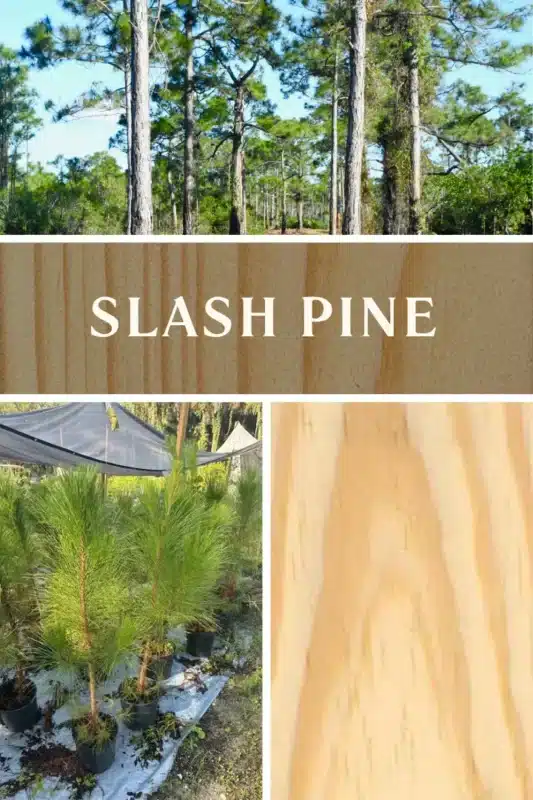
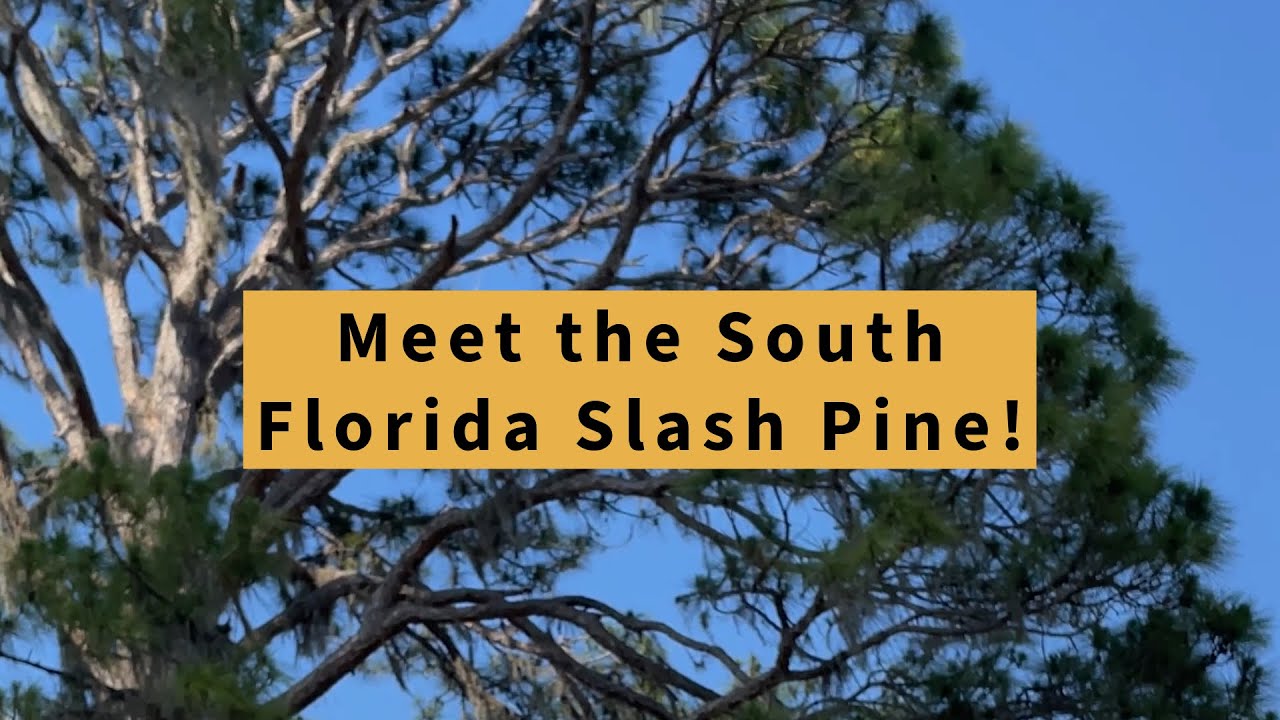
A slash pine tree is a tall southern yellow pine adapted to humid summers, mild winters, full sun, and seasonally moist soil. Mature trees commonly stand 60–100 feet tall, though site quality, competition, genetics, storms, and past damage produce substantial variation.
Taxonomy and Common Names
The accepted scientific name is Pinus elliottii Engelm., within the genus Pinus and family Pinaceae. Common names include slash pine, southern slash pine, yellow slash pine, swamp pine, South Florida slash pine, and Dade County pine.
Name Origin and History
The word “slash” refers to low, wet ground historically called slashes, where the species often grew among brush and shallow seasonal water. Resin workers also cut pine trunks, but habitat—not resin-tapping cuts—is the accepted explanation for the common name.
Key Size and Form
Forest-grown trees usually develop a straight, clear trunk with the crown held high above the ground. Open-grown specimens retain more side branches and may spread 30–50 feet, producing an irregular crown rather than dense, low shade.
Needles, Cones, and Bark
The apparent slash pine leaf is actually a slender evergreen needle, usually 7–12 inches long and carried in bundles called fascicles. Most bundles contain two or three glossy, dark-green needles; mature cones are commonly 3–6 inches long with sharp prickles.
Young bark feels fairly smooth, while an old pine tree develops rough reddish plates separated by dark grooves. Mature bark feels dry and flaky under the fingertips, and fallen needles create a springy, resin-scented mat that crackles softly underfoot.
Hardiness and Longevity
Slash pine is most at home in roughly USDA zones 8–11, though local seed origin affects cold performance. A healthy tree can live beyond a century and may approach 200 years; restricted roots, construction, decay, and hurricanes often shorten urban life.
How to Identify a Slash Pine

Reliable slash pine identification combines needles, cones, bark, crown form, location, and habitat. Needle count alone causes frequent errors because loblolly, pond, and other southern pines can carry overlapping bundle counts and lengths.
Needle and Fascicle Clues
Check ten or more fascicles from healthy branches. Slash pine needles are like long flexible wires: glossy, narrow, slightly curved, and commonly grouped in twos or threes. Red spruce needles are short and attached singly, making spruce readily separable from this pine.
Cone and Bark Clues
Look for glossy brown cones with a raised center on each scale and a small sharp prickle. Wear gloves while handling dry cones; the points can catch skin. Mature orange-brown or reddish-brown bark breaks into irregular plates rather than thin, papery scales.
Crown and Trunk Form
Young slash pines have a conical outline, while older open-grown trees develop a high irregular crown. Dense stands produce straighter trunks and fewer low limbs. Storm breakage, topping, or roadside pruning can erase these visual clues.
Location and Habitat
A suspected tree is more likely to be slash pine in Florida and the lower coastal plains from South Carolina to southeastern Louisiana. Its typical habitat includes flatwoods, pond edges, low sandy ground, and seasonally wet savannas, as shown in the USDA Forest Service species account.
Identification Checklist
Use this field checklist before assigning a species name:
- Confirm that most healthy fascicles contain two or three needles.
- Measure several needles and look for a common range near 7–12 inches.
- Inspect glossy brown cones for small prickles.
- Look for reddish- or orange-brown plated bark on mature trees.
- Assess the trunk, crown, geographic range, and soil moisture pattern.
- Compare the specimen with loblolly, longleaf, pond, pitch, and sand pine.
Varieties, Range, and Ecology
Slash pine has two recognized varieties with different ranges and early growth patterns: typical slash pine and South Florida slash pine. Matching the variety and regional seed source to the site can affect survival, cold injury, disease response, and restoration value.
Typical Slash Pine
Pinus elliottii var. elliottii occupies most of the species’ natural range. It begins conventional height growth fairly early and has been planted widely for pulpwood, lumber, poles, resin, and reforestation across the lower Atlantic and Gulf coastal plains.
South Florida Slash Pine
Pinus elliottii var. densa, called South Florida slash pine or Dade County pine, occurs in southern Florida. Juveniles may remain short and densely needled before their stems lengthen, a trait that can be mistaken for poor growth.
Native and Introduced Range
The native range extends through much of Florida and adjoining coastal-plain areas from southern South Carolina west to southeastern Louisiana. Forestry operations have introduced the species to warm parts of Australia, Asia, South America, and southern Africa, so a plantation outside the United States isn’t native habitat.
Habitats and Moisture
Slash pine tolerates seasonal wetness better than many pines, but wetness isn’t flooding. Flatwoods soils may become saturated during rainy periods and regain oxygen later. Compacted fill or stagnant water can keep roots oxygen-starved long enough to cause yellowing, weak growth, and root loss.
Fire and Wildlife Value
Periodic fire historically limited hardwood competition and maintained many pine-flatwoods and pine-rockland communities. Young typical slash pines have thin bark and exposed growing points, while older trees gain greater fire tolerance as their bark thickens. Prescribed burns require trained crews and lawful planning.
Birds and small mammals eat the winged seeds, and large pines provide roosting and nesting structure. Habitat quality rises when a planting retains a diverse native understory instead of becoming a dense, shaded block with little ground vegetation.
Why Provenance Matters
Provenance means the geographic origin of seed or parent trees. Stock from distant climates may flush at the wrong time, suffer cold damage, or fit poorly in local restoration. Ask for the variety and seed zone, especially for South Florida pine-rockland work.
Growth and Planting Requirements

Slash pine grows best in full sun on acidic, aerated soil with reliable moisture during establishment. Its mature height, broad root system, falling cones, and high crown make site selection more significant than early growth speed.
Growth Rate and Size
The species is classed as fast growing, yet no fixed annual rate applies across every property. Warm soil, steady moisture, healthy roots, and low competition support quick extension; drought, shade, circling roots, and pests slow it. Plan around a 60–100-foot tree, not its nursery height.
Sun, Soil, and Water
Choose a position receiving at least six hours of direct sun. Sandy or seasonally moist acidic soils can work well if roots receive air. During establishment, water the root ball and nearby soil deeply, then let excess water drain; constant saturation invites root decline.
Climate and Coastal Exposure
Hot summers, mild winters, humidity, and substantial rainfall suit slash pine. Coastal origin doesn’t mean immunity to direct salt spray or storm surge. Repeated saltwater flooding can burn needles and kill roots, so exposed beachfront sites need a species with higher salt tolerance.
Site Selection and Spacing
Keep a slash pine away from overhead lines, roofs, confined courtyards, septic components, and narrow strips. Residential spacing must allow a 30–50-foot crown and safe clearance. Forestry spacing assumes future thinning; copying it around a house creates permanent crowding.
Container Tree Planting
Inspect roots before planting. Slice or straighten circling outer roots rather than hiding them in the hole. Dig two to three times wider than the root ball but no deeper, place the first major root at grade, backfill with native soil, and expose the root flare.
Apply 2–3 inches of mulch over the planting area while leaving several inches clear around the trunk. A mulch volcano holds moisture against bark and can conceal girdling roots. Utility-location services should mark buried lines before digging.
Establishment and Maintenance
Practical field results often come down to root-ball moisture. The surrounding soil may feel damp while a peat-heavy nursery ball feels light, dry, and hard inside. Check both zones by hand, maintain a turf-free ring, remove temporary stakes, and avoid routine fertilizer without soil evidence.
Practical notes from real-world use: a smaller tree with straight, fibrous roots often establishes better than a taller specimen packed with woody circling roots.
Planting observation
Growing From Seed
Sow fresh, traceable seed shallowly in a clean, free-draining medium. Keep it evenly moist rather than soggy and provide bright light after emergence. Some seed lots benefit from moist chilling, while others germinate without it; follow lot-specific instructions rather than one fixed treatment.
Seedlings need deep containers before roots begin circling. Damping-off often starts where stale, wet air meets saturated medium, leaving a pinched stem that folds at soil level. Clean trays, airflow, careful watering, and gradual outdoor acclimation reduce early seedling losses.
Slash Pine vs Similar Pines
Slash pine differs from nearby species through a combination of fascicle count, needle length, cone armature, bark, habitat, and range. A single feature can mislead, particularly in young, damaged, planted, or hybrid-looking trees.
Loblolly Pine
Loblolly pine usually carries three needles per fascicle, though two may occur, and its average needles are shorter. It occupies a much broader southeastern range. Its cones often look duller and may remain attached longer, but these are supporting clues, not standalone proof.
Longleaf Pine
Longleaf pine usually has three exceptionally long needles crowded near branch tips, large cones, and a prominent silvery terminal bud. Its grass stage is distinctive, though juvenile South Florida slash pine can look superficially similar. Check cone size, bud form, location, and several needle bundles.
Pond Pine
Pond pine favors wet ponds and pocosins, commonly holds persistent cones, and may send new shoots from its trunk after fire or injury. Slash pine tends to have longer, glossier foliage and a taller timber form. Pitch pine can also resprout, making trunk shoots a useful comparative clue.
Comparison Table
| Characteristic | Slash pine | Loblolly pine | Longleaf pine | Pond pine |
|---|---|---|---|---|
| Scientific name | Pinus elliottii | Pinus taeda | Pinus palustris | Pinus serotina |
| Needles per fascicle | Usually 2–3 | Usually 3; sometimes 2 | Usually 3 | Usually 3 |
| Common needle length | About 7–12 in. | About 6–9 in. | About 8–18 in. | About 6–8 in. |
| Typical habitat | Coastal flatwoods and moist lowlands | Broad range of moist southeastern sites | Sandy uplands and flatwoods | Wet ponds and pocosins |
| Useful field clue | Glossy long needles; prickly cones | Broad range; often persistent cones | Large bud, cone, and needle clusters | Trunk sprouting; persistent cones |
Common Identification Mistakes
Beginners often inspect one fallen fascicle, ignore planted trees outside their native range, or identify a storm-damaged crown by shape. Another error is treating every long-needled southern pine as slash pine. Collect attached foliage and cones when permitted, then compare multiple independent traits.
Diseases, Pests, and Storm Risks
The main slash pine diseases include fusiform rust, pitch canker, and Heterobasidion root disease. Bark beetles, tip moths, compacted soil, root cutting, and sudden wind exposure cause further losses. Established trunk and root infections rarely have a simple chemical cure.
Fusiform Rust
Fusiform rust, caused by Cronartium quercuum f. sp. fusiforme, forms spindle-shaped branch or trunk galls. Orange spores may appear seasonally. Main-stem galls can distort wood and raise breakage risk; removing every nearby oak is neither practical nor ecologically sound.
Pitch Canker
Pitch canker produces resin-soaked lesions, dying shoots, and scattered brown branch tips called flagging. Sticky resin may bead on bark and carry a sharp turpentine smell. Reduce avoidable wounds and disinfect pruning equipment where disease is suspected; repeated attacks can cause serious crown decline.
Heterobasidion Root Disease
Heterobasidion root disease decays roots and lower stems, causing thin crowns, reduced growth, or windthrow. Aboveground symptoms resemble drought and compaction, so diagnosis may require root-collar inspection or laboratory work. Fruiting bodies near the stem base provide a strong warning sign.
Beetles and Tip Moths
Engraver and bark beetles often colonize drought-stressed or injured trees. Resin tubes, fine boring dust, fading needles, and galleries beneath loose bark warrant attention. Tip moths deform young shoots but rarely threaten a mature tree. Correct the underlying stress rather than spraying every pine.
Soil and Nutrient Stress
Compaction, alkaline soil, added fill, drainage changes, and root burial can turn needles pale. Yellow foliage doesn’t prove fertilizer deficiency. Check moisture, soil pH, root-flare depth, construction history, and pests first; excess fertilizer can stimulate weak growth or worsen salt stress.
Storm and Root Damage
Storm resistance depends on root depth, soil saturation, decay, crown balance, trunk defects, and prior trenching. Removing neighboring trees suddenly exposes remaining crowns to loads they haven’t experienced. Roots cut for paving or utilities reduce stability, sometimes years before visible failure.
A leaning tree, cracked soil, hanging branches, fungal decay, or a trunk gall near an occupied structure needs assessment by a qualified arborist. Never stand beneath a damaged pine during wind, and don’t attempt chainsaw work on loaded hanging limbs.
Slash Pine Uses and Yard Suitability
Slash pine supplies lumber, pulp, poles, plywood, resin, habitat, and regional character. It works best on large properties where its mature height and litter can be accommodated. Small urban lots rarely provide the clearance and root space this species needs.
Timber and Pulpwood
Slash pine is sold within the broader southern yellow pine group and used for structural lumber, plywood, pulp, poles, pilings, and railroad ties. Structural applications depend on grading, treatment, and engineering requirements rather than species reputation alone; see related construction wood guidance.
Resin and Naval Stores
Workers historically tapped slash pine for oleoresin, which was processed into rosin and turpentine for the naval-stores trade. Fresh resin feels tacky and carries an intense pine odor. Homeowners shouldn’t cut trunks for casual collection because wounds can invite insects, disease, and structural defects.
Landscape and Restoration Uses
Useful roles include reforestation, flatwoods restoration, wildlife plantings, naturalized acreage, and mixed windbreaks. Restoration success depends on local genetics, hydrology, fire planning, and native groundcover. Planting rows of unknown nursery stock isn’t equivalent to rebuilding a functioning pine ecosystem.
Suitable Properties
Good sites have full sun, warm climate, open sky, aerated acidic soil, and room for a 60–100-foot evergreen. Rural acreage and broad natural areas can absorb needle fall and cones without conflict. The tree also suits owners who prefer high filtered shade over a dense low canopy.
Poor Planting Sites
Avoid tiny lots, utility corridors, narrow medians, compacted courtyards, permanently flooded ground, and positions close to roofs. Wind-exposed sites with shallow soil deserve extra caution. Pine needles can clog gutters, while cones and resin create maintenance issues near parking and busy walkways.
Slash Pine Root Concerns
Slash pine roots aren’t accurately described as simply invasive. Young trees may form a taproot where soil permits, backed by wide lateral roots. High water tables, hardpans, and compaction push roots closer to the surface, where cramped infrastructure raises the chance of pavement conflicts.
Buying Slash Pine Trees and Seeds
Choose among starter trees, container stock, seeds, and bulk packs according to available land, labor, watering capacity, and project timescale. Before ordering, verify botanical identity, variety, provenance, actual plant dimensions, shipping restrictions, and the seller’s live-arrival policy.
Live Starter Trees
Small live trees bypass seed germination and usually ship more cheaply than large pots. Their limited root mass dries quickly after planting, so unpack them at once and check moisture. A three-tree pack only makes sense if the property has three permanent sites.

Slash Pine Live Tree Pack
- Includes three live slash pine plants
- Pinus elliottii evergreen species
- Fast-growing choice for spacious landscapes
- Can develop into a tall shade tree
- Suitable for warm-climate planting
 Buy on Amazon
Container-Grown Trees
A gallon-pot tree provides more immediate height than seed, but container size doesn’t prove root quality. Slide the root ball out before planting and reject severely kinked, girdling, foul-smelling, or blackened roots. A smaller healthy specimen may outperform a root-bound larger tree.

Gallon-Pot Slash Pine Tree
- One live slash pine in a trade gallon pot
- Pinus elliottii evergreen species
- Larger starter size than seeds
- Fast-growing option for landscape planting
- Ideal for warm climates with ample space
Buy on Amazon
Seed Propagation Packs
Seeds cost less per potential tree and work for propagation practice or nursery-style projects. They also bring uncertain germination, early mortality, labor, and a longer wait. Confirm harvest date, storage conditions, species identity, and geographic origin; a count of 100 seeds doesn’t promise 100 viable seedlings.

100 Premium Slash Pine Seeds
- Contains one hundred slash pine seeds
- Pinus elliottii species for home growing
- Lets gardeners start trees from seed
- Good quantity for nursery-style projects
- Best suited to warm growing regions
Buy on Amazon
Bulk Planting Packs
Bulk packs may suit acreage, restoration trials, or planned windbreaks. Calculate permanent spacing, expected mortality, irrigation labor, deer pressure, mowing protection, and future thinning before purchase. Crowding ten trees into residential space to reduce unit cost creates a costly later problem.
10-Pack Slash Pine Trees
- Includes ten live slash pine plants
- Pinus elliottii evergreen species
- Useful for larger planting projects
- Fast-growing choice for spacious landscapes
- Can mature into tall shade trees
Buy on Amazon
Price, Shipping, and Provenance
Compare the delivered cost per living plant, not the listing total. Review container volume, actual height, pack count, shipping charge, dispatch season, replacement terms, and state plant rules. Larger stock costs more to ship and may arrive with greater root disturbance.
For habitat restoration, provenance should outweigh the lowest purchase price. Request documentation showing typical slash pine or South Florida slash pine and the seed’s collection region. For an ordinary large yard, healthy roots and climate fit remain the best buying filters.
FAQs
What Is A Slash Pine Tree?
A slash pine is a fast-growing evergreen pine native to the southeastern United States. It is valued for its long needles, tall straight trunk, and ability to grow in warm, humid, and sometimes wet soils.
Slash pine is commonly planted for timber, wildlife habitat, windbreaks, and large landscape spaces.
How Do You Identify A Slash Pine?
You can identify a slash pine by its long, dark green needles, usually grouped in pairs or threes. Its reddish-brown bark becomes deeply furrowed and plated as the tree matures.
Slash pine also produces glossy brown cones that are typically 3 to 6 inches long and often remain on branches for several years.
How Fast And Tall Does A Slash Pine Grow?
A slash pine can grow about 2 to 3 feet per year in good conditions. Mature trees commonly reach 60 to 100 feet tall, with some growing taller in natural forests.
Growth is best in full sun, warm climates, and moist but well-drained soil. Young trees benefit from regular watering until their roots become established.
What Is The Difference Between Slash Pine And Loblolly Pine?
Slash pine generally has longer needles and prefers warmer, wetter coastal soils than loblolly pine. Loblolly pine has shorter needles, a broader crown, and adapts well to a wider range of inland soils.
Both are fast-growing southern pines, but slash pine is usually better suited to Florida and the Gulf Coast.
Is A Slash Pine Suitable For A Yard?
A slash pine can be suitable for a large yard with full sun and plenty of overhead space. It grows tall and develops a substantial root system, so it should be planted well away from homes, power lines, driveways, and septic systems.
It is best used as a specimen tree, windbreak, or screen on spacious properties.
Affiliate Disclosure: Some links in this post are affiliate links. If you make a purchase through these links, we may earn a small commission at no extra cost to you. We only recommend products we genuinely believe in.