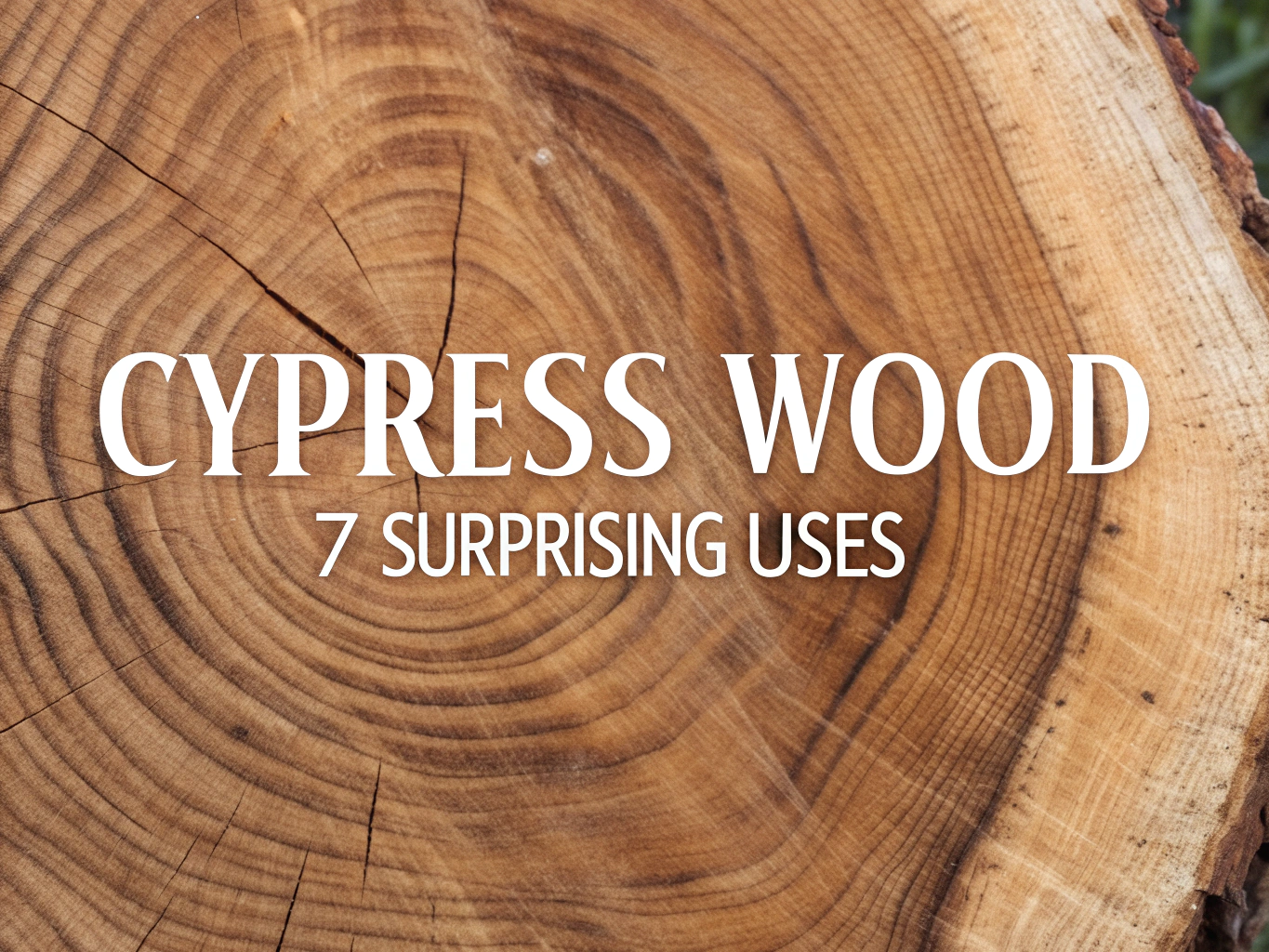

What is cypress wood? Ever wonder why old docks and garden furniture smell warm and fresh? That scent often comes from cypress lumber. This wood resists rot and pests naturally. It handles moisture well and stays attractive for years. Read on to see seven uses and easy care tips that make cypress wood a smart choice for many projects.
Table of Contents
Cypress wood brings a rare mix of beauty, durability, and easy workability to outdoor and indoor projects. Use this guide to learn what cypress is, why it lasts, and how to design projects that look great and hold up for decades.
What is Cypress Wood?
Natural Properties and Characteristics
Cypress lumber comes from conifer trees found in the southern U.S. and parts of Asia, prized for natural oils that resist rot, decay, and insects; that makes it a smart pick for decks, siding, furniture, and fine cypress woodworking. For a broader look at uses and benefits, see the Global Wood Source overview.
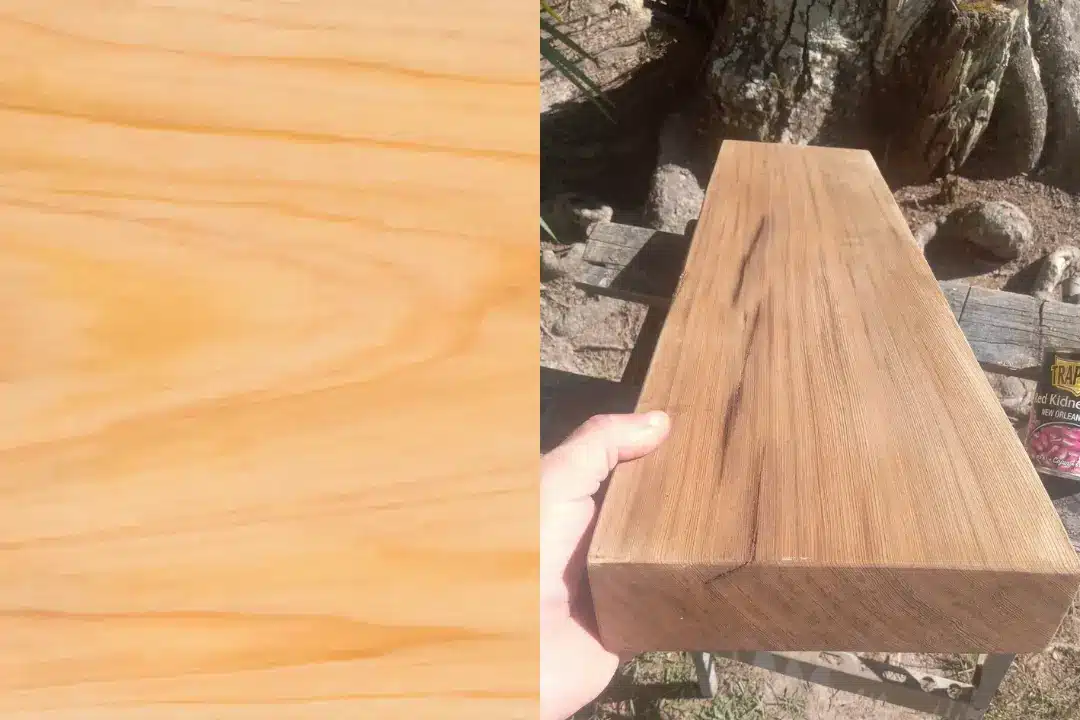
Color and grain range from honey-gold to light brown with a straight, even pattern that finishes smoothly. Builders like its light weight and stability, which reduce movement, splitting, and callbacks on outdoor installs.
| Property | What it means in practice | Best-fit projects |
|---|---|---|
| Natural oils (cypresene) | Built-in resistance to rot and insects | Decks, fences, docks |
| Low density | Lighter boards, easier handling and transport | Large decks, ceilings, paneling |
| Stable grain | Less warping and cupping outdoors | Siding, screen walls, furniture |
| Smooth texture | Accepts paint, oil, and clear coats well | Cabinetry, molding, interior trim |
| Workability | Machines, glues, and sands cleanly | DIY and pro builds |
Sustainability and Environmental Benefits
Longevity extends replacement cycles, which reduces waste and saves money across a project’s life. Because the wood is lighter than many hardwoods, freight emissions often drop for regional deliveries.
Responsible sourcing matters: ask for verified suppliers and prioritize heartwood-rich stock for outdoor builds. You’ll use fewer chemical treatments over time, which supports safer yards and cleaner runoff.
1. Outdoor Decking and Patios
Weather Resistance
Cypress wood stands up to rain, sun, and humidity because its oils slow fungal growth and repel insects. The Brazilian Lumber guide highlights why many builders choose it over pressure-treated stock for low-tox decks.
Build tips: choose heartwood for exposed areas, leave 1/8–1/4 in. gaps for drainage, and seal end grain with exterior sealer. In hot zones, prefer lighter stains or penetrating oils to reduce surface temperature.
Installation Advantages
Lighter boards reduce crew fatigue and speed layout, while stable grain helps keep lines true. For structural basics and fastener choices, see our guide to construction wood.
- Pre-drill ends to prevent splits near board edges.
- Use stainless or ceramic-coated screws to avoid staining.
- Vent the frame with 3–4 in. ground clearance for airflow.
- Seal cuts and notches the same day you make them.
- Stage bundles on dunnage and shade to limit pre-install UV.
2. Garden Furniture and Outdoor Living
Pest-Resistant Construction
Cypress furniture shrugs off termites and boring insects better than many softwoods, which means longer service life on patios and porches. For seat frames, use mortise-and-tenon or pocket-screw joinery with waterproof glue, then add stainless hardware where hands touch.
Project planning is easier with clear species comparisons; see our picks for the best wood for outdoor furniture if you’re balancing cost and performance.
Low Maintenance Benefits
Simple care: wash twice a year with mild soap, soft brush, and water; re-oil or re-stain every 12–24 months based on sun exposure. If you prefer a natural gray, leave it unfinished and clean seasonally to keep the patina even.
Finish choices that work: penetrating oils for easy upkeep, semi-transparent stains for UV filtering, or high-quality exterior paint for a bolder look. Always test on offcuts to confirm color and blotch control before full application.
3. Fencing and Landscaping Applications
Ground Contact Durability
Posts and rails last longer in cypress, especially when you spec heartwood and elevate bases on gravel for drainage. For properties and care tips, the Barwon Timber article offers practical guidance.
On-site steps: set posts in compacted gravel or perforated sleeves, seal end grain, and cap post tops to shed water. Keep soil and mulch pulled back 2–3 in. from boards to reduce moisture wicking.
Privacy Screens and Windbreaks
Screen walls with 1/2–3/4 in. gaps diffuse wind while preserving airflow for plants. For tall runs, add hidden steel posts or tension cables behind cypress slats to limit racking without changing the clean look.
4. Boat Building and Marine Uses
Historical Water Applications
Small craft builders have long chosen cypress for planking and ribs because it resists rot and stays buoyant. For species notes and horticultural context, the Cypress Guide is a helpful read.
“Cypress has served boatbuilders for generations thanks to its light weight, stability, and ability to weather repeated wet-dry cycles.”
Traditional boatbuilders
Modern Dock Construction
Dock frames and decking perform well when you raise them above splash zones, ventilate the substructure, and use marine-grade fasteners. For sheathing and sub-deck solutions in wet areas, many builders pair cypress with marine plywood in structural layers.
5. Interior Design and Decorative Woodwork
Paneling and Flooring
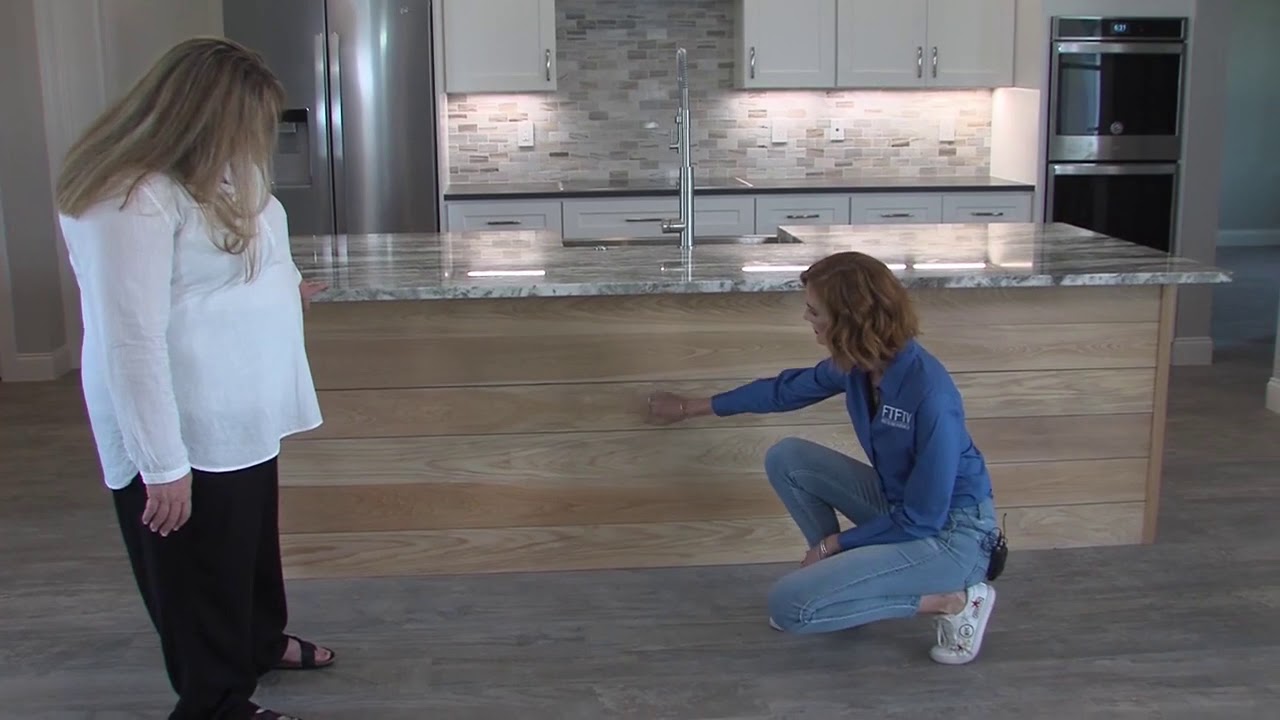
Interior paneling in cypress gives warm tone with an even grain that takes clear coats beautifully. Acclimate boards 5–7 days, keep indoor RH 35–55%, and blind-nail tongue-and-groove to limit face fasteners.
Flooring choices: cypress is around the low-mid range for dent resistance, so use area rugs in heavy-traffic zones and pick hardwax oil or waterborne polyurethane for balanced protection. Compare species by look and hardness in our quick guide to types of wood for furniture, then match trims and panels for a cohesive interior.
Cabinetry and Molding
Cabinet frames and face frames machine cleanly; use a sanding sealer or shellac washcoat before staining to avoid blotches. For paint-grade trims, prime knots with a stain-blocking primer and step through 120→180→220 grits for crisp profiles.
Molding runs benefit from sharp carbide knives and light passes to prevent tear-out on reversing grain. A clear, UV-protective topcoat keeps the gold tones richer for longer in sunny rooms.
6. Wellness and Home Fragrance Products
Therapeutic Neck Support
Hinoki cypress blocks and pillows offer firm, ergonomic support while releasing a calm, woodsy aroma. Pick sizes that match your neck curve and rotate exposure to keep the scent fresh over time.
Natural Aromatherapy Options
Incense and oils based on hinoki work well in small to medium rooms; start with short sessions, then scale up to reach your preferred intensity. Use ceramic or stone holders and keep a window cracked for gentle airflow.
Explore these cypress-scented wellness picks for home relaxation and daily routines:

Hinoki Cypress Neck Relief Pillow (12 x 2)
- Ergonomic curved shape supports neck and helps relieve stiffness
- Natural hinoki aroma soothes and promotes relaxation during use
- Solid wood construction provides firm, stable spinal alignment
- Compact 12 x 2 size is portable for home or travel use
- Durable and easy to maintain for daily therapeutic support
 Buy on Amazon

Ka-fuh Hinoki Incense Sticks — 120 Count
- Authentic Japanese hinoki scent creates a calm, woodsy atmosphere
- Long-burning sticks release a steady, lingering fragrance
- Perfect for meditation, relaxation, or focusing rituals
- Clean, natural aroma without overpowering notes
- Convenient pack for regular home use
Buy on Amazon

Nippon Kodo Ka-fuh Hinoki Incense — 450 Sticks
- Rich, traditional hinoki fragrance crafted by Nippon Kodo
- Generous quantity suited for frequent use or ceremonies
- Consistent burn provides even scent release throughout the room
- Ideal for meditation, yoga, or creating a peaceful home environment
- Lightweight packaging keeps sticks protected and easy to store
Buy on Amazon
7. Specialty Applications and Unique Uses
Musical Instruments and Art
Luthiers often use Mediterranean cypress for flamenco guitars, but North American cypress can work for backs and sides on lighter builds. For carving and turnings, choose straight-grained, knot-free blanks to hold crisp detail with fewer tool marks.
Terrarium and Aquarium Accessories
Habitat setups benefit from cypress mulch that manages humidity and resists mold; bake or freeze material if needed to reduce hitchhikers. For aquariums, soak driftwood until it sinks and test water parameters weekly as tannins release.
These habitat picks make it easy to build naturalistic enclosures with reliable materials:

Cypress Tank Mulch — Forest Floor Bedding (8 Qt)
- Natural cypress mulch mimics a forest substrate for vivariums and terrariums
- Lightweight and absorbent material helps manage moisture and odors
- Safe for many reptiles and amphibians when prepared correctly
- Enhances the natural look of enclosures with earthy texture
- Easy to spread, replace, and maintain for routine cleaning
Buy on Amazon

Large Natural Driftwood Accent (13–17 in)
- Authentic driftwood piece adds a natural focal point to aquariums and terrariums
- Solid weight and structure create stable décor and useful hiding spots
- Safe for aquatic and reptile setups after proper cleaning and soaking
- Unique texture encourages natural behavior like climbing and exploring
- Ready-sized option fits a variety of tank configurations
Buy on Amazon
Culinary and Kitchen Products
Hinoki cutting boards are gentle on knife edges and naturally resist odors; wash with mild soap, wipe dry, and stand on edge for airflow. Refresh with a thin coat of board oil, and reserve a separate board for raw proteins to keep prep safer.
Browse two popular board styles that balance durability with a refined serving look:

JNE Hinoki Square Cutting & Serving Board (7 x 1.2)
- Gentle hinoki surface preserves knife edges while chopping and slicing
- Naturally antibacterial wood adds a hygienic touch to food prep
- Compact square shape doubles as an elegant serving board for cheese and wine
- Built-in trivet function protects countertops from heat
- Thoughtful gift option for housewarmings and special occasions
Buy on Amazon
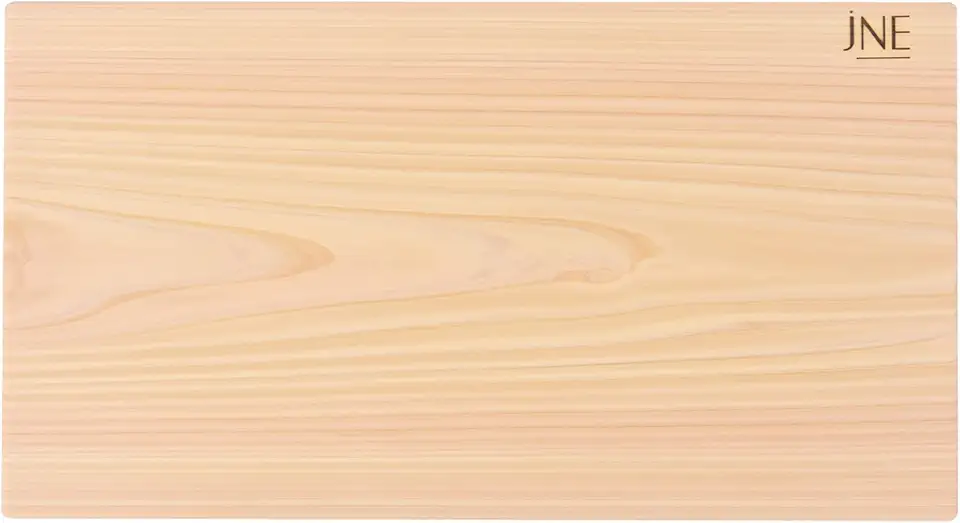
Hinoki Reversible Cutting & Serving Board (17.3 x 9.5 x 1.2)
- Single-piece hinoki construction avoids joints or glue for lasting durability
- Reversible design offers a dedicated cutting side and a serving face
- Gentle on knife edges while providing a stable work surface
- Generous size fits meal prep and entertaining needs
- Elegant wood grain makes a standout kitchen gift
Buy on Amazon
Small-space scent is easy with dry, natural options that don’t require burners; place them in closets, drawers, or gym bags and refresh by lightly sanding the surface.

Hinoki Aroma Balls — 3-Pack Natural Scent
- Upcycled hinoki wood balls release a calming, woodsy aroma for small spaces
- Ideal for baths, closets, drawers, or linen storage to freshen garments
- Eco-friendly and vegan materials with no synthetic fragrances
- Long-lasting natural scent that slowly diffuses over time
- Compact three-pack allows placement throughout the home or gifting
Buy on Amazon
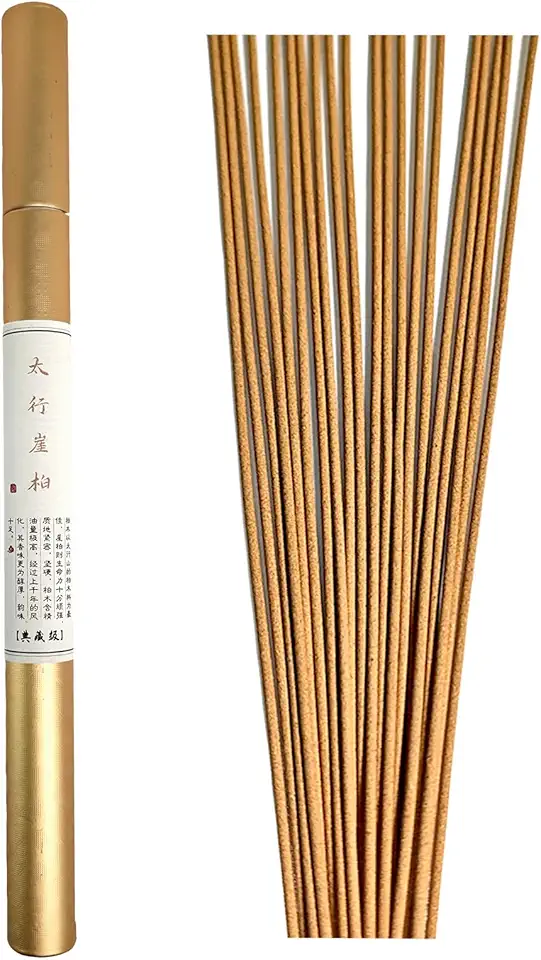
Mixed Chinese Incense Sticks — Cypress, Sandalwood & Floral
- Assorted traditional scents including cypress, sandalwood, and floral blends for variety
- Slow, even burn fills rooms with layered, balanced fragrance
- Suitable for meditation, rituals, or everyday home ambiance
- Made with natural ingredients for a cleaner scent experience
- Generous stick count provides extended use and value
Buy on Amazon
Environmental Benefits and Maintenance
Working with Cypress Lumber
Tool choice: use sharp carbide blades, collect dust, and pre-drill at ends to prevent splitting. Cypress glues well with Type I/II adhesives; wipe oily surfaces with solvent before bonding for consistent strength.
Finishing basics: sand to 150–180 grit for oils and 180–220 for film finishes; seal end grain first, then apply thin, even coats. In exterior work, prefer breathable penetrating finishes to simplify future refreshes.
Long-Term Durability
Maintenance rhythm keeps cypress looking great: inspect annually, clean with mild soap, touch up checks with oil, and recoat high-UV faces first. Keep soil and sprinklers off wood surfaces to reduce moisture cycling.
Carbon Footprint Advantages
Lower shipping weight and long service life reduce lifetime emissions compared with heavier, short-lived alternatives. For an accessible review of sourcing and climate impact, see Impactful Ninja on cypress sustainability.
FAQs
What Are The Benefits Of Using Cypress Wood For Furniture?
Cypress Offers Natural Durability And Rot Resistance Thanks To Its Dense Heartwood And Natural Oils. It’s Dimensionally Stable, Resists Insects And Moisture Better Than Many Softwoods, And Has An Attractive Grain That Finishes Well, Making It Excellent For Indoor And Outdoor Furniture. With Proper Milling And Finishing, Cypress Furniture Can Last For Decades.
How Does Cypress Wood Compare To Cedar For Outdoor Use?
Both Cypress And Cedar Are Good For Outdoor Use Because They Contain Natural Oils That Resist Decay, But They Differ In Properties: Cedar Is Lighter And More Aromatic, While Cypress Is Generally Denser And Often More Durable In Wet Conditions Due To A Natural Oil Called Cypressene. Choose Cedar For Lightweight, Fragrant Projects And Cypress When You Want Greater Long-Term Durability In Damp Climates.
Does Cypress Wood Rot?
Cypress Is Naturally Rot-Resistant But Not Rot-Proof. Its Heartwood Contains Oils That Slow Decay, So It Performs Well In Moist Environments, But It Can Still Deteriorate Over Time—Especially With Constant Ground Contact Or Poor Drainage. Proper Installation, Good Ventilation, And Periodic Maintenance Greatly Reduce The Risk Of Rot.
How Should You Maintain Cypress Wood Decking?
Maintain Cypress Decking By Keeping It Clean And Dry: Sweep Regularly, Remove Debris, And Wash Annually With A Mild Detergent Or Wood Cleaner. Apply A UV Protectant Or Sealant If You Want To Preserve The Original Color; Otherwise Let It Weather To A Silver Patina And Refinish Every 2-3 Years As Needed. Also Check Fasteners, Repair Damaged Boards, And Avoid Trapping Moisture Under Furniture Or Planters.
Is Cypress Wood Expensive?
Cost Depends On Region, Grade, And Availability: Cypress Is Usually More Expensive Than Common Pine And Can Be Comparable To Or Slightly Higher Than Cedar, Especially For Higher Grades Or Reclaimed Pieces. While The Upfront Price May Be Higher, Cypress’s Longevity And Low Maintenance Often Make It A Cost-Effective Choice Over Time.