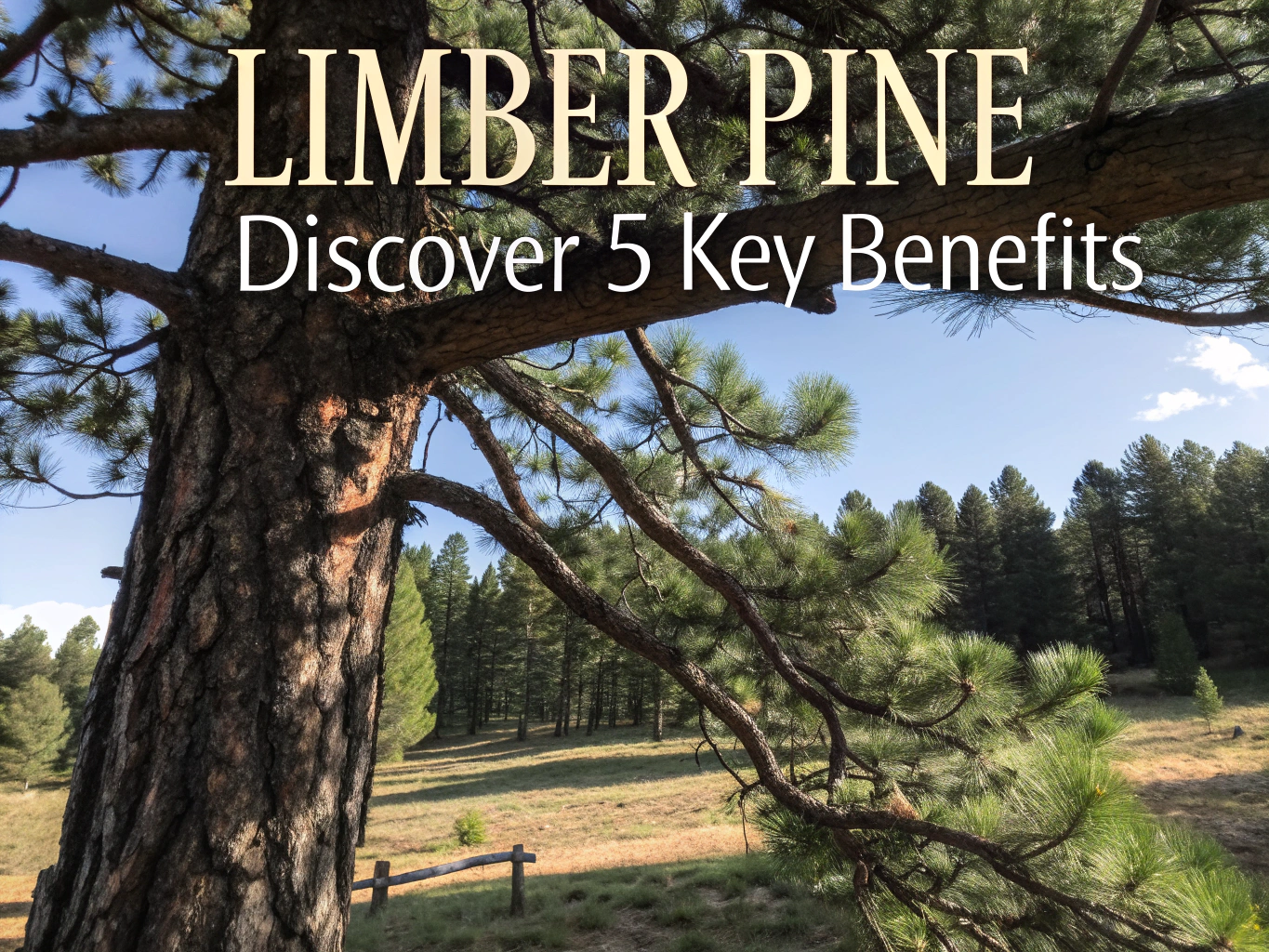

What makes the limber pine one of the toughest trees on dry, windy ridges? Its branches bend without breaking. Its roots hold soil on steep slopes. Birds and mammals rely on its seeds and shelter. Read on to see five clear benefits of the limber pine and how it can improve yards, slopes, and wild places.
Table of Contents
Limber pine (Pinus flexilis) is a hardy alpine pine prized for resilience, wildlife value, and striking form. This guide explains its traits, benefits, and smart planting tips in clear steps for growers and land stewards.
What Makes Limber Pine Special
Scientific Background
The scientific name is Pinus flexilis, a five-needle white pine native to western North America. For a clear botany profile and range notes, see the USU Extension limber pine profile.
Physical Characteristics
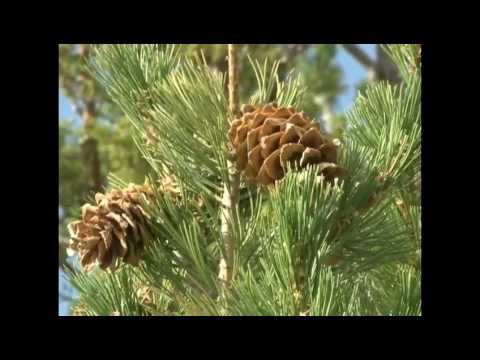
This slow-growing, long-lived tree carries needles in 5s, dark green and slightly curved, and produces large, wingless seeds. Young bark is whitish gray and smooth; older trunks form thick plates with deep fissures.
| Trait | Details |
|---|---|
| Typical height | 40–50 ft (small to medium) |
| Needles | Bundles of 5; dark green, slightly curved |
| Cones | Oblong, ~7–15 cm; open to release large, wingless seeds |
| Bark | Whitish gray when young; thick, fissured plates with age |
| Branch flexibility | Twigs can be bent or tied without breaking |
| Lifespan | Often >1,000 years in harsh sites |
Flexible limbs and dense needles create a wind-smart profile that survives exposed ridgelines and alpine passes. Cones and crown shape vary with exposure, giving each tree unique character.
Natural Habitat and Distribution
Limber pine ranges from roughly 5,200–11,000+ feet in elevation across the Rockies, Great Basin, and into parts of the Sierra Madre. You’ll find it on dry slopes, rocky ridges, and windy passes where few trees can persist.
1. Exceptional Drought and Wind Tolerance
Superior Drought Resistance
This drought tolerant pine handles dry spells better than Ponderosa in many sites and keeps foliage through long, hot summers. Nursery notes highlight its salt tolerance and performance in varied soils (Kramer Tree).
- Water need after establishment: low; deep, infrequent watering boosts root depth.
- Stomata and needle traits cut water loss in high-sun, low-humidity sites.
Wind Resilience Features
Flexible branches bend and shed load, so gales cause fewer breaks. The compact crown and low surface area reduce wind drag on exposed slopes and passes.
Urban Landscape Applications
Use limber pine in parkways, medians, and parking islands where wind and salt stress other conifers. For regional mixes, compare with yellow pine and site by soil, light, and expected irrigation.
2. Soil Stabilization and Erosion Control
Root System Benefits
Deep, wide-spreading roots anchor soil and grip fractured rock, cutting sheet and rill erosion on dry slopes. In headwater zones, stands slow runoff and protect thin soils (USDA Forest Service species account).
- On coarse, gravelly soils: roots penetrate voids and bind unstable layers.
- On burn scars: live roots knit ash-prone soils while litter builds organic matter.
Slope Stabilization
For slope control, plant in staggered rows with 10–15 ft spacing to create a root matrix. Mulch 2–3 inches over a wide ring to reduce splash erosion and keep soil moist during establishment.
Snow Retention Properties
Irregular crowns trap drifting snow, which delays melt and improves water supply timing below. This staggered melt pattern lowers peak runoff and protects channels from flash erosion.
3. Critical Ecosystem and Wildlife Benefits
Wildlife Habitat Value
Limber pine acts as a foundation species on harsh sites, adding cover, perches, and cavity space for birds and small mammals. Conservation groups track its decline and restoration needs (Waterton Biosphere project).
Food Source Importance
Large, nutritious seeds feed nutcrackers, jays, rodents, and bears; people have eaten them historically. The mutualism with Clark’s nutcracker helps disperse seeds to new sites.
- Cones: ~7–15 cm; seeds are large and wingless for animal dispersal.
- Seed crops support wildlife during lean years at high elevations.
Post-Fire Recovery Support
After wildfire, surviving limber pines create shade, trap seed, and boost soil structure, helping other conifers and shrubs establish. Early colonization speeds the return of a diverse plant community.
4. Remarkable Longevity and Hardiness
Exceptional Lifespan
Ancient specimens exceed 1,000 years, with verified trees around 1,650 years on harsh ridges. Local profiles note slow growth and frost hardiness that support extreme age (Boulder County Open Space).
Disease and Pest Resistance
Well-sited trees show good resilience to serious insects and disease, provided they get sun and fast drainage. Avoid overwatering and compacted soils to reduce stress and keep needles dense.
Urban Planting Advantages
Use limber pine as a hardy, low-care feature tree for the Midwest and West. Choose open sites, give 15–25 ft space for the crown, and prune lightly to keep a stable form.
5. Aesthetic and Ornamental Qualities
Unique Visual Appeal
Twisted trunks and flexible limbs give a bonsai-like look, especially on windswept ridges. In gardens, this character turns a mature tree into a focal point.
Garden Design Applications
Pair limber pine with aspen, bristlecone, or Douglas-fir wood regionally to echo native mixes. Space groupings to frame views and highlight trunk form against rock or gravel mulch.
Landscape Integration
Use it in shelterbelts, dry rock gardens, and high-elevation lots where irrigation is limited. For contrast in texture and color, mix with larch wood species in nearby plantings.
- Soil: sandy to loamy; coarse substrates are fine if drainage is quick.
- Exposure: full sun; partial shade reduces form quality.
- Water: deep soak during first two seasons; then occasional deep watering.
Limited Woodworking Applications
Wood Characteristics
Limber pine wood is relatively soft and weak, so it’s seldom used for structural lumber; it sees occasional fuelwood use. For hobby projects needing soft carving stock, consider standard pine blanks that shape easily and finish well.
Alternative Pine Options
For carving, turning, or small builds, these pine items offer consistent sizing and an easy tool feel while limber pine supplies remain limited:
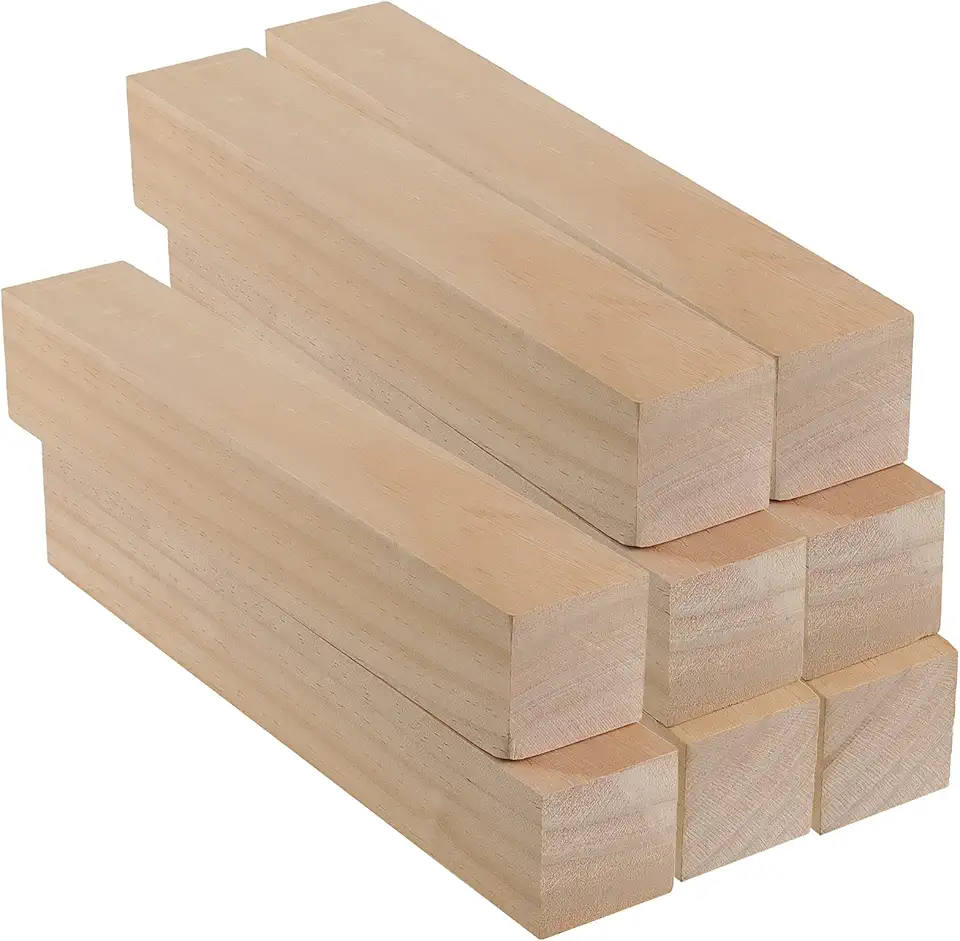
Pine Carving Blocks — 8 Pack 2 in x 2 in x 12 in
- Eight unfinished 2x2x12 pine blanks ready for carving
- Soft, easy-to-shape wood perfect for whittling and sanding
- Consistent sizing ideal for turning and small projects
- Natural surface accepts paint, stain, or sealant
- Great value pack for hobbyists and craft workshops
 Buy on Amazon
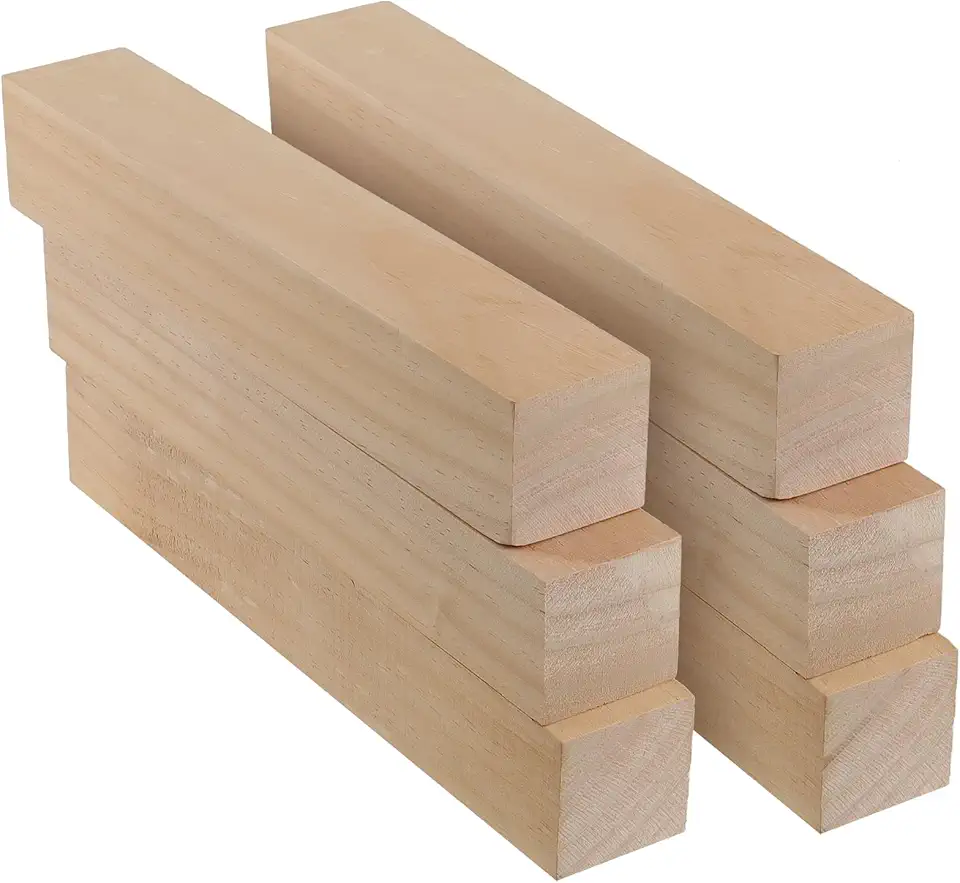
Pine Turning Blanks — 6 Pack 2 in x 2 in x 12 in
- Six square pine blanks cut to uniform 2x2x12 dimensions
- Light, easy-to-turn and carve for lathe projects
- Unfinished wood ready for shaping, staining, or painting
- Natural knots and grain add character to finished pieces
- Suited for DIY crafts, models, and woodturning
Buy on Amazon

Clear Pine Board 1 x 8 x 4 in
- Clear, knot-free pine board for visible finishes
- Smooth planed surface ready for painting or staining
- Stable 1x8 profile suitable for shelving or paneling
- Lightweight and easy to cut for quick installs
- Ideal for trim, craft projects, and decorative use
Buy on Amazon
Conservation and Future Importance
Ecological Significance
Losing limber pine would ripple through watersheds, soils, and wildlife that depend on it in high, dry country. Its role in snow retention, slope stability, and food webs makes it a priority for Western ecosystems.
Limber pine protects fragile soils and supports biodiversity where few trees can persist.
USDA Forest Service
Climate Change Challenges
Warmer temps, shifting snowpacks, and pest pressure threaten stands, especially on range margins. Conservation plans focus on genetic diversity, assisted regeneration, and site-smart planting.
Conservation Efforts
You can help by planting site-appropriate stock, reporting notable trees, and supporting restoration groups. Land managers can use seed transfer guidelines, protect headwater stands, and favor mixed-age structure in projects.
- Plant on sunny, well-drained sites; water deeply the first two seasons.
- Prioritize slope plantings where erosion risk is high.
- Retain seed trees to support wildlife and natural regeneration.
FAQs
What Are The Characteristics Of A Limber Pine Tree?
Limber pine Is A Long-Lived, Slow-Growing Conifer With Flexible, Often Twisting Branches That Withstand Strong Winds. Needles Are Grouped In Bundles Of Five, Typically Long And Stiff, While Cones Are Large And Woody. Bark Becomes Thick And Furrowed With Age. These Trees Commonly Grow At High Elevations On Rocky, Well-Drained Sites And Provide Important Seeds For Wildlife.
How Do I Identify A Limber Pine?
Identify Limber Pine By Its Five-Needle Clusters, Needles That Are Relatively Long And Sometimes Twisted, And Large, Ovoid Cones. Branches Are Remarkably Flexible (Hence The Name), The Bark Is Dark And Furrowed On Older Trees, And The Growth Form Is Often Irregular. Range And Habitat — High-Elevation Sites In Western North America — Also Help Confirm Identification.
What Is The Difference Between Limber Pine And Whitebark Pine?
Both Pines Have Five Needles, But Limber Pine Usually Has Longer, More Drooping Needles And Larger Cones That Often Open On The Tree; Whitebark Pine Has Shorter Needles And Smaller Cones That Are Often Serotinous Or Relied Upon By Clark’s Nutcracker For Seed Dispersal. Whitebark Pine Tends To Occupy Higher, More Exposed Sites And Is Generally More Vulnerable To Declines From Pests And Disease, While Limber Pine Has A Broader Elevational Range And More Flexible Branches.
Can Limber Pine Trees Survive In Harsh Climates?
Yes. Limber Pine Is Well Adapted To Harsh Alpine And Subalpine Conditions, Including Cold Temperatures, High Winds, Thin Soils, And Periodic Drought. However, They Are Susceptible To Threats Such As White Pine Blister Rust And Mountain Pine Beetle, And Climate Change Can Reduce Suitable Habitat And Regeneration Success.
How Do I Care For A Limber Pine In My Backyard?
Plant Limber Pine In Full Sun With Well-Draining, Lean Soil And Give Regular Watering Only During Establishment; Mature Trees Are Drought-Tolerant. Avoid Overfertilizing, Mulch Lightly To Conserve Moisture, And Protect Seedlings From Rodents And Mechanical Damage. Monitor For Signs Of Blister Rust Or Beetle Attack, Prune Dead Wood Conservatively, And Choose Local Provenance Seedlings Suited To Your Elevation And Climate.