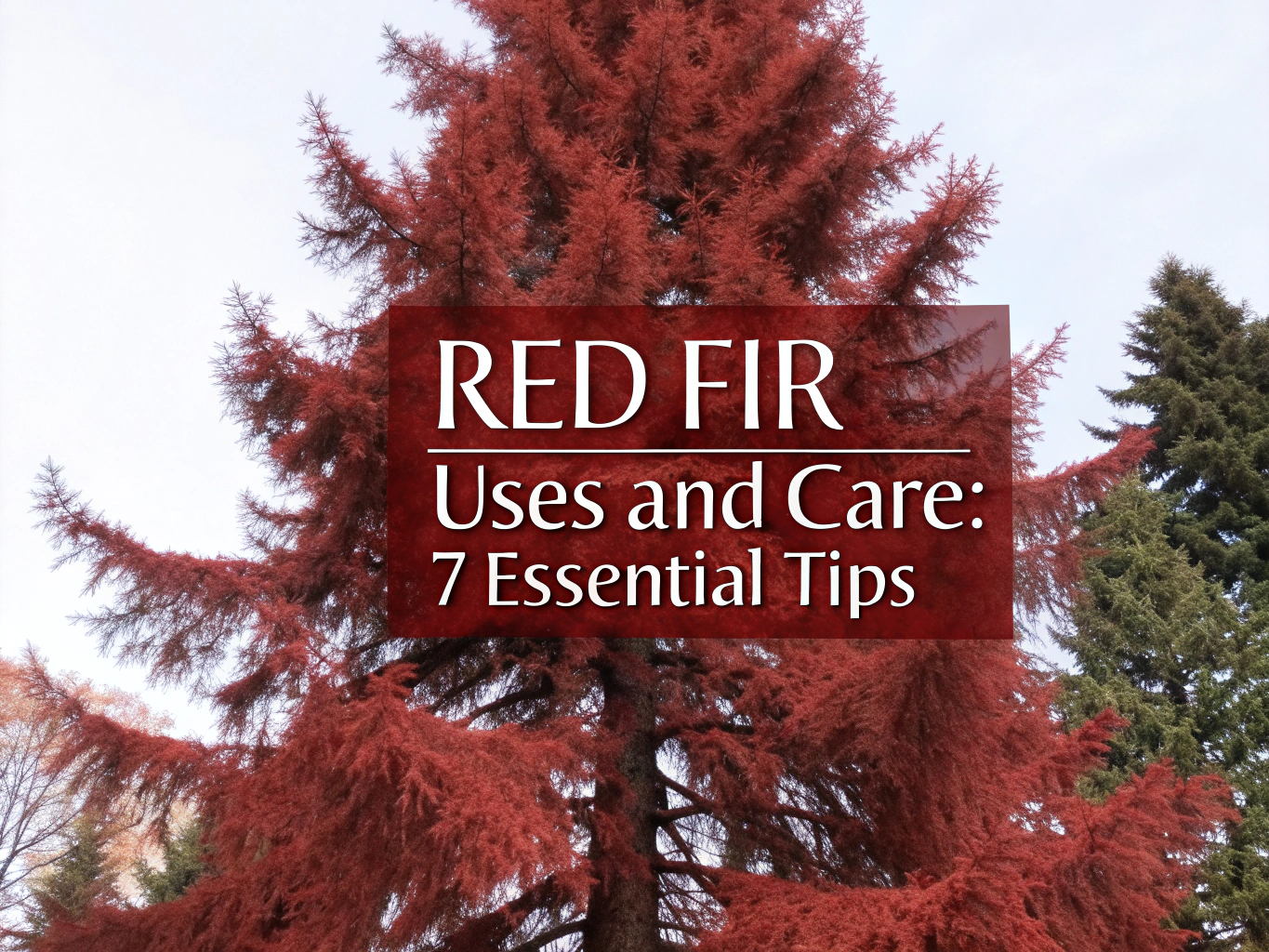

Looking for a tall evergreen that fits your yard and holiday plans? The California Red Fir, often called the red fir, is a strong choice. This short guide shares 7 clear tips on planting, watering, pruning and seasonal care. Follow these steps to keep a red fir healthy and ready for years of good use.
Table of Contents
Red fir (Abies magnifica) is a tall evergreen conifer prized for beauty, strength, and seasonal charm. Growers, homeowners, and woodworkers use California Red Fir for landscaping, timber, and holiday decor with simple care steps.
What is Red Fir: Key Characteristics
Tree Identification Features
Identify red fir by its straight, conical form, thick reddish bark, and short, bluish-green needles arranged radially around the twig. Look for upright cones 6–9 inches long that start deep purple and break apart on the tree, a classic trait of Abies magnifica.
Needles are usually up to 1.5 inches, blunt-tipped, and attached to smooth leaf pads (no pegs), unlike spruces; branches form dense, layered whorls. To separate from Douglas fir, check cone bracts: Douglas fir has long trident bracts, while red fir cones disintegrate before falling.
Native Habitat and Growth
California Red Fir is native to high mountains of California and SW Oregon, where winters are snowy and summers are cool. In native stands it can reach 130–200 feet, but in gardens it stays far smaller, which helps with maintenance and site planning.
Growth is steady in deep, moist, well-drained soils with regular winter moisture. Plant where snow loads and wind are common, as the tree’s strong structure handles mountain weather well.
Common Names and Varieties
Common names include red fir and California red fir; Shasta red fir (A. magnifica var. shastensis) is a noted variety in the northern range. For a concise profile on planting and care, see California red fir care.
Popular Uses for Red Fir Trees
Timber and Construction
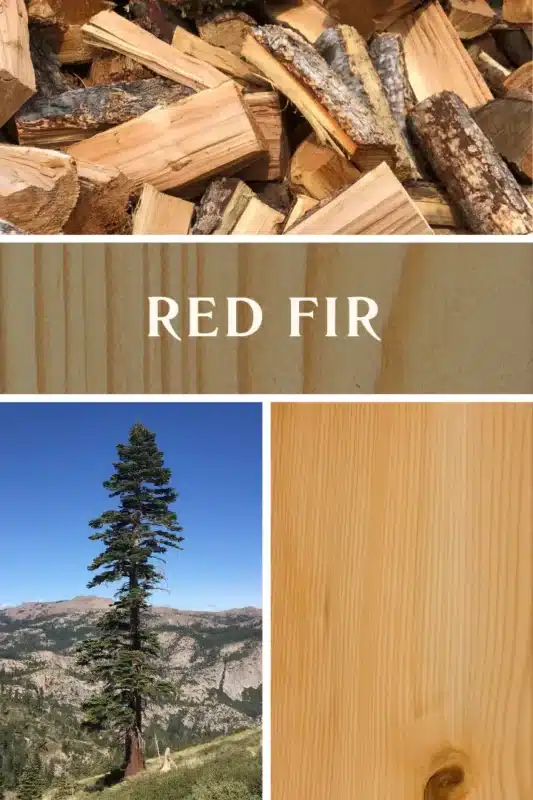
Red fir wood offers a straight grain suited for framing, sheathing, pallets, and pulp. For structural comparisons and project ideas, review Douglas fir wood as a benchmark for strength and fastening.
Landscaping and Ornamental Value
Landscapers choose California Red Fir for its symmetrical form, blue-green color, and year-round screening. Use as a single specimen in large yards or in small groves to create a cool, evergreen backdrop.
Ecosystem and Wildlife Benefits
Habitat value is high: dense branches shelter birds, and roots help stabilize mountain soils. In watershed projects, red fir supports snow retention and slow melt, aiding streamflow timing.
Holiday and Decorative Applications
Holiday trees cut from plantations display stiff branches that hold lights and ornaments well; garlands and wreaths highlight the cool needle color. For long-lasting displays, keep cut greens hydrated to reduce needle drop.
Growing your own specimens from seed is a patient but rewarding approach for large properties; pick a cool-summer site and start in deep nursery containers for strong roots. For high-quality seed, consider this option:
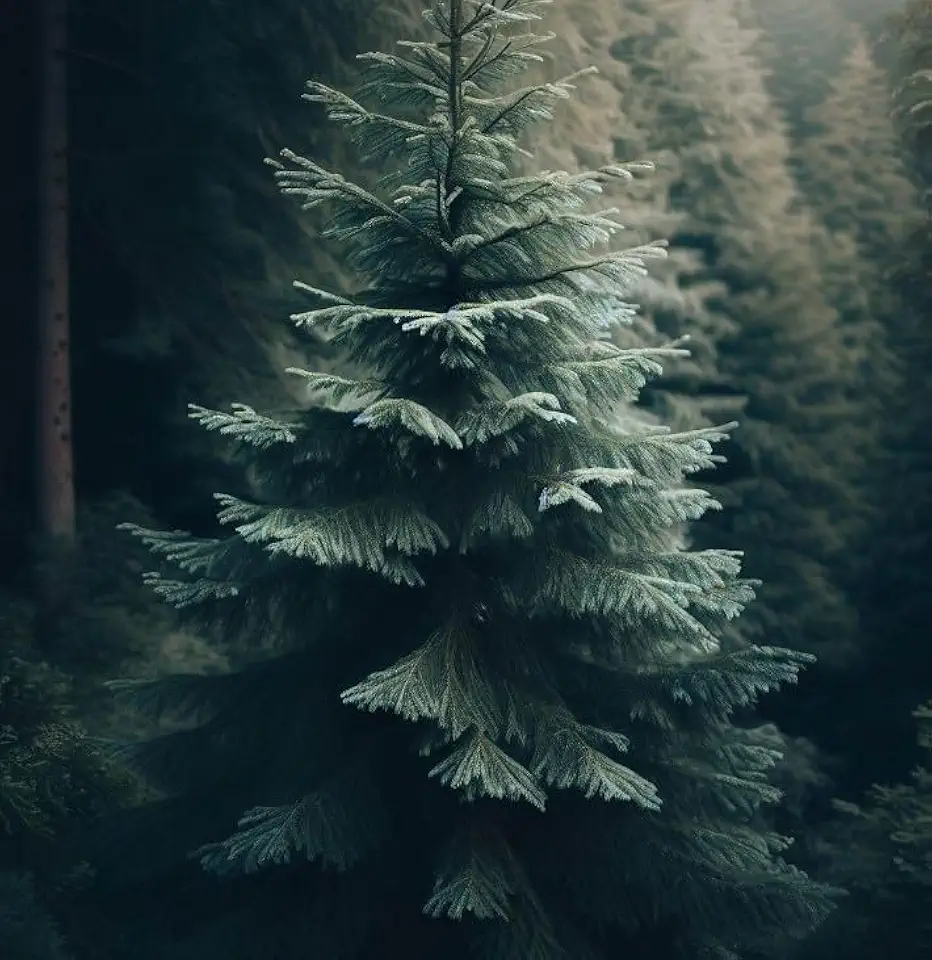
Shasta Red Fir (Abies magnifica) Tree Seeds
- High-quality Shasta Red Fir seeds for growing large evergreen trees
- Ideal for landscaping or reforestation projects with tall, stately growth
- Suitable for various climates and long-term outdoor planting
- Easy-to-plant seeds for gardeners and hobbyists
- Choose the seed quantity that fits your project needs
 Buy on Amazon
Optimal Growing Conditions for California Red Fir
Soil Requirements
Soil should be deep, moist, and well-drained; avoid thin, compacted, or shallow rocky spots. Mix compost into planting backfill to boost moisture holding, then top with a 2–3 inch mulch layer.
Climate and Rainfall Needs
Climate preference is cool summers with fall–winter precipitation totaling 30–49 inches per year. In low-rain areas, plan supplemental irrigation from late spring through early fall to keep the root zone moist.
Sun Exposure Preferences
Sun exposure can be full sun for best density; young trees tolerate shade for decades, then respond well when light increases. Plant away from heavy shade structures to maintain a tight, conical crown.
pH and Drainage Considerations
pH between 5.5 and 7.0 works well; correct high pH with elemental sulfur and organic matter. Good drainage is key, so elevate the planting area or use berms where water lingers after storms.
| Factor | California Red Fir Target |
|---|---|
| Soil texture | Deep loam or loamy sand; well-drained |
| Soil pH | 5.5–7.0 |
| Annual rainfall | 30–49 inches (mainly fall–winter) |
| Light | Full sun; long-term shade tolerant when young |
| Mulch | 2–3 inches, kept off trunk |
More detail on climate and soil preferences appears in this quick guide: California red fir care.
Proper Watering and Moisture Management
Establishment Phase Watering
During year 1–2, water deeply 1–2 times weekly in dry spells so moisture reaches 12–18 inches deep. Use a slow trickle or a 5-gallon bucket with holes to promote deep roots.
Mature Tree Water Needs
Mature trees usually need watering only in prolonged drought; apply 10–15 gallons weekly during heat waves. Wet the entire dripline, not just near the trunk, to support the full root spread.
Mulching Benefits
Mulch 2–3 inches of shredded bark or needles to reduce evaporation, suppress weeds, and buffer soil temperature. Keep mulch 3–4 inches off the trunk to prevent rot.
Drought Tolerance Development
Reduce watering after the second year so roots search deeper layers, building drought resilience. For more watering tips across fir species, skim this fir tree guide.
Site Selection and Planting Guidelines
Choosing the Right Location
Pick a flat or gentle slope with deep soil and room for the mature crown. Keep at least 20–30 feet from buildings and lines so the evergreen canopy has space to develop.
Soil Preparation
Prep a hole 2–3 times the root-ball width and the same depth; rough up sides to prevent glazing. Backfill with native soil amended with compost and water in to settle air pockets.
Stake only in windy sites, using breathable ties and rot-resistant stakes; remove in 12 months to avoid girdling. Cedar stakes last longer; see cedar wood for durability traits when choosing materials.
Wind and Weather Protection
Provide windbreaks from existing trees or fencing in high-wind corridors. In snowy regions, plant away from roof shed zones to avoid heavy ice loads on young branches.
Indoor Holiday Placement Tips
Place fresh or artificial trees away from heat vents, fireplaces, and direct sun; choose a sturdy stand and check water daily. Keep walkways clear so cords don’t create a tripping hazard.
Here are compact and slim artificial options that fit tight spaces and decorate easily:

3ft Red Fir Artificial Christmas Tree
- Compact 3 foot size fits small spaces, apartments, and offices
- Realistic red fir tips for a traditional holiday look
- Unlit design allows custom lighting and ornament choices
- Easy to assemble and store between seasons
- Sturdy base keeps the tree stable on tabletops and floors
Buy on Amazon
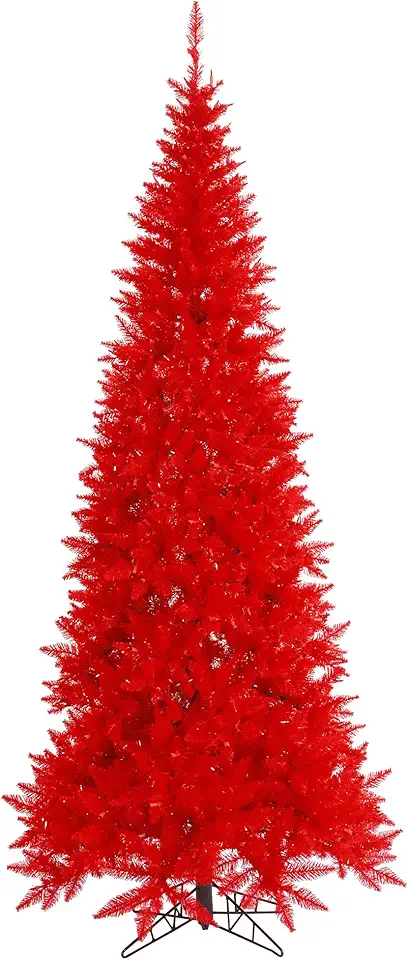
4.5ft Slim Red Fir Artificial Tree
- Space-saving slim profile perfect for narrow rooms and corners
- Lifelike red fir branches for a festive appearance
- Unlit design for personalized lighting options
- Quick assembly and compact storage between holidays
- Ideal choice for apartments, offices, and small living areas
Buy on Amazon
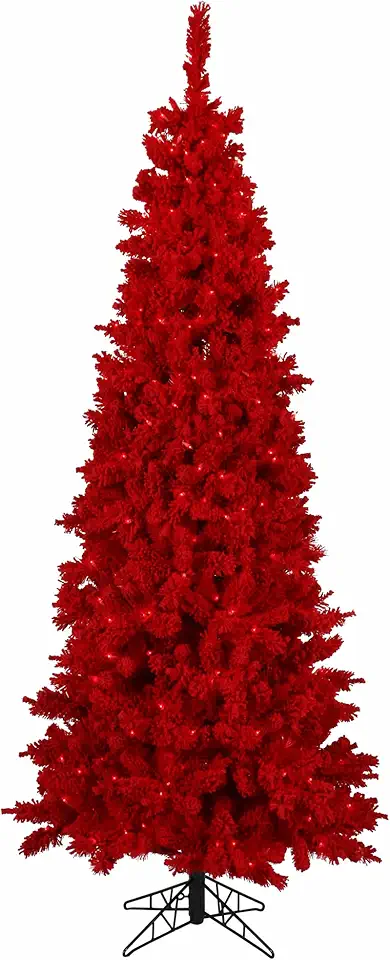
4.5ft Flocked Red Fir Artificial Tree
- Snow-flocked branches deliver a cozy, wintry appearance
- Rich red fir color shows through for a festive contrast
- Unlit style lets you add your preferred lights and ornaments
- Compact 4.5 foot height fits many indoor spaces
- Sturdy construction for easy setup and seasonal display
Buy on Amazon
Fertilizing and Seasonal Care
Spring Fertilization Guidelines
Fertilize only if soil tests show low nutrients; use a slow-release balanced product at label rates in early spring. Water afterward to move nutrients into the root zone without burning.
Winter Protection Methods
Young trees benefit from burlap wraps on the windward side and a fresh mulch ring before frost. Brush heavy snow upward off branches to prevent breakage.
Summer Heat Management
During heat, water early morning, expand the mulch ring, and consider temporary shade cloth for first-year trees. Avoid fertilizer during heat waves to reduce stress.
Year-Round Maintenance Schedule
Quarterly checks keep trees healthy: inspect needles for pests, refresh mulch, adjust watering, and prune deadwood. For a seasonal overview and eco-friendly tips, see this fir care guide.
Pruning and Health Management
Minimal Pruning Techniques
Prune lightly in late winter, removing dead, diseased, or crossing branches; keep the central leader intact. Cut back to the branch collar without leaving stubs to promote quick sealing.
Common Pest Identification
Look for these signs during monthly walk-throughs and act fast if you spot them.
- Aphids: sticky honeydew, sooty mold, and curling new growth.
- Spider mites: stippled needles and fine webbing in hot, dry weather.
- Bark beetles: pitch tubes, boring dust at the base, and rapid crown fade.
Disease Prevention Strategies
Prevention starts with the site: pick deep, draining soil, water at the dripline, and avoid trunk wounds. Sanitize pruners with 70% alcohol between cuts to limit spread.
Early Intervention Methods
At first sign of pests, blast with water, introduce beneficial insects, or use horticultural soap; escalate to targeted insecticides only if needed. For beetle threats, improve watering and remove heavily infested limbs quickly.
Red Fir Holiday Decorating and Safety
Decoration Ideas and Techniques
Style your tree with a mix of matte and glossy ornaments, then layer warm-white LEDs for depth. Add natural pinecones and dried citrus slices for a rustic, low-waste look.
Accent mantels and stairs with coordinating garlands and mini wreaths to tie rooms together. Choose lightweight decor to protect tender branch tips and reduce sag.
Browse popular seasonal accents below for quick, cohesive displays:
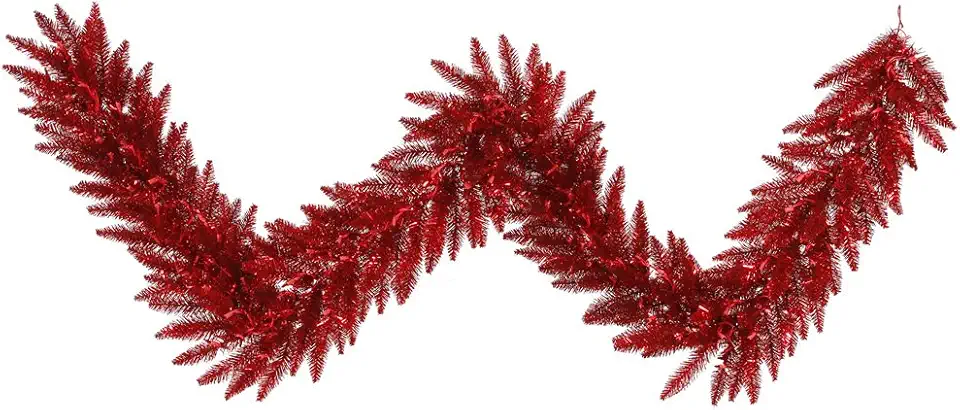
9ft Red Fir Tinsel Garland (250 Tips)
- Full-bodied 250 tip count creates a lush, festive look
- Red tinsel finish adds vibrant seasonal color and shimmer
- Flexible design for wrapping banisters, mantels, and stairways
- Lightweight and easy to hang for quick decorating
- Reusable for year-after-year holiday displays
Buy on Amazon

9ft Red Fir Artificial Garland
- Generous 9 foot length covers mantels, railings, and doorways with ease
- Realistic red fir foliage adds classic seasonal charm
- Durable construction holds shape and decorations well
- Unlit style lets you customize with lights and ornaments
- Reusable and easy to store for annual use
Buy on Amazon

Set of 12 Mini Aspen Fir Cabinet Wreaths (12in)
- Includes 12 small wreaths sized for cabinets, doors, and windows
- Lifelike aspen fir tips with natural texture and color
- Decorative pine cones and red berry bows for a classic holiday look
- Ready-to-hang design with attached loops for easy placement
- Reusable and compact for versatile seasonal decorating
Buy on Amazon
Water Stand Requirements
Fresh trees need a new cut on the trunk and a stand that holds at least one gallon of water; check the level morning and night. Clean water is enough; skip additives and keep the reservoir full.
Fire Safety Precautions
Safety starts with moisture: keep the stand filled, use cool LED lights, and avoid damaged cords. For best indoor care basics and watering rates, review this university guide from NCSU Extension.
Fresh Tree Maintenance
Daily checks prevent drying: top off water, remove heat sources nearby, and switch off lights overnight or when away. If needles become brittle, move the tree to a cooler spot to slow drying.
FAQs
What Are The Characteristics Of A Red Fir Tree?
Red Fir Is A Tall, Narrow, Evergreen Tree With A Conical Crown, Dense Horizontal Branches And Flattened, Pointed Needles. The Bark Typically Has A Reddish-Brown Tone That Becomes More Furrowed With Age, And The Cones Grow Upright On The Branches. These Trees Prefer Cool, Moist, High-Elevation Sites And Often Form Dense Stands.
How Fast Does A Red Fir Tree Grow?
Red Fir Trees Grow At A Moderate Rate, Often Adding About 1 To 2 Feet Per Year Under Good Conditions. Growth Varies Widely Depending On Soil, Moisture, Elevation, Light And Competition; In Harsh, High-Elevation Sites Growth Can Be Much Slower.
Where Can I Find Red Fir Trees In The Wild?
Red Fir Is Native To The Western United States, Especially The Sierra Nevada And Southern Cascade Ranges. You’ll Find It In High-Elevation, Cool, Moist Mountain Forests Often Mixed With Other Conifers Like White Fir, Lodgepole Pine, And Mountain Hemlock.
What Is The Difference Between Red Fir And Douglas Fir?
Red Fir (Abies) And Douglas Fir (Pseudotsuga) Are Different Genera: Red Fir Has Flattened Needles Arranged Radially And Upright Cones, While Douglas Fir Has Slightly Spiraled Needles And Hanging Cones With Distinct Bracts. Douglas Fir Generally Tolerates Warmer, Drier Sites, Has Heavier, Stronger Wood, And A Different Bark Texture, Whereas Red Fir Prefers Cooler, Higher-Elevation Habitats.
Are Red Fir Trees Good For Woodworking?
Red Fir Wood Is A Softwood That Is Straight-Grained And Fairly Easy To Work With, Making It Suitable For Construction, Framing, And General Carpentry. It Is Less Durable And Softer Than Hardwoods Like Oak, So It’s Not Ideal For Fine Furniture Or High-Wear Flooring Without Proper Treatment, But It Performs Well For Dimensional Lumber, Interior Work, And Millwork.