Baltic Birch Plywood Guide: Grades, Specs, and Where to Buy

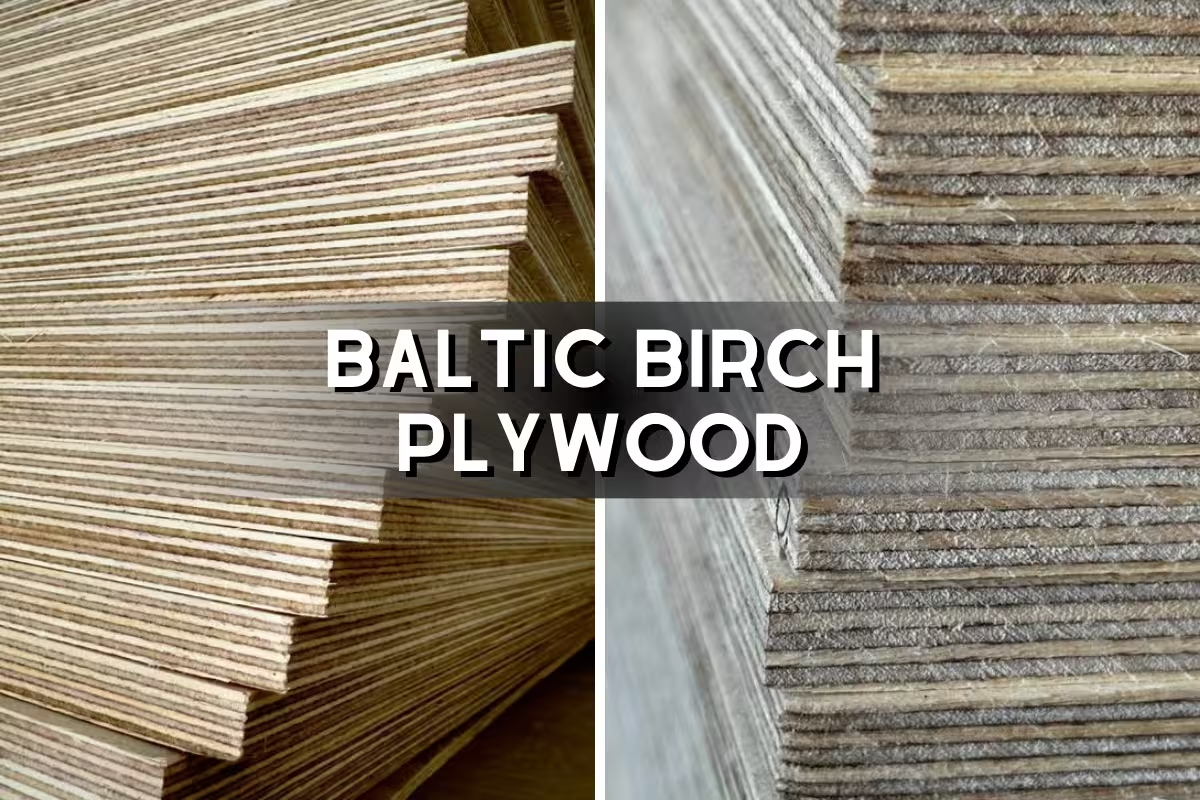
Baltic birch plywood is an all-birch, multi-ply panel known for flatness, clean edges, and consistent cores that machine predictably. If you’re asking what is baltic birch, it’s the plywood woodworkers pick when they need stable sheets, crisp joinery, and fewer core voids than standard plywood.
Table of Contents
Below, I’ll break down specs, grades, sizes like 3 4 baltic birch plywood, real performance limits, finishing habits that prevent failures, and exactly where to buy baltic birch plywood without getting a “birch-looking” substitute.
What Is Baltic Birch Plywood
Baltic birch is a birch-veneer plywood built with many thin layers, usually with a uniform core and clean edges meant to be left exposed. The big practical difference you’ll feel in the shop is how it cuts: the saw tone stays steady, and the edge comes off the blade looking “stacked” and even instead of crumbly.
A common beginner mistake is buying “birch plywood” and assuming it’s the same thing; many domestic birch panels use mixed cores with soft inner species and more voids. If you want the full background on the tree itself, link it with the material side by reading birch wood before you spec panels for a furniture job.
All-birch core
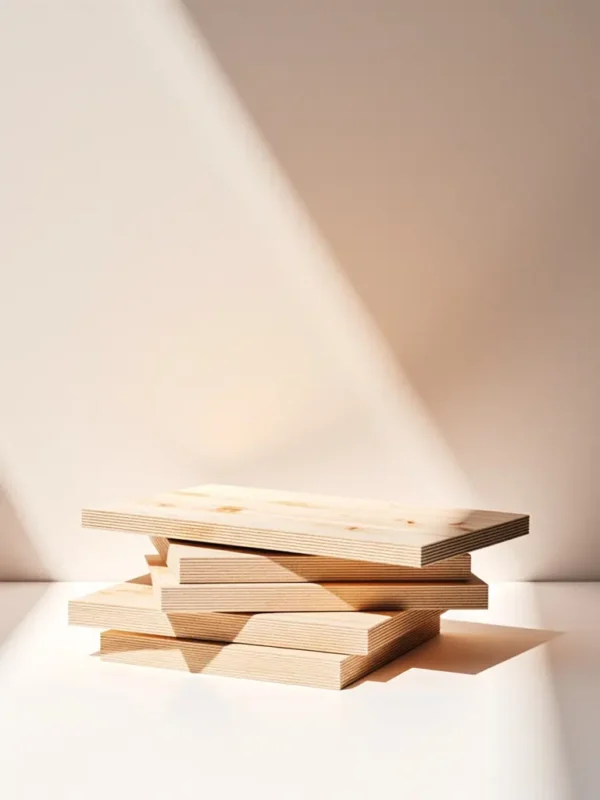
All-birch core means the inner plies are birch veneer, not softwood filler strips or mystery hardwood. In real builds, this shows up when you rout rabbets and dados: the bit doesn’t suddenly “drop” into a void, and drawer-lock joints don’t blow out at thin spots.
Watch out for panels marketed as “Baltic birch style.” That wording often signals a mixed-core product that behaves differently under screws and hinges. My workaround is simple: ask the supplier to confirm no MDF core, no particle core, and no combo-core before you place the order.
Cross-banded plies
Cross-banding alternates grain direction layer by layer, so the sheet resists cupping and seasonal movement better than a thick-core panel with fewer plies. You’ll notice it when a freshly cut offcut stays flat on the bench instead of curling up as the shop air hits it.
Edge case: thin sheets like 3 mm can still potato-chip if one face gets finish or humidity first. If I’m laser cutting or painting one side, I either seal both faces the same day or tape flat to a carrier board until it’s stable.
Glue types
Glue type matters more than most people think. Interior panels often use urea-formaldehyde, while exterior/WBP panels use phenolic adhesives that hold up better to moisture cycling and heat.
A mistake I see: using interior-glue Baltic birch for sink bases or bathroom vanities, then blaming “bad plywood” when edges swell. My fix is to spec the correct glue class for wet zones and still seal edges, because the wood fibers can swell long before glue lines fail.
Density and moisture
Density and moisture content drive weight, screw hold, and how a panel behaves after you bring it home. Baltic birch is commonly cited around 680–720 kg/m³ density, which helps it take crisp machining without feeling as heavy as hard maple sheet goods for the same stiffness.
Moisture content is why a sheet that was flat at pickup can move after a night in your garage. If you want to estimate carry weight for delivery planning, use plywood weight charts, then add a buffer for thicker multi-ply panels.
Baltic Birch Specifications and Sizes
Specifications are where good buying decisions happen. If you’re shopping for 3/4 Baltic birch plywood, you’re often choosing between metric thickness (like 18 mm) and nominal imperial labeling that isn’t always exact.
Thickness range
Thickness commonly runs from about 3 mm up to 30 mm depending on the distributor. Thin stock is popular for laser and small parts, while 12 mm–18 mm is common for cabinets, drawer boxes, and jigs.
Beginner trap: designing joinery around “exact” 3/4 in., then discovering the sheet is 18 mm and your dados are sloppy. My workaround is to measure every batch with calipers and cut joinery to the real thickness, or spec undersized router bits for plywood-fit dados.
Common ply counts
Ply count rises with thickness, and that’s a big part of why the edges look so clean. More thin plies usually means better screw holding across the edge and less chance of a fastener splitting a thick, soft inner layer.
If you build shop jigs, higher ply counts also mean fewer “random weak bands” when you drill dog holes or T-track slots. That’s why I’ll pay more for multi-ply sheets for fixtures that get clamped hard and slammed around.
Standard sheet sizes
5’×5′ is the classic Baltic birch format, and it’s still common for import panels. Many suppliers also stock 4’×8′ for North American workflows, which reduces seams on tall cabinet sides.
If you need a refresher on how sheet sizing impacts cut plans (and why “4×8” isn’t always exact), use plywood dimensions to avoid layout mistakes that waste expensive panels.
Tolerances and edges
Tolerances vary by mill and standard. Even a small thickness swing shows up when you stack dadoed parts: you’ll feel the mismatch as a tiny step when you run your fingertip across the joint.
Edges are a buying tell. True Baltic birch has a layered edge that sands to a silky, uniform feel; cheap panels often expose gaps that snag sandpaper and drink finish. If you want edges to stay visible, reject sheets with voids near corners where clamps often crush the weakest spots.
| Common callout | Typical metric thickness | What it’s used for | Shop note |
|---|---|---|---|
| 1/8 in. | 3 mm | Laser parts, templates, skins | Seal both faces fast to limit curl |
| 1/4 in. | 6 mm | Drawer bottoms (light), backs | Pre-drill near edges to stop splitting |
| 3/8 in. | 9 mm | Cabinet backs, light shelving | Support spans to prevent sag |
| 1/2 in. | 12 mm | Drawer boxes, case parts | Confirm actual thickness before dadoes |
| 3/4 in. | 18 mm | Cabinet sides, shelves, jigs | Ask for multi-ply, void-free edges |
Baltic Birch Grades Explained
Grades tell you what the faces will look like and how many repairs (plugs/patches) you’ll live with. Baltic birch is often labeled as Face/Back, so you’re buying two different surfaces in one sheet if you choose mixed grades like BB/CP.
A common mistake is paying for pretty faces when the part will be hidden inside a cabinet. For general context on how sheet goods get labeled across products, compare with plywood grades so you don’t overbuy.
How grading works
Face grading is about appearance defects: plugs, patches, knots, mineral streaks, and open splits. It isn’t a promise that every sheet is perfect; it’s a limit on what’s allowed, which is why you should still hand-pick if you’re matching panels for a visible run.
My pro move is to plan “show faces” early and mark them with painter’s tape as soon as I break down the sheet. That prevents the classic shop blunder where the best face ends up inside a cabinet because the parts got flipped during machining.
B/BB grade
B/BB usually means one cleaner face (B) and one face with more allowable patches (BB). It’s a great pick for drawer boxes and cabinet interiors where one face shows when you open the door and the other face hides against a side panel.
Watch for pinholes on the better face if you’re doing a glass-smooth painted finish. Those tiny pits can telegraph through paint as little craters after the first coat dries and you rake light across it.
BB/BB grade
BB/BB is the workhorse grade when both sides might be seen, like open shelving or modern cabinets with exposed interiors. You’ll still see patches, but they’re usually tight and sandable without tearing out.
If you’re staining, test around patches first. Some patches take pigment differently, so I’ll either use a dye stain for better uniformity or shift to a clear finish that celebrates the “utility-modern” look.
BB/CP grade
BB/CP is a money saver where only one face matters. I use it for cabinet ends you’ll see and backs or interiors you won’t, but I avoid it for clear-finish furniture where the “CP” side may show ugly repairs if you ever rearrange the space.
Edge case: if you’re CNC nesting parts, you can accidentally flip toolpaths and end up with the CP face outward on half the parts. The workaround is to mark the good face with chalk lines before you load the sheet and confirm the CAM origin matches your shop standard.
CP/CP grade
CP/CP fits hidden structural use, shop fixtures, and anything that will be laminated or painted heavy. It’s not junk; it’s just honest about cosmetics, which is why it belongs in drawers, cleats, and internal bracing.
Beginners often try to “sand it pretty” and burn through the outer veneer. If the plan is paint, I’ll fill defects with a hard filler, spot-prime, then sand lightly with a block to avoid dishing around patches.
C/C grade
C/C is utility-grade: open knots, splits, and more visible repairs show up, so it’s best where the panel is hidden or temporary. It still benefits from the multi-ply core, which can make it a better “shop plywood” than standard construction plywood for jigs.
If you’re building anything load-bearing, don’t assume C/C is structurally equal across suppliers. Inspect for core gaps near edges, because that’s where fasteners and hang hardware often land.
Common defects
Pinholes, mineral streaks, football patches, and plugged knots are normal in Baltic birch. Under a bright shop light, you’ll see pinholes as tiny dark freckles; they can look charming under clear coat but frustrating under gloss paint.
My workaround for pinholes on paint-grade parts is a thin skim of glazing putty after primer, then a quick sand with 220 on a firm block. That keeps the surface flat so your topcoat doesn’t feel like sandpaper when you run your palm across it.
Baltic Birch Performance and Properties
Performance is why Baltic birch has a following. It routes clean, holds fasteners well, and stays flatter over time than many big-box plywoods that use mixed cores and thinner face veneers.
For a detailed material overview and context around properties like density, see Wood Database: Baltic Birch, then come back here for the shop-level trade-offs that spec sheets skip.
Strength and stability
Stability comes from many thin, cross-banded plies. In cabinet work, that means doors align longer, drawer runners stay parallel, and shelves sag less for the same thickness compared with cheaper plywood.
One trap: people over-trust screw holding on exposed edges without pre-drilling. Birch is dense, so screws can snap or jack the layers apart if you drive too hard; I’ll drill a pilot, wax the screw, and use a clutch setting instead of full-send impact driving.
Water resistance
Water resistance depends on the adhesive class and how you treat edges. Even with exterior glue, raw edges act like a bundle of straws; you can feel them raise slightly after a humid night if they aren’t sealed.
If moisture is part of the job, compare it with marine plywood so you don’t confuse “water resistant glue” with “outdoor-ready construction.” Standing water, wet mops, and planter boxes are common failure cases unless the panel is fully sealed.
Grain and appearance
Appearance is usually a pale, even grain that looks clean under clear coats. When I sand it to 180 and wipe with mineral spirits, the figure pops just enough to look finished without screaming for attention.
Edge detail is part of the aesthetic. If you plan exposed edges, ease them with a tiny roundover; sharp birch edges feel almost glassy at first, then chip if they get knocked during installation.
Finish compatibility
Finishes that work well include waterborne polyurethane for a clear, non-yellow look, or hardwax oils for a warmer feel. Waterborne clears can raise grain; you’ll feel a faint fuzz after the first coat, so plan a light de-nib sanding.
A classic beginner mistake is staining Baltic birch like it’s solid hardwood, then getting blotch and patchy absorption. My workaround is a dye stain or a washcoat (thin sealer) before pigment stains, plus testing on an offcut from the same sheet.
Baltic Birch vs Alternatives
Alternatives can make sense if availability is tight or you need different surface looks. The key is knowing what you give up: core consistency, edge quality, or flatness over time.
Vs domestic birch plywood
Domestic birch plywood often has fewer, thicker plies and may use a mixed core. That can be totally fine for painted panels or cabinet sides that will be edge-banded, but it’s less predictable for exposed joinery.
If your build needs clean sheet-good faces more than exposed edges, compare it against cabinet-grade plywood and decide based on face quality, not the word “birch” on the sticker.
Vs rock maple
Rock maple plywood gives a harder face and a different look, but it often weighs more and can be harder on tooling. On a long day of breakdown cuts, you’ll feel that extra weight when you slide sheets onto the saw and your shoulders start to complain.
If you want the maple route for aesthetics or hardness, use maple plywood as your comparison baseline, then choose Baltic birch where edge strength and multi-ply stability matter most.
Vs standard plywood
Standard plywood (construction or big-box “sanded”) can cost less, but you’ll often fight voids, thinner faces, and more warp. That shows up fast when you cut dados and the fit changes every 12 inches because the core isn’t consistent.
If budget forces a substitute, I’ll shift the design: hide edges with solid edging, avoid exposed joinery, and choose mechanical fasteners that don’t rely on edge screw holding. That turns “inferior core” into a manageable compromise instead of a surprise failure.
Choosing the Right Baltic Birch for Projects
Project fit comes down to thickness, grade, and glue class. Picking the wrong combination is where wasted money and ugly surfaces happen, even if the panel itself is good.
- Pick your visible faces first, then choose the grade that matches.
- Match thickness to span and load, not the name on a cut list.
- Choose glue class for humidity, then still seal edges.
- Measure real thickness before you cut joinery.
Cabinets and drawer boxes
Drawer boxes love Baltic birch because the edges are strong and uniform. For most drawers, 1/2 in. (often 12 mm) works great; for big, wide drawers, stepping up to 5/8 in. or using stronger joinery keeps the box from racking.
Beginner mistake: driving screws into drawer sides without pilots and splitting the layers at the front. I’ll cut a dado or locking rabbet, clamp square, then use brads or confirmat-style fasteners with pilots so the corners stay clean.
Shelving and load parts
Shelves need thickness more than pretty faces. For long runs, 3/4 Baltic birch plywood (often 18 mm) reduces sag, and a simple front nosing stiffens it even more while protecting the edge from dents.
Edge case: books and records create constant load, not occasional load. If you’ve ever heard a shelf give a tiny groan as you set a heavy stack down, you already know why I’ll add a hardwood lip or a torsion box design for spans that push limits.
Marine and outdoor
Outdoor use is where Baltic birch gets misused. Even if the glue is exterior-rated, checks and edge swelling start fast if sun and water hit it repeatedly.
If you must use it outdoors, I’ll treat it like a boat interior panel: seal every face, flood the edges, and avoid trapping water at joints. For high-abuse wet locations, I often pivot to phenolic-faced panels; compare options with phenolic plywood so you don’t rebuild the same piece next season.
CNC and fine joinery
CNC work benefits from consistent cores and predictable tool loads. I can hear the difference when the bit stays in uniform material—less chatter, less squeal, and cleaner pockets that don’t need hand-paring.
A mistake is assuming one compression bit recipe works for every sheet. If the outer veneer is thin, aggressive surfacing can cut through fast. My workaround is to probe thickness, set a conservative finishing pass, and leave tabs where the grain direction could tear at exits.
Laser cutting sheets
Laser cutting Baltic birch is popular because it’s stiff for its thickness and engraves cleanly, but sheet-to-sheet glue and resin can change how it burns. You’ll smell it right away when a batch cuts “sweet and woody” versus “sharp and acrid,” and that odor shift usually matches more char and darker edges.
Common mistake: running full power to “guarantee” a cut, then getting wide kerf and sooty edges that smear onto fingers. My workaround is to run a small power/speed test grid per batch, mask both faces, and use strong air assist; it reduces flare-ups and keeps engraving details crisp.
Finishing, Storage, and Handling
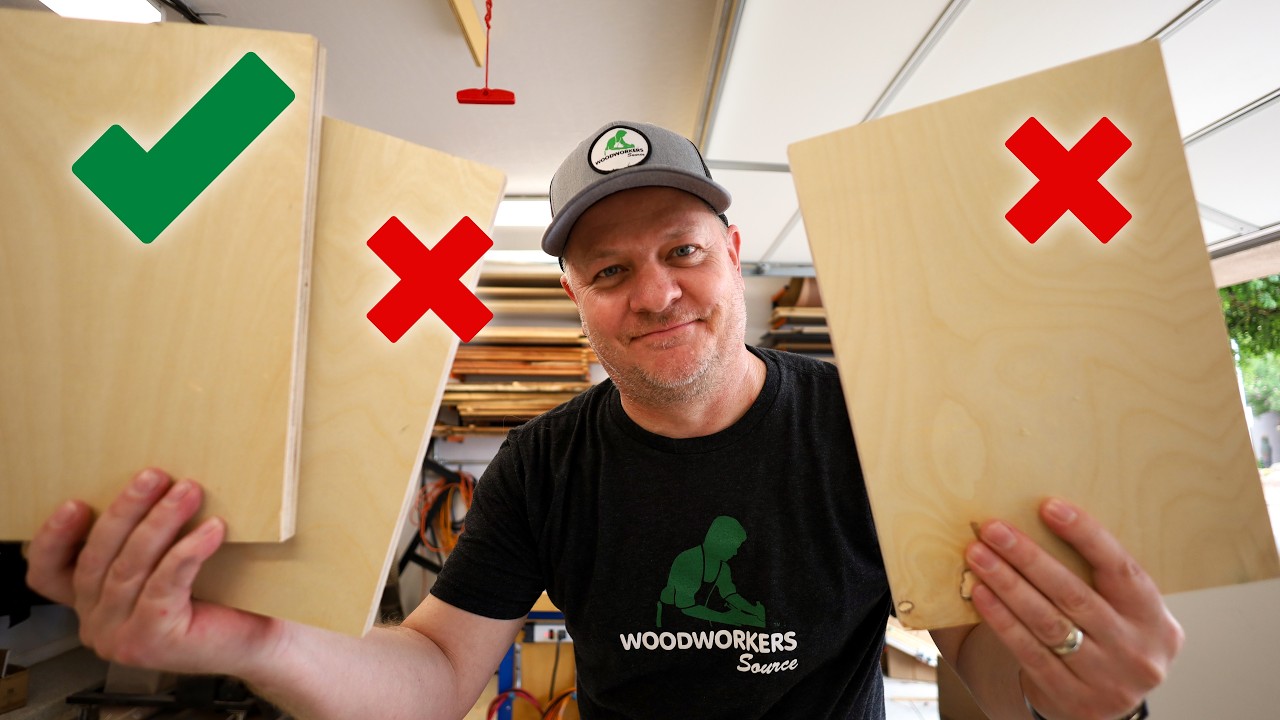
Handling is where people accidentally ruin good Baltic birch before the first cut. One damp garage floor, one sunlit window, or one sloppy finish schedule can twist a sheet just enough to mess up joinery fits.
Sealing for moisture
Seal edges first if moisture is even a slight concern. I wipe on a thinned first coat to help it soak in, then build coats normally; edges should feel slightly rounded and smooth, not fuzzy, when you rub them after drying.
A common failure is finishing only the show face and leaving the back raw. The panel then cups as one face gains and loses moisture at a different rate. My fix is simple: finish both faces within the same session and keep the sheet flat while it cures.
Storage conditions
Flat storage beats leaning sheets against a wall. Stored upright, sheets slowly bow, and you’ll fight that bow on the table saw where it pinches the fence side and changes cut width.
If I’m storing panels for more than a week, I sticker them flat, keep them off concrete, and avoid direct HVAC blasts. The “cold face / warm face” effect can show up as a mild twist that you only notice when you try to assemble square cabinets.
Handling tips
Carry sheets vertically and support the middle so they don’t crease along the grain. Baltic birch is stiff, but a hard bump on a corner can crush plies and leave a bruise that stays visible under clear finish.
For clean cuts, I’ll use a sharp ATB or hybrid blade and support the sheet fully. If tearout still shows up, painter’s tape on the cut line and a zero-clearance insert can turn ragged fibers into a crisp edge.
Failure scenarios
Edge swelling is the most common real failure I see, especially on sink bases and mitered corners. You’ll feel it as a raised ridge along the edge, and once it swells, sanding often reveals darker glue lines and uneven plies.
Delamination is rarer with good panels, but it happens after repeated wet/dry cycles or when a panel was already compromised by storage. My workaround is prevention: seal, keep water from pooling, and avoid designs that trap moisture in inside corners.
Practical Notes From Real-World Use
Supply swings are real. I’ve had “the same grade” from different shipments cut and sand differently—one batch felt buttery under a sander, while another had harder glue lines that left a subtle ripple if I rushed.
Smell tests help when you’re machining a new batch. If routing produces a harsh, chemical odor and extra dark dust, I slow feed, reduce heat, and swap to a fresh bit sooner. That prevents burn marks that telegraph through clear coats.
Plies telegraph through thin paint if you skip primer. On bright white jobs, I’ve seen the edge stripe pattern show faintly after curing under raking light. The fix is primer build plus a light skim on edges before the final topcoat.
Metric reality affects joinery. If you design drawers around 1/2 in. but your “12 mm” stock is a hair under, your locking joints can loosen. I keep a few router bits labeled for “actual plywood” sizes and treat drawings as starting points, not gospel.
Where to Buy Baltic Birch Plywood
Where to buy Baltic birch plywood depends on whether you need full sheets for cabinets or small packs for laser and craft work. The safest path is a specialty distributor that can confirm grade, glue class, and sheet size before delivery.
Specialty distributors
Distributors that focus on hardwood plywood usually stock multiple grades and thicknesses, plus they’re used to questions about cores and adhesives. Start by checking Anderson Plywood’s Baltic Birch page (and similar regional suppliers) so you can ask for the right sheet format and grade from the first call.
Sheet sizes to request
Request sizes by exact dimensions: 5’×5′ (classic) or 4’×8′ (common for cabinet sides). If your cut plan is tight, confirm whether the sheets are full size or trimmed, and ask if corners are dinged from handling.
A mistake is ordering 5’×5′ and then realizing your vehicle or shop workflow is set up for 4’×8′ breakdown. I’ll plan transport first—straps, flat support, and protection from rain—then choose size based on how I’ll cut it safely.
Ask-for checklist
Ask these questions before you pay, because “birch plywood” labels get sloppy fast:
- Is it all-birch core with no combo-core?
- What is the exact grade (B/BB, BB/BB, BB/CP, etc.)?
- Interior or WBP/exterior glue?
- What are the true sheet dimensions (5’×5′, 4’×8′)?
- What’s the measured thickness for this batch (mm and inches)?
- Can I get sheets with clean edges (minimal voids/damage)?
Craft sheet packs
Craft packs are a practical option for laser cutters, scroll saws, Cricut-style projects, and prototyping when full sheets are overkill. Here are popular pre-cut options that can save time when you need consistent small panels.

Sturdy 3 mm Baltic Birch Sheets
- Consistent 3 mm thickness ideal for precision cutting and engraving
- Smooth B/BB veneer for clean painting and wood burning results
- Stronger than basswood for more durable finished pieces
- Compatible with laser, CNC, scroll saw and pyrography tools
- Bulk box of 50 sheets for large projects and prototyping
 Buy on Amazon

10-Pack 16 inch by 12 inch Baltic Birch
- Includes ten 16 inch by 12 inch unfinished 3 mm sheets ready for crafting
- Smooth surface accepts paint, stain and pyrography well
- Ideal size for architectural models and art projects
- Works with laser cutters and manual tools for precise detailing
- Lightweight box for easy storage and project staging
Buy on Amazon

45-Pack 12 inch Baltic Birch Sheets
- A Grade A/A veneer for a consistent natural finish and minimal defects
- Reliable 3 mm thickness suited for laser engraving and cutting
- Stronger than basswood for tougher craft and prototype parts
- Smooth surface is great for painting, staining and wood burning
- Box of 45 provides good value for frequent makers and small shops
Buy on Amazon

6-Pack 12 inch by 18 inch Baltic Birch Sheets
- Six flat 12 inch by 18 inch sheets at 3 mm thickness for larger craft panels
- B/BB veneer balances smooth faces with economical pricing
- Thin profile works well for scroll sawing, laser cutting and layering
- Ready surface for painting, drawing and wood burning
- Easy to sand and finish for custom projects
Buy on Amazon

45-Pack 12 inch Baltic Birch Sheets
- Box of 45 consistent 3 mm sheets for high volume crafting and prototyping
- B/BB grade veneer offers a smooth face with solid core stability
- Stronger than basswood for durable parts and models
- Laser, CNC and hand tool friendly for versatile workflows
- Great for painting, engraving and layered assemblies
Buy on Amazon

25-Pack 12 inch Baltic Birch Sheets
- Twenty five 12 inch 3 mm sheets ideal for classrooms and craft groups
- Unfinished surface ready for paint, pyrography and engraving
- Consistent thickness for repeatable laser and CNC results
- Lightweight yet stable for model making and architectural mockups
- Economical pack for hobbyists and small studios
Buy on Amazon

2-Pack 12 inch 12 mm Baltic Birch Panels
- Two sturdy 12 inch panels at 12 mm thickness for shelving and structural builds
- B/BB grade veneer gives a clean face with strong multi ply core
- Ideal for small shelves, boxes and heavy duty craft projects
- Easy to cut, rout and finish for furniture and display pieces
- Stable, low warp panels suitable for CNC and woodworking
Buy on Amazon

Glowforge Ready 12 inch by 19 inch Birch 10-Pack
- Ten hand selected 3 mm sheets sized for Glowforge and similar laser cutters
- Unfinished, consistent surfaces for precise engraving and cutting
- Optimized for clean burn edges and detailed results
- Great value box for small businesses and hobby laser users
- Compatible with CNC, scroll saw and hand finishing
Buy on Amazon
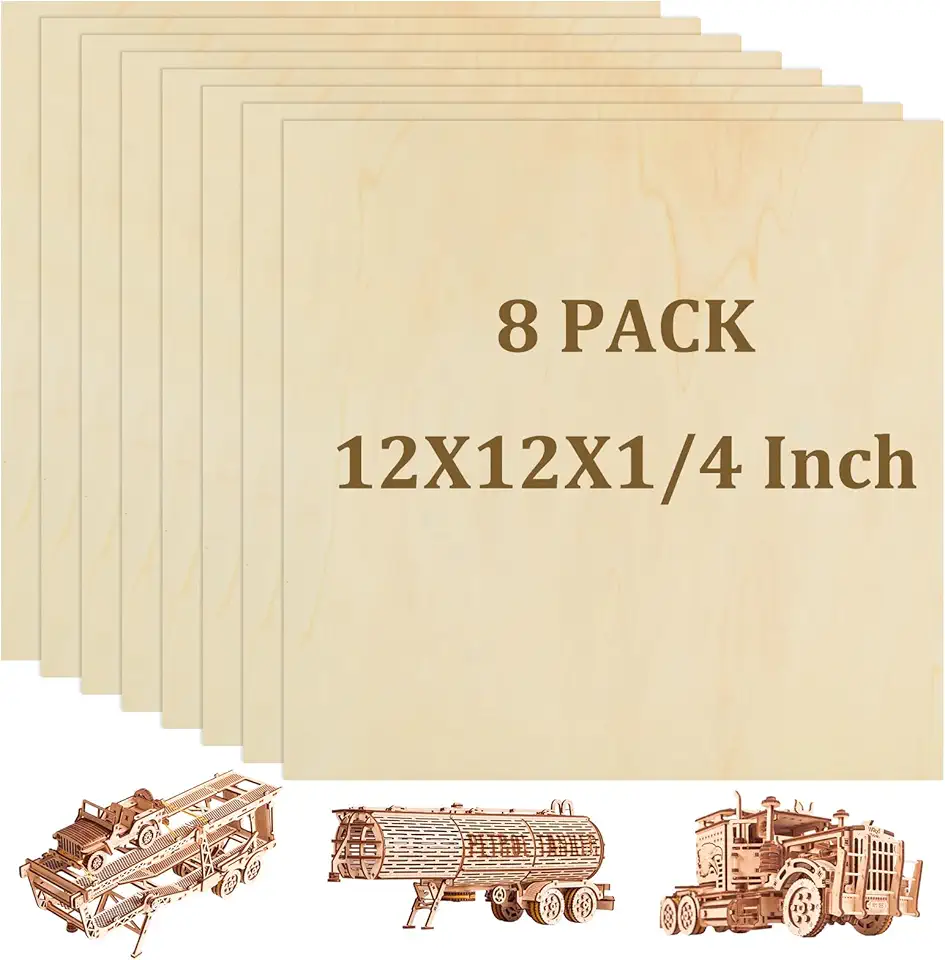
8-Pack 12 inch 6 mm Baltic Birch Sheets
- Eight 12 inch panels at a sturdy 6 mm thickness for heavier craft components
- Great thickness for Cricut Maker projects and structural layers
- Smooth veneer accepts paint, stain and ink well
- Works with laser, CNC and traditional woodworking tools
- Stable, easy to sand and finish for durable results
Buy on Amazon
FAQs
What Is Baltic Birch Plywood And Why Is It Different?
Baltic Birch Plywood Is A High-Quality Hardwood Plywood Made From Many Thin Plies Of Birch Veneer Glued Together, Offering Exceptional Strength And Uniformity.
Its consistent core, tight grain, and minimal voids make it different from standard plywood and ideal for cabinetry, furniture, and projects requiring clean edges and strong joinery.
What Do Baltic Birch Grades B/BB And BB/BB Mean?
B/BB And BB/BB Are Surface-Grade Codes That Describe The Face And Back Veneer Quality Of Baltic Birch Plywood.
B/BB Means A B-Quality Face With A BB-Quality Back, While BB/BB Means Both Sides Are BB-Grade With More Allowable Repairs And Minor Imperfections; Choose B/BB For Finer Visible Panels And BB/BB For Budget Or Painted Work.
Is 3/4 Baltic Birch Plywood The Same As 18Mm Baltic Birch?
Three-Quarter-Inch Baltic Birch And 18Mm Baltic Birch Are Very Similar But Not Always Identical Due To Metric Vs Imperial Sizing.
3/4 Inch Is 19.05Mm, So 18Mm Is Slightly Thinner; Many Manufacturers Label Panels As 3/4 For Convenience, But Check Exact Thickness For Tight Tolerances In Joinery Or Fitting Hardware.
Is Baltic Birch Plywood Waterproof Or Marine Grade?
Baltic Birch Plywood Is Not Inherently Waterproof And Is Not The Same As Marine-Grade Plywood.
It Uses Interior Adhesives That Resist Some Moisture But Will Delaminate If Constantly Exposed To Water; For Wet Environments, Use Marine-Grade Or Exterior Plywood With Specific Waterproof Glue And Treatments.
Where To Buy Baltic Birch Plywood In 5X5 Sheets?
Five-By-Five Baltic Birch Sheets Are Less Common Than Standard Panels, But You Can Find Them Through Specialty Lumber Suppliers, Cabinet Shops, And Online Hardwood Retailers.
Check Local Plywood Distributors, Specialty Mills, Woodworking Supply Stores, And Marketplaces Like Rockler, Woodcraft, Or Online Sellers; You Can Also Order Custom-Cut Panels Or Contact Baltic Birch Mills For Special Sizes.