What Is Diamond Wood? Meanings, Modified Wood Uses, and Buying Guide

Table of Contents
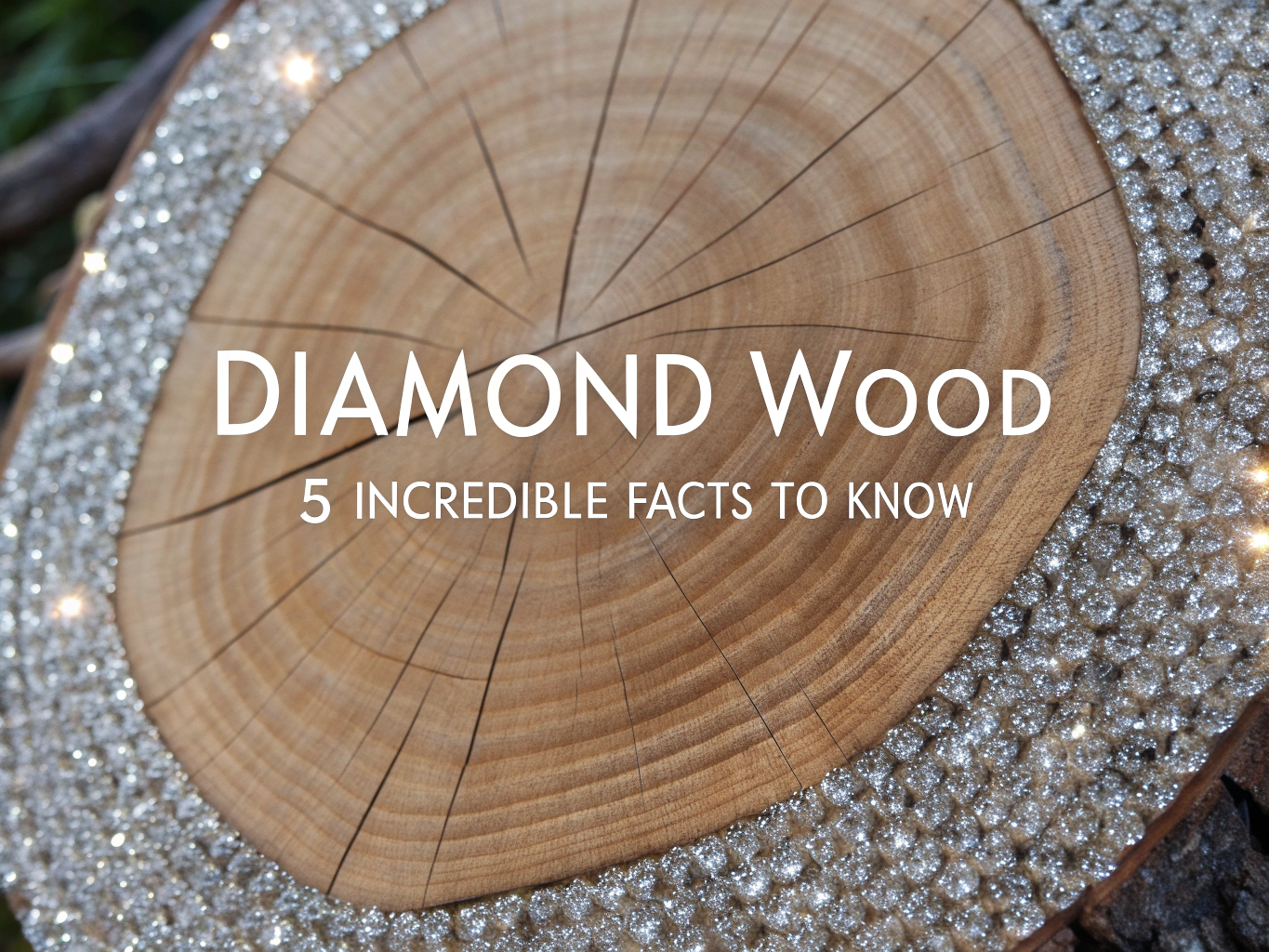
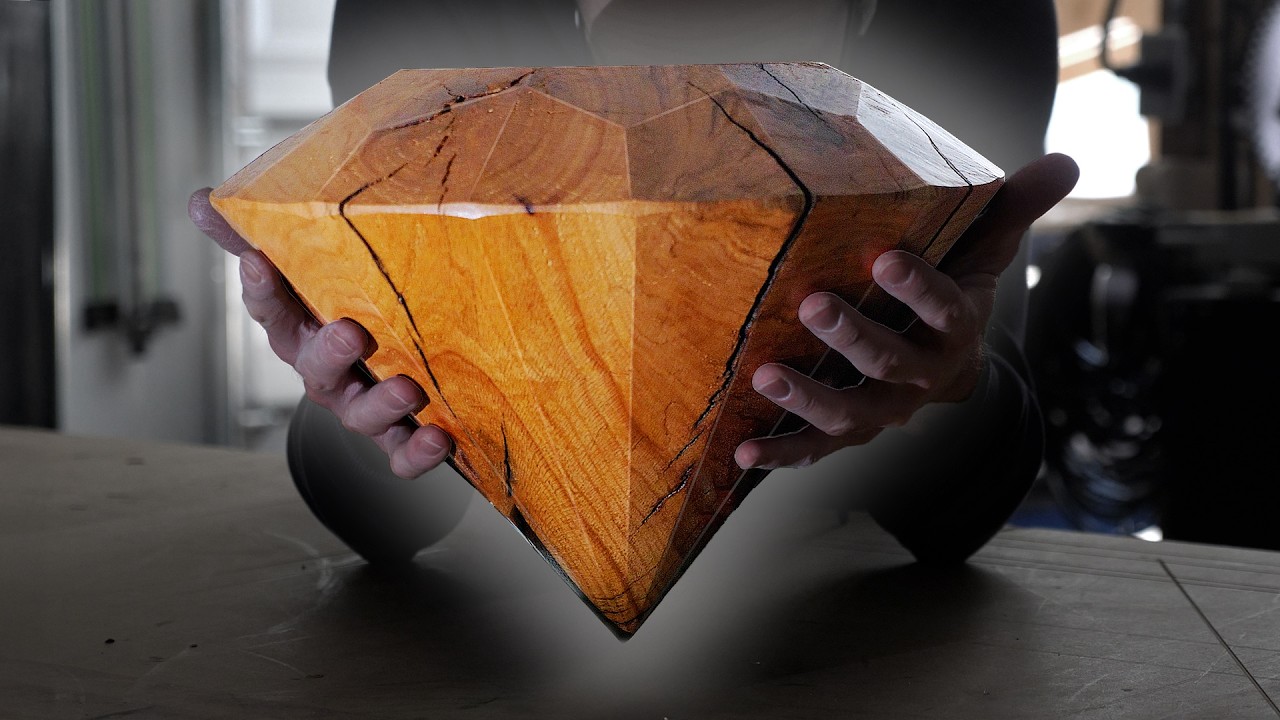
Diamond wood can mean different things depending on context: a geometric wood shape, a laminated composite, a modified wood material, or a branded product. It isn’t one standardized wood species or one fixed treatment, so the right answer depends on whether you mean craft blanks, DymondWood-style handle stock, exterior modified wood, or diamond-pattern decor.
What Is Diamond Wood?
Diamond wood is an informal term, not a single technical category. In shops and product listings, I see it used for diamond-shaped timber pieces, decorative panels, laminated wood composites, and sometimes hard engineered wood described with “diamond” as a strength cue.
Diamond Wood Meanings
Diamond wood meaning changes by product type. A thin laser-cut diamond blank feels light and slightly fuzzy on the edge before sanding, but a resin-laminated handle blank feels cold, dense, and almost plastic-like when you tap it on the bench.
- Craft meaning: diamond-shaped wood cutouts, tiles, ornaments, earrings, and DIY blanks.
- Composite meaning: DymondWood-style laminated veneer bonded with resin under pressure.
- Modified wood meaning: thermally modified, acetylated, furfurylated, densified, or resin-treated wood.
- Decor meaning: flooring, wall panels, inlays, or cladding arranged in a diamond pattern.
- Brand meaning: a company, product line, or local business using Diamond Wood, Diamondwood, or Diamondwoods.
Quick Use-Case Guide
Use case first is the fastest way to avoid buying the wrong material. If you need outdoor siding, a diamond-shaped craft blank won’t help; if you need earrings, premium acetylated decking would be heavy, costly, and hard to cut cleanly.
| If you searched for | You probably need | Check before buying |
|---|---|---|
| what is diamond wood | Definition across several meanings | Whether the product is shape-based, composite, modified, or branded |
| diamond shaped timber | Craft blanks, tiles, or decorative pieces | Thickness, sanding quality, holes, and wood type |
| dimond wood | Often DymondWood or Diamondwood spelling confusion | Seller description, resin content, and intended use |
| diamond wood products | Could mean crafts, panels, handles, or lumber | Exterior rating, warranty, finish needs, and dimensions |
| diamond and wood | Often jewelry, decor, art, or mixed-material design | Whether “diamond” means shape, gemstone, rhinestone drill, or pattern |
Diamondwood and Dimond Wood
Diamondwood and “dimond wood” often point to spelling variation rather than a new material. Search results mix brand names, old laminated handle stock, craft supplies, and misspellings of DymondWood, so read the product description instead of trusting the label alone.
Diamond Tree Confusion
Diamond tree and diamond trees are separate search paths in many cases. They may refer to decor, business names, botanical nicknames, or translated trade names such as diamantnuss holz, so don’t assume a “diamond tree” result identifies a usable wood material.
Diamond Wood vs Modified Wood
Modified wood is the broader technical category. It starts as real wood, then heat, chemistry, resin, compression, or plastic blending changes moisture behavior, decay resistance, hardness, or dimensional stability.
Shape vs Treatment
Shape-based diamond wood is usually ordinary wood cut into a diamond form. A beginner mistake is sealing only the flat faces after painting; the thin edge grain still drinks moisture, swells slightly, and leaves a rough raised line under clear coat.
Laminated Composite Overlap
Laminated overlap happens when diamond wood means dyed veneer layers bonded with resin. This can act like a modified wood product for handles and small parts, but it isn’t the same thing as exterior-rated modified lumber used for cladding or decking.
Densified Engineered Wood
Densified wood can be described with diamond-like hardness in marketing or research coverage. The process compresses wood structure and may remove part of the lignin first, but moisture cycling can cause swelling or spring-back if the material isn’t stabilized.
Not Always Modified
Not every product labeled diamond wood is modified wood. Thin basswood cutouts, plywood craft tiles, MDF shapes, and unfinished earring blanks are usually standard craft materials with no durability class, exterior rating, or structural testing.
Diamond Wood vs DymondWood
DymondWood refers to a well-known laminated wood composite style, while diamond wood is a broader informal phrase. Many buyers type “diamond wood” when they remember the look of colorful layered knife scales but not the spelling.
Veneer and Resin
Veneer layers give DymondWood-style material its striped figure. Makers stack thin dyed wood sheets, impregnate or bond them with resin, then press them under heat and pressure until the block machines more like a dense composite than raw lumber.
Handle and Turning Uses
Handle stock is where this material shines. Knife scales, gun grips, pen blanks, walking sticks, and turning blanks benefit from the layered color, added density, and stable feel; fresh sanding releases a sweet resin-and-wood dust smell that calls for good extraction.
DymondWood-Style Alternatives
Common alternatives include SpectraPly, ColorWood, PakkaWood, Richlite, phenolic laminates, and stabilized wood blanks. For deeper background on layered wood products, the site guide to laminated wood explains how grain direction, glue lines, and pressure affect performance.
Availability and Pricing
Availability varies because original legacy stock can be scarce. Small DymondWood-style blanks cost more when the colorway is rare, the block is void-free, or the piece comes from discontinued stock; cheap substitutes often show pale glue lines or tiny gaps after shaping.
How Modified Wood Is Made
Modified wood is made by changing how wood takes up water, resists decay, carries load, or wears at the surface. The main routes are heat treatment, acetylation, furfurylation, densification, resin-impregnated lamination, and wood-plastic compounding.
Process choice matters because each method improves one set of traits and can weaken another. The USDA Wood Handbook is a useful reference for wood structure, moisture movement, mechanical properties, and durability basics.
Thermally Modified Wood
Thermal modification heats wood in a controlled low-oxygen setting, often around 160°C to 230°C. Heat alters hemicellulose and reduces equilibrium moisture content, which improves stability and decay resistance but can make some boards more brittle at edges and screw points.
Acetylated Wood
Acetylated wood reacts accessible hydroxyl groups in the wood with acetic anhydride. This reduces water bonding inside the cell wall, so boards swell less, hold coatings better, and suit windows, doors, trim, cladding, and decks when installed with approved fasteners.
Furfurylated Wood
Furfurylated wood uses furfuryl alcohol that polymerizes within the wood structure. The result is harder, more durable lumber for decking and cladding, with a rich brown tone that fades outdoors if left unfinished, much like many exterior woods.
Densified Wood
Densified wood is compressed to reduce void space and raise density. Some lab methods combine partial delignification, chemical treatment, and hot pressing; one widely cited study reported strength up to 12 times higher and toughness up to 10 times higher than natural wood in tested samples, as published in Nature.
Resin-Impregnated Laminates
Resin laminates use thin veneers filled or bonded with resin, then pressed into blocks or sheets. They machine cleanly with sharp carbide, but dull tools heat the resin, smear the surface, and chip the color layers along the glue line.
Wood-Plastic Composite
Wood-plastic composite blends wood fiber or flour with plastic binders. It isn’t solid modified wood, but it competes with modified decking because it resists rot and splinters; heat buildup, expansion gaps, and surface scuffing still need attention.
Performance and Limitations
Performance depends on the exact product, not the phrase diamond wood. Modified wood can improve moisture resistance, decay resistance, hardness, or stability, but no label makes wood waterproof, fireproof, code-approved, or maintenance-free by itself.
Field experience insights: the failures I see most often start at edges, cuts, and trapped water. A deck board can look perfect on top yet feel slightly cupped under your palm after a wet week if spacing, ventilation, or end-grain sealing was skipped.
Strength and Hardness
Strength claims need context. Densified wood can show large gains in modulus of rupture, impact toughness, and surface hardness, but thermally modified wood often gains stability rather than bending strength, and resin-laminated blanks gain density mainly through veneers and resin.
Dimensional Stability
Dimensional stability means the board moves less with humidity changes. Acetylated and furfurylated products are strong performers here, thermal products also improve, and densified products need moisture-stable processing to prevent shape recovery after soaking.
Moisture and Decay
Decay resistance improves when fungi can’t use the wood easily or the wood holds less moisture. Still, dirt, pollen, leaf litter, and shaded wet surfaces can support mold on top, so cleaning and drainage remain part of the system.
UV and Weathering
UV weathering usually turns exterior wood gray. That gray surface can be cosmetic, not structural failure, but uneven sun exposure around furniture, rail shadows, and overhangs can leave patchy color that annoys owners who expected a permanent brown tone.
Fasteners and Installation
Fastener choice can make or break exterior work. Stainless steel screws, pre-drilled holes, correct board spacing, ventilation gaps, and manufacturer-approved clips prevent black staining, split ends, and movement noise when boards expand and contract.
Fire and Code Ratings
Fire ratings are product-specific. Modified wood doesn’t automatically meet flame-spread limits for cladding, soffits, commercial walls, or wildfire zones, so ask for test reports, assembly details, and local code acceptance before specification.
Sustainability Claims
Sustainability claims depend on sourcing, treatment chemistry, service life, maintenance, and end-of-life options. Modified wood can reduce reliance on tropical hardwoods, but heat energy, resin content, transport, coatings, and disposal still count in the material footprint.
Uses and Product Types
Diamond wood uses range from exterior architecture to tiny craft parts. Match the product to load, moisture exposure, hand contact, finish schedule, and appearance needs before judging it by photos alone.
Exterior Decking and Cladding
Exterior modified wood works well for decking, siding, rainscreens, trim, doors, and outdoor furniture when the material is rated for that exposure. For acetylated lumber details, see the site guide to Accoya wood, then compare warranty language with your project conditions.
Flooring and Wall Panels
Diamond patterns in flooring and wall panels often refer to layout, not treatment. In interiors, stable engineered cores, veneer thickness, adhesive quality, and finish hardness matter more than the word diamond in the product name.
Knife Handles and Tools
Knife handles benefit from dense laminated or stabilized wood because the surface polishes smooth and resists sweaty hands better than raw open-grain wood. Wear a respirator when shaping it; the fine dust sticks to skin and has a sharp resin smell near the sander.
Diamond-Shaped Craft Blanks
Craft blanks are best for ornaments, garlands, gift tags, mosaics, classroom projects, earrings, party signs, and seasonal decor. Sand the edges before painting, then seal both faces and edges so stain doesn’t blotch and acrylic paint doesn’t raise the grain.
These diamond wood cutouts fit DIY projects where shape, smoothness, and pack quantity matter more than structural strength.

Easy Diamond Wood Cutouts
- Unfinished wood pieces ready for painting, staining, or decorating
- Smooth surface works well for DIY crafts and gift tags
- 4-inch size is great for ornaments, garlands, and party decor
- Lightweight design makes them easy to hang, glue, or personalize
- 30-pack gives you plenty for group projects and seasonal making
 Buy on Amazon

Mini Diamond Wood Tiles
- Compact diamond-shaped blanks for detailed craft projects
- Unfinished wood accepts paint, stain, and embellishments easily
- Great for mosaics, ornaments, and custom decor accents
- Uniform pieces help create a clean, coordinated look
- 30-piece set offers excellent value for creative projects
Buy on Amazon

Diamond Wood Slices Set
- Unfinished diamond-shaped wood pieces for endless DIY ideas
- Smooth blanks are easy to paint, decorate, or personalize
- Ideal for holiday decor, ornaments, and handmade gifts
- Lightweight pieces work well for hanging and crafting
- 30-pack provides a handy supply for multiple projects
Buy on Amazon

Mixed Wood Earring Blanks
- Assorted blank shapes for earrings, charms, and craft jewelry
- Unfinished wood is easy to paint, stain, and customize
- Pre-drilled pieces help speed up DIY assembly
- Includes a variety of popular shapes for flexible designs
- Great for makers, gifts, and small accessory projects
Buy on Amazon

Complete Earring Craft Kit
- All-in-one set for making custom wooden earrings
- Includes blanks, hooks, and jump rings for easy assembly
- Mixed shapes let you create lots of unique styles
- Lightweight pieces are comfortable for everyday wear
- Large 300-piece collection supports many projects and gifts
Buy on Amazon
Diamond Art Wood Bases
Diamond art wood uses resin rhinestone drills on printed adhesive surfaces mounted to wood or hardwood bases. Coasters, tray decor, and wall pieces are craft products; they don’t gain modified wood durability just because the base is wood.
These wood-base kits suit diamond painting projects where the finished piece becomes decor, a coaster set, or a small gift.

Rustic Cabin Diamond Art
- Full-drill diamond painting kit with a cozy rustic scene
- Great for relaxing creative time and stress relief
- Finished artwork adds warm handmade charm to any wall
- 14 by 14 inch size makes it ideal for home decor
- Suitable for adults and beginners who enjoy crafting
Buy on Amazon

Cow Coaster Craft Kit
- Fun diamond art coaster set with a charming cow design
- Includes holder and cork pads for a finished display
- 4 by 4 inch coasters are a handy size for everyday use
- Great beginner project for adults and craft lovers
- Adds handmade style while helping protect tabletops
Buy on Amazon

Seasonal Tray Decor Set
- Interchangeable diamond art decorations for year-round styling
- Includes 12 wood bases for flexible tabletop displays
- Great for tiered trays, centerpieces, and holiday accents
- Easy-to-update designs keep your decor fresh through the seasons
- A fun craft set for home decorating and gifting
Buy on Amazon

Succulent Coaster Set
- Decorative diamond painting coasters with a plant-inspired look
- Non-slip hardwood bases help keep drinks steady
- Includes holder for tidy storage and display
- 4 by 4 inch size fits most cups and glasses
- Great beginner-friendly craft set for gifts or home use
Buy on Amazon
Diamond Wood Comparison
Diamond wood comparison works best when you separate shape, treatment, and rating. Two products can look similar in a photo yet perform differently under rain, sanding heat, screw pressure, or long-term UV exposure.
Comparison Table
This table compares common meanings and nearby alternatives so you can match the material to the job.
| Material or product type | What it is | Main process | Typical use | Moisture resistance | Exterior suitability | Price level | Key limitation |
|---|---|---|---|---|---|---|---|
| Diamond-shaped craft wood blanks | Thin wood cut into a diamond shape | Laser cutting or die cutting | DIY decor, earrings, ornaments | Low without finish | Usually indoor only | Low | No structural or durability rating |
| DymondWood-style laminated wood | Dyed veneer and resin composite | Veneer stacking, resin, pressure | Knife handles, pens, grips | Moderate to good | Product-specific | Moderate to high | Can chip or delaminate if poorly made |
| Thermally modified wood | Heat-treated solid wood | Low-oxygen heat treatment | Decking, cladding, interiors | Good | Yes, if rated | Moderate to premium | Can be brittle and grays outdoors |
| Acetylated wood | Chemically modified solid wood | Acetylation | Trim, windows, cladding, decks | Excellent | Strong exterior option | Premium | Higher upfront cost and fastener rules |
| Furfurylated wood | Polymer-modified wood | Furfuryl alcohol polymerization | Decking, cladding, outdoor furniture | Good to excellent | Yes, if rated | Premium | Color changes outdoors |
| Densified wood | Compressed high-density wood | Compression, often chemical pretreatment | Research materials, hard surfaces | Varies | Depends on stabilization | Varies | Availability and moisture cycling data vary |
| Stabilized wood | Wood blank filled with resin | Vacuum resin impregnation | Turning, handles, jewelry | Good for small objects | Product-specific | Moderate to high | Not structural lumber |
| Standard hardwood | Untreated solid wood | Sawn, dried, milled | Furniture, flooring, tools | Species-dependent | Only durable species outside | Low to high | Moves with humidity |
| Pressure-treated wood | Preservative-treated lumber | Pressure treatment | Deck framing, posts, outdoor structures | Good decay resistance | Common exterior option | Moderate | Can warp, check, and need approved fasteners |
| Wood-plastic composite | Wood fiber mixed with plastic | Extrusion or molding | Decking, trim, outdoor boards | High rot resistance | Yes, if rated | Moderate to premium | Heat buildup and expansion gaps |
Modified Wood Alternatives
Alternative materials include pressure-treated lumber, tropical hardwood, composite decking, phenolic board, stabilized blanks, and engineered panels. For sheet materials used in shops, compare types of plywood because plywood grade and glue exposure rating can matter more than decorative naming.
Price Levels
Price levels follow performance and scarcity. Craft packs are low-cost multipack items, thermally modified lumber sits above commodity softwood, acetylated and furfurylated boards sit in premium ranges, and rare laminated handle stock can cost more per cubic inch than common hardwood.
Exterior Suitability
Exterior suitability needs proof on paper. Look for exposure rating, ground-contact rating, warranty term, fastener notes, spacing diagrams, ventilation requirements, coating guidance, and any stated limits around pool decks, snow zones, or salt-air sites.
Key Limitations
Key limitations include water trapped at end grain, UV graying, surface checking, coating failure, fastener corrosion, delamination, spring-back in densified wood, and missing fire or code data. The pro workaround is simple: match the rating to the exposure, then follow the installation guide exactly.
Buying and Specification Checklist
Buy diamond wood by first defining what the seller means. The safest checklist separates craft blanks, laminated blanks, modified lumber, and advanced materials because each has different failure points and paperwork needs.
Identify the Meaning
Start with purpose: craft decor, jewelry, knife handles, flooring, wall panels, decking, cladding, or structural use. A product that feels perfect in the hand can still be wrong outside, and a board rated for cladding may be too expensive and awkward for small craft work.
Craft Blank Checks
Craft blank checks include size, thickness, species, pre-drilled holes, sanding quality, edge burn, warping, quantity, and finish compatibility. If the piece has a smoky laser-cut edge, wipe it before painting or that brown residue can streak into pale colors.
Laminated Blank Checks
Laminated blank checks include void-free layers, resin quality, color consistency, grain direction, dust precautions, and machining guidance. Tap the blank lightly; a dull, uneven tick can hint at an internal gap that may appear when you grind the profile.
Modified Lumber Checks
Modified lumber checks include exterior rating, warranty, durability class, fire rating, board profile, approved fasteners, coating rules, ground-contact limits, end-cut treatment, ventilation, and code documents. For load-bearing projects, compare the material with construction wood guidance before substituting it.
Advanced Material Checks
Advanced material checks matter for densified or hardened wood claims. Ask whether the product is lab-scale or commercially available, then request third-party testing, creep data, moisture cycling results, fire performance, and code acceptance for the intended use.
Warranty and Documentation
Warranty language is where marketing meets real risk. Read exclusions for ground contact, standing water, hidden fastening, dark coatings, coastal exposure, cut ends, cleaning chemicals, and improper ventilation before you commit to diamond wood products or modified wood lumber.
Best rule: diamond wood is a label until the product sheet proves what it is, how it was made, and where it can safely be used.
Glamor Wood
FAQs
What Is Diamond Wood?
Diamond wood is a trade name for a dense, engineered wood product made by compressing wood veneer with resin. It is known for its strength, stability, and decorative grain patterns. People often use it for knife handles, crafts, and other small high-wear projects.
Is Diamond Wood The Same As Modified Wood?
Diamond wood is a type of modified wood, but not all modified wood is diamond wood. The term usually refers to a specific engineered product, while modified wood is a broader category. Modified wood can include heat-treated, chemically treated, or resin-impregnated wood products.
What Is DymondWood Made Of?
DymondWood is made of wood veneer layers and a resin, usually under heat and pressure. The process bonds the layers into a very dense, durable material. Different wood species can be used, which affects the color and grain appearance.
Can Diamond Wood Be Used Outside?
Diamond wood is not usually the best choice for permanent outdoor use. Some versions may handle moisture better than natural wood, but prolonged exposure to sun and weather can still cause damage. If you need outdoor material, check the manufacturer’s rating before using it outside.
Is Modified Wood Real Wood?
Yes, modified wood is still real wood, but it has been altered to improve performance. It begins as natural wood and is changed through heat, chemicals, or resin treatment. The result is wood that is often stronger, more stable, or more resistant to moisture than untreated lumber.
Affiliate Disclosure: Some links in this post are affiliate links. If you make a purchase through these links, we may earn a small commission at no extra cost to you. We only recommend products we genuinely believe in.