Albidum Sassafras: 5 Facts Woodworkers and Gardeners Should Know

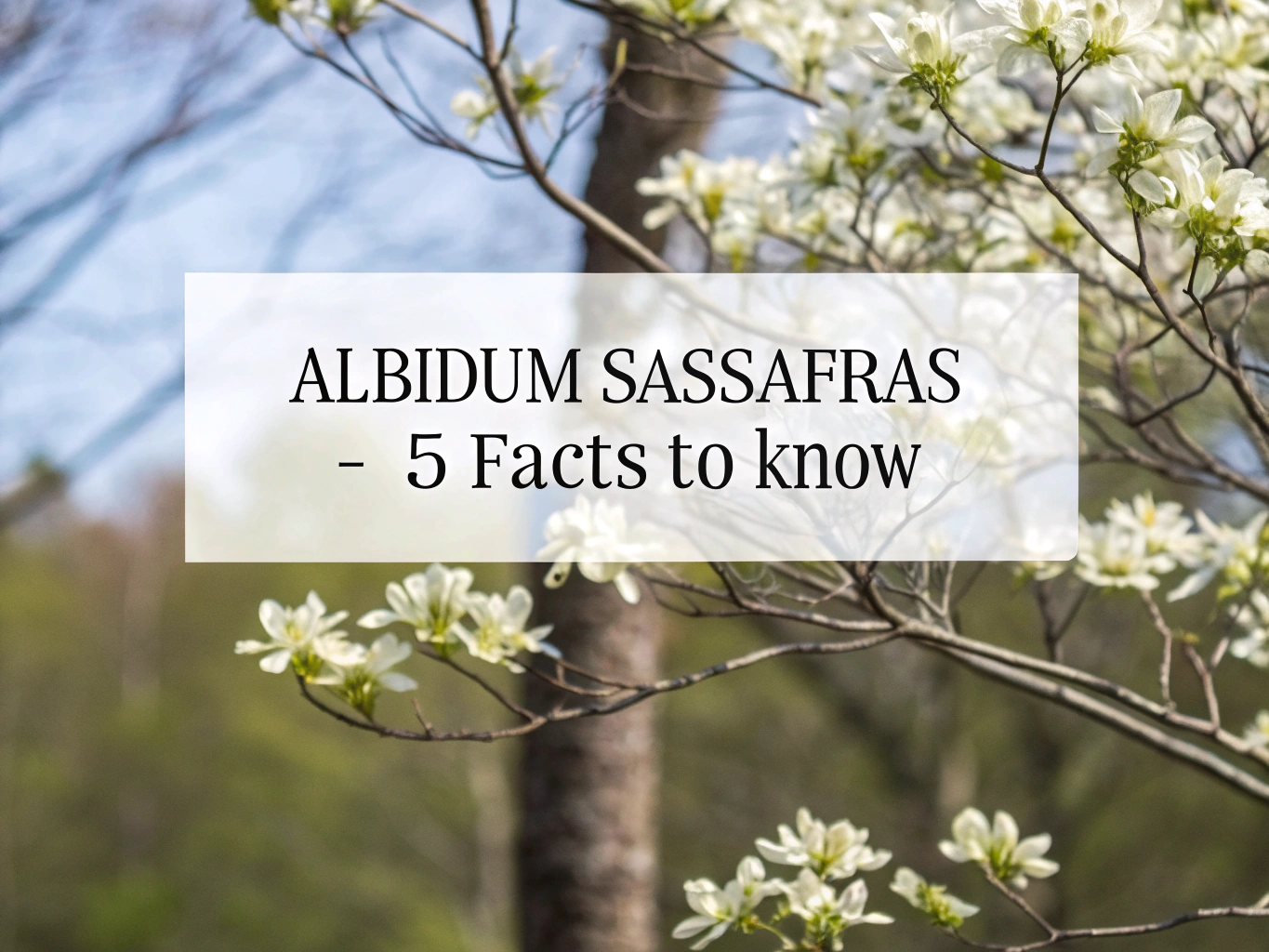
Ever wonder why Albidum Sassafras smells like root beer and shows up in old recipes and hedgerows? Its three-lobed leaves and a warm, citrusy scent are easy to spot. This post will help you identify the tree, see common uses, and compare its wood to walnut for furniture and projects. Read on for five clear facts you can use right away.
Table of Contents
Albidum sassafras (Sassafras albidum) is a fragrant North American tree known for three distinct leaf shapes on one plant. This guide covers identification, growth, uses, wildlife value, wood comparisons, and planting tips in clear, practical steps.
Albidum Sassafras Overview and Identification
Distinctive Three-Leaf Pattern
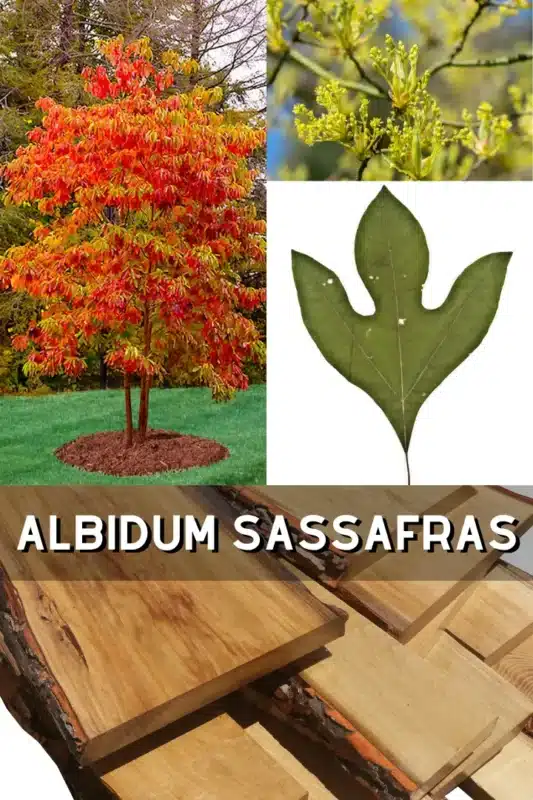
Look for three leaf types on one twig: oval leaves, mitten-shaped leaves, and three-lobed leaves. This mix on a single plant is a fast field clue for positive ID.
- Oval (entire) leaves: smooth edges, 4–6 inches long
- Mitten-shaped: one large lobe with a “thumb”
- Three-lobed: trident form on the same branch
Crush a leaf or twig to smell a spicy aroma. The plant’s aromatic mucilage is another tipoff during hands-on checks.
Aromatic Bark and Wood Characteristics
Mature bark turns gray to reddish-brown, becomes furrowed, and releases a warm, spicy scent when scratched. Young stems are greenish and smooth, which helps distinguish saplings in mixed thickets (MDC field guide).

Native Range and Habitat Preferences
Plants are native across eastern North America and thrive at forest edges, open woods, and disturbed sites with full sun to partial shade. They prefer moist, well-drained acidic soil but tolerate dry and even slightly alkaline conditions.
Unique Botanical Features of Sassafras Albidum
Polymorphic Leaf Shapes
Leaves vary among entire, mitten, and three-lobed shapes on the same plant, a striking trait among hardwoods. They measure about 4–6 inches long and release aroma when crushed (Native Plant Trust).
Growth Habits and Size Variations
On prime sites, trees can reach 60–98 feet; in cooler or poor sites, they stay smaller or form shrubby thickets. Colonies spread through root sprouts, which helps quick recovery after cutting.
Flowering and Fruiting Patterns
Male and female flowers grow on separate trees, showing small yellow clusters in spring. By late summer, dark blue drupes ripen on red stalks, adding bird-friendly food and garden interest.
Traditional and Modern Uses
Historical Culinary Applications
People brewed aromatic teas from roots and bark and used ground leaves as filé powder in regional cooking. Classic “root-beer style” flavors trace back to this tree in many heritage recipes.
Woodworking and Construction Uses
Sassafras wood is light, somewhat soft, and naturally decay-resistant, suiting fenceposts, buckets, and rustic furniture. Craftspeople also use it for trim, small cabinets, and turned items where a warm aroma is a bonus.
Modern Safety Considerations
Commercial use of safrole-rich oil is restricted in many products, and modern makers favor low-safrole approaches or alternatives. Review safety notes before culinary or home use (USDA FEIS profile).
Recommended Sassafras Products and Supplies
Here are four popular options for small-batch teas, culinary flavoring, and starter plants for gardens.

Nelson's Sassafras Root Bark, 1 oz
- Pure Sassafras albidum root bark for authentic flavor
- Cut & sifted for easy steeping and measuring
- Adds classic root-beer style notes to drinks and recipes
- Ideal for teas, tinctures, and culinary uses
- Small 1 oz size perfect for sampling and single-batch use
 Buy on Amazon

Secrets of the Tribe — Sassafras Alcohol-Free Tincture, 2 oz
- Alcohol-free concentrated extract for sensitive users
- Easy-to-dose liquid drops for precise use
- Made from dried Sassafras albidum root bark
- Convenient 2 oz size for travel and trial use
- Use to flavor teas, syrups, or culinary recipes
Buy on Amazon

Nelson's Ground Sassafras Root, 16 oz
- Finely ground sassafras for fast infusion and even mixing
- Generous 16 oz bulk for multiple batches and recipes
- Delivers warm, sweet root-beer-like flavor notes
- Versatile for teas, syrups, and baking
- Bulk packaging offers cost-effective supply
Buy on Amazon

Live Sassafras Seedling (10–16") — Quart Pot
- Healthy young sassafras plant ready for transplanting
- 10–16"
- height ideal for quick establishment in garden beds
- Grown in a quart pot to protect roots during shipping
- Great for landscaping, hedgerows, or herbal gardens
- Native species that supports wildlife and low-maintenance growth
Buy on Amazon
Wildlife Value and Ecological Importance
Food Sources for Native Animals
Leaves and twigs feed deer, rabbits, and other mammals, while the blue drupes support many songbirds. Bark becomes winter browse for rabbits in lean months (USDA FEIS).
Habitat Creation and Soil Stabilization
Root sprouting forms colonies that stabilize slopes and edges. This habit speeds recovery after disturbance and adds cover for small wildlife.
Forest Edge Ecosystem Benefits
Colonies create layered structure with nectar, fruit, and browse across seasons. That mix improves foraging and nesting areas along field-forest boundaries.
Sassafras Wood vs Premium Hardwoods
Sassafras Wood Properties and Applications
Sassafras wood works easily, holds fasteners fairly well, and offers a lightweight alternative for rustic projects. For tougher, denser options, compare with elm wood used in utility pieces and some furniture frames.
Black Walnut vs Walnut Comparison
In furniture talk, “black walnut vs walnut” often means Juglans nigra (black walnut) vs Juglans regia (English/common walnut). Both yield prized lumber, yet black walnut is darker and slightly softer than English walnut, while sassafras is much lighter and closer to poplar wood in ease of machining.
Walnut Wood Color and Timber Characteristics
Walnut wood color runs from deep chocolate to purplish-brown in black walnut, and a rich brown to gray-brown in common walnut; both make premium walnut timber boards and walnut timber planks. Sassafras shows pale tan to yellow-brown hues, often with a golden cast that’s better for casual interiors than luxury cabinets; see broader picking advice in types of wood for furniture.
| Property | Sassafras (Sassafras albidum) | Black Walnut (Juglans nigra) | Common Walnut (Juglans regia) |
|---|---|---|---|
| Typical color | Pale tan to yellow-brown | Deep chocolate to purplish-brown | Rich brown to gray-brown |
| Workability | Easy; light and soft | Good; medium density | Good; fine texture |
| Relative hardness | Soft (≈630 lbf) | Medium (≈1010 lbf) | Medium-firm (≈1200 lbf) |
| Common uses | Rustic furniture, posts, trim | Fine furniture, cabinets, veneer | High-end furniture, veneer |
| Best for | Lightweight, aromatic projects | Premium boards and planks | Premium boards and planks |
Growing Albidum Sassafras Successfully
Soil and Light Requirements
Plant in full sun to part shade with well-drained soil; slightly acidic ground is ideal, yet plants adapt to neutral sites. Hardy in Zones 4–9 with solid drought tolerance once roots establish (Morton Arboretum profile).
Planting and Establishment Tips
Set seedlings at the same depth they grew in the pot, water deeply, and mulch a 2–3 inch layer to keep roots cool. Avoid heavy fertilizer; a light, slow-release feed in spring is enough for steady growth.
Managing Root Sprouting Growth
Expect root sprouts around the parent; cut unwanted shoots at ground level during the growing season. For a mini-grove or wildlife screen, allow several sprouts to mature near the main stem for fuller cover.
Planning a small grove or gift planting? A two-pack helps match site conditions and improves take-rates for new gardeners. Starter plants ship well and settle quickly.
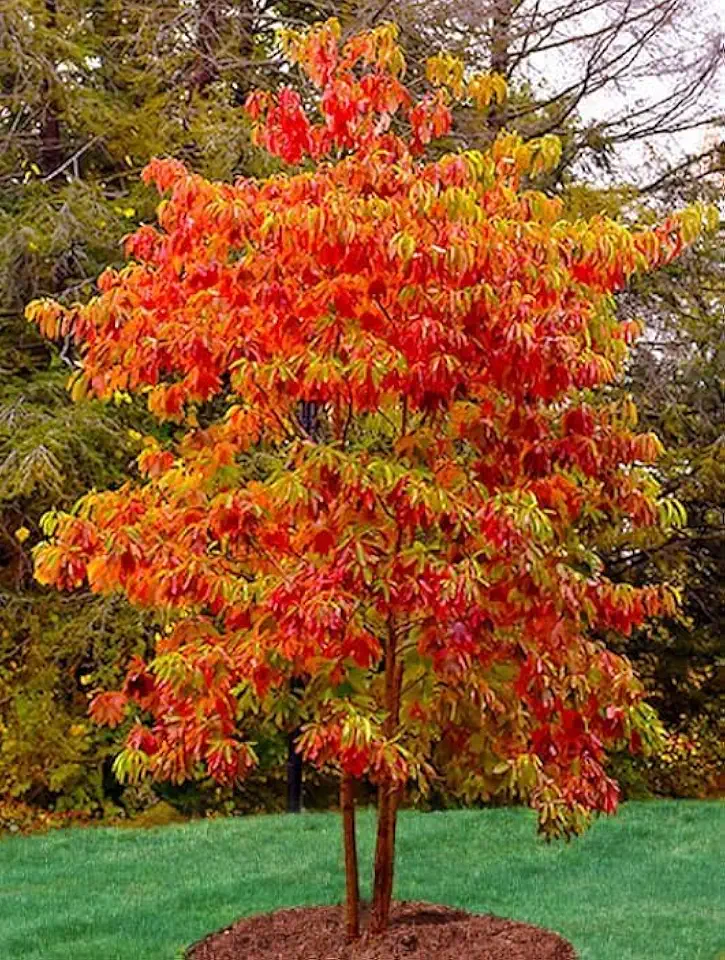
Sassafras Seedling Duo (2 plants, 10–16")
- Two healthy sassafras seedlings for planting or gifting
- Compact 10–16"
- size for faster establishment
- Shipped in individual pots to protect roots
- Native, low-maintenance trees that attract wildlife
Buy on Amazon
Landscaping and Design Applications
Naturalized Plantings and Wildlife Gardens
Use sassafras in naturalized borders where sprouts can form a loose colony. Pair with natives like sourwood for layered interest and pollinator support (sourwood tree).
Fall Color Display Potential
Expect bright yellow, orange, and red foliage on the same plant for a multicolor show. Plant in sun for the strongest pigments and prune lightly after leaf drop if shaping is needed.
Screen and Thicket Formations
For screening, space seedlings 6–10 feet apart and let a portion of root sprouts grow each year. Over time, the colony fills gaps and provides shelter for birds and small mammals.
FAQs
What Is Albidum Sassafras Used For In Herbal Medicine?
Albidum Sassafras Has Traditionally Been Used For A Variety Of Purposes, Including Making Teas Or Infusions From The Root Or Bark To Soothe Digestive Upset, Reduce Gas, And Support Mild Respiratory Complaints. It Has Also Been Used As A Topical Remedy For Minor Skin Irritations And As A Flavoring Agent In Small, Traditional Doses. Modern Use Is More Cautious Due To Safety Concerns About Certain Compounds, So Many People Use It Sparingly Or As A Folk Remedy Rather Than A Regular Treatment.
Are There Any Side Effects Of Consuming Albidum Sassafras?
Yes. Common Side Effects May Include Stomach Upset, Nausea, Or Skin Irritation When Used Topically. More Importantly, Sassafras Contains Safrole, A Compound Linked To Liver Toxicity And Carcinogenicity In High Or Concentrated Doses, So Concentrated Oils Or Large, Frequent Consumption Can Be Risky. Allergic Reactions And Interactions With Certain Medications Are Also Possible, So Caution Is Advised And Professional Guidance Recommended.
How Can I Identify An Albidum Sassafras Tree In The Wild?
Look For A Small To Medium-Sized Tree Or Shrub With Aromatic Bark And Twigs That Smell Distinctively Of Sassafras When Crushed. The Bark Is Typically Smooth And Gray On Young Trees, Becoming More Furrowed With Age. Female Trees Produce Clusters Of Small Blue-Black Berries On Red Stems. Habitat Is Often In Eastern North American Woodlands, Edges, And Clearings.
What Are The Distinguishing Features Of Albidum Sassafras Leaves?
Sassafras Leaves Are Notable For Their Variable Shapes On The Same Tree: You May See Unlobed Oval Leaves, Two-Lobed (Mitten-Shaped) Leaves, And Three-Lobed Leaves. The Leaves Are Alternately Arranged, Have Smooth Margins, And Release A Fragrant, Citrus-Like Aroma When Crushed. In Autumn They Often Turn Bright Yellow Or Orange.
Is Albidum Sassafras Safe To Consume During Pregnancy?
It Is Generally Recommended To Avoid Sassafras During Pregnancy. Because Of Compounds Like Safrole And Limited Safety Data, Consumption Or Use Of Concentrated Preparations Could Pose Risks To The Pregnant Person Or Fetus. Always Consult A Healthcare Provider Before Using Any Herbal Remedy While Pregnant Or Breastfeeding.