
What makes the black ash tree so fascinating? Known for its towering height and distinctive bark, this tree holds surprises that go beyond its looks. From its ecological role in wetlands to its cultural significance, the black ash tree continues to capture attention. Let’s explore what makes this tree such an intriguing part of nature.
Table of Contents
The black ash tree is a wetland hardwood known for distinctive leaves, valuable wood, and deep cultural roots. Learn quick ID tips, habitat needs, key uses, and why Fraxinus nigra faces urgent threats.
What is the black ash tree?
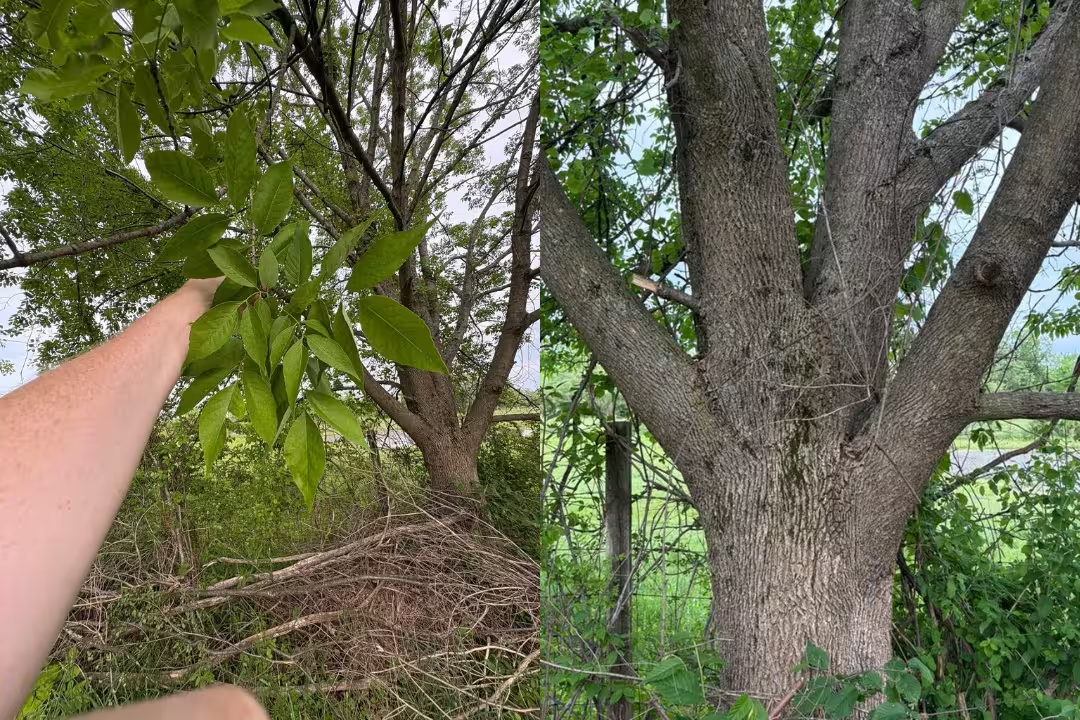
Botanists call it Fraxinus nigra, a medium-height ash native to cool, wet forests. It favors cold, saturated soils and forms an open crown that lets light reach the forest floor for understory life.
Fraxinus nigra overview
Mature trees reach 40–90 feet with trunks near 2 feet thick, often straight but sometimes slightly crooked. Leaves have multiple leaflets, flowers appear before foliage, and fruits are narrow, winged samaras.
Deciduous hardwood traits
This species drops its leaves early in fall after a brief yellow display, then rests through winter. Its wood splits cleanly, bends well, and absorbs shock, which explains broad utilization in tools and crafts.
Black ash tree ID at a glance
Use these quick cues to spot a black ash in the field, then confirm with habitat and fruit. For status, traits, and photos, see the provincial guide Black ash | Ontario.
| Trait | Black ash (Fraxinus nigra) |
|---|---|
| Height | 40–90 ft (12–27 m) |
| Trunk diameter | Up to ~2 ft (~60 cm) |
| Crown | Narrow, open, irregular |
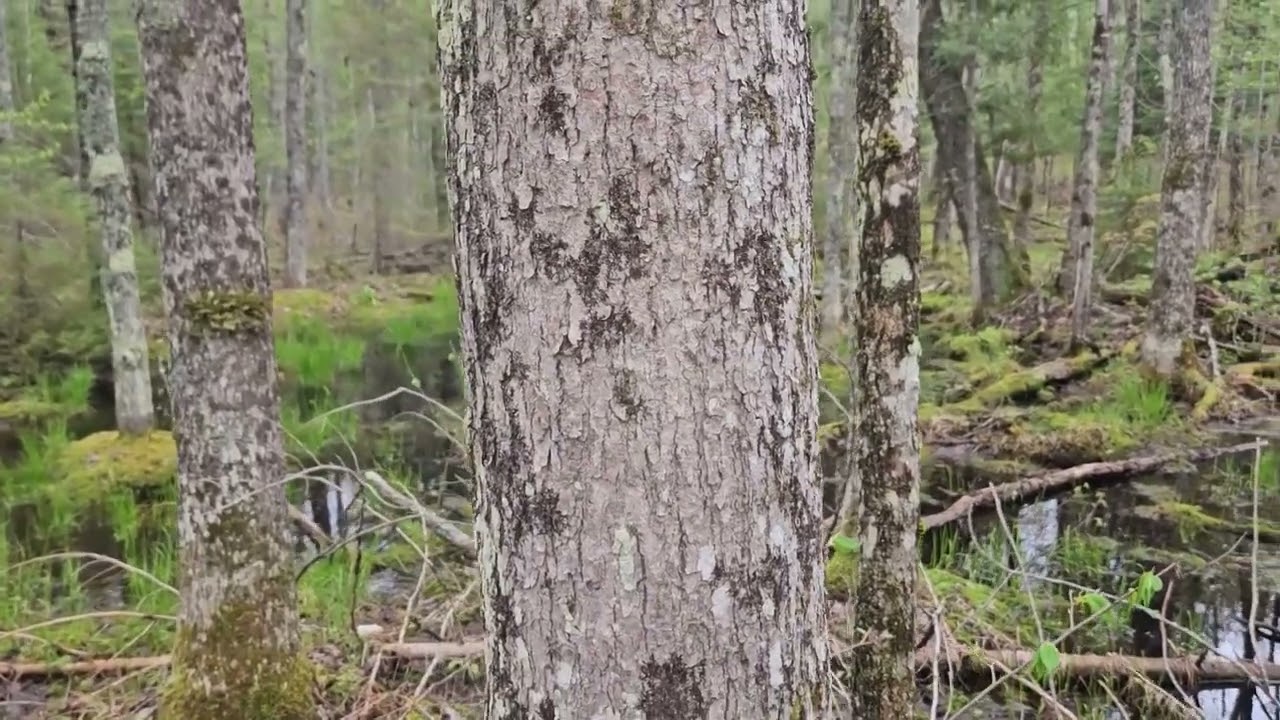
| Bark | Light gray and corky when young; dark, rough, fissured with age |
| Leaves | Compound; 7–13 opposite leaflets; leaflets usually sessile |
| Flowers | Appear before leaves; male and female on separate trees |
| Fruit | Clusters of narrow, winged samaras; often persist into winter |
| Leaf-out | Late spring |
| Fall color | Early yellow drop |
Height 40–90 ft, 2-ft trunk
Expect mature height from 40 to 90 feet in favorable sites, with diameters near 2 feet. Growth rates vary by soil moisture, cold, and competition, so check local site quality for performance.
Narrow, open crown
Branches rise at upright angles and form an open, irregular silhouette with a narrow crown. That structure lets more light pass to the ground than dense, rounded canopies.
Bark: light to dark fissured
Young bark looks light gray, soft, and cork-like, then turns dark gray to black with rough, flaky fissures. Glance at ridges that appear like scaly plates on older stems.
Flowers before leaves
Flowers open in early spring weeks ahead of leaf-out, a helpful seasonal ID clue. Watch twigs in April–May for tiny clusters on still-bare branches.
Male and female separate
Trees produce either male or female flowers, not both on the same tree. This separation influences seed set and stand-level reproduction.
Clustered winged samaras
Fruits are narrow samaras that hang in clusters and may persist through winter. Most hold a single seed that wind disperses across wet ground.
1. Black ash leaves: unique and sessile
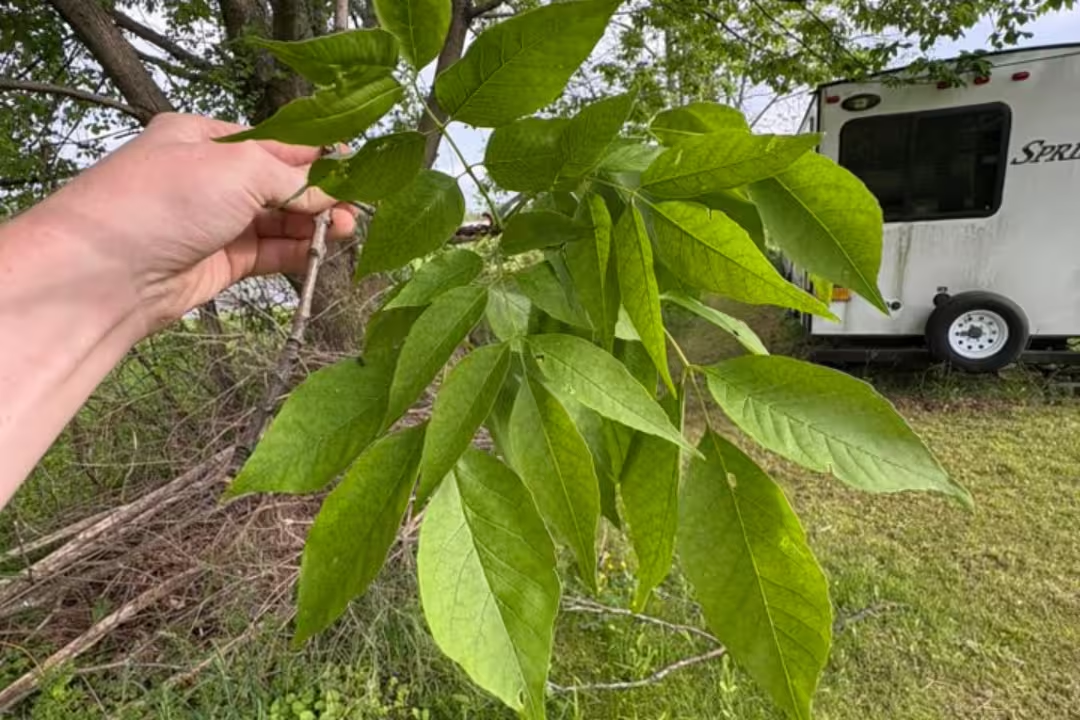
Leaf structure sets this species apart through opposite, compound leaves with stalkless leaflets. For a clear botanical profile, see the Illinois State Museum.
7–13 opposite leaflets
Each leaf carries 7–13 oval leaflets arranged in opposite pairs for a balanced look. Margins are finely toothed, and surfaces are smooth and deep green.
Sessile leaflet trait
Black ash leaflets usually lack little stalks, a standout trait in many North American ashes. Check the leaflet base; if it meets the central stalk directly, think Fraxinus nigra.
Late leaf-out timing
Foliage appears later in spring than many neighbors, often after flowers have faded. That timing can shield new leaves from late frosts in colder sites.
Early fall yellow
Leaves shift to yellow and drop early, sometimes weeks before nearby hardwood species. This brief display helps with seasonal ID during early autumn.
2. Ecological role in wetlands
Black ash anchors wet forests and floodplains, stabilizing soils and supporting many organisms. Habitat notes and associates appear on Illinois Wildflowers.
Black ash habitat and range
Its native range spans the Upper Midwest, Great Lakes, Northeast, and much of eastern Canada. Cooler climates and saturated soils define core habitat.
Eastern, northern North America
Look for natural stands from Minnesota to Maine and south into parts of the Northeast. Populations reach into Ontario, Quebec, and Maritime provinces.
Wet, swampy woodlands
Common sites include stream edges, peatlands, cold swales, and seasonally flooded flats. These conditions reduce competition from trees that dislike saturated soil.
- Riparian corridors and backswamps
- Cold, poorly drained mineral soils
- Peat and muck substrates
- Seasonal floodplains and beaver meadows
Biodiversity support
Open crowns let sunlight feed sedges, ferns, and spring wildflowers on wet forest floors. Seeds, twigs, and bark offer food or habitat for insects, birds, and amphibians.
Water filtration benefits
Roots slow runoff, trap sediment, and help filter nutrients before water reaches streams. Stands also shade channels, cooling water and improving aquatic health.
With American elm
Black ash often mixes with American elm in swamp forests and floodplain groves. This pairing builds layered habitat for nesters and wetland wildlife.
3. Black ash longevity and growth
Longevity often reaches 150–300 years under low-disturbance, wet-soil conditions. Detailed fire ecology and growth data appear in the USDA FEIS profile.
Lifespan 150–300 years
Many stands include trees older than 150 years, with some surpassing two centuries. Site hydrology and lower fire frequency help extend tree life.
Oldest at 319 years
Exceptional specimens have reached 319 years, marking remarkable site stability. Such ages reflect slow disturbance and steady groundwater inputs.
39–75 ft at 100 years
Height commonly ranges 39–75 feet by age 100 where soils stay cool and wet. Crowding, windthrow, and insects can cap height on harsher plots.
Role in succession
In wet flats and riparian benches, black ash helps set early to mid-successional structure. Its shade tolerance and seed spread shape future forest mixes.
4. Cultural uses and wood value
Communities value black ash for flexible, easily split wood and for living heritage crafts. Historic and modern uses span baskets, snowshoes, tools, and select furniture.
Basket weaving tradition
Indigenous makers pound growth rings to lift thin splints that weave into durable baskets. Splitting quality and ring structure make this species a cultural mainstay.
Furniture, tools, snowshoes
Workability and shock absorption support chair parts, tool handles, and classic snowshoes. For properties compared with other species, see our ash wood guide for quick context.
Instruments and athletic goods
Resonant yet tough wood helps in select instrument parts and impact-prone athletic goods. Makers prize straight grain that balances weight, stiffness, and flex
Memorial symbolism
The tree’s endurance and clean grain inspire memorial pieces that carry a quiet, natural look. Explore these meaningful options below.

Large Black Tree Memorial Urn — 220 cu in
- Generous 220 cu in capacity for adult remains
- elegant tree motif adds a comforting, decorative touch
- durable construction with secure threaded lid to protect contents
- includes velvet storage bag for safekeeping and transport
- suitable for burial, display, or home memorials
 Buy on Amazon

Black Tree Wooden Cremation Urn with Frame
- Warm wooden finish with a classic tree design and framed display option
- handcrafted look ideal for home memorials or funeral services
- secure closure keeps ashes protected long-term
- versatile for burial or tabletop display
- dignified, gender-neutral style for men and women
Buy on Amazon
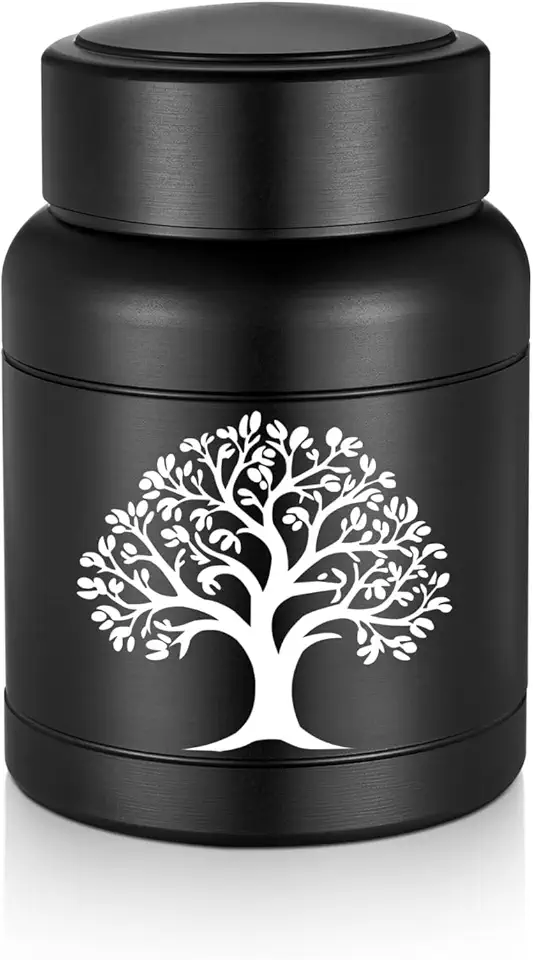
SOITIS Small Tree of Life Keepsake Urn
- Compact 3.74-inch size perfect for sharing or a small keepsake
- lightweight black aluminum construction for lasting durability
- elegant Tree of Life detail for meaningful symbolism
- threaded lid ensures a secure seal
- ideal for memorial displays, jewelry, or travel
Buy on Amazon
5. Endangered black ash and EAB
Emerald ash borer (EAB) has devastated many stands, prompting legal protection in parts of Canada. Current listings and recovery steps are outlined on Ontario black ash status.
Emerald ash borer threat
Larvae feed under bark and cut off water and nutrient flow, killing trees within a few years. Early detection, sanitation harvests, and biocontrol releases are being scaled to reduce losses.
Regional endangered listings
Several provinces and states list black ash as threatened or endangered after steep declines. Local rules may affect cutting, movement of ash wood, and site restoration.
Gene banks and plantings
Conservation teams are building seed banks, testing resistant families, and planting diverse gene lines. Community groups can help by reporting EAB, planting away from infestations, and supporting nursery stock.
FAQs
What Are The Identifying Characteristics Of A Black Ash Tree?
Black ash (Fraxinus nigra) Is A Medium-Sized Deciduous Tree That Typically Has Opposite, Pinnate Leaves With 7–11 Narrow, Finely Toothed Leaflets. Its Bark Becomes Furrowed And Blocky With Age, Twigs Are Relatively Stout, And It Produces Winged Seeds (Samaras) In Spring. Black Ash Prefers Wet Soils And Has Distinct Growth Rings In The Wood That Make It Well-Suited For Traditional Basketmaking.
How Can You Tell The Difference Between Black Ash And Other Ash Trees?
Look At Leaflet Count, Bark Texture, And Habitat: Black Ash Often Has 7–11 Opposite Leaflets, Grows In Swamps Or Wet Sites, And Has Bark That Is Less SharPLY Diamond-Patterned Than White Ash. Its Twigs And Buds Are Stout, And The Leaves Often Turn Yellow Early In Autumn. Comparing These Features To Field Guides Or Consulting Local Extension Resources Helps When Identification Is Uncertain.
What Are The Uses Of Black Ash Wood?
Black Ash Is Valued For Traditional Basket Weaving Because Its Growth Rings Can Be Separated To Make Splints. The Lumber Is Also Used For Furniture, Interior Trim, Flooring, Tool Handles, Pallets, And Pulp Due To Its Light Weight, Strength, And Workability.
Is The Black Ash Tree Endangered And Why?
Black Ash Is Not Universally Listed As Endangered, But It Is Under Serious Threat In Many Regions, Mainly From The Invasive Emerald Ash Borer Insect And From Wetland Drainage And Habitat Loss. Populations Have Declined Locally, And Management Efforts Include Monitoring, Treating High-Value Trees, And Conserving Wetland Habitat.
How Do You Care For A Black Ash Tree In Your Backyard?
Plant Black Ash In Moist To Wet Sites, Water Regularly During Dry Spells, Mulch To Retain Moisture, And Avoid Compacting The Root Zone. Prune Dead Or Crossing Branches In Late Winter And Monitor For Emerald Ash Borer (Canopy Thinning, D-Shaped Exit Holes). If EAB Is A Threat, Consult A Certified Arborist About Systemic Treatments; Maintain Soil Health And Species Diversity To Reduce Pest Risk.