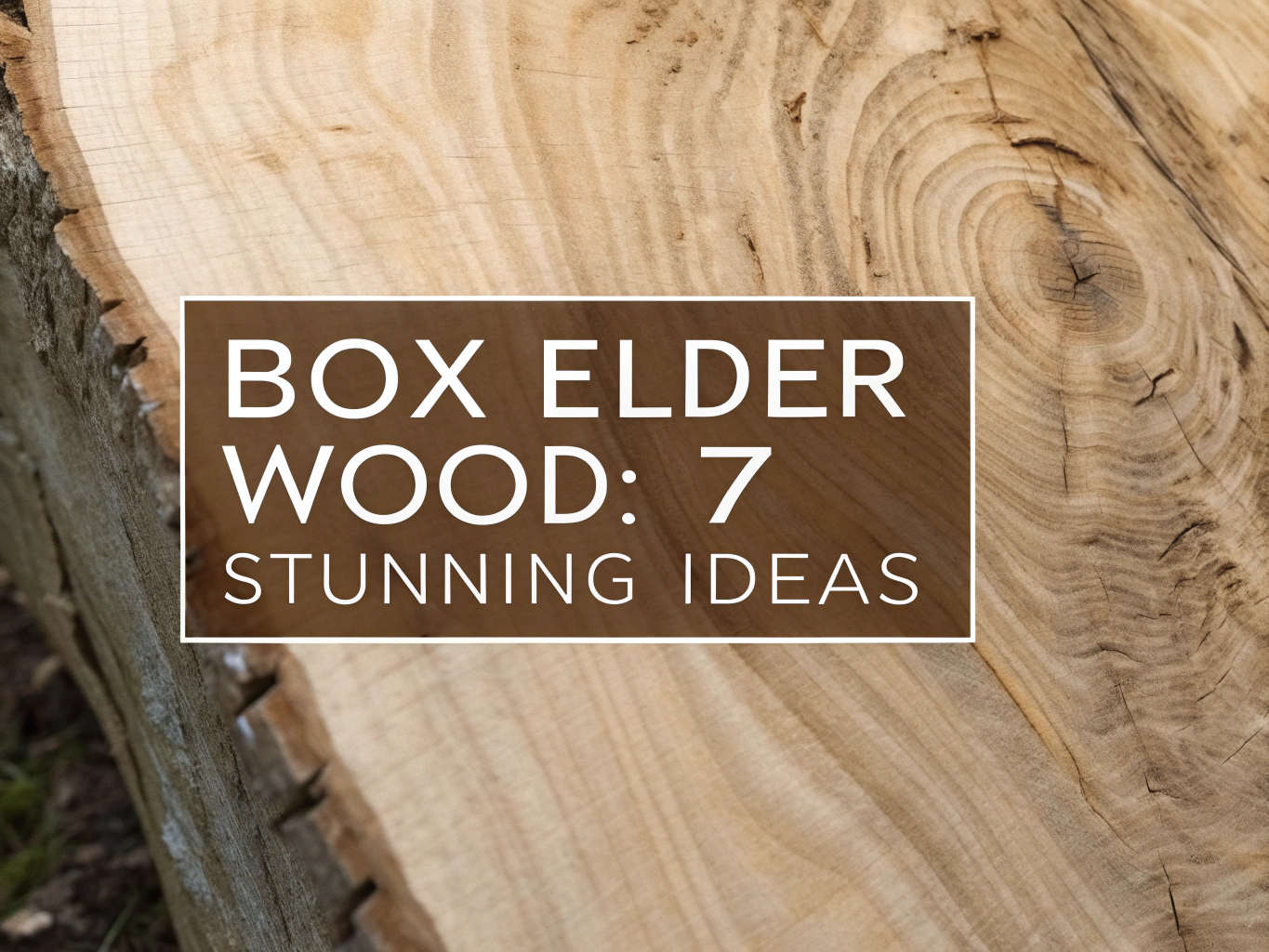

Ever wondered what a fallen box elder could become? Box elder wood often shows dramatic grain, rich burls, and colorful spalting. This post walks through seven simple, beautiful project ideas and clear tips for working with the wood. You’ll also find help identifying the tree, choosing lumber, and finishing your pieces.
Table of Contents
Box elder wood offers striking red streaks, easy machining, and budget-friendly boards for turners and makers. This guide covers identification, workability tips, project ideas, and smart buying advice for beginners and pros.
What Is Box Elder Wood?
Physical Characteristics
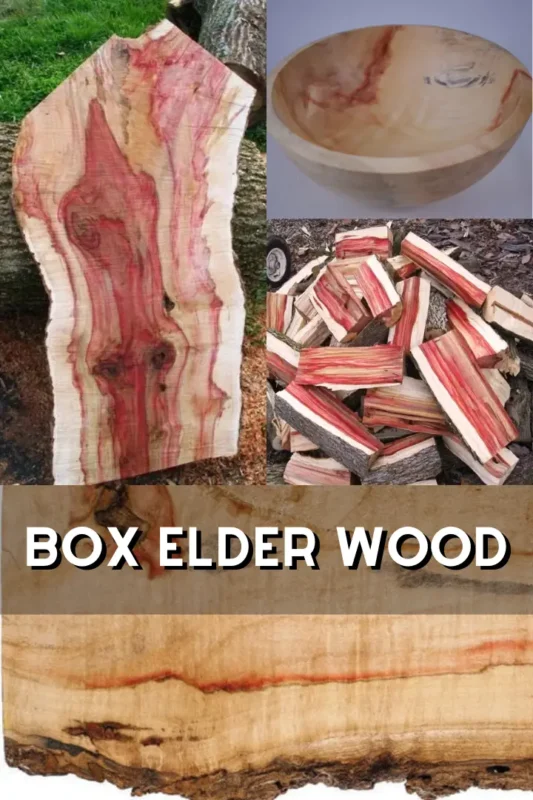
From the box elder maple (Acer negundo), the wood is pale cream to light yellow with coral or pinkish-red streaks caused by stress or injury in the tree. It’s a soft hardwood, about 25% lighter than sugar maple, with fine texture, moderate stability, and low decay resistance.
| Property | Box Elder Wood | Sugar Maple (Reference) |
|---|---|---|
| Average dried weight | ~26 lb/ft³ (light) | ~44 lb/ft³ (heavy) |
| Janka hardness | ~720 lbf (soft) | ~1450 lbf (hard) |
| Grain/texture | Close-grained, fine | Close-grained, fine |
| Color traits | Cream with red streaks | Cream to light brown |
| Durability | Low (interior use) | Moderate |
These values come from testing and field reports compiled by Wood Database, which notes the wood’s low durability and easy machining. Expect great turnability but more denting than harder maples.
Box Elder Tree Identification
For quick box elder tree identification, start with the leaves: they’re opposite and compound, usually with 3–7 leaflets, unlike typical simple maple leaves. Trees reach 40–50 feet, have gray-brown furrowed bark, and bear paired samaras (winged seeds).
- Leaf: Opposite, compound (3–7 leaflets), often resembles elderberry; look for slight serrations.
- Bark: Light gray to brown with shallow furrows on mature trunks.
- Twigs: Greenish to purplish, often with a waxy sheen.
- Seeds: Paired wings hanging in clusters (classic maple samaras).
- Form: Multi-stemmed habit is common; burls appear on many specimens.
If you’re comparing maples, this tree sits with “soft maples.” For a broader primer, see our guide to types of maple trees for visual cues and range maps.
Box Elder vs Other Maples
Box elder wood is much lighter and softer than sugar maple, so it turns and carves fast but dents easier. Its red streaks deliver bolder figure than clear-grained maple wood used for hard-wearing furniture.
Compared with figured maples like ambrosia maple, curly maple, or birdseye maple, box elder offers dramatic color at a lower price. For showy panels similar to quilt, check quilted maple while weighing budget and durability needs.
7 Stunning Box Elder Wood Project Ideas
Turned Decorative Bowls
Bowls from boxelder wood showcase coral streaks and occasional burl eyes for one-of-a-kind pieces. Use light cuts, ride the bevel, and leave slightly thicker walls near any spalted areas to avoid tear-out.
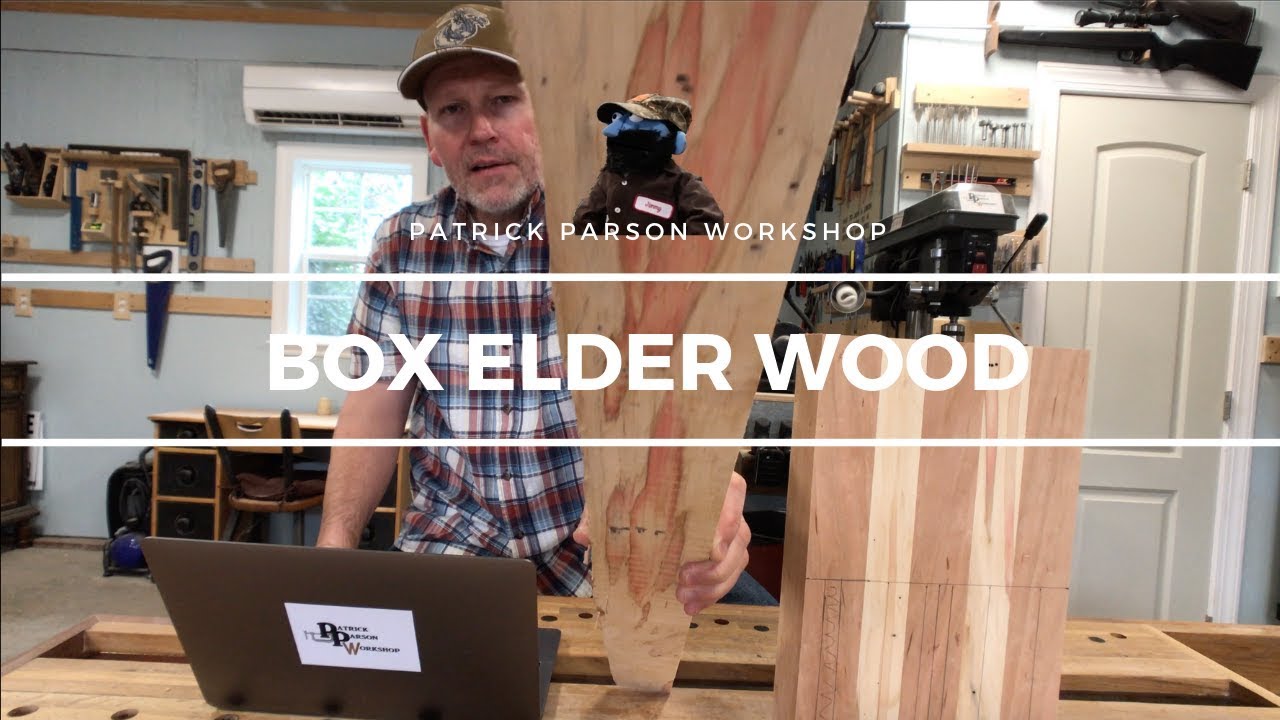
Watch a turning workflow to refine tool control and finishing steps in the video below. The visual sequence helps you set lathe speed, sanding grits, and final polish timing.
Here are two ready-made pieces to study grain flow, rim profiles, and finish sheen before you turn your own decorative bowls.

Handcrafted Box Elder Wood Bowl
- Beautiful natural burl patterns make each bowl one-of-a-kind
- Hand-turned finish delivers a smooth, tactile surface
- Warm, organic tones add rustic elegance to any room
- Sturdy workmanship built to last as a decorative or functional piece
- Great as a gift or a unique centerpiece
 Buy on Amazon

Handcrafted Box Elder Wood Bowl — Unique Burl
- Distinctive burl grain ensures each bowl is uniquely patterned
- Smooth hand-turned interior and exterior for a refined feel
- Versatile use as a decorative piece or functional bowl
- Durable finish that highlights natural wood tones
- Makes a memorable handmade gift or centerpiece
Buy on Amazon
Writing Pens and Small Turned Items
Pen blanks from stabilized box elder burl turn cleanly, hold crisp details, and finish like glass. Keep light pressure on bushings, part off gently, and buff with white diamond for a brilliant, durable surface.
Browse these blanks to compare natural clarity with dyed options and pick the look your clients want.

Clear Stabilized Box Elder Burl Pen Blank
- Stabilized to resist cracking and warping for reliable turning
- Striking burl grain and clarity that enhances finishes
- Pre-cut size ideal for pen-making and small projects
- Takes polish and finishes beautifully for a professional look
- Consistent, ready-to-use blanks save prep time
Buy on Amazon

Turquoise Stabilized Box Elder Pen Blank
- Vibrant turquoise-stabilized wood for eye-catching pens
- Stabilization improves durability and turning performance
- Pre-sized for common pen kits and easy shaping
- Smooth surface that accepts polish and finish well
- Consistent blanks reduce fitting and sanding time
Buy on Amazon
Turned Home Decor Items
Vases, candle holders, and sculptural forms look dramatic with box elder’s red streaks. Use a steady rest for tall pieces, sand through 400–600 grits, and seal end grain to boost clarity before oil or lacquer.
Custom Furniture and Accent Pieces
Select the most figured boards for drawer fronts, table aprons, or small tops, and back them with stronger species where loads are higher. Edge-glue panels with tight joints and use a clear topcoat to lock in the color.
Artistic Carvings and Wall Displays
The wood carves easily, which suits relief panels and wall art with shallow cuts. Spray a clear satin finish to pop the figure, and add French cleats for quick, safe hanging.
Spalted Box Elder Projects
Spalted boards show lace-like black lines from fungi, giving bold contrast on trays, lids, and gallery pieces. Stabilize punky zones or wick in thin CA glue to harden soft fibers before final passes.
Working with Box Elder Wood
Tools and Techniques
Sharp tools and light cuts keep fibers intact on this soft hardwood. Aim for clean shearing cuts, then sand through fine grits to reduce compression marks and burnishing.
- Turning: Start 500–900 rpm for roughing bowls; raise speed as blanks round and vibration drops.
- Planing: Take thin passes with a high-angle plane or close the chipbreaker to tame reversing grain.
- Routing: Use spiral upcut bits and slow feed to avoid fuzzing on end grain.
- Sanding: Stop at P320–P400 for film finishes; go to P600+ for oils and buffing systems.
- Joinery: Favor larger glue surfaces (splines, biscuits, or dominos) on stressed parts.
Finishing Options
Use dewaxed shellac as a sealer to lock color before oil or waterborne polyurethane. For turnings, friction polish or oil/wax blends give warmth; for furniture, spray WB poly for clarity and scratch resistance.
Safety Considerations
Some people report skin irritation from box elder dust, so wear gloves and a respirator. Fresh-cut wood can smell unpleasant, but the odor fades as it dries; see the Woodcraft profile for more shop notes.
Box Elder Lumber: Where to Buy and What to Look For
Selecting Quality Lumber
Pick boards with strong red streaks, minimal wormholes, and no soft, crumbly areas from heavy spalting. For flatwork, target 6–8% moisture and sticker-stack new stock for a few days to acclimate.
Pricing and Availability
Box elder lumber is common in many regions and usually costs less than premium figured maples. Suppliers like FreeState Timbers list turning blanks and boards; call ahead for burl or wide, highly figured pieces.
Stabilized vs Natural Wood
Stabilized box elder (vacuum-infused resin) resists movement and chipping, which helps on pens, knife scales, and high-wear small goods. Use natural stock for larger pieces to preserve the light weight and easy tooling, and reserve stabilized blanks for thin parts or punky areas.
Historical Uses of Box Elder Wood
Traditional Applications
Historically, craftspeople used box elder for utensils, boxes, toys, and simple furniture thanks to its workability. Turners later embraced the red-streaked figure for bowls and decorative pieces as availability improved.
“Lightweight, easy to work, and visually striking once you find the red-streaked boards.”
Canadian Woodworking profile
Cultural Significance
The name “box elder” likely references boxwood-like material and elderberry-like leaves, while the species remains a true maple. Many communities used the tree for fuel, containers, and small wares, with burl and spalted stock valued in folk art.
Box Elder vs Other Maples (Note)
For durability-critical parts, switch to harder maple grades and save box elder for accents. This pairing keeps costs in check while highlighting unique color in visible areas.
FAQs
What Are The Uses Of Box Elder Wood?
Box elder wood Is Commonly Used For Small Furniture, Turned Bowls And Vessels, Carving, And Decorative Veneers. Its Light Color And Occasional Figuring Make It Popular For Live-Edge Slabs, Inlays, And Hobby Projects. It Can Also Be Used For Utility Items Like Crates Or Rustic Trim Where Extreme Durability Is Not Required.
Is Box Elder Wood Good For Woodworking?
Box Elder Can Be Very Good For Woodworking, Especially For Turning, Carving, And Decorative Pieces. It Machines Easily And Finishes Nicely, But Grain Can Be Irregular And Density Varies, So Careful Drying And Sharp Tools Help Prevent Tearout. It’s Well Suited To Hobbyists And Craftspeople Looking For An Affordable, Attractive Wood.
How Durable Is Box Elder Wood Compared To Other Hardwoods?
Box Elder Is A Softer Hardwood Similar To Soft Maples And Is Less Durable Than Denser Species Like Oak, Walnut, Or Hard Maple. It Has Moderate Strength But Low Natural Rot Resistance, So It’s Not Ideal For Outdoor Or Structural Uses Unless Properly Treated Or Kept Dry.
Can I Use Box Elder Wood For Firewood?
Yes, Box Elder Can Be Used As Firewood, But It Burns Relatively Quickly And Produces Moderate Heat Compared With Denser Species. It’s Useful For Kindling Or Blending With Denser Woods For Longer Burns. Make Sure The Wood Is Well Seasoned, As Fresh Box Elder Can Pop And Spark Due To Sap.
How Do You Identify A Box Elder Tree?
Box Elder Is Identified By Its Pinnate Leaves With 3–7 Leaflets (Unlike The Typical Maple Palmate Leaf), Opposite Leaf Arrangement, And Paired Winged Seeds (Samaras). Young Bark Is Smooth And Gray, Becoming Furrowed With Age, And The Tree Often Has Multiple Stems. It Prefers Moist Sites And Is Common In Riparian Or Disturbed Areas.