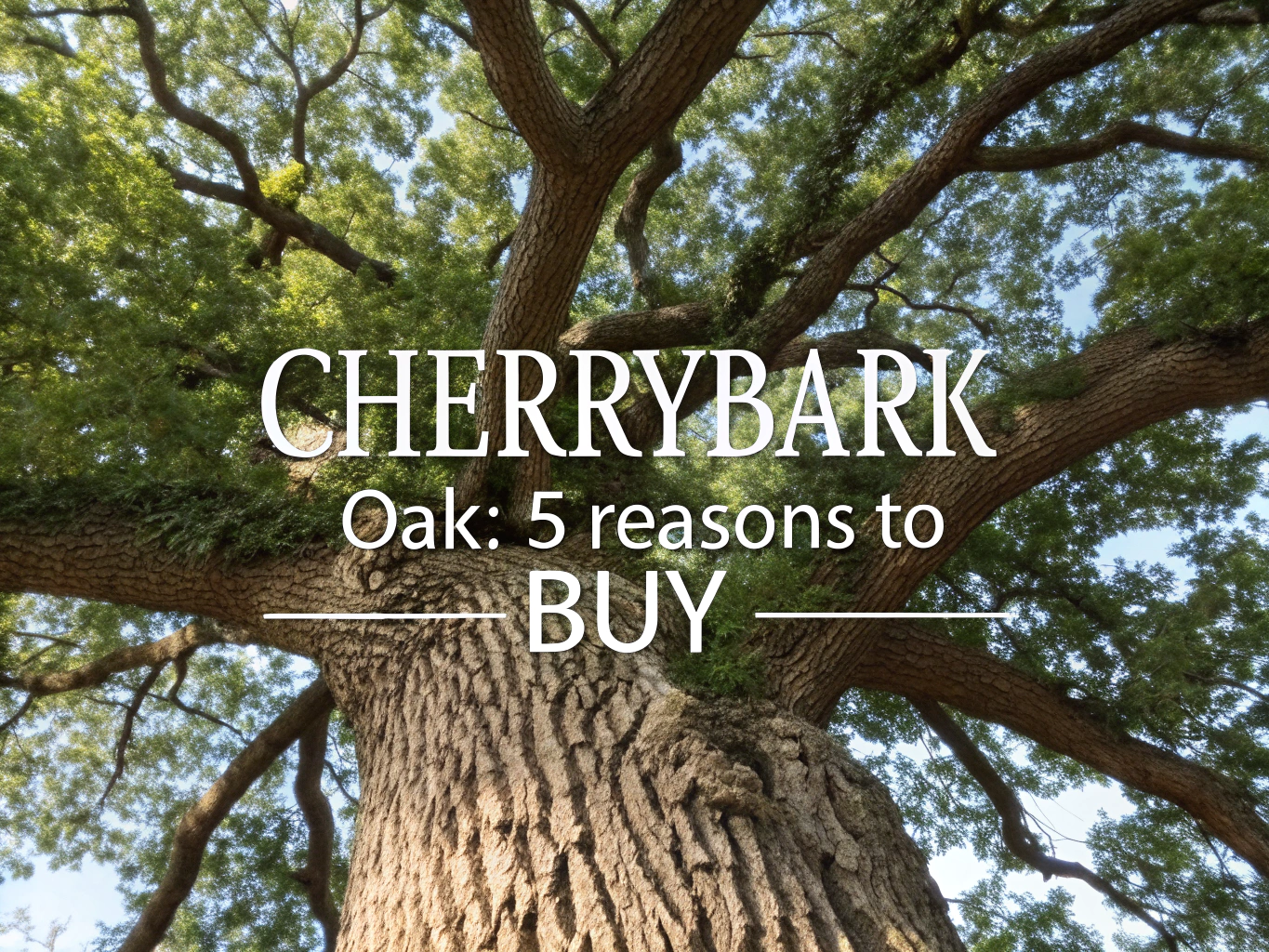

Did you know a mature cherrybark oak can reach 80 to 100 feet and live for centuries, while it can feed many animals with its acorns? This tree brings together strong timber value, quick growth, and eye-catching bark and leaves. If you want shade, wildlife food, or long-term value, the cherrybark oak is worth a look. Read on for five clear reasons to buy and simple tips for planting and ID.
Table of Contents
Cherrybark oak (Quercus pagoda) delivers prized timber, fast growth, and rich wildlife value for homes, parks, and restoration sites. This guide covers wood quality, size potential, identification, care, and how to use this native oak in real projects.
Exceptional Timber and Wood Value
Premium Quality Lumber
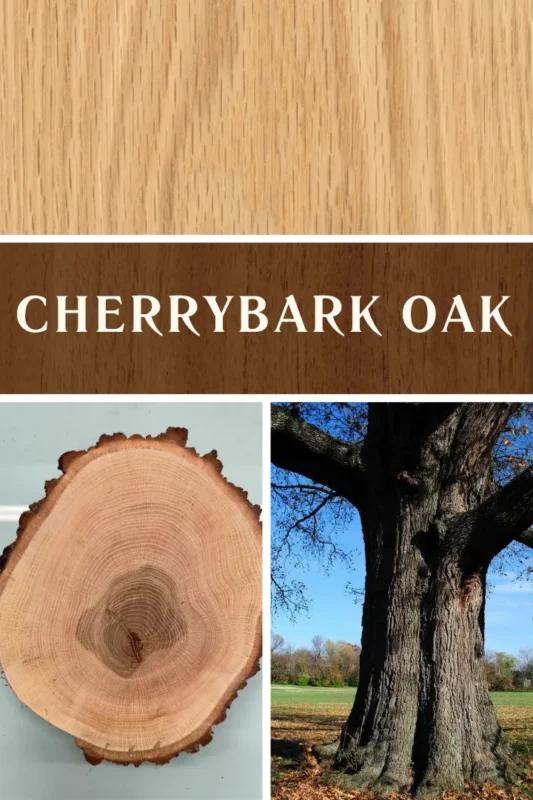
Wood from a mature cherrybark oak tree is heavy, strong, and straight-grained—ideal for furniture, veneers, and fine interior trim. It ranks among the best southern red oaks for lumber; see the NC State Extension: Quercus pagoda profile for field traits and wood notes.
Woodworkers value its consistent color and workability, similar to other red oaks yet often straighter in form. Compare grain and use cases with this quick overview of red oak wood to match projects with the right oak species.
Commercial Applications
Lumber buyers choose cherrybark oak for cabinets, architectural millwork, flooring, and high-end panels where stability and appearance matter. For pattern-free surfaces and straighter boards in visible projects, many shops mill quarter-sawn oak from high-grade logs.
Forest managers like its tall, branch-free boles that yield long, clear boards with less waste. This translates to better yield per log and strong returns across veneer, trim, and specialty wood markets.
Superior Strength Characteristics
Within the red oak group, cherrybark oak ranks high for strength, making it a safe pick for structural furniture parts. Craftspeople often pair it with white oak wood in mixed-species projects where color contrast or moisture exposure varies.
- Dense, straight-grained boards reduce warping in wide panels.
- Good screw and nail holding keeps joints tight over time.
- Stains and finishes evenly with minimal blotching.
- Excellent for load-bearing frames, rails, and treads.
Fast Growth and Impressive Size Potential
Rapid Development Timeline
Young trees grow briskly, often adding 2–3 feet per year in good soil with full sun. The USDA Plant Guide notes strong juvenile growth, which helps create shade and canopy cover within a few decades of planting.
Mature Height and Spread
Expect 60–110 feet in height with a broad, rounded crown in most settings. Exceptional specimens can exceed 130 feet with trunk diameters up to 6 feet in deep, moist, well-drained bottomland soils where growth peaks.
Canopy spread often reaches 50–70 feet, so give the tree room to develop. Plan at least 30–40 feet from buildings and lines to keep the form natural and the canopy balanced.
Landscape Suitability
Use cherrybark oak in large yards, parks, and restoration sites where deep roots and a straight trunk shine. For streetscapes and campus greens, compare durability notes in red oak vs white oak before choosing species mixes for plantings.
Outstanding Wildlife and Ecosystem Benefits
Acorn Production for Wildlife
Trees begin producing acorns around age 25, with crops maturing in early fall. Acorns feed squirrels, wild turkeys, deer, wood ducks, and many songbirds; see the Missouri Department of Conservation profile for wildlife notes on this oak.
Fruit set can vary by year, so plant groups of trees for steady mast. Cluster plantings also create corridor cover that aids birds and small mammals moving between habitats.
Habitat Restoration Value
Cherrybark oak stabilizes soil on stream benches and moist uplands while building canopy for native understory plants. In mixed plantings with other hardwoods, it supports layered structure, better leaf litter, and higher biodiversity.
For small projects or acreage, these nursery options make planting simple:

Cherrybark Oak Seedling, 7-12 in
- Healthy nursery-grown seedling ready for planting
- Ideal starter size for easy transplanting and root establishment
- Fast-growing hardwood that develops strong shade and timber value
- Attracts and supports local wildlife with future acorns
- Simple care instructions included for best success
 Buy on Amazon

Cherrybark Oak 3-Pack Seedlings
- Three young trees for planting or restoration projects
- Rapid growth habit ideal for creating shade and timber
- Excellent choice for hardwood restoration and erosion control
- Provides habitat and food for birds and mammals as it matures
- Easy to plant and maintain with basic watering and mulching
Buy on Amazon
Biodiversity Support
Leaves and bark host insects that feed woodpeckers, warblers, and other insectivores, building a stronger food web. Diverse acorn crops and dense branching boost nesting sites and shelter through all seasons.
Aesthetic Appeal and Seasonal Interest
Cherry-Like Bark Characteristics
Mature bark shows gray to black scaly ridges that resemble black cherry, which inspired the common name. See descriptive photos at Illinois Wildflowers to compare bark textures in different ages.
Cherrybark Oak Leaf Features
The typical cherrybark oak leaf is glossy dark green with 5–11 bristle-tipped lobes, 5–10 inches long. Lobes often angle at right angles to the midrib, giving a pagoda-like shape that’s easy to spot in summer.
Fall color ranges from reddish-brown to yellow-brown, holding leaves late in the season for extra texture. Spring catkins appear in April–May, with acorns forming singly or in pairs by early autumn.
Landscape Design Applications
Use the tree for broad shade on large lots, windbreak edges, and naturalized parks. Pair with moisture-loving natives—such as river birch or sweetgum—to create layered canopy and strong seasonal color
Longevity and Low Maintenance Requirements
Exceptional Lifespan
Well-sited trees can live for centuries, with some reaching about 300 years. That longevity supports long-term shade, habitat, and carbon storage for neighborhoods and farms.
Environmental Tolerance
Cherrybark oak grows best on moist, well-drained soils but adapts to drier sites once roots are established. It handles intermittent drought and periodic flooding, making it reliable across Zones 6–9 in many regions.
Care Requirements
Water new trees during dry spells in the first two growing seasons, then reduce as roots deepen. Prune in late winter to remove dead, rubbing, or storm-damaged branches and to keep a strong central leader.
Growing and Care Guidelines
Planting Conditions
Pick a sunny spot with deep, loamy soil and room for a 50–70 foot spread. On compacted or thin soils, loosen the planting area 2–3× the root ball width to improve early root growth.

Set the root flare at grade, backfill with native soil, and water thoroughly to remove air pockets. Apply 2–3 inches of mulch, keeping it 3–4 inches off the trunk to prevent rot.
Establishment Tips
Stake only in windy sites and remove supports after one year to allow trunk taper. For straight form, select a dominant leader early and correct competing shoots with light pruning.
- Water weekly during the first growing season if rainfall is under 1 inch.
- Refresh mulch twice a year to keep soil cool and moist.
- Guard young trunks from mower and trimmer damage.
- Protect seedlings from deer browse with tubes or fencing.
Maintenance Practices
Inspect annually for dieback after storms and remove hazards promptly. Avoid heavy fill or frequent soil disturbance over roots; use a 2–3 foot wide mulch ring to reduce stress.
Fertilize only if a soil test shows deficiencies; most sites don’t need routine feeding. Keep irrigation deep and infrequent once established to encourage stronger roots.
Cherrybark Oak Identification and Common Questions
Leaf Identification Guide
Leaves are alternate, simple, glossy, and lobed (5–11), usually 5–10 inches long with bristle tips. The pagoda-like right-angle lobing helps separate the cherrybark oak leaf from other red oaks; review field traits in the USDA Plant Guide.
Cherry Oak vs Cherrybark Oak
Many sellers use “cherry oak” to describe color or finish, which leads to confusion. This quick table clarifies differences between cherrybark oak and trees in the cherry genus.
| Feature | Cherrybark Oak (Quercus pagoda) | Cherry Oak (commonly Prunus spp. or misapplied) |
|---|---|---|
| Family | Fagaceae (Oak family) | Rosaceae (Cherry family); term often misused |
| Wood Use | Timber, furniture, flooring | Fruit production; not a timber standard |
| Leaf | Lobed, classic oak shape | Serrated, simple cherry-like leaf |
| Bark | Scaly, resembles black cherry | Smooth or peeling on true cherries |
| Misidentification | Sometimes called “cherry oak” in trade | “Cherry oak” often refers to stain color |
Frequently Asked Questions
How fast does cherrybark oak grow? Under good conditions, expect about 2–3 feet per year in early years, then steady canopy build-out with age and site quality.
When does it start producing acorns? Many trees begin around age 25, with crops forming over two seasons and dropping in early fall.
What wildlife benefits most? Squirrels, deer, turkeys, woodpeckers, and songbirds feed on acorns or insects hosted by leaves and bark, while larger crowns provide nesting cover.
Where does cherrybark oak grow best? Choose deep, moist, well-drained soils in full sun to partial shade; the species adapts to many sites across Zones 6–9 with proper care.
FAQs
What Are The Characteristics Of A Cherrybark Oak Tree?
Cherrybark oak is a Large Deciduous Tree Noted For Its Deeply Fissured, Scaly Bark That Often Resembles Cherry Bark. It Has Broad, Lobed Leaves, Produces Relatively Large Acorns, And Develops A Wide Crown; Mature Trees Commonly Reach 60–100+ Feet Tall In Favorable Sites. The Species Prefers Moist, Well-Drained Soils And Is Common In Bottomlands And Upland Edges.
How Do You Identify A Cherrybark Oak?
Identify Cherrybark Oak By Its Distinctive Dark, Furrowed, Scaly Bark On Mature Trees, Paired With Leaves That Have Multiple Bristle-Tipped Lobes (Typical Of Red Oaks) And A Paler Leaf Underside. Acorns Are Relatively Large With Shallow Cups; Observing Bark Texture, Leaf Shape, And Acorns Together Makes Identification Reliable.
What Is The Growth Rate Of A Cherrybark Oak?
Cherrybark oak Generally Has A Moderate To Fast Growth Rate When Young, Often Adding Around 1.5–3 Feet Of Height Per Year Under Good Conditions. Growth Slows As The Tree Matures; It Can Reach Substantial Size Within A Few Decades And Continue To Increase In Diameter Over Many More Years.
Are Cherrybark Oak Trees Good For Wildlife?
Yes. Cherrybark Oaks Produce Nutritious Acorns That Serve As Important Mast For Deer, Squirrels, Turkeys, And Other Wildlife. The Trees Also Provide Nesting Sites, Cover, And Support For Insects And Birds, Making Them Valuable For Biodiversity And Wildlife Habitat.
What Are The Common Uses Of Cherrybark Oak Wood?
Cherrybark Oak Yields A Strong, Durable Hardwood Commonly Used For Lumber, Veneer, Furniture, Flooring, Cabinetry, And Millwork. It Shares Many Uses With Other Red Oaks And Is Valued For Structural Lumber, Interior Finish, And Occasionally For Firewood Or Charcoal.