

What makes the ironwood tree so prized by woodworkers, desert dwellers, and wildlife? These trees have very dense wood and long lives. They provide strong timber, shelter for animals, and help keep soil in place. In this post, you will find the seven benefits that show why ironwoods matter for gardens, crafts, and local communities.
Table of Contents
The ironwood tree refers to several ultra-dense hardwoods prized for strength, beauty, and ecological value. This guide explains what ironwoods are, why they last so long, and how to use them in projects, landscapes, and conservation.
What Is an Ironwood Tree?
Global Species Overview
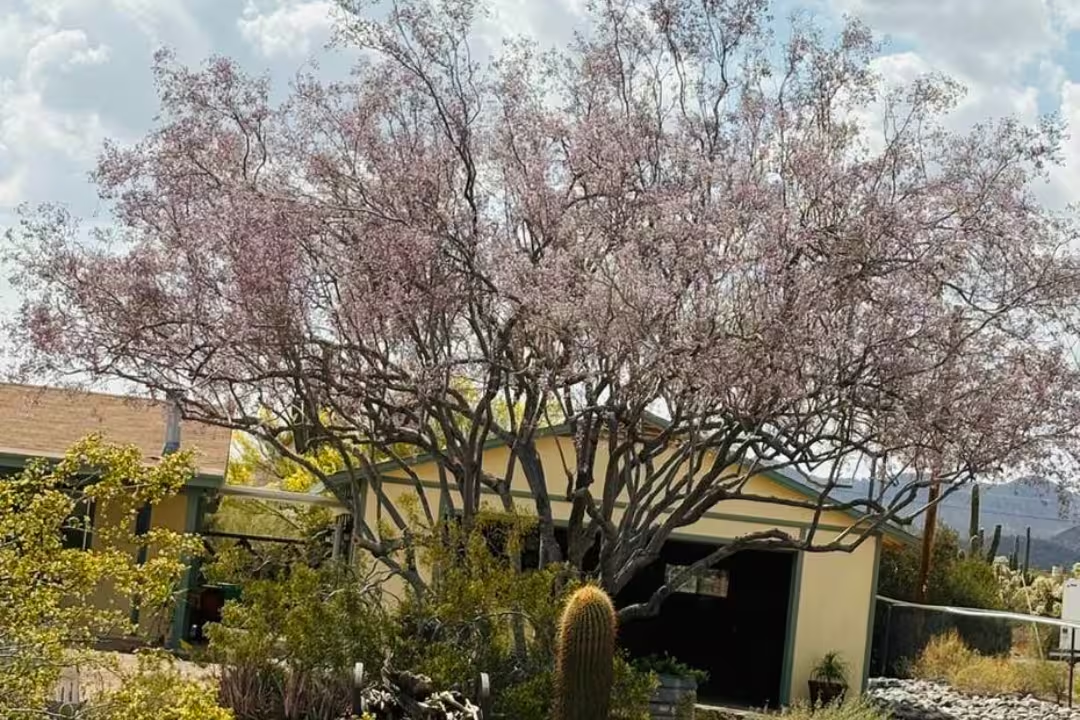
The name ironwood covers multiple species with extremely hard wood, including Olneya tesota (desert ironwood, Sonoran Desert), Ostrya virginiana (Eastern U.S.), Eusideroxylon zwageri (Southeast Asia), and Dialium guianense (tropical America). A quick overview of species called “ironwood” is outlined by Kaltimber, which highlights how the label follows density and durability more than botany.
Botanical Characteristics
Across regions, ironwood trees share traits: slow growth, tight grain, high wood density, and tough bark. Leaves range from small pinnate leaflets in desert ironwood to broader forms in temperate species, while flowers and pods feed pollinators and wildlife in many habitats.
Expect heavy wood that sinks in water, small to medium mature height, and deep roots that anchor slopes. Many species show high drought tolerance or decay resistance, making them valuable in dry gardens, public plantings, and long-life woodcraft.
Desert Ironwood vs Other Varieties
The Sonoran Desert species stands out for extreme durability, wildlife value, and microclimate benefits, while other ironwoods shine in moisture tolerance or ornamental appeal. Use the table below to compare key traits that guide planting and material choices.
| Species (Common) | Region | Typical Density | Notable Traits |
|---|---|---|---|
| Olneya tesota (Desert ironwood) | Sonoran Desert | Very high; often sinks | Nurse tree, extreme drought tolerance, superb tool/handle wood |
| Ostrya virginiana (Eastern hophornbeam) | Eastern North America | High | Tough “iron wood,” good for tool handles and small structures |
| Eusideroxylon zwageri (Ulin) | Southeast Asia | Very high | Exceptional decay resistance for outdoor posts and marine uses |
| Dialium guianense | Tropical America | High | Hard, durable timber; edible fruit in some regions |

Desert Ironwood Tree Seeds (5-Pack)
- Includes 5 Desert Ironwood (Olneya tesota) seeds
- Can grow up to about 35 ft tall and 40 ft wide
- Drought-tolerant desert tree for dry climates
- Violet flowers expected in spring
- Prefers full sun exposure
 Buy on Amazon
Exceptional Wood Strength and Durability

Density and Hardness Properties
Many ironwoods clock densities over 1,000 kg/m³, often hard enough to sink, which explains their use in mallets, plane soles, handles, and premium cutting boards. For context and uses across cultures, see Ironwoods’ timeless presence; compare similar ultra-dense options like lignum vitae for reference.
Water and Decay Resistance
Dense cell structure and natural extractives give ironwoods high rot resistance and strong defense against insects and abrasion. That’s why builders pick ironwoods for outdoor accents, boat trim, wear strips, and any application exposed to moisture.
Tool and Construction Applications
Use ironwoods for hammer and chisel handles, plane bodies, mallets, wear blocks, flooring in high-traffic spots, and cutting surfaces that resist gouging. For knife-friendly prep, many cooks choose end-grain boards that self-heal and protect blades, similar in performance to premium hardwoods.
For exterior joinery that must last, pair ironwood components with corrosion-resistant fasteners and pre-drill to avoid splits. In structural outdoor choices, you can compare durability with black locust wood to pick the right material for weather exposure.
Environmental and Climate Benefits
Carbon Sequestration Power
Long-lived, dense-wood trees store a lot of carbon in biomass and keep it out of the air for decades. Planting ironwoods in suitable regions adds durable, low-maintenance biomass that supports climate-mitigation goals.
Soil Stabilization and Erosion Control
Deep roots anchor slopes, improve infiltration, and reduce runoff that strips topsoil. Use desert ironwood for arid banks and other species for humid sites where wind, water, or foot traffic can cause erosion.
Desert Microclimate Creation
In the Sonoran Desert, ironwood canopy zones can run up to about 15°C (27°F) cooler than bare ground, which boosts seedling survival and reduces water stress. See the Arizona-Sonora Desert Museum’s summary of nurse-plant and microclimate roles: Desert ironwood tree.
Wildlife Habitat and Ecosystem Support
Nurse Tree Effects
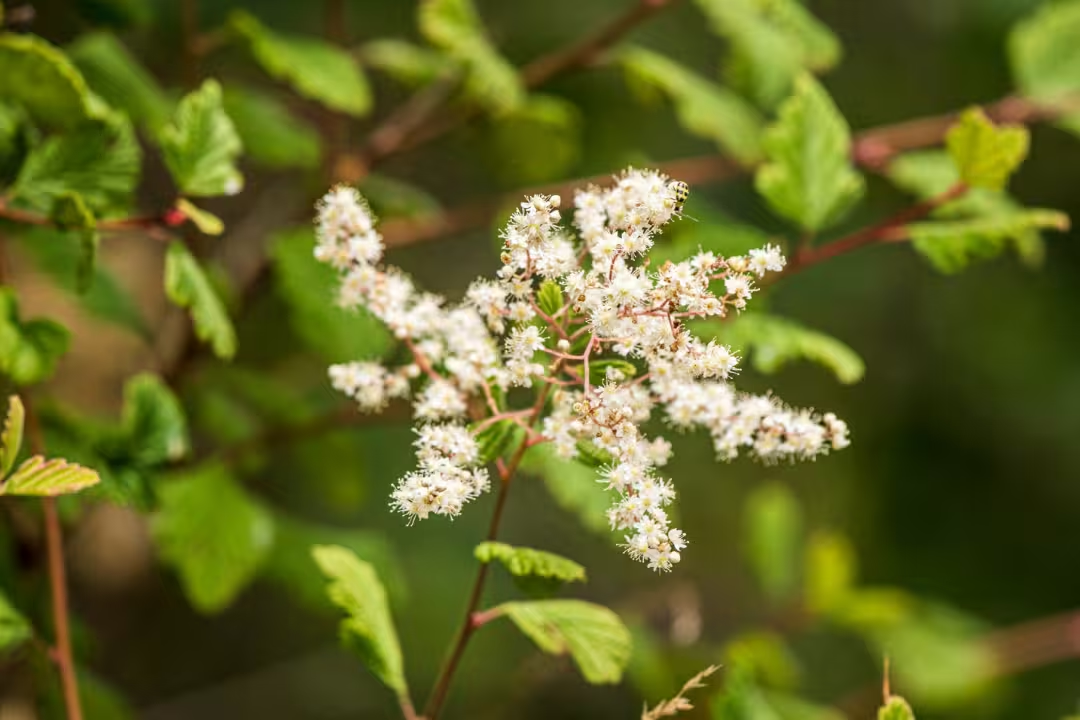
Desert ironwood acts as a nurse plant, buffering temperature swings, shading seedlings, and improving frost survival for cacti and native herbs. Learn more about canopy protection and the costs of canopy loss from the Arizona-Sonora Desert Museum.
“Ironwood canopies create buffered microenvironments that raise seedling survival and reduce stress in harsh desert conditions.”
Arizona-Sonora Desert Museum
Food Sources for Animals
Flowers feed pollinators, pods and seeds support birds and small mammals, and the branch structure offers nesting and cover. Retaining multi-age stands strengthens year-round foraging and shelter for local wildlife.
Biodiversity Enhancement
Ironwood trees function as keystone hubs by cooling soil, adding litter, and hosting insects that feed higher trophic levels. Planting corridors with ironwoods can connect habitat patches and support species movement.
Traditional Medicine and Cultural Uses
Indigenous Healing Applications
Several ironwoods feature in folk medicine for fevers, minor wounds, or digestive remedies; methods vary by species and culture. For example, see notes on Ceylon ironwood’s traditional uses in Ceylon ironwood tree, and consult local guidelines before any personal use.
Cultural and Ceremonial Importance
Ironwoods appear in carvings, ceremonies, and regional crafts thanks to their long life and striking grain. Many communities regard old ironwood groves as living heritage and value them for shade, meeting places, and art.
High-Quality Firewood Properties
The wood burns hot and long with steady coals, which reduces refueling during cold nights. For ethical heating, source deadfall or legal harvests and compare heat output with mesquite wood for grill or stove use.
Woodworking and Craft Applications
Fine Woodworking Projects
Ironwoods suit small furniture, plane bodies, mallets, and inlays where wear resistance matters. Pre-drill all holes, use sharp carbide tooling, and wipe on thin oil finishes to bring out chatoyance while limiting blotch.
Decorative and Artistic Uses
Turners and carvers choose ironwood blanks for bowls, pens, and handles that need weight and polish. Dense stock takes a glassy surface after fine sanding (grit 600–1,000) and buffing; stabilize thin pieces to reduce checks.
Professional Tool Making
For chisels, knives, and saw till handles, ironwood’s weight and grip reduce chatter and absorb shock. Compare its stability to snakewood before picking a species for thin tangs or fine details.
Landscaping and Ornamental Value
Shade and Structure Benefits
Ironwood trees add permanent structure to yards, parks, and streets, creating cool sitting spots and resilient focal points. In arid gardens, desert ironwood delivers filtered shade that protects underplantings and reduces summer stress.
Desert Ironwood Tree Seeds (5-Pack)
- Includes 5 Desert Ironwood (Olneya tesota) seeds
- Can grow up to about 35 ft tall and 40 ft wide
- Drought-tolerant desert tree for dry climates
- Violet flowers expected in spring
- Prefers full sun exposure
Buy on Amazon
Drought-Tolerant Landscaping
Pick species that match your climate; desert ironwood prefers hot, arid sites with alkaline soils, while temperate ironwoods like deeper moisture. For windbreaks or rugged fence lines, compare with hardy trees such as osage orange to plan long-lived plantings.
Growth Requirements and Care
Plant young trees in full sun with well-drained soil, then water deeply but infrequently to encourage strong roots. Prune lightly in the coolest season to shape structure and remove crossing branches while keeping the canopy balanced.
- Space trees with room for mature canopy spread to limit future conflicts with walls or power lines.
- Mulch 2–3 inches deep, keeping mulch a few inches away from the trunk flare.
- Water new plantings weekly in hot months; taper to deep monthly soakings once established.
- Avoid over-fertilizing; prioritize soil health with compost and leaf litter.
- Inspect annually for pests or limb cracks and correct early.
FAQs
What Is The Significance Of The Ironwood Tree In Indigenous Cultures?
Ironwood trees often hold deep cultural and spiritual meaning for Indigenous peoples. They appear in stories and ceremonies as symbols of strength, endurance, and connection to place, and their wood, bark, and other parts are used for tools, medicine, and ritual objects; stewardship of ironwoods also reflects long-standing ecological knowledge and relationships with the land.
How Do You Care For An Ironwood Tree In Your Backyard?
Caring for an ironwood begins with choosing the right species for your climate and planting it in well-drained soil with appropriate sun exposure. Water regularly while it establishes, apply mulch to retain moisture, avoid overfertilizing, prune sparingly during dormancy, protect young trees from pests or frost, and be patient since many ironwoods grow slowly and need long-term space.
Where Can You Find Ironwood Trees Growing Naturally?
Ironwood species grow naturally in many parts of the world, from desert regions like the Sonoran Desert (Olneya tesota) to temperate woodlands and coastal forests. Different ironwoods are native to North America, parts of Africa, Asia, and Australia; they typically favor well-drained, often rocky or sandy sites and appear in dry, Mediterranean, or mixed-hardwood habitats depending on the species.
What Are The Common Uses For Ironwood Timber?
Because ironwood is extremely dense and durable, it is prized for heavy-duty uses such as tool handles, flooring, furniture, turning and carving, fence posts, and marine or outdoor applications where rot resistance matters. It is also valued as firewood and charcoal and is used in smaller-scale traditions for implements and decorative objects.
How Fast Does An Ironwood Tree Grow?
Most ironwood trees are slow-growing; many species add only a few inches to about a foot of height per year and can take decades to reach full maturity. Growth rate varies by species, soil, water, and climate, so expect a long time horizon and plan accordingly when planting one.