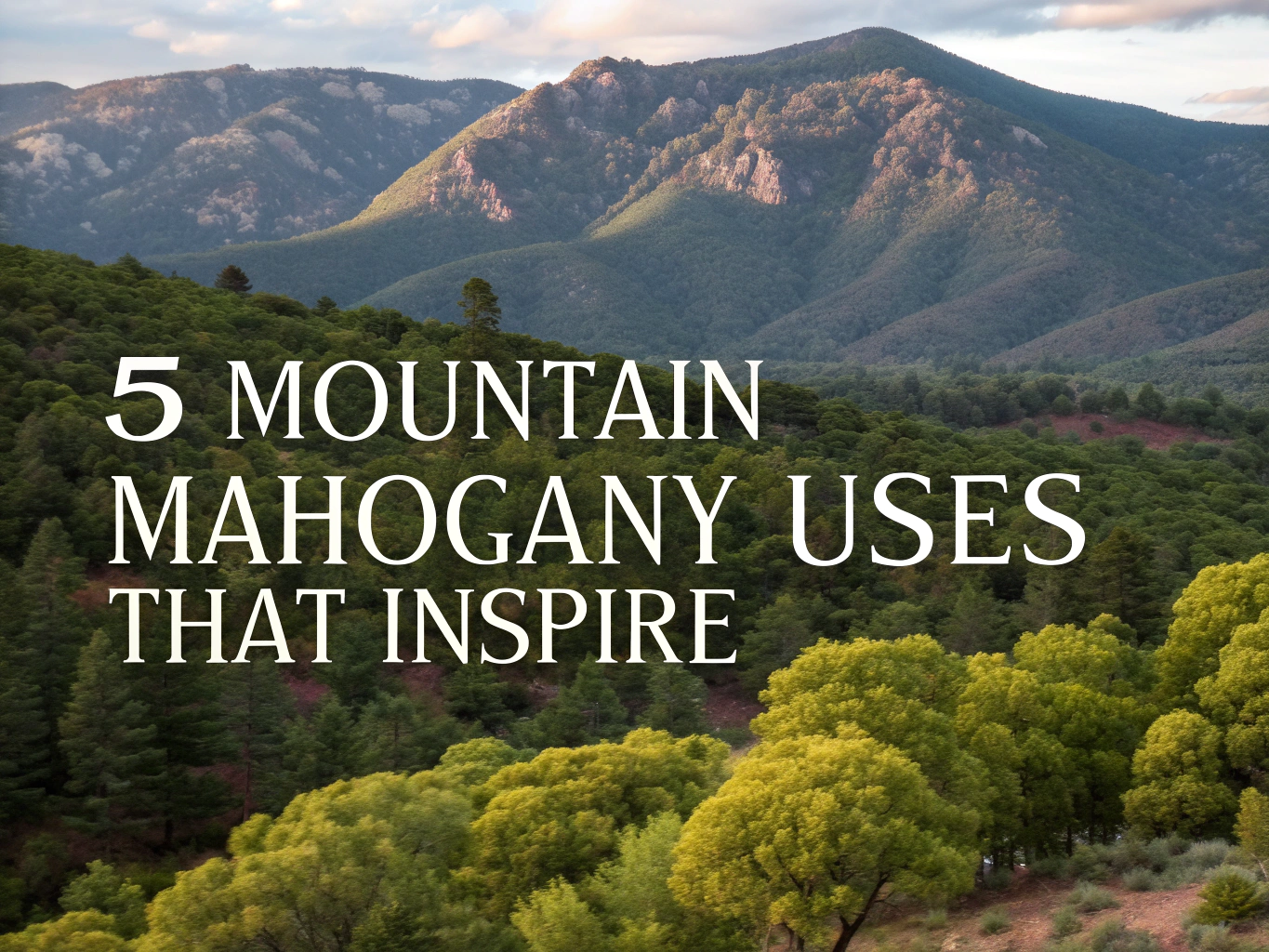

Did you know a single mountain mahogany shrub — like the curl leaf mountain mahogany — can feed deer, make strong tools, and hold soil on a dry slope? The mountain mahogany wood is dense and strong. Native people used its bark for remedies and its seeds for dye and tea. Read on to see five clear uses for this hardy shrub in nature and low-water gardens.
Table of Contents
Mountain mahogany (Cercocarpus spp.) is a tough Western native that feeds wildlife, anchors slopes, supplies dense hardwood for tools, and adds year-round structure to dry gardens.
This guide covers forage value, traditional medicine, woodcraft uses, erosion control, and ornamental planting, with practical tips for home growers and land managers.
1. Essential Wildlife Forage and Habitat
Winter Browse for Deer and Bighorn Sheep
In many ranges, deer and bighorn sheep rely on mountain mahogany as winter browse when snow covers grasses; managers rate it “good to excellent” forage for big game and livestock, with deer browsing twigs year-round (Utah State University Extension).
For habitat projects, plant in well-drained soils on south or west aspects, spacing shrubs 6–10 feet apart so animals can move through while gaining thermal cover.
On small acreages, stagger plantings with native bunchgrasses and a few nectar shrubs; this mosaic buffers winter stress and spreads browsing pressure across the site.
Native Bird and Pollinator Support
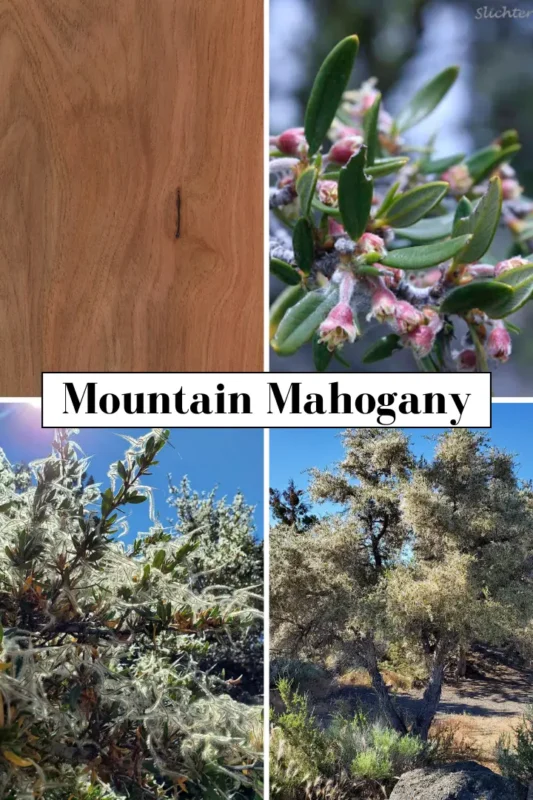
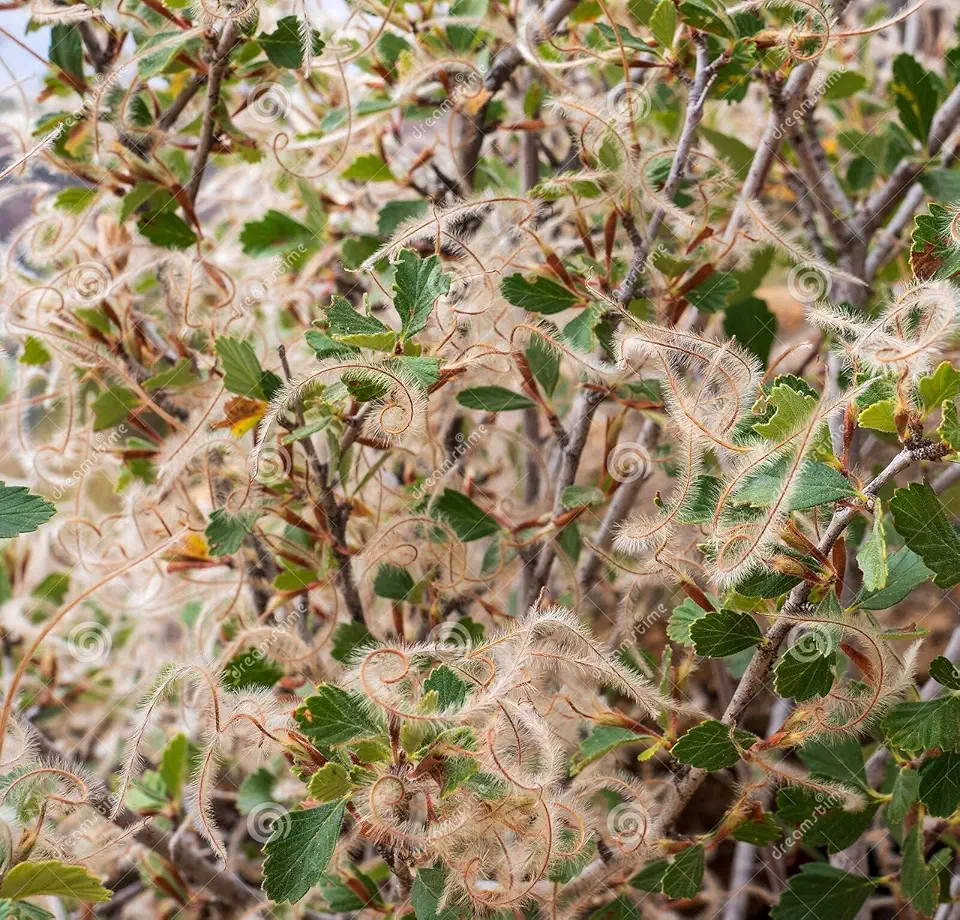
Dense branching offers nesting cover for sparrows and wrens, while feathery seed curls feed small birds and the flowers serve bees and at least 20 native pollinators in some regions.
Mix curl leaf mountain mahogany with early and late-bloom natives, so bees find nectar across seasons and fledglings get consistent seed resources.
Livestock Shelter and Grazing
Ranchers value its shrubby form as windbreak and shade on rough ground; practice rotational browsing and leave recovery time to protect young stems.
Some species carry cyanogenic compounds in leaves; avoid heavy, repeated browsing on drought-stressed plants to lower toxicity risk for stock.
2. Traditional Native American Medicine
Bark Decoctions for Respiratory Ailments
Goshute, Paiute, Shoshone, Navajo, and Hopi peoples used bark decoctions for coughs, colds, sore throat, and digestive upsets; many preparations relied on the plant’s astringent qualities (Plants For A Future).
Simple method: strip small amounts of bark from downed wood, simmer 10–15 minutes, then strain; use light doses and consult a licensed clinician before internal use.
Wound Healing and Burn Treatment
Ethnographic notes report dried or charred bark used as a burn dressing, with green wood scraped to a powder for poultices on cuts and sores; keep applications clean and discontinue if irritation appears.
For field kits, pack sterile gauze and a small jar of prepared powder; apply thinly, cover, and monitor healing daily.
Natural Dyes and Tea Blends
Hopi artisans used the bark to produce a reddish-brown dye for leather; light bark scrapings also appear in historic herbal tea blends, adding a dry, tannic note.
Test dye baths with small fabric swatches first; adjust pH and simmer time to shift tone from warm tan to deeper russet.
3. Premium Hardwood for Traditional Tools
Exceptional Wood Density and Strength
Mountain mahogany wood is extremely dense, with specific gravity reported up to about 1.1, giving it rare heft and wear resistance among North American hardwoods (Natural History Museum of Utah).
Expect very fine grain and high tool dulling; use sharp carbide, pre-drill fasteners, and allow slow seasoning to reduce checking.
| Property | Field Notes |
|---|---|
| Density | Very high; can sink in water (SG up to ~1.1) |
| Grain | Fine, tight; can be interlocked |
| Workability | Hard cutting; sharp carbide recommended |
| Drying | Slow; use end-seal, avoid rapid heat |
| Best Uses | Bows, mallets, wear parts, inlays |
For context, compare its heft to lignum vitae, though mountain mahogany is more accessible to Western woodworkers and often sourced as deadfall.
Bow Making and Hunting Equipment
Bowyers prize straight, knot-free sections 60–70 inches long; chase a single ring, tiller slowly, and target final draw weights conservatively since the wood’s stiffness is high.
Many makers compare performance with osage orange wood, selecting narrower limbs for mountain mahogany to manage mass and speed.

Prehistoric Tool Applications
Archaeological records and tradition point to digging sticks, clubs, and arrow shafts made from mountain mahogany; for tool handles, compare toughness with black locust wood and fit ferrules to prevent splits.
Many locals even call it “mahogany mountain” wood in casual speech, reflecting its reputation for hardness and longevity in field gear.
4. Natural Erosion Control Solutions
Deep Root System Benefits
Deep, fibrous roots anchor poor, rocky soils and hold slopes through freeze-thaw cycles; plant on benches and breaks to interrupt runoff pathways (Cache Valley Native Plants).
On new sites, water weekly for the first two growing seasons, then taper; mulch 2–3 inches away from the trunk to conserve soil moisture without inviting rot.
Slope Stabilization Projects
For small restoration jobs, combine shrubs with native bunchgrasses; seed grasses over the entire slope and plug mountain mahogany on a staggered grid for coverage and long-term structure.
- Map slope zones: toe, mid-slope, crest.
- Install erosion fabric on the steepest 1:1 to 2:1 areas.
- Plant mountain mahogany at 6–8 ft spacing; add grass seed between.
- Pin straw wattles on contour every 10–20 ft.
- Irrigate lightly in year one; spot-water in heat waves only.
Drought-Resistant Soil Protection
Curl leaf mountain mahogany handles prolonged dry spells after establishment; its evergreen canopy reduces raindrop impact and slows sheet flow, protecting crusted soils.
Home growers looking to start native plantings can try these seed packs for restoration and slope work; sow in fall or provide cold stratification for better germination.
Mountain Mahogany Seeds (12-Pack)
- Twelve viable seeds ready for home planting
- Drought-tolerant native species ideal for low-water landscaping
- Attracts birds and helps stabilize soil on slopes
- Easy to grow from seed with basic care and sunlight
- Great for hedges, windbreaks, and restoration projects
 Buy on Amazon
Mountain Mahogany Bush Seeds (10-Pack)
- Ten Cercocarpus betuloides seeds for backyard planting
- Compact bush form suits hedges and native gardens
- Tough and drought-resistant once established
- Supports local wildlife and erosion control
- Simple sowing and care instructions for beginners
Buy on Amazon
5. Ornamental Landscaping and Xeriscaping
Year-Round Evergreen Structure
Use mountain mahogany as a backbone shrub in xeric beds; tip-prune lightly after bloom to keep a tight form without losing next year’s flowers (Caringsunshine).
Pair with mesquite tree, penstemon, and native bunchgrasses for texture, then drip-irrigate deeply, less often, to promote deep roots.
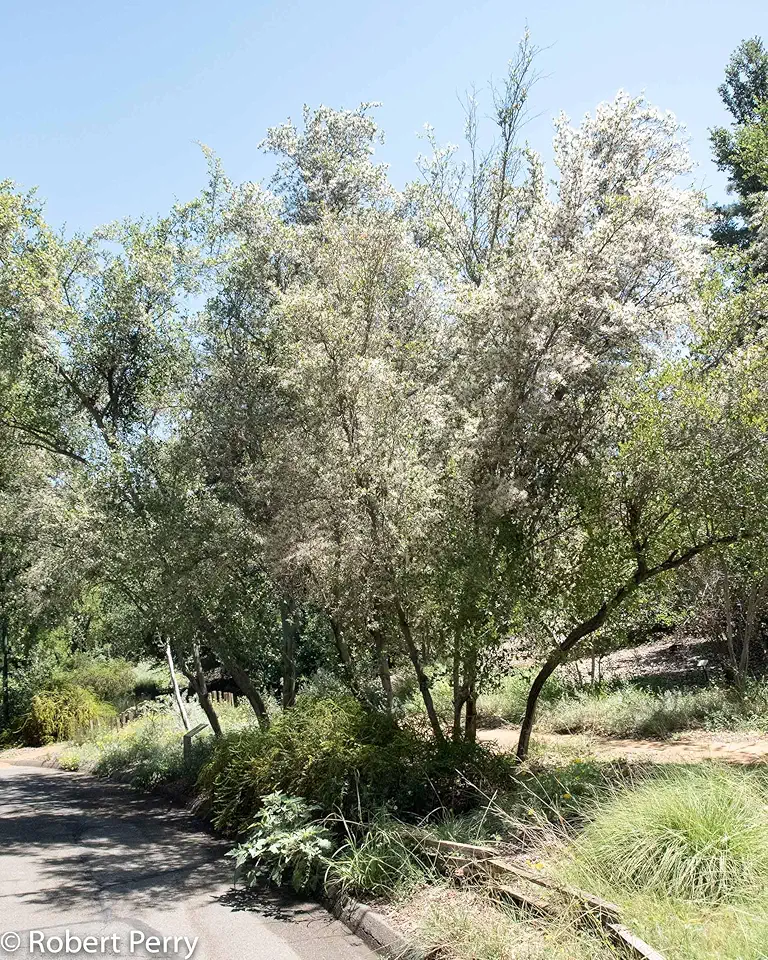
If you’re comparing evergreen shrubs for hedging in dry yards, mountain mahogany stays tidy with minimal water and rewards you with tough structure all year.
Feathery Seed Plumes and Spring Blooms
After flowering, spiraled, silky plumes form and catch light and wind; curl leaf mountain mahogany is especially showy, adding motion and silver sheen in late season.
For the cleanest look, thin out interior twiglets once a year rather than shearing; this keeps air moving through the crown and highlights seed displays.
Low-Water Mediterranean Gardens
Set plants in full sun with gravelly mulch and low-phosphorus fertilizer, then group with gray-foliage companions like lavender, buckwheat, and manzanita tree for a cohesive, dry garden theme.
- Spacing: 5–8 ft centers for hedges, 8–12 ft for specimens.
- Water: deep soak monthly in summer after establishment.
- Soil: fast drainage; avoid low spots with standing water.
- Pruning: light thinning after bloom; skip hard shears.
- Companions: sages, rabbitbrush, desert willow, agave.
If seed-grown, expect varied growth rates; select the strongest seedlings for focal spots and use smaller plants to fill gaps for natural rhythm.
FAQs
What Are The Uses Of Mountain Mahogany In Landscaping?
Mountain mahogany Is Commonly Used For Erosion Control On Slopes, Native And Xeric Landscapes, Windbreaks, And As An Attractive Shrub Or Small Tree In Rock Gardens And Borders. Its Dense Growth Provides Seasonal Interest And Durable Wood Makes It Useful In Naturalistic or Rustic Plantings, While Its Drought Tolerance Reduces Water Needs.
How Do I Identify A Mountain Mahogany Tree?
Mountain mahogany Typically Appears As A Dense Shrub Or Small Tree With Leathery Or Narrow Leaves, Grayish-Brown Bark, And Distinctive Twisted, Feathery Seed Tails That Persist After Flowering. Flowers Are Small And Often Inconspicuous; Identification Is Easiest By Examining Leaf Shape, Bark Texture, Growth Habit, And The Characteristic Long, Hairy Seed Styles.
Is Mountain Mahogany Native To North America?
Yes, Many Species Of Mountain Mahogany (Genus Cercocarpus) Are Native To Western North America, From Canada Through The Western United States And Into Parts Of Mexico. They Are Well Adapted To Rocky, Dry Sites And Are Important Components Of Several Native Plant Communities.
What Wildlife Species Rely On Mountain Mahogany For Habitat Or Food?
Mountain mahogany Provides Important Cover And Browse For Large Herbivores Such As Deer, Elk, And Bighorn Sheep, While Small Mammals And Birds Use It For Shelter And Nesting. The Flowers Attract Pollinators, And The Persistent Seed Tails Can Be A Food Resource For Some Birds And Insects, Making It Valuable For Local Wildlife Diversity.
How Can I Care For And Maintain Mountain Mahogany In My Garden?
Plant Mountain Mahogany In Full Sun With Well-Drained Soil, Water Sparingly Once Established, And Avoid Over-Fertilizing; It Thrives In Dry, Rocky Conditions. Prune Lightly To Maintain Shape After Flowering, Protect Young Plants From Excess Moisture, And Mulch Sparingly To Conserve Water Without Causing Root Rot.