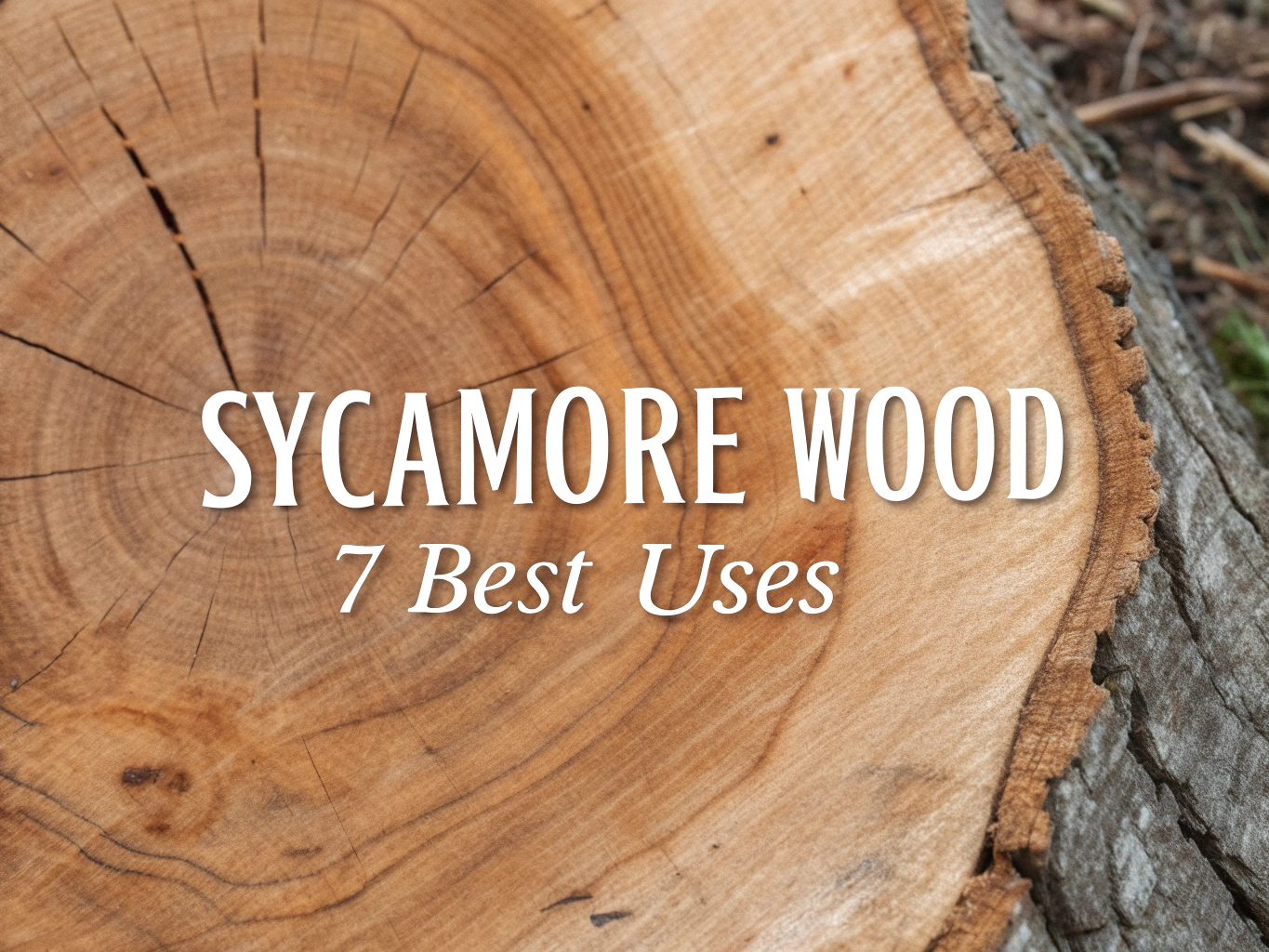

Want a single wood that works for furniture, floors, veneers, and instruments? Sycamore wood offers a pale, clean look and a fine grain that machines and sands well. It takes finish evenly and can show striking figure when quarter-sawn. Read on to see seven top uses and when to pick sycamore maple or other sycamore types.
Table of Contents
Sycamore wood is a light, fine-textured hardwood used in furniture, cabinetry, flooring, veneers, and handcrafts. Its bright color, interlocked grain, and steady workability make it a smart pick for clean, modern projects and classic builds alike.
What Is Sycamore Wood?
Sycamore maple (Acer pseudoplatanus) and American sycamore (Platanus occidentalis) both get called “sycamore,” yet they offer slightly different looks and uses, from instrument sets to cabinets. Builders favor the wood for its pale color, smooth machining, and reliable performance in interior projects.
Properties and Characteristics
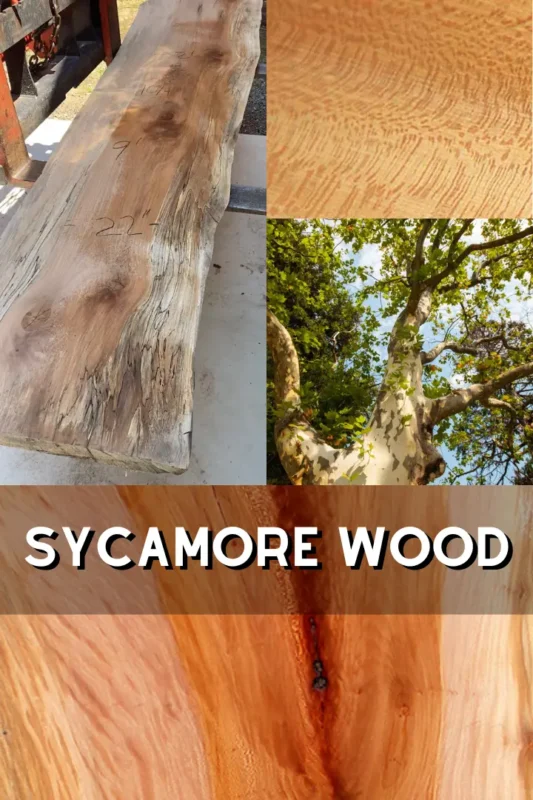
Color and grain: sapwood runs white to light yellow with a fine, close texture; heartwood leans light to medium brown and can show a lively, interlocked grain that resists splitting during assembly. Quarter-sawing highlights attractive ray fleck and stabilizes panels and tops.
Workability: the wood machines cleanly with sharp, high-speed cutters, glues well, and takes stain or clear finishes evenly; tearout can appear on reversing grain, so light passes help. It sands to a silky surface that suits matte oils and high-build lacquers.
Drying and use: boards dry fairly fast yet can move if rushed, so stack with stickers, weight the pile, and allow room-temperature conditioning before final milling. Keep projects indoors because natural rot resistance is low, according to the American Hardwood species guide.
Sycamore Maple vs. American Sycamore
Two species dominate: European “sycamore maple” prized in lutherie, and North American “American sycamore” common in cabinetry, veneer, and interiors. To compare them at a glance, review the table below and match the species to your project goals or explore types of maple trees for broader context.
| Feature | Sycamore Maple (Acer pseudoplatanus) | American Sycamore (Platanus occidentalis) |
|---|---|---|
| Main Use | Musical instruments, furniture, turning | Furniture, cabinetry, veneer, flooring |
| Grain & Color | Pale, fine-grained, light hue | Interlocked grain, white-yellow sap, brown heart |
| Workability | Easy to work, finishes cleanly | Machines well; light passes reduce chipping |
| Rot Resistance | Moderate | Low |
| Typical Location | Europe & UK | North America |
| Notable Feature | Valued for violin backs (“maple” sets) | Large logs; widely available lumber |
1. Furniture Making
Furniture builders like sycamore for frames, drawer sides, aprons, and casework where a smooth, understated surface matters. The pale tone pairs nicely with dark metals and contrasting woods to create balance in both classic and minimal styles.
Traditional and Modern Designs
Traditional pieces benefit from quarter-sawn stock for stability in table tops and door rails, while modern builds use plain-sawn boards for soft, flowing grain. For style planning, compare species and aesthetics across common wood for furniture options and pick complementary tones.
Mixed-Material Applications
Design contrast works well: sycamore with blackened steel, brass pulls, or leather panels adds warmth without visual noise. Use sapwood-dominant boards for light, Scandinavian looks, or introduce darker heart streaks for subtle depth.
2. Cabinetry and Millwork
Cabinet shops appreciate its machinability for face frames, end panels, drawer sides, and mouldings. The fine texture leaves crisp profiles after routing and a clean finish under clear coats or stains.
Custom Architectural Details
Interior details like stair stringers, newel caps, window stools, and wall panels benefit from consistent grain and easy gluing. For light-toned kitchens, pair sycamore frames with glass inserts or use beech wood accents for durable shelves.
Figured Sycamore Applications
Figured boards with ripple or quilt add movement to island panels, door centers, and feature walls. Bookmatching veneer or lumber on wide panels creates symmetry that feels refined without bright dyes.
3. Flooring Solutions
Sycamore flooring suits internal spaces that call for a light, uniform look and calm grain. The moderate hardness handles daily wear while interlocked fibers help resist splitting at nail lines.
Indoor Flooring Benefits
Installation tips: acclimate lumber, use stable cuts, and plan a hardwearing topcoat for kitchens and halls. Supplier data from Cook Lumber notes its clean appearance and workability for interior use.
- Light, airy color brightens small rooms and apartments.
- Moderate hardness suits family living without harsh feel underfoot.
- Quarter-sawn planks reduce seasonal cupping and telegraphing.
- Neutral tone pairs with light walls and matte black hardware.
Contemporary Interior Appeal
Design-forward rooms gain from sycamore’s fine grain that reads smooth on long runs and wide boards. Consider subtle variation by mixing sycamore with a few courses of elm wood in thresholds or niches.
4. Veneer and Decorative Panels
Veneer sets help you cover large surfaces consistently and economically while keeping the bright, elegant look of sycamore. Architects pick it for hospitality walls, elevator cabs, and furniture fronts that need a calm yet premium feel.
Figured Sycamore Veneer
Rippled figure provides striking light-play on panels and drawer faces, with bookmatched leaves amplifying the effect; specialists source and grade these sets, as noted by Commercial Forest Products. If you need a small, consistent sheet for accents or craft panels, consider the product below.

English Figured Sycamore Veneer 4 x 14 in (AA)
- Beautiful figured grain for striking visual impact on panels and furniture
- AA grade veneer with strong, even figure
- ultra-thin raw veneer with no backing for seamless application
- flexible enough for curves and edge work
- ready to glue and finish for custom projects
 Buy on Amazon
Commercial and Bespoke Projects
Design teams blend plain and figured sycamore on reception desks, bar fronts, and private office suites to guide sightlines and highlight key surfaces. Edge-banding with the same species keeps a seamless appearance on curved elements.
5. Woodturning and Handcrafted Items
Turners and carvers value sycamore for bowls, spindles, trays, toys, and utensils thanks to its fine texture and forgiving cuts. The light base color also takes dye work predictably for patterns and accents.
Bowls and Kitchenware
Green turning works nicely; rough-turn bowls, let them dry slowly, then return to final thickness to reduce warp and checking. Many makers report clean cuts and easy sanding with sharp tools according to practical shop tests and craft guides like this sycamore comparison.
Custom Woodworking Projects
Small blanks for knife scales, inlays, and desk items shape easily, hold hardware well, and finish to a silky sheen. Quarter-sawn figure gives compact projects a refined look without busy grain.
Explore supplies for compact builds in the curated options below, chosen for stability, grain interest, and ease of finishing.
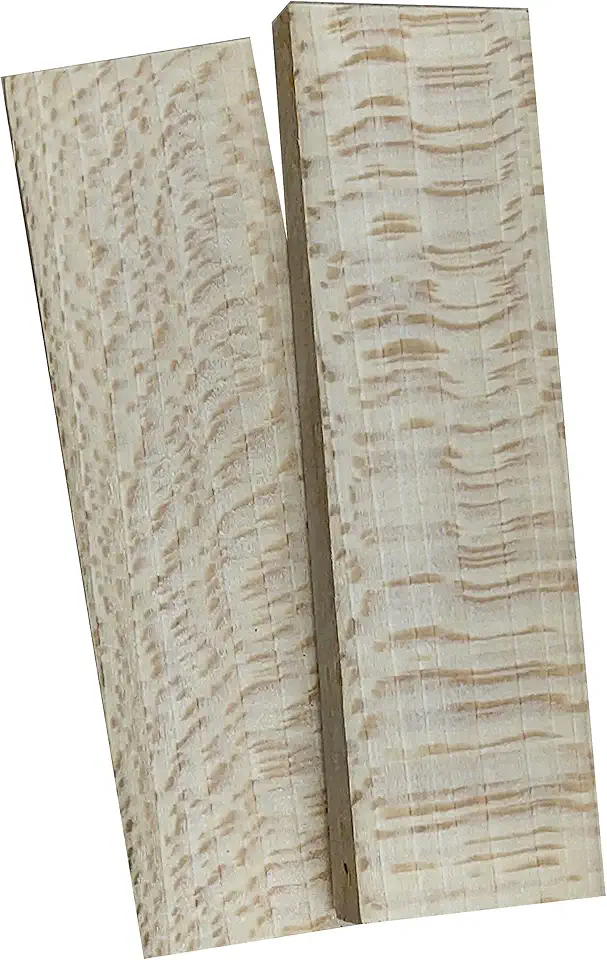
Quarter-Sawn Sycamore Knife Scales
- Distinct quarter-sawn grain for added stability and visual interest
- dense hardwood holds pins and hardware securely
- easy to shape, sand, and contour for custom knife handles
- takes polish and finish beautifully for a professional look
- ideal blank size for small handcrafting projects
Buy on Amazon

Domestic Exotic Hardwood Variety Pack — 8 Pieces
- Mix of walnut, coffee nut, grey elm and quarter-sawn sycamore for varied color and grain
- uniform 3/4"
- x 2"
- blanks for consistent project sizing
- great for knife scales, small turnings and accents
- kiln-dried for reduced movement and stability
- ready-to-shape and finish for woodworking projects
Buy on Amazon

Domestic Exotic Hardwood Pack — 8 Pieces
- Includes butternut, coffee nut, walnut and quarter-sawn sycamore for diverse textures and tones
- standardized 3/4"
- x 2"
- blanks for easy planning and lamination
- excellent for knife handles, inlays and small craft pieces
- properly dried to minimize warping
- machines, sands and finishes cleanly
Buy on Amazon

Barrington Hardwoods 8-Piece Exotic Pack
- Curated mix of butternut, coffee nut, grey elm and quarter-sawn sycamore for varied aesthetics
- consistent 3/4"
- x 2"
- blanks ideal for small builds
- great for handles, laminates and decorative work
- kiln-stabilized for reliable performance
- easy to glue, shape and finish
Buy on Amazon
6. Musical Instruments
Luthiers use sycamore maple for violin, viola, and cello backs and sides, and plain sycamore in some guitar parts. The pale color accepts subtle stains that highlight curl without blotch.
Classical Instrument Construction
Tonewood sets from sycamore maple resemble other European maples, pairing with spruce tops for clarity and projection. For broader species context in instruments and furniture, scan this overview of maple wood.
Tonal Properties
Balanced tone with warm mids and clear highs makes figured sets popular in classical builds. Quartered stock improves stability, helps sustain, and presents attractive medullary rays under a thin varnish.
7. Kitchen and Specialty Applications
Kitchen makers select sycamore for cutting boards, trays, and utensils where a smooth, closed grain is preferred. Food-contact items benefit from durable finishes like hardwax oil after thorough curing.
Butcher Blocks and Cutting Boards
End-grain blocks handle knife work well thanks to moderate hardness and fine texture. For visual variety in laminated boards, mix sycamore with dark strips of walnut or light accents of poplar wood.
Mouldings and Toys
Trim profiles route crisply, while toys and decor sand smooth without raised grain. Apply a safe, durable finish and round edges for comfortable handling in everyday use.
Sustainability and Environmental Benefits
Responsible buyers appreciate that sycamore grows quickly and is widely available from legal, commercial sources. Using it in interiors reduces pressure on slower-growing exotics while delivering a clean, modern look.
Fast-Growing Properties
Rapid growth and broad range make sycamore a practical choice for scalable projects in shops and on job sites. Community resources like Tree of the Month features highlight its prevalence in urban and regional planting.
Eco-Friendly Wood Choice
Project specs that call for low-waste veneers, efficient milling, and long service life pair well with sycamore. Pick quartered cuts for stability, use waterborne finishes to reduce VOCs, and aim for conservative offcuts in casework and panels.
FAQs
What Are The Uses Of Sycamore Wood In Furniture Making?
Sycamore Is Often Used For Tabletops, Cabinet Panels, Veneers, Drawer Components And Turned Pieces Because Of Its Even, Fine Grain And Light Color. It’s Ideal For Furniture That Needs A Clean, Contemporary Look Or For Accents And Inlays Where A Pale, Neutral Tone Is Desired.
How Durable Is Sycamore Wood Compared To Other Hardwoods?
Sycamore Offers Moderate Hardness And Good Strength For Interior Furniture, But It Is Generally Less Dense And Less Rot-Resistant Than Hardwoods Like Oak Or Maple. It Performs Well For Everyday Indoor Use But Is Not The Best Choice For Heavy-Duty Flooring Or Outdoor Applications Without Proper Treatment.
Is Sycamore Wood Good For Carving And Woodworking Projects?
Yes. Sycamore Machines Cleanly, Holds Detail Well, And Is Popular For Carving, Turning, And Fine Joinery. Its Fine, Even Grain Makes It Suitable For Detailed Work, Though Highly Figured Pieces Can Tear Out If Tools Aren’t Kept Sharp.
What Is The Best Finish To Use On Sycamore Wood?
Clear Finishes That Enhance The Wood’s Pale Tone Work Best—Options Include Danish Oil, Tung Or Linseed Oil For A Natural Look, Or Shellac And Clear Lacquer/Polyurethane For Greater Durability. Sycamore Can Stain Unevenly, So Use A Pre-Stain Conditioner Or Gel Stain If You Want A Uniform Color, And Always Test On A Scrap First.
How Do I Identify Sycamore Wood In Lumber Form?
Sycamore Lumber Is Typically Pale Cream To Light Brown, Often With Subtle Brown Streaks Or Figuring And A Fine, Even Texture. The Grain Can Be Straight Or Slightly Interlocked; Growth Rings Are Not Extremely Prominent. Identifying Features Include The Light Color, Moderate Weight, And A Smooth, Closed Pore Appearance—when In Doubt, Compare End Grain And Texture With Known Samples Or Consult A Wood Identification Guide.