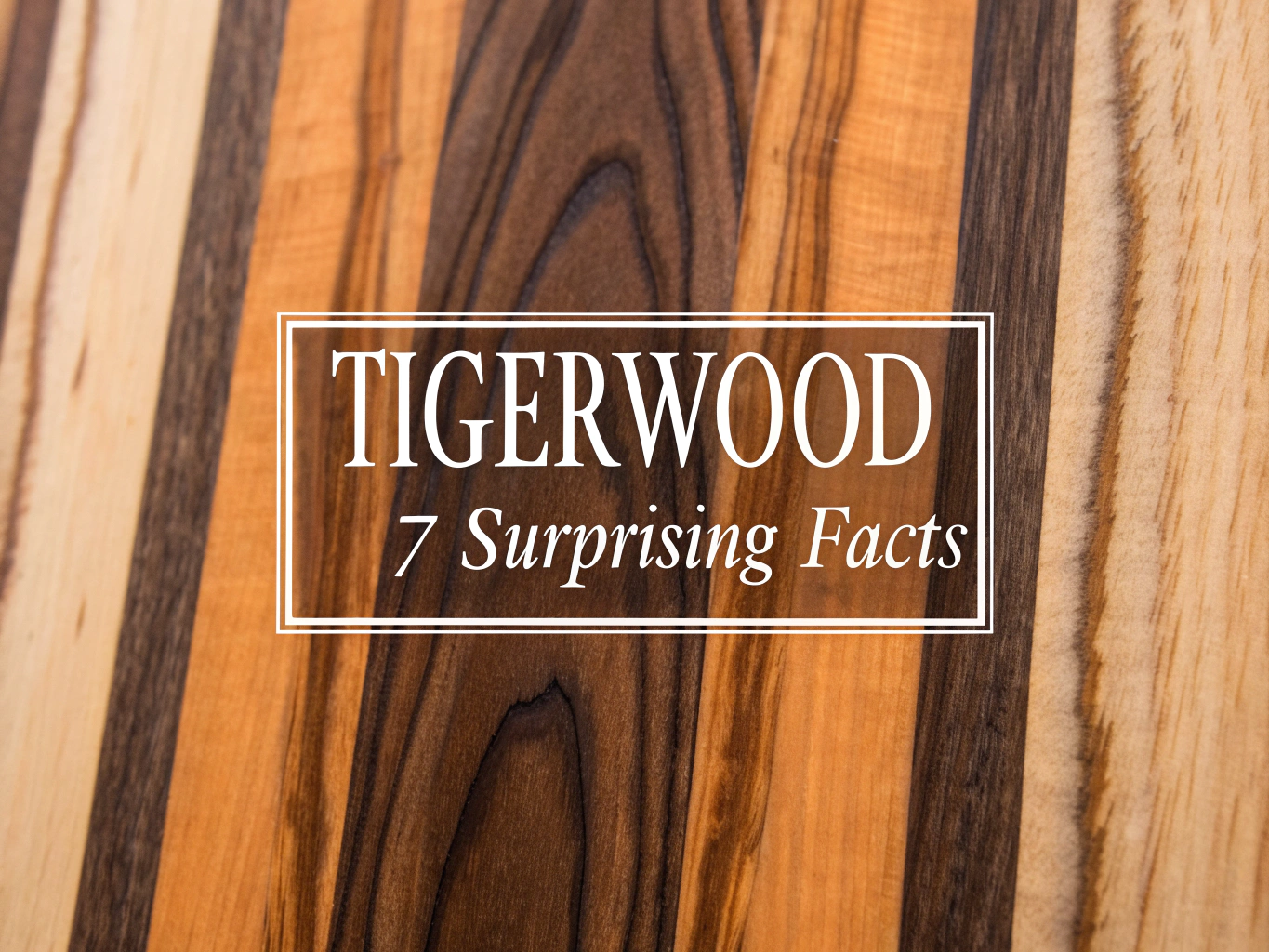

Ever wondered what gives tigerwood its bold tiger-like stripes and why people pick it for decking and flooring? This post shares seven clear facts about the wood. You will learn about its color, hardness, water and pest resistance, pros and cons for outdoor use, and simple care tips. Short, useful info for anyone planning a wood project.
Table of Contents
Tigerwood is a striking tropical hardwood prized for decks, floors, and custom projects. This guide explains what tigerwood is, how it performs, what it costs, and how to care for it so you can choose and maintain it with confidence.
What Is Tigerwood?
Scientific Classification and Origin
Tigerwood (commonly sold as goncalo alves) refers to several Astronium species native from southern Mexico through Central America into Brazil. Reputable suppliers such as ETT Fine Woods highlight its stable sourcing regions and consistent quality for exterior and interior use.
Physical Characteristics and Tree Size
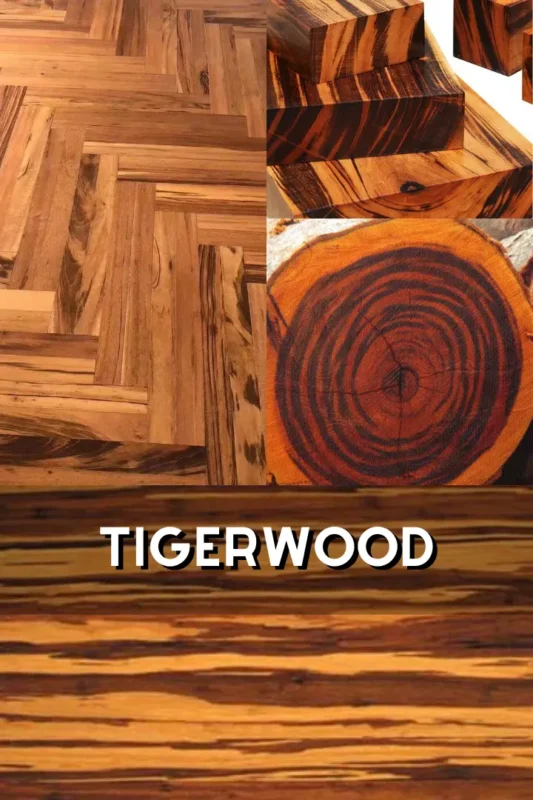
This dense hardwood shows an orange‑brown to reddish base with dark streaks that resemble a tiger’s coat. Mature trees can reach about 150 feet tall with trunks near 5 feet in diameter, yielding long, clear boards that suit large decks and expansive floors.
Common Applications
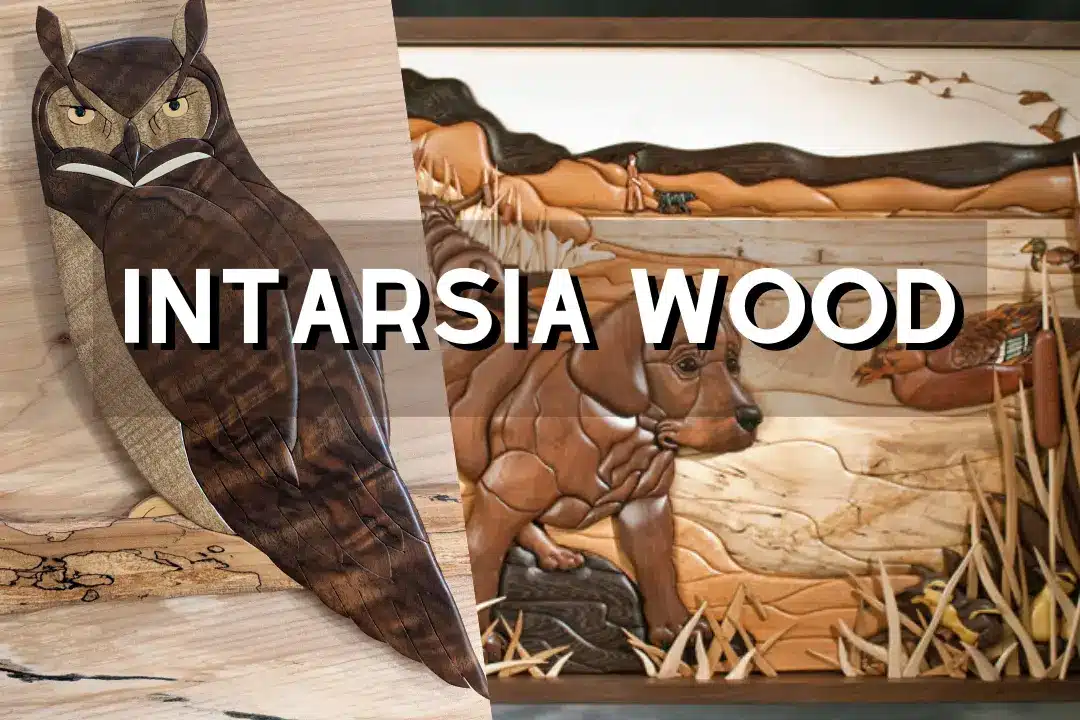
Builders and makers pick tigerwood for decking, flooring, exterior siding, furniture, stair treads, and high‑end millwork. For visual comparisons, see exotic options like zebrawood or figured options like tiger maple wood, and explore broader Brazilian wood choices for regional context.
1. Tigerwood’s Distinctive Tiger-Stripe Appearance
Natural Color Variations
Tigerwood wood shows dramatic striping over golden‑brown to red hues, and no two boards look alike. Designers love the contrast because the bold stripes read as luxury in both modern and traditional spaces.
Weathering and Patina Development
Sunlight slowly deepens the base color, while unfinished exteriors mellow to a silver patina. If you prefer the original tones, periodic oiling keeps the color rich; if you want gray, let it weather and clean gently as needed.
2. Exceptional Durability Outlasts Most Woods
Janka Hardness Rating
Tigerwood posts a Janka hardness near 1850 lbf, tougher than maple and red oak, which improves dent and scratch resistance. See the ABS Wood guide for a practical view on durability in busy homes and deck spaces.
Lifespan Expectations
Installed correctly, tigerwood decking can deliver 25+ years outdoors with simple maintenance. Indoors, tigerwood flooring often lasts 50+ years thanks to its density and resistance to wear.
Natural Resistance Properties
The wood contains natural oils and has a tight grain that resists decay, surface checking, and abrasion. This built‑in protection reduces the need for chemical treatments while keeping structural integrity high.
3. Superior Water and Pest Resistance
Moisture Absorption Properties
Dense, tight pores slow water uptake, so boards stay dimensionally stable in humid zones. That’s why pool surrounds, coastal decks, and bathrooms are common tigerwood applications.
Mold and Mildew Prevention
Natural extractives help block fungi, mold, and mildew on exposed surfaces. Good airflow and routine cleaning are usually enough to keep surfaces fresh without harsh chemicals.
Insect and Rot Protection
The wood’s density and oils make it unattractive to many insects, including termites, and slow decay. See Brazilian Lumber facts for a quick resistance recap that matches field experience.
4. Tigerwood Decking Advantages and Drawbacks
Key Benefits
- Showpiece look: bold, striped grain with warm reds and browns.
- Long service life: decades of performance with simple care.
- Scratch resistance: great for pets, parties, and high traffic.
- Low upkeep: no paint needed; periodic cleaning and optional oil.
- Barefoot friendly: dense surface with low splintering.
Potential Challenges
- Heavier cuts: hardness needs sharp carbide blades and pre‑drilling.
- Tool wear: slower feed rates and more frequent bit changes.
- Color shift: UV darkening or silvering unless periodically oiled.
- Premium cost: priced above domestic softwoods.
Cost Considerations
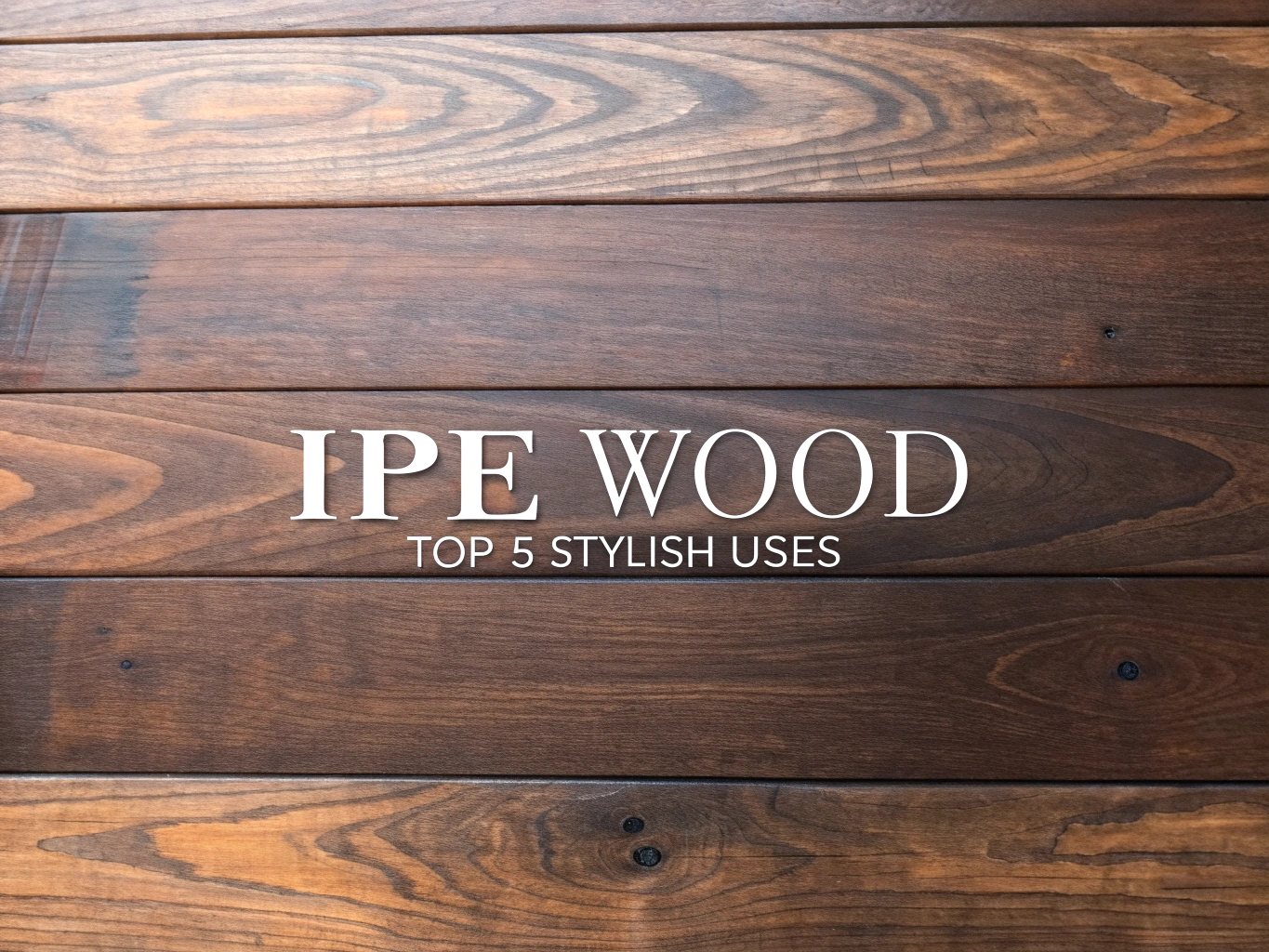
Tigerwood typically costs less than ipe and teak, yet more than cedar or pressure‑treated pine, landing it in a value spot among exotics. Regional pricing and board lengths vary; supplier pages like LRJ Lumber provide current availability and sizes.
Here are a few small tigerwood items that showcase the figure and color before you commit to big projects.

Tigerwood & Resin Coaster Set with Holder — 4 Pack
- Handcrafted tigerwood and resin design adds a modern rustic touch to any table
- Absorbent surface protects furniture from spills and condensation
- Comes with a neat holder to keep coasters organized when not in use
- Compact 3.5-inch size fits most cups and glasses
- Easy to wipe clean and maintain
 Buy on Amazon

Tramontina Tigerwood Cutting & Serving Boards — 3 Pack
- FSC-certified tigerwood for responsible sourcing and premium looks
- Three practical sizes for chopping, prep, and serving
- Durable hardwood construction gentle on knife edges
- Reversible surfaces increase usable area and versatility
- Easy to clean and maintain with simple oiling care
Buy on Amazon
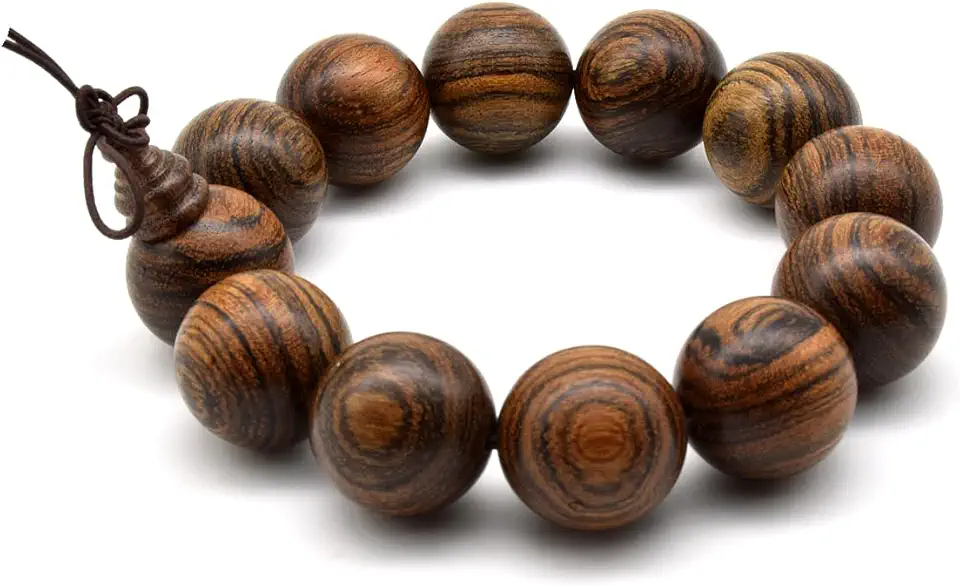
Zen Dear Natural Tigerwood Mala Beads — Wearable Prayer Beads
- Handcrafted tigerwood beads with warm natural tones and grain
- Versatile as a wrist bracelet or necklace for daily wear
- Lightweight and comfortable for extended use
- Useful for meditation, prayer, or mindful dressing
- Polished finish and durable cord ensure longevity
Buy on Amazon
5. Environmental Benefits and Carbon Storage
Carbon Sequestration Properties
Living trees absorb and store CO₂ for decades, and long‑lasting lumber continues to store that carbon in service. Choosing durable products delays carbon release and supports lower lifetime impacts.
Sustainable Sourcing Practices
Look for FSC certification and legal harvest documentation, plus suppliers that replant and manage forests responsibly. For context on sustainability concerns and best practices, see Impactful Ninja.
Long-Term Environmental Impact
Because tigerwood flooring and decking last for decades, you get long service per harvest. That longevity spreads the environmental cost across many years of use, which often beats short‑lived materials.
6. Installation and Maintenance Best Practices
Installation Considerations
Acclimate boards to site conditions and leave proper ventilation gaps to reduce movement. Pre‑drill fastener holes, use stainless steel screws or hidden fasteners, and cut with sharp carbide for clean edges.
Pre‑drill every hole and keep blades sharp; the wood rewards precision with clean results.
Installer tip
Care and Maintenance Tips
Sweep grit often, then wash yearly with mild soap and water to keep surfaces bright. Indoors, add felt pads under furniture; outdoors, reapply a UV blocker every couple of seasons if you want the original color.
Color Preservation Methods
If you prefer rich reds and browns, use a penetrating oil with UV inhibitors after install and as needed. Many owners keep color with a product like Penofin’s tigerwood formula

Penofin Tigerwood Exterior Finish — 2 Gallon
- Enhances and deepens natural tigerwood color for a rich appearance
- Penetrating oil formula protects against moisture and UV damage
- Long-lasting finish reduces frequency of reapplication
- Easy brush or wipe-on application for large areas
- Ideal for decks, furniture, and exterior wood surfaces
Buy on Amazon
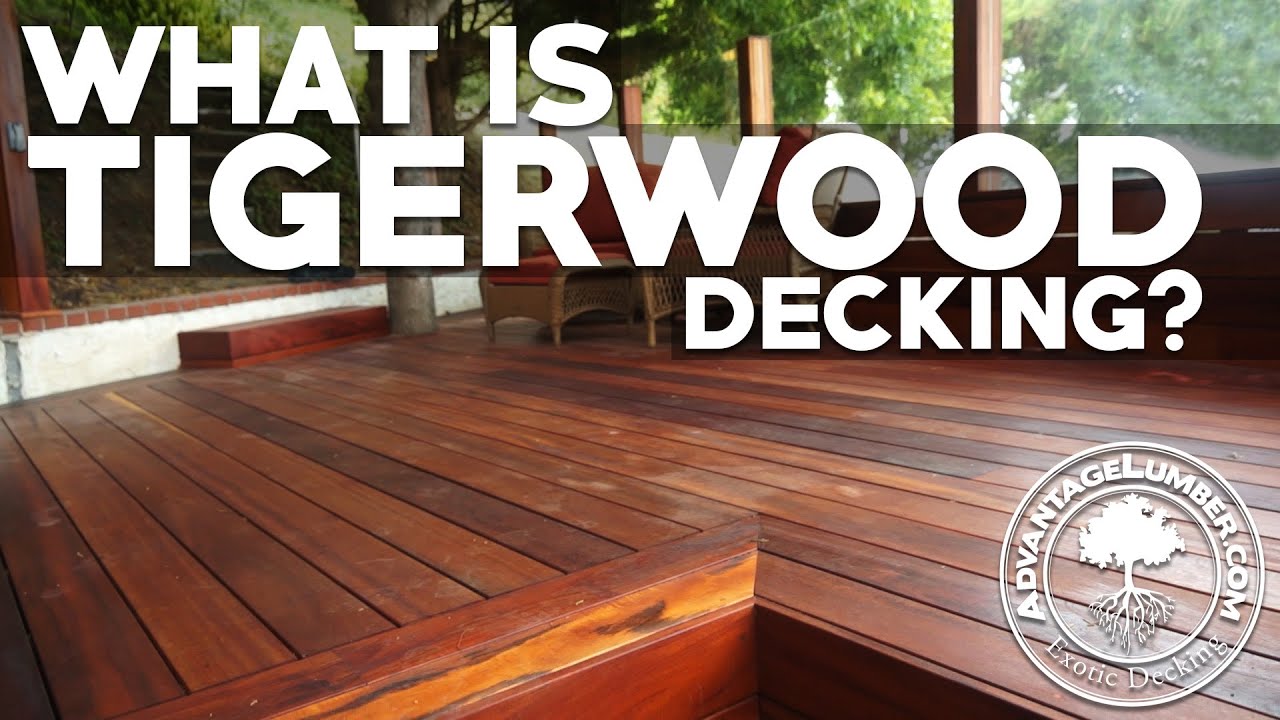
7. Performance Compared to Other Exotic Woods
Hardness and Durability Comparisons
Tigerwood balances hardness, stability, and cost better than many exotics. Use this quick comparison as a planning reference for decks and floors.
| Species | Approx. Janka (lbf) | Typical Outdoor Service | Notes |
|---|---|---|---|
| Tigerwood | 1850 | 25+ years | Bold stripes; stable with oil/UV care |
| Ipe | 3510 | 30–40+ years | Very hard; higher cost and tool wear |
| Teak | 1070 | 20–30 years | Oily, workable; premium price |
| Cumaru | 3540 | 30–40+ years | Extremely hard; heavier movement |
| Red Oak (ref.) | 1290 | Interior use | Common benchmark for hardness |
Cost-Effectiveness Analysis
Many buyers pick tigerwood for value: high durability and standout looks without ipe or teak pricing. Factoring lifespan, minimal upkeep, and resale appeal, total cost of ownership stays competitive for premium projects.
Common Project Applications
Choose tigerwood for feature decks, elevated walkways, wide‑plank flooring, and statement stairs. For furniture accents, compare rich exotics like cocobolo, bocote, or Brazilian rosewood depending on color and workability goals.
FAQs
What Are The Characteristics Of Tigerwood Flooring?
Tigerwood Flooring Is Known For Its Dramatic, Striped Appearance With Rich Reddish-Brown And Darker Streaks, Tight Grain, And A Natural Sheen. It’s Hard And Dense, Making It Highly Resistant To Wear And Dents, While Its Natural Oils Give It Some Resistance To Moisture And Rot. Color Can Vary Between Boards, So A Mixed, Variegated Look Is Typical And Often Desired For Visual Impact.
How Does Tigerwood Compare To Other Hardwoods In Terms Of Durability?
Tigerwood Is Considered Very Durable—Often Harder Than Common Domestic Species Like Oak Or Maple And Comparable To Other Tropical Hardwoods. Its High Janka Hardness Gives Excellent Resistance To Scratches And Heavy Foot Traffic, Though Like All hardwoods It Can Still Scratch Or Fade Without Proper Finishing And Care.
Can Tigerwood Be Used For Outdoor Decking?
Yes, Tigerwood Can Be Used For Outdoor Decking Because Many Varieties Have Natural Oils And Density That Provide Good Rot And Insect Resistance. For Best Results Use Proper Installation Practices—Stainless Fasteners, Adequate Ventilation, And A Suitable Sealer Or Oil—And Expect Some Color Change From UV Exposure Without Regular Maintenance.
What Maintenance Is Required For Tigerwood Furniture?
Routine Care Includes Dusting And Wiping With A Damp Cloth And Mild Soap, Avoiding Harsh Chemicals And Excess Water. Use Coasters And Protective Pads To Prevent Surface Damage, Keep Pieces Out Of Direct Sunlight And Extreme Humidity, And Reapply A Compatible Oil Or Finish Periodically To Maintain Color And Protection. Light Sanding And Refinishing Can Restore Heavily Worn Surfaces.
Is Tigerwood An Environmentally Sustainable Choice?
Sustainability Depends On Sourcing: Some Tigerwood Species Are Harvested Responsibly, While Others May Be Overexploited. Look For FSC Or Other Credible Certification, Buy From Reclaimed Or Legally Sourced Suppliers, Or Choose Alternatives If Certification Is Unavailable To Ensure A Lower Environmental Impact.