
Have you noticed trees with leaves that look white on one side and green on the other? The white poplar, often called the silver poplar, shows that exact trait. This post gives five clear facts about its leaves, growth, native range, effects on habitats, and common uses. Read on for easy, practical info and what to watch for.
Table of Contents
The white poplar, also called silver poplar (Populus alba), is a fast-growing deciduous tree known for striking two-tone leaves and vigorous suckering. This guide explains its traits, spread, benefits, and management so you can plant, use, or control it with confidence.
Physical Characteristics of White Poplar Trees
Distinctive Foliage Features
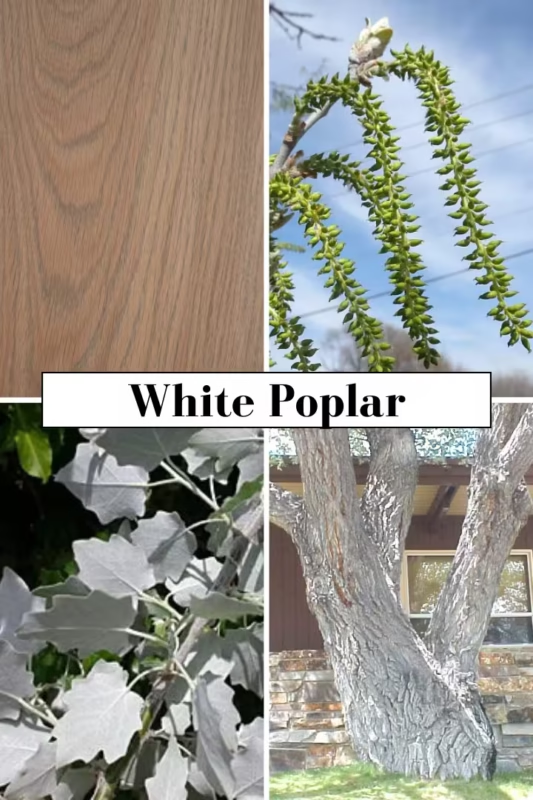
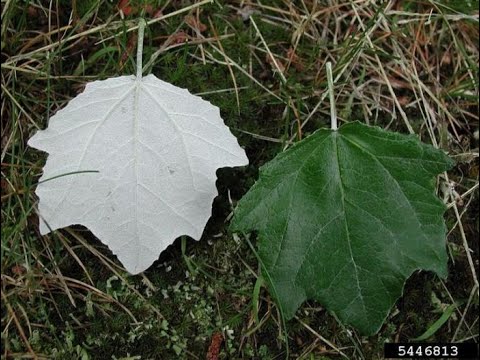
Leaves are alternate, 3–5 lobed, and dark olive on top with bright white, woolly undersides, which shimmer in wind and make the canopy look silvery from a distance; young twigs carry dense white hairs. This two-tone effect aids quick field ID of white or silver poplar, even from across a road or stream; see the Morton Arboretum profile for photos and a concise ID checklist.
Bark and Trunk Structure
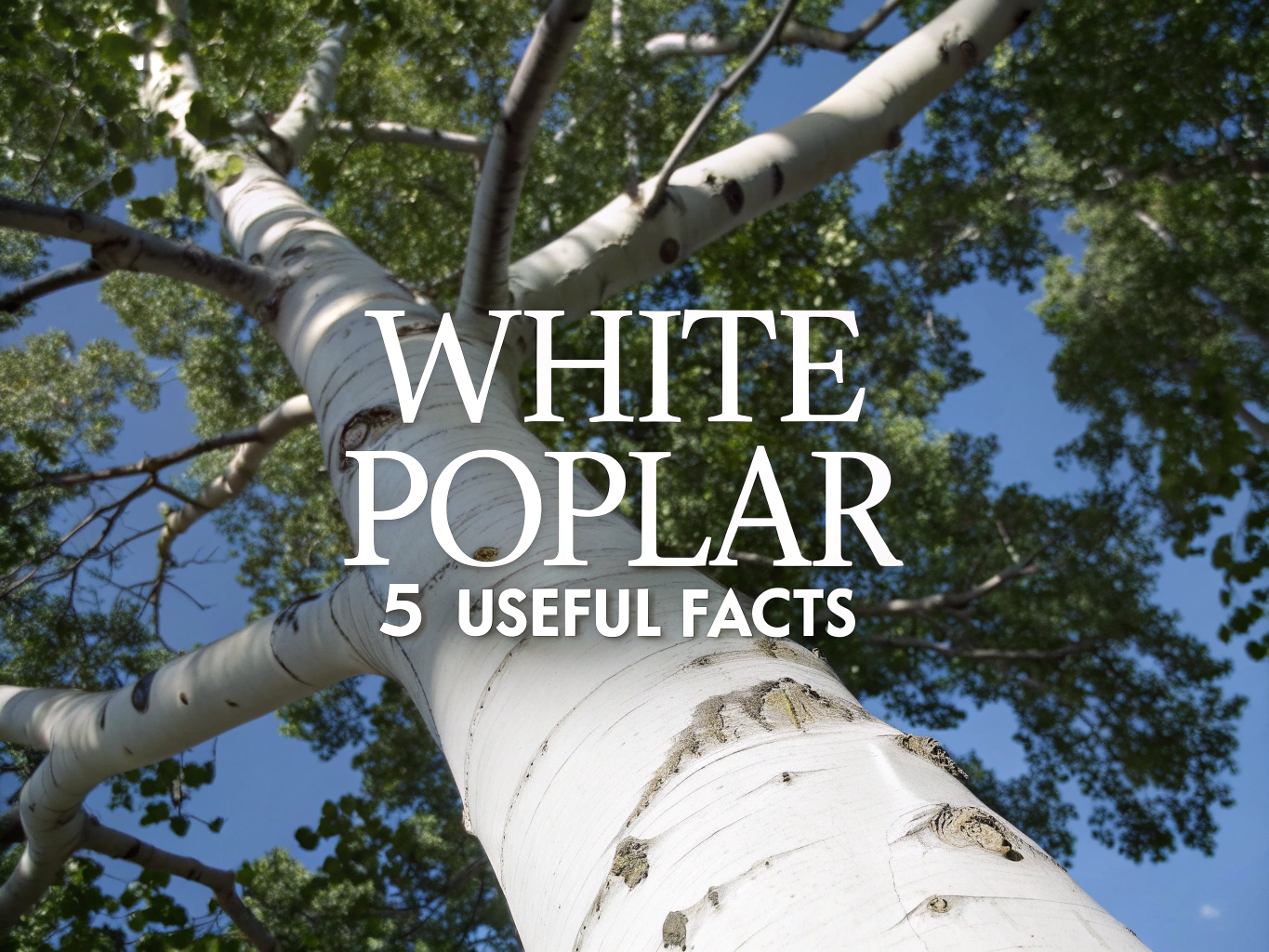
Young bark shows a smooth, green-white cast that shifts to pale gray with black, diamond-like lenticels; older trees develop darker, rougher plates with age-related fissures and storm scars. Trunks often fork or lean, forming irregular crowns that help separate them from straighter poplars and many willows in mixed stands.
Size and Growth Form
Typical height ranges from 50–100 ft (15–30 m), with rare reports to about 130 ft (40 m) in favorable sites, and spread varies from narrow to broad with an uneven outline. Expect a large, light-demanding tree that can form clonal colonies through suckers, creating a solid mass of stems over time.
Growth Patterns and Lifespan
Fast Growth Rate
White poplar establishes quickly and puts on height at a rapid pace, which makes it useful for fast screening and stabilization projects. Wood strength is modest, so plan for periodic pruning and anticipate some limb breakage during storms as stands mature; see the USFS review for growth behavior and management context in disturbed sites: USFS FEIS: Populus spp..
Root Suckering Ability
Extensive root suckering lets the tree fill gaps and recover fast after cutting, flooding, or soil movement, producing dense clonal thickets from the parent’s root network. Gardeners and land managers should install deep root barriers or mow emerging shoots promptly to hold colonies in a defined boundary.
Seed Production and Dispersal
Trees usually begin bearing at 10–15 years; late spring catkins release cottony seeds that ride wind and water to open soil. Fresh seed germinates readily on moist substrates, so keep beds weeded and mulched to reduce unwanted volunteers near ornamental plantings.
Native Range and Global Distribution
Original Habitat
This species is native to Europe and parts of western and central Asia, where it favors sunny riverbanks, woodland edges, and coastal zones. Its strong tolerance of wind, salt spray, and drought-prone soils underpins widespread use in exposed sites; see the Iowa State Extension fact sheet for range notes and ID tips.
Introduction to North America
Settlers imported white poplar for ornament, farm windbreaks, and sand-binding projects, taking advantage of fast growth and rooting ease. Plantings near coasts and rivers spread downstream and inland, with colonies persisting after original landscape uses faded.
Current Naturalized Regions
Naturalized stands occur across parts of the United States and Canada, including New England, the Midwest, and the Pacific states, plus many UK counties. Look for colonies in disturbed soils, vacant lots, dunes, and riparian corridors where seed and suckers spread freely.
Ecological Impact and Invasiveness
Habitat Alteration Effects
Dense shade and thick litter alter light and moisture near the ground, which can hold back native herbs and young shrubs for many seasons. Colonies along streams may shift plant succession and simplify the understory, reducing nectar and cover resources for wildlife; see Orleans Conservation Trust: White Poplar for regional notes on dune and wetland edges.
Competition with Native Plants
Clonal spread lets white poplar monopolize space and resources, limiting germination sites for native willows, alders, and aspens. In sensitive sites, managers often favor native alternatives like bigtooth aspen for canopy renewal to protect local diversity.
Dense Colony Formation
New shoots arise many feet from the parent trunk, forming a ring that thickens into a multi-stemmed copse with few gaps. Cutting one stem often triggers side shoot bursts, so control plans need repeated cutting, stump treatment, or solarization for lasting results.
“Cut once, and it comes back stronger; cut smart and often, and the clone finally tires.”
Field notes from restoration crews
Practical Uses and Applications
Sand Dune Stabilization
Extensive roots help bind shifting sands, which is why plantings appear on beaches and barrier spits. Where native grasses can finish the job, crews often phase out poplar later to reduce long-term spread risk.
Windbreaks and Shelterbelts
Fast height gain and salt tolerance make a quick line of defense for farms and coastal homes, but roots can travel under fences and paving. Plant at least 40–60 ft from drains, septic fields, and foundations, and prune young trees to build a stable, storm-ready framework.
Traditional Herbal Medicine
Buds and bark feature in folk recipes as teas or tinctures; modern herbalists still prepare simple infusions with measured servings. Consult a healthcare professional before use, and follow labeled guidance for extracts and buds sold for home preparation.
Explore popular white poplar bud teas and a tincture used in traditional herbal routines below for practical, at-home preparation ideas with labeled instructions and serving forms.

White Poplar Buds Tea 50g
- Loose white poplar buds for traditional herbal infusions
- Caffeine-free, gentle flavor suitable any time of day
- May support soothing herbal wellness routines
- Easy to brew as tea or blend with other herbs
- Compact 50g pack for multiple servings
 Buy on Amazon

White Poplar Buds Herbal Tea 100g
- Generous 100g pack of white poplar buds for multiple brews
- Caffeine-free herbal infusion with traditional uses
- Can be enjoyed alone or blended with other herbs
- Loose leaf format for adjustable strength and easy steeping
- Ideal for daily calming or warming beverages
Buy on Amazon

White Poplar Liquid Extract Tincture 2 fl oz
- Concentrated white poplar extract in a convenient dropper bottle
- Made in the USA to herbal supplement standards
- Easy to dose for tincture use or mixing into beverages
- Supports traditional herbal uses with standardized preparation
- Compact 2 fl oz size for travel and regular use
Buy on Amazon
Cultivation and Propagation Methods
Propagation Techniques
Propagation works from seed, hardwood cuttings, softwood cuttings, and transplanted suckers; fresh seed needs moist media and light, while cuttings root best in clean, sharp sand or perlite. For cuttings, take 8–12 inch dormant wood, set in a coarse mix, keep humidity high, and pot up once roots reach 2–3 inches in length.
- Seed: sow fresh in spring on moist, sterile mix; do not bury; keep evenly moist under bright light for quick germination.
- Hardwood cuttings: stick late winter pieces with 2–3 nodes; maintain cool roots and slightly warm tops for rapid rooting.
- Suckers: lift with a spade, capture root sections, and replant promptly; water deeply for two weeks after moving.
Planting Requirements
Choose full sun and well-drained to moist loams; sandy sites also work, provided young trees receive weekly watering during the first season. Space at 20–30 ft in rows for windbreaks, or wider if you want to reduce future root conflict with paths and buried utilities.
Commercial Products
Home growers can start from seed or cuttings sold by nurseries, while livestock owners often buy poplar-based shavings for clean, absorbent bedding. If you work with timber, compare poplar’s softness and grain to other species in this guide on poplar wood for better project fit.
Browse a curated set of propagation material and bedding products below to support planting, bonsai training, and animal-care needs.

5 White Poplar Tree Cuttings — Fast-Growing Privacy Trees
- Five healthy cuttings ideal for establishing a privacy screen
- Fast-growing species that provides quick windbreak and shade
- Easy-to-root cuttings suitable for beginners
- Great for hedges, shelterbelts, and quick landscape impact
- Planting tips included for best survival and growth
Buy on Amazon

White Poplar Seeds — Pack of 30
- Thirty seeds for starting white poplar trees from seed
- Fast-growing and eye-catching trees with silvery foliage
- Great choice for ornamental planting and windbreaks
- Includes basic germination and planting tips
- Suitable for landscaping and naturalizing projects
Buy on Amazon

Set of 4 White Poplar Bonsai Cuttings
- Four cuttings tailored for bonsai or small-space planting
- Easy-to-grow varieties that respond well to training
- Perfect for creating a forest-style bonsai arrangement
- Hardy both indoors and outdoors with proper care
- Great starter set for bonsai enthusiasts and hobbyists
Buy on Amazon

White Poplar Wood Flake Bedding — Ultra Absorbent (2 pcs)
- Large white poplar shavings designed for animal bedding
- Highly absorbent to help keep coops dry and reduce odors
- Low dust formulation for healthier breathing conditions
- Flake texture reduces compaction and is easy to clean
- Natural, biodegradable material safe for livestock environments
Buy on Amazon
Key Facts About Silver Poplar in 2026
Essential Specifications
| Attribute | Details |
|---|---|
| Scientific name | Populus alba |
| Height | 50–100 ft typical; up to ~130 ft in rare cases |
| Crown | Irregular; narrow to rounded; often forked trunk |
| Growth rate | Fast, especially in full sun and moist soils |
| Lifespan | Short to moderate; wood is relatively weak |
| Light | Full sun preferred |
| Soil | Moist loams to sands; tolerates salt and wind |
| Spread | Strong root suckers; can form clonal colonies |
| Dispersal | Wind-borne “cotton” seeds in late spring |
| Use cases | Windbreaks, dunes, ornamental, herbal, bedding |
Hardiness Zones
White poplar grows across cold and cool temperate zones, widely cited for cold tolerance roughly in USDA zones 1–6. For garden planning, cross-check with your local extension office and compare to close relatives like black cottonwood if you need larger-river bottom species with broader habitat fit.
Common Names
Common names include white poplar, silver poplar, and silver-leafed poplar, with regional variants tied to the shining leaf undersides. When buying, confirm the Latin name to avoid hybrid poplars that look similar but have different habits.
Environmental Considerations and Management
Planting Location Selection
Set plantings away from septic lines, sidewalks, and shallow drains because roots follow moisture and expand far from the trunk. On small lots, consider native or non-suckering options instead, or switch to managed hedges that tolerate frequent trimming and containment; see general ecology notes at Woodland Trust: White poplar.
Control and Removal Challenges
Effective control blends repeated cutting with targeted stump treatments, deep mulching, or sheet solarization to exhaust stored carbohydrates. For large clones, map out the colony edge, mow new shoots biweekly during the growing season, and follow up for 2–3 years to reach durable suppression.
Watch for regrowth from roots after storms, grading, or pruning, then act quickly while shoots are thin and vulnerable. Community groups often coordinate seasonal sweeps along rivers and trails to keep spread in check and protect young native plantings.
Disease and Pest Susceptibility
Expect leaf spots, cankers, and borer issues in stressed trees; prune to a strong scaffold, feed lightly, and water during dry spells to reduce stress. For lumber and craft work, compare durability and hardness with other species using this overview on is poplar a hardwood to pick the right material for your project.
FAQs
What Are The Uses Of White Poplar Wood?
White poplar wood is lightweight and easy to work with, so it’s commonly used for pulp and paper, plywood, crates, pallets, matchsticks, and carved objects. It’s also used for veneer, interior joinery where extreme durability isn’t required, and as a source of biomass or firewood in some areas.
How Can You Identify A White Poplar Tree?
White poplar typically has triangular to ovate leaves with irregular lobes and a distinctive white or silvery underside. Young bark is smooth and gray, becoming fissured with age, and the tree often produces cottony seed fluff in spring; its fast growth and a tendency to form multiple stems or suckers are also identifying features.
What Is The Growth Rate Of White Poplar Trees?
White poplar is a fast-growing species; under good conditions it can add roughly 2–5 feet (0.6–1.5 m) of height per year. Growth rate varies with soil, water, and climate, and while they establish quickly, many poplars reach maturity within a few decades rather than centuries.
Is White Poplar A Good Choice For Landscaping?
White poplar can be a good choice for large landscapes where quick shade or windbreaks are needed and space allows for suckering and seed spread. However, it’s less suitable for small yards or near structures because the wood is brittle, it can be messy with seed fluff, and it may send up vigorous suckers.
Are White Poplar Trees Invasive?
In many regions white poplar can behave invasively, spreading by both seed and root suckers and colonizing disturbed sites. Whether it’s considered invasive depends on local ecology, so check regional guidelines and consider sterile cultivars or controlled planting if invasiveness is a concern.