
Marine Plywood Guide: Choose the Best Grade, Size, and Finish

Table of Contents
Marine plywood is a high-quality plywood made with waterproof glue, stronger veneers, and a cleaner core for wet, humid, and high-risk wood projects. It resists moisture better than regular plywood, but it’s not fully waterproof, so edges, faces, and fastener holes still need sealing.
If you’re asking what is marine grade plywood, the short answer is this: it’s plywood built for predictable performance where water exposure, screw holding, bending strength, and hidden core gaps can decide whether a project lasts or fails.
What Is Marine Grade Plywood?
Core Definition
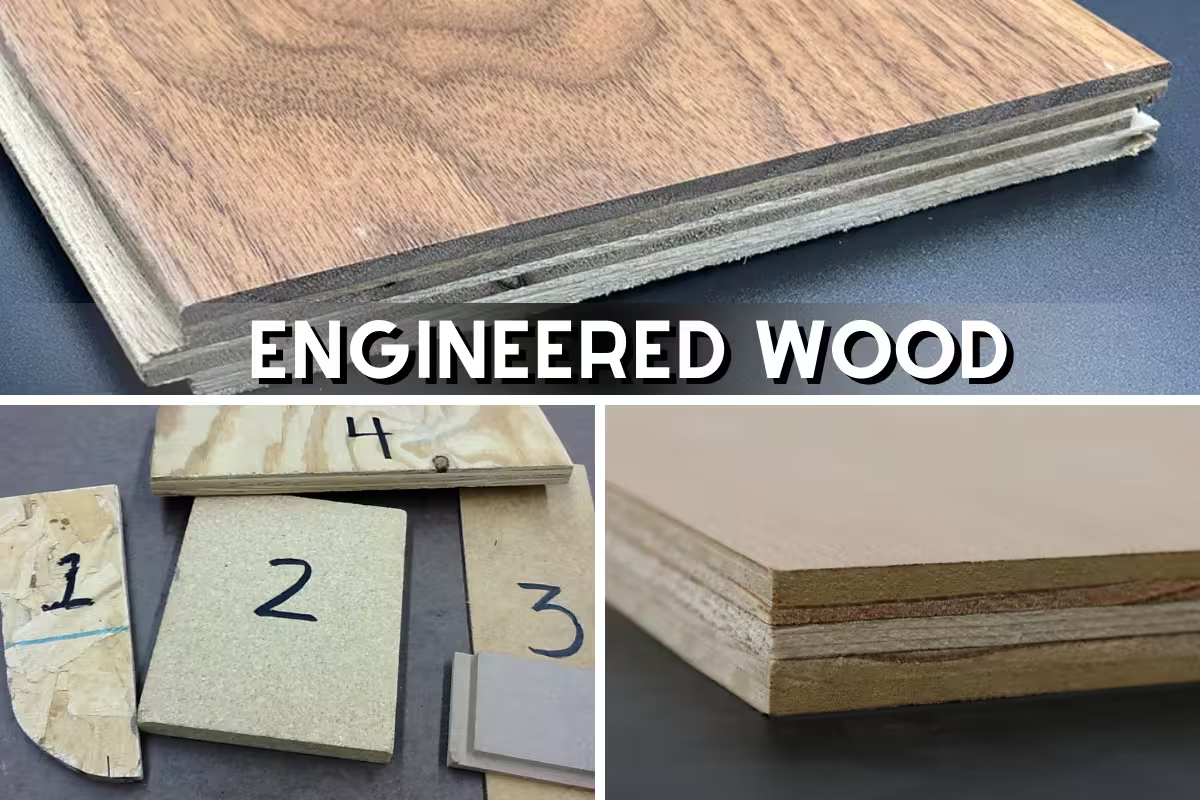
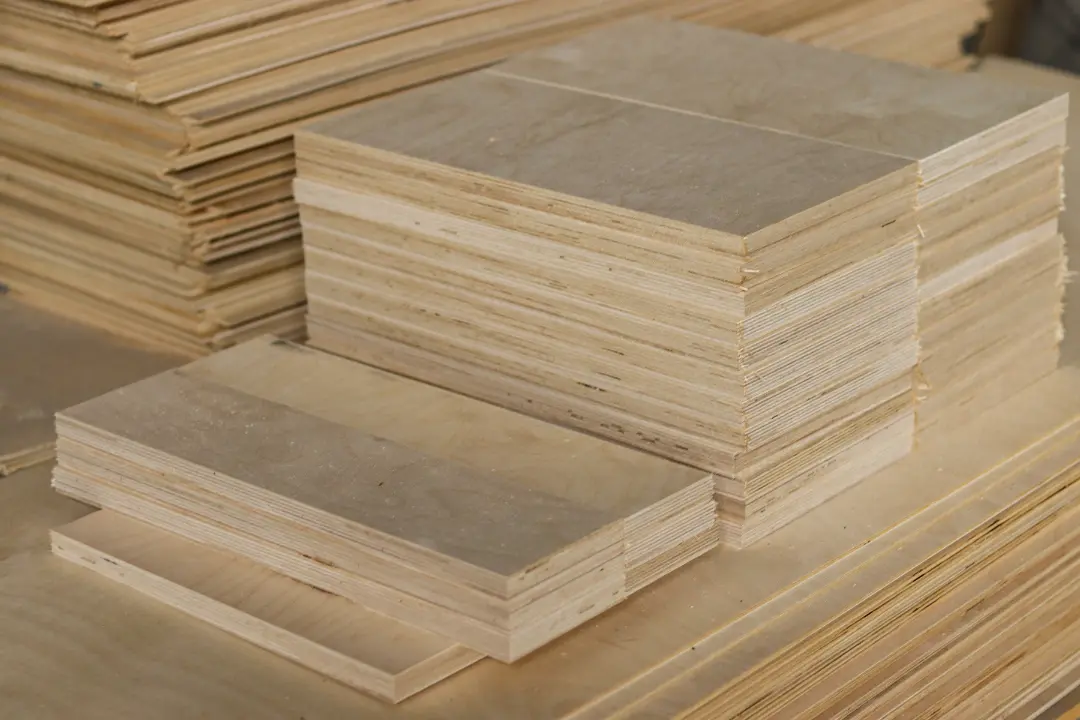
Marine grade plywood is made from thin wood veneers bonded with waterproof or exterior-rated adhesive. Better panels use a tighter core with fewer gaps, smoother face veneers, and more consistent thickness than common construction plywood. That cleaner build matters when a screw lands near an edge, a panel bends over a frame, or water sits on a cut edge overnight.
The phrase marine ply doesn’t mean the sheet can live underwater without protection. The glue line can survive water exposure, but the wood fibers still drink moisture through edges, screw holes, checks, and surface scratches. A damp cut edge often feels rough and raised under your thumb after one wet day, which is why sealing matters so much.
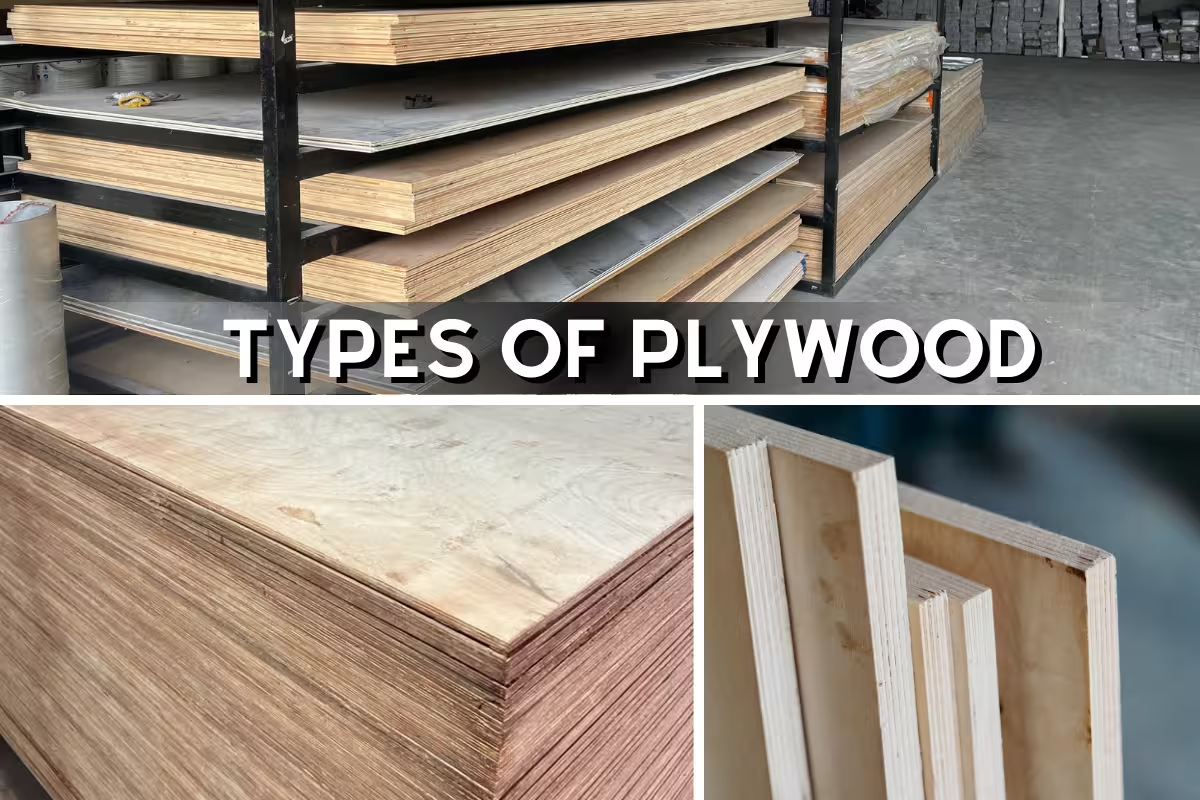
Most marine plywood is used where moisture resistance and structural dependability overlap: boat decks, transoms, pontoon floors, RV floors, wet-area cabinets, outdoor storage boxes, and covered exterior panels. For a broader look at how plywood types differ, see our guide to types of plywood.
Marine Plywood Basics
Marine plywood basics come down to three things: waterproof adhesive, better veneers, and fewer core voids. A sheet may look like regular plywood from a distance, but the difference shows when you cut it. A clean marine panel gives a steady saw tone and tight edge lines; cheap plywood often exposes gaps, crumbly patches, and hollow spots that catch the blade.
For common applications, marine plywood works best when failure would cost more than the upgrade. It’s useful in boats, docks, outdoor furniture, bathrooms, kitchens, trailers, and humid storage compartments. Beginners often overbuy it for dry shelving, then under-seal it for wet projects; the professional workaround is to match the panel to exposure first, then budget for sealer before buying hardware.
Marine plywood is moisture-resistant, not maintenance-free. The glue may hold, but unsealed wood can still swell, check, stain, and rot.
Workshop rule for wet-area plywood work
What Makes Plywood Marine Grade?

Waterproof Adhesive
Waterproof adhesive is the first marker of marine grade plywood. Many panels use phenolic resin, WBP glue, or another exterior-rated bond that resists delamination during wetting and drying cycles. That bond protects the glue line, but it doesn’t turn the wood itself into plastic, so long-term exposure still calls for epoxy, paint, varnish, or a penetrating sealer.
The practical test is not a puddle test. Leaving an offcut in a bucket may show whether the glue fails, but it won’t prove the panel can survive years under carpet, vinyl, or fiberglass. Moisture trapped with poor ventilation creates the stale, sour smell of wet wood before visible rot appears, and that hidden moisture is where many boat decks fail.
Fewer Core Voids
Core voids are internal gaps between veneer layers. In regular plywood, those gaps may not matter behind drywall, but they matter in boat hulls, pontoon floors, and fastened deck panels. Voids reduce screw holding, trap moisture, create soft spots, and leave unsupported face veneers that can crack under concentrated load.
Higher-quality face veneers also separate true marine ply grade from basic exterior panels. A-A, A-B, and B-B faces refer to surface quality, patching, and appearance. A-grade faces sand smoothly and finish cleanly, while B-grade faces work well under paint, fiberglass, flooring, or non-visible structural use. For deeper grading detail, review our plywood grades guide.
Structural reliability is the real reason builders pay more. Marine plywood behaves more predictably under bending, fastening, and wet-dry movement. Beginners often choose the cheapest “marine” label on a shelf, then discover a weak core after cutting. The safer move is to ask for the standard, species, ply count, face grade, and glue bond before loading the sheet.
Marine Ply Grade and Standards
BS 1088 and BS 6566
BS 1088 marine plywood is one of the best-known marine standards, especially for Okoume and Meranti boatbuilding panels. It points to stricter expectations for veneer quality, bonding, core construction, and manufacturing consistency. You’ll often see it on higher-priced sheets used for hull panels, stitch-and-glue boats, bulkheads, and premium marine interiors.
BS 6566 is also used for marine plywood, but it is usually treated as a less demanding grade than BS 1088. It may suit less critical panels, covered exterior work, or utility marine projects where the panel won’t carry the same design load. The two standards are not interchangeable, so check the project plan before substituting one for the other.
British Standards Institution lists marine plywood requirements under BS 1088 marine plywood specification. Certification labels are worth reading closely because some retail tags use “marine grade” as broad marketing language rather than proof of a specific standard.
APA PS 1, Face Grades, and Marketing Terms
APA PS 1 is common in North America for structural plywood, including marine classifications. U.S. marine panels often use Douglas fir or western larch, with A-A or A-B faces in standard 4×8 sizes. Fir marine plywood feels stiffer and more splintery than Okoume, and the surface grain can check if you leave it exposed without a proper coating.
Face grades affect appearance more than waterproofing. A-A marine plywood has high-quality faces on both sides, A-B has one better face and one lower back, and B-B works for painted, covered, or utility builds. A pretty face doesn’t prove a void-free core, so judge surface grade and core quality as separate buying checks.
- Marine grade: A quality term that should be backed by a standard, supplier sheet, or manufacturer data.
- Exterior grade: Often uses water-resistant glue but may contain more core voids.
- Pressure-treated: Chemically treated for decay and insects, but not automatically cleaner inside.
- Waterproof plywood: A loose phrase that can mislead buyers because wood still absorbs moisture.
- Void-free plywood: A useful claim only when the supplier explains the core standard and inspection level.
Marine Plywood Comparisons
Marine plywood comparisons help prevent two costly mistakes: using low-grade plywood in wet structural work, or paying for marine plywood where exterior plywood would perform fine. The best choice depends on water exposure, load, finish, fasteners, and how hard the panel will be to replace later.
| Feature | Marine Plywood | Regular Plywood | Exterior Plywood | Pressure-Treated Plywood |
|---|---|---|---|---|
| Main strength | Clean core and wet-area reliability | Low cost and wide availability | Outdoor glue rating | Decay and insect resistance |
| Core voids | Minimal in true marine panels | Common | Varies by grade | Varies widely |
| Water resistance | High when sealed | Low to moderate | Good when sealed | Good decay resistance |
| Finish quality | Usually smoother | Varies | Moderate | Often rougher or wetter |
| Best use | Boats, decks, wet structural panels | Dry furniture and construction | Sheds, signs, covered exterior work | Ground-contact utility work |
| Common risk | Unsealed edges | Delamination in wet areas | Hidden voids | Warping and fastener corrosion |
Regular plywood works for indoor furniture, wall sheathing, dry shelving, and temporary projects. It becomes risky in boat decks, transoms, docks, wet subfloors, and outdoor panels that see repeated wetting. If a cut edge shows big dark holes or crumbly filler, don’t trust it where a fastener needs firm bite.
Exterior plywood can be enough for shed walls, covered porch panels, outdoor signs, and painted furniture that drains well. It often shares a water-resistant glue concept with marine plywood, but it may allow more internal gaps. For many backyard builds, good exterior plywood plus careful sealing costs less and performs well.
Pressure-treated plywood fights fungal decay and insects through chemical treatment. It can be useful near ground contact or in rough utility structures, but it’s not automatically best for boats. Some treated sheets arrive damp, heavy, and warped; they can feel cool and slick to the touch and may not accept paint or adhesive until they dry.
Marine plywood is overkill for dry indoor cabinets, craft panels, basic shelving, and protected wall paneling. Better alternatives may include exterior plywood for general outdoor work, Baltic birch for precision dry woodworking, PVC board for rot-proof trim, or composite panels for specialized boat and RV assemblies.
Sizes, Thicknesses, and Species
Standard Sheet Sizes and Common Thicknesses
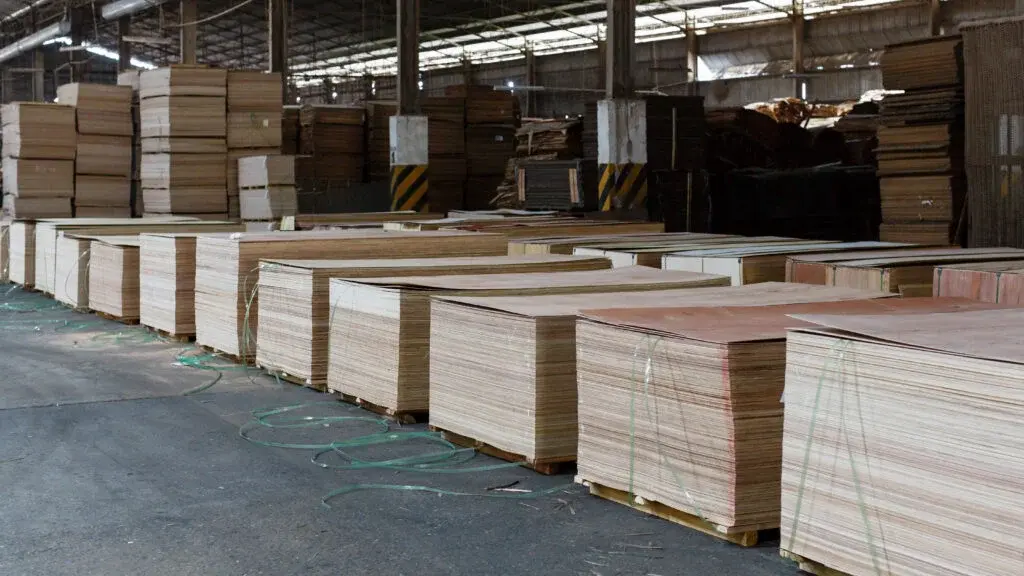
Marine plywood sheets most often come in 4 ft x 8 ft panels, but project panels, 4 ft x 10 ft sheets, and metric boatbuilding sheets are also common. Imported marine panels may use metric sizes and thicknesses, so compare actual measurements before matching an old deck, hatch, bulkhead, or floor panel.
Nominal thickness and actual thickness can differ. A 3/4 sheet is often closer to 23/32 in., while metric 18 mm and 19 mm panels can vary by manufacturer. That small difference matters when a panel sits in a routed groove, meets aluminum trim, or replaces a factory pontoon deck.
| Nominal Thickness | Metric Approximation | Common Uses |
|---|---|---|
| 1/4 in. | 6 mm | Boat panels, cabinet backs, light curves |
| 3/8 in. | 9 mm | Hull panels, small craft, paneling |
| 1/2 in. | 12 mm | Decking, cabinets, bulkheads, furniture |
| 5/8 in. | 15 mm | Structural panels and flooring |
| 3/4 in. | 18–19 mm | Boat decks, transoms, pontoon floors, heavy outdoor use |
| 1 in. | 25 mm | Special structural builds, laminated transoms, heavy-duty repairs |
3/4 marine plywood is popular because it suits pontoon floors, boat decks, trailer floors, transoms, dock panels, and heavy outdoor cabinetry. A 4×8 sheet may weigh about 55–65 lb in lighter Okoume and about 70–85 lb in Douglas fir or heavier hardwood panels. For more planning help, see our guide to plywood weight.
Searches such as 1/2 in marine plywood, 1/2 marine plywood 4×8 price, 22mm marine plywood price, and 3/4 marine grade plywood 4×8 often mix regional pricing with thickness questions. Always confirm whether the listing is a full 4×8 sheet, a smaller project panel, or a metric import before comparing costs.
Wood Species
Okoume marine plywood is lightweight, easy to cut, and common in BS 1088 boatbuilding panels. It has a slightly sweet, warm smell when freshly cut and feels softer under a scraper than fir or Meranti. It’s excellent for kayaks, canoes, small boats, and lightweight panels, but it dents more easily and usually costs more.
Meranti marine plywood is heavier and often more impact-resistant than Okoume. It suits bulkheads, decks, structural panels, and exterior marine work where weight matters less than toughness. For small craft, the extra pounds add up fast, so don’t choose it only because it sounds stronger.
Douglas fir marine plywood is strong, available in North America, and often more affordable than premium imported panels. It works well for pontoon floors, decks, and utility marine projects, but fir grain can check if sun and water hit it without coating. Sapele offers a decorative hardwood look, while birch should be used in wet areas only when made and rated for exterior or marine exposure. For species detail, see Okoume wood.
Panel dimensions affect cutting plans, freight, waste, and seam placement. If you’re laying pontoon decking, plan seams over supports and check squareness before sealing; a full sheet that’s out by even a small amount can force a gap that later catches water. Our plywood dimensions guide explains common size variations.
Uses, Waterproofing, and Mistakes

Boatbuilding and Repair
Marine plywood for boats appears in hull panels, decks, bulkheads, transoms, seats, cabin soles, and interior partitions. Structural repairs should match the original thickness, species, and design requirement. A soft transom or deck panel often gives a dull thud when tapped, while sound plywood has a sharper knock and firmer feel underfoot.
Pontoon decking commonly uses 3/4 marine plywood or a specified marine-treated panel. Good installation depends on sealing, stainless or coated fasteners, drainage, ventilation, and flooring adhesive that won’t trap water against raw wood. If vinyl, carpet, or EVA foam covers the deck, seal the plywood first and keep penetrations bedded.
Outdoor wet areas include benches, storage boxes, RV floors, trailer decks, bathroom vanities, kitchen sink bases, and covered dock components. Marine plywood can handle humidity better than standard panels, but it doesn’t replace shower waterproofing membranes, flashing, slope, or ventilation. For furniture exposed to rain, compare wood choices in our guide to the best outdoor wood.
Is marine plywood waterproof? No. It is water-resistant because the glue resists delamination, but the veneers still absorb moisture. The USDA Wood Handbook explains how wood movement, moisture, and decay relate, and that same principle applies to plywood edges and exposed fibers.
Edge sealing protects the most vulnerable part of the sheet. Seal cut edges, routed edges, screw holes, bolt holes, end grain, and joints with epoxy, penetrating epoxy, marine sealer, primer, paint, or varnish. I like to brush sealer until the edge stops drinking it; dry end grain changes from thirsty and matte to slightly glossy and firm.
Fastener sealing prevents water from following screws into the core. Pre-drill, countersink when needed, wet the hole with epoxy or bedding compound, then drive stainless steel or silicon bronze fasteners without crushing the face veneer. Overdriven screws create little bowls that hold water, and those bowls become black stains before the surrounding panel feels soft.
Practical Notes From Real-World Use
Common mistakes usually start with the word “waterproof.” New builders leave edges bare, skip screw-hole sealing, trap moisture under flooring, use interior plywood as a substitute, or buy a vague marine label without checking the standard. The workaround is simple: seal every cut, bed every penetration, leave drainage paths, and inspect covered areas once a season.
One-side coating creates another hidden problem. If you seal only the top face, the bottom face can absorb humidity at a different rate, and the sheet may cup or twist. Seal all sides when possible, especially before installing flooring. On a warm day, an unsealed underside can feel clammy while the coated top feels dry, and that imbalance moves wood.
Fiberglass lamination works well when the plywood is dry, sanded, and fully bonded. It fails when resin bridges over dusty grain, wet patches, or unfilled voids near an edge. Use fiberglass cloth for abrasion and epoxy encapsulation for moisture control, then protect epoxy from sunlight with paint or another UV-resistant finish.
- Dry-fit the panel before sealing so you don’t expose fresh cuts after finishing.
- Round sharp edges slightly because coatings hold better on softened corners.
- Seal end grain twice because it absorbs faster than face veneer.
- Pre-drill fasteners to reduce splitting and face crushing.
- Use drainage gaps under flooring so water can escape instead of pooling.
- Inspect dark stains, soft spots, and musty smells before they spread.
Cost and Buying Checklist
Typical Price Ranges and Cost Drivers
Marine plywood price varies by thickness, species, certification, face grade, supplier, freight, and sheet size. As a practical range, 1/4 in. marine plywood often runs about $40–$100+ per 4×8 sheet, 1/2 in. about $70–$180+, and 3/4 marine plywood about $90–$250+. Premium BS 1088 Okoume or Meranti can reach $150–$350+ per 4×8 sheet.
3/4 marine plywood price rises quickly because thicker sheets use more veneer, more adhesive, and higher freight weight. Specialty boatbuilding plywood can exceed big-box pricing because certification, cleaner cores, better faces, and safer storage cost money. If two sheets have a large price gap, compare the standard, species, ply count, and actual thickness before judging value.
| Material | Typical Cost Level | Moisture Performance | Best Use |
|---|---|---|---|
| Regular plywood | Low | Low to moderate | Dry construction and furniture |
| Exterior plywood | Moderate | Moderate to high when sealed | General outdoor projects |
| Pressure-treated plywood | Moderate | High decay resistance | Ground-contact and utility work |
| Marine plywood | High | High when sealed | Boats and wet structural panels |
| BS 1088 Okoume or Meranti | Premium | High for boatbuilding | Certified marine builds |
Regional searches like 1 marine plywood price Philippines, 1/4 marine plywood price Philippines, and 3 4 marine plywood price list often show wide variation because local species, import costs, and sheet standards differ. Don’t compare price alone; a cheaper sheet with more core gaps can cost more after waste, repairs, or early replacement.
Grade Checklist and Panel Inspection
Grade checklist starts with the project. For visible boat interiors, choose A-A or A-B Okoume, Sapele, or another clean-faced panel. For decks and flooring, choose thickness by span and load. For pontoon floors, 3/4 marine plywood is common. For painted outdoor furniture, A-B or B-B can be enough if sealed well.
- Confirm the standard: BS 1088, BS 6566, APA marine grade, or a clear manufacturer data sheet.
- Check the species: Okoume, Meranti, Douglas fir, Sapele, or another stated wood.
- Ask for actual thickness, nominal thickness, ply count, and sheet size.
- Inspect edges for gaps, delamination, crushed corners, and water staining.
- Look across the face for waves, patches, sanding defects, and checking.
- Confirm storage conditions, especially if sheets sat outdoors or on a damp floor.
- Check return terms before buying online, especially for full 4×8 panels.
Panel inspection is easier in person. Lift one corner and sight down the face; a good sheet should lie flat without a corkscrew twist. Run your hand along the edge and feel for voids, ridges, and loose layers. Avoid sheets with a musty odor, dark edge stains, or veneer that clicks when pressed.
Local suppliers let you inspect full sheets and avoid freight damage. Big-box retailers offer convenience, but they may provide fewer details on certification and species. Specialty marine suppliers often stock better Okoume, Meranti, and certified panels, yet shipping costs and lead times can be high.
Online suppliers work best when the listing gives exact dimensions, thickness, species, certification, return policy, shipping method, and damage policy. A “marine grade plywood 4×8” listing should say whether it’s a full sheet or a project panel. If the description doesn’t name the glue bond, core, or grade, ask before ordering.
Marine Plywood Products and Supplies
Marine Plywood Sheets
Marine plywood sheets should match your use before you compare product photos. Choose fir for strong utility work, Okoume for lightweight boatbuilding, thicker panels for decks and flooring, and smoother faces for visible finishes. Product listings can help, but the final check is still thickness, grade, species, and sealing plan.
These marine plywood options are relevant for comparing common sheet types, project sizes, and finish-ready panels after you’ve checked your grade and thickness requirements.

Marine Fir Plywood Sheet
- Strong fir plywood for marine and outdoor builds
- sized for versatile project use
- smooth sanded surface for easier finishing
- helps resist moisture in damp spaces
- great for boats, repairs, and crafts
 Buy on Amazon

Okoume Marine Plywood
- Premium okoume plywood with a clean, workable feel
- marine grade construction suits wet environments
- sanded surface supports neat finishes
- great balance of strength and easy handling
- ideal for boatbuilding, cabinetry, and repair jobs
Buy on Amazon

RecPro Marine Plywood Pack
- Marine grade panels sized for larger builds
- 7 ply construction adds dependable strength
- fir core with KDAT treatment helps improve durability
- sanded finish is ready for project prep
- ideal for boats, decks, and pontoons
Buy on Amazon
Sanded Marine Fir Plywood
- Sanded both sides for a smoother working surface
- marine grade fir helps handle moisture better
- 1 half inch thickness suits many builds
- void free core supports cleaner cuts and stability
- great for furniture, panels, and repairs
Buy on Amazon
Before checkout, compare the listing against your cut plan. A small project panel may be fine for repairs, hatches, and craft work, but it won’t replace a full pontoon deck sheet. Also check whether sanded faces are ready for paint or still need filling, because rough fir grain can telegraph through thin coatings.
Sealers and Accessories
Sealers and accessories matter as much as the plywood itself. A high-grade panel with raw edges can fail faster than a cheaper exterior panel that’s sealed, drained, and fastened correctly. Plan for epoxy, penetrating sealer, marine paint, bedding compound, stainless hardware, and compatible flooring before the first cut.
These finishing supplies are useful for sealing marine plywood, bonding small repairs, and adding traction or comfort over properly sealed boat flooring.

Seal-Once Wood Waterproofer
- Penetrating sealer that helps block water damage
- clear finish preserves the natural wood look
- low VOC formula is better for indoor and outdoor use
- ideal for high-moisture areas and exposed wood
- also helps protect against stains and weathering
Buy on Amazon
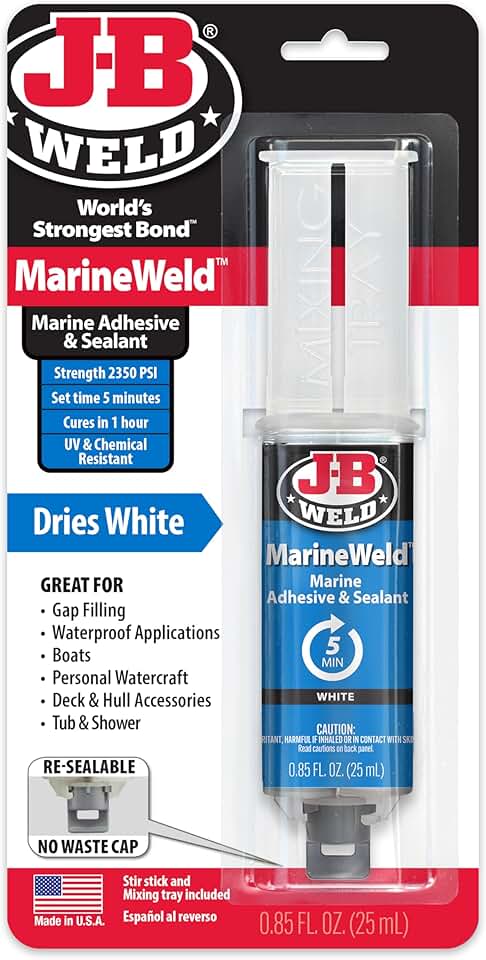
MarineWeld Syringe Epoxy
- Two part epoxy for strong marine repairs
- syringe design makes measuring and mixing simple
- bonds well to metal, fiberglass, and more
- useful for sealing cracks and filling gaps
- compact size is great for quick fixes
Buy on Amazon

EVA Boat Flooring Sheets
- Soft EVA foam adds traction and comfort underfoot
- self adhesive backing makes installation simple
- faux teak look gives boats a polished finish
- works well on decks, swim platforms, and RV floors
- easy to trim for custom fit
Buy on Amazon
The best marine grade plywood is the one that matches the job: certified Okoume or Meranti for boatbuilding, Douglas fir for strong utility marine work, 3/4 marine plywood for many deck and floor jobs, and a sealed finish system for any long-term wet exposure. Buy the grade you need, then protect every edge and fastener hole like it’s the first place water will attack.
FAQs
What Is Marine Grade Plywood Used For?
Marine grade plywood is used for projects that need extra moisture resistance and strong, reliable performance. It is commonly chosen for boat building, outdoor furniture, cabinets, bathroom areas, and other applications where humidity or occasional water exposure is a concern.
Is Marine Plywood Completely Waterproof?
No, marine plywood is not completely waterproof. It is made with waterproof glue and high-quality veneers that help it resist moisture better than standard plywood, but it still needs proper sealing, finishing, and maintenance for long-term protection.
What Is The Difference Between Marine Plywood And Regular Plywood?
Marine plywood is made with better veneers, fewer voids, and waterproof adhesive, so it handles moisture much better than regular plywood. Regular plywood is usually less expensive and more suitable for dry indoor projects where water resistance is not a priority.
Is Marine Plywood Better Than Pressure-Treated Plywood?
Marine plywood is better for projects that need a smooth, stable surface and strong moisture resistance, while pressure-treated plywood is better for heavy outdoor exposure and ground-contact use. The best choice depends on where and how the plywood will be used.
How Much Does 3/4 Marine Plywood Cost?
3/4 marine plywood usually costs more than standard plywood, and the price can vary widely by brand, size, and location. In many markets, a full sheet may range from around $70 to over $150, with specialty grades sometimes costing more.
Affiliate Disclosure: Some links in this post are affiliate links. If you make a purchase through these links, we may earn a small commission at no extra cost to you. We only recommend products we genuinely believe in.