
Port Orford Cedar: 5 Must-Have Options for Lumber, Decking & Arrows

Port Orford cedar smells great and holds up well outdoors. Want wood that works for decks, buildings, and arrows? Many builders and archers prefer it to western red cedar for its strength and straight grain. Below are five top choices — from lumber and decking to arrow shafts, live trees, and aromatic blocks — with quick notes to help you pick the right one.
Table of Contents
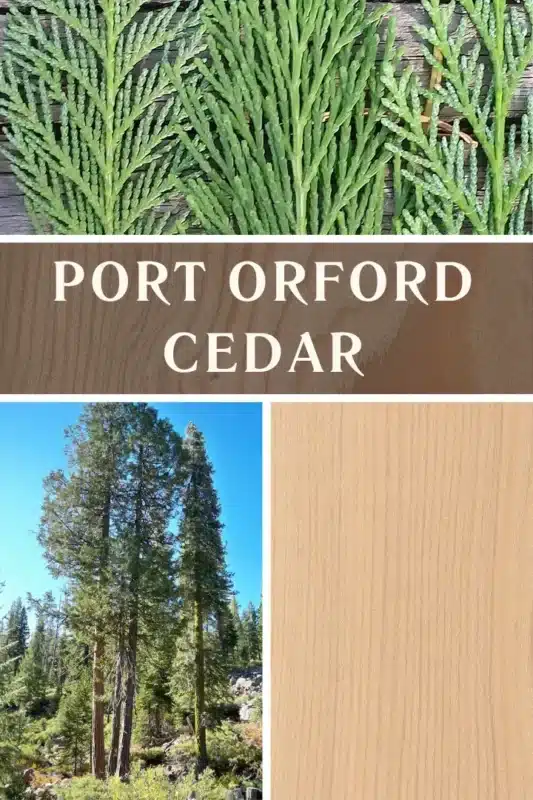
Port Orford cedar (Chamaecyparis lawsoniana) is a strong, aromatic softwood prized for lumber, decking, arrows, and fine crafts. This guide explains its key properties, compares options, and shows how to pick and use it with confidence for long-lasting results.
What Makes Port Orford Cedar Special
Unique Properties and Characteristics
POC offers pale yellow-white color, a fine straight grain, and a clean aroma that many woodworkers love; it weighs about 27 lbs/ft³ at 8% MC, with a specific gravity near 0.40 and a Janka hardness of about 590 lbf. If you’re comparing softwoods for projects, see how it stacks up against other cedar wood options to match appearance and performance needs.
Strength Comparison with Other Woods
Impact strength is a standout: tests show Port Orford cedar is about 40–45% stronger in impact bending and roughly 30% stronger in crushing strength than Western Red Cedar and Redwood, which helps resist dents and compression in loaded parts. Those gains let you downsize members or boost margins in posts, beams, and outdoor furniture; see Buffalo Lumber for a performance overview.
Natural Resistance and Durability
Resinous compounds give this species strong resistance to rot and insects, even in wet climates, while its lower tannin content helps reduce black staining over time. With basic care, it holds fasteners, resists splitting, and weathers to a soft silver if left untreated.
Builders prize Port Orford cedar for its pleasant aroma, dependable strength, and steady performance outside.
Traditional practice
1. Premium Port Orford Cedar Arrow Shafts
Traditional archers trust Port Orford cedar arrows for straight flight, easy tuning, and a smooth release—here are trusted options to consider.

Premium Port Orford Cedar Arrow Shafts 40-45# (12-Pack)
- Consistent 40–45 pound spine for reliable performance
- straight-grained cedar for smooth arrow flight
- well-sanded surface accepts fletchings and points easily
- lightweight yet durable for target and field use
- pack of 12 gives enough shafts to build or repair a dozen arrows
 Buy on Amazon

Cedar Arrow Shafts 30-35# (12-Pack)
- Matched 30–35 pound spine for consistent shooting results
- straight cedar grain improves flight stability
- smooth finish ready for fletching and point installation
- lightweight feel suited to traditional bows
- twelve shafts provide a full build set
Buy on Amazon

Port Orford Cedar Premium Arrow Shafts (12-Pack)
- Premium straightness and kiln-dried stability for accuracy
- smooth, sanded surface simplifies fletching and tuning
- balanced weight for consistent arrow flight
- durable cedar construction for long-lasting use
- ideal for custom traditional arrow builds
Buy on Amazon

Hunter Moon Cedar Hunting Arrows 11/32-inch (Dozen)
- Thick 11/32-inch diameter designed for heavy-duty hunting setups
- 50–55 pound spine suited to powerful bows
- mahogany stain with black crown dip for a rugged, protective finish
- 4-inch shield cut fletch for stable, accurate flight
- one dozen shafts ready to fletch and tune
Buy on Amazon
Why Archers Choose Cedar
Arrow builders like its straight grain for predictable spine and fast recovery out of the bow, which keeps groups tight at distance. The wood sands clean, takes stains evenly, and damps vibration for a quiet shot on both range and hunt days.
Different Spine Weights Available
Common spines run 30–55 pounds in 5-pound steps; match spine to your bow’s draw weight and arrow length for best flight. Heavier bows often prefer 50–55#, while lighter recurves and longbows tune well with 30–40# and modest point weights.
2. Live Port Orford Cedar Trees
Gardeners can add fragrance, privacy, and texture with live Port Orford cedar seedlings—choose a size that fits your space and planting plan.

Port Orford Cedar Seedling — Small
- Compact young tree perfect for containers or small yards
- hardy coastal species suited to West Coast climates
- easy to plant and establish with basic care
- develops fragrant, attractive foliage as it grows
- great choice for hedges, windbreaks, or ornamentals
Buy on Amazon

Port Orford Cedar Seedling — Medium
- Bigger-than-small seedling for faster landscape impact
- well-suited to garden beds and larger containers
- resilient native species with good drought tolerance once established
- develops dense, aromatic foliage for privacy and screening
- easy to transplant and care for
Buy on Amazon

Port Orford White Cedar 12-inch Live Tree (4-inch Pot)
- Healthy live seedling shipped in a 4-inch pot ready to plant
- compact 12-inch size is easy to place in gardens or containers
- develops fragrant, dense foliage ideal for screens and accents
- hardy species suited to coastal and temperate climates
- simple transplanting with basic soil and watering
Buy on Amazon
Two Live Port Orford Cedars 12-inch (Set of 2)
- Pair of healthy seedlings ready to plant for instant double impact
- perfect for creating a small hedge or paired accents
- fragrant, dense foliage provides privacy and visual interest
- hardy coastal species suited to gardens and containers
- shipped in 4-inch pots for easy transplanting
Buy on Amazon
Landscaping Benefits
Dense foliage forms attractive screens, hedges, or specimen accents, and the fresh scent adds a pleasant note along paths or patios. The species clips cleanly for shape, and its fine texture pairs well with grasses and flowering shrubs.
Growing Conditions and Care
Plant in sun to part shade with well-drained soil; water deeply until roots establish, then reduce frequency as the tree matures. Prune lightly for structure, mulch to retain moisture, and avoid waterlogged spots to protect the root system.
- Choose a site with drainage; raise beds if soil stays wet.
- Water 1–2 inches weekly during the first growing season.
- Mulch 2–3 inches thick, keeping it off the trunk flare.
- Fertilize lightly in spring with a balanced slow-release formula.
- Check for airflow around hedges to limit foliage diseases.
3. Aromatic Cedar Blocks and Accessories
Small accessories make practical gifts and shop staples: knife scales add beauty to custom builds, while closet blocks freshen drawers and help deter moths without harsh chemicals. For easy shopping, consider these two popular picks at the end of this paragraph.

Rich Port Orford Cedar Knife Scales
- Distinct, attractive grain adds character to custom knives
- natural, aromatic cedar with a warm finish when polished
- easy to shape and sand for precise fitting
- stable and lightweight for comfortable handling
- takes dyes and oils beautifully for a lasting look
Buy on Amazon
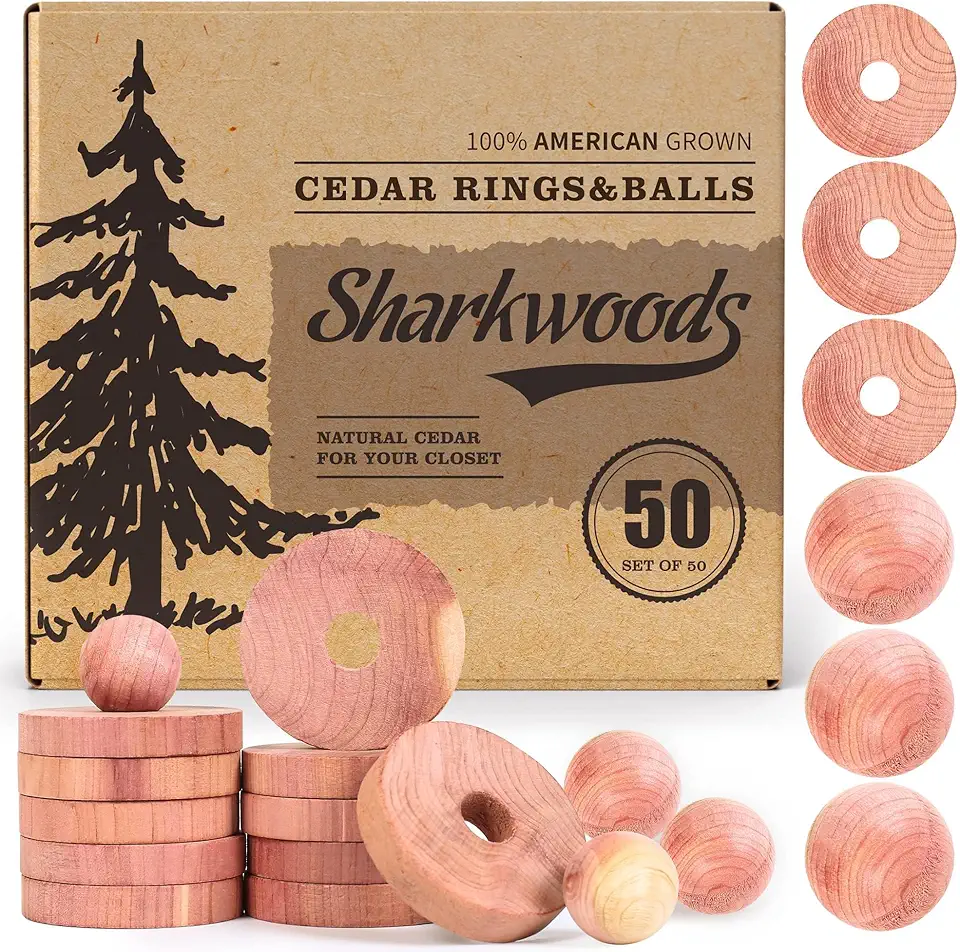
Natural Cedar Closet Blocks 50-Pack
- All-natural aromatic cedar refreshes closets and drawers
- helps deter moths and insects without chemicals
- includes mix of rings and balls for versatile placement
- long-lasting scent that renews with light sanding
- compact pieces won't damage delicate fabrics
Buy on Amazon
Natural Insect Repellent Properties
Volatile oils in Port Orford cedar give off a clean scent that helps discourage moths and other fabric pests, especially in enclosed spaces. Lightly sand closet blocks every few months to refresh the aroma and keep protection active.
Crafting and Woodworking Uses
Knife makers appreciate how easily scales shape, drill, and finish, while hobbyists turn offcuts into boxes, drawer inserts, and small décor. A thin oil or wax finish highlights the grain without adding much weight.
Port Orford Cedar Lumber Applications
Port Orford cedar lumber bridges beauty and performance, making it a smart choice for structural frames, outdoor accents, and detailed trim. Builders value its combination of strength, stability, and pleasant working characteristics.
Structural Building Projects
Use it for pergolas, porch posts, beams, and timber frames where a light color and high strength add both form and function. Pre-drill near board ends, choose corrosion-resistant fasteners, and seal cut edges to keep moisture out.
Marine and Outdoor Uses
Boatbuilders and dock crews value POC for rub rails, trim, and planking where strength-to-weight and decay resistance pay off. For sheet goods in humid zones, look at cedar plywood to pair with solid lumber parts.
Ground Post Longevity
Service life for ground-contact posts often runs about 20–25 years when installed with proper drainage and finish details; that’s strong performance for an untreated softwood. Product data summaries from Bear Creek Lumber mirror those results.
Port Orford Cedar vs Western Red Cedar
Both species excel outside, yet they differ in strength, weight, and appearance, which may steer your choice by project needs. For a broad overview of cedar types and uses, see All About Cedar.
| Attribute | Port Orford Cedar | Western Red Cedar |
|---|---|---|
| Strength | About 40–45% higher impact bending; ~30% higher crushing | Lower |
| Weight | Heavier (~27 lbs/ft³) | Lighter |
| Color & Grain | Pale yellow-white; straight grain | Reddish-brown; variable grain |
| Decay Resistance | Excellent; resin-based | Excellent; tannin-based |
| Insect Repellency | High | Moderate–High |
| Stability | Good; resists black staining | Very good; can blacken with age |
| Typical Uses | Structural, decking, arrows | Decking, siding, fencing |
Strength and Weight Differences
POC’s strength lets you handle higher loads or select slimmer profiles without giving up stiffness, while WRC keeps weight lower for large cladding runs. On stairs, posts, and rail parts, the extra impact resistance of POC can add a nice safety margin.
Color and Grain Characteristics
Appearance trends pale with POC and richer red-brown with WRC; both accept stains, but POC’s lower tannins reduce black streaking near fasteners. For variety across gardens and entries, some designers mix POC accents with species like Atlas cedar in plantings.
Durability and Maintenance
Both woods handle weather well; apply a UV-blocking oil or semi-transparent stain, clean annually, and recoat as the surface lightens. Use stainless or coated fasteners, leave drainage gaps, and seal fresh cuts to keep moisture at bay.
Port Orford Cedar Decking Benefits
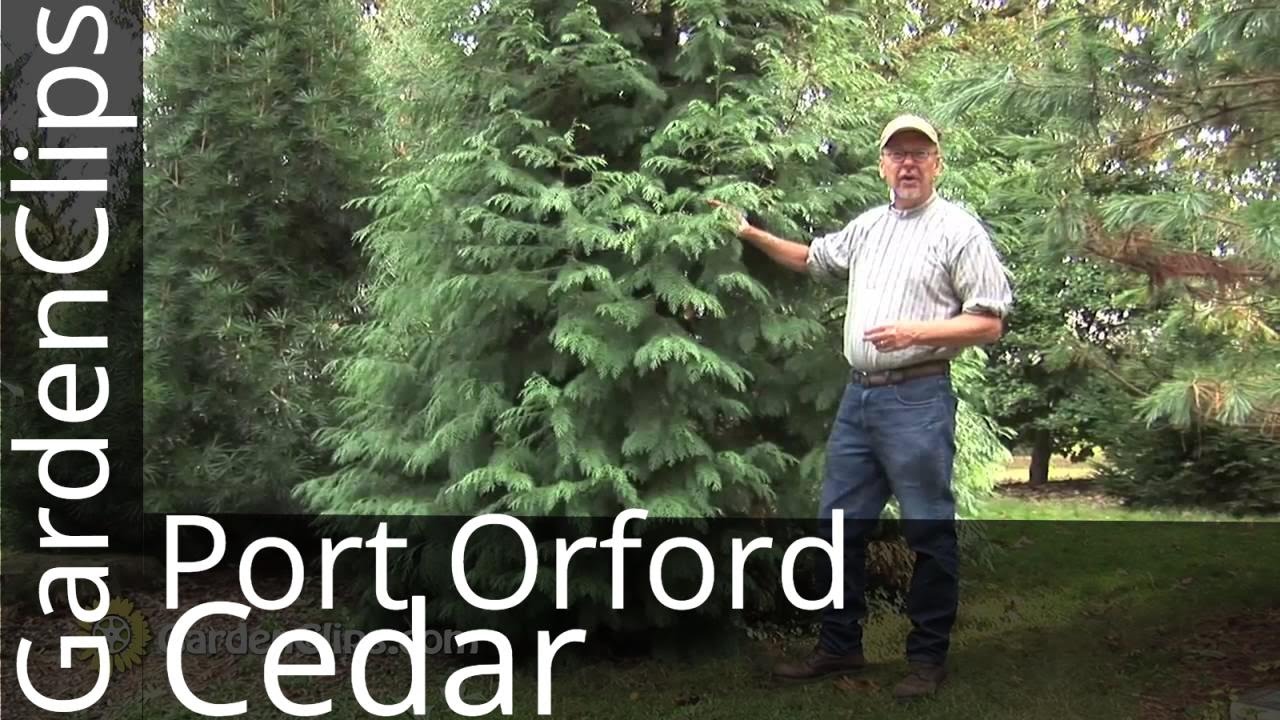
Port Orford cedar decking delivers high rot resistance, steady dimensions through wet–dry cycles, and a bright, elegant look that weathers gracefully. Many homeowners pick it for coastal or rainy regions where stability and long service life matter.
Weather Resistance
Natural resins counter fungus and insects, while the wood’s grain holds shape with minimal warping and checking. Leave it to weather to a soft silver or apply a light-tinted oil to maintain the original color.
Lifespan and Maintenance
Service life commonly reaches 25+ years with sensible spacing, quality fasteners, and routine cleaning. For perspective on performance in rainy regions, see 3 Reasons Why a Port Orford Cedar Deck is a Great Option in the Pacific Northwest.
Installation Considerations
Good practice keeps decks solid and sharp-looking; plan airflow, control moisture, and detail cuts carefully during install.
- Acclimate boards 3–5 days off ground with spacers for airflow.
- Lay 3/16–1/4 inch gaps between deck boards for drainage and expansion.
- Use stainless screws; pre-drill near ends to prevent splits.
- Seal cut ends and notches the same day they’re made.
- Flash ledger and stair landings; keep soil and planters off the deck surface.
FAQs
What Is Port Orford Cedar Used For?
Port Orford cedar Is Prized For Its Lightweight, Stable, Aromatic, And Highly Rot-Resistant Heartwood; It’s Commonly Used For Fine Cabinetry, Exterior Trim, Shingles, Boatbuilding, Tool Handles, Carving, And Musical Instruments Where A Combination Of Workability And Durability Is Needed.
How Fast Does Port Orford Cedar Grow?
Port Orford Cedar Typically Grows Moderately Fast When Young, Often Putting On About 1–3 Feet (0.3–0.9 M) Per Year In Favorable Conditions. Growth Slows As Trees Mature; In Optimal Sites They Can Reach Large Sizes Over Many Decades.
Is Port Orford Cedar Resistant To Rot?
Yes — The Heartwood Of Port Orford Cedar Is Naturally Resistant To Decay, Which Makes It Valuable For Outdoor And Marine Uses. However, The Sapwood Is Less Durable, And Poor Drainage Or Prolonged Ground Contact Can Still Lead To Rot Or Root Diseases.
Where Is Port Orford Cedar Native To?
Port Orford Cedar Is Native To A Narrow Coastal Strip Of The Pacific Northwest — Primarily Southwestern Oregon (Around Port Orford) And Northern California. It Prefers Moist, Foggy, Maritime Climates Often Found On Steep Slopes And River Canyons.
How Do I Care For A Port Orford Cedar Tree?
Plant In Well-Drained Soil With Full Sun To Partial Shade, Water Regularly While Establishing, And Mulch To Conserve Moisture. Avoid Waterlogged Sites To Prevent Root Rot, Prune Minimally To Maintain Form, Fertilize Only If Soil Is Poor, Protect Young Trees From Deer And Mechanical Damage, And Monitor For Pests Or Diseases.