
A single quaking aspen colony can cover more than 100 acres while sharing one root system. That simple fact shows how quaking aspen can support life and come back after damage. Below, I’ll walk through five clear benefits of the aspen tree—from wildlife support and fire resilience to soil protection and useful aspen wood. This post gives practical points you can use in your yard or on larger sites.
Table of Contents
Quaking aspen stands out for shimmering leaves, white bark, and groves that pulse with life across North America. This guide explains what makes the quaking aspen tree special, the benefits it brings, and how to plant your own for beauty and biodiversity.
What Makes Quaking Aspen Trees Special
Distinctive Physical Features
Leaves tremble in the lightest breeze thanks to flattened petioles, creating the famous “quaking” effect and a soothing, rain-like sound in summer.
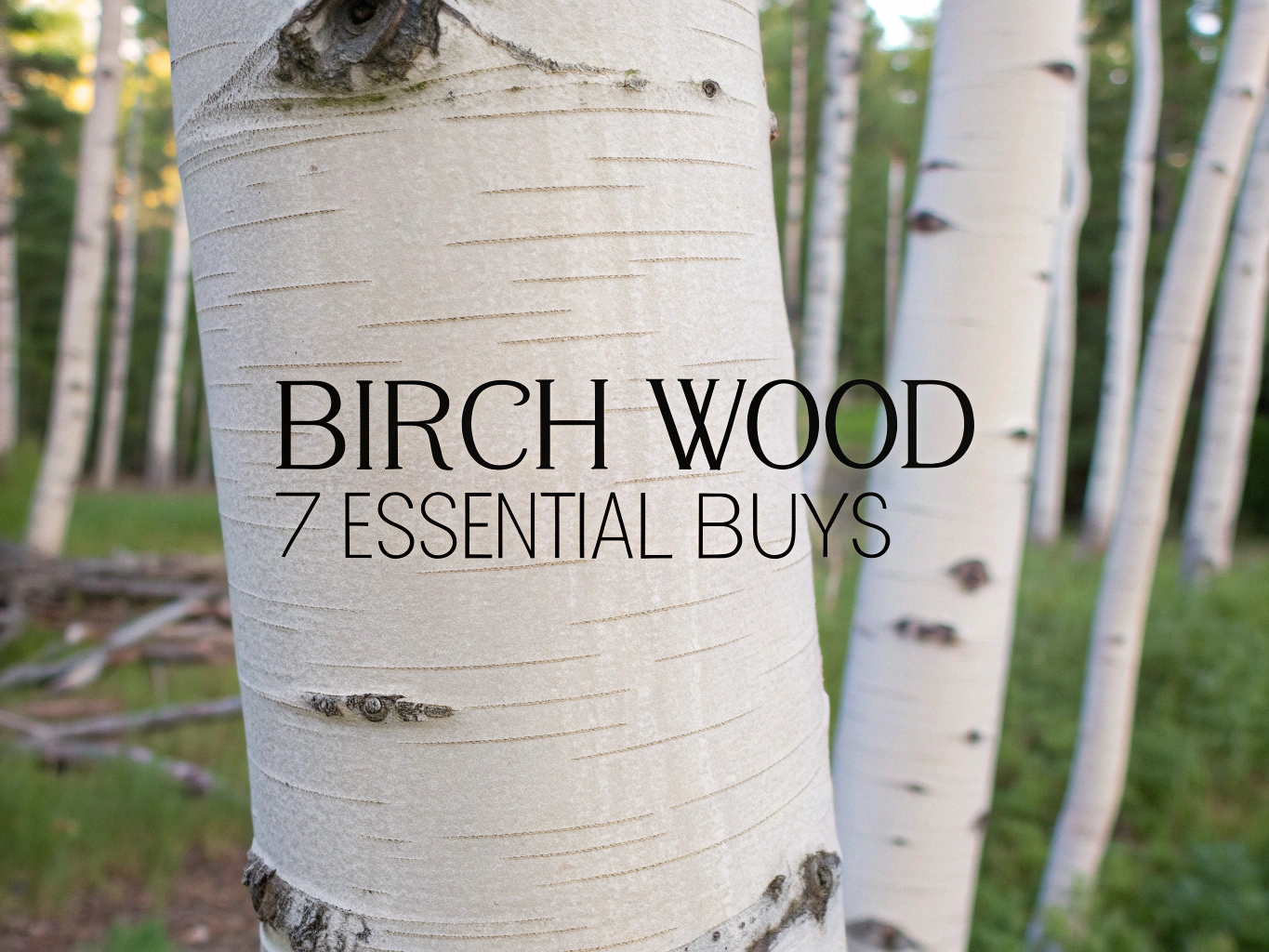
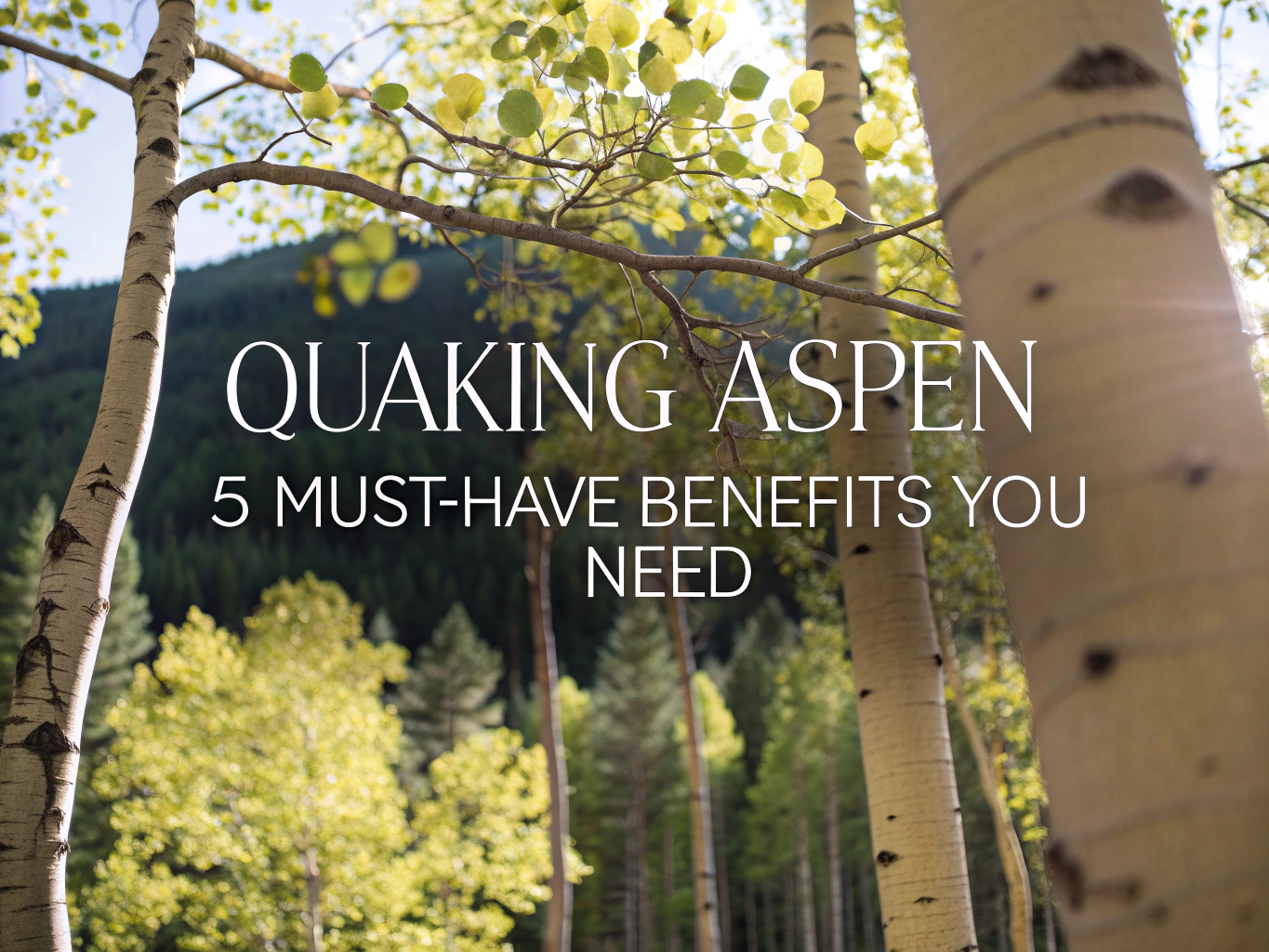
Smooth, white bark doesn’t just look striking; a green photosynthetic layer under the surface lets trees make sugars even in cold months.
Most mature trees grow under 50 feet tall and form dense stands that glow gold each fall, making small yards and large properties feel alive.

Wide Distribution Across North America
Quaking aspen is the most widespread tree in North America, found from Alaska to Mexico and across both coasts thanks to wind-borne seeds and clonal spread.
This reach lets the aspen tree fill gaps after storms, fires, and logging, quickly forming groves that anchor future forest recovery.
1. Habitat and Biodiversity Enhancement
Wildlife Support and Food Sources
Grazers and browsers rely on aspen stands for leaves, bark, and buds, while birds nest and feed across every layer of the canopy and understory (National Wildlife Federation).
- Mammals: deer, elk, moose, black bears, beavers, porcupines
- Birds: ruffed grouse, sapsuckers, warblers, cavity nesters
- Insects: pollinators and detritivores that feed birds and fish
Rich Understory Ecosystem
Aspen groves often host lush understories of serviceberry, snowberry, currants, grasses, sedges, and wildflowers that boost soil life and pollinator activity.
Year-Round Shelter Provision
Even in winter, trees offer critical cover and food through twigs and buds, while standing dead stems (snags) supply nesting sites for cavity-nesting birds.
2. Fire Resilience and Natural Firebreaks
Natural Wildfire Protection
Aspen has higher stem moisture and low flammability, so flames often fade or stop when they hit aspen stands (Oregon Department of Forestry).
Post-Fire Recovery Capabilities
After heat kills stems, roots push new root suckers within weeks, carpeting burned ground and shading soil to reduce weed pressure.
Landscape Restoration Value
Land managers plant or protect aspen groves to create living firebreaks, cool fuel loads along roads and ridgelines, and accelerate forest recovery.
3. Erosion Control and Water Conservation
Soil Stabilization Benefits
Extensive lateral roots knit slopes and streambanks together, cutting sediment loss and keeping valuable topsoil on site.
Groundwater Recharge Enhancement
Leaf litter improves infiltration and soil moisture, and studies report higher recharge in aspen areas than nearby conifer stands (USDA plant guide).
Riparian Habitat Restoration
Along creeks, new aspen plantings cool waterways, stabilize banks, and feed aquatic food webs with leaves and insects that drift into streams.
4. Exceptional Longevity and Regeneration
Clonal Colony Formation
Quaking aspen spreads by vegetative shoots from shared roots, forming vast clonal colonies where each trunk is a stem of the same genetic individual.
Root System Persistence
While many stems live 60–100 years, the root network can endure for centuries, replacing older trunks after fire, windthrow, or browsing.
The Remarkable Pando Grove
Utah’s “Pando” spans more than 100 acres and may be about 80,000 years old, ranking among the largest and oldest living organisms on Earth (NPS Bryce Canyon).
One tree, many stems—Pando shows how life persists through constant renewal.
Bryce Canyon NP
5. Versatile Aspen Wood Applications
Industrial and Commercial Uses
Aspen wood is light, soft, and resists splintering, so mills turn it into paper, particle board, crate and paneling, tongue depressors, ice cream sticks, and furniture parts.
If you compare species, see poplar wood and the quick explainer is poplar a hardwood for practical context on workability and uses.
| Property | Why It Matters | Common Uses |
|---|---|---|
| Light density | Easy handling and lower shipping cost | Crates, panels, crafts |
| Low splintering | Safer for food-contact items | Tongue depressors, ice cream sticks |
| Uniform fiber | Good for pulp and smooth sheets | Paper, newsprint |
| Fast drying | Speeds production cycles | Furniture parts, playground gear |
Traditional Indigenous Applications
Native communities used bark and wood for baskets, mats, canoes, and medicinal preparations; many practices align with how aspen behaves on the land (Oregon Department of Forestry).
Modern Landscaping Benefits
Homeowners plant small groves for seasonal color, wind buffering, and soft sound abatement; for wetter sites, compare with black cottonwood options.
Growing Your Own Quaking Aspen Trees
Propagation Methods
Grow from seed by cold-stratifying for 4–6 weeks, then sow on the surface under bright light and steady moisture; transplant gently once roots hold.
For faster results, use rooted cuttings or suckers from an existing clump; keep humidity high and trim leaves to reduce transpiration.
Planting Considerations
Select a sunny spot with moist soil that drains well; aim for 20–30 feet between trees to allow airflow and clonal expansion without crowding.
- Prepare a wide hole no deeper than the root ball.
- Backfill with native soil; water to settle air pockets.
- Mulch 2–3 inches, keeping it off the trunk.
- Water weekly the first season; adjust in rain.
- Manage suckers by mowing paths or installing root barriers where spread isn’t wanted.
Below are starter options for seeds, seedlings, and bare-root trees to match your project size and timeline.

Quaking Aspen Seed Grow Kit
- Easy-to-use kit for home seed starting
- High-quality seeds selected for reliable germination
- Includes clear growing and care instructions
- Compact kit ideal for beginners and hobby gardeners
- Produces native quaking aspen seedlings for landscaping
 Buy on Amazon

Live Quaking Aspen Seedling 8 to 16 in
- Ready-to-plant potted seedling for outdoor gardens
- 8 to 16 inch nursery-grown size for easy handling
- Ideal for landscaping, restoration, or privacy screens
- Hardy native species that establishes quickly
- Delivered healthy and ready to transplant
Buy on Amazon

100 Quaking Aspen Seeds Pack
- Bulk pack of 100 seeds for multiple plantings and projects
- Good option for restoration, propagation, or trials
- Seeds suitable for stratification and germination
- Cost-effective choice for gardeners and nurseries
- Produces native aspens known for attractive fall color
Buy on Amazon

Quaking Aspen Bonsai Cutting
- Easy-to-root cutting for bonsai or container growing
- Suitable for indoor or outdoor bonsai training and styling
- Compact growth habit ideal for shaping and pruning
- Grown in USA for quality and provenance
- Great choice for collectors and bonsai beginners
Buy on Amazon
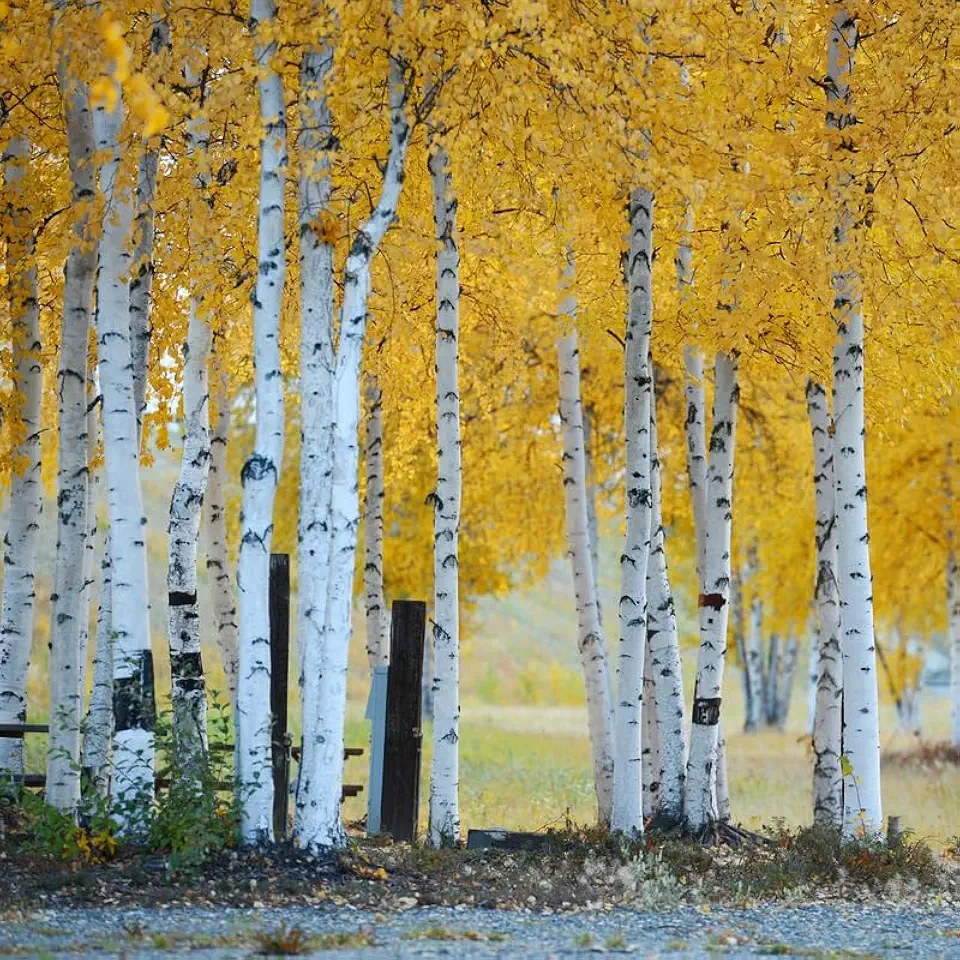
Bare-Root Quaking Aspen 24 to 36 in
- Young trees 24 to 36 inches tall ready for planting
- Bare-root stock establishes quickly in the landscape
- Excellent for reforestation, screens, or windbreaks
- Hardy native species tolerant of varied soil conditions
- Delivered dormant for easy spring planting
Buy on Amazon
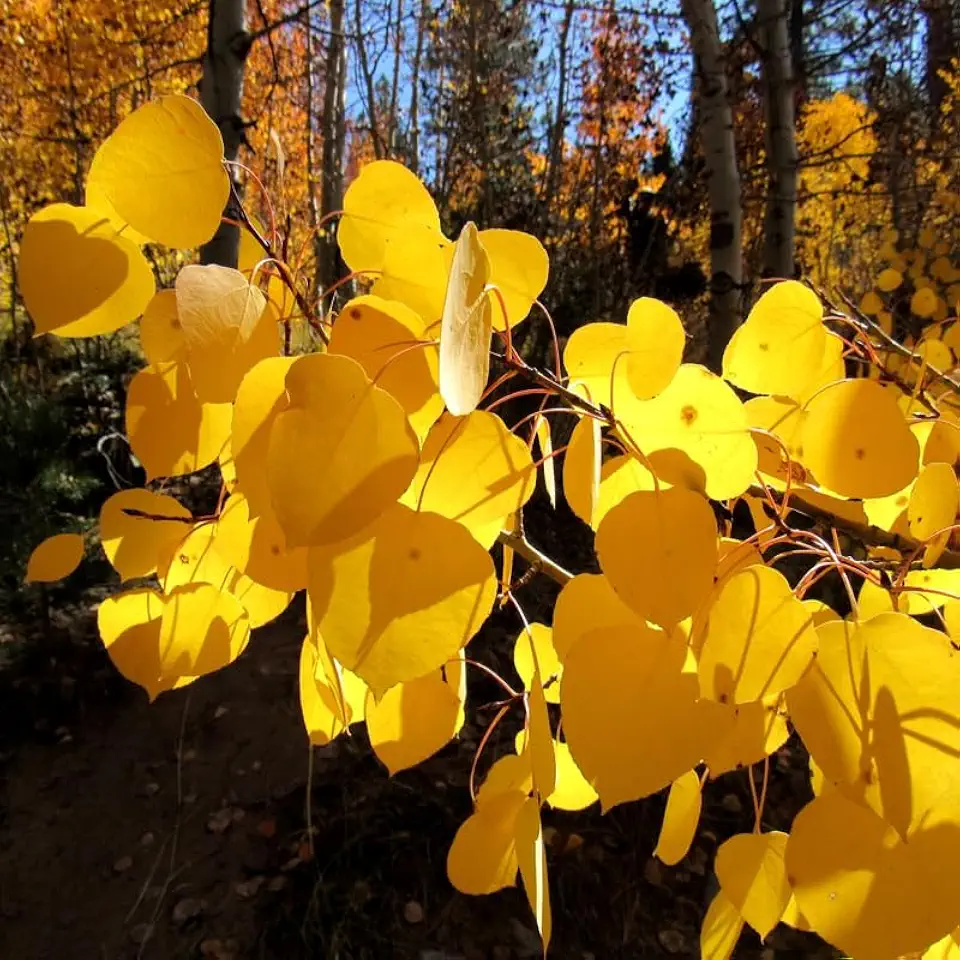
Three Quaking Aspen Seedlings 8 to 16 in
- Three healthy seedlings ready to plant and grow
- Each seedling measures 8 to 16 inches tall from nursery stock
- Ideal for small group plantings or staggered landscapes
- Rapid establishment when planted in suitable outdoor sites
- Shipped live and ready to transplant
Buy on Amazon

100 Yellow Quaking Aspen Seeds
- Fresh bulk pack of yellow aspen seeds for propagation
- Good for large-scale planting or restoration projects
- Best results with recommended stratification and care
- Affordable option for growers and nurseries
- Produces iconic aspen groves with seasonal color
Buy on Amazon
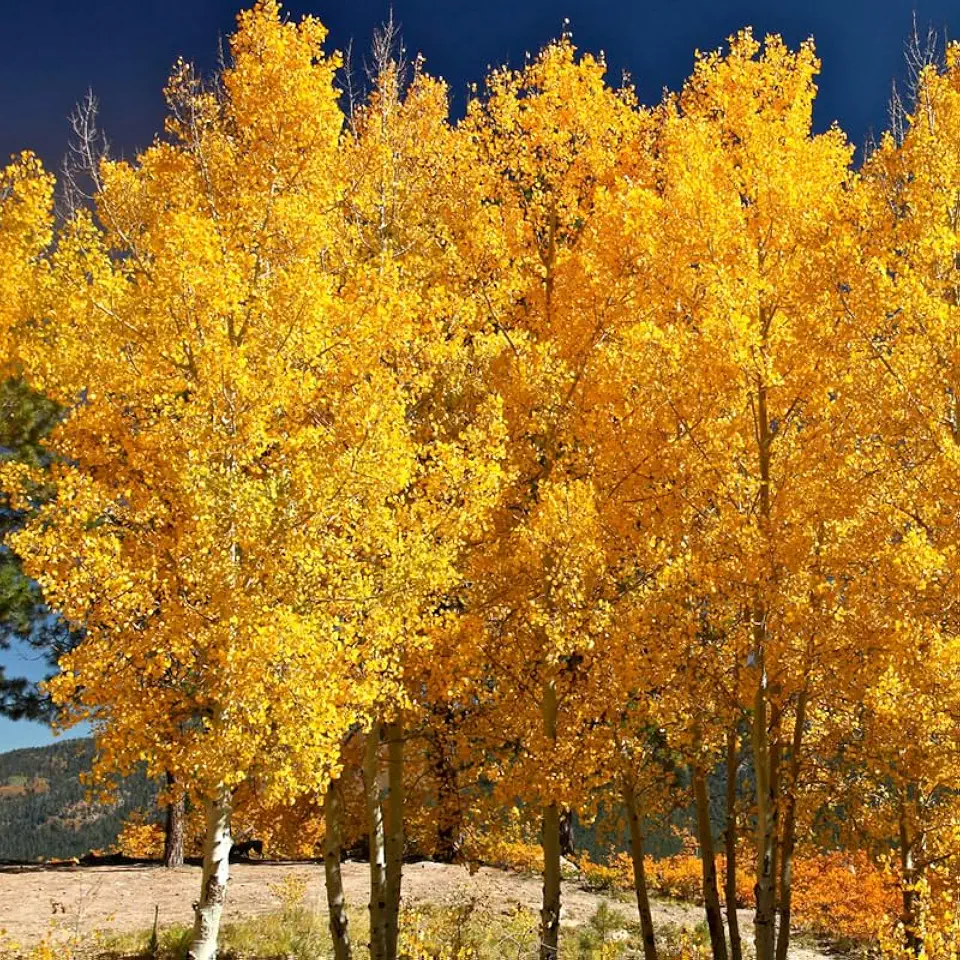
Quaking Aspen Seedling 8 to 16 in
- Single nursery-grown seedling 8 to 16 inches tall
- Ready to transplant into yards, gardens, or restoration sites
- Native species prized for attractive leaves and fall color
- Establishes quickly with proper care and moisture
- Shipped live for immediate planting
Buy on Amazon

Three Bare-Root Quaking Aspens 24 to 36 in
- Three bare-root trees 24 to 36 inches tall for faster establishment
- Larger stock ideal for landscaping and screening projects
- Perfect for replanting, windbreaks, or privacy hedges
- Dormant delivery reduces transplant shock and shipping weight
- Hardy native trees that adapt to varied soil types
Buy on Amazon
If you want a similar species for drier uplands, browse bigtooth aspen for site-fit notes and wood traits that match common projects.
FAQs
What Are Quaking Aspens Known For?
Quaking aspens are best known for their trembling leaves that flutter on flattened petioles, their smooth pale bark and brilliant golden fall color. They commonly grow in large clonal groves connected by a shared root system, reproduce quickly after disturbance, and play an important ecological role as early colonizers in many northern and mountainous landscapes.
How Do You Identify A Quaking Aspen Tree?
Look for round to triangular leaves with finely serrated edges attached by flattened stalks that make the foliage quake in the wind. The bark is smooth and pale white to greenish with dark scars or knots, and trees often grow in tight groves of many similar stems. In spring you may also notice small catkins and slender twigs.
Why Do Quaking Aspens Have White Bark?
The light-colored bark helps reflect sunlight and reduce heat stress, and it contains chemical compounds that deter decay and some pests. The smooth, pale surface also allows the bark to contribute to photosynthesis when leaves are absent or limited, and its appearance comes from the structure and protective tissues of the trunk rather than heavy, insulating bark layers.
Are Quaking Aspens And Poplars The Same Thing?
Quaking aspen (Populus tremuloides) is a species within the Populus genus, so it is a type of poplar. The term “poplar” covers a range of species including aspens, cottonwoods and other poplars; they are related but not all poplars are aspens and different species have distinct forms, leaves and habitat preferences.
How Fast Do Quaking Aspens Grow?
Quaking aspens are fast-growing trees, often adding 1–3 feet (30–90 cm) of height per year under favorable conditions. They commonly reach mature heights of 20–50 feet within a few decades. Individual trunks are relatively short-lived (often 40–150 years), but the clonal root systems can survive and produce new stems for many centuries.