

Did you know a single slash pine can store carbon and support many local species? These trees grow fast and fit many uses. In this article we’ll explain five main benefits, basic care, and simple planting tips to help you plan for success.
Table of Contents
Learn what a slash pine is, how it grows, and why landowners plant it for forests, yards, and restoration. This guide covers benefits, uses, planting tips, and care for the fast-growing slash pine tree.
What Is a Slash Pine Tree?
Basic Characteristics
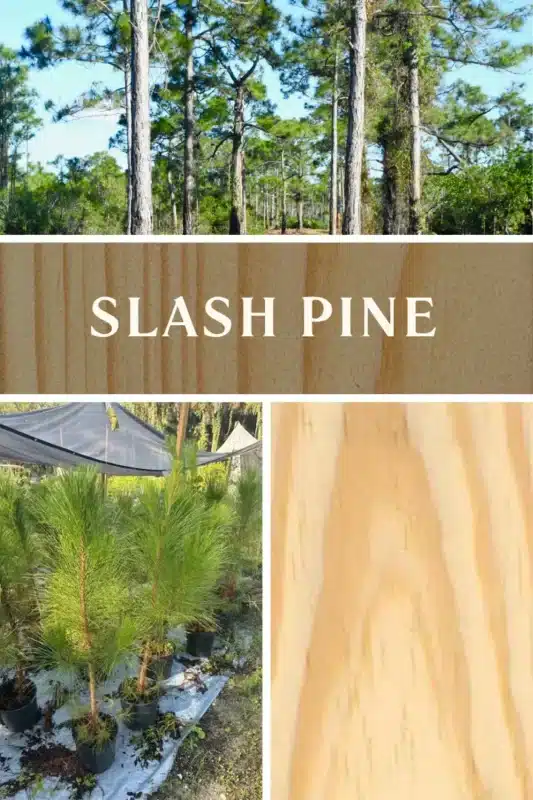
Slash pine (Pinus elliottii) is a fast-growing, evergreen conifer native to the southeastern U.S., known for reaching up to 100 feet and forming straight, limby trunks. For detailed ecology and management notes, see the USDA FEIS profile.
The name “slash” comes from the wet, swampy flats called slashes where this pine often occurs. It thrives across Florida, the Gulf Coast, and into Georgia and South Carolina in warm, humid zones with long growing seasons and mild winters.
Natural Habitat
Natural stands favor lowlands, ponds edges, and flatwoods that see seasonal wetness yet drain between rains. The tree handles sandy or loamy soils, recovers after moderate storms, and rebounds well on cleared or fire-managed sites that suit pine establishment.
Physical Features
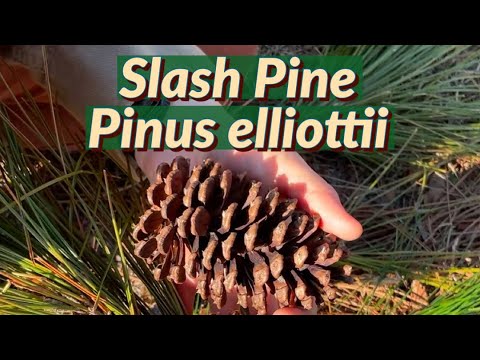
Needles are long and bright green, in bundles of two or three, and cones are ovoid with glossy brown scales. Mature bark shows dark plates with orange-brown furrows, while older trees self-prune lower limbs, raising the canopy and improving timber form.
1. Environmental Benefits
Carbon Sequestration
Slash pine locks up atmospheric CO₂ in wood, needles, and roots as it photosynthesizes and grows quickly. Dense stands with active growth deliver strong carbon gains early in the rotation and contribute to local air quality.
Wildlife Habitat
The canopy offers nesting sites for large raptors and cover for songbirds, while seeds feed small mammals that use pine stands. Learn how mature pines support species of concern in the Gulf region by reviewing Gulf Specimen’s slash pine notes.
Soil Stabilization
Deep roots knit soil and reduce erosion on cut banks, mine spoils, and road edges that need rapid cover. Quick canopy closure also cuts raindrop impact, helps hold moisture, and improves the microclimate for native groundcovers.
2. Commercial and Economic Value
Timber Industry Applications
Plantations produce logs for framing lumber, plywood, utility poles, and pulp thanks to resin-rich wood with good strength. Managers like the straight stems, fast juvenile growth, and reliable yields that feed regional mills; see practical notes in GreenthumbsGarden’s overview.
Outdoor Construction Uses
Natural decay resistance makes it useful for decking, fencing, pilings, and treated ties. For project planning, compare species in this guide to construction wood and see what matters for outdoor furniture wood; kiln conditioning reduces warp and checking, so review kiln-dried wood basics.
Sustainable Forestry
Fast rotations support renewable supply, while thinning and replanting maintain continuous cover. Many growers follow certification standards, plan mixed-age blocks, and set harvest ages that balance cash flow and habitat.
Browse popular slash pine stock and seeds for planting projects below to match size, cost, and goals.

10 Slash Pine Saplings, Fast-Growing Shade Trees
- Hardy Pinus elliottii adapted to warm climates
- Rapid growth for quicker shade and screening
- Great for landscaping, reforestation, and windbreaks
- Shipped as live nursery stock ready for planting
- Low maintenance once established
 Buy on Amazon

2 Large Gallon Slash Pines — Ready-to-Plant Evergreens
- Large gallon size promotes strong root development
- Evergreen foliage provides year-round color and privacy
- Fast-growing for landscape impact
- Ideal for yards, hedges, and restoration projects
- Easy to transplant and drought tolerant once settled
Buy on Amazon
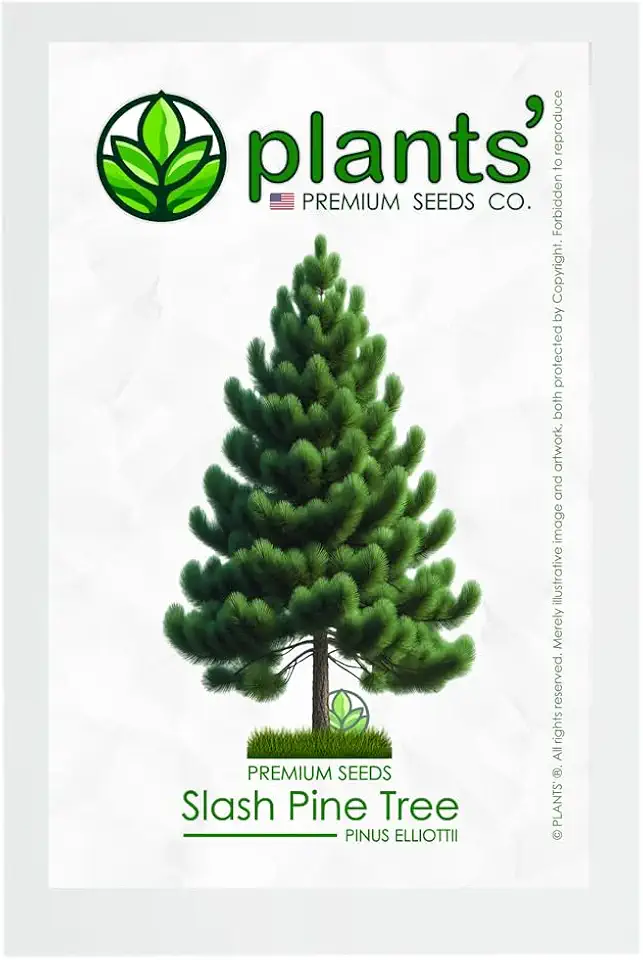
Slash Pine Premium Seeds — Pack of 100
- High-quality Pinus elliottii seeds for propagation
- Generous 100-count pack for large projects
- Suitable for nurseries, restoration, and home growers
- Supports planting programs and reforestation efforts
- Offers long-term growth potential when sown correctly
Buy on Amazon
3. Fast Growth and Adaptability
Rapid Maturation Rate
Slash pine reaches windbreak and screen height quickly, bringing shade and site protection in a short window. Many growers pick it for early returns compared with slower conifers noted in nursery writeups.
This pace helps new plantings stabilize sites and create privacy while longer-term timber value develops. With correct spacing, trees put on height evenly and lift lower limbs, which reduces pruning needs in young stands.
Soil Requirements
Best growth occurs on acidic, sandy or loamy soil that drains well yet holds some moisture. The species tolerates short wet spells on flats and accepts a bit of clay, but constant waterlogging slows growth.
Low Maintenance Needs
Once established, slash pine handles short dry periods, heat, and seasonal storms. Mature trees self-prune lower branches and usually need only safety pruning after breakage or ice events.
4. Medicinal and Traditional Uses
Resin and Bark Applications
Historically, resin (turpentine) and inner bark were used in salves for minor cuts, sore muscles, and as topical antimicrobials. For a survey of pine folk uses and preparations, see The Medicine of Pine.
Pine Needle Tea Benefits
Pine needles can be brewed into a vitamin C-rich tea traditionally used for coughs and mild winter ailments. Only harvest from clean sites, avoid yew lookalikes, and consult your clinician if pregnant, nursing, or on meds.
Traditional Remedies
Many communities used resin salve to draw splinters and the bark as a mild astringent or expectorant. These are historical uses; modern care for serious conditions belongs with licensed medical providers.
Herbal preparations can trigger allergies and interact with medication; start small and seek qualified advice.
General safety note
5. Landscape and Restoration Applications
Erosion Control
Planting rows across slopes reduces wind exposure, anchors soil with fast-growing roots, and spreads rainfall impact. Mulch young trees to speed establishment and cut splash erosion during the first two growing seasons.
Ecological Restoration
Slash pine helps reclaim disturbed land and pairs well with wiregrass and native shrubs to rebuild site structure. For ecological traits relevant to restoration projects, review the USDA FEIS summary.
Windbreaks and Privacy Screens
Dense, evergreen foliage blocks views and diffuses wind across farms, acreages, and suburban lots. Mix ages and a few companion species to spread risk and maintain a full screen year-round with steady growth.
Planting and Care Guidelines
Optimal Growing Conditions
Pick a sunny site with at least 6–8 hours of light, acidic soil, and good surface drainage. Plant in the cooler season for your zone, water deeply the first year, and keep grass back from the young stem.
| Factor | Target Range / Tip |
|---|---|
| USDA Zones | 8–10 for best vigor |
| Sunlight | Full sun (6–8+ hours) |
| Soil pH | Acidic (5.0–6.5) |
| Soil Type | Sandy/loamy; tolerates some clay |
| Water (Year 1) | 1–1.5 inches/week, deep soaking |
| Mulch | 2–3 in., keep off trunk |
Spacing and Placement
Plan for mature height and width so trees don’t crowd structures, power lines, or septic fields. Set rows perpendicular to prevailing winds for windbreaks, and stagger plants for faster visual cover.
- Measure the planting strip and mark row lines 10–14 ft apart for screens; 20+ ft for timber blocks.
- Space trees 8–12 ft within rows for privacy; 6–8 ft for quick fill then thin later.
- Keep at least 20–30 ft from buildings and 15 ft from buried utilities.
- Orient rows to avoid shading gardens or solar panels during peak sun.
Maintenance Considerations
Water weekly through the first growing season, then taper as roots deepen. Prune only broken or rubbing branches, sanitize tools, and avoid heavy cuts in peak heat.
Watch for pests like bark beetles and disease issues after storms, since stress opens the door. Healthy spacing, proper site choice, and strong early care cut risk and reduce long-term costs.
Expert Resources and Further Reading
These books and bulletins expand on silviculture, planting, and practical uses for slash pine. If you’re comparing pines for furniture projects, skim this guide to types of wood for furniture for helpful context.
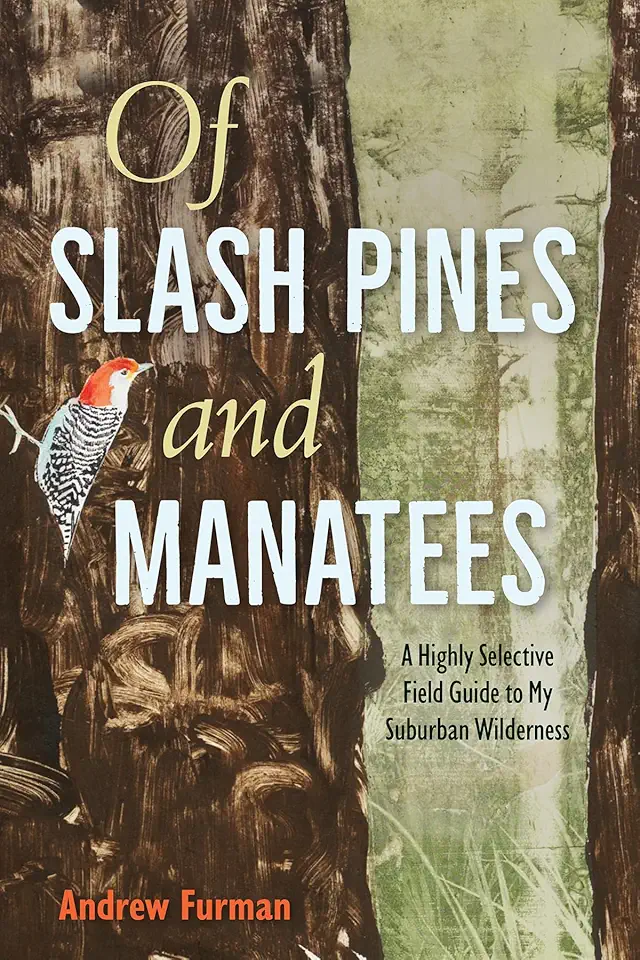
Of Slash Pines and Manatees — A Field Guide to Suburban Wilderness
- Selective naturalist observations of local habitats
- Combines field notes with cultural and ecological insights
- Focuses on Florida coastal and suburban wilderness
- Accessible writing for casual readers and nature lovers
- Useful as a compact, region-focused field guide
Buy on Amazon

Slash Pine Symposium Proceedings — Research & Insights
- Collection of research and symposium papers on slash pine
- Covers silviculture, management, and growth studies
- Includes case studies and practical recommendations
- Valuable for foresters, researchers, and land managers
- Historical perspective on industry practices and advances
Buy on Amazon

Slash Pines — Plants & Care Basics
- Overview of growth habits and landscape uses
- Planting tips for best establishment and root development
- Soil and climate preferences for healthy growth
- Information on maintenance and pest considerations
- Great for homeowners, landscapers, and restoration projects
Buy on Amazon
FAQs
What Are The Uses Of Slash Pine Wood?
Slash pine wood Is Commonly Used For Construction Lumber, Plywood, And Pulpwood; It’s Also Used For Poles, Railroad Ties, And Utility Posts When Properly Treated. The Wood Works Well For General Framing, Millwork, And Some Furniture Applications, And Historically The Species Has Been Valued For Resin Production.
How Does Slash Pine Differ From Loblolly Pine?
Slash Pine Typically Prefers Wetter, Coastal And Lowland Sites While Loblolly Is More Widely Distributed Inland; Needle And Cone Characteristics Can Differ Slightly And Slash Often Has A More Resinous, Coarser Grain. Growth Rates And Wood Uses Are Similar, But Site Preference, Salt Tolerance, And Some Morphological Traits Help Distinguish The Two.
Is Slash Pine Good For Wildlife Habitats?
Yes. Slash Pine Provides Cover, Nesting Sites, And Seed Food For Many Species Including Birds, Squirrels, And Deer. Managed Stands With A Diverse Understory And Practices Like Prescribed Fire Support Higher Biodiversity; Monoculture Plantations Offer Less Habitat Value Unless Understory And Edge Features Are Maintained.
What Is The Best Way To Plant Slash Pine Seedlings?
Plant Seedlings In Prepared Sites With Good Weed Control, Placing The Root Collar At Ground Level And Firming Soil Around Roots. Use Containerized Or Healthy Bare-Root Stock, Plant In Early Spring Or During Dormant Cool Periods, Space According To Your Management Goals, Mulch And Control Competing Vegetation, And Water Or Protect Seedlings During The First Growing Season As Needed.
How Fast Does Slash Pine Grow Compared To Other Pines?
Slash Pine Is Considered A Fast-Growing Southern Pine When Young, Often Matching Loblolly In Early Height Growth And Growing Faster Than Longleaf And Shortleaf Pines Under Favorable Conditions. Typical Young-Stand Growth Can Be Several Feet Per Year, Though Final Rate Depends On Site Quality, Silviculture, And Climate.