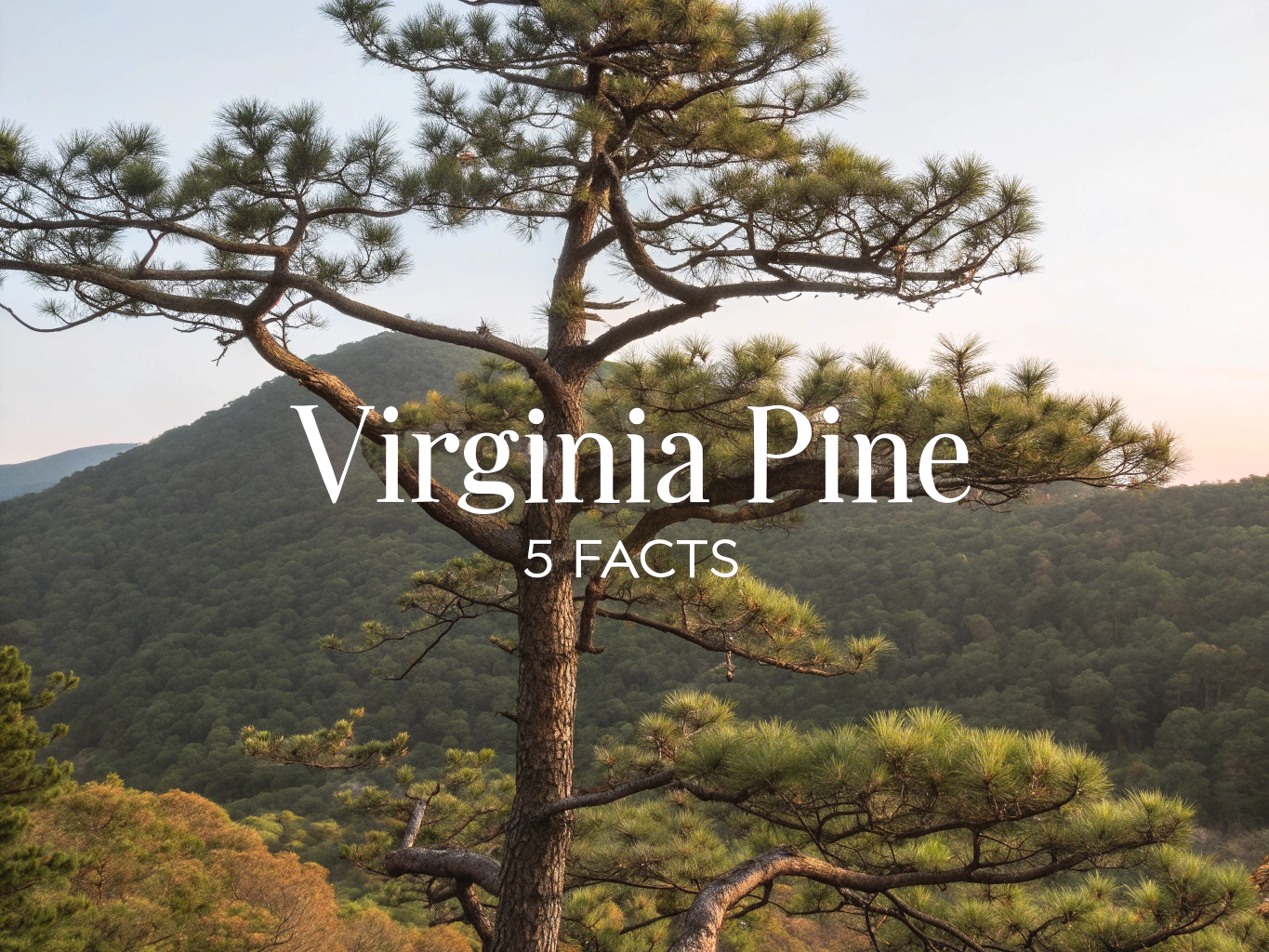

Did you know the Virginia pine often grows where many other trees struggle? This native pine is a fast grower with a rough, twisted look. It tolerates poor soil and dry spells. People plant it for windbreaks, privacy screens, and as Christmas trees. It provides year-round habitat for birds and small mammals. Read on for five clear facts about this useful tree.
Table of Contents
Virginia pine is a fast-growing native pine known for toughness, speed, and value across landscaping, reforestation, and wildlife projects. Use this guide to learn practical facts, comparisons, and care tips for Pinus virginiana in 2025.
Virginia Pine: 5 Facts for 2025
1. Virginia Pine is a Fast-Growing Native Evergreen
Growth Rate and Dimensions
Pinus virginiana often adds 18–30 inches a year and reaches 20–60 feet tall with a 15–30 foot spread, forming a medium tree fast. Expect a service life of 65–90 years with a trunk up to 20 inches thick on favorable sites for this native pine (Pinus virginiana).
USDA Hardiness Zones
USDA zones 4–8 suit Virginia pine across much of the Mid-Atlantic, Southeast, and parts of the Midwest. Cold winters and hot summers are both fine once trees are established in full sun.
Common Names and Scientific Classification
Virginia pine goes by scrub pine, Jersey pine, and possum pine, all referring to the same species. The scientific name is Pinus virginiana, a two-needle pine native to the eastern United States.
2. Thrives in Poor Soil Conditions Where Other Trees Fail
Soil Adaptation and pH Requirements
Virginia pine excels on poor, dry, rocky, sandy, or clay soils, which makes it a go-to pick for tough sites. Aim for an acidic to slightly neutral pH near 4.5–6.5 to support reliable growth on lean ground (Barely Rooted – Virginia Pine).
Drought Tolerance
Drought-tolerant roots help Virginia pine settle into low-moisture sites once established. Water deeply during the first growing season, then reduce irrigation to promote resilience.
Pioneer Species for Land Reclamation
Pioneer behavior lets this species colonize abandoned fields, mine spoils, and compacted ground. Use it to jump-start reforestation and stabilize sites that defeat more delicate trees.
3. Distinctive Physical Characteristics Set It Apart
Needle Structure and Color
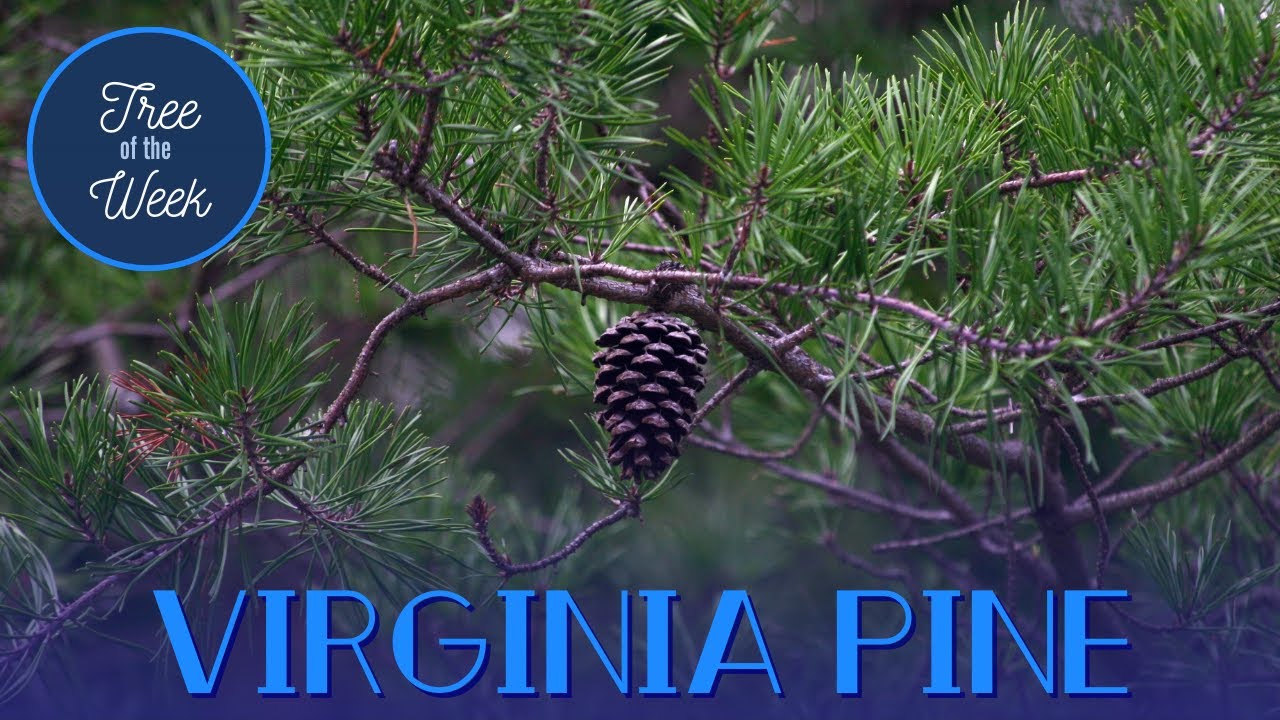
Short needles measure about 4–8 cm, grow in pairs, and twist slightly for a textured look. Color skews yellow-green and can show a warmer tone in winter for this evergreen (Kids Kiddle – Virginia pine).
Cone Formation and Persistence
Small cones are 4–7 cm long, brown, and often cling to branches for years. Seeds usually release in the second year, feeding birds and small wildlife.
Bark and Growth Habit
Reddish-brown bark peels in plates, adding rugged character. Young trees may form irregular crowns and occasionally show slightly twisted trunks on poor soils.
4. Multiple Landscaping and Economic Uses
Windbreaks and Privacy Screens
Fast establishment makes Virginia pine a strong pick for quick screens along roads, fields, and property lines. Plant in staggered rows for dense coverage and year-round privacy.
Christmas Tree Production
Dense branching and sturdy limbs support ornaments, so growers use Virginia pine widely in Christmas tree fields. Expect quick rotations and a reliable crop for local lots (Tennessee Wholesale Nursery – Benefits).
Timber and Pulp Value
Strong wood goes into pulp, posts, and rough framing, though it needs treatment where rot exposure is likely. For lumber comparisons, see this guide to yellow pine and practical notes on construction wood for project planning.
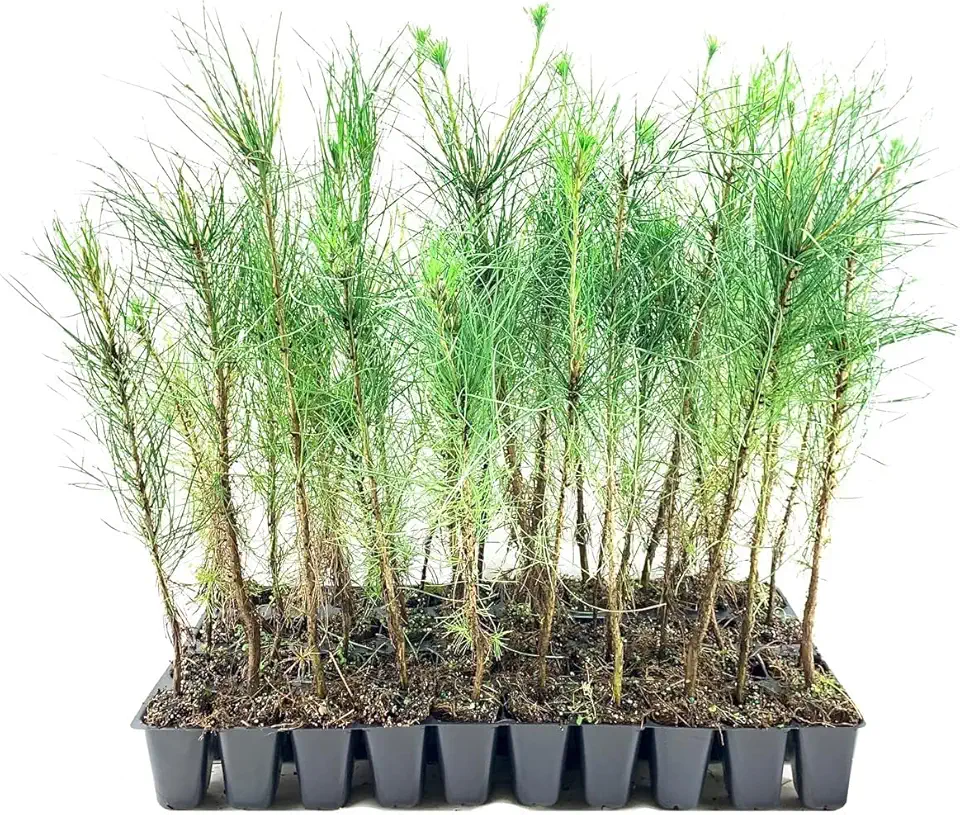
Virginia Pine Live Trees (3-Pack)
- Three hardy Virginia pine saplings ideal for screening and windbreaks
- Native evergreen with attractive needle texture and year-round color
- Fast-establishing and low maintenance once planted
- Great specimen or grouping for natural landscaping
- Shipped live and ready for transplanting
 Buy on Amazon
5. Exceptional Wildlife and Environmental Benefits
Year-Round Wildlife Habitat
Seed and cover support birds and small mammals through all seasons. Cones, needles, and branching create food and shelter across varied habitats (Footsteps in the Forest – Virginia pine).
Soil Stabilization and Erosion Control
Binding roots reduce erosion on slopes and disturbed sites. Plant rows on contours to slow runoff and protect topsoil.
Biodiversity and Ecosystem Restoration
Early cover invites insects, birds, and understory plants, which increases site diversity. Over time, stands help shift degraded sites toward healthy forests.
Virginia Pine vs Other Popular Pine Species
Comparison with Jeffrey Pine and Western White Pine
Scale differs markedly: Jeffrey pine can reach about 130 feet, and western white pine can top 150 feet, while Virginia pine stays medium-sized. Those giants favor cooler or higher sites, while Pinus virginiana shines on lean, lowland soils.
Differences from Loblolly Pine Tree and Sand Pine
Loblolly pine tree grows taller (60–100 feet) and handles wetter soils, making it a staple for lumber. Sand pine fits coastal sands, while Virginia pine excels on dry uplands and reforestation of inland sites.
Contrasts with Scotch Pine Tree and Pinus Radiata
Scotch pine tree and Pinus radiata serve timber and ornamental roles worldwide, but both prefer better soils or maritime climates. Virginia pine offers faster establishment on poor ground where other pines struggle.
| Pine Species | Height (ft) | Typical Strength |
|---|---|---|
| Virginia pine | 20–60 | Fast-growing, poor-soil adaptability |
| Jeffrey pine | Up to 130 | Large, drought-tolerant, timber |
| Western white pine | 100–160 | Tall, valuable timber in cool climates |
| Loblolly pine tree | 60–100 | Wet soils, major lumber source |
| Sand pine | 25–66 | Coastal sands, fire adaptation |
| Scotch pine tree | 35–115 | Versatile, timber and Christmas tree |
| Pinus radiata | 50–100 | Rapid growth, coastal commercial timber |
Christmas Tree Options and Holiday Use
Live Virginia Pine Benefits
Live trees give a fresh scent and sturdy branches for ornaments, and they can be planted after the holidays in zones 4–8. Choose a container-grown Virginia pine for less transplant shock and strong survival.
Artificial Virginia Blue Pine Alternatives
Slim profiles suit apartments and tight corners while still offering a natural look. The picks below feature realistic foliage, stable bases, and quick setup for a smooth holiday.

7.5 ft Virginia Blue Pine Slim Christmas Tree
- Slim 7.5 ft profile fits narrow rooms and tight spaces
- Hinged branches allow quick, no-hassle setup and storage
- Realistic Virginia blue pine foliage with natural color
- Sturdy center pole and solid base for stable display
- Perfect for hanging ornaments and everyday holiday decorating
Buy on Amazon

6 ft Slim Mountain Pine Tree with Lights
- Pre-lit with 300 clear lights for a warm, built-in glow
- Slim design fits tight spaces and apartments
- 629 bendable branches allow custom shaping and fullness
- Realistic needle texture and varied branch lengths for natural look
- Sturdy base provides reliable stability
Buy on Amazon

5 ft Slim Mountain Pine Tree with Lights
- Pre-lit with 200 clear lights for a cozy, festive look
- Slim footprint ideal for small rooms and entryways
- 467 bendable branches for shaping and fullness
- Realistic foliage and layered branch design for natural appearance
- Stable base keeps tree upright and secure
Buy on Amazon
Planting and Care Requirements
Site Selection and Spacing
Full sun drives best growth, especially on lean or compacted soils. Space trees 12–20 feet apart for windbreaks, and add a second row for a thicker screen.
- Pick sites with minimal shade and good air flow for healthier crowns.
- Loosen a wide planting area to help early root expansion.
- Water deeply the first season, then taper to promote drought hardiness.
- Mulch 2–3 inches, keeping it a few inches off the trunk.
Maintenance and Disease Resistance
Low upkeep is the norm; pruning only to remove dead or rubbing branches. If milling logs later, consider kiln-dried wood practices for better stability and durability.
Establishment Tips for Success
Right timing helps: plant in early spring or fall while soils are workable. Use a root flare at grade, backfill with native soil, and water to settle air pockets.
FAQs
What Are The Uses Of Virginia Pine?
Virginia pine is commonly used for erosion control, reforestation on poor or disturbed soils, and as a source of pulpwood, fence posts, and firewood. It also provides wildlife habitat and can serve as a windbreak or ornamental screening.
How Fast Does Virginia Pine Grow?
Virginia pine grows at a moderate to fast rate for a pine, often adding about 1–2 feet (30–60 cm) per year in favorable conditions. It typically reaches mature heights of roughly 30–50 feet over several decades, though growth slows on dry, nutrient-poor sites.
Is Virginia Pine Good For Christmas Trees?
Virginia pine can be used as a Christmas tree but is not usually the preferred choice. Its irregular form, short stiff needles, and sometimes sparse lower branches make it less attractive than species like Fraser or Scotch pine; with early pruning and shaping it can work for a more rustic tree.
How Can I Identify A Virginia Pine Tree?
Look for two short, often twisted needles per bundle (about 1–2 inches long), small cones with a pointed prickle, and scaly reddish-brown bark. Virginia pine often has a crooked, irregular crown and commonly grows on dry ridges and old fields.
Where Can I Find Virginia Pine In The Wild?
Virginia pine is native to the eastern United States and is common in the Mid-Atlantic, Southeast, and Appalachian regions. It prefers dry, rocky ridges, slopes, and disturbed or thin-soiled sites such as old fields and clearings.