Brazilian Cherry Wood Guide: Flooring, Hardness, Stain Options, and Care

Brazilian cherry wood is a dense tropical hardwood better known as Jatoba, valued for reddish-brown color, high hardness, and long wear in flooring and furniture. It isn’t true cherry, and its biggest surprises are dramatic darkening, difficult light staining, and installation demands that punish shortcuts.
Quick answer: Brazilian cherry wood flooring works best for people who want a hard, warm, high-impact floor and can manage sunlight, humidity, and careful refinishing choices. If you’re asking what are stain options for Brazilian cherry wood floor, dark brown, espresso, walnut, and natural clear finishes usually look more reliable than gray or whitewash.
Table of Contents
What Is Brazilian Cherry Wood?

Brazilian cherry wood is the trade name for Jatoba, usually Hymenaea courbaril, a heavy tropical hardwood from Central and South America. It became popular in American homes because it gives floors a rich red-brown look and handles foot traffic better than many domestic hardwoods.
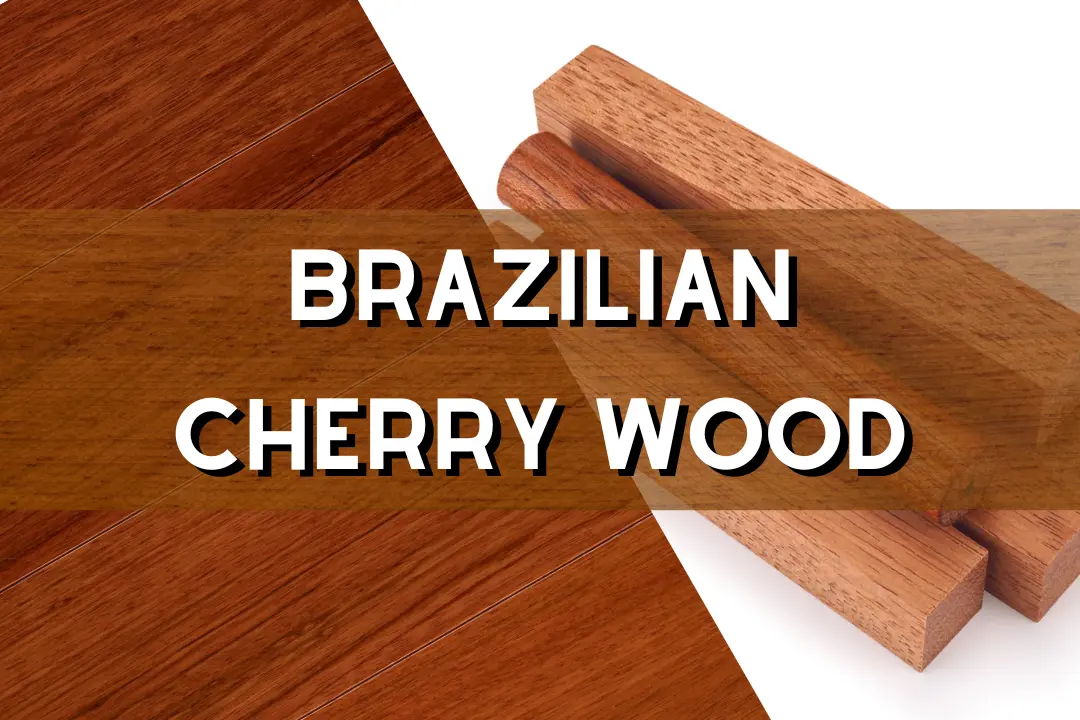
Real Jatoba feels noticeably heavy in the hand; a short board has a dense, cold weight that feels closer to stone than soft lumber. Freshly cut pieces often show salmon, orange, and brick-red streaks, then deepen after light exposure.
Jatoba, Not Cherry
Jatoba differs from true cherry. American black cherry is usually Prunus serotina, while Brazilian cherry is usually Hymenaea courbaril, so the shared name comes from color and marketing rather than botanical family.
This matters because people often compare Brazilian cherry vs cherry and expect similar sanding, staining, and furniture behavior. For a true cherry reference, compare it with black cherry wood, which is softer, finer textured, and far easier to machine.
Key Wood Properties
Key properties include a Janka hardness near 2,350 lbf, average dried weight near 57 lb/ft³, and a medium-to-coarse texture with interlocked grain. The Wood Database Jatoba profile lists technical values such as density, shrinkage, and strength that explain why this wood wears well but fights tools.
The grain can look calm in narrow strips and bold in wide boards. I often see darker mineral lines, ribbon-like streaks, and pores that catch finish in tiny brown dots under low evening light.
Common Uses
Common uses include hardwood flooring, stair treads, furniture, cabinetry, trim, tool handles, turned pieces, veneer, and small woodworking blanks. Brazilian cherry wood furniture has a warm formal look, but the weight can make large doors, tabletops, and drawer fronts feel bulky if the design isn’t balanced.
- Flooring: hallways, stairs, dining rooms, living rooms, and formal spaces.
- Furniture: tables, benches, accent panels, and durable chair parts.
- Millwork: trim, thresholds, nosing, inlays, and decorative edging.
- Turning: pens, handles, knobs, small bowls, and dense craft blanks.
- Repairs: patches, splines, plugs, filler-matched touchups, and stair repairs.
Brazilian Cherry Names
Trade names include Brazilian cherry, Jatoba wood, courbaril, South American cherry, and Brazilian cherry hardwood. Suppliers may also use “exotic hardwood,” which sounds attractive but tells you little about grade, origin, legality, or milling quality.
Buying tip: ask for the scientific name, country of origin, flooring construction, finish type, and certification before you compare quotes. “Brazilian cherry” can describe solid planks, thin engineered veneer, furniture lumber, or small craft stock.
Color, Grain, and Darkening
Brazilian cherry color starts lighter than many people expect, then darkens into a richer amber-red or brown-red tone. This shift explains why a newly sanded floor can look almost orange one week and deeper mahogany-brown months later.
Natural Color Range
Fresh boards can show pinkish red, salmon red, orange-brown, golden brown, and reddish brown in the same bundle. A wet coat of finish can make the color jump fast, turning a pale raw board into a warm, glossy red-brown strip within seconds.
Aged floors usually move darker and warmer. If your room has cherry cabinets, red rugs, or warm paint, the floor can look extra red; with cream walls and black metal accents, the same floor can read more brown and formal.
Grain and Texture
The grain is often interlocked, sometimes wavy, and usually medium to coarse. On a freshly sanded floor, the surface can feel smooth under bare feet while the open pores still show a dotted texture under angled light.
Design note: Brazilian cherry fits best where warmth and contrast help the room. For broader color planning, compare it with other shades in this guide to colors of wood.
Why It Darkens
Light exposure darkens Brazilian cherry because the wood is photosensitive. UV light and visible light both play a role, so curtains, furniture layout, window direction, and finish chemistry all affect the final color.
The first change can appear within weeks, with more mellowing over months. New replacement boards often look too light beside an old floor, then slowly move closer, but a perfect match may take tinting or board blending.
Rug Shadows
Rug shadows happen when rugs, mats, or furniture block light and leave covered areas lighter than exposed areas. The sharp outline can be startling when you lift a rug and see a pale rectangle against a dark red-brown field.
Best workaround: wait before placing large area rugs on new or newly refinished Brazilian cherry floors. Rotate rugs and furniture during the early darkening stage, and use UV-filtering window film or shades to reduce uneven aging.
Finish Effects
Finish changes the color before the wood has time to age. Oil-based polyurethane adds amber warmth, while water-based polyurethane usually keeps the surface clearer at first, though the wood still darkens underneath.
Common mistake: judging the final color from raw sanded wood. Always view a test patch with the full finish system, because stain, sealer, topcoat, sheen, and room light all change the look.
Hardness, Durability, and Comparisons
Brazilian cherry hardness is one of its main selling points: the Janka rating is about 2,350 lbf. That makes it much harder than red oak, white oak, hard maple, American cherry, and many other common flooring woods.
Janka Hardness
The Janka test measures the force needed to embed a steel ball halfway into wood. It predicts dent resistance better than scratch resistance, so a hard wood can still show scratched finish from grit, pets, chairs, and shoes.
| Wood Species | Approximate Janka Hardness | Practical Flooring Takeaway |
|---|---|---|
| American black cherry | ~950 lbf | Softer, easier to dent, excellent for furniture |
| Red oak | ~1,290 lbf | Common, easy to stain, reliable for refinishing |
| White oak | ~1,360 lbf | Neutral color, good for modern stains |
| Hard maple | ~1,450 lbf | Hard but can blotch when stained |
| Hickory / pecan | ~1,820 lbf | Strong domestic option with bold variation |
| Santos mahogany | ~2,200 lbf | Dense reddish exotic hardwood |
| Brazilian cherry / Jatoba | ~2,350 lbf | Very dent resistant, harder to refinish |
| Brazilian walnut / Ipe | ~3,680 lbf | Extremely dense and demanding to work |
Density and Strength
High density gives Brazilian cherry its solid feel and long wear. Typical values include dried weight around 57 lb/ft³, modulus of rupture near 22,500 lbf/in², elastic modulus near 2.7 million lbf/in², and crushing strength above 11,700 lbf/in².
Movement still happens: radial shrinkage is about 4.2%, tangential shrinkage about 8.0%, and volumetric shrinkage about 12.0%. A hard board can still cup, gap, or crown if moisture moves through the floor unevenly.
Brazilian Cherry vs Cherry
Brazilian cherry is roughly two and a half times harder than American black cherry by Janka rating. It works better for heavy-use floors, while true cherry shines in furniture, cabinetry, panels, and smoother interior millwork.
Color behavior also differs. Both woods darken, but Brazilian cherry often pushes stronger orange-red and deep red-brown tones, while true cherry usually has a finer, softer, pink-to-brown character.
Brazilian Cherry vs Oak
Brazilian cherry vs oak comes down to hardness, color, and stain control. Brazilian cherry is much harder than red oak and white oak, but oak accepts stain more predictably and fits neutral brown, beige, and gray interiors more easily.
For refinishing, oak gives you more color freedom. Brazilian cherry gives stronger dent resistance and a richer exotic look, but the natural red undertone limits pale, gray, and whitewashed results.
Other Hardwood Comparisons
Against maple, Brazilian cherry looks darker, warmer, and more dramatic. Against hickory, it feels more formal and red-brown, while hickory keeps a rugged domestic look with strong light-dark board variation.
Against Ipe, Brazilian cherry is easier to machine and less extreme in density. If you want a darker, tougher tropical hardwood, compare it with Ipe wood, but expect heavier cutting, fastening, and sourcing concerns.
Hardness Limits
Hardness helps with dents, compression marks, pet claw pressure, and busy traffic paths. It doesn’t make Brazilian cherry scratch-proof, waterproof, fade-proof, or immune to finish wear.
Beginner mistake: treating a high Janka rating as permission to skip mats, felt pads, and cleaning. Sand acts like loose abrasive; you can hear it crunch under shoes and see it dull a glossy finish in entryways.
Brazilian Cherry Wood Flooring
Brazilian cherry wood flooring is best for high-traffic rooms where hardness, warmth, and visual richness matter. It performs well in living rooms, dining rooms, halls, bedrooms, stairs, and formal areas when the installer controls moisture and expansion.
Why It Works
It works because dense Jatoba resists dents better than many domestic floors and takes a smooth, lustrous finish. The reddish-brown tone also hides some small dents and traffic variation better than pale maple or light oak.
The trade-off is visual weight. In smaller rooms with low natural light, Brazilian cherry floors can feel dark and red, so wall color, rug choice, trim, and furniture tone need more planning.
Solid vs Engineered
Solid flooring uses one piece of Jatoba and can usually be sanded multiple times if the tongue and wear layer allow it. It reacts more to seasonal humidity than engineered flooring and usually needs nail-down or glue-down installation.
Engineered flooring uses Brazilian cherry veneer over a plywood or composite core. It can suit concrete slabs or areas where solid wood isn’t approved, but a thin veneer may not survive aggressive sanding during future refinishing.
Prefinished vs Unfinished
Prefinished planks install faster and often use aluminum oxide coatings that resist wear. Repairs can be harder to blend because factory bevels, sheen, and coating chemistry may differ from site-applied finish.
Unfinished flooring lets you sand and finish the floor in place for a flatter, more seamless look. It also gives better control over sheen and stain, but the job needs clean sanding and careful dust control.
Installation and Acclimation
Acclimation matters because dense tropical flooring can still move after installation. Store boards inside the conditioned home, not in a garage, damp basement, or sun-baked porch.
Target conditions for many hardwood floors are about 35%–55% relative humidity and 60°F–80°F indoor temperature. The National Wood Flooring Association gives homeowner guidance on wood floor care and indoor conditions that helps explain why moisture control affects performance.
Moisture Problems
Moisture problems cause cupping, crowning, buckling, seasonal gaps, squeaks, adhesive failure, and finish issues. A hard floor won’t stay flat if a crawl space, concrete slab, plumbing leak, or wet subfloor feeds moisture from below.
Pro workaround: test both flooring and subfloor with a proper moisture meter before installation. For concrete, use the test method required by the flooring and adhesive manufacturer rather than guessing from surface dryness.
Flooring Cost
Brazilian cherry flooring cost often runs about $5–$12+ per sq. ft. for material, with professional installation often adding $4–$8+ per sq. ft. Refinishing usually falls around $3–$8+ per sq. ft., with higher totals for stain changes, repairs, stairs, and hard factory finishes.
Cost drivers include solid vs engineered construction, board width, grade, finish, thickness, import availability, certification, subfloor prep, removal work, and regional labor. Wide, clear, responsibly sourced boards usually cost more than narrow shorts or thin veneers.
Stain Options for Brazilian Cherry Floors
Brazilian cherry floors can be stained, but the natural red-orange undertone limits color change. The safest stain strategy works with the warmth instead of trying to force pale gray, white, or cool beige tones.
Before staining, sand evenly, remove all old finish, vacuum dust thoroughly, and test the complete stain plus topcoat system. One missed sanding scratch can turn black under dark stain and show every time sunlight skims across the floor.
Clear or Natural

Clear finish suits homeowners who like authentic Brazilian cherry wood color. Water-based polyurethane keeps the tone clearer at first, while oil-based polyurethane adds amber warmth and can make the floor look more golden-red.
Best fit: traditional rooms, warm interiors, formal dining rooms, and owners who accept natural darkening. Use satin or matte if you want less glare and fewer visible swirl marks.
Medium Brown
Medium brown stain can mute the red without making the floor heavy. Warm walnut, chestnut, and provincial-style browns often blend better with transitional interiors than clear red-brown Jatoba.
Watch absorption: Brazilian cherry doesn’t drink stain like open-grained oak. Gel stain, dye, tinted sealer, or professional systems from brands such as Bona, DuraSeal, Minwax, Loba, Pallmann, Rubio Monocoat, and Osmo may behave differently, so test first.
Dark Brown or Espresso
Dark brown is one of the most reliable ways to make Brazilian cherry floors less red. Espresso, coffee, dark walnut, Jacobean-style brown, and ebony-brown stains can push the floor into a deeper, calmer look.
The downside: dark floors show dust, pet hair, footprints, chair scratches, and finish haze more clearly. A matte or satin topcoat helps, and a high-quality entrance mat saves more finish than any cleaner.
Ebony or Near-Black
Ebony stain can mask much of the red undertone and create a sharp modern contrast. It also reduces visible natural color variation, so the floor may look less like Brazilian cherry and more like a dark stained hardwood.
Application risk: uneven sanding and lap marks show fast under near-black stain. Keep the scratch pattern consistent, avoid puddles, and don’t skip grits just because the wood feels hard.
Red Mahogany
Red mahogany stain deepens the existing red rather than hiding it. It suits traditional rooms, dark leather, carved furniture, and warm millwork, but it can make an already-red floor feel more intense.
Use caution if your goal is to modernize Brazilian cherry floors. A brown-based stain usually calms the floor better than a red-based stain.
Gray and Whitewash
Gray stain is difficult on Brazilian cherry because red and orange undertones can fight the cool pigment. Results can turn muddy, purple, pink, or patchy, especially where old finish remains in pores.
Better options include charcoal-brown, taupe-brown, muted espresso, or dark brown-gray. If you want pale Scandinavian floors, white oak will usually deliver that look with less risk; browse dark wood types if you prefer richer color families.
Bleaching Risks
Bleaching Brazilian cherry may reduce red-orange tone, but it carries real risk. Dense grain, old finishes, previous stains, and board variation can create uneven color that looks worse than the original floor.
Never bleach a full room without a hidden test patch or sample board. Bleach can change the surface, affect finish adhesion, and require extra neutralizing steps that beginners often miss.
Sheen Options
Matte sheen hides fine scratches and makes Brazilian cherry feel more current. Satin gives a practical balance, semi-gloss looks more traditional, and gloss shows dust, dents, sanding waves, and footprints faster.
Field note: on red-brown floors, low afternoon sun reveals chatter marks, edger swirls, and dust nibs that overhead lights miss. Always judge sheen and stain under the room’s actual daylight before approving the final coat.
Refinishing, Repair, and Maintenance
Brazilian cherry refinishing can restore worn floors, but the wood’s density, darkening behavior, and stain limits make preparation more demanding than oak. The best results come from even sanding, patient testing, and moisture correction before finish work starts.
When to Refinish
Refinish floors when traffic lanes turn dull, finish wears through, scratches spread across the surface, coating peels, or the color needs updating. Screening and recoating may work if scratches sit only in the finish and the existing coating bonds well.
Don’t refinish as a cover-up for active moisture, severe pet urine damage, structural movement, or thin engineered veneer. Sanding a cupped floor too early can create crowning after the boards dry.
Sanding Challenges
Sanding Jatoba takes sharp abrasives and steady technique. The dust has a dry, slightly spicy hardwood smell, and the reddish powder sticks to baseboards, shoes, and the ridges of a vacuum hose.
Aluminum oxide factory finishes can slow sanding and load abrasives fast. Change paper before it burns, keep the machine moving, and blend edger work carefully so the perimeter doesn’t stain darker than the field.
Common Floor Problems
Common problems include rug marks, uneven darkening, scratches in the finish, seasonal gaps, cupping, crowning, loose boards, nail holes, cracked boards, and hard-to-match repairs. Most problems trace back to light exposure, humidity, installation, or finish wear rather than the wood being “bad.”
Practical Notes From Real-World Use: the hardest repairs are color repairs, not dent repairs. A new board can fit perfectly and still look wrong because aged Brazilian cherry has already darkened; pre-staining, tinted finish, or mixing boards from hidden areas can help blend the patch.
Fillers and Repairs
Wood filler helps with nail holes, small cracks, minor gouges, and narrow gaps. It won’t move, darken, or reflect light exactly like surrounding wood, so test filler with the same finish before using it in a visible area.
These repair products can help with Brazilian cherry wood filler work, especially for small defects, nail holes, and touchups.

Brazilian Cherry Wood Filler
- Blends in with Brazilian cherry tones for a cleaner finish
- helps repair dents, gaps, cracks, and nail holes
- easy to apply and shape for smooth results
- sands and takes stain well for seamless touchups
- handy for furniture repair and woodworking fixes
 Buy on Amazon
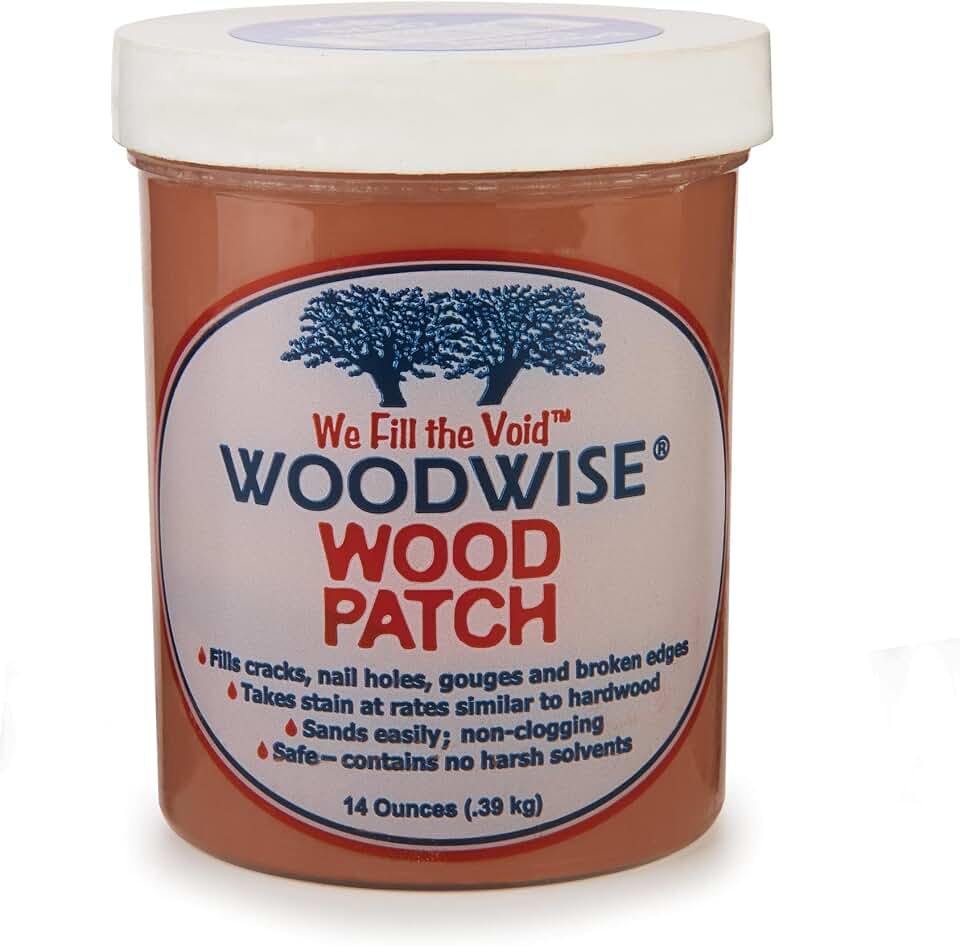
Brazilian Cherry Wood Filler Paste
- Designed to match Brazilian cherry wood repairs
- fills gaps, scratches, and small surface defects
- easy to spread for quick touchups
- sands smoothly for a neat final look
- useful for cabinets, floors, and furniture restoration
Buy on Amazon
Cleaning and Scratch Prevention
Clean regularly with a microfiber pad, hardwood-safe vacuum attachment, and cleaner approved for your finish. Avoid wet mopping, steam mops, vinegar mixes, and oily soaps that can haze or damage the coating.
Prevent scratches with felt pads, walk-off mats, trimmed pet nails, breathable rug pads, and a no-drag furniture rule. The finish takes most scratches, so protecting the coating matters more than relying on Janka hardness.
Sunlight and Humidity
Manage sunlight with curtains, blinds, UV film, and periodic rug movement. Covered and uncovered areas age differently, so prevention works better than trying to erase sharp rug shadows later.
Control humidity around 35%–55% where practical. Use humidifiers during dry seasons and dehumidifiers or air conditioning during humid periods to reduce gaps, cupping, and finish stress.
Woodworking With Brazilian Cherry
Brazilian cherry lumber makes durable furniture parts, trim, handles, inlays, turning blanks, and accent pieces, but it isn’t beginner-friendly like poplar or domestic cherry. Its density rewards sharp tools and punishes rushed cuts.
Cutting and Machining
Use carbide blades and cutters for Jatoba woodworking. Interlocked grain can tear during planing, and dull knives leave tiny lifted fibers that feel rough when you run a fingertip across the board.
Light passes reduce tearout on jointers, planers, and routers. If the grain reverses, a scraper or sanding block may clean the surface better than one more aggressive machine pass.
Sanding and Finishing

Sanding takes time because dense wood resists abrasion. Don’t jump grits; missed scratches can flash under oil or dark finish as thin black lines.
Clear finishes usually look excellent on Brazilian cherry wood boards because the natural color already has depth. Stains and dyes need offcut testing because the red undertone can shift the final color.
Gluing and Fastening
Pre-drill holes near ends and edges to avoid splitting. Dense hardwood can reject fasteners if you drive them too hard, leaving cracked corners or mushroomed screw heads.
For glue-ups, prepare fresh surfaces, use even pressure, and avoid starving the joint with excessive clamping. The board should close firmly, not squeeze out every trace of adhesive.
Dust Safety
Wood dust from Brazilian cherry can irritate skin, eyes, and breathing for some people. Use dust collection, eye protection, and a respirator or quality dust mask, especially during sanding.
Shop warning: the fine red dust spreads fast and can stain pale work surfaces. Vacuum before switching to light woods or clear finish work.
Small Project Stock
Small stock is useful for trim repairs, plugs, inlays, pen blanks, handles, and test boards before a larger project. It’s also a smart way to see how Brazilian cherry sands and finishes before buying flooring or furniture lumber.
These Brazilian cherry pieces are suited for small woodworking projects, repairs, blanks, and color tests.

Brazilian Cherry Wood Strip
- Rich Brazilian cherry color for warm woodworking accents
- solid hardwood strip for durable craft and repair use
- easy to cut, shape, and sand for custom projects
- ideal for trim, inlays, small builds, and detailing
- natural grain adds a premium finished look
Buy on Amazon
Wide Brazilian Cherry Board
- Deep cherry tone that brings elegance to any project
- wider board size gives more usable material for builds
- strong hardwood choice for furniture and trim work
- simple to machine, sand, and finish cleanly
- great for custom woodworking and restoration tasks
Buy on Amazon
Long Brazilian Cherry Board
- Extra length is great for larger woodworking projects
- warm Brazilian cherry grain creates a refined look
- sturdy hardwood performs well in trim and build work
- easy to cut, sand, and shape to fit your design
- suitable for furniture parts, edging, and accents
Buy on Amazon

Cherry Square Blank
- Square hardwood blank ready for custom shaping
- Brazilian cherry gives projects a warm, luxurious finish
- durable stock is ideal for turning and carving
- smooth grain supports sanding and detailing
- great for furniture parts, handles, and craft builds
Buy on Amazon

Cherry Pen Blanks
- Matched set of hardwood blanks for pen turning projects
- Brazilian cherry color creates a rich, elegant finish
- small size is easy to shape on a lathe
- smooth grain helps produce polished results
- ideal for custom pens and slim craft items
Buy on Amazon
Furniture choice: Brazilian cherry works well for accent pieces, but lighter or easier-working woods may suit large cabinets. Compare other furniture options in this guide to wood for furniture.
Buying and Responsible Sourcing
Buying Brazilian cherry means judging performance, appearance, cost, and sourcing at the same time. Because it’s an imported tropical hardwood, traceability matters as much as color and price.
Pros and Cons
Main pros include high hardness, long wear, rich color, strong flooring performance, good decay resistance in suitable uses, and useful stock for woodworking. It also gives homes a premium exotic hardwood look when paired with the right décor.
Main cons include strong darkening, red-orange undertones, difficult gray staining, heavy boards, faster tool dulling, possible tearout, higher cost, sourcing concerns, and visible dust or scratches on darker finishes.
Best Fit
Best fit means warm interiors, high-traffic spaces, stairs, formal rooms, durable furniture, and owners who like reddish-brown hardwood. It’s a poor fit for someone who wants pale, cool, washed, or gray floors with low refinishing risk.
Style tip: Brazilian cherry can feel updated with matte finish, soft white walls, black accents, neutral rugs, and fewer red-toned furnishings. If every element is warm red or orange, the room can feel visually heavy.
Cost and Value
Value depends on grade, thickness, construction, installation quality, and sourcing documentation. Solid or thick-veneer engineered Brazilian cherry usually has better long-term value than thin veneer flooring that can’t be refinished.
Budget carefully: material may run $5–$12+ per sq. ft., installation $4–$8+ per sq. ft., and refinishing $3–$8+ per sq. ft. Stairs, old floor removal, subfloor repairs, moisture mitigation, dark stain work, and board replacement can raise the total.
FSC Certification
FSC certification can improve traceability for tropical hardwood, though it doesn’t make a product impact-free. Look for chain-of-custody documentation rather than vague claims like “green exotic flooring.”
Legal sourcing also matters. In the United States, the USDA Lacey Act helps restrict trade in illegally harvested plants and plant products, including wood.
Supplier Questions
Ask direct questions before buying Brazilian cherry wood flooring, lumber, or blanks. A serious supplier should answer with documents, not vague reassurance.
- Is it Jatoba and what scientific name is listed?
- What country did the wood come from?
- Is FSC certification or chain-of-custody paperwork available?
- Is the flooring solid or engineered, and how thick is the wear layer?
- What finish is used: site finish, UV-cured, aluminum oxide, oil, or water-based coating?
- What moisture specs and acclimation instructions does the manufacturer require?
- Can you supply extra boards for future repairs and color matching?
Final buying rule: choose Brazilian cherry for its real strengths—hardness, warmth, density, and rich character—not because a label says exotic. If you want more species context, compare it with this deeper Jatoba wood guide before you commit.
FAQs
Is Brazilian Cherry Wood Actually Cherry?
No, Brazilian cherry wood is not true cherry wood. It usually comes from the Jatoba tree, which is a very hard tropical hardwood with a reddish color that looks similar to cherry.
Is Brazilian Cherry Wood Good For Flooring?
Yes, Brazilian cherry wood is excellent for flooring. It is extremely durable, holds up well in busy areas, and has a rich look that many homeowners like.
Its hardness also makes it more resistant to dents and wear than many softer woods.
Can Brazilian Cherry Floors Be Stained Gray?
Yes, Brazilian cherry floors can be stained gray, but the result depends on the wood’s natural red tones and how the floor is prepared. Because the wood is dense and already dark, the gray may look warmer or more muted than on lighter species.
A test patch is the best way to see the final color before staining the whole floor.
Why Do Brazilian Cherry Floors Darken Over Time?
Brazilian cherry floors darken over time because the wood reacts to light exposure. This natural oxidation process deepens the red-brown color and is a normal part of the wood’s aging.
The change is often strongest during the first few months or years after installation.
Is Brazilian Cherry Wood Expensive?
Yes, Brazilian cherry wood is usually considered expensive. Its cost is higher because it is a dense exotic hardwood, and both the material and installation can be more demanding than with softer woods.
Many buyers still choose it because of its beauty, strength, and long lifespan.
Affiliate Disclosure: Some links in this post are affiliate links. If you make a purchase through these links, we may earn a small commission at no extra cost to you. We only recommend products we genuinely believe in.