Ipe Wood: Top 5 Stylish Uses for Decks, Homes & Outdoor Spaces

Did you know some ipe decks can last 40 to 75 years with basic care? Ipe wood is very dense and highly durable. It stands up to rot, insects, and heavy use. Read on to see five stylish ways to use ipe and simple tips for care and installation.
Table of Contents
Ipe wood is a dense tropical hardwood prized for outdoor projects, luxury finishes, and demanding commercial uses. This guide explains what it is, how to use it in 2026, and the best ways to install and care for ipe lumber.
What Is Ipe Wood?
Definition and Origins
People ask, what is ipe wood? It’s a tropical hardwood from the Handroanthus genus (formerly Tabebuia), often called Brazilian walnut, and it grows across Central and South America where the ipe tree thrives in varied climates; see the Ipe — Wood Database for species details.
This wood is extremely hard, dense, and oily, which makes ipa wood reliable for exterior builds that face rain, sun, and heavy use. You’ll find it in boardwalks, docks, decks, and siding where durability matters most.
Key Characteristics and Properties
Ipe has a Janka hardness near 3,680 lbf, which is more than double that of many domestic hardwoods. It resists insects, rot, fungi, and weather, and it often carries a Class A fire rating similar to concrete or steel.
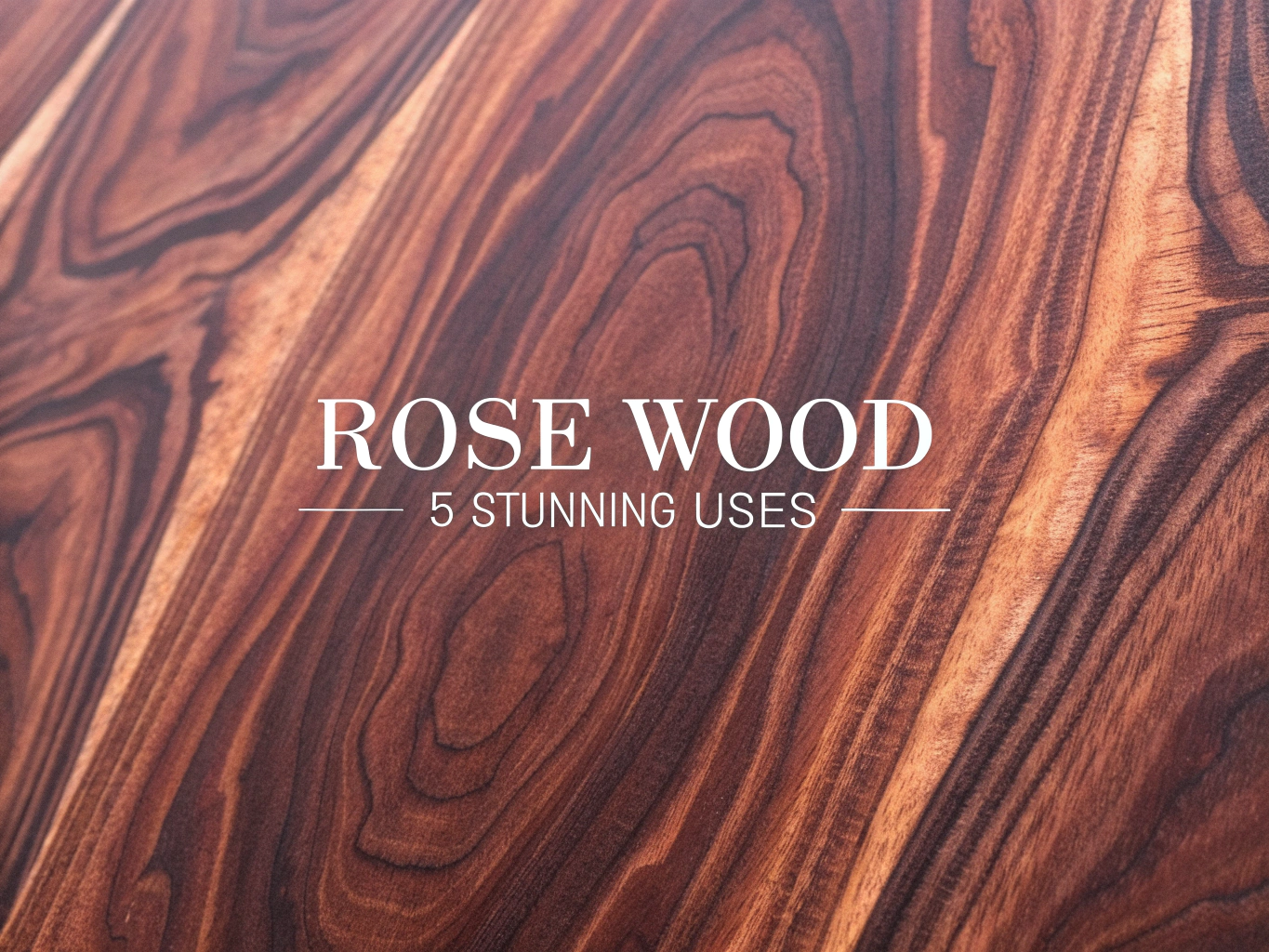
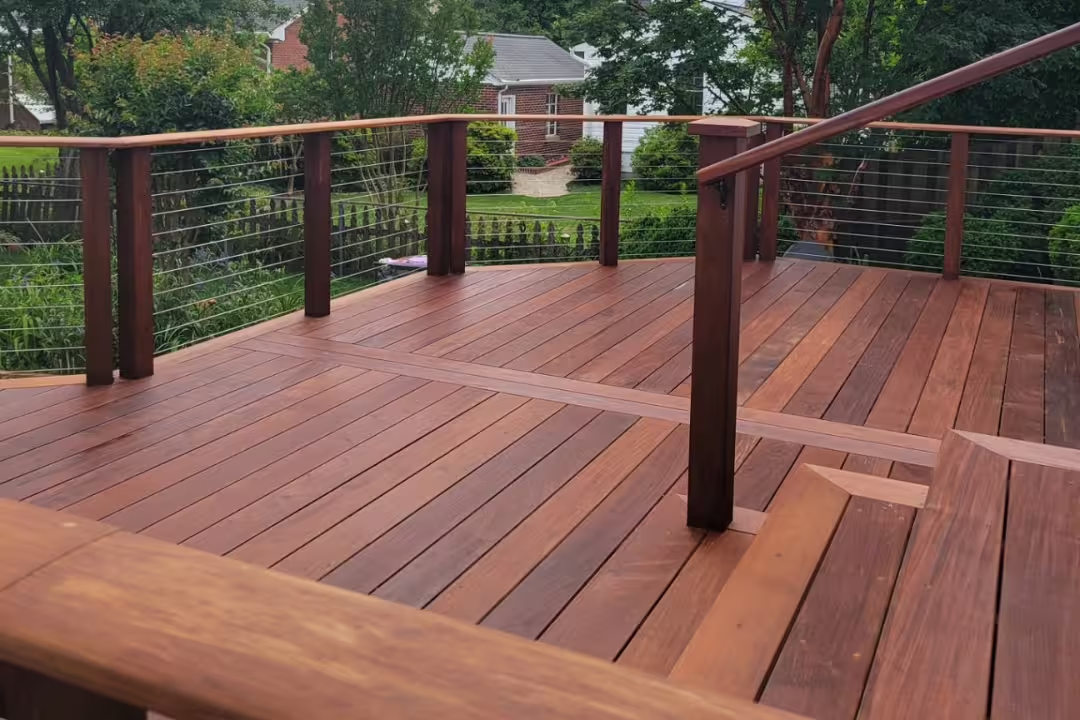
Installed correctly, ipe wood decks can last about 25–50 years with minimal upkeep. Color ranges from medium to dark brown with fine grain variation that looks upscale without staining.
Common Names and Market Terms
You’ll see terms like ipe lumber, Brazilian walnut, and ipa wood used in stores and quotes. Suppliers may also list it under Brazilian wood categories, especially for flooring and exterior cladding.
Top 5 Stylish Uses for Ipe Wood in 2026
1. Decking: The Ultimate Outdoor Surface
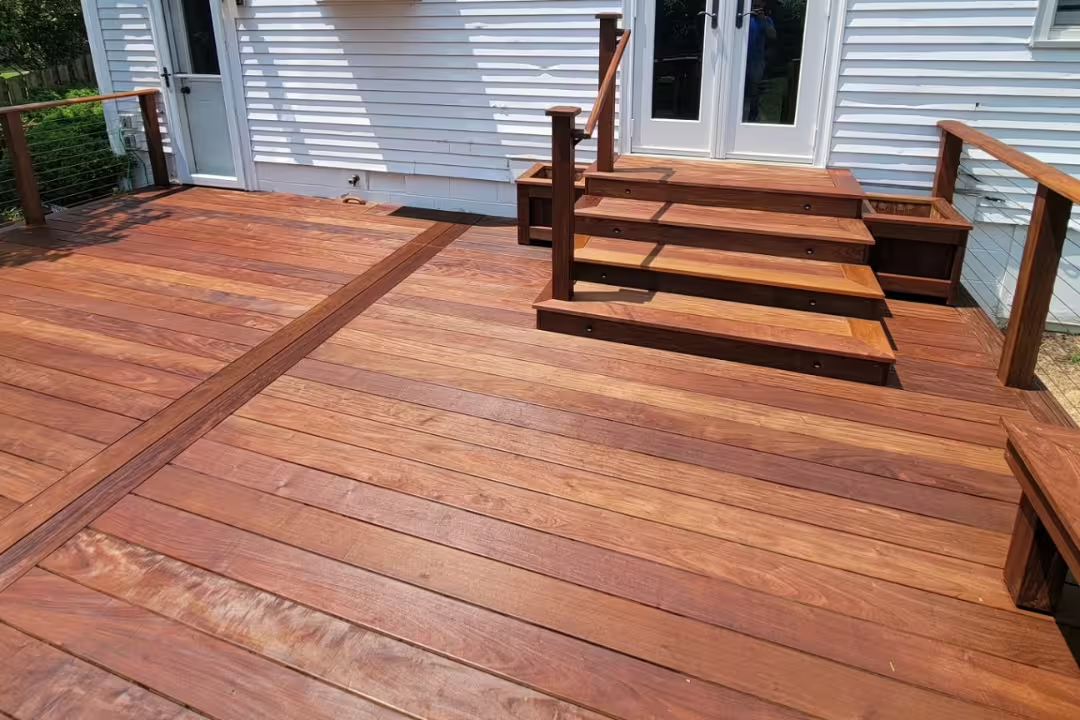
For ipe wood decking, you get long life, rich color, and minimal movement under heat or moisture. Public boardwalks and high-traffic patios use it because it handles wear with predictable performance; see the many uses of ipe for real applications.
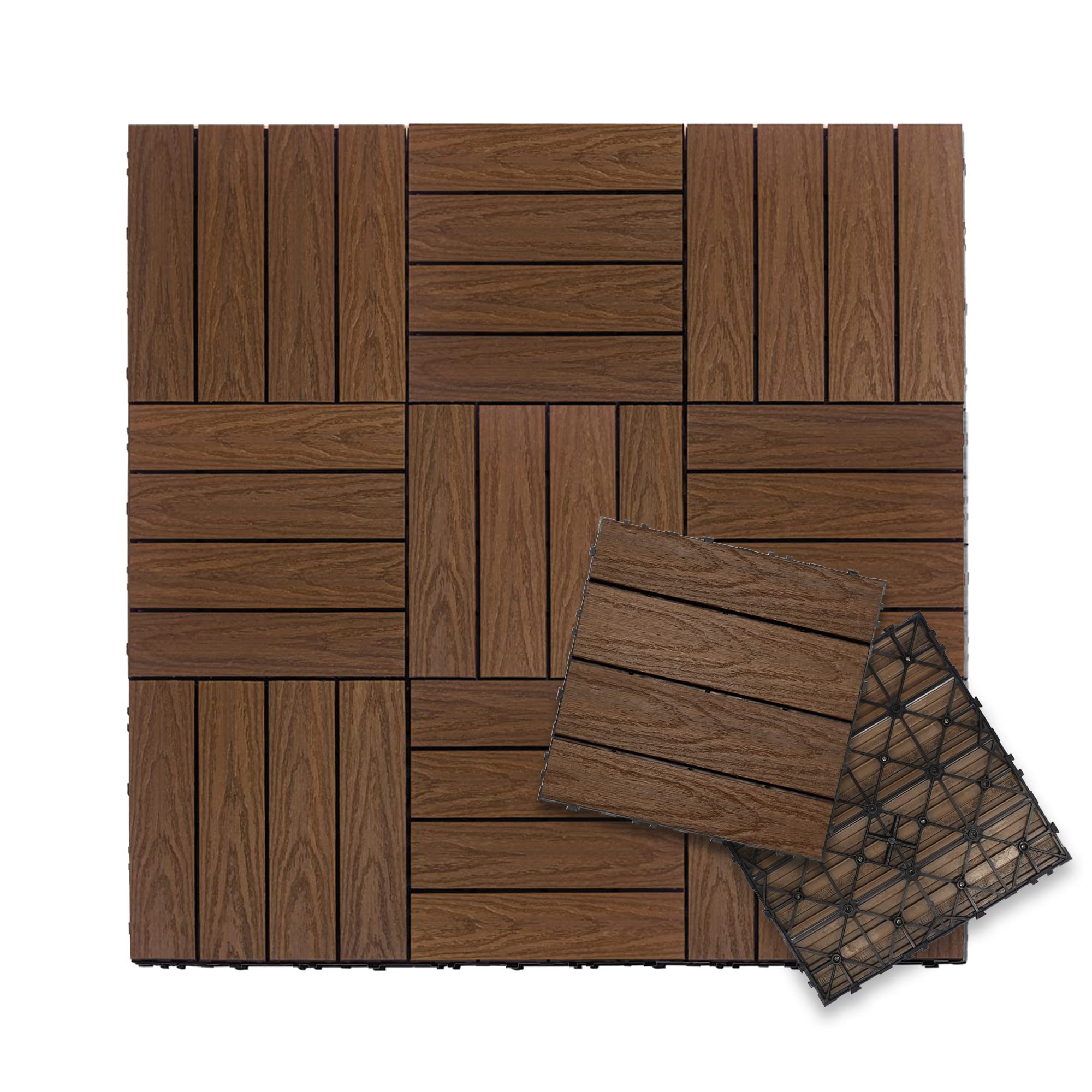
NewTechWood UltraShield Naturale Interlocking Deck Tiles Brazilian Ipe 10 Pack
- Snap-together interlocking design for fast DIY installation
- Ten tiles per box covers about 10 sq ft of flooring
- Each tile is about 12 inch by 12 inch with a realistic wood grain look
- Made from high density recycled composite with an UltraShield protective cap
- Raised base helps drainage and keeps maintenance low outdoors
 Buy on Amazon
2. Siding and Cladding: Modern and Low-Maintenance
Architects pick ipe cladding for a natural, upscale exterior that shrugs off insects and moisture. It holds lines straight, resists splitting, and offers a fire-smart profile for projects in hazard zones.
3. Privacy Fencing and Screens: Elegance with Security
An ipe fence pairs privacy with a clean, modern look, working well for perimeters, gardens, and pools. High density blocks pests and decay, so panels keep their shape and color longer than softwoods.
4. Outdoor Furniture: Style Without Compromise
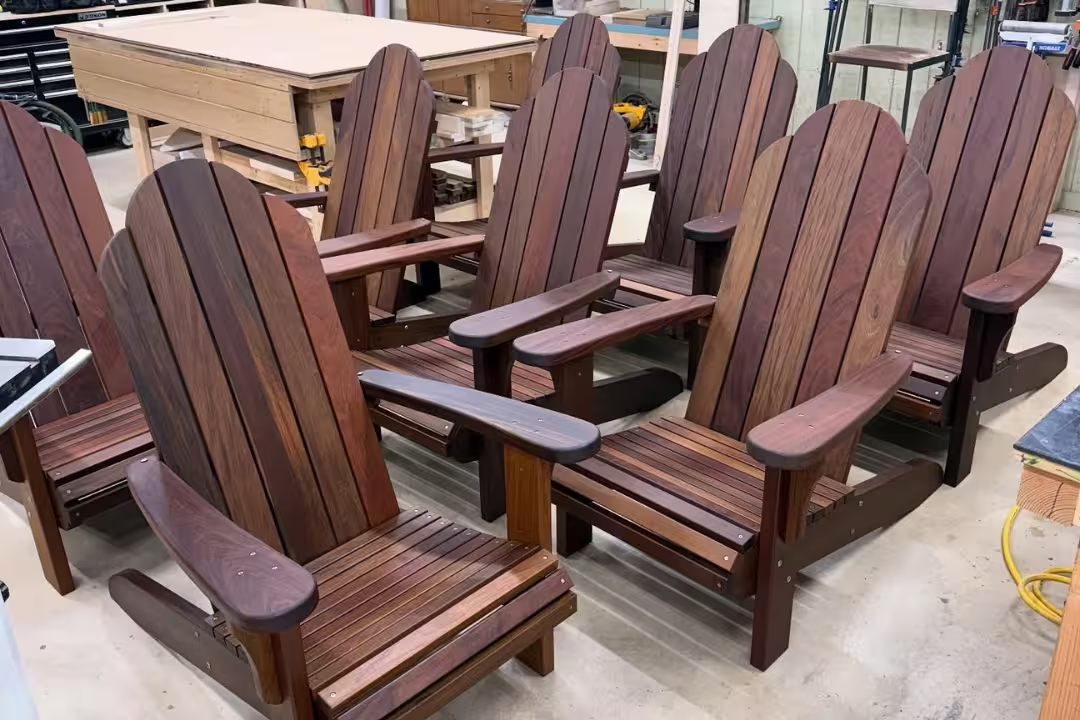
Chairs, benches, and tables made from brazilian walnut handle sun and rain with little fuss. If you’re weighing materials, compare picks in this guide to the best wood for outdoor furniture to match budget and care goals.
5. Industrial and Commercial Applications
Factories, marinas, and boardwalks choose ipe lumber for floors and walkways that see loads and constant traffic. For trucks and trailers, compare apitong wood if weight and cost sit higher on your list.
Decking Applications and Benefits
Durability and Longevity Features
With a high hardness rating and Class A fire performance, ipe decks offer long service life under rain, sun, and heavy use. Lifespan often reaches decades when installed correctly; see US Quality Construction for benchmarks and fire notes.
Maintenance Requirements and Oiling
Leave ipe wood to weather into a silver patina, or keep the rich brown with a yearly oil after a light clean and dry. Work in shade, wipe excess oil in 5–10 minutes, and keep a thin coat to avoid tacky spots.
These proven oils help preserve color and repel water on dense hardwood decking:

DeckWise Ipe Oil Plus — 1 Gal Semi-Transparent
- Enhances and enriches natural hardwood tones while showing grain
- low VOC formula designed for outdoor decking
- penetrates deeply to repel water and reduce cracking
- UV-stable pigments help minimize fading
- easy brush or roller application with durable protection
Buy on Amazon
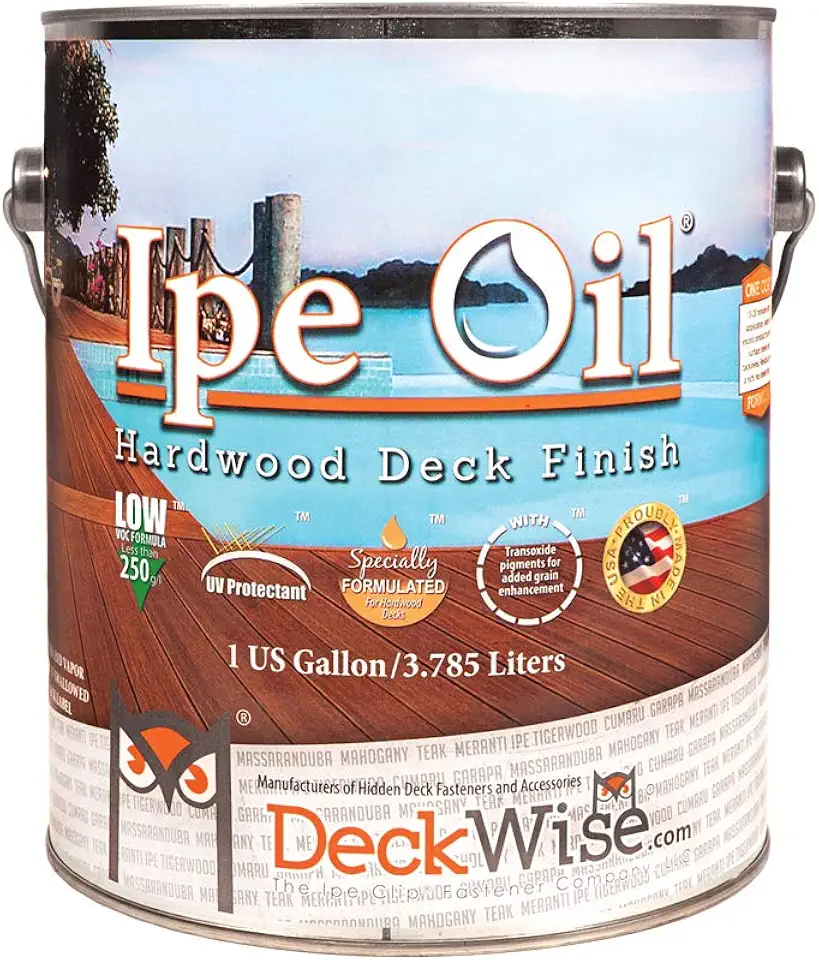
DeckWise Ipe Oil — 1 Gal Semi-Transparent Natural
- Protects and enhances hardwood decks with a natural look
- low VOC formulation suitable for outdoor use
- deep-penetrating oil helps prevent drying and cracking
- UV-resistant finish reduces color fading over time
- easy application and quick drying for efficient maintenance
Buy on Amazon
Working with Ipe Wood: Tools and Installation
Required Tools and Equipment
You’ll need carbide blades, sharp bits, and strong fasteners because ipe is dense and hard. Pre-drill, use stainless screws, and countersink for plugs to get a clean, flush finish

Smart-Bit Pro Plug System Countersink Drill Bit
- Creates clean countersinks and perfect plug holes in one step
- designed specifically for decking, flooring, and woodworking
- reduces tearout and splitting for neater results
- compatible with standard plug systems for easy repairs
- durable construction for repeated use
Buy on Amazon
- Carbide-tipped circular saw blade for clean cuts
- Quality drill/driver with split-point bits for pre-drilling
- Stainless steel screws and hidden fasteners for longevity
- Countersink and plug kit for seamless faces
- Random-orbit sander with 80–120 grit for edge easing
- Exterior wood oil and lint-free pads for finish
Installation Best Practices
Acclimate boards for 3–5 days with spacers, keep 1/8–3/16 inch gaps, and pre-drill every fastener to reduce splits. Use joist tape, set 16-inch joist spacing for 1×6, and seal all cut ends the same day to control checking.
Sustainability and Market Trends in 2026
Environmental Considerations and Regulations
Ask suppliers for legal harvest documents and chain-of-custody data, including Brazil’s Sinaflor tracking where relevant. For current policy notes and market insights, review 2025 market updates that discuss supply and compliance.
Pricing and Supply Chain Updates
As of 2026, retail estimates for ipe wood hover around $6.34–$7.82 per linear foot (about $13–$16 per sq ft), with potential increases as supply stays tight; see the Lumber Plus guide for context. If top-tier pricing is a concern, compare with our overview of most expensive wood to set expectations.
| Metric | Ipe Pricing 2026 |
|---|---|
| Per linear foot (5/4×6) | $6.34–$7.82 |
| Per square foot (decking) | $13–$16 |
| Trend outlook 2026 | Moderate increases; tight supply |
Alternative Hardwood Options
If supply is tight, compare cumaru wood, teak lumber, and other Brazilian wood species with similar looks and strength. Many offer lower cost with solid exterior performance for decks, siding, and furniture.
Care and Maintenance Guidelines
Long-term Preservation Strategies
Clean annually with a mild deck wash, rinse well, and re-oil sun-exposed faces to lock in color. Keep ground clearance, use gutters or drip edges nearby, and re-seal cut ends to reduce checking over time.
Common Maintenance Mistakes to Avoid
Skip harsh film-forming coatings that peel; stick to penetrating oils for dense hardwoods. Don’t skip pre-drilling, end sealing, or debris cleanup, since trapped moisture can stain brazilian walnut and shorten finish life.
FAQs
What Are The Pros And Cons Of Using Ipe Wood For Decking?
Ipe Offers Exceptional Durability, Natural Resistance To Rot, Decay And Insects, A Rich, Long-Lasting Appearance, And Excellent Wear And Fire Performance, Making It One Of The Most Durable Decking Materials Available. The Main Drawbacks Are Higher Upfront Cost, Greater Weight And Density That Make Cutting And Fastening More Difficult (Often Requiring Pre-Drilling And Carbide Tools), Potential For Rapid Weathering To A Gray Patina If Not Oiled, And Sustainability Concerns Unless The Wood Is Responsibly Sourced.
How Does Ipe Wood Compare To Other Hardwoods?
Ipe Is Denser, Harder, And More Rot- And Insect-Resistant Than Many Common Decking Woods Like Teak, Mahogany, Or Cedar, And It Typically Outlasts Pressure-Treated Pine And Tropical Hardwoods In Outdoor Settings. It Is Heavier And Harder To Work With Than Most Alternatives, And Generally More Expensivе, But Its Longevity And Low Maintenance Often Offset The Cost Over Time.
Is Ipe Wood Environmentally Sustainable?
Ipe Can Be Sustainable When Harvested From Well-Managed Forests And Sold With Credible Certification Such As FSC, Because Its Longevity Reduces Lifecycle Impact. However, Illegal Logging And Unsustainable Practices Have Occurred, So Always Verify Certification, Favor Reclaimed Or Certified Sources, And Consider Alternatives Like Thermally Modified Woods Or High-Quality Composites If Sustainability Is A Primary Concern.
What Maintenance Does Ipe Wood Require?
Ipe Is Low Maintenance Compared With Softwoods But Benefits From Regular Care: Clean Periodically With A Mild Deck Cleaner, Sweep Debris To Prevent Moisture Traps, And If You Prefer To Maintain The Original Brown Color, Apply A UV-Blocking Deck Oil Every 6–12 Months Depending On Sun Exposure. Use Stainless Steel Fasteners, Avoid Excessive Pressure Washing, And Sand Or Repair Small Areas As Needed.
How Long Does Ipe Wood Typically Last Outdoors?
Properly Installed And Maintained Ipe Decking Commonly Lasts 25–75+ Years; Even Without Regular Oiling It Will Weather To A Stable Gray But Remain Structurally Sound For Decades. Actual Lifespan Depends On Climate, Installation Quality, Fasteners, Ventilation, And Ongoing Maintenance.