Apitong Wood Guide: Uses, Properties, Toxicity, and Where to Buy It

Apitong wood is a dense Southeast Asian tropical hardwood, often sold as keruing, used for trailer decking, truck beds, and heavy-duty industrial flooring. It’s valued for weight-bearing strength, abrasion resistance, and long service life, but buyers need to check species, profile, drying, sourcing, and safety before using it.
Quick answer: apitong lumber is a practical choice when a wood deck must handle machinery, pallets, weather, and vibration without feeling spongy underfoot. Freshly cut boards often have a sharp, resinous smell, a coarse texture, and a heavy feel that makes softwood trailer boards seem light by comparison.
Table of Contents
What Is Apitong Wood?
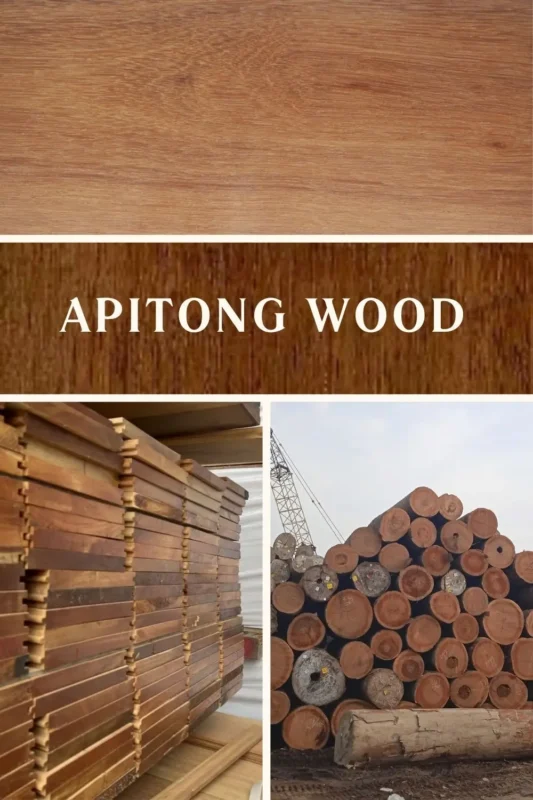
Apitong wood is a trade name for dense tropical hardwood lumber, usually from the Dipterocarpus genus in the Dipterocarpaceae family. In the U.S., the name is most closely tied to apitong trailer decking, while global lumber markets often use the name keruing for the same general group.
Trade-name caution matters here because apitong doesn’t always mean one exact species. A supplier may sell several related Dipterocarpus species as apitong or keruing, so weight, resin content, color, and durability can vary from one bundle to the next.
Related hardwoods from tropical regions can look similar at first glance, so compare apitong with species such as meranti wood and teak wood if you’re studying exterior hardwood choices. Apitong is usually chosen for trailer wear, not for fine furniture figure or a polished marine-deck look.
Botanical records list many Dipterocarpus species across Southeast Asia, including Malaysia, Indonesia, the Philippines, Thailand, Myanmar, and nearby forest regions; see Kew Plants of the World Online for genus-level reference. That broad origin is why documentation matters when a load of apitong lumber is sold by trade name only.
Apitong meaning
Apitong meaning in lumber language is usually “dense Dipterocarpus hardwood suitable for heavy-duty use.” In plain English, if someone says apitong, apiton, apitiong, or apitong in English, they’re usually talking about keruing-type hardwood used for trailer flooring and industrial decking.
Apitong vs keruing
Apitong vs keruing is less a clean species comparison and more a market-name issue. Apitong is common in North American trailer decking, while keruing is the broader international name for similar Dipterocarpus wood.
Dipterocarpus origins
Dipterocarpus wood comes from tropical forest trees that can produce heavy, resinous boards with interlocked grain. That resin can help with water resistance in some boards, but it can also create sticky patches that clog sandpaper and reject certain coatings.
Appearance and identification

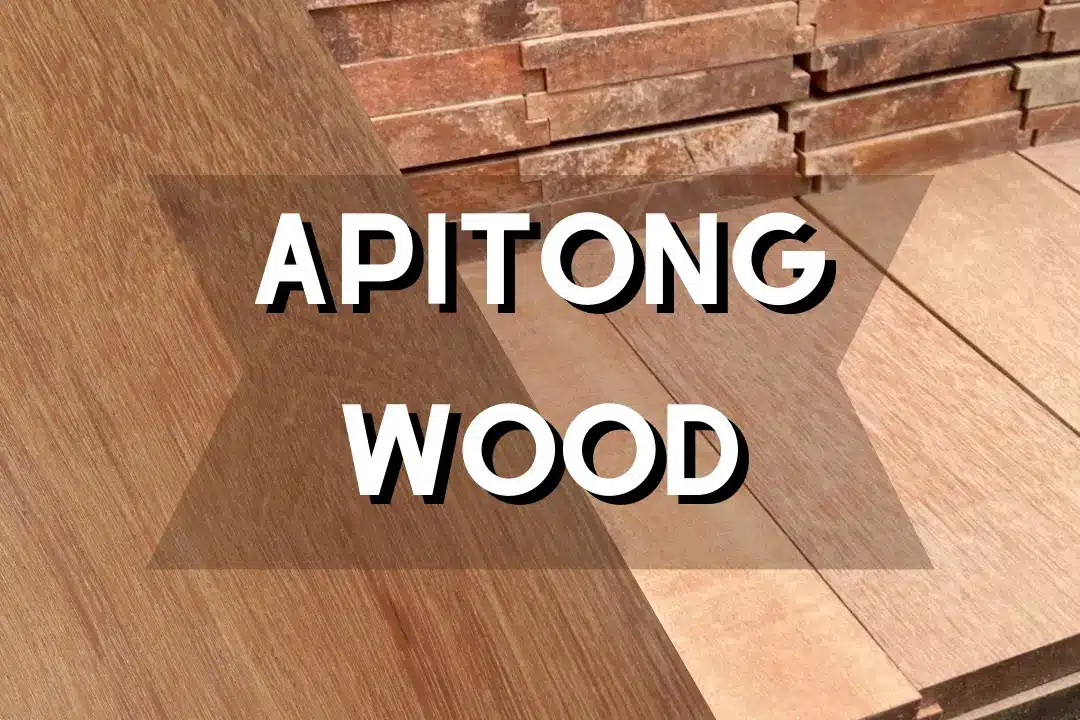
Apitong heartwood ranges from medium brown to reddish brown or dark reddish brown, while sapwood is paler and less durable. The grain is often interlocked, the pores look open and coarse, and the surface can feel waxy or slightly greasy after planing.
Apitong Wood Properties
Apitong properties explain why this wood works in trailer decks: it combines high density, moderate hardness, strong bending values, and good wear resistance. Reference values for keruing-type wood vary by species, but commonly cited data from The Wood Database places dried weight near 46 lb/ft³ and Janka hardness near 1,390 lbf.
| Property | Commonly cited value | Practical meaning |
|---|---|---|
| Average dried weight | About 46 lb/ft³ or 745 kg/m³ | Heavy boards add trailer weight but resist wear |
| Specific gravity | About 0.59 basic; 0.74 at 12% moisture | Dense enough to need pre-drilling |
| Janka hardness | About 1,390 lbf or 6,180 N | Better dent resistance than many softwoods |
| Modulus of rupture | About 19,730 psi or 136.1 MPa | Good bending strength when properly supported |
| Elastic modulus | About 2,511,000 psi or 17.32 GPa | Stiff flooring feel over trailer crossmembers |
| Crushing strength | About 10,410 psi or 71.8 MPa | Handles concentrated loads better than soft pine |
| Volumetric shrinkage | About 16.4% | Needs spacing, end sealing, and sound fastening |
Density and weight
Apitong density is high enough that long boards feel awkward before they feel large. A full trailer deck can add real payload weight compared with pressure-treated pine, so commercial users should account for deck weight before assuming every board upgrade increases usable hauling capacity.
Janka hardness
Janka hardness near 1,390 lbf gives apitong useful dent and abrasion resistance under pallets, tires, ramps, and equipment tracks. It won’t shrug off every steel edge, but it resists the fuzzy, crushed surface that softer trailer boards develop after repeated loading.
Strength values
Strength values only matter if the deck is supported correctly. Apitong can be strong, but undersized boards over wide crossmember spacing can still flex, crack near bolts, or crush at hard contact points.
Shrinkage and movement
Moisture movement is one of the beginner traps with apitong lumber. Boards that arrive wetter than expected may shrink after installation, opening gaps, loosening fasteners, and exposing raw end grain to water.
Durability limits
Durability limits show up around trapped water, mud, manure, road salt, and bolt holes. Heartwood is usually moderately durable to durable, but sapwood and end grain can fail much sooner if moisture sits against steel crossmembers.
Apitong Trailer Decking Uses
Apitong trailer decking is used because it gives trailers a dense, grippy, repairable wood floor that handles hard wear better than many softwoods. It’s common on commercial flatbeds, utility trailers, equipment trailers, horse trailers, stake bodies, and truck bed flooring.
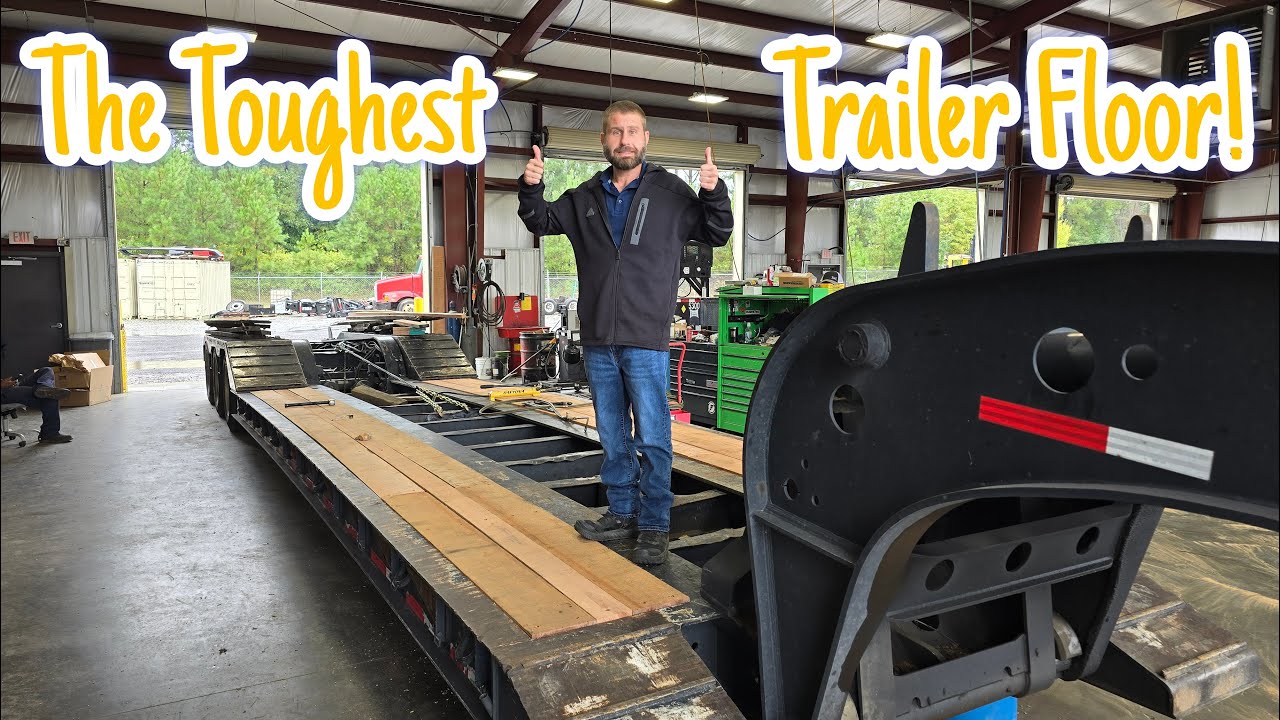
- Flatbed trailers: good fit for freight, pallets, machinery, and forklift traffic when board thickness matches the trailer design.
- Utility trailers: useful for owners who want longer wear life than softwood, but the added weight can matter on small trailers.
- Truck beds: works well where abrasion, vibration, and weather exposure are routine.
- Horse trailers: can work, but urine, bedding, and trapped manure demand stricter cleaning and drainage.
- Industrial platforms: useful where wood traction and replaceable planks are better than a slick metal surface.
Flatbed trailers
Flatbed trailers push wood hard because loads slide, chains bite, tires grind dirt into the grain, and boards flex under moving weight. Apitong helps because its coarse texture and density resist surface wear, yet each board can still be replaced without rebuilding the whole deck.
Utility trailers
Utility trailers benefit from apitong when they carry mowers, compact tractors, stone, steel, or rental equipment. For a light garden trailer, the upgrade can be more wood than the job needs, especially if payload rating is already tight.
Truck bed flooring
Truck bed flooring made from apitong feels firm under boots and doesn’t dent as quickly under rolling carts or skids. The surface has a dry rasp when unfinished, which gives better footing than smooth aluminum in wet weather.
Load and wear benefits
Wear benefits come from density, hardness, and fiber structure working together. Apitong still needs close crossmember support; no wood plank performs well if it spans too far, sits loose, or carries point loads without backing.
Pros and cons
Main pros include strength, traction, abrasion resistance, established trailer use, and board-by-board repair. Main cons include high weight, higher cost, harder machining, irritating dust, possible resin bleed, and sourcing questions tied to tropical hardwood supply.
Is Apitong Wood Toxic?
Apitong wood toxicity is usually a dust issue, not a finished-board issue. Finished apitong boards in a trailer deck aren’t normally a major concern during ordinary use, but cutting, sanding, drilling, routing, or burning can create irritating exposure.
Wood dust can irritate the eyes, skin, nose, throat, and lungs, and OSHA treats wood dust as a workplace exposure hazard; see OSHA wood dust guidance. Tropical hardwood dust can feel sharper in the throat than common pine dust, especially during dry ripping cuts.
Finished boards
Finished boards don’t usually release meaningful dust unless the surface is abraded or cut. Risk rises if the wood has been coated, contaminated with fuel, soaked with road grime, or treated with unknown chemicals.
Sawdust exposure

Apitong sawdust can cause coughing, sneezing, itchy eyes, skin irritation, or contact dermatitis in sensitive people. Use a fitted respirator, eye protection, gloves, and dust extraction; a paper mask hanging loose under the nose won’t help during a rip cut.
Burning apitong
Burning apitong isn’t a smart use, especially for old trailer boards. Dense, resinous wood can smoke heavily, and used decking may contain oil, fuel, salt, asphalt dust, animal waste, finishes, or other contaminants you don’t want in a stove or cooking fire.
Food contact
Food contact is another poor match for apitong. Use known cutting-board woods such as maple, walnut, or cherry instead, because apitong isn’t commonly sold or tested for utensils, boards, plates, or serving surfaces.
Safety precautions
Safety precautions are simple but easy to skip: pre-plan cuts, clamp boards, run dust collection, wear gloves on rough stock, and wash skin after handling. Beginners often blow dust off the deck with compressed air; vacuuming is cleaner and keeps fine dust out of your face.
Working With Apitong Lumber
Apitong lumber works more like a dense exterior hardwood than ordinary framing lumber. It cuts, drills, and finishes well enough with the right setup, but dull blades, undersized pilot holes, and rushed coatings cause most avoidable problems.
Cutting and machining
Cutting apitong calls for sharp carbide-tipped blades and steady feed pressure. The wood can smell hot and resinous when a blade rubs, and silica or mineral content may dull saw teeth faster than expected.
Drilling and fasteners
Pre-drilling is the clean workaround for split ends, broken screws, and mushroomed fastener heads. Use pilot holes, countersinks where needed, and corrosion-resistant fasteners such as stainless steel, hot-dip galvanized hardware, coated trailer decking screws, or carriage bolts matched to the trailer frame.
Gluing and finishing
Finishing apitong works best with test patches because resin and oil can block adhesion. Penetrating oil finishes suit trailer decks better than thick film coatings, since film finishes often peel once water enters from screw holes or the underside.
Useful supplies for cutting, drilling, and oiling hardwood trailer boards are shown below when available.
Resin and silica
Resin and silica are the two hidden headaches in apitong. Resin leaves sticky amber spots that smear under heat, while silica dulls cutters; wiping resin-prone spots with the finish maker’s approved solvent before coating can save a full-deck failure.
Deck oil and compatible applicators are worth testing on offcuts before coating a full trailer deck.
Maintenance and Failure Risks
Apitong maintenance centers on drainage, cleaning, fastener control, and slowing moisture cycling. The USDA Wood Handbook explains how moisture change drives wood movement, which is the same force that opens checks and stresses trailer-deck fasteners.
Field note: the worst failed decks usually don’t fail across the open middle first. Rot starts where packed dirt feels damp and gritty under a scraper, around bolt holes, at unsealed board ends, or over steel members where water can’t dry.
Cleaning and drainage
Cleaning gaps between boards matters more than making the top look pretty. Leaves, manure, road salt, gravel dust, and mud trap water against the end grain and underside, so scrape and rinse those pockets before they become soft spots.
Oiling apitong decking
Oiling apitong can slow surface drying, reduce checking, deepen color, and limit fast moisture uptake. Oil doesn’t make wood waterproof; it buys time, and it works best after the deck is clean, dry, and free of resin smears.
Board checking
Board checking is common in dense exterior hardwoods exposed to sun and rain. Fine surface checks may be cosmetic, but deep cracks hold water and can grow into structural splits if fasteners are too close to the end.
Fastener problems
Fastener problems come from vibration, wood movement, corrosion, and rushed installation. Oversized holes, missing countersinks, and screws driven without pilots can leave rattling boards that pump water into the frame with every mile.
Resin bleed
Resin bleed appears as sticky, shiny patches that collect dust and reject some finishes. Let new boards acclimate, scrape heavy resin, and test coatings on a spare piece before committing to a full deck.
Trailer deck lifespan
Deck lifespan depends on climate, loads, storage, drainage, board thickness, and maintenance. A lightly used, covered apitong deck can last many years, while a neglected horse or equipment trailer packed with wet debris can decay much sooner.
Where to Buy Apitong Wood

Where to buy apitong wood: start with specialty hardwood dealers, trailer decking suppliers, hardwood importers, flatbed trailer parts distributors, truck body suppliers, and online lumber sellers that ship long boards. Big-box stores rarely stock true apitong trailer flooring in the right thickness and profile.
Buying mistake to avoid: comparing price before comparing actual dimensions, moisture content, profile, freight, and species documentation. Long apitong boards can cost more to ship than buyers expect because freight carriers treat them as oversized material.
Supplier options
Supplier options include trailer decking specialists, imported hardwood yards, truck and trailer repair shops, flatbed parts distributors, online lumber sellers, and industrial wood suppliers. If you’re searching “apitong near me,” call first and ask if they stock trailer-profile boards, not just rough keruing lumber.
Search terms to use
- “apitong trailer decking near me”
- “apitong lumber supplier”
- “keruing lumber supplier”
- “replacement apitong trailer boards”
- “shiplap apitong decking”
- “flatbed trailer wood decking”
- “apitong trailer flooring thickness”
Sizes and profiles
Common sizes include about 1-1/8 inch, 1-1/4 inch, 1-3/8 inch, and 1-1/2 inch thicknesses, with widths often around 5, 7, or 8 inches depending on supplier stock. Profiles may be square-edge, shiplap, tongue-and-groove, or custom-milled for trailer flooring.
Buying checklist
- Confirm trade name: ask whether it is apitong, keruing, or a substitute species.
- Ask actual dimensions: nominal size can differ from real thickness and width.
- Match the profile: square-edge boards won’t fit the same as shiplap apitong boards.
- Check drying: ask if boards are kiln-dried, air-dried, rough-sawn, or surfaced.
- Verify lengths: long trailer boards may need freight shipping or minimum orders.
- Ask sourcing questions: request legal harvest documentation or certified stock where available.
- Inspect boards: look for heavy sapwood, deep splits, severe twist, crushed edges, and active resin pockets.
Pricing factors
Pricing factors include thickness, width, length, shiplap milling, surfacing, moisture content, import supply, freight, minimum order quantity, and certification status. Apitong is usually costlier than pressure-treated pine, but commercial buyers often choose it because downtime and repeated deck replacement cost more than better boards.
Apitong Alternatives and Sourcing
Apitong alternatives include domestic hardwoods, treated softwoods, other tropical hardwoods, steel, and aluminum. The right choice depends on load weight, weather exposure, traction needs, repair style, budget, and whether the trailer must match an existing deck profile.
Legal sourcing matters because apitong and keruing come from tropical forests, and some Dipterocarpus species face pressure from overharvesting, habitat loss, and illegal logging. U.S. buyers should know the Lacey Act, which addresses trade in illegally harvested plant products.
White oak and red oak
White oak is the better oak choice for wet trailer work because it has stronger natural decay resistance than red oak. Red oak is strong but wicks moisture through open pores, so untreated red oak can rot fast in wet trailer conditions.
Domestic choice can make sense when freight, availability, or sourcing documentation is the priority. For another tough exterior domestic option, compare apitong with black locust wood.
Pressure-treated pine
Pressure-treated pine is cheaper, lighter, and easier to buy locally, which makes it attractive for light-duty utility trailers. It’s softer than apitong, so equipment tires, ramps, and steel edges can dent and chew it up faster.
Ipe and angelim pedra
Ipe and angelim pedra are dense tropical hardwood alternatives for heavy-duty exterior work. Ipe can be extremely durable but expensive and hard to machine; compare its traits in this ipe wood guide before using it for trailer boards.
Other dense hardwoods such as cumaru wood can also handle exterior wear, but trailer-profile availability may be limited. A beautiful deck board is less useful if it can’t be bought in the thickness, length, and edge profile your trailer needs.
Steel and aluminum
Steel and aluminum remove wood-decay concerns but create different trade-offs. Metal decks can be slippery, loud, harder on cargo, prone to dents or corrosion depending on material, and less convenient for board-by-board repair.
Sustainability checks
Sustainability checks should include country of origin, chain-of-custody paperwork, FSC or PEFC availability, legal harvest documentation, and whether the supplier can identify the trade group beyond “tropical hardwood.” Avoid claims that all apitong is sustainable; ask for proof before buying.
FAQs
What Is Apitong Wood Used For?
Apitong wood is used for heavy-duty applications like trailer decking, truck flooring, bridge planks, and industrial flooring. It is popular because it is dense, strong, and naturally resistant to wear. Many buyers also choose it for outdoor projects where toughness matters.
Is Apitong Wood The Same As Keruing?
Apitong wood is commonly sold as keruing in many markets, but the names are not always used perfectly the same way. Apitong usually refers to specific species in the Dipterocarp family, while keruing is a broader trade name. For most buyers, the terms are often treated as interchangeable.
Is Apitong Wood Toxic To Cut Or Sand?
Apitong wood can cause irritation when cut or sanded, so it is best to use dust protection and good ventilation. Some people may react to the dust on skin, eyes, or lungs. A mask, eye protection, and gloves are a smart choice for safer handling.
Where Can I Buy Apitong Wood Near Me?
You can buy apitong wood from lumber yards, trailer supply stores, hardwood distributors, and some specialty decking suppliers. Availability depends on your location, so calling ahead is usually the fastest way to confirm stock. If local suppliers do not carry it, many online sellers can ship it.
How Long Does Apitong Trailer Decking Last?
Apitong trailer decking can last many years when it is installed correctly and maintained regularly. Its lifespan depends on traffic, weather exposure, and how well the boards are sealed or protected. With proper care, it is a long-lasting choice for heavy-use trailer floors.
Affiliate Disclosure: Some links in this post are affiliate links. If you make a purchase through these links, we may earn a small commission at no extra cost to you. We only recommend products we genuinely believe in.