Butternut Wood Guide: Properties, Uses, Pros, Cons, and Best Projects

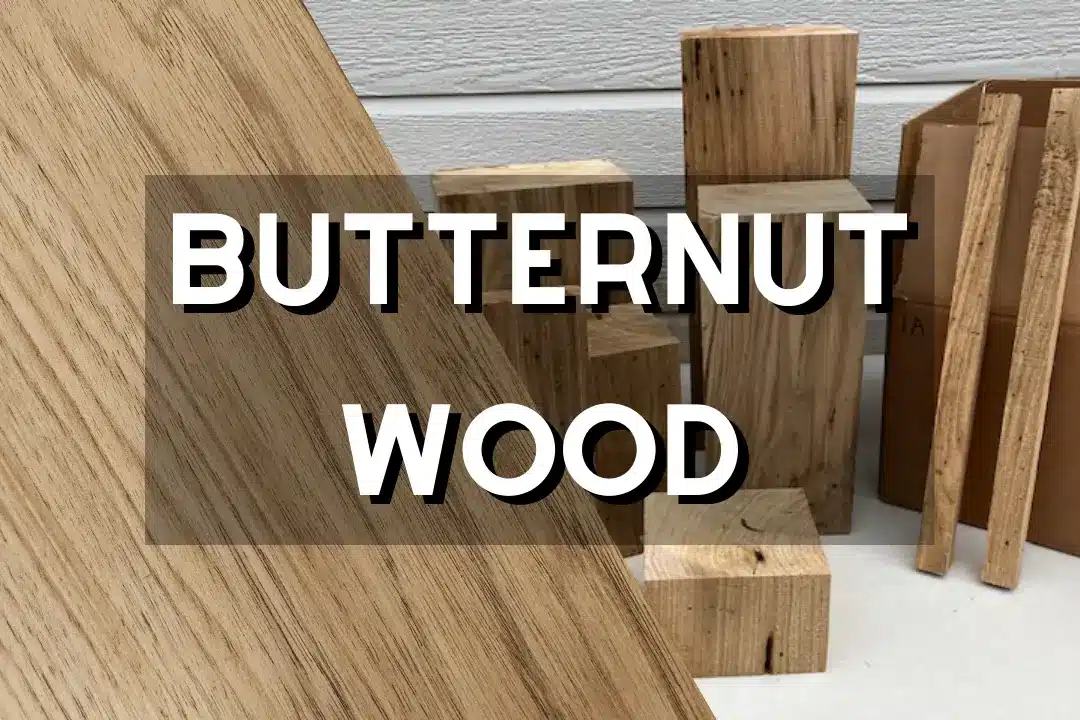
Butternut wood is a light brown, lightweight North American hardwood from the butternut tree, Juglans cinerea. Also called white walnut, it’s soft for a hardwood, easy to carve, and best used for carving, trim, panels, boxes, furniture details, and decorative indoor projects.
The short version: choose butternut when you want warm walnut-like grain without the weight or tool resistance of black walnut. Skip it for daily cutting boards, flooring, outdoor furniture, and high-impact surfaces because it dents and absorbs wear faster than denser hardwoods.
Table of Contents
What Is Butternut Wood?

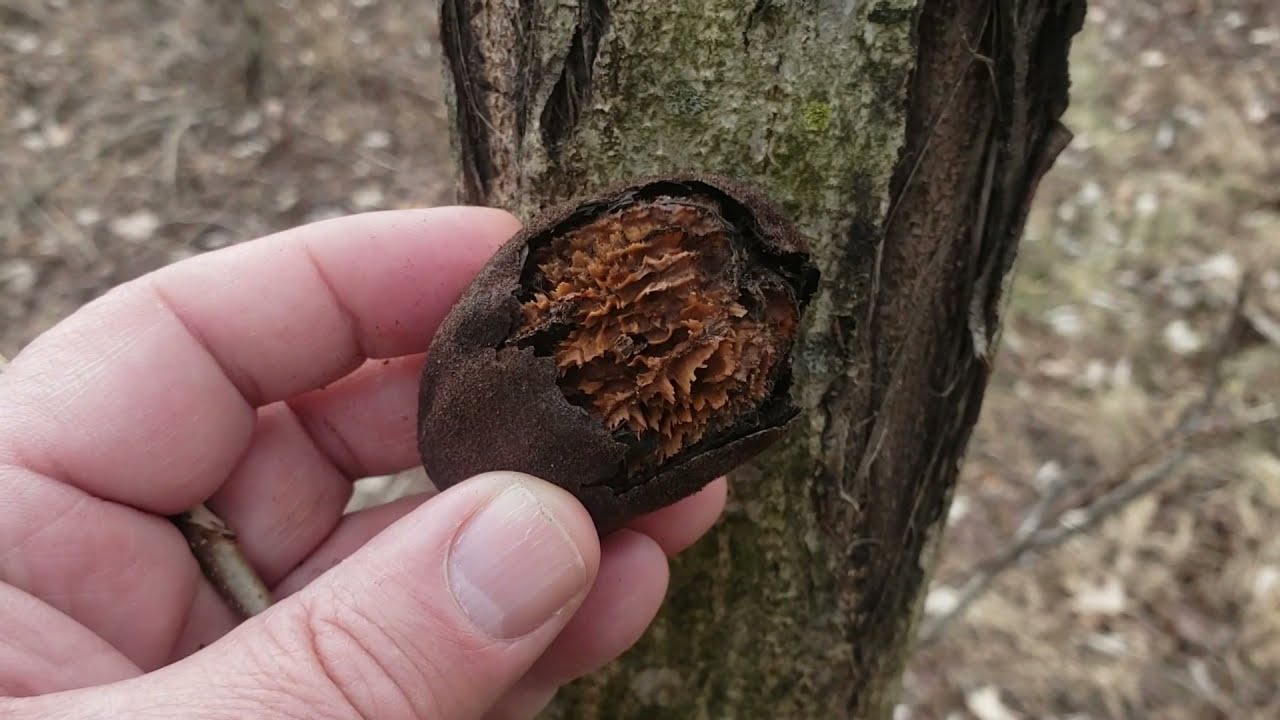
Butternut wood comes from the butternut tree, a deciduous hardwood species native to eastern North America. It belongs to the walnut family, yet in the shop it feels far softer under a knife than black walnut, cherry, or maple.
Butternut tree wood
Butternut tree wood is valued more for workability than strength. The boards feel light in the hand, the surface has a dry open-pored texture, and fresh-cut edges give off a mild, earthy wood scent rather than the sharp resin smell you get from pine.
White walnut names
White walnut is the most common nickname for butternut, and you may also see it sold as oilnut or butternut walnut. The name makes sense visually: it has a walnut-like grain pattern, but the color is paler and more golden than black walnut.
Juglans cinerea origin
Juglans cinerea grows across parts of eastern and northeastern North America, often near streambanks, slopes, and mixed hardwood stands. The USDA PLANTS database lists the species as Juglans cinerea, which helps separate true butternut from pale walnut, poplar, or soft maple boards sold under loose trade names.
Common woodworking uses
Common uses center on indoor work where the wood won’t take constant abuse. I reach for butternut when a project needs quick shaping, visible grain, and low weight rather than hard-wearing performance.
- Carving, whittling, relief panels, and rustic signs
- Decorative boxes, picture frames, and small craft parts
- Interior trim, wall panels, molding, and cabinet details
- Light furniture parts, drawer fronts, veneer, and turned bowls
Properties and Appearance

Butternut properties explain why it feels so friendly under hand tools: it has low density, low Janka hardness, moderate dimensional movement, and a coarse open grain. These traits make it easy to cut, but they also explain its poor dent resistance.
Quick facts
Quick facts help compare butternut against better-known woods before you buy boards or blanks. The figures below align with common published wood species data from The Wood Database and match what you feel at the bench: light, soft, and easy to shape.
| Property | Butternut Wood Value | Shop Meaning |
|---|---|---|
| Botanical name | Juglans cinerea | True white walnut species |
| Wood type | Hardwood | Botanical hardwood, soft in use |
| Janka hardness | About 490 lbf | Dents easily under pressure |
| Average dried weight | About 27 lb/ft³ | Light boards and easy handling |
| Specific gravity | About 0.36 to 0.38 | Low density and low tool resistance |
| Color | Pale tan to light brown | Warm walnut-like look |
| Grain | Straight to slightly wavy, open-pored | Good visual texture, may need filling |
| Decay resistance | Non-durable to perishable | Best kept indoors |
Janka hardness
Butternut Janka hardness is about 490 lbf, so it’s technically a hardwood, but it is one of the softer hardwoods used in woodworking. A thumbnail pressed hard into an unfinished edge can leave a faint mark, which tells you plenty about how it will behave on tabletops or cutting surfaces.
Density and weight
Low density makes butternut pleasant during long carving sessions because your wrists and forearms don’t fight the material. The trade-off is compression: clamps, bench dogs, vise jaws, and careless stacking can leave shiny dents unless you use pads or scrap blocks.
Color and grain
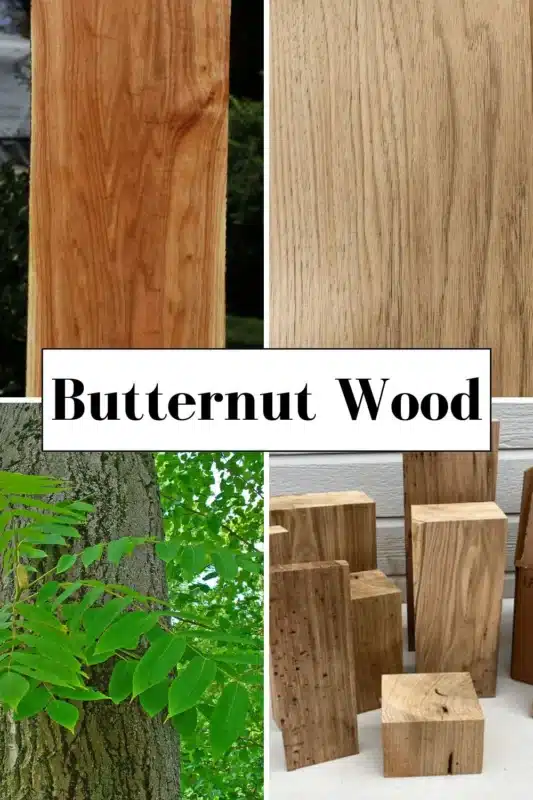
Butternut color ranges from pale golden tan to light brown, sometimes with a gray-brown cast. The grain looks like a gentler version of walnut: open, warm, and visible enough to make clear-finished panels more interesting than basswood or plain poplar.
Heartwood and sapwood
Heartwood is usually tan to light brown, while sapwood is creamy, yellowish, or nearly white. Wide sapwood streaks can look attractive in rustic projects, but they may distract from carved lettering or stained cabinet parts if the color shift crosses the focal area.
Identification tips
Identification clues include pale walnut-like grain, low weight, open pores, and a surface that cuts easily with a sharp knife. If a board looks like walnut sapwood but feels almost like a soft carving wood, butternut should be on your shortlist; for more grain examples, compare it with our guide to wood grain pattern.
Best Uses and Limitations

Best uses for butternut wood are decorative, indoor, and hand-tool friendly. It rewards clean cuts and simple finishes, but it punishes project choices that expect high hardness, weather resistance, or repeated wet cleaning.
Carving projects
Carving projects are where butternut earns its reputation. Relief carvings, signs, decorative plaques, shallow bowls, and sculptural parts cut with a soft hiss under a sharp gouge, and the grain adds life without fighting every stroke.
Furniture and cabinetry
Furniture use works best in low-wear parts such as drawer fronts, cabinet panels, door inserts, display shelves, and carved accents. Avoid using it for chair legs, kitchen counters, children’s furniture, or table edges that get hit by keys, mugs, and belt buckles.
Trim and panels
Interior trim is a natural fit because butternut machines cleanly and stays light enough for wide decorative pieces. Use sharp router bits, take shallow passes, and back up exit cuts, since the soft fibers can fuzz or chip where grain reverses.
Veneer and boxes
Small boxes show off butternut’s color without exposing it to heavy wear. For lids, trays, and veneer faces, a thin wash coat of shellac before stain can reduce blotching and keep the open grain from turning muddy.
Outdoor use limits
Outdoor limits are real: butternut is rated poorly for natural decay resistance and shouldn’t sit in soil, rain, or standing water. If you use it outside for a sheltered sign, seal every face and end grain, then expect maintenance rather than set-and-forget durability.
Pros and cons
Pros and cons come from the same core trait: softness. It makes butternut friendly for tools and hands, yet weak against dents, abrasion, knife marks, and damp service.
| Advantages | Limitations |
|---|---|
| Easy to carve and whittle | Dents easier than walnut, cherry, or maple |
| Lightweight and easy to handle | Not a good flooring or workbench wood |
| Warm natural grain | Open grain may need filling |
| Good for trim, boxes, and panels | Poor choice for exposed outdoor use |
| Low tool wear | Clear supply can be inconsistent |
Butternut Wood for Carving
Butternut wood for carving is a smart step up from plain beginner woods because it cuts easily while still showing attractive grain. It’s one of the best choices for carvers who want natural-finished work without jumping straight to harder walnut, cherry, or maple.
Why carvers like it
Carvers like butternut because a sharp knife slices it with less hand fatigue than most furniture hardwoods. You can feel the tool enter the fibers smoothly, and the shaving often curls away in soft tan ribbons instead of breaking into dust.
Best carving projects
Best projects include relief carvings, rustic signs, decorative panels, shallow bowls, wildlife plaques, lettered boards, small sculptures, and beginner-to-intermediate practice pieces. It works well where the design uses flowing shapes, bold shadows, and grain direction as part of the finished look.
Detail limitations
Fine detail has limits in butternut because the open grain can crumble at tiny points. For miniature faces, feather edges, or crisp chip-carved geometry, basswood may cut cleaner for beginners, while harder woods hold sharper ridges if your tools and hands can manage them.
Tools and techniques
Sharp tools matter more than strength with butternut. Use slicing cuts, carve with the grain when possible, strop often, and avoid prying cuts because dull edges crush the fibers and leave a fuzzy, bruised surface that takes extra sanding to repair.
Butternut vs basswood
Butternut vs basswood is a useful comparison for anyone searching for the best wood to carve for beginners. Basswood is softer and plainer, while butternut has more grain, more color, and slightly more resistance under the blade; for a related soft carving species, see our guide to linden wood.
Carving blanks
Carving blanks should be dry, straight-grained, and free of knots or end checks. For hand carving, a boring-looking clear blank usually beats a dramatic figured piece because reversing grain can tear out right through lettering, faces, or borders.
These butternut blanks fit small carving, turning, and practice projects where defect-free stock matters.
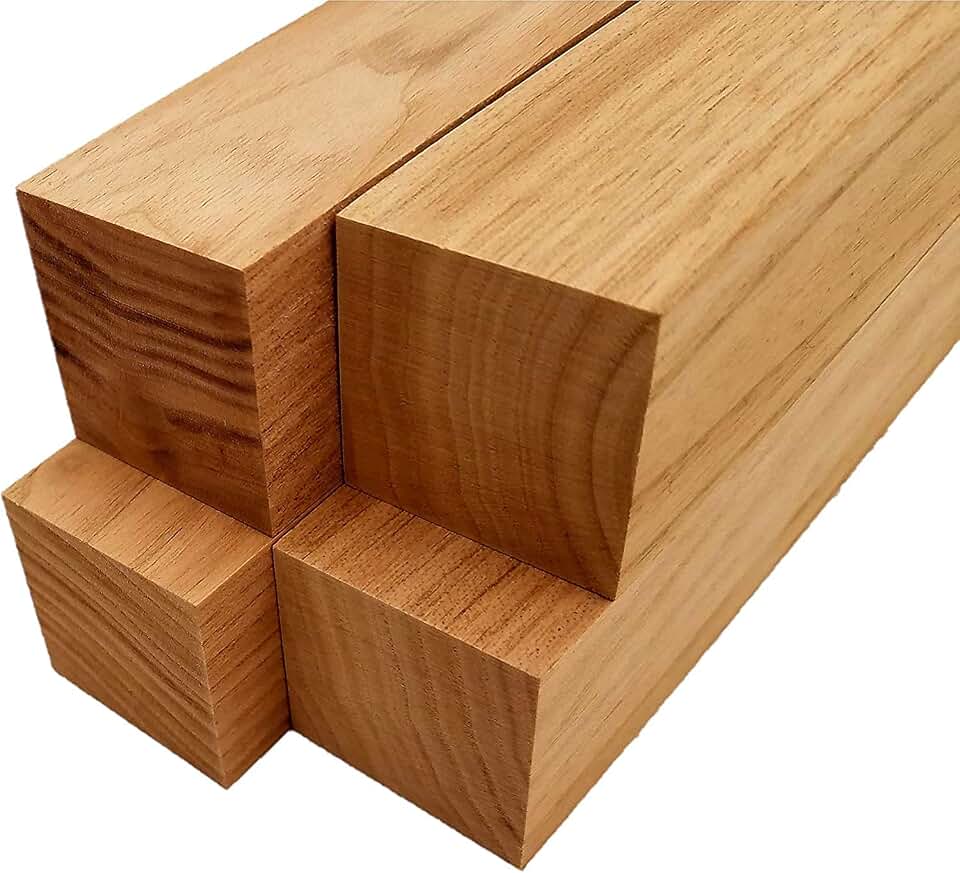
Clean Butternut Turning Blocks
- Smooth butternut wood for carving and turning
- handy 6 inch length for small projects
- easy to shape with hand tools
- great for practice, gifts, and custom work
- includes 4 matching blanks
 Buy on Amazon
Extra Long Butternut Blanks
- Smooth butternut wood for carving and turning
- 8 inch length gives more project room
- easy to shape with hand tools
- ideal for hobbyists and woodworkers
- includes 4 matching blanks
Buy on Amazon

Butternut Carving Stock
- Solid butternut for carving and craft projects
- generous 2 inch by 4 inch by 12 inch size
- smooth grain helps detailed work
- easy to cut, shape, and finish
- single block for custom builds
Buy on Amazon

Thick Butternut Blanks
- Chunky butternut blanks made for carving
- 2 inch by 2 inch by 12 inch size
- smooth hardwood supports clean shaping
- great for turning, sculpture, and practice
- includes 4 pieces for repeat projects
Buy on Amazon
Beginner wood alternatives
Beginner alternatives include basswood for first cuts and alder for light craft work. Choose them when you need cheaper practice stock, painted carvings, or a more uniform surface before moving back to butternut for a natural-finished piece.
These alternatives are useful for practice cuts, whittling drills, and simple beginner projects.

Basswood Carving Kit
- 19 basswood blocks in assorted sizes
- soft wood makes carving easier for beginners
- good for whittling, practice, and small crafts
- works for kids and adults
- plenty of pieces for multiple projects
Buy on Amazon

Alder Carving Blocks
- Unfinished alder blocks for carving and whittling
- smooth surface is easy to mark and shape
- lightweight wood suits hobby and craft use
- good for beginners and detailed work
- ready for sanding, staining, or painting
Buy on Amazon
Cutting Boards and Food Use
Butternut cutting boards are best treated as light-use serving pieces, not daily chopping boards. The wood is food-contact workable when finished correctly, but its softness and open grain make it a poor choice for repeated knife work and wet prep.
Short answer
Short answer: butternut wood is not good for heavy-use cutting boards. Use it for cheese boards, bread boards, charcuterie trays, or display boards, and choose maple, walnut, cherry, or beech for daily chopping.
Why it dents
It dents because 490 lbf is low on the Janka scale compared with common board woods. A chef’s knife, meat cleaver, or even hard cheese knife can leave grooves that collect moisture and make the board look worn quickly.
Open grain concerns
Open grain is another concern because butternut has larger pores than tight-grained cutting board favorites. The FDA notes that food-contact surfaces should be cleanable and maintained in sanitary condition in the Food Code 2022, so deep knife cuts and porous, rough surfaces work against good kitchen practice.
Better board woods
Better board woods are harder, tighter-grained, and more wear resistant. Hard maple at about 1,450 lbf, black walnut at about 1,010 lbf, and cherry at about 950 lbf hold up far better under repeated slicing and washing; compare dense options in our maple wood guide.
Light-use serving boards
Serving boards are the safer role for butternut. Use it for dry bread, cheese, crackers, fruit display, or photo-ready charcuterie, then wash by hand, dry upright, and keep it out of the dishwasher and sink water.
Food-safe finishes
Food-safe finishes for light-use butternut boards include mineral oil, beeswax-mineral oil blends, and board cream. Avoid vegetable oils because they can turn rancid, and flood the end grain more than once because it drinks oil faster than the face grain.
Workability, Finishing, and Safety
Workability is the main reason butternut stays popular with woodworkers. It cuts, glues, sands, turns, and finishes with little resistance, but the soft fibers need sharp tools and light pressure to avoid fuzz, dents, and uneven surfaces.
Cutting and machining
Machining butternut feels easy on saws, planers, jointers, routers, and hand planes. The common beginner mistake is feeding dull cutters too slowly, which burns the surface slightly and leaves torn grain; use sharp blades, steady feed, and shallow router passes.
Sanding and gluing
Sanding butternut takes a light touch because soft earlywood can dish out faster than harder latewood. Use a sanding block on flats, avoid leaning on random-orbit sanders, and vacuum the open pores before glue or finish so dust doesn’t pack into the grain.
Woodturning performance
Woodturning performance is friendly for bowls, handles, vessels, and practice spindles. Keep gouges freshly sharpened, take finishing cuts lightly, and don’t expect the glassy burnished surface you get from dense maple or cherry without careful sanding and a built finish.
Staining butternut wood
Staining butternut can turn it into a pale walnut substitute, but open pores and uneven absorption can create blotches. Test on scrap from the same board, use pre-stain conditioner if needed, and wipe excess stain across the grain before it pools in the pores.
Clear finish options
Clear finishes keep the natural white-walnut look intact. Shellac warms the color quickly, oil-based polyurethane adds amber protection, water-based polyurethane keeps it paler, and grain filler creates a smoother furniture surface when open pores would feel too rough under fingertips.
Dust and allergies
Wood dust can irritate eyes, skin, and lungs, even from species that aren’t known as highly toxic. The CDC’s NIOSH wood dust guidance discusses respiratory risk from dust exposure in woodworking, so use dust collection, eye protection, and a fitted respirator while sanding or routing: NIOSH Pocket Guide.
Practical Notes From Real-World Use
Practical handling makes a big difference with butternut. I use softer clamp pads, mark layout lines with a sharp pencil instead of a knife on show faces, and leave final sanding until after rough fitting because one slip from a metal ruler can leave a shiny dent that only disappears after extra stock removal.
Beginner mistakes usually come from treating butternut like maple or oak. Don’t over-tighten clamps, don’t scrub aggressively with coarse paper, don’t carve against reversing grain, and don’t stain the final piece before testing; a small offcut can save a full panel from blotchy brown patches.
Butternut Wood Comparisons
Wood comparisons make butternut’s role clearer: it sits between beginner carving woods and denser furniture hardwoods. It’s easier than walnut, cherry, and maple, but more attractive for natural finishes than many plain utility woods.
Butternut vs walnut
Butternut vs walnut usually means white walnut versus black walnut. Butternut is lighter, softer, and easier to carve; black walnut is darker, harder, heavier, and better for furniture surfaces that need more wear resistance; see our full guide to black walnut wood.
Butternut vs basswood
Basswood comparison matters for whittlers. Basswood is softer, cleaner for first practice cuts, and better for painted figures, while butternut gives more visible grain and a warmer natural finish for signs, relief panels, and decorative carvings.
Butternut vs maple
Maple is harder by a wide margin, especially hard maple at about 1,450 lbf. Choose maple for cutting boards, butcher blocks, flooring, and durable furniture; choose butternut for carving, low-weight panels, and hand-shaped decorative work.
Butternut vs cherry
Cherry wood is denser, smoother, and better for refined furniture that will darken with age. Butternut cuts more easily and weighs less, but cherry holds crisp edges and resists dents better; compare color aging and furniture use in our cherry wood profile.
Pine, poplar, alder
Pine and poplar are easier to find and often cheaper, but they don’t give the same pale walnut character. Alder is closer in workability and slightly harder than butternut, making it a useful cabinet and carving alternative; our alder wood guide covers that option in more detail.
Buying, Pricing, and Sustainability
Buying butternut takes more care than buying oak, maple, or poplar because supply is regional and clear stock can be limited. The best boards for carving and panels are dry, straight-grained, and free from checks, knots, punky areas, and hidden insect damage.
Lumber and boards
Butternut lumber may be sold rough, surfaced, kiln-dried, air-dried, or in small craft packs. For furniture or panels, confirm actual thickness, moisture content, board width, cup, twist, and whether the seller measures in board feet or by the piece.
Carving blanks
Carving blanks cost more per board foot than rough lumber because someone has already selected, cut, dried, and packaged defect-free pieces. That premium is often worth it for relief carving, where one end check can run straight through a face, border, or lettering layout.
Pricing factors
Pricing factors include thickness, width, figure, grade, drying method, surfacing, shipping distance, and whether the stock is clear enough for carving. Online blanks can look affordable until shipping is added, while local rough boards may need milling, drying time, and waste allowance.
Buying checklist
Buying checks prevent expensive surprises. Ask for photos of both faces and the ends, because butternut can hide small checks that open up after resawing or carving.
- Confirm kiln-dried or air-dried status and target moisture content.
- Check actual dimensions, not just nominal sizes.
- Look for straight grain if the piece will be carved by hand.
- Avoid knots, bark inclusions, soft spots, end checks, and heavy warp.
- Ask whether the lumber is salvaged, storm-felled, or legally harvested.
- Review return rules before buying expensive blanks online.
Butternut canker
Butternut canker has reduced butternut populations across much of the species range. The disease is associated with the fungus Ophiognomonia clavigignenti-juglandacearum, and Canada lists butternut as endangered under federal species-at-risk protections through the Species at Risk Public Registry.
Ethical sourcing
Ethical sourcing means asking where the wood came from before you buy it. Salvaged, storm-felled, legally removed, or managed-woodland butternut is easier to justify than vague stock with no origin, and buyers should respect local restrictions where butternut trees receive special protection.
Final takeaway: butternut wood is a beautiful soft hardwood for carving, trim, panels, boxes, and decorative indoor work. Use it where easy shaping and warm grain matter, and choose harder, tighter-grained species when the project must resist knives, weather, heavy impact, or daily abrasion.
FAQs
What Is Butternut Wood Good For?
Butternut wood is good for carving, furniture, paneling, and decorative projects. It is lightweight, easy to work with, and has a warm, attractive grain that finishes nicely. Many woodworkers also use it for bowls, boxes, and other hobby projects.
Is Butternut Wood Good For Carving?
Yes, butternut wood is excellent for carving. It is soft enough to cut smoothly by hand, but it still holds detail well for most carving projects. Beginners and experienced carvers often like it because it is easy to shape and does not dull tools quickly.
Is Butternut Wood Good For Cutting Boards?
No, butternut wood is not a great choice for cutting boards. It is too soft and porous for repeated knife use, so it can dent, scratch, and absorb moisture more easily. Harder, denser woods like maple or walnut are usually better options for food-safe cutting boards.
Is Butternut Wood The Same As Walnut?
No, butternut wood is not the same as walnut, though they are related. Butternut is sometimes called white walnut because it belongs to the same family and has a similar look. It is lighter in color, softer, and less dense than true walnut.
Is Butternut Wood Hard Or Soft?
Butternut wood is a soft hardwood. It is much softer and lighter than walnut, oak, or maple, which makes it easy to cut and shape. That softness is helpful for carving, but it also means the wood can dent more easily in everyday use.
Affiliate Disclosure: Some links in this post are affiliate links. If you make a purchase through these links, we may earn a small commission at no extra cost to you. We only recommend products we genuinely believe in.