
Have you ever wondered what makes Iroko wood stand out? Known as the ‘African teak,’ this remarkable wood offers unique features that captivate both woodworkers and homeowners. Its durability and aesthetic appeal are just the start. Let’s uncover the intriguing aspects of Iroko wood that make it such a sought-after choice.
Table of Contents
Iroko wood is a durable African hardwood prized for exterior projects, boats, and long‑lasting furniture. This guide covers species, characteristics, workability, uses, price, and how it compares with teak.
1. What Is Iroko Wood?
Species and range
The tree behind iroko is Milicia excelsa, a large hardwood native to West and Central Africa from Sierra Leone to Uganda. For a practical overview of habitat and timber traits, see the Duffield Timber guide to iroko.
African Iroko name
You’ll see African Iroko used in lumberyards and specs; it distinguishes this species from unrelated regional timbers. The name helps buyers ask for the right wood where several African hardwoods share similar uses.
African teak alias
Iroko is often sold as African teak because it looks and performs like true teak, though the species differ. If you want authentic teak properties and comparisons, check our teak wood guide for reference.
Color and aging
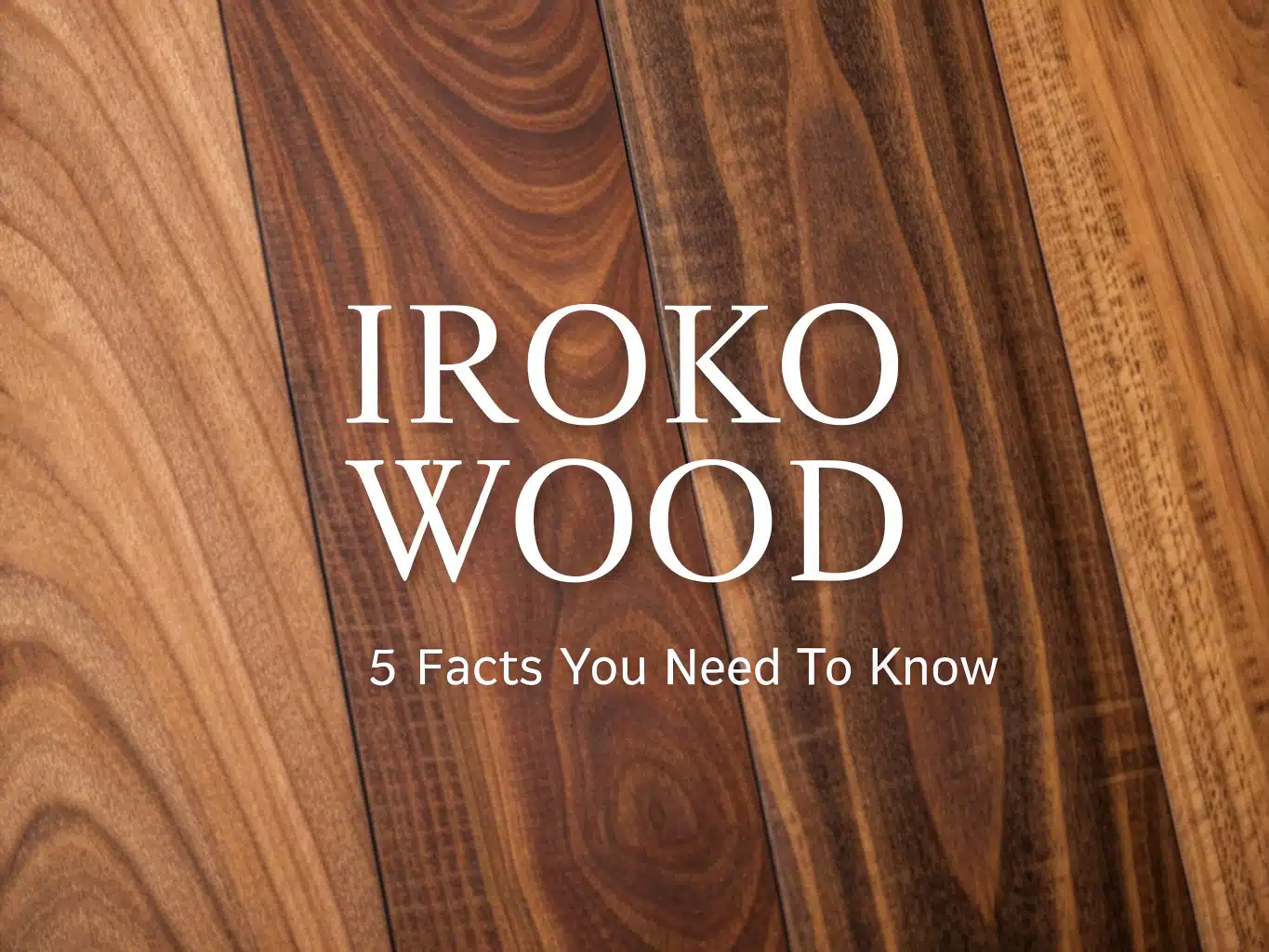
Freshly cut boards start golden yellow and mature to medium or dark brown with light exposure, giving a warm patina. Expect darker streaks and a richer tone on sun‑facing surfaces and oil‑finished projects over time.
Cultural significance
In parts of West Africa, the iroko tree carries spiritual and medicinal meaning in local traditions. Woodworkers today value it for practical reasons: longevity, workability, and price.
Identification tips
Reliable ID prevents mix‑ups and helps you buy the right stock. Use these quick checks before purchasing boards or millwork.
- Color: yellow‑brown fresh; deepens to brown with age; often with darker streaks.
- Grain: interlocked, sometimes irregular; quartersawn boards may show ribbon figure.
- Texture: medium‑coarse and open‑pored; surface can feel slightly oily.
- Weight: mid‑heavy (about 660–750 kg/m³ at 12% MC).
- Odor: faint, sometimes nutty when freshly machined.
2. Iroko Wood Characteristics
Durability and resistance
Iroko rates as highly durable, with strong natural resistance to rot, fungi, and insects in exposed settings. Many suppliers note performance close to teak for decks, cladding, and marine trim (Mcilvain on iroko).
Iroko stands up outdoors for years with basic oiling and sensible design details.
Shop maxim
Dimensional stability
Low shrinkage and movement give iroko solid stability across seasons, reducing risk of cupping and checks. Typical shrinkage values: radial 2.8–3.8%, tangential 3.8–4.8%, volumetric about 8.8%.
Physical properties
Expect density around 660–750 kg/m³ (avg. 41 lb/ft³) and Janka hardness near 1,190–1,260 lbf for scratch resistance. Strength values are robust: MOR ~12,700–14,080 psi, MOE ~1.36–1.58 Mpsi, crushing ~7,750–7,840 psi for demanding builds.
Aesthetic qualities
The interlocked grain and occasional ribbon stripe on quartersawn faces add visual interest. Texture runs coarse and open‑pored, so pore‑filling or oil/varnish schedules produce a smoother, rich finish.
3. Working With Iroko Wood
Tool wear and tear-out
Interlocked grain can cause tear‑out, so use sharp carbides, light passes, and a high cutting angle on planers. Mineral deposits like calcium carbonate may dull edges faster, making frequent hone‑ups a smart habit (K. Timbers overview).
Gluing and finishing
The surface can feel slightly oily, but modern PVA, epoxy, or polyurethane adhesives bond well after a fresh scrape or solvent wipe. For finishing, wipe with naphtha, sand to 180–220 grit, then apply oil/varnish or a film build, testing adhesion on a small offcut.
Fasteners and bending
Predrill for screws near edges to prevent splits, and use corrosion‑resistant stainless or silicon bronze outdoors. Steam bending potential is low, so prefer laminations for tight curves and use stable, straight‑grained stock for rails.
Maintenance basics
Routine care keeps iroko looking fresh while preserving its natural toughness. Follow these quick habits for patios, cladding, and boat trim.
- Clean with mild soap and water; avoid harsh bleach.
- Refresh with exterior oil once or twice per year in strong sun zones.
- Scuff‑sand graying surfaces before recoating to restore color.
- Lift furniture feet off wet ground with pads or glides.
- Ventilate undersides of decks, benches, and countertops.
4. Uses and Featured Products
Outdoor applications
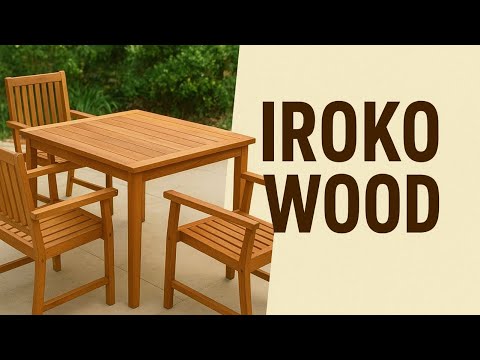
Builders choose iroko for decks, cladding, pergolas, benches, and exterior doors because it holds up in wet and sunny climates. See practical project ideas in this Lignawooddesign uses piece for more examples.
Marine and boats
Boatbuilders use iroko for cap rails, toerails, cockpit soles, handrails, and exterior trim where moisture exposure is constant. For hulls and lightweight panels, pair with okoume wood marine ply and use iroko as wear‑resistant trim.
Interior joinery
Its warm color suits stairs, treads, door frames, windows, and custom cabinets where you want strong, stable parts. For a different look in similar applications, compare with sapele wood or African mahogany in your finish schedule.
Kitchen and crafts
With proper food‑safe finishing, iroko makes durable cutting boards, serving trays, and utensil handles, plus gift items like cigar ashtrays and coasters. Color contrast projects pair iroko accents with bright African padauk or fine turning blanks from African blackwood for crafts.
Featured iroko products
Here are hand‑picked items that showcase iroko’s durability and warm tone in everyday use.

Etalon Large Iroko Cutting & Serving Board
- Generous surface ideal for chopping, carving, and charcuterie
- Solid Iroko wood absorbs impact while protecting knives
- Smooth, food-safe finish for easy cleaning and serving
- Long style perfect for slicing bread, meat, or presenting platters
- Durable, attractive board that doubles as a serving centerpiece
 Buy on Amazon

Iroko Foot File — Dual-Sided Callus Remover
- Double-sided rasp for coarse and fine exfoliation
- Comfortable wooden handle for secure grip and control
- Effective on wet or dry skin to remove hard, dead skin
- Smooths heels and calluses for noticeably softer feet
- Durable, easy-to-clean wood construction for long-lasting use
Buy on Amazon

Etalon Iroko Cigar Ashtray – Modern Patio Style
- Solid Iroko wood construction for a refined, natural look
- Deep, easy-to-clean bowl to contain ash and rests
- Weather-resistant finish suitable for indoor or outdoor use
- Stable, weighted base helps prevent tipping on tables and patios
- Elegant gift option for cigar lovers and hosts
Buy on Amazon
5. Iroko Wood vs Teak and Price
Performance comparison
Both timbers shine outdoors, but iroko offers similar weather performance at a lower cost. Use this quick data snapshot to decide based on metrics and budget needs.
| Feature | Iroko Wood | Teak (Tectona grandis) |
|---|---|---|
| Density | 660–750 kg/m³ | 650–900 kg/m³ |
| Janka Hardness | 1,190–1,260 lbf | 1,000–1,155 lbf |
| Durability | Very high | Exceptionally high |
| Resistance | Rot, insects, weather | Rot, insects, weather |
| Color | Golden yellow to darker brown | Golden brown |
| Typical Price | Lower | Higher |
Appearance differences
Iroko starts brighter and darkens to a deep brown with sun and oil, often showing ribbon figure in quartersawn cuts. Teak holds a consistent golden hue; see our teak guide for color, grain, and grading info.
iroko wood price
Market rates vary, but iroko often runs about 30–50% lower than comparable teak by grade and thickness. For a buyer‑friendly overview of performance and pricing, see the W. Knight Consulting guide and compare local quotes.
Sustainability and sourcing
Many mills offer FSC‑certified iroko, and responsible harvesting programs are growing across West and Central Africa. Ask for documented origin, certification, and air‑ or kiln‑drying notes to secure consistent, stable stock.
When to choose each
Pick based on exposure, budget, look, and how much maintenance you’re willing to do. Use the guidelines below for faster decisions in shops and on site.
- Choose iroko for decks, cladding, benches, and boat trim where cost control matters.
- Choose teak for premium yachts, heritage restorations, or specs that call for true teak.
- Choose iroko for low‑movement frames, exterior doors, and worktops needing stability.
- Choose teak if you want the classic golden tone and maximal oil content straight from the mill.
FAQs
What Are The Benefits Of Using Iroko Wood?
Iroko is a durable, naturally rot-resistant hardwood that offers excellent weather and pest resistance. It has a warm golden to dark brown color, machines well, finishes nicely, and is often more affordable than tropical hardwoods like teak, making it great for flooring, decking, and furniture.
How Does Iroko Wood Compare To Teak?
Iroko and teak share many qualities — both are durable and weather-resistant — but teak contains more natural oils, giving it superior long-term dimensional stability and moisture resistance. Teak is generally pricier and often preferred for high-end marine and outdoor projects; iroko is a very good, more affordable alternative with similar appearance and performance when properly finished.
Is Iroko Wood Suitable For Outdoor Furniture?
Yes. Iroko performs very well outdoors due to its natural resistance to rot and insects. Use good construction practices, allow air circulation, and apply oil or sealer as needed to preserve color and surface; with proper maintenance it will last for decades.
How Do You Maintain Iroko Wood?
Keep iroko clean by wiping with mild soap and water, sand lightly to remove stains or rough spots, and apply a penetrating oil or UV-resistant sealer if you want to maintain its golden color. Regular inspections, avoiding standing water, and reapplying finish every year or two depending on exposure will extend its life.
Where Can I Buy Iroko Wood?
You can buy iroko from specialty hardwood suppliers, local lumberyards, reclaimed wood dealers, and online retailers. Look for reputable sellers that provide grading, dimensions, and legal or FSC-certified sourcing; ordering samples or small quantities first helps confirm color and quality.