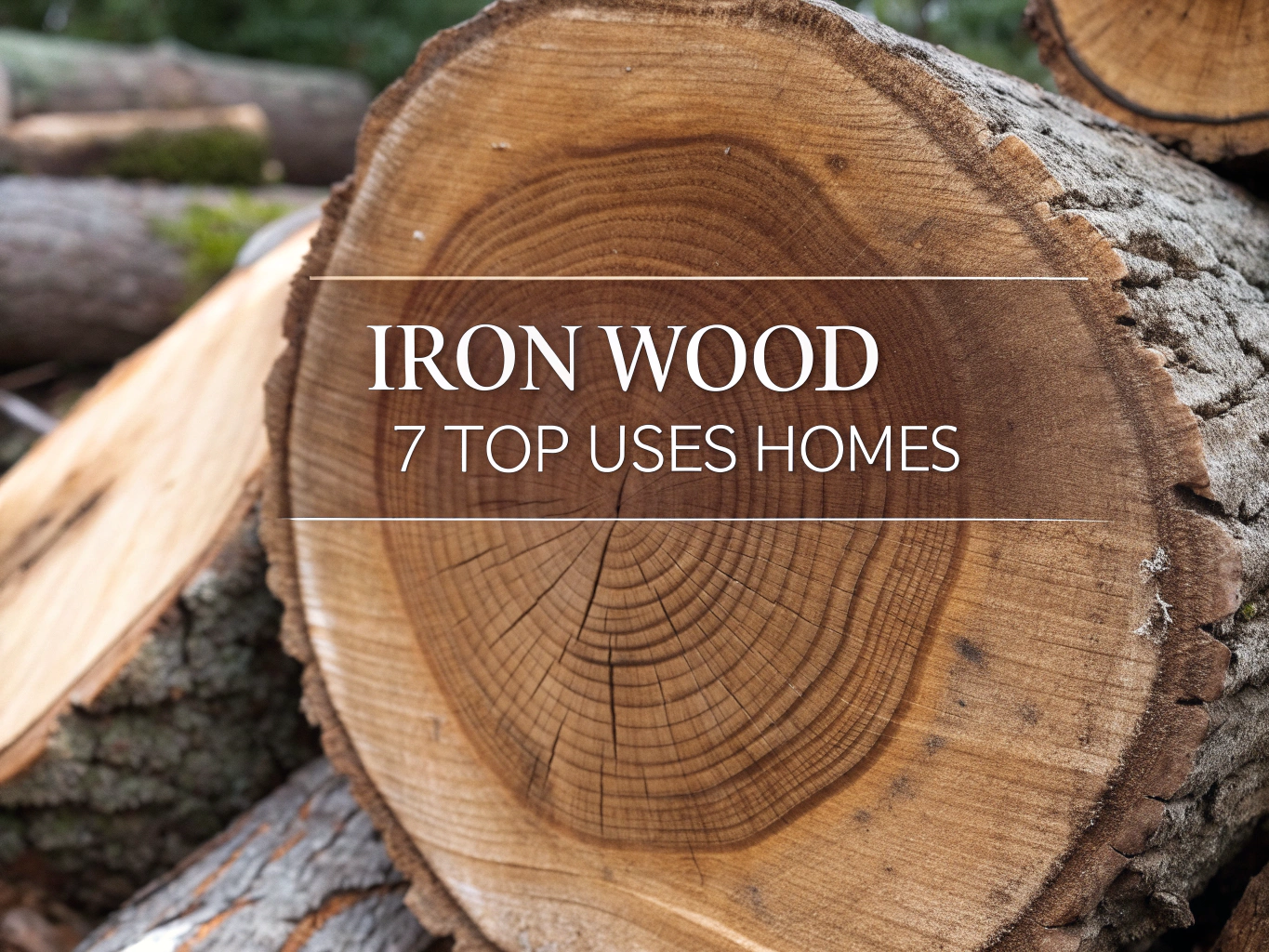

Want wood that lasts and looks great? Iron wood is a very dense, strong hardwood. It resists wear and moisture. This guide shows seven practical uses for iron wood around your home. You will find short tips for floors, furniture, tool handles, outdoor posts and firewood.
Table of Contents
Iron wood delivers extreme hardness and long service life for flooring, furniture, tools, and outdoor projects, with many species sold as ironwood tree or simply ironwoods. You’ll get practical specs, smart build tips, and care steps to get the most from this durable hardwood.
What Makes Iron Wood Special
Density and Durability
Iron wood ranks with the hardest North American timbers, often exceeding oak and maple in density, wear resistance, and crush strength, which reduces dents in flooring and tabletops. For reference, only a few exotics like lignum vitae top it on hardness while being far harder to source for home projects.
High density also means extraordinary mass per board, so pre-drill fasteners and plan for sharp carbide tooling. Expect slower feed rates, lighter passes, and frequent sharpening to keep cuts clean and avoid burn marks.
Natural Resistance Properties
Tight pores and natural extractives give iron wood strong moisture, abrasion, and pest resistance, which suits entry floors, stair treads, workbenches, and outdoor trim. The wood’s low movement reduces swelling and checking, so joints stay snug across seasons with less finishing fuss.
Species Overview
Several species carry the ironwood name, most notably Ostrya virginiana (Eastern hop-hornbeam) and Olneya tesota (desert ironwood), each prized for longevity and toughness. See this concise overview from the Minnesota DNR ironwood page for habitat and characteristics.
| Common Name | Scientific Name | Region | Mature Height | Key Notes |
|---|---|---|---|---|
| Eastern hop-hornbeam (ironwood) | Ostrya virginiana | Eastern North America | 25–40 ft | Very hard, fine grain; strong for flooring and handles |
| Desert ironwood | Olneya tesota | Southwestern deserts | Up to ~49 ft | Exceptional density and color; excellent for turnings and knives |
Flooring and Paneling Applications
Hardwood Flooring Benefits
As a flooring species, iron wood delivers top-tier scratch resistance, long wear paths, and crisp edges that hold up to pets and grit. The rich natural color often needs only a clear finish, and its tight grain accepts oil-poly or waterborne topcoats cleanly
Water Resistance Features
Low porosity slows liquid uptake, so kitchens, mudrooms, and powder rooms benefit from iron wood’s spill tolerance under a quality finish. For species details helpful to moisture planning, review the Morton Arboretum species profile.
Installation Considerations
Plan the install for stability and tool life, as this wood is heavier and tougher than most domestic flooring options. Use the checklist below to avoid common issues and speed up the job.
- Acclimate boards to indoor humidity for 5–7 days in the install space.
- Use carbide blades/bits; rip with a high-tooth-count blade to reduce tearout.
- Pre-drill and use high-quality flooring nails or screws in the recommended schedule.
- Apply a sealer coat before final finish to lock down fine dust in pores.
- Leave proper expansion gaps at walls; iron wood still moves slightly with seasons.
Furniture and Cabinetry Projects
Premium Furniture Construction
Iron wood gives tables, benches, and casework a solid heft with edges that resist dings in busy homes. For a similar deep tone in veneered builds, compare with bubinga wood while keeping solid iron wood for high-wear parts like feet and rails.
Built-in Cabinetry
Use iron wood for face frames, door rails, and exposed shelving where impact and abrasion are common. Pre-drill hinge screws, use strong adhesives, and consider lighter interior carcasses to manage weight during installation.
Dimensional Stability Advantages
The fine, even grain yields predictable movement, which helps inset doors, tight miters, and long tabletops stay true. If you prefer a darker, bold look in accents, pair iron wood with wenge wood or metal inlays for contrast without sacrificing structural reliability.
Decorative Woodworking and Turnings
Artisan Craft Applications
Turners love iron wood for bowls, vases, pens, and handles because it cuts cleanly and polishes to a glassy luster. For background on the desert species and its unique character, see the Desert Museum ironwood summary.
Here are well-sized blanks that make turning and carving projects faster and more predictable.

Ironwood Craft Blanks — Pack of 5
- Five uniform blanks ready for turning, carving, or knife scales
- Tight, attractive grain that finishes beautifully
- Heavy, stable hardwood for durable finished pieces
- Easy to shape and holds detail well when carved or sanded
- Great choice for pens, handles, and small woodworking projects
 Buy on Amazon

Large Ironwood Turning Blank — 6 x 6 x 3 in
- Generous block size for larger turnings and sculpting
- Dense, heavy wood that yields a solid, substantial feel
- Deep, attractive color and grain for eye-catching results
- Excellent for bowlturning, carving, and milling
- Ready-to-shape blank for advanced woodworking projects
Buy on Amazon

Solid Ironwood Turning Blank — 6 x 3 x 2 in
- Dense, heavy ironwood ideal for turning and carving projects
- Rich, natural grain that polishes to a smooth, glossy finish
- Excellent wear and moisture resistance for long-lasting pieces
- Holds detail well for precise shaping and sanding
- Single ready-to-use blank sized 6 x 3 x 2 inches
Buy on Amazon
Detail Retention Properties
Carved beads, flutes, and tight fillets stay crisp because the wood resists tearout and fuzzy fibers. If you want warmer reds in accents with similar polish potential, compare with cocobolo while keeping iron wood for wear faces and rims.
Tool Handles and Knife Making
Handle Durability
Iron wood handles stand up to daily use, resisting splinters and denting better than ash or hickory in striking tools. Quarter-sawn orientation adds grip and reduces seasonal movement in chisels and carving tools.
Shock Resistance Properties
The wood’s high modulus and tight grain help dampen vibration, which reduces fatigue in repeated strikes. Seal end grain and add a light oil-wax finish for secure control without a slick feel.
Fit the tang or ferrule tightly, then pin or epoxy once to avoid future movement in dense hardwood handles.
Shop tip for heavy-use tools
Custom Knife Applications
Knife makers prize iron wood scales for secure pin hold, low creep under epoxy, and a high-gloss finish that highlights natural figure. Below are ready-to-use pieces for quick builds and prototypes.
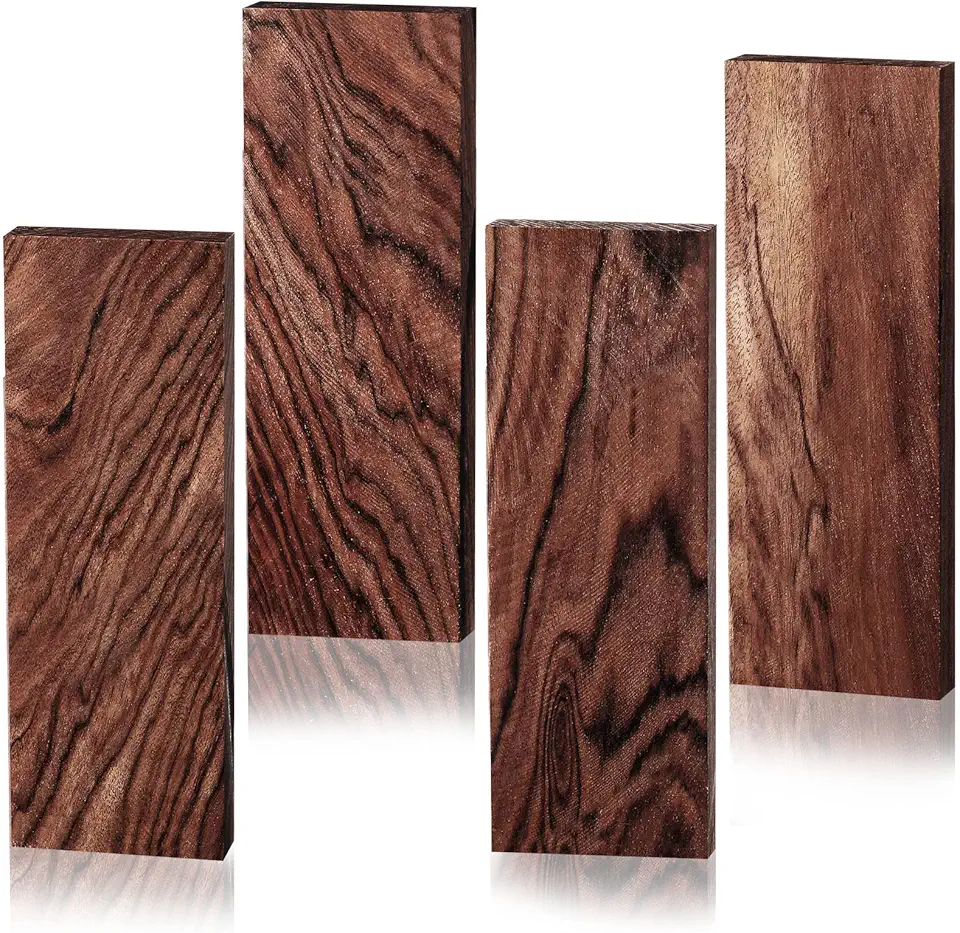
4-Pack Ironwood Knife Scales (Pre-Cut)
- Pre-cut, consistent scales sized for easy knife handle builds
- Dense hardwood that resists wear and holds fasteners securely
- Smooth surface that sands and polishes to a fine sheen
- Natural wood grain adds a premium, handcrafted look
- Ideal for DIY knife making and small woodworking projects
Buy on Amazon

Bookmatched Ironwood Knife Scales — Pair
- Bookmatched pair for perfectly symmetrical knife handles
- Thin, precise thickness ideal for routing and fitting
- Gorgeous natural grain that enhances finished blades
- Stable hardwood that accepts pins and epoxy well
- Sandable and polishable to a professional-looking finish
Buy on Amazon

Ironwood Lumber Blank — 12 x 1 x 1 in
- Long, straight blank ideal for knife handles and long laminations
- Dense, stable ironwood resists warping and wear
- Fine grain that sands to a smooth, polished finish
- Excellent for milling, cutting, and detailed shaping
- Ready-to-use size for a variety of woodworking projects
Buy on Amazon
Outdoor Structures and Garden Use
Fence Posts and Gates
Iron wood’s natural rot and insect resistance suits posts, rails, and gate parts that need years of service with minimal upkeep. For arid landscapes and tree info, this desert ironwood guide outlines growth habit and durability.
Garden Furniture
Benches and tables hold finish well outdoors; refresh oil once or twice per season for a consistent sheen. If weight or cost is a concern, compare slats or decking with cumaru wood while keeping iron wood for contact points and feet.
Landscaping Elements
Use iron wood for edging, steps, and pergola rafters that resist decay and scuffing. For budget-friendly posts in wet soils, consider black locust wood and reserve iron wood for high-contact elements like handrails.
Firewood and Heating Applications
BTU Output Comparison
Iron wood ranks among the highest heat-per-cord choices, ideal for cold-climate stoves and long winter nights. See the general tree overview from the Minnesota DNR ironwood page that notes its hard, dense character.
| Species | Relative Heat per Cord | Typical Burn Behavior | Notes |
|---|---|---|---|
| Iron wood (Ostrya) | Very high | Slow, steady | Dense, long coaling; excellent overnight heat |
| Hickory | High | Strong coals | Hot burns; good for deep winter |
| Oak | Medium–high | Balanced | Widely available; good mix with other hardwoods |
| Pine | Low | Fast | Starts quickly; use for kindling |
Burn Time Characteristics
Blocks of iron wood produce long-lasting coals that hold heat through the night when dampers are set correctly. Mix in medium hardwoods for easier starts, then stack iron wood splits for the sustained burn.
Storage Considerations
Season splits for 12–18 months off the ground with covered tops and open sides for airflow. Because it’s so dense, split smaller than oak to speed drying and to make loading safer.
Growing Ironwood Trees at Home
Species Selection Guide
Pick Eastern hop-hornbeam for temperate yards needing a modest-sized, shade-tolerant tree. Choose desert ironwood for hot, arid sites where drought resilience and wildlife value matter.
Soil and Location Requirements
Ironwood trees prefer loamy, well-drained soils with good aeration, though desert species handle sandy and rocky sites gracefully. Give young trees consistent watering the first two years, then reduce to deep, infrequent irrigation.
Maintenance and Care Tips
These trees grow slowly and need modest care, which makes them easy long-term additions to a yard or streetscape. Use the steps below to keep growth healthy and structure strong.
- Stake only if winds demand it; remove supports within one season.
- Prune in late winter to shape and remove crossing branches.
- Mulch 2–3 inches deep, keeping bark clear to prevent rot.
- Fertilize lightly in spring if foliage pales, otherwise skip.
- Inspect annually for mechanical damage and correct watering.
FAQs
What Is Iron Wood And Why Is It Used?
Ironwood Refers To Several Very Dense Hardwood Species Known For Their Exceptional Strength, Durability, And Natural Resistance To Decay. These Qualities Make It Ideal For Applications That Require Long-Lasting, Wear-Resistant Material, Such As Outdoor Structures, Boatbuilding, Tool Handles, Heavy-Duty Flooring, And Decorative Accents.
How Hard Is Iron Wood Compared To Other Types Of Wood?
Ironwood Is Generally Much Harder Than Common Domestic Hardwoods Like Oak Or Maple, With Very High Janka Hardness Values Depending On The Species. That Hardness Gives Excellent Wear Resistance But Also Makes The Wood More Difficult To Cut, Plane, And Drill, Often Requiring Sharper Tools And Slower Feed Rates.
Where Can I Buy Iron Wood For Woodworking Projects?
You Can Buy Ironwood From Specialty Lumber Yards, Exotic Wood Suppliers, And Online Retailers That Stock Hardwood Blanks And Boards. Local Reclaimed-wood Dealers Or Marine-supply Stores May Also Carry It. When Buying, Request Kiln-dried Stock When Possible And Verify Species, Legality, And Sustainability Information, As Some Varieties Are Regulated.
Is Iron Wood Resistant To Termites And Rot?
Many Ironwood Species Are Naturally Resistant To Termites, Insects, And Rot Due To Their Density And Natural Oils, But Resistance Varies By Species And Environmental Conditions. Proper Design, Installation, And Finishing Further Improve Longevity And Help Prevent Moisture-related Problems.
Can Iron Wood Be Used For Making Outdoor Furniture?
Yes, Ironwood Is An Excellent Choice For Outdoor Furniture Because Of Its Durability And Weather Resistance. Keep In Mind It Is Very Heavy And Hard To Work, So Use Corrosion-resistant Fasteners, Pre-drill Holes, And Apply Appropriate Finishes Or Oils To Maintain Appearance And Prevent Surface Weathering.