

Did you know some Alaskan cedar trees can live for centuries and form graceful, weeping crowns? These trees are known for gray-green foliage and very durable wood. This post shares five clear facts about the tree, its weeping Alaskan cedar forms, natural range, and practical uses. Read on for simple tips on planting and care.
Table of Contents
Alaskan cedar stands out for its graceful drooping sprays, narrow habit, and legendary wood that resists decay for decades. Gardeners, woodworkers, and nature lovers value this tree’s weeping forms, striking color, and proven performance in cold, moist climates.
What Makes Alaskan Cedar Unique Among Conifers
Botanical Classification and Names
Alaskan cedar is a cypress in the Cupressaceae family, widely known as Alaska-cedar, Nootka cypress, and by the scientific names Chamaecyparis nootkatensis or Callitropsis nootkatensis. The USDA profile for Chamaecyparis nootkatensis documents its native status and taxonomy in the Pacific Northwest USDA silvics handbook.
Distinctive Gray-Green Foliage
Gray-green sprays form layered fans that drape from slightly drooping branches, giving even non-weeping forms a soft, refined look. Scale-like leaves are aromatic when crushed, which helps with quick field ID during pruning or health checks.
Exceptional Longevity Records
Ancient specimens can surpass 700 years, and some exceed 1,000 years, aided by slow growth and dense heartwood. The species can show extremely fine growth rings in old trees, reflecting a long life in cool, nutrient-poor sites USDA Forest Products Laboratory.
Alaska-cedar wood is naturally durable and among the most decay-resistant native softwoods.
USDA Forest Products Laboratory
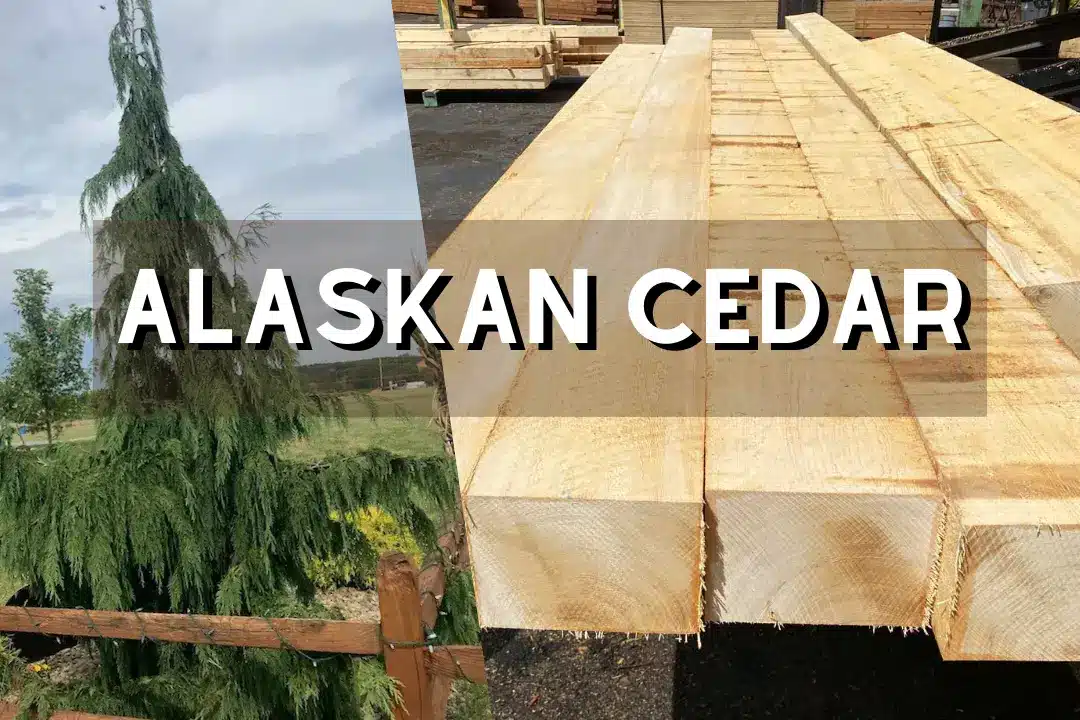
Physical Characteristics of Alaska Cedar Trees
Size and Growth Habit
Mature trees commonly reach 25–45 feet in landscape settings, with far larger sizes in old-growth forests. Growth is slow, which helps produce tight wood grain and a compact, upright presence in gardens.
Bark and Leaf Structure
Thin, fibrous bark peels in narrow strips, while the leaves are small, scale-like, and pressed to slender twigs. Crushing a sprig releases a pleasant resinous scent that many people associate with quality cedar wood.
Canopy Shape and Form
Columnar to pyramidal crowns are typical, often with a spire-like tip that keeps a strong vertical line. Selected forms show pronounced droop and tiered sprays, creating a living sculpture even in narrow side yards.
The Weeping Alaskan Cedar Varieties
‘Pendula’ and ‘Jubilee’ Cultivars
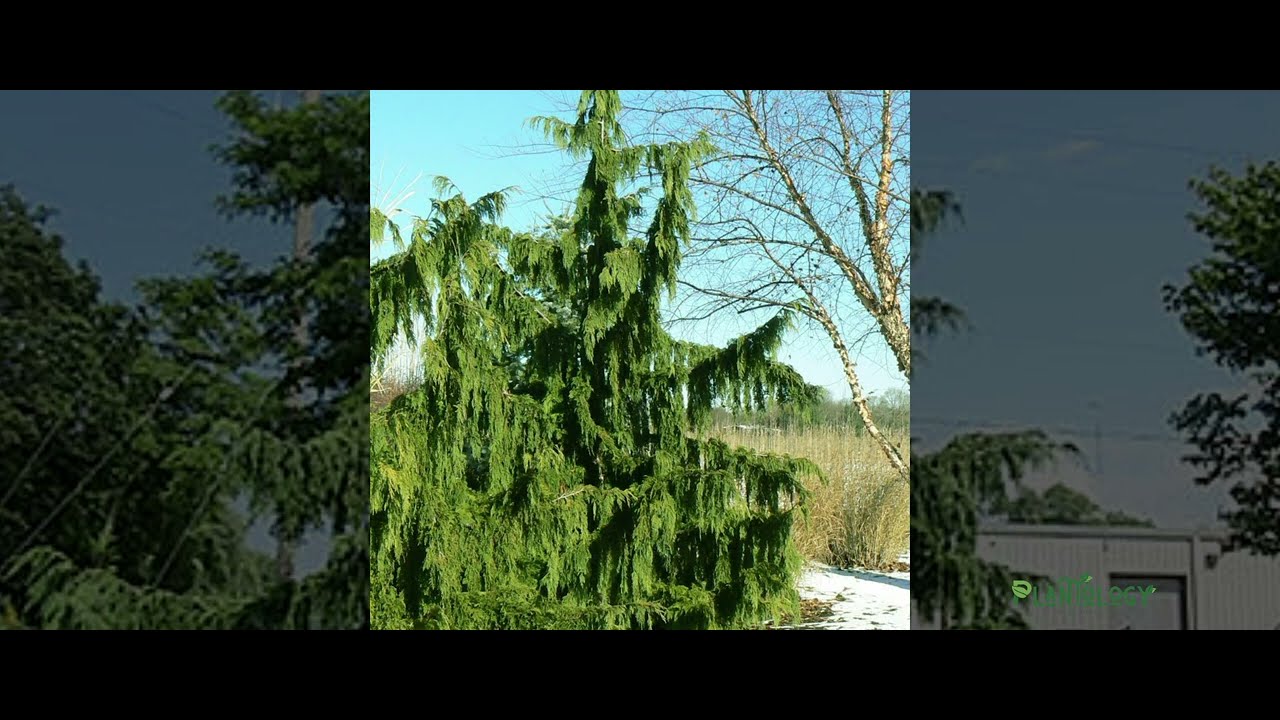
Weeping selections like ‘Pendula’ and ‘Jubilee’ deliver a tall, narrow profile with dramatic, cascading sprays. Nursery profiles highlight their strong architectural value and narrow footprint for small lots Stratham Circle Nursery.
Cascading Branch Structure
Graceful branchlets hang in veils, with each tree developing its own character as leaders and side shoots form layered drapes. Secondary trunks can emerge over time, giving mature specimens a clustered, grovelike stance.
Landscape Specimen Value
Single-tree placement shows off the cascading habit against simple backdrops like lawn, gravel, or evergreen hedging. A pair can frame an entry or terrace, while a trio reads like a living art installation in winter.
Natural Habitat and Growing Conditions
Pacific Northwest Native Range
Native stands occur from Alaska through British Columbia to northern California, with strong presence in moist bottomlands and subalpine zones. A concise overview with range notes is available from Morton Arboretum.
Climate and Soil Preferences
Cool, moist climates suit this species best, with performance dropping in prolonged heat or drought. Moist, well-drained soils are ideal, though the tree handles periodic wetness far better than compacted urban fill.
USDA Hardiness Zones
USDA Zones 4–8 cover the typical planting range, matching the Pacific Northwest and colder inland sites with adequate moisture. Extension guidance confirms its cold tolerance and site needs for landscape success NC State Extension.
Alaskan Cedar Wood Properties and Applications
Durability and Decay Resistance
Natural oils make the wood highly resistant to rot, insects, and moisture, even in ground-contact or marine settings. This stability explains its long record in boats, exterior trim, and heavy-use outdoor structures.
Fine Grain Characteristics
Tight grain produces a smooth finish that sands and planes cleanly, with little checking or splitting. Old trees may show very dense growth rings, prized by carvers and luthiers for precision work.
| Property | Practical Benefit | Typical Uses |
|---|---|---|
| High decay resistance | Long service life outdoors | Decking, window frames, signs |
| Fine, even grain | Smooth finishes; detailed carving | Musical instruments, carvings |
| Low checking/splitting | Stable joinery and edges | Doors, sash, paneling |
| Moisture resistance | Dimensional stability in wet use | Boatbuilding, bridge planks |
Commercial and Specialty Uses
Boatbuilders, carvers, and exterior millwork shops rely on this species for parts that must last with minimal maintenance. For sheet goods in outdoor projects, compare options like cedar plywood and specify finishes that match exposure.
Landscaping with Weeping Alaskan Cedar Trees
Ornamental Planting Guidelines
Right placement is simple: pick a cool, moist spot with sun in the morning and light shade late in the day. Space for airflow around the crown helps the pendulous sprays read cleanly year-round.
- Dig a hole twice the width of the root ball and the same depth.
- Set the root flare at grade; don’t bury the trunk shoulder.
- Backfill with native soil; water deeply to remove air pockets.
- Mulch 2–3 inches thick, keeping it off the trunk.
- Stake only if windy; remove stakes after the first season.
Maintenance Requirements
Low pruning keeps the natural habit intact; trim candles or new tips lightly in late spring to shape. During dry spells, slow, deep watering once a week protects roots, especially for narrow, weeping cultivars often compared with Atlas cedar in form.
Urban Environment Challenges
Compacted soils and hot, reflective sites can stress trees, leading to tip browning and slower growth. Choose protected courtyards or north/east exposures, and amend drainage issues before planting.
Alaskan Cedar Products for Home Use
Outdoor items made from cedar resist rot and handle rain well, which suits decks, planters, and feeders. For long-lasting yard accents, consider a premium platform feeder like the option below.

10-inch Alaskan Red Cedar Hanging Bird Feeder — Platform Style
- Made from weather-resistant Alaskan red cedar for outdoor durability
- Spacious 10-inch platform accommodates multiple birds
- Stainless steel cable and mesh base for secure support and drainage
- Open design allows easy cleaning and refilling
- Natural wood finish blends into garden settings
 Buy on Amazon
Browse options that pair durability with clean design in this quick roundup.
Bird Feeders and Garden Items
Platform and hopper feeders in cedar dry quickly after storms, keeping seed fresh for finches and sparrows. Simple planter boxes also match weeping alaskan cedar trees and visually tie the planting together.
Aromatic Wood Products
Closet blocks and drawer inserts release a clean scent that helps keep garments fresh. For patio seating, review finish options on durable species and compare them with picks in this guide to best wood for outdoor furniture.
Ecological and Cultural Significance
Wildlife Habitat Value
Evergreen cover offers winter refuge for birds and small mammals, while cones and foliage support forest food webs. Mixed plantings boost biodiversity and make gardens livelier through all seasons.
Soil Stabilization Benefits
Wide-reaching roots can extend far from the trunk, helping bind thin mountain soils and reduce erosion on slopes. Plant along contours and pair with deep-rooted shrubs to secure problem banks.
Cultural Heritage Uses
Boatbuilding traditions and fine carving draw on the wood’s stability, color, and workability, with continued demand in high-end joinery. Premium logs have also been valued in Japan, reflecting the species’ reputation for durable, elegant lumber.
FAQs
What Are The Uses Of Alaskan Cedar Wood?
Alaskan cedar is commonly used for exterior siding, shingles, decking, boatbuilding, outdoor structures, carved items, musical instruments and fine furniture thanks to its natural rot resistance, stability, fine grain and pleasant aroma.
How Do You Identify Alaskan Cedar Trees?
You can identify Alaskan cedar by its thin, fibrous reddish-brown bark, aromatic wood and yellowish heartwood, scale-like or flattened foliage and small pendant cones; it typically grows in cool, moist coastal forests and often has a slow-growing, dense form.
Is Alaskan Cedar Resistant To Termites?
Alaskan cedar has natural oils and extractives that make it highly resistant to decay and less attractive to termites than many species, but it is not completely immune—proper installation, ground clearance and optional preservative treatment are recommended where termite pressure is high.
Can Alaskan Cedar Be Used For Outdoor Furniture?
Yes. Alaskan cedar is an excellent choice for outdoor furniture because it resists rot and dimensional movement, is lightweight yet stable and has a pleasant aroma; protect it from UV with finishes or oils and avoid constant ground contact to maximize lifespan.
How Does Alaskan Cedar Compare To Western Red Cedar?
Both Alaskan cedar (yellow cedar) and western red cedar offer natural decay resistance, but Alaskan cedar is generally denser, harder and more dimensionally stable with a paler yellow color and higher cost, while western red cedar is softer, more reddish, easier to work with and more widely available.