

What if one native tree could protect your clothes, feed wildlife, and hold soil in place? The Eastern Red Cedar does all that and more. Its wood suits furniture and small carpentry projects. Its scent keeps moths out of closets. Below you’ll find five clear uses and easy tips to try in your yard or home.
Table of Contents
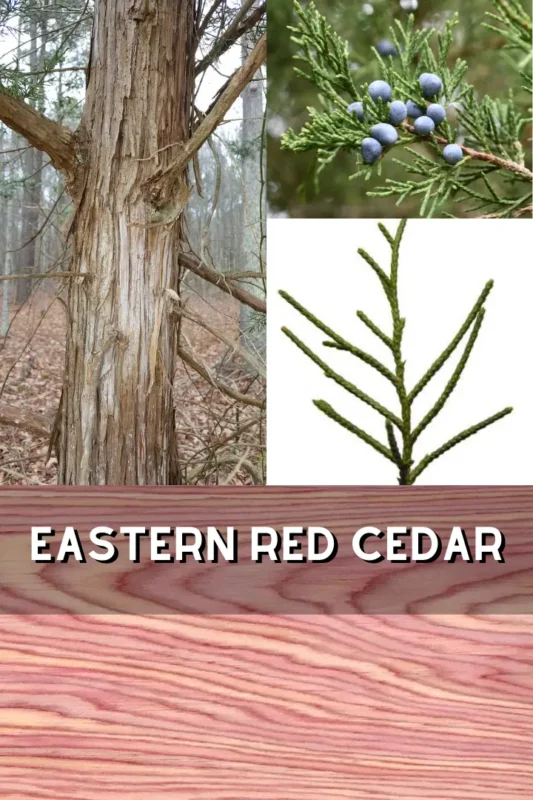
Eastern Red Cedar is a hardy native conifer prized for beautiful wood, aromatic oils, and tough landscape performance. In 2025, you’ll see this tree used for fine carpentry, closet-care products, windbreaks, wildlife habitat, and heritage remedies with simple, practical methods that anyone can apply.
Woodworking and Fine Carpentry
Premium Wood Characteristics
The heartwood shows rich reds and violets with creamy sapwood, a scent that deters fabric pests, and natural decay resistance that makes cedar wood a smart pick for interiors; see examples in Northern Log Supply. Craftspeople like its straight grain, moderate density, and easy machining, which deliver clean cuts and crisp profiles with sharp tools for fine work.
- Aroma naturally helps with moth control in storage pieces and drawer linings.
- Workability supports planing, routing, and turning with minimal tear-out.
- Stability performs well indoors; let boards acclimate before glue-up.
- Durability resists rot in dry, ventilated applications.
- Finishing looks great with oil-wax or shellac; film finishes may mute aroma.
Furniture and Interior Applications
Use eastern red cedar for chests, closets, drawer bottoms, case backs, wall paneling, and trim where fragrance and color shine. For panels and casework, consider cedar plywood to maintain grain continuity, and pick low-odor finishes inside storage pieces to keep the cedar scent active while protecting surfaces.
Outdoor benches and accents can work with the right design, yet most builders choose denser species for heavy-use outdoor furniture. Keep cedar for backs, slats, and decorative elements where the color and aroma bring value.
Construction Limitations
Most eastern red cedar trees yield shorter, smaller-diameter logs, so large structural spans aren’t practical. For joinery, use quality adhesives on clean, freshly cut surfaces, predrill screw holes, and choose stainless or coated fasteners because cedar can corrode bare steel over time.
Natural Moth Repellent Products
Aromatic Oil Properties
The wood and leaves carry volatile oils that freshen spaces and discourage clothes moths and other fabric pests; refresh blocks by lightly sanding or adding a drop of oil to revive the scent, as summarized by Uses of Eastern Red Cedar. Don’t apply concentrated oil to skin undiluted; stick to closet care, sachets, and small diffusions for a safe home routine.
Closet Protection Solutions
Set up a simple, effective closet protection plan with cedar pieces and routine scent refreshes. Follow these quick steps for reliable fabric care.
- Clean storage areas and bag off-season clothes before placing cedar products.
- Use a mix of hangers, planks, sticks, and balls so scent reaches all zones.
- Place pieces near wool, cashmere, and silk where moth pressure is highest.
- Lightly sand cedar items every few months to renew the aroma.
- Rotate or add sachets in drawers and totes for even coverage.
Here are popular eastern red cedar products people buy for closets and storage; pick a mix to cover shelves, drawers, and hangers for full coverage.
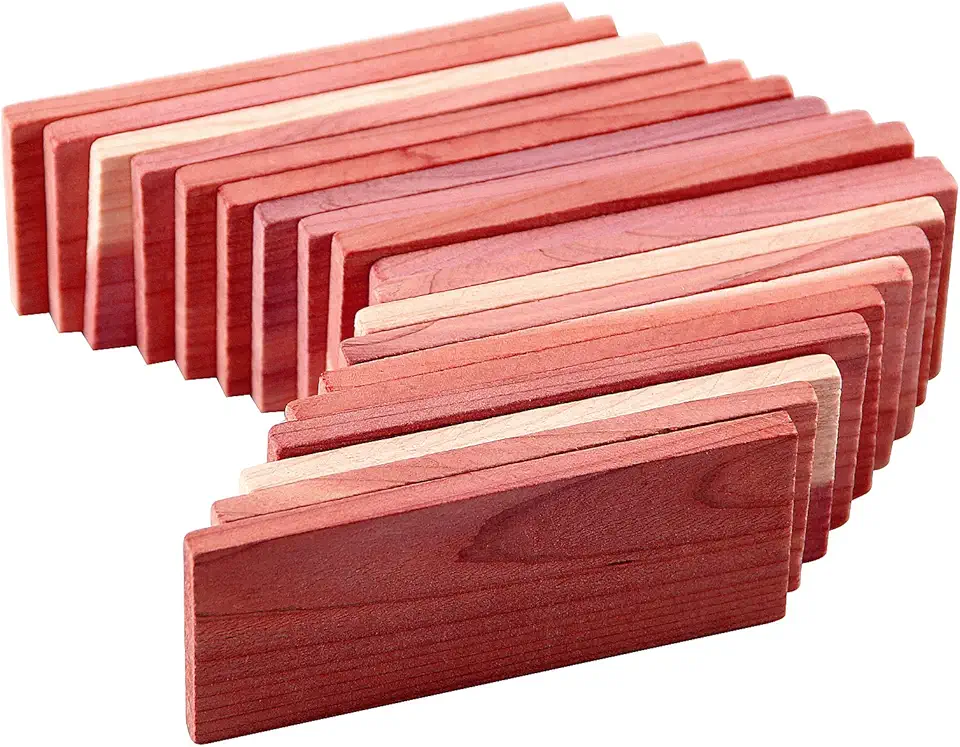
Aromatic Red Cedar Blocks — 16-Pack
- 100% natural aromatic red cedar keeps closets smelling fresh
- naturally deters moths and other fabric pests without chemicals
- compact blocks fit drawers, shelves and hangers for versatile placement
- scent can be refreshed with light sanding or rubbing for long-lasting use
- perfect for wardrobes, storage boxes and seasonal linens
 Buy on Amazon

Eastern Red Cedar Oil — 8 oz
- Pure Eastern red cedar essential oil for a rich, natural aroma
- ideal for refreshing cedar blocks and sachets or adding to diffusers
- can be used in small DIY insect-repellent blends
- concentrated formula requires dilution before topical use
- packaged for easy pouring and long shelf life
Buy on Amazon

50-Pack Aromatic Cedar Sticks
- Large 50-piece bulk pack gives plenty for drawers, closets and storage
- naturally scented red cedar helps protect clothing from moths and mildew
- individual sticks are easy to place around garments and accessories
- long-lasting aroma that can be revived with light sanding
- great value for seasonal storage and home organization
Buy on Amazon
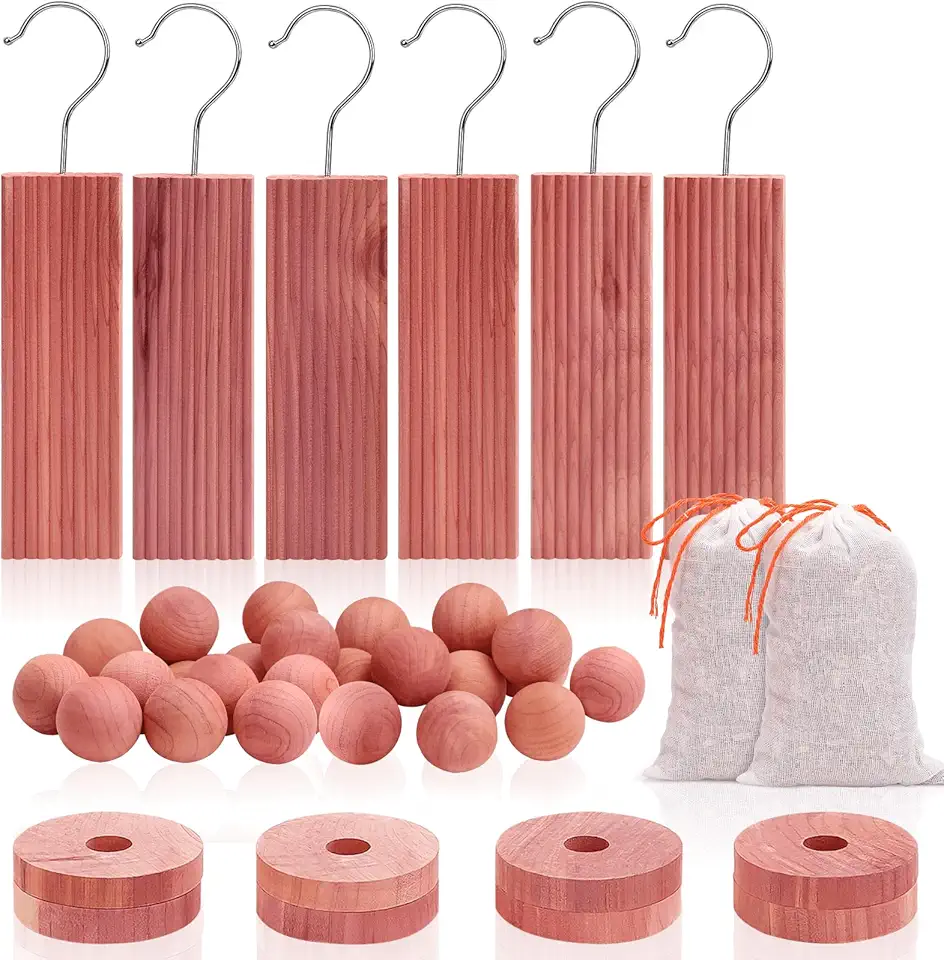
Cedar Chips & Balls Sachets — 40-Pack
- Mixed chips, balls and scented sachets for flexible closet placement
- fresh cedar scent naturally repels fabric pests and freshens garments
- small sizes fit drawers, shelves and boxes without taking space
- easy to refresh by rubbing or sanding for renewed aroma
- ideal for maintaining wardrobes and protecting stored linens
Buy on Amazon

Cedar Hangers & Balls Set — 25-Pack
- Combination of 15 hang-up pieces and 10 cedar balls for versatile closet coverage
- natural aromatic cedar freshens clothes and storage spaces
- helps reduce moth and insect damage without harsh chemicals
- designed to hang easily on rods or tuck into drawers
- scent can be renewed with light sanding for extended use
Buy on Amazon
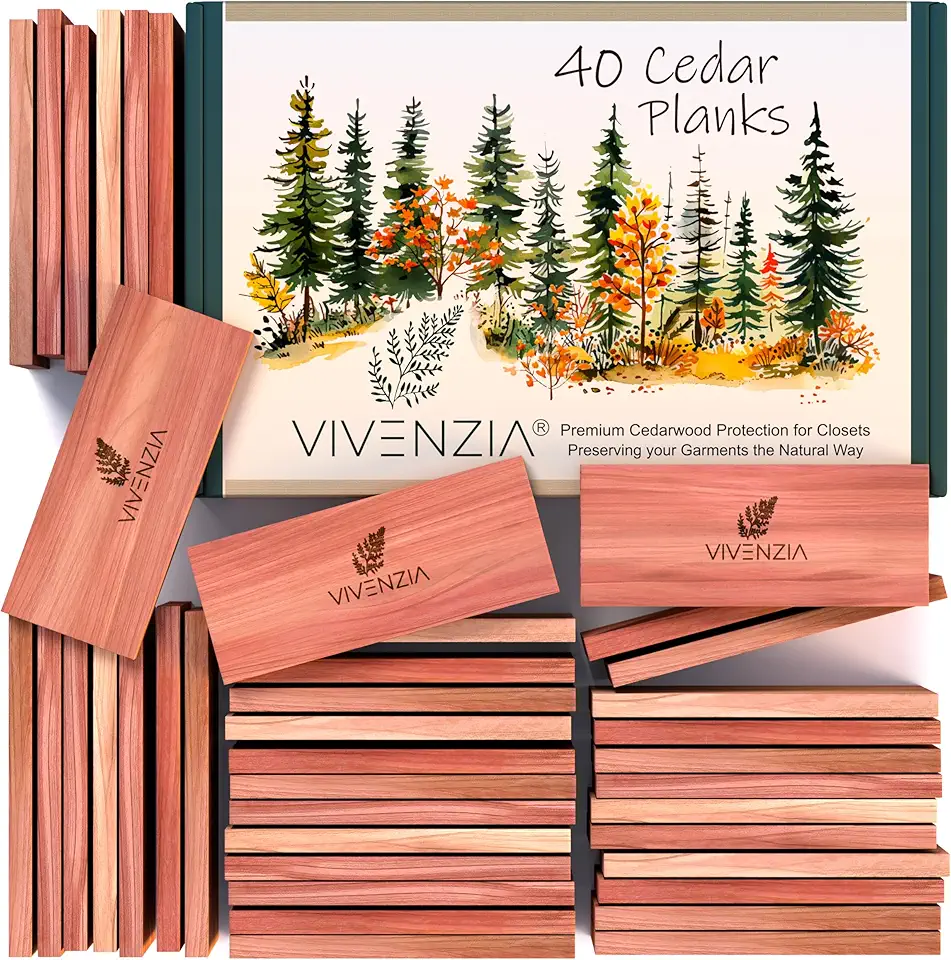
Cedar Planks for Closets — 40-Pack
- Bulk pack of 40 cedar planks to line closets and drawers efficiently
- aromatic wood naturally deodorizes and repels fabric pests
- flat planks fit neatly on shelves or under hanging clothes
- long-lasting scent that can be rejuvenated by sanding
- perfect for organizing and protecting seasonal garments
Buy on Amazon

Dr. Killigan's Cedar Planks — 10-Pack
- Sustainably harvested cedar planks made in the USA for natural closet care
- effective alternative to mothballs for protecting fabrics
- pleasant, long-lasting cedar aroma freshens drawers and wardrobes
- lightweight planks are easy to place on hangers or shelves
- low-maintenance solution that can be refreshed with light sanding
Buy on Amazon
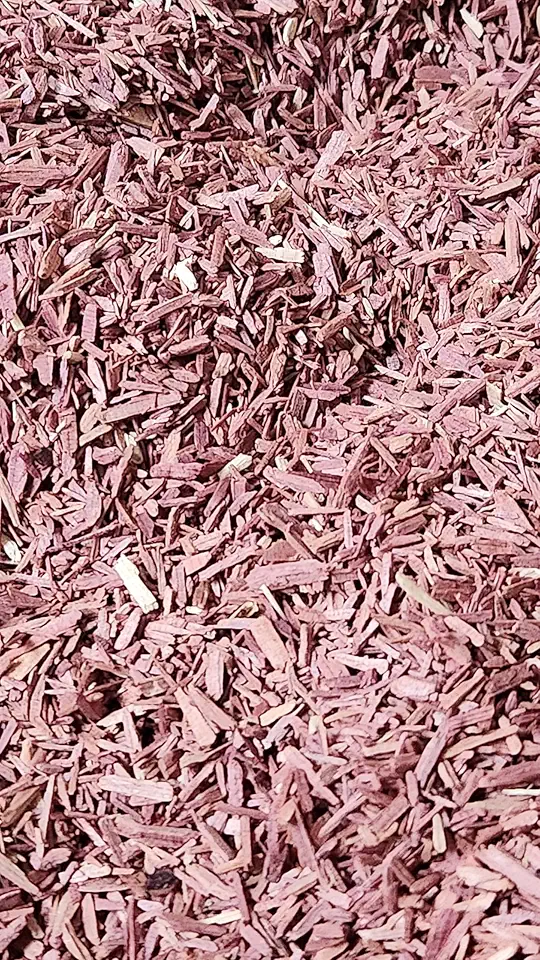
Kiln-Dried Aromatic Cedar Chips — 9 lb
- Premium kiln-dried eastern red cedar chips for a strong, lasting aroma
- large 9 lb bag supplies drawers, closets and larger storage areas
- ideal for lining trunks, cedar chests and garden projects
- low-moisture drying enhances scent longevity and pest-repelling properties
- made in Wisconsin for quality and consistency
Buy on Amazon
Commercial Cedar Products
Search “eastern red cedar for sale” and you’ll find blocks, planks, oil, sachets, and hanger sets; choose kiln-dried items for stronger aroma and longer service life. For built-ins or wall panels, prefinish parts before installation to keep the space tidy and preserve that classic cedar scent over time.
Windbreaks and Erosion Control
Agricultural Applications
Farmers plant the eastern red cedar tree in single or multi-row shelterbelts to cut wind speed, protect livestock, and hold soil on exposed fields; its evergreen canopy works through winter when erosion risks rise. The species handles dry, poor soils and urban stressors, as noted by UNH Extension, making it reliable for long-term windbreaks.
Urban Landscape Protection
City plantings use eastern red cedar for privacy screens, parking-lot buffers, and roadside strips where salt and heat hit hard. Pick narrow forms for tight spaces and avoid planting under powerlines; give young trees a slow-release watering schedule during the first two growing seasons to help roots establish.
Soil Stabilization Benefits
Fibrous roots bind banks and slopes while dense foliage breaks wind at ground level, lowering dust and conserving moisture. Combine trees with grasses or shrubs along the swale base to cover bare soil and improve infiltration.
| Windbreak Planning Item | Practical Range/Tip |
|---|---|
| Tree spacing in row | 6–12 ft for tight screens; 12–18 ft for broader shelter |
| Row spacing | 10–20 ft between rows; stagger trees for better coverage |
| Number of rows | 1–2 for homesteads; 3+ for farms with strong prevailing winds |
| Understory | Native grasses/forbs to reduce erosion and boost biodiversity |
| Setback from fields/roads | Allow room for equipment, snow storage, and mature crown spread |
Wildlife Habitat Enhancement
Native Species Support
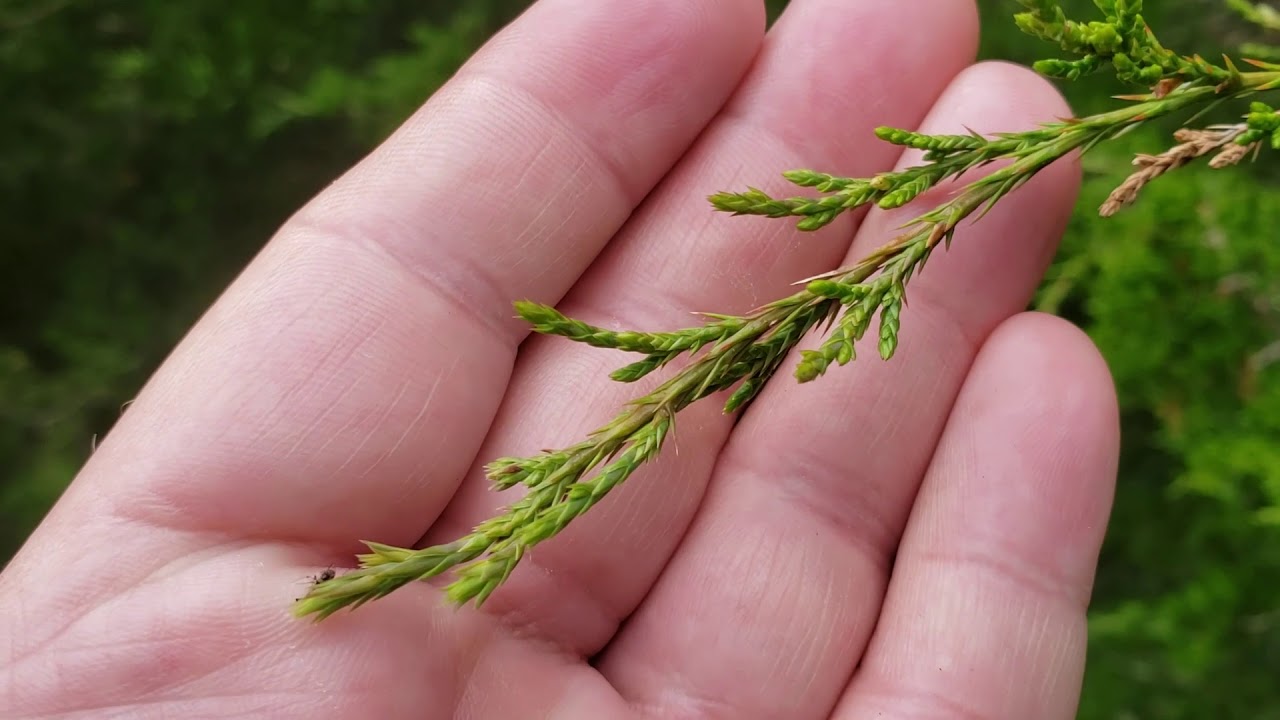
Across much of the Eastern U.S., eastern red cedar supports birds and small mammals with year-round cover and winter berries; it also brings evergreen texture to mixed hedgerows. A quick primer on its regional value appears at Nature Center Green Bay, which highlights hardy traits useful in habitat-friendly plantings.
Food and Shelter Provision
Female trees bear bluish cones called “berries,” which feed cedar waxwings and many other birds through the cold months; retain a mix of male and female trees for forage and cover. If you plan a hedgerow, stagger canopy heights and keep a few snags nearby to help insect-eating birds patrol the area.

Eastern Red Cedar Seeds — 100+ Pack
- Generous packet with 100+ Eastern red cedar seeds for planting projects
- native hardy species suitable for windbreaks, hedges and wildlife habitat
- easy-to-plant seeds for gardeners and restoration efforts
- ideal for growing long-lived, low-maintenance trees
- great for educational planting and landscape enhancement
Buy on Amazon
Ecological Restoration Projects
Restoration teams often mix saplings and seed in buffer strips, creek corridors, and field edges; ask nurseries about “eastern red cedar sapling” stock for local genetics. For context, compare species choices with Atlas cedar in non-native landscapes, then prioritize native plant palettes for long-term resilience.
Traditional and Medicinal Uses
Indigenous Applications
Many communities used bark, berries, and leaves in small amounts for teas and aromatic remedies, and valued the wood for storage chests and household care. You can read an accessible overview in Exploring the Usefulness of the Eastern Red Cedar; if you’re sensitive to conifers, test aromas gently and stop if you notice irritation.
Herbal Preparations
Keep doses tiny and infrequent because the oils are potent; many people stick to aromatic steams or sachets instead of ingestion. If you plan any internal use, work with a qualified herbalist and review medications or allergies before trying cedar-based recipes.
Historical Household Uses
Households used cedar chips and dust to reduce fleas in bedding and to freshen trunks and closets. For ongoing care, lightly sand cedar blocks every few months, vacuum the dust, and rotate pieces through drawers and garment bags to keep the scent working on fabrics.
FAQs
What Are The Benefits Of Planting Eastern Red Cedar Trees?
Eastern Red Cedar Provides Year-Round Evergreen Screening, Windbreaks, And Erosion Control While Requiring Little Maintenance Once Established. It Offers Valuable Wildlife Habitat And Food For Birds, Has Rot-Resistant, Aromatic Wood Useful For Crafts, And Is Drought-Tolerant, Making It A Good Choice For Tough Sites.
How Fast Does Eastern Red Cedar Grow?
Eastern Red Cedar Typically Grows At A Moderate Pace, Often Around 1 To 2 Feet Per Year Under Good Conditions, Though Growth Can Be Slower In Poor, Dry, Or Shaded Sites. Rate Varies With Soil Fertility, Water, And Light; Trees Can Take Several Decades To Reach Mature Heights Of 30–60+ Feet.
Are Eastern Red Cedar Trees Invasive?
While Eastern Red Cedar Is Native To Much Of North America, It Can Behave Invasively In Certain Landscapes, Especially Grasslands And Prairies Where Fire Suppression Allows It To Colonize Open Areas. Birds Spread The Seeds Easily, So In Some settings It May Become Weedy; Manage Seedlings By Pulling, Mowing, Or Using Prescribed Fire Where Appropriate.
Can Eastern Red Cedar Be Used As A Privacy Screen?
Yes. Eastern Red Cedar Makes An Excellent Privacy Screen Because It Is Evergreen And Often Dense When Planted In Groups. For A Solid Screen, Space Trees According To Desired Density And Mature Size—commonly 6–12 Feet Apart For Faster Coverage Or Wider Spacing For Slower, Thicker Growth—and Prune As Needed To Maintain Shape.
Where To Buy Eastern Red Cedar?
Eastern Red Cedar Is Available From Local Nurseries, Native Plant Centers, State Forestry Programs, And Reputable Online Tree Nurseries. Look For Containerized Or Bare-Root Stock From Local Sources When Possible, Ask About Provenance And Disease-Free Stock, And Avoid Digging Specimens From Wild Populations.