
Ever wondered which Scotch Pine makes the best living room tree or the most useful timber? This guide lists seven top picks for 2026. You’ll find options for a Scotch Pine Christmas tree, pine oils, seeds and scotch pine wood. Short reviews and simple care tips help you choose.
Table of Contents
Scotch pine (Pinus sylvestris) is a hardy evergreen loved for its fresh scent, bright needles, and versatile wood. This guide covers facts, Christmas tree tips, top buys for 2025, and practical uses of scotch pine in home and garden.
What is Scotch Pine?
Overview and Origins
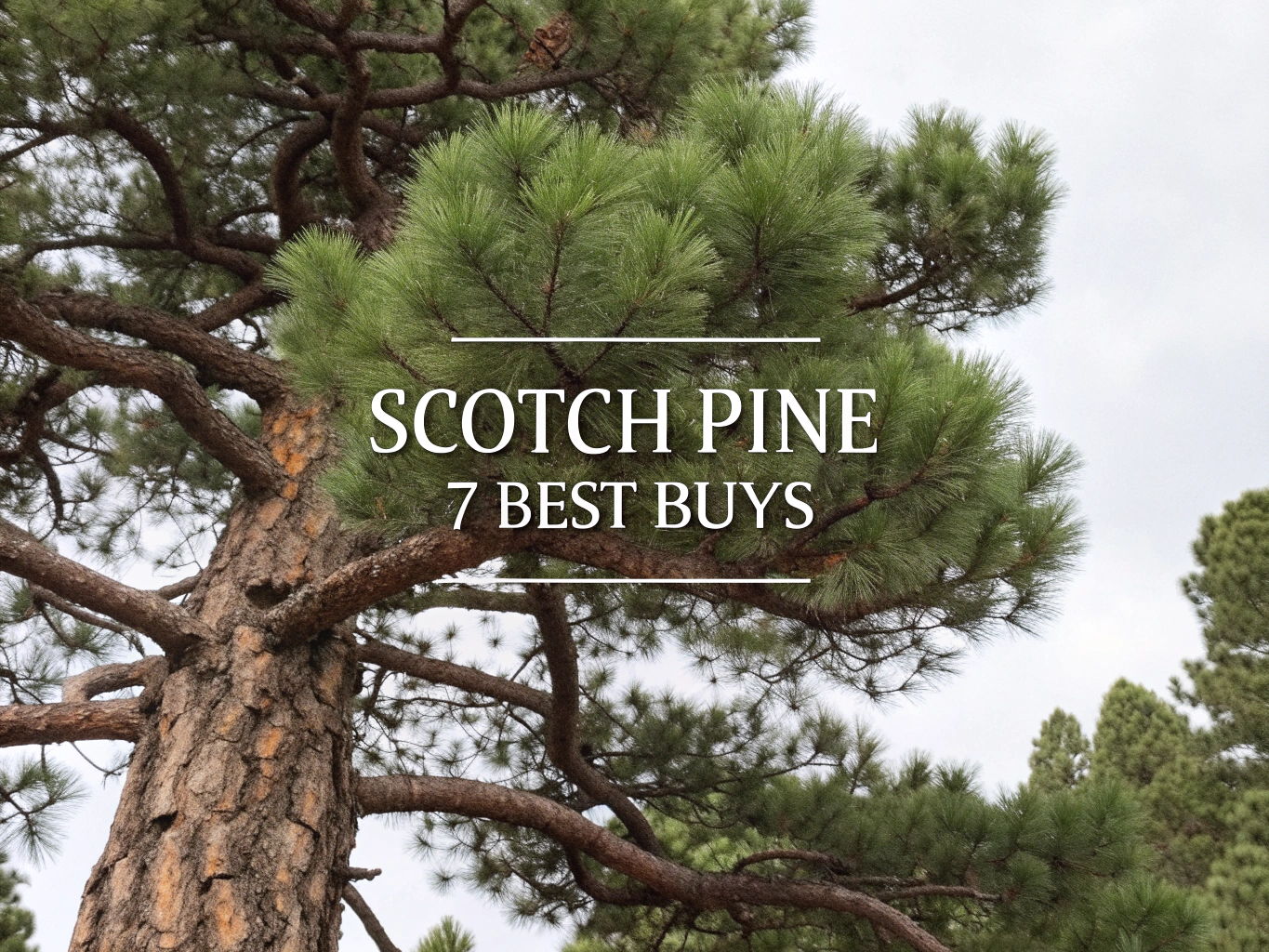
Scotch pine, also called Scots pine or Norwegian pine, is a resilient conifer native to Europe and Asia that adapts to many soils and climates. The name “Scots pine” is the botanically correct term; “Scotch pine” is common in North America and retail listings, so you’ll see both in plant guides.
Its bark turns a distinctive orange-brown on upper trunks, while needles look bright green to bluish-green and grow in twisted pairs. Mature trees reach 35–70 feet, with some exceeding 115 feet in long-lived forests, showing the species’ durability.
For taxonomy and global range, see Kew Science POWO, which lists Pinus sylvestris across a wide native zone. That reach explains why nurseries offer scotch pine for landscaping, timber, and seasonal décor worldwide.
Key Facts and Characteristics
This snapshot table helps you compare key traits at a glance.
| Feature | Details |
|---|---|
| Scientific name | Pinus sylvestris |
| Common names | Scotch pine, Scots pine, Norwegian pine |
| Height (mature) | 35–70 ft (10–21 m); up to 115+ ft (35 m) in some stands |
| Lifespan | 150–300 years (wild) |
| Needles | 1–3 in (2.5–7.5 cm), twisted, in pairs |
| Bark | Gray at base; orange-brown and flaky on upper trunk |
| Uses | Christmas trees, landscaping, timber, essential oils |
Scotch Pine Christmas Trees
Quality and Features
A scotch pine christmas tree offers excellent needle retention that cuts down on cleanup in busy homes. Stiff branches hold heavy ornaments, while the classic pyramidal shape looks full and cheerful after a good pruning.
Expect a fresh, clean pine scent that intensifies indoors. Buyers like the bright green color, which stays vivid for weeks with simple care.
Pricing and Availability for 2025
Based on recent farm listings, typical price ranges in 2025 look like this: 4–5 ft: $49–$79; 6–8 ft: $55–$89, with pre-cut trees sometimes $10 higher. As an example, Prairie Pines Christmas Trees has posted sizes and sample prices that align with these brackets, though local markets may vary by region.
Availability peaks from late November through December, and popular sizes sell fast. Reserve early or visit opening weekend to get the shape and height you want.
Care Tips
Follow these simple steps to keep your tree fresh and safe.
- Make a fresh 0.5-inch cut at the base before placing the tree in the stand.
- Fill the stand with water immediately and keep the base covered at all times.
- Check water daily; a fresh tree can drink 1–2 quarts on day one.
- Place the tree away from heat vents, fireplaces, and direct sunlight.
- Use LED lights that run cool, and switch them off before bed.
For a quick visual guide, this video pairs well with the tips above and reinforces good maintenance.
1. Best Scotch Pine Essential Oils
These picks offer pure aroma, solid value, and sizes that suit home users and makers.
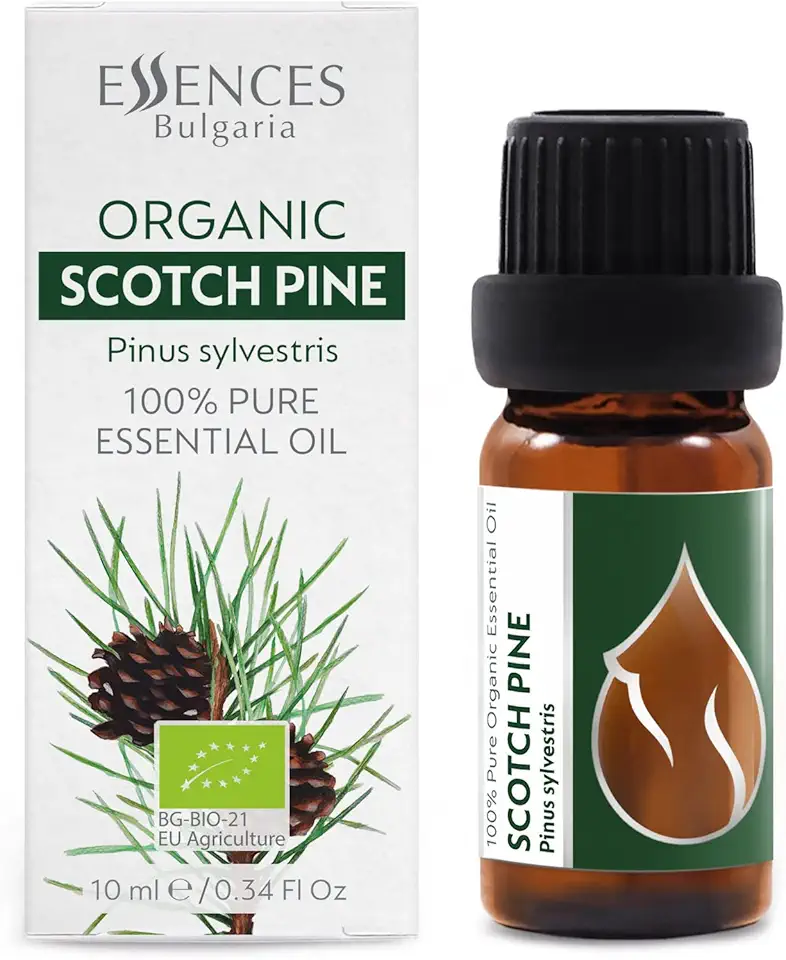
Organic Scotch Pine Essential Oil 10ml
- 100% pure, undiluted organic scotch pine oil
- therapeutic-grade aroma ideal for diffusers and humidifiers
- refreshing pine scent that helps promote focus and clarity
- suitable for diluted DIY skincare, cosmetics, and blends
- compact 10ml bottle perfect for travel and crafting
 Buy on Amazon
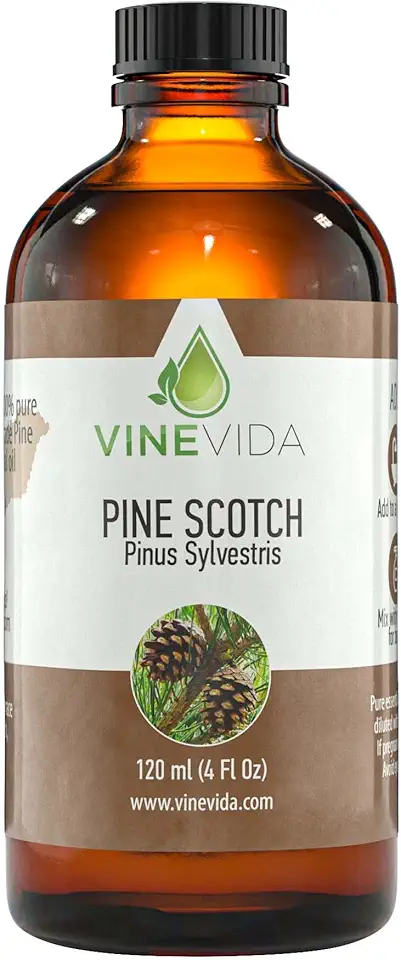
VINEVIDA Scotch Pine Oil 4 oz (Undiluted)
- Generous 4 oz bottle for extended use
- undiluted, pure scotch pine oil for flexible blending
- ideal for candle scents, soap making, and bath products
- fresh pine aroma enhances home and spa atmospheres
- cost-effective option for crafters and small businesses
Buy on Amazon
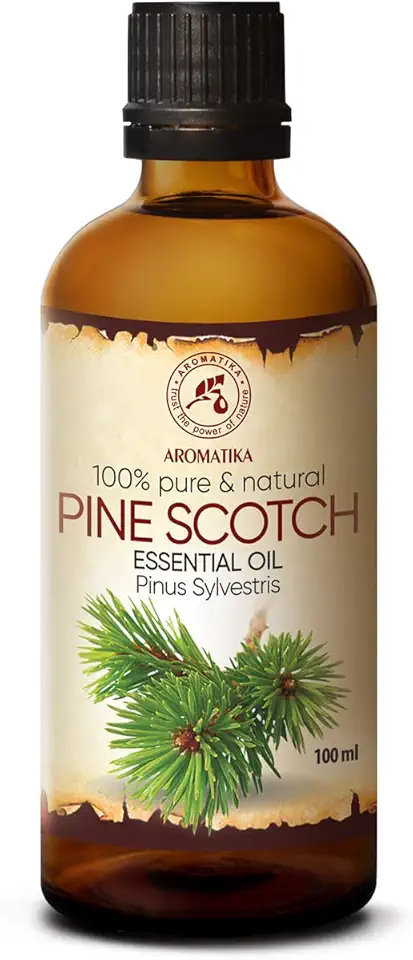
Scotch Pine Oil 3.4 fl oz — Austrian
- 100% pure and natural scotch pine oil from Austria
- uplifting pine fragrance suited for aromatherapy and relaxation
- supports tension relief when used in blends and diffusers
- versatile for diffusers, baths, and aroma lamps
- convenient 3.4 fl oz size for home spa use
Buy on Amazon

Plant Therapy Scots Pine 10ml
- 100% pure, undiluted therapeutic-grade scots pine oil
- crisp pine aroma great for diffusers and inhalation blends
- small bottle size ideal for trial and travel
- perfect for creating massage blends when properly diluted
- trusted choice for DIY aromatherapy routines
Buy on Amazon
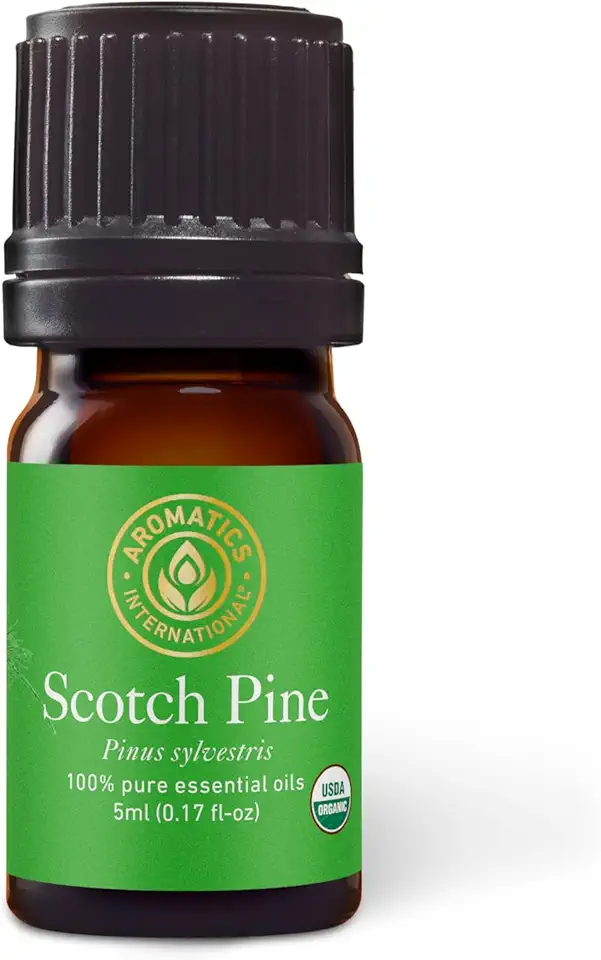
Aromatics Int'l Organic Scotch Pine 5ml
- USDA organic certified scotch pine essential oil in a 5ml bottle
- pure and natural for clean diffusion and blending
- bright pine scent that uplifts the room atmosphere
- small size ideal for sampling and travel
- great for organic aromatherapy and seasonal blends
Buy on Amazon

Pranarom Organic Scotch Pine 5ml
- USDA organic scotch pine essential oil in a travel-friendly 5ml vial
- pure, therapeutic-grade aroma for aromatherapy
- bright and refreshing pine scent for diffusers and blends
- ideal for seasonal and respiratory-supporting blends when diluted
- compact size for sampling and gifting
Buy on Amazon
Aromatherapy Benefits
The bright, resinous scent helps freshen rooms and clear stale air with a crisp pine note. Add 3–6 drops to a diffuser, or blend with cedarwood, fir, or citrus for a woodsy, balanced aroma.
For topical blends, dilute to 1–3% in a carrier oil and patch test first. Many users pair scots pine with eucalyptus in steam inhalation for a brisk, spa-like experience.
Size and Value Options
Small 5–10 ml bottles suit beginners and travel kits, while 3.4–4 oz sizes fit frequent diffusers and crafters. If you make candles or soaps, larger bottles reduce cost per ml and keep blends consistent across batches.
2. Best Scotch Pine Seeds for Planting
Pick from bulk packs for projects or trial sizes to test germination in your climate.

300 Scotch Pine Seeds (Pinus sylvestris)
- Big pack of 300 non-GMO scotch pine seeds for planting in bulk
- great for reforestation, landscaping, and nursery projects
- hardy species tolerant of cold climates and variable conditions
- ideal for gardeners, landscapers, and restoration efforts
- cost-effective seed option for large-scale planting
Buy on Amazon

Scots Pine Trial Seeds — Cold-Tolerant
- Cold-hardy Pinus sylvestris rhodopaea seeds suited for harsh climates
- trial size lets you test germination before committing to larger batches
- good tolerance to low temperatures and challenging sites
- ideal for small landscaping projects and tree trials
- perfect for gardeners wanting resilient pine varieties
Buy on Amazon
Bulk vs. Trial Sizes
Bulk packs suit reforestation, shelterbelts, and nursery starts where you need hundreds of seedlings. Trial packs help you dial in cold stratification and potting mixes before scaling to bigger beds.
Sow into well-drained media and provide bright light after germination. Young scots pine prefer consistent moisture without waterlogging.
Cold Tolerance Features
Scotch pine is known for strong cold hardiness across northern zones. Trial lines labeled “cold-tolerant” can perform well on exposed sites and windy ridges.
For seedlings in harsh winters, use windbreak fabric the first season and mulch lightly to protect young roots.
3. Best Scotch Pine Home Fragrance
If you want quick holiday ambiance without flames, soy wax melts deliver a clean pine scent in minutes, then switch off when you’re done for the day

Scotch Pine Soy Wax Melts — 6 Cubes
- Natural soy wax melts with rich scotch pine fragrance
- six easy-to-use cubes for mess-free scenting
- long-lasting scent release to freshen rooms
- ideal for holiday ambiance or year-round use
- compatible with most wax warmers for simple home fragrance
Buy on Amazon
Wax Melts vs. Essential Oils
Melts are simple and mess-free; essential oils give more blending control and work in car clips, personal inhalers, and diffusers. Use both: melts for background scent, oils for focused sessions or quick refresh.
Seasonal and Year-Round Use
Pine fits winter holidays, yet the scent also suits spring cleaning and outdoor-themed rooms. Rotate with cedar or citrus to keep your home fragrance feeling fresh.
Scotch Pine Wood Characteristics
Features and Durability
Scotch pine wood shows pale yellow to reddish-brown heartwood with lighter sapwood and moderate strength for framing and interior trim. Its workability makes it a practical alternative to yellow pine in many basic projects.
Use a quality sealer to reduce resin bleed on painted finishes. For structural needs, compare grades with this guide on construction wood so your specs match the application.
Outdoors, treat or finish surfaces to improve weather resistance and lifespan. For patio pieces, see ideas in best wood for outdoor furniture before choosing a species.
Common Uses and Applications
Common uses include studs, paneling, fencing, shelving, and rustic furniture. For design options, browse types of wood for furniture and compare with softwoods like cedar wood for natural decay resistance.
In shops, scots pine machines cleanly with sharp blades and sands quickly. Pre-drill for screws near edges to limit splits.
Frequently Asked Questions
Scotch Pine vs. Scots Pine
They refer to the same species, Pinus sylvestris; “Scots pine” is botanically correct while “Scotch pine” remains common in retail and media. Some regions say “Norwegian pine,” though that’s just another casual name.
Christmas Tree Care
Keep the stand full, avoid heat sources, and use cool LEDs for safety and long-lasting color. With proper care, a scotch pine christmas tree looks great for four weeks or longer.
Best Uses for Wood Products
Pick scots pine for interior trim, wall paneling, basic furniture, and craft projects. For outdoor or wet zones, select pressure-treated stock or a more decay-resistant species.
FAQs
What Are The Uses Of Scotch Pine In Landscaping?
Scotch Pine Is A Versatile Landscape Tree Used For Windbreaks, Privacy Screens, Specimen Plantings, Erosion Control, And Reforestation. It Tolerates Poor, Sandy Soils And Urban Conditions Better Than Many Pines, Making It Useful Along Roadsides, In Parks, And As A Backdrop In Mixed Plantings. It’S Also Grown On Farms For Christmas Trees And Shelterbelts.
How Do You Identify A Scotch Pine Tree?
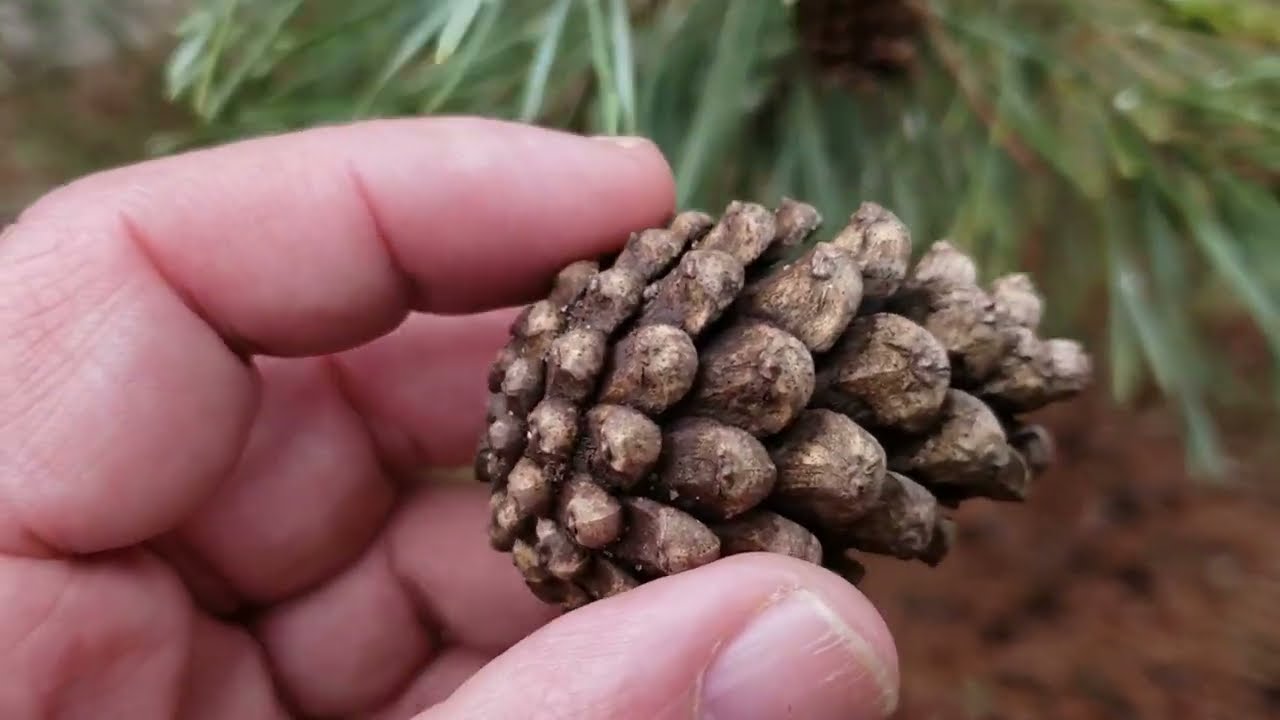
Scotch Pine Typically Has Two Needles Per Fascicle That Are Twisted And About 1.5–3.5 Inches Long With A Blue-Green To Yellow-Green Color. Its Bark Is Characteristically Orange-Brown And Flaky On The Upper Trunk And More Gray-Brown Lower Down. Look For Small, Rounded Cones, An Irregular Crown, And A Slightly Rugged, Open Form—All Helpful Identification Clues.
What Is The Growth Rate Of Scotch Pine?
Scotch Pine Usually Shows A Moderate To Fast Growth Rate When Young, Often Putting On About 1–2 Feet (12–24 Inches) Per Year Under Good Conditions. Growth Slows As Trees Mature; Typical Mature Heights Range From Around 30 To 60 Feet Depending On Site Quality And Local Climate. Soil, Sun Exposure, Water, And Competition All Affect How Quickly A Tree Grows.
Are Scotch Pine Trees Good For Christmas?
Yes—Scotch Pines Are Commonly Used As Christmas Trees Because They Often Have Sturdy Branches, Good Needle Retention, And A Pleasant Pine Scent. They Can Be A Bit More Open In Form Than Shaped Cultivars, So Some Pruning Or Shearing May Be Needed For The Classic Conical Look. Availability Varies Regionally, But They Remain A Popular Choice.
How Do You Care For A Scotch Pine Tree?
Plant Scotch Pine In Full Sun With Well-Drained Soil, Water Regularly During The First 2–3 Years To Establish Roots, And Mulch To Conserve Moisture And Suppress Weeds. Avoid Overwatering And Poor Drainage. Prune Sparingly To Remove Dead Or Crossing Branches. Monitor For Pests And Diseases Like Pine Wilt, Needle Cast, And Bark Beetles, And Apply Targeted Treatments If Needed. A Light Spring Fertilization Can Help On Poor Sites.